South Dakota Fishing License Exemptions
Navigating the ins and outs of fishing regulations can often feel like trying to untangle a knotted fishing line – frustrating, confusing, and sometimes, you just want to cut it and start over. One common area of bewilderment for many anglers, especially those new to the state or those with specific circumstances, revolves around who actually needs a fishing license in South Dakota and, perhaps more importantly, who doesn't. This comprehensive guide is here to clear up that murky water, detailing every South Dakota fishing license exemption so you can cast your line with confidence and legal peace of mind.
Understanding the Basics of South Dakota Fishing Licenses
Before we dive into the exceptions, it’s helpful to quickly grasp the general rule. South Dakota takes its fisheries management seriously, and for good reason—the state offers some incredible angling opportunities, from world-class walleye fishing on the Missouri River reservoirs to pristine trout streams in the Black Hills. Funding for these conservation efforts, fish stocking programs, and habitat improvements largely comes from the sale of fishing licenses.
Who Generally Needs a License?
The overarching principle is that almost everyone who wants to fish in South Dakota's public waters needs a license. This applies whether you're a resident or a nonresident, whether you're fishing from a boat, from shore, or through the ice. There are different types of licenses to suit various needs, such as a South Dakota Annual Fishing License or options like a South Dakota One-Day Fishing License for those just visiting. Even if you're just dipping a toe in, or perhaps only plan to fish a couple of times a year, chances are you'll need to purchase one. It's the standard expectation that contributes to keeping our waters healthy and abundant for future generations of anglers.
Why Exemptions Matter
However, the South Dakota Game, Fish and Parks (GFP) also recognizes that there are certain groups of people or specific situations where requiring a license might be unnecessary, impractical, or even a barrier to participation. These exemptions are thoughtfully put in place to encourage youth involvement, honor service members, support landowners, or simply create opportunities for everyone to enjoy the state's natural beauty. Understanding these exemptions isn't just about saving a few bucks; it's about knowing your rights and ensuring you don't inadvertently break a rule while trying to enjoy a peaceful day on the water. It also helps clarify situations where, even with an exemption, other rules, like possession limits, still apply.
Age-Based Fishing License Exemptions in South Dakota
South Dakota provides clear guidelines when it comes to age and fishing license requirements. These exemptions are designed to make it easier for young people to get into fishing and to acknowledge the contributions of senior citizens. It’s important to understand the specific age cutoffs, as they differ for residents and nonresidents.
Young Anglers: Under 16 Rules
One of the most heartwarming exemptions is for our youngest anglers. South Dakota believes in fostering a love for fishing early, and part of that means removing barriers. Generally speaking, kids under a certain age are exempt from needing a fishing license.
For South Dakota residents, anyone under the age of 16 does not need a fishing license to fish in the state's public waters. This is fantastic news for families looking to introduce their children to the joys of casting a line without the added cost or paperwork. Imagine a beautiful summer day at Lake Oahe, watching your son or daughter excitedly reel in their first walleye, knowing they can do so freely. This exemption applies to all resident youth, allowing them to participate fully in the fishing experience. However, even though they don't need a license, they are still expected to follow all other fishing regulations, such as daily and possession limits for various species.
For nonresidents, the rule is slightly different but still very generous. Nonresident youth under the age of 16 are also exempt from needing a South Dakota fishing license, provided they are fishing with a parent or guardian who possesses a valid South Dakota fishing license. This distinction is crucial: if a nonresident child under 16 is fishing alone or with another adult who is not their parent/guardian and doesn't have a license, then the child would need their own license. This encourages family participation and ensures that an adult with a clear understanding of the rules is accompanying younger, less experienced nonresident anglers. It’s all about responsible enjoyment of our precious fishing resources.
Senior Anglers: When Age Grants Freedom
South Dakota also extends a hand to its more seasoned residents, offering a special exemption for senior anglers. This is a way to recognize a lifetime of contributions and to ensure that fishing remains an accessible and enjoyable pastime in later years.
For South Dakota residents, once you hit the age of 65, you are completely exempt from needing a general fishing license. That's right, sixty-five and over, and you can fish without purchasing a state license. This is a wonderful benefit that many long-time residents appreciate, especially those who might be living on a fixed income. It allows them to continue pursuing their passion for fishing, whether it's catching panfish at a local pond or chasing the legendary walleye on the Missouri River.
It's important to clarify that this exemption is strictly for residents of South Dakota. Nonresidents, regardless of their age, are still required to purchase a fishing license to fish in the state's waters. So, if you're a visiting grandparent looking to fish with your South Dakota resident grandchildren, make sure your own license is in order. This distinction helps manage the fishing pressure from outside the state while providing a valuable perk to those who call South Dakota home. This exemption for seniors is a fantastic way to honor our elders and keep them active in the outdoors, providing a lifetime of memories on the water.
Disability and Military Service Exemptions
South Dakota recognizes the sacrifices made by its service members and the challenges faced by individuals with disabilities, offering specific fishing license exemptions as a token of gratitude and support. These provisions ensure that fishing remains an accessible and enjoyable activity for these deserving groups.
Disabled Veterans: Honoring Service with Fishing Privileges
For those who have served our country and incurred a disability, South Dakota extends a significant exemption. Resident disabled veterans who have been rated by the Department of Veterans Affairs as 100% disabled, or those receiving benefits for a service-connected disability determined by the VA to be 100% disabling, are exempt from needing a fishing license.
This exemption is a small but meaningful way to honor their service and sacrifice, allowing them to enjoy the therapeutic benefits of fishing without the burden of license fees. To qualify, veterans typically need to provide official documentation from the VA confirming their disability status. This isn't just a simple waiver; it's a testament to the state's commitment to those who have given so much. Many find solace and peace on the water, and this exemption helps facilitate that. For more details on applying, checking the specific requirements for a South Dakota Disabled Veteran Fishing License is always a good idea. It ensures they can continue to create memories, whether it's casting a line into Lake Sharpe for smallmouth bass or enjoying the tranquility of a Black Hills stream.
Other Disability-Based Exemptions
Beyond disabled veterans, South Dakota also offers exemptions for other individuals with disabilities, recognizing various circumstances. While the details can sometimes be a bit nuanced, the spirit is always to make fishing more accessible.
One key exemption pertains to residents who are legally blind. Individuals certified as legally blind in South Dakota are exempt from needing a fishing license. This thoughtful provision allows those with visual impairments to still experience the joy of fishing, often with the assistance of friends or family, without the added financial or administrative hurdle of a license. It’s about ensuring that a disability doesn't completely preclude someone from enjoying one of the state's most popular outdoor activities.
Another important exemption covers individuals who are residents of hospitals, nursing homes, or similar institutions due to mental illness, developmental disabilities, or other incapacitating physical conditions. If these residents are participating in an organized fishing activity directly supervised by institution staff, they are exempt from needing a fishing license. This allows institutions to offer recreational therapy and outdoor experiences to their residents, contributing positively to their well-being. It’s a specialized exemption that acknowledges the unique care and activity needs of these populations, allowing them a chance to engage with nature. Each of these exemptions requires specific documentation or circumstances to be met, so it’s always best to consult the official South Dakota Game, Fish and Parks regulations or contact them directly for clarification if you believe you or someone you care for might qualify.
Landowner and Occupant Fishing Exemptions
South Dakota, with its vast stretches of private land and strong agricultural heritage, has specific exemptions for those who own or reside on land adjacent to fishable waters. This is a common-sense approach that respects property rights while encouraging responsible outdoor recreation.
Fishing on Your Own Land
If you are a resident landowner, farmer, or rancher in South Dakota, you might be surprised to learn that you can fish on waters that are entirely contained within your own property without a fishing license. This is a significant exemption that acknowledges the unique position of property owners. Imagine having a beautiful pond or a stretch of stream running through your ranch; this exemption means you can step out your backdoor and start fishing without needing to purchase a state license.
However, there's a critical caveat: the water must be entirely contained within your property boundaries. This means it cannot be a stream or river that flows onto or off of your land, or a lake that straddles multiple properties or has public access. For example, if you have a completely private, self-contained pond that you've stocked yourself, you can fish it freely. But if a river like the James River flows through your property, you would still need a license to fish that flowing water, as it's considered public access water within the state's jurisdiction, regardless of who owns the riverbed or surrounding land. The intent here is to distinguish between genuinely private, isolated waters and the public trust resources that are managed by the state for everyone.
Fishing on Land You Occupy
Similar to landowners, South Dakota also extends a fishing license exemption to residents who legally occupy land, such as tenants or leaseholders. If you are a resident who owns, occupies, or leases a tract of land, you may fish on the waters bordering or within that land without a license. This exemption is quite broad and recognizes that tenants and leaseholders often have similar responsibilities and connections to the land as owners.
This could apply to a family living on a rented farm that includes a private pond or even a portion of a river. The key here is the legal occupation of the land. Just like with landowners, however, this exemption comes with important limitations. The water must still be "bordering or within" the land you occupy, and for flowing public waters (like major rivers), this typically refers to bank fishing only. If you decide to launch a boat and venture out into the main channel of a public river, you would likely need a license, as you are then moving beyond the direct influence of the land you occupy and into broader public waterways. This distinction is vital for understanding when your land-based exemption applies and when you might need to carry a valid South Dakota fishing license. Always ensure you understand the specific boundaries and public access points of the water body in question.
Special Event and Circumstance Exemptions
South Dakota embraces opportunities to share the joy of fishing with everyone, and sometimes that means temporarily waiving license requirements for specific events or unique situations. These exemptions are great ways to introduce new people to fishing or to enjoy private waters.
South Dakota Free Fishing Days
Perhaps the most widely celebrated exemption is during South Dakota's annual Free Fishing Weekend. This is a fantastic initiative by the South Dakota GFP to encourage everyone, residents and nonresidents alike, to experience fishing without the usual license requirement. Typically held over a weekend in May, it's a perfect opportunity for families to try fishing for the first time, for seasoned anglers to introduce friends to the sport, or for anyone to simply enjoy a day on the water without the hassle of purchasing a license.
During these designated days, anyone can fish in South Dakota's public waters completely free of charge, as long as they adhere to all other fishing regulations, such as South Dakota Fish Limits and Size Restrictions. This means you still need to know the specific rules for the species you're targeting and the water body you're on. For instance, if you're fishing for walleye on Lake Sharpe, the daily and possession limits still apply, even during Free Fishing Weekend. It's an excellent chance to visit a new fishing spot, try a different technique, or simply reconnect with nature. Keep an eye on the official GFP website for the exact dates of the South Dakota Free Fishing Weekend Rules each year, as they can sometimes vary.
Fishing on Private Stocked Ponds
Another specific exemption exists for fishing on certain private ponds, especially those that are stocked. If you are fishing in a private pond that is entirely within the boundaries of private land and is not connected to public waters, you might not need a state fishing license. This often applies to small, isolated ponds on private property that have been stocked by the landowner.
The critical factor here is the complete isolation from public waterways. If the pond is part of a larger stream system or has an inlet/outlet that connects to a public creek, river, or lake, then it falls under state regulations, and a license would generally be required unless another exemption applies (like the landowner exemption discussed earlier). This exemption is particularly useful for private fishing clubs, vacation rentals with their own ponds, or individuals who maintain private fisheries. It allows them to manage their own specific fishing opportunities without direct state oversight on licensing. However, even in private stocked ponds, ethical fishing practices and often the landowner's own rules about catch and release or harvest limits are expected to be followed. It’s always best to clarify with the property owner about any specific rules for fishing their private waters.
Native American Tribal Land Considerations
Fishing in South Dakota often brings up questions about tribal lands, as several reservations contain significant waterways within the state. Understanding the nuances of fishing on these lands is crucial, as state regulations and tribal regulations can differ significantly.
Tribal Member Fishing Rights
For enrolled members of federally recognized Native American tribes, especially those with reservations within South Dakota, fishing rights are often governed by tribal law rather than state law. Many tribes assert their inherent sovereignty over the natural resources within their reservation boundaries, which includes the right to fish without a state-issued license. For example, a member of the Cheyenne River Sioux Tribe fishing on waters within the Cheyenne River Reservation would typically follow tribal regulations and not need a South Dakota state fishing license.
These rights are deeply rooted in treaties, cultural heritage, and the sovereign status of the tribes. It’s a complex area, but the general understanding is that tribal members fishing on their own reservation lands are operating under the jurisdiction of their tribal government. This is a fundamental aspect of tribal sovereignty. However, if a tribal member chooses to fish on state-managed public waters outside of their reservation boundaries, they would generally be subject to state licensing requirements, just like any other individual. Each tribe may also have its own specific rules, permits, or cultural practices related to fishing, so it's always advisable for tribal members to be familiar with their own tribal codes.
Fishing on Reservation Waters for Non-Tribal Members
This is where things can get a bit more complex for non-tribal members. If you are a non-tribal member and wish to fish on waters located within a Native American reservation in South Dakota, you will typically need to obtain a tribal fishing permit in addition to, or sometimes instead of, a state fishing license. The specific requirements vary significantly from one reservation to another.
For example, to fish on waters within the Pine Ridge Reservation, you would generally need to purchase a permit from the Oglala Sioux Tribe Game, Fish & Parks Department, regardless of whether you have a state license. Some tribes, particularly those whose waters are heavily utilized by the general public (such as portions of the Missouri River reservoirs that flow through reservations), might have cooperative agreements with the state where a state license is recognized, or they might require both a state license and a tribal permit. Other reservations might solely require their own tribal permit.
It is absolutely critical to research the specific rules for the reservation you plan to fish on before you go. Websites for tribal game and fish departments are the best resource. Failing to obtain the correct tribal permit can result in fines or confiscation of equipment, as tribal law enforcement has jurisdiction within their boundaries. Never assume your South Dakota state license covers you on tribal lands; always verify the South Dakota Tribal Land Fishing Permits requirements for your chosen fishing spot to ensure you're compliant with all applicable regulations.
Reciprocity Agreements and Border Waters
Fishing along state borders can sometimes lead to confusion about which state's license is required. South Dakota, particularly along the Missouri River, has specific rules and agreements to clarify these situations, though full reciprocity with neighboring states for general licenses is quite rare.
Missouri River Border Water Rules
The Missouri River forms a significant portion of South Dakota's eastern border, touching Nebraska. To simplify fishing for anglers who might be moving between state lines, there are specific agreements in place for certain stretches of the river. Historically, there have been reciprocity agreements for particular areas of the Missouri River where it forms a common boundary between South Dakota and Nebraska.
For example, on parts of the Missouri River that serve as the border, an angler might be able to fish the entire width of the river with either a valid South Dakota fishing license or a valid Nebraska fishing license. This means if you have a South Dakota license, you could technically fish from your boat on the Nebraska side of the main channel without needing a second license, and vice versa. However, these agreements are highly specific to the main channel of the river and typically do not extend to tributaries, oxbow lakes, or backwaters that are entirely within one state's boundary. If you venture into a bay or slough that is clearly on the Nebraska side and outside the main river channel, you would need a Nebraska license. Conversely, fishing in the South Dakota sections, like the vast expanses of Lake Francis Case, with just a Nebraska license would not be permitted. These border agreements are designed for convenience on shared waters, not as a blanket permit for all waters of the adjacent state. Always double-check the exact boundaries and conditions of these agreements, which are usually detailed in the annual South Dakota Fishing Regulations Explained handbook.
Other Potential Reciprocity Scenarios
While the Missouri River border agreement with Nebraska is the most prominent example of a reciprocal arrangement, it's important to understand that comprehensive reciprocity for fishing licenses between South Dakota and its other neighboring states (like North Dakota, Minnesota, Iowa, Wyoming, or Montana) is generally not the norm.
Most states manage their own fishing license programs, and a license from one state does not typically grant you permission to fish in another. For instance, holding a Minnesota fishing license would not allow you to fish in South Dakota's Glacial Lakes like Lake Poinsett or Lake Kampeska; you would need a specific South Dakota license. The idea behind this is that each state has its own unique fisheries management programs, conservation efforts, and funding structures, which are supported by its own license sales. Therefore, if you plan to fish across state lines, the safest and most legally compliant approach is to obtain a separate fishing license for each state you intend to fish in. While the convenience of a single license for multiple states would be nice, the reality of state-specific regulations and funding models makes broad reciprocity uncommon. Always assume you need a separate license unless there's a very specific, published border water agreement for the exact location you plan to fish, and confirm it with the respective state's game and fish departments.
Important Caveats and What's Not Exempt
Even when an exemption applies to a fishing license, it's crucial to remember that this doesn't mean you're exempt from all rules. There are specific aspects of fishing in South Dakota that often still require adherence, regardless of your license status. Confusing these details can lead to unexpected fines or legal issues.
Habitat Stamps and Exemptions
One of the most common areas of confusion, even for those who are otherwise exempt from needing a general fishing license, is the South Dakota Habitat Stamp. This stamp is a critical component of the state's conservation efforts, with the funds generated directly supporting habitat improvement projects across South Dakota.
While many age-based and disability-based exemptions might waive the fishing license fee, they generally do not waive the requirement for a Habitat Stamp. For example, a resident senior angler over 65 years old who is exempt from the general fishing license still needs to purchase a South Dakota Habitat Stamp. Similarly, a nonresident youth under 16 fishing with a licensed adult might not need a fishing license, but that adult's license would have included a Habitat Stamp, or they might still need one under different circumstances. The only individuals who are typically exempt from the Habitat Stamp requirement are those who are not required to purchase any license (e.g., resident youth under 16, or certain 100% disabled veterans who receive a comprehensive exemption). It's always best to check the specific details for your exemption, but a good rule of thumb is: if you're fishing and an adult resident, you probably need a Habitat Stamp, even if the fishing license itself is waived. For a deeper dive, explore the South Dakota Habitat Stamp Requirements.
When an Exemption Doesn't Mean "No Rules"
This is perhaps the most critical takeaway for anyone relying on a fishing license exemption: being exempt from the license requirement absolutely does not mean you are exempt from following all other South Dakota fishing regulations. This is a common misconception that can lead to significant problems.
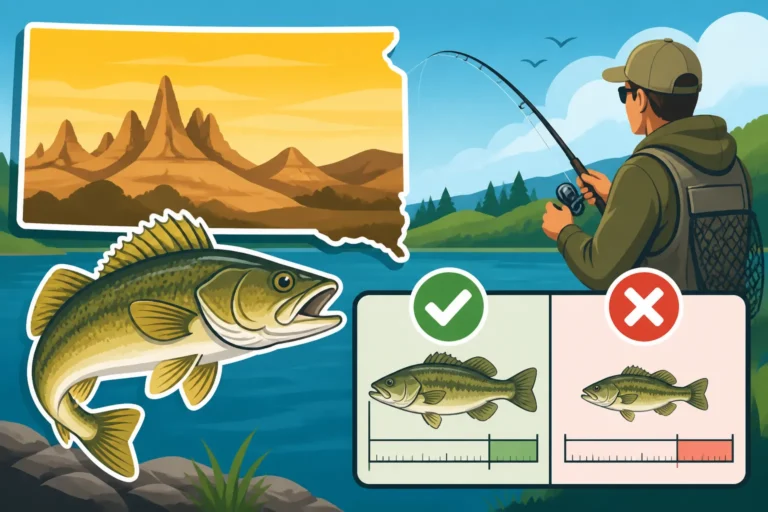
Every angler, regardless of whether they need a license, is still expected to know and adhere to all the rules regarding South Dakota Fish Limits and Size Restrictions, fishing seasons, bait restrictions, legal fishing methods, and boat and water access rules. For instance, if you are a resident under 16 and don't need a license, you still cannot keep more than the daily limit of walleye on Lake Oahe, nor can you use illegal bait in trout streams. You still must respect private property boundaries and clean your boat to prevent the spread of aquatic invasive species.
The South Dakota Game, Fish and Parks (GFP) creates these regulations to ensure sustainable fisheries and protect the state's aquatic ecosystems. Violating these rules, even if you are license-exempt, can result in citations, fines, and potentially the loss of fishing privileges. Think of your exemption as a pass to enter the game, but you still have to play by the rules. It's highly recommended that everyone familiarize themselves with the current year's South Dakota GFP Fishing Handbook Guide, which is readily available online and at license vendors. Staying informed ensures a responsible and enjoyable fishing experience for everyone.
Here’s a quick summary of common South Dakota fishing license exemptions:
| Exemption Category | Who Qualifies (Resident) | Who Qualifies (Nonresident) | Habitat Stamp Required? | Other Rules Still Apply? |
|---|---|---|---|---|
| Age-Based | Under 16 years old | Under 16 years old (fishing with licensed parent/guardian) | No | Yes |
| 65 years old and older | N/A (nonresidents always require a license) | Yes | Yes | |
| Disability & Military | 100% Disabled Veterans (VA certified) | N/A | No | Yes |
| Legally Blind | N/A | Yes | Yes | |
| Residents of qualifying institutions (staff-supervised) | N/A | No | Yes | |
| Land & Occupancy | Landowner fishing on entirely contained private water | N/A | No | Yes (landowner's rules) |
| Occupant/leaseholder fishing on bordering/within land | N/A | Yes (on public waters) | Yes | |
| Special Events | During designated South Dakota Free Fishing Days | During designated South Dakota Free Fishing Days | No | Yes |
| Private ponds (not connected to public water) | Private ponds (not connected to public water) | No | Yes (owner's rules) | |
| Tribal Lands | Enrolled Tribal Members (on their own reservation) | May need Tribal Permit, may need state license, or both. Varies by Tribe. | Varies | Yes (Tribal rules) |
| Border Waters | On specific Missouri River stretches with Nebraska | On specific Missouri River stretches with South Dakota | Yes | Yes |
Remember, the details can change, so always consult the latest regulations from the South Dakota Game, Fish and Parks. You can often find great gear, like a new fishing vest to hold your regulations handbook, or even a basic tackle box for your exempt youth angler, on Amazon.
Disclaimer
The information provided in this guide is for general informational purposes only and does not constitute legal advice. Fishing regulations in South Dakota can change annually, and specific circumstances may affect their application. Always consult the official South Dakota Game, Fish and Parks (GFP) website, the current year's South Dakota Fishing Handbook Guide, or contact the GFP directly for the most accurate and up-to-date regulations before you head out fishing. Failure to comply with all applicable laws and regulations can result in penalties.