Are Live Minnows Legal Bait in South Dakota?
It's incredibly frustrating when you're geared up for a fantastic day of fishing in South Dakota, only to realize you're unsure if your go-to live bait is even legal. The rules around bait, especially live minnows, can be confusing and vary widely depending on where you cast your line. This comprehensive guide will untangle the complexities, clearly explaining when, where, and how you can legally use live minnows in South Dakota, helping you avoid accidental infractions and focus on catching fish.
Understanding South Dakota's Bait Regulations
Fishing in South Dakota offers some incredible opportunities, but like any good thing, it comes with a set of rules designed to protect our precious aquatic ecosystems. These regulations aren't there to make your life harder; they're vital for maintaining healthy fish populations and preventing the spread of devastating diseases and invasive species.
General Rules for Live Bait
When it comes to live bait, South Dakota's Game, Fish and Parks (GFP) department takes a measured approach. Generally speaking, live bait is widely permitted in many of the state's waters, especially the large Missouri River reservoirs and most of the Glacial Lakes region. The primary concern is always the prevention of disease and the introduction of non-native species that could outcompete or harm existing fish populations. This means that while live bait is often allowed, there are strict stipulations on its origin and how it's handled. You can't just scoop up minnows from one pond and take them to another. The rules aim to cut down on that kind of casual transfer, which historically has led to ecological problems. Understanding the broader context of the South Dakota Fishing Regulations Explained can provide a solid foundation for all your angling adventures.
These regulations are constantly reviewed and updated, so what was legal last year might have subtle changes this year. It’s always a good idea to consult the most current South Dakota GFP Fishing Handbook Guide before heading out. The rationale behind these regulations is sound: diseases like Viral Hemorrhagic Septicemia (VHS) or parasites like the one causing Whirling Disease can be devastating to fish, especially trout. Invasive species like zebra mussels or Asian carp, which can hitchhike in bait buckets, can completely disrupt a lake's ecosystem, making it harder for native species to thrive.
The Specifics of Live Minnows
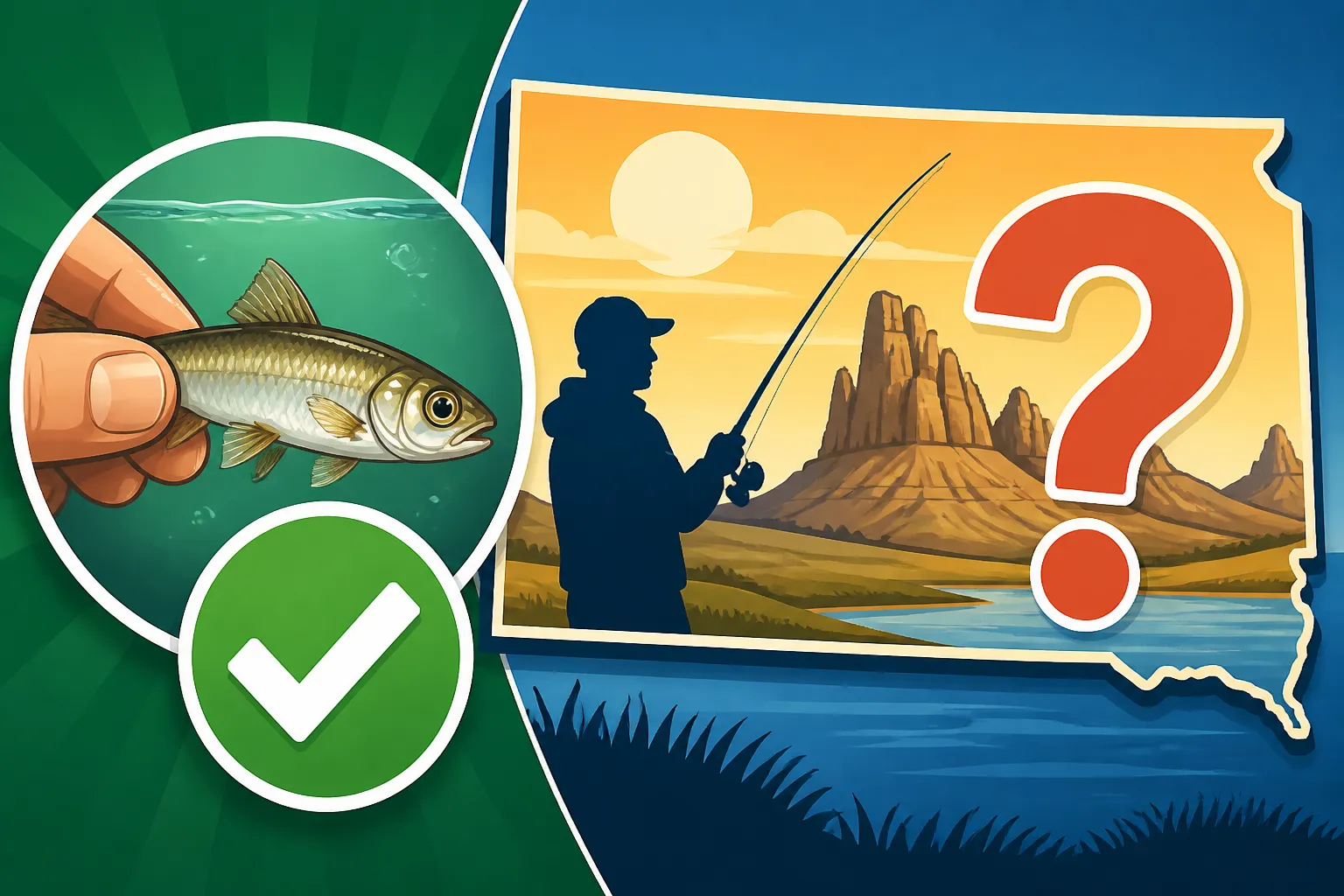
Now, let's get down to the nitty-gritty: are live minnows legal bait in South Dakota? The answer is generally yes, but with significant caveats that you absolutely need to be aware of.
For most waters in South Dakota, live minnows are indeed a legal and highly effective bait choice, especially for species like walleye, northern pike, and crappie. Anglers frequently use them on the major impoundments of the Missouri River, such as Lake Oahe, Lake Sharpe, Lake Francis Case, and Lewis and Clark Lake, as well as many of the state's eastern glacial lakes. However, the crucial factor is the source of your minnows. They must be legally acquired, which typically means purchasing them from a licensed bait dealer within South Dakota. These dealers are regulated to ensure their bait is free of diseases and invasive species.
You cannot, for instance, trap minnows from a local creek and then use them in a different lake. This practice is strictly prohibited because it’s a high-risk vector for transferring undesirable organisms between water bodies. If you catch your own bait, it must be used only in the water body where it was caught, and only if that water body doesn't have specific restrictions against it. This might seem overly cautious, but it's a necessary step to protect our fishing heritage. For those targeting species like walleye, live minnows are often considered a top-tier bait. For more on targeting these prized fish, check out our guide on How to Fish for Walleye in South Dakota.
Navigating Restrictions and Special Zones
While live minnows are generally legal, South Dakota has specific areas and conditions where their use is either completely prohibited or comes with stringent rules. These restrictions are usually put in place to protect particularly sensitive ecosystems or to prevent the spread of specific threats.
Waters with Specific Minnow Bans
One of the most notable areas with stricter live bait regulations is the Black Hills region. Many of the pristine Black Hills Trout Stream Fishing Guide waters, particularly those managed for trout, have specific rules regarding bait. For example, some streams or portions of streams may be designated as "artificial lure only" or "fly fishing only," meaning no live bait of any kind, including minnows, is allowed. This is often done to protect vulnerable trout populations from being accidentally caught and injured by anglers using bait, which fish tend to swallow more deeply. It also helps prevent the introduction of pathogens that could harm these cold-water species.
For instance, certain sections of Rapid Creek near Rapid City or waters within Custer State Park might have these restrictions. Always check the specific regulations for the body of water you intend to fish. It's not uncommon to find signs posted at popular access points detailing these localized rules. Ignoring these can lead to fines and a ruined fishing trip. The focus on these sensitive waters is typically to preserve the natural environment and native species, making sure that future generations can enjoy the same beautiful fishing experiences. If you're planning a trip to the Black Hills for trout, it's wise to review the South Dakota Trout Limits in the Black Hills.
Source Requirements for Live Minnows
This is perhaps the most critical aspect of using live minnows legally in South Dakota: their origin. The South Dakota GFP is very clear: live bait, including minnows, must be obtained from a legally permitted source.
What does "legally permitted source" mean?
- Licensed Bait Dealers: The safest and most common way is to purchase live minnows from a licensed bait dealer within South Dakota. These dealers are inspected and certified by the GFP, ensuring that their bait is free of aquatic invasive species (AIS) and diseases. When you buy from them, they often provide a receipt or proof of purchase, which you should keep handy. This proof can be essential if a game warden asks about the origin of your bait. You can typically find these bait shops in most towns that cater to anglers, or even at some larger retail stores that stock fishing supplies.
- Wild-Caught Bait (with restrictions): If you collect your own bait (like minnows, frogs, or leeches), you can generally only use it in the same water body where it was caught. You cannot transport wild-caught bait from one lake or river to another. This rule is designed to prevent the accidental transfer of diseases or invasive species. Always verify if collecting bait is even allowed in a specific water body, as some areas may have outright prohibitions.
The implications of these rules are significant. Carrying minnows bought in Minnesota, for example, and attempting to use them in South Dakota could result in a citation, even if they were legally purchased in another state. The goal is to create a controlled environment within South Dakota's borders. Always think "South Dakota source, South Dakota waters" when it comes to live bait. This diligence is part of being a responsible angler and helps ensure the long-term health of our fisheries. Need an easy way to purchase your fishing license? Check out how to complete your South Dakota Online Fishing License Purchase.
The Impact of Invasive Species and Disease Prevention
It's easy to view fishing regulations as bureaucratic hurdles, but when it comes to bait, particularly live minnows, the rules are deeply rooted in ecological protection. The threats posed by invasive species and aquatic diseases are very real, and once established, they can be nearly impossible to eradicate, causing irreversible damage to a fishery.
Why the Rules are So Strict
The strictness surrounding live bait isn't arbitrary; it's a direct response to tangible threats that have ravaged fisheries in other parts of the country and even within South Dakota.
- Aquatic Invasive Species (AIS): Think of organisms like zebra mussels, quagga mussels, rusty crayfish, or even certain species of Asian carp. These invaders can hitch a ride in bait buckets, on boats, or even on fishing gear. Once introduced to a new water body, they outcompete native species for food, clog water intake pipes, damage boat motors, and fundamentally alter the food web. A single zebra mussel larvae, invisible to the naked eye, can be enough to start a new population. These species can dramatically reduce the forage base for sport fish like walleye, or alter water clarity, impacting their hunting abilities.
- Fish Diseases: Diseases like Viral Hemorrhagic Septicemia (VHS) or Whirling Disease are silent killers. VHS, for example, causes internal bleeding and organ damage in fish, leading to mass die-offs. Whirling Disease primarily affects trout and salmon, deforming their spines and skulls, making it impossible for them to feed or swim properly. Live minnows, if sourced from an infected water body, can carry these pathogens and introduce them to a pristine lake or stream, with devastating consequences. The Black Hills trout streams, for example, are particularly vulnerable to Whirling Disease, which is why bait restrictions are so common there.
The simple act of emptying a bait bucket into a lake after a day of fishing, or even using uncertified minnows, can unintentionally introduce these scourges. The economic and ecological costs of dealing with an established invasive species or disease outbreak are astronomical, far outweighing the minor inconvenience of following bait source regulations.
Best Practices for Responsible Anglers
Being a responsible angler means more than just catching fish; it means protecting the waters we love. Following these best practices for bait handling is crucial:
- "Drain, Clean, Dry" Your Gear: This mantra applies to more than just boats. Before leaving any body of water, drain all water from your bait buckets, livewells, and bilges. Clean off any mud, plants, or visible organisms from your boat, trailer, waders, and fishing gear. If possible, dry everything thoroughly before moving to another water body. A good long air-dry in the sun for several days is ideal, as many invasive species cannot survive out of water.
- Proper Disposal of Unused Bait: Never, ever release unused live bait, including minnows, into any body of water, or even onto the shore near the water. This is a common way diseases and invasive species are spread. Instead, dispose of unused minnows in the trash. You can freeze them for later use as dead bait (if legal for your target water) or simply discard them appropriately.
- Check Your Bait Source: Always buy your live minnows from a reputable, licensed bait dealer within South Dakota. Don't be afraid to ask the dealer about their sourcing and certification process. Many good local bait shops, and even some larger retailers, pride themselves on compliance. If you're looking for gear to keep those legal minnows lively, check out aeration systems and insulated bait buckets on Amazon before your trip.
- Inspect Your Boat and Trailer: Before launching and after retrieving, carefully inspect your boat, motor, trailer, and any equipment that touched the water for aquatic plants, mud, or any hitchhiking creatures. Many public access points have washdown stations, or at least signage reminding you of these critical steps. The South Dakota Boat and Water Access Rules often highlight these essential practices.
Alternatives to Live Minnows and Where to Find Legal Bait
Sometimes, due to specific regulations or personal preference, using live minnows might not be an option. Thankfully, there are plenty of effective alternatives, and finding legal live bait is easier than you might think.
Effective Alternative Baits
Don't despair if live minnows are off-limits for your chosen fishing spot! Many anglers find great success with other forms of bait or artificial lures.
- Artificial Lures: Modern artificial lures are incredibly realistic and effective. Crankbaits, jerkbaits, swimbaits, soft plastics, and jigs can mimic minnows, leeches, and other forage fish. Many experienced walleye anglers on Lake Oahe and Lake Sharpe swear by specific brands and colors of crankbaits, often finding them more efficient for covering large areas while trolling. When fishing trout streams in the Black Hills, you'll often find that small spinners, spoons, or realistic fly patterns are highly productive, and they are usually allowed even in "artificial lure only" zones. If you're looking for a variety of options, Amazon offers a vast selection of artificial lures that can be delivered right to your door, making it easy to experiment. You might want to explore the Best Lures for South Dakota Walleye for some excellent suggestions.
- Worms and Leeches: Nightcrawlers, redworms, and leeches are universal fish attractors. They are highly effective for a wide range of species, including walleye, perch, crappie, and even catfish. They are often permitted in areas where minnows are restricted, though again, their source might be regulated. Packaged worms from a tackle shop are usually safe bets.
- Packaged Dead Bait: Many bait shops sell packaged dead minnows, shiners, or even sucker chunks. These are often preserved and are a legal alternative to live minnows in many situations, as the risk of disease or invasive species transfer is greatly reduced. Check local regulations to ensure dead bait is allowed in your target waters.
- Scented Baits: Soft plastic baits infused with fish-attracting scents, or "dough baits" for trout, can be incredibly effective. Berkley Gulp! products are a popular example, mimicking natural baits while being artificial.
Experimentation is key! Sometimes, an artificial lure will outfish live bait, especially when fish are actively feeding or when covering a lot of water.
Where to Buy Legal Minnows
Finding legal live minnows in South Dakota is generally quite straightforward, especially in areas popular with anglers.
- Licensed Bait Shops: Your best bet is always a local bait and tackle shop. These establishments are typically licensed by the South Dakota GFP and understand the local regulations. They'll sell minnows that are certified disease-free and legal for use in South Dakota waters. Don't hesitate to ask them which minnows are best for the local fishing conditions or if there are any specific local bait restrictions you should be aware of. They are often a wealth of information.
- Sporting Goods Stores: Larger sporting goods stores that have fishing departments, like certain Cabela's or Fleet Farm locations within South Dakota, will also carry legally sourced live minnows. They operate under the same licensing requirements as smaller bait shops.
- Convenience Stores/Gas Stations: In smaller towns or near popular fishing lakes, some convenience stores or gas stations might have bait tanks. Again, they should be licensed to sell live bait.
When you purchase live minnows, try to get a receipt if possible, or at least confirm with the vendor that the bait is South Dakota-certified. Keeping your minnows healthy and lively is also important, so consider investing in a good aerated bait bucket. You can find excellent options for aerators and insulated bait containers on Amazon to keep your legal minnows in prime condition.
Remember, the goal is to make sure your bait is free of any unwanted biological hitchhikers. By buying from licensed dealers, you're not just getting legal bait; you're actively participating in the conservation efforts that keep South Dakota's fishing vibrant and healthy for everyone.
Here's a quick reference table to help visualize general minnow legality:
| Water Body Type | General Minnow Legality | Common Restrictions/Notes |
|---|---|---|
| Missouri River Reservoirs | Generally Legal | Must be legally acquired (licensed dealer). No wild-caught transfer. |
| Eastern Glacial Lakes | Generally Legal | Must be legally acquired (licensed dealer). No wild-caught transfer. |
| Black Hills Trout Streams | Often Restricted | Many are "artificial lure only" or "fly fishing only." Check specific stream regulations. |
| Custer State Park Waters | Often Restricted | Specific ponds/lakes may have bans on live bait for protection. |
| Waters with AIS/Disease Outbreaks | May be Restricted | Temporary or permanent bans possible to prevent spread. Always check GFP updates. |
| Private Ponds/Lakes | Consult Owner | Rules may vary, but state regulations on source still apply if connected to public waters. |
For a more comprehensive look at all the regulations you'll encounter on the water, be sure to read our detailed guide on the South Dakota Fishing License Guide. It covers everything from permits to specific fish limits you'll need to know.
Disclaimer
The information provided in this guide is for general informational purposes only and is subject to change. Fishing regulations in South Dakota are set by the South Dakota Department of Game, Fish and Parks (GFP) and can be updated annually or more frequently. It is always the angler's responsibility to consult the most current official South Dakota Fishing Regulations handbook or the GFP website before engaging in any fishing activity. Non-compliance with regulations can result in fines and penalties.