South Dakota Northern Pike Daily Limit
One of the biggest headaches for any angler planning a trip to the beautiful waters of South Dakota is deciphering all the rules and regulations. It’s not just about getting your South Dakota fishing license; it’s about understanding the specific limits for each species you hope to catch. Northern pike are a fantastic sport fish, especially on our glacial lakes and big reservoirs, but figuring out how many you can keep can be confusing. This guide is here to clear up all the guesswork about the daily limit for northern pike in South Dakota, ensuring you stay compliant and enjoy your time on the water.
Understanding the South Dakota Northern Pike Daily Limit
So, you've geared up, found your spot, and those aggressive northern pike are biting! That's the dream, right? But before you start filling your livewell, you absolutely need to know the official daily limit. These limits are put in place by the South Dakota Game, Fish and Parks (GFP) to ensure our pike populations remain healthy and sustainable for generations of anglers to come.
Statewide Northern Pike Regulations
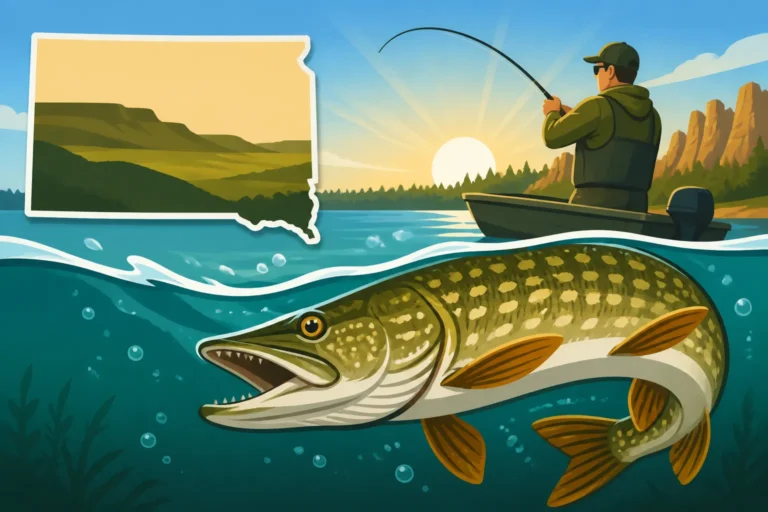
For most of the state's waters, the rules for northern pike are pretty straightforward. The statewide daily limit for northern pike in South Dakota is six fish. This means that in any given 24-hour period, starting at midnight, you can legally harvest up to six northern pike. It doesn't matter if you catch them all in one lake or move between a couple of different spots; your total count for that day cannot exceed six.
Now, it's crucial to understand the difference between a daily limit and a possession limit. Your possession limit is the total number of fish you can have in your physical possession at any one time, whether they're fresh from your latest outing, filleted in your cooler, or frozen in your home freezer. For northern pike in South Dakota, the statewide possession limit is typically double the daily limit, meaning twelve fish. So, if you've been on a fantastic multi-day fishing trip, you can accumulate up to twelve pike before you need to consider processing some or heading home. This rule is designed to allow anglers to enjoy longer trips without constantly having to clean and store fish, while still preventing excessive harvest.
Special Regulations and Waterbody Exceptions
While the 6-fish daily limit for northern pike is generally consistent across South Dakota, it's always a good practice to double-check for any specific waterbody exceptions. The South Dakota GFP regularly monitors fish populations and might implement special rules for certain lakes or rivers if conservation efforts or management goals require it. These exceptions could include different daily limits, possession limits, or even length restrictions (slot limits) designed to protect trophy fish or specific size classes.
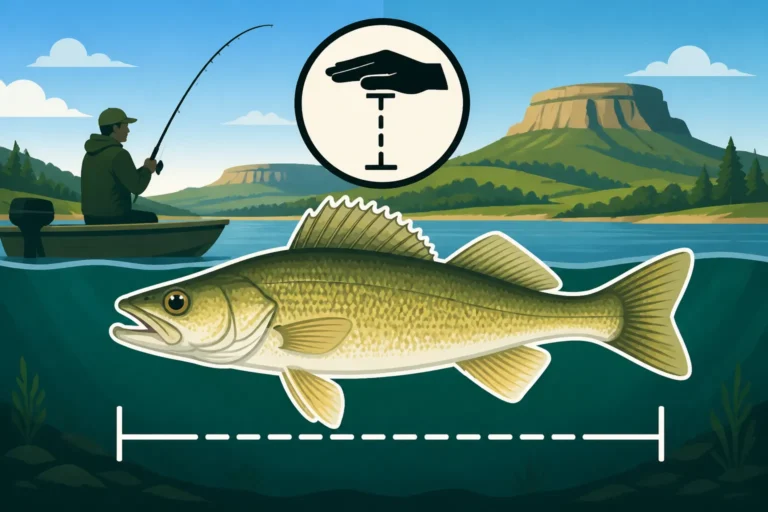
Currently, for northern pike, the statewide regulation of a 6-fish daily limit and a 12-fish possession limit applies to most waters. However, it's not uncommon for other popular species, like walleye, to have unique regulations on specific lakes, such as the Belle Fourche Reservoir Walleye Minimum Length rules. While these particular nuances aren't typically applied to pike, it’s a great reminder of why checking the South Dakota GFP Fishing Handbook Guide every single year is non-negotiable. You can often find the most up-to-date information on their website or by picking up a physical copy at a license vendor. Never assume that last year's rules are identical to this year's.
Here's a quick summary for clarity:
| Species | Daily Limit (Statewide) | Possession Limit (Statewide) | Common Exceptions |
|---|---|---|---|
| Northern Pike | 6 fish | 12 fish | None widespread* |
| Walleye | 4 fish (general) | 8 fish (general) | Varies by lake |
| Smallmouth Bass | 5 fish (general) | 10 fish (general) | Varies by lake |
*Note: Always consult the current South Dakota GFP Fishing Handbook for the most precise and up-to-date regulations.
The Nuance of Possession vs. Daily Limits
Let's dive a little deeper into the possession limit because it can sometimes trip up even experienced anglers. Imagine you go out on Monday and catch your daily limit of 6 northern pike. You bring them home and put them in the freezer. On Tuesday, you go out again and catch another 6 pike. Now, you have 12 pike in your possession (the 6 from Monday + the 6 from Tuesday). This is perfectly fine because you haven't exceeded your possession limit of 12.
However, if you were to go out on Wednesday and catch another 6 pike without having consumed or given away any of the previous 12, you would now have 18 pike in your possession, which exceeds the 12-fish possession limit. At this point, you would be in violation. This is why many anglers, especially those on longer trips, often process and cook their catch regularly or share it with others to stay within the possession limits. It’s all about responsible harvesting and not stockpiling fish beyond what’s permitted, ensuring that the fish populations can thrive. You can find more details on general South Dakota Fish Limits and Size Restrictions in our comprehensive guide.
Why These Limits Are Important for Northern Pike
You might wonder why the GFP bothers with these seemingly restrictive limits. It’s not to make your fishing trip harder, I promise! These regulations are the backbone of sustainable fisheries management, crucial for maintaining healthy and abundant northern pike populations.
Population Management and Ecosystem Health
Northern pike are apex predators in many South Dakota waters, playing a vital role in the ecosystem. They help control populations of smaller fish and can even help manage panfish numbers, contributing to a balanced aquatic environment. However, if too many pike are removed, it can throw the entire system out of whack. Overharvesting can lead to a decline in pike numbers, which then impacts the populations they feed on, potentially leading to an overabundance of smaller, stunted fish.
The limits are carefully determined by biologists who study the reproductive rates, growth patterns, and overall health of pike populations in various lakes and rivers. They consider factors like water quality, available forage, and angler pressure. By setting a daily limit of 6 and a possession limit of 12, the GFP aims to strike a balance: allowing anglers to enjoy their sport and bring home a meal, while also ensuring enough fish remain to reproduce and maintain a strong population for the future. For more on this, check out our guide on South Dakota Northern Pike Fishing Guide.
Preventing Overharvest and Protecting Trophy Fish
Another critical reason for these limits is to prevent overharvest, especially in popular fishing spots. Without limits, a small number of highly successful anglers could potentially remove a significant portion of the fish population, leaving little for others or for the ecosystem. The regulations ensure that the resource is shared equitably among all anglers and protected from excessive pressure.
While northern pike typically don't have extensive slot limits like some other species in South Dakota, the daily and possession limits still contribute to protecting larger, older fish. These "trophy" pike are often the most prolific breeders and contribute significantly to the genetic health of the population. By having a cap on the number of fish taken, there's a higher chance for some of these larger specimens to survive and contribute to the fishery for many years. It's all about thinking long-term when it comes to our natural resources.
Practical Steps for Staying Compliant
Nobody wants a run-in with a game warden, especially when you're just out trying to enjoy a relaxing day of fishing. Staying compliant with northern pike limits is straightforward once you know the rules, and a few good habits can make all the difference.
Measuring and Counting Your Catch Accurately
The easiest way to stay within the daily and possession limits is to keep an accurate count of what you’ve caught and kept.
Firstly, when you land a fish, decide right away if you’re going to keep it or release it. If you choose to keep it, immediately add it to your count. It's a good idea to have a simple way to track your fish throughout the day – some anglers use a clicker counter, others simply tally them on a small notepad that's kept handy in a waterproof bag.
Secondly, ensure you understand any potential size restrictions. While northern pike generally don't have slot limits in South Dakota, it's always worth glancing at the current regulations. If you're keeping a fish, it's common courtesy and often a requirement to measure it, especially if there were minimum or maximum length rules. A good quality measuring board or tape, perhaps one you picked up from Amazon, should be a standard part of your tackle box. Make sure it's clearly legible and you know how to measure accurately from the tip of the snout to the end of the tail with the tail compressed.
Responsible Release and "High-Grading"
What happens if you catch your limit of 6 pike, then later in the day hook into a significantly larger one? This is where the concept of "high-grading" comes into play, and it's generally frowned upon and often illegal. High-grading means replacing smaller fish you've already kept with larger ones caught later in the day. The moment you decide to keep a fish, it counts towards your daily limit. You cannot release a previously kept fish to make room for a bigger one.
If you've already hit your daily limit and catch another pike, no matter how big, it must be immediately and carefully released. Knowing proper catch-and-release techniques is essential. Minimize the fish's time out of water, use wet hands when handling, support its body, and use a de-hooking tool if needed. For aggressive fish like pike, consider using a net with a rubberized mesh to minimize harm, another item you can easily find on Amazon. Our South Dakota Fishing Regulations Explained article covers these ethical considerations more broadly.
Sourcing Up-to-Date Information
The South Dakota Game, Fish and Parks (GFP) website is your absolute best friend for the most current regulations. They publish an annual Fishing Handbook that details all statewide and specific waterbody rules, including those for South Dakota Northern Pike Limits. You can usually download a PDF version or find physical copies at license vendors, GFP offices, and many sporting goods stores across the state.
It's good practice to check these resources every year, even if you think you know the rules by heart. Regulations can change due to biological data, environmental conditions, or management decisions. Don't rely on old handbooks, word-of-mouth, or internet forums for critical regulatory information. Always go straight to the official source.
Frequently Asked Questions About Northern Pike Limits
Let's tackle some common questions that come up when discussing fishing limits, especially for a popular species like northern pike.
Do Youth Anglers' Catches Count Towards the Limit?
This is a great question, especially for families enjoying a day on the water! In South Dakota, generally, anyone who is required to have a fishing license and is actively fishing is subject to the daily and possession limits. This means if your child is fishing and they are old enough to require a license (which in South Dakota generally applies to residents 16 years of age and older, and nonresidents 12 years of age and older), then their catch contributes to their individual daily limit, and they cannot exceed it.
However, if a youth is fishing under an exemption (for example, very young children who don't require a license, or during a South Dakota Free Fishing Days event), their fish may still count toward a boat or party limit if the adults on board are assisting or guiding them in a way that implies shared harvest. The safest bet is to treat each individual angler as responsible for their own limit, regardless of age, once they are actively participating. Always refer to the South Dakota Youth Fishing License Rules for specifics on age requirements.
Can I Cull Smaller Fish for Larger Ones?
This ties directly into the "high-grading" discussion. No, you cannot "cull" smaller fish from your livewell or stringer to replace them with larger ones you catch later. Once a fish is kept, it is part of your daily limit, and it cannot be released to upgrade your catch. This is a critical rule designed to prevent unnecessary mortality of released fish and ensure fair harvesting practices.
Imagine the stress a fish goes through being caught, brought to the boat, potentially handled, put in a livewell, and then released again. Many of these fish, even if they swim away, might not survive. The regulations aim to minimize this waste. Your decision to keep a fish should be final for that particular fish.
What Are the Penalties for Exceeding the Daily Limit?
Fishing without adhering to regulations, including exceeding daily or possession limits, can lead to serious consequences. In South Dakota, violating fishing regulations can result in fines, forfeiture of fishing gear, and even the loss of your fishing privileges. The exact penalties depend on the severity of the violation, the number of fish over the limit, and whether it's a repeat offense.
For instance, if you're found with one or two fish over the limit, you might face a significant fine. If you're found to be significantly over the limit, or attempting to conceal your catch, the penalties can escalate dramatically, potentially involving court appearances and even higher fines and mandatory license suspension. The game wardens are out there to protect the resource, and they take these violations seriously. Ignorance of the law is generally not considered an excuse, which is why it's so important to consult the official South Dakota Fishing Regulations Explained and the GFP handbook every year. It’s always better to be safe than sorry and ensure you're well within the established limits.
Do I Need a Special License for Northern Pike?
No, you do not need a special license specifically for Northern Pike in South Dakota. A general South Dakota Fishing License Guide, along with any required Habitat Stamp, covers you for catching all legal fish species, including northern pike, within the established regulations. Whether you opt for a South Dakota Annual Fishing License or a South Dakota One-Day Fishing License depends on your trip length and frequency. Just make sure you have the correct type of license for your residency status (resident vs. nonresident) and that it’s valid for the current fishing year. All the specific rules regarding fish limits and seasons are covered under that general license.
Disclaimer
Please remember that fishing regulations, including daily and possession limits, can change. While every effort has been made to provide accurate and up-to-date information in this guide, it is ultimately the angler's responsibility to consult the most current South Dakota Game, Fish and Parks (GFP) fishing regulations before heading out on the water. This guide is for informational purposes only and should not be considered a substitute for the official GFP publications.