South Dakota Northern Pike Fishing Guide
Many anglers, especially those new to the region, can feel a bit overwhelmed when thinking about targeting Northern Pike in South Dakota. These toothy predators often get a reputation for being elusive or difficult, but the truth is, with the right approach, they offer some incredibly exciting and rewarding fishing experiences across the state. This comprehensive guide is designed to cut through the confusion and provide you with all the insights you need to confidently pursue and catch Northern Pike in the diverse waters of South Dakota.
Understanding Northern Pike in South Dakota
Northern Pike are a truly formidable fish, often called "water wolves" for their predatory instincts and aggressive nature. In South Dakota, these fish are a significant part of the angling landscape, particularly in the eastern part of the state. Getting to know their biology and preferred hangouts is the first step toward successful pike fishing.
Biology and Behavior
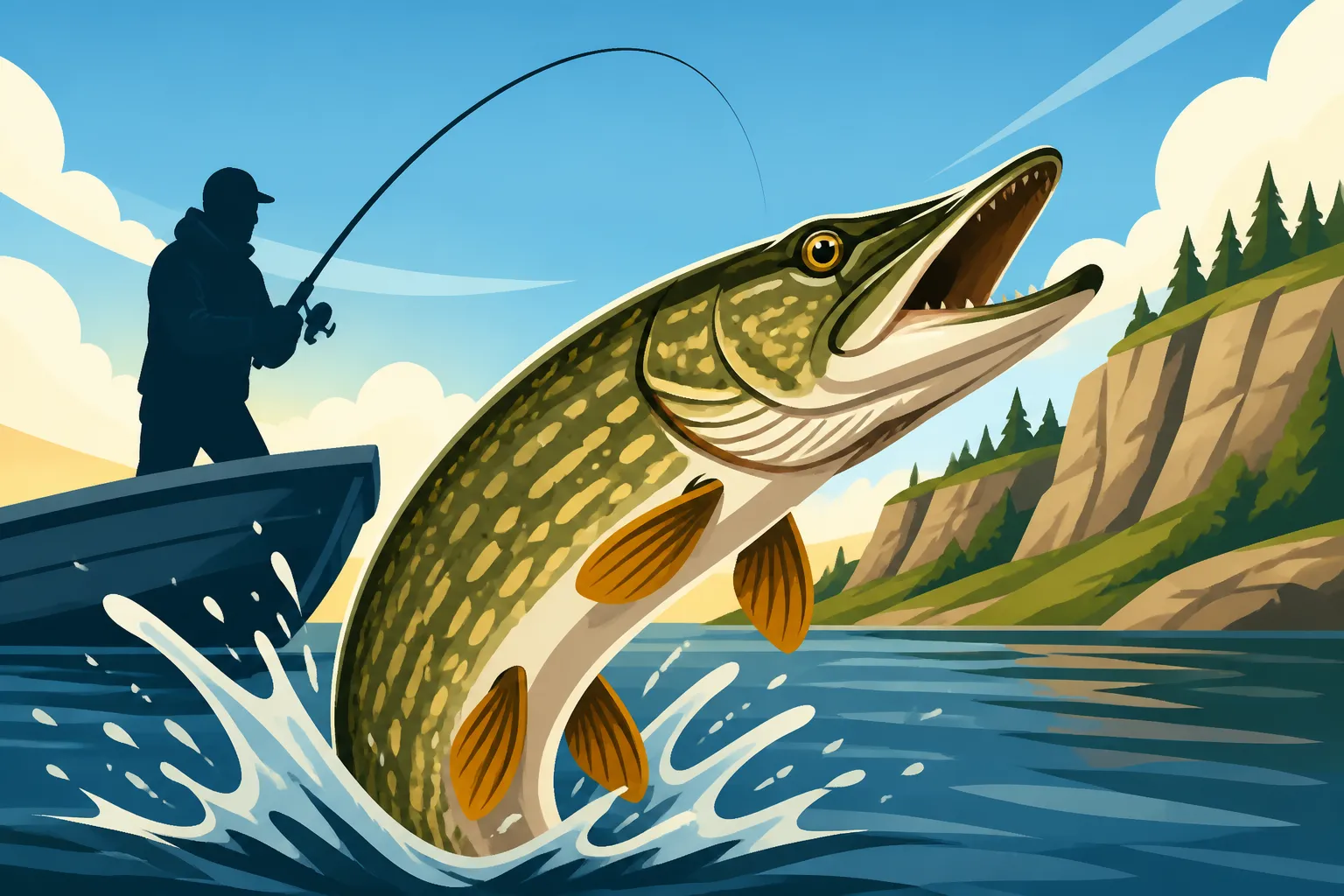
Northern Pike are easily identifiable by their long, torpedo-shaped bodies, duckbill-like snouts, and rows of razor-sharp teeth. They are perfectly designed ambush predators. Their coloration, usually a mottled green-brown pattern with lighter spots, provides excellent camouflage amidst aquatic vegetation, allowing them to blend seamlessly into their surroundings before launching a lightning-fast attack on unsuspecting prey. They aren't just fast; they're incredibly powerful, capable of explosive runs and headshakes that can test even the most experienced angler's gear.
These fish are highly territorial, especially the larger ones, and will often stake out a prime ambush point, waiting for forage to swim by. While they are known for their aggression, their metabolism slows in colder water, making them less active but still willing to strike a well-presented lure. Their diet is varied, consisting of almost anything that moves and fits in their mouth—from smaller fish like perch, minnows, and walleye to frogs, ducklings, and even small rodents. This opportunistic feeding behavior is a key factor in how we target them.
Pike typically spawn in early spring, often just after ice-out, in shallow, vegetated floodplains or marshy areas. This makes these shallow, reedy zones prime spots to find them during the early season, as they recover from spawning and seek out easy meals. Understanding these patterns helps us predict where they'll be throughout the year.
Preferred Habitats
If you want to find Northern Pike, you need to think like a predator waiting in the shadows. Their preferred habitats in South Dakota are almost always associated with some kind of structure and cover. Think dense weed lines, submerged timber, reeds, lily pads, and shallow bays with plenty of aquatic vegetation. These areas provide both camouflage and ample ambush points for them to surprise their prey. They love to lie hidden, perfectly still, before exploding onto a meal.
In larger lakes and reservoirs, you'll often find pike lurking along the edges of deep weed beds, especially where these weed lines drop off into deeper water. This gives them quick access to both shallow feeding grounds and deeper, cooler retreats. Points, humps, and submerged islands that have good weed growth are also magnets for these fish. In river systems, look for slower-moving backwaters, oxbow lakes, and areas where current breaks offer protection and ambush opportunities.
Their habitat use can also shift with the seasons. In spring, they'll be shallow, basking in the sun and recuperating after spawning. During the heat of summer, they might retreat to deeper, cooler weed beds or seek out submerged timber. As fall approaches, they'll move back to shallower, actively feeding on schooling baitfish, while in winter, they'll often be found in shallower, oxygen-rich weed flats under the ice. Understanding these seasonal movements is critical to consistently finding them.
South Dakota's Pike Population
South Dakota boasts a healthy and robust Northern Pike population, particularly thriving in the abundant natural lakes and sloughs of the Glacial Lakes region in the northeastern part of the state. Lakes like Waubay, Bitter, Poinsett, and Kampeska are renowned for their excellent pike fishing, often producing both good numbers and impressive sizes. The extensive weed growth and rich forage base in these waters create ideal conditions for pike to flourish.
While the Glacial Lakes are a hotspot, pike are also found in other areas. The sprawling Missouri River reservoirs – Lake Oahe, Lake Sharpe, Lake Francis Case, and Lewis and Clark Lake – hold pike populations, though they tend to be less concentrated and often found in specific bay arms, creek mouths, and shallower sections with submerged vegetation or timber. Anglers often find success targeting them in the upper reaches of Lake Oahe, for instance, where feeder rivers bring in nutrients and create ideal shallow, vegetated habitats.
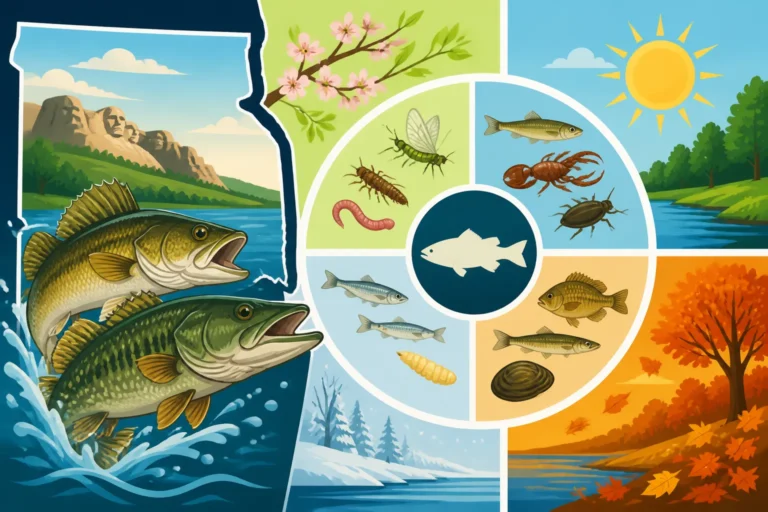
The state's management practices, which include strategic stocking and habitat protection, contribute to maintaining these healthy populations for recreational angling. Anglers can expect to catch a good number of "hammer handle" pike (smaller, slender fish) in many waters, but the potential for truly trophy-sized fish – those exceeding 15 or even 20 pounds – is definitely present, especially in well-managed lakes with abundant forage. It’s always a good idea to consult the South Dakota Fish Species Diet by Season to get a better understanding of what these fish are feeding on throughout the year, which can directly inform your lure choices.
Top South Dakota Lakes and Rivers for Northern Pike
South Dakota offers a diverse range of waters where Northern Pike thrive. From the prairie potholes to vast reservoirs, knowing where to cast your line is half the battle.
Glacial Lakes Region Hotspots
When it comes to Northern Pike fishing in South Dakota, the Glacial Lakes region in the northeastern part of the state is often considered the undisputed champion. This area is dotted with countless natural lakes, potholes, and sloughs that are absolutely teeming with aquatic vegetation, making them perfect hideouts for these ambush predators. These lakes are typically shallower than the Missouri River reservoirs and warm up quicker in the spring, triggering an earlier bite.
Lakes like Lake Waubay, Lake Bitter, and Lake Poinsett are consistently mentioned as prime pike destinations. Lake Waubay, in particular, is famous for its abundant weed beds and submerged structure, which provide ideal habitat for both pike and their forage base, including perch and crappie. Anglers frequently find success here by casting large spoons, spinnerbaits, or even dead bait into pockets and along the edges of the dense weeds. Lake Kampeska near Watertown and Enemy Swim Lake are also excellent choices, known for producing both good numbers of average-sized pike and the occasional true monster.
The key to fishing these waters is understanding that the pike are inextricably linked to the weeds. During spring and fall, they'll be actively cruising the shallow edges and points. In summer, they might burrow deep into the thickest cover to escape the heat, only emerging during low-light conditions. These lakes also offer fantastic opportunities for Best Glacial Lakes for Ice Fishing, making them year-round pike producers.
Missouri River System Opportunities
While the Missouri River reservoirs are undeniably famous for their walleye, they also hold respectable, though often overlooked, populations of Northern Pike. The sheer size of these impoundments – Lake Oahe, Lake Sharpe, Lake Francis Case, and Lewis and Clark Lake – can make finding pike a bit more challenging, but the rewards can be substantial, especially for anglers willing to explore.
Pike in the Missouri River system tend to concentrate in shallower, warmer bays, protected coves, and the mouths of feeder creeks that offer abundant aquatic vegetation or submerged timber. The upper stretches of Lake Oahe, particularly around the Cheyenne River arm or in large bays near Mobridge and Gettysburg, are excellent areas to focus your efforts. These areas often feature extensive shallow flats and flooded timber, providing the perfect ambush cover. Lake Sharpe also has some good pike fishing in its protected bays and backwater areas, especially below the Big Bend Dam.
Fishing the Missouri River reservoirs for pike often requires covering a lot of water. Trolling large crankbaits along contours where shallow flats meet deeper channels can be effective. Alternatively, casting large spoons or spinnerbaits into visible weed beds or around standing timber in calmer areas can draw aggressive strikes. Don't be afraid to venture away from the main river channel and explore the vast, shallower bay systems; that’s often where the biggest pike are hiding.
Other Notable Pike Waters
Beyond the Glacial Lakes and the mighty Missouri River system, South Dakota offers a few other excellent, albeit perhaps less widely known, destinations for Northern Pike. These waters provide different angling experiences and can be incredibly rewarding.
Angostura Reservoir, located in the southwestern part of the state near Hot Springs, is a beautiful, clear-water lake that supports a good population of Northern Pike alongside its popular walleye and bass fisheries. Here, pike tend to relate to the more sparse weed beds, rocky points, and submerged timber. Fishing Angostura can be a bit different due to the clearer water, often requiring longer casts and more subtle presentations, or focusing on low-light periods. Similarly, Belle Fourche Reservoir in the northwestern Black Hills region can also produce good pike, especially in its shallower arms and creek embayments where vegetation can get a foothold.
Don't overlook the state's river systems. The James River, often referred to as the "Dirty James," and the Big Sioux River, particularly in their slower-moving sections, oxbows, and backwaters, can hold healthy numbers of pike. These river fish often patrol the edges of undercut banks, log jams, and any significant current breaks. While they might not yield the same trophy potential as some of the larger lakes, they offer excellent bank fishing opportunities and a chance to tangle with a powerful river pike. For those looking for local options, even some smaller state park ponds or community lakes, if they have adequate depth and weed cover, can host smaller pike populations, providing easy access for a quick fishing trip. Finding Best Fishing Spots on the James River can be a great starting point for river anglers.
Essential Gear for South Dakota Northern Pike Fishing
Northern Pike are not subtle fish, and your gear shouldn't be either. These aggressive predators demand robust tackle that can withstand their powerful runs, sharp teeth, and violent headshakes. Skimping on your setup is a surefire way to lose fish and frustrate yourself.
Rods, Reels, and Line
When targeting Northern Pike, you need a rod with backbone. I recommend a medium-heavy to heavy power rod, typically between 7 and 8 feet in length. This extra length provides better casting distance for those large lures and helps with leverage when fighting a strong fish or steering it away from snags. A fast action tip is ideal, allowing for accurate casts and quick hook sets, while the powerful butt section handles the fight. For those serious about pike fishing, a dedicated baitcasting setup often offers the best control and power for large lures, though a stout spinning setup can work for lighter presentations. Ensure your reel has a smooth, reliable drag system, as a big pike can spool you in a hurry if your drag isn't up to the task.
Line choice is critical. Braided line, with its superior strength-to-diameter ratio and lack of stretch, is the top choice for pike fishing. I typically run 30-50 pound test braided line. This allows for excellent sensitivity to detect subtle bites (yes, pike can sometimes be subtle!) and the power to rip lures free from weeds. However, braid alone is not enough. Pike have incredibly sharp, numerous teeth that can easily slice through fluorocarbon or monofilament line. Therefore, a steel or heavy fluorocarbon leader is not just recommended, it's absolutely essential. I usually opt for a 20-40 pound test fluorocarbon leader for abrasion resistance and stealth, or a heavy wire leader for absolute tooth protection. A good rule of thumb is that if your leader isn't protecting your main line from teeth, you're going to lose fish and expensive lures. For general guidance on comparable gear, you might find it useful to check out articles like Best Fishing Rods and Reels for Walleye, but remember to size up considerably for pike.
Even when ice fishing for pike, similar principles apply. You'll want sturdy ice fishing rods with a heavy power rating to handle the fight. Heavy braided line, often with a fluorocarbon or steel leader, is still the norm. The key is to have confidence that your line won't snap under the strain of a surging pike, especially when they dive back under the ice hole.
Lures and Baits of Choice
Pike are opportunistic, aggressive eaters, which means they'll hit a wide variety of lures, especially those that are large, flashy, and create a lot of vibration. Classic spoons like the Johnson Silver Minnow, Daredevils, or Five of Diamonds in bright colors (red/white, orange, chartreuse) or metallic finishes are timeless pike producers. Their wobbling action and flash mimic injured baitfish perfectly.
Inline spinners and spinnerbaits with large, thumping blades are also incredibly effective. The flash and vibration they emit can call pike in from a distance, especially when retrieved along weed edges or through sparse cover. Bucktails, typically associated with muskies, can also be scaled down slightly and are devastating for big pike, creating an irresistible pulse in the water. Large swimbaits and jerkbaits, particularly those that imitate local forage like perch or walleye, can be deadly when retrieved with an erratic, stop-and-go action. Don't forget about surface lures during calm, low-light conditions; a large popper or walking bait can produce exhilarating topwater strikes. You can find a fantastic selection of these lures, often with customer reviews that highlight their effectiveness, by browsing through options on Amazon.
While artificial lures are a blast, live bait can be incredibly effective, especially for larger, more finicky pike. Large suckers, shiners, or ciscoes, presented under a bobber or slowly trolled, are often irresistible. Dead bait, particularly large frozen smelt or suckers, can also be a secret weapon, especially during the colder months or when ice fishing, as their scent plume can attract pike from afar. No matter your choice, ensure your hooks are sharp and robust enough to handle the immense power of a pike.
Terminal Tackle and Accessories
Ignoring terminal tackle when pike fishing is a rookie mistake that will cost you fish. The most important piece of terminal tackle for Northern Pike is a steel leader or heavy fluorocarbon leader. As mentioned, their teeth are like razors and will effortlessly cut through monofilament or lighter fluorocarbon. Wire leaders, either multi-strand or single-strand, are the most foolproof option. They typically come in various lengths, and a foot or so is usually sufficient. Make sure to use high-quality barrel swivels to prevent line twist and heavy-duty snaps that won't bend open under pressure from a fighting pike.
Beyond leaders, a few essential accessories will make your pike fishing experience safer and more successful. Firstly, pliers, jaw spreaders, and long-nose forceps are absolutely non-negotiable. Pike often swallow hooks deep, and trying to remove them with your bare hands is a recipe for a nasty bite. Jaw spreaders keep their toothy mouths open safely, and long-nose pliers or forceps allow you to reach in and extract the hook. I always have a couple of these tools on hand.
A large landing net with rubberized mesh is also highly recommended. The rubberized mesh protects the fish's slime coat, which is important for their health if you plan to release them. It also prevents treble hooks from getting hopelessly tangled. If you're planning on keeping fish, a sturdy gaff can be useful, but always ensure it's used responsibly and ethically. Don't forget a tape measure and a portable scale to record your catches. Finally, a robust tackle box or system to keep your larger pike lures organized is a must, as these lures tend to be bulkier than those for other species.
Effective Northern Pike Fishing Techniques
Northern Pike are aggressive, but they're also smart. To consistently catch them in South Dakota, you need to employ a variety of techniques tailored to their behavior and the specific conditions you're fishing.
Casting and Retrieving Strategies
Casting and retrieving is perhaps the most exhilarating way to target Northern Pike. It's an active style of fishing that allows you to cover water and precisely present lures to potential ambush points. The key is to accurately cast your lure into prime pike habitat: tight to weed edges, alongside submerged timber, over rocky points, or into pockets within dense vegetation. Fan casting, where you cast to different angles around your boat or position, is an excellent way to methodically work an area and locate active fish.
Varying your retrieve speed and cadence is crucial. Pike often follow a lure for a distance before striking, and a sudden change in action can trigger that reaction bite. For spoons and inline spinners, a steady, medium retrieve often works well, creating continuous flash and vibration. However, with jerkbaits and swimbaits, an erratic retrieve—two quick jerks followed by a pause, or a stop-and-go retrieve—can mimic a wounded baitfish, which pike find irresistible. Always be ready for a strike during the pause, as that's often when a pike will inhale the lure. Pay attention to how the lure feels; any sudden weight, slack, or subtle tap could be a fish.
Accuracy in casting can't be overstated. The closer you can land your lure to that submerged log or the edge of that weed bed without getting snagged, the higher your chances. Pike are notorious for striking aggressively, but sometimes they can be surprisingly subtle, especially in colder water. Keeping your rod tip pointed at the lure and being prepared for an immediate hook set is essential. A great resource for understanding specific tactical approaches can be found in articles like Northern Pike Fishing Techniques for Weed Lines.
Trolling for Trophy Pike
While casting is exciting, trolling is often the most effective way to cover vast expanses of water and find those elusive trophy pike, especially in large reservoirs like Lake Oahe or Lake Sharpe. Trolling allows you to present large lures or live baits at consistent depths and speeds over long distances, drawing in fish that might not be accessible to casting. This method is particularly useful when fishing open water, exploring new areas, or targeting deeper weed lines and offshore structures.
When trolling for pike, your lure selection is paramount. Large crankbaits that dive to various depths are a staple, mimicking bigger forage fish. Spoons like magnum sized Daredevils or even muskie-grade spoons can be very effective, especially when paired with a planer board. Live bait rigs, often featuring a large sucker or cisco on a quick-strike rig, can also be trolled slowly for very finicky or large pike. Experiment with different depths and speeds until you find what the fish prefer on a given day. Sometimes a slow, almost crawling speed is best, while other times a slightly faster retrieve can trigger a chase.
Using your electronics – a quality fish finder with GPS – is key to successful trolling. Mark down spots where you get bites, or where you see concentrations of baitfish or unique underwater structure. Downriggers can be employed to precisely control lure depth in deeper water, while planer boards allow you to spread out multiple lines, covering a wider swath and keeping lures away from the boat, which can spook wary fish. Always maintain awareness of your surroundings and any visible signs of baitfish or predatory activity on the surface.
Ice Fishing Tactics for Pike
South Dakota's long winters bring fantastic opportunities for ice fishing, and Northern Pike are a prime target through the hard water. Pike remain active under the ice, often patrolling shallower, oxygenated areas where aquatic vegetation persists. Understanding where they hold and how to present your baits is crucial for success. For a broader overview, check out the South Dakota Ice Fishing Guide.
The most popular and often most effective method for ice fishing pike is using tip-ups. Tip-ups allow you to spread out multiple lines (within legal limits, of course) over a wide area, increasing your chances of intercepting a cruising pike. The standard setup involves a large minnow, typically a sucker or shiner, hooked through the back or lips, suspended a few feet off the bottom or just above the weed line. Dead smelt or ciscoes also make excellent bait, as their scent plume attracts pike. When a flag goes up, indicating a bite, let the fish run for a bit to ensure it has fully taken the bait before setting the hook with a firm pull.
While tip-ups are often the main event, jigging can also be very productive. Large, aggressive spoons (like Northland Buck-Shot Rattle Spoons or Rapala Jigging Raps in larger sizes) or substantial swimbaits can be jigged vertically near weed edges, over humps, or in holes where you've seen activity on your fish finder. A quality flasher unit or ice fishing fish finder like those found on Amazon is invaluable here, allowing you to see your lure and any pike that approach it in real-time. Mobility is also key: if an area isn't producing, don't be afraid to drill more holes and move until you find active fish. Proper safety gear, including ice picks, a spud bar, and knowing How Thick Ice Should Be Before Fishing in South Dakota, are paramount.
Seasonal Pike Fishing Strategies
Pike behavior in South Dakota changes dramatically with the seasons. Adapting your approach to these shifts is vital for year-round success. Each season presents unique challenges and opportunities for targeting these toothy fish.
Spring Pike Action
Spring is a time of renewed activity for Northern Pike in South Dakota. As the ice recedes (often referred to as "ice-out") and water temperatures slowly begin to rise, pike become incredibly active. This is primarily a post-spawn period for many pike, meaning they are recovering from the rigors of reproduction and are incredibly hungry. They move into shallower waters, particularly vegetated bays and river mouths that warm up fastest, seeking easy meals to replenish their energy reserves.
Focus your efforts on these shallow, sun-warmed areas, especially those with dense reeds, emergent vegetation, or submerged grass. Water temperature is your biggest clue; look for areas that are a few degrees warmer than the main lake body. Large spoons, spinnerbaits with big blades, and shallow-running crankbaits are highly effective during this time. The key is often a slower retrieve, allowing the fish ample time to track and engulf the lure. Live bait, such as large minnows fished under a float in these shallow areas, can also be absolutely deadly. This is often the best time for anglers to catch both good numbers of pike and potentially encounter some larger females that are still lingering in the shallows after spawning, making it a favorite season for many.
Summer Heat and Pike
As South Dakota summers heat up, pike behavior shifts. While they're still aggressive, they tend to become more elusive as surface water temperatures rise. They often retreat from the super-shallow areas to seek out cooler, deeper water or the dense, shady cover of thick weed beds, sometimes even burrowing into the thickest vegetation where lures can be difficult to present effectively.
During the peak of summer, focus your efforts on offshore humps, deep weed lines (especially where weeds meet a significant depth change), submerged timber, and structural elements that offer shade and cooler water. Pike will also utilize thermoclines if present in deeper lakes. Your best chances for active bites will often be during the cooler parts of the day, specifically early mornings and late evenings, or during overcast conditions. Trolling deep-diving crankbaits along contours or fishing large live bait (like suckers) in prime ambush points become effective tactics. Topwater lures can still produce thrilling strikes during low-light conditions, particularly over sparse weeds. It pays to be persistent and explore areas with current or natural springs, which can provide pockets of cooler, oxygenated water that attract baitfish and, consequently, pike.
Fall Feeding Frenzy
Autumn is arguably one of the best times to target trophy Northern Pike in South Dakota. As water temperatures begin to cool, pike go on an intense feeding binge, packing on weight in preparation for the long winter ahead. This metabolic shift means they become incredibly aggressive and less selective, making them more willing to chase down larger, more substantial meals.
During the fall, pike often move back into shallower weed lines, rocky points, and structures adjacent to deep water. They'll follow the schooling baitfish, which are also preparing for winter, into these areas. Look for concentrations of perch, ciscoes, or other forage fish, as pike will rarely be far behind. Large crankbaits, big jerkbaits, and even muskie-sized lures become prime choices during this period. Live suckers, fished on a quick-strike rig or under a large bobber, are also exceptionally effective for tempting truly giant pike. The key is to cover water, focusing on those transition zones where shallow feeding grounds meet deeper escape routes. The cooler water also means pike are less likely to be stressed by a fight, making catch-and-release more successful. For more general seasonal insights, refer to South Dakota Fishing Seasons Explained.
Winter Ice Fishing for Pike
South Dakota winters offer a unique and often highly productive opportunity to target Northern Pike through the ice. Pike remain quite active under the ice, and while their metabolism slows, their predatory instincts do not. They are often found in relatively shallower, oxygenated areas that still hold aquatic vegetation or adjacent to deeper drop-offs, making them accessible to ice anglers.
As mentioned earlier, tip-ups are the go-to method for winter pike. Setting them up with large live bait (suckers are king) or dead bait (smelt or ciscoes) and spreading them across a weed flat or along a depth contour allows you to cover a wide area. Vary your bait depths to see where the fish are holding on a given day, from just under the ice to a few feet off the bottom. Jigging is also effective, using large, heavy spoons or swimbaits to create flash and vibration that attracts curious pike. A flasher or an underwater camera can be invaluable for observing pike reacting to your presentation. Patience is a virtue, but so is mobility; if an area isn't producing, don't hesitate to pull your tip-ups and move to a new spot. Essential reading for this season includes South Dakota Ice Fishing Guide and even Winter Walleye Fishing Techniques for comparing different winter strategies.
Here's a quick comparison of seasonal pike fishing tactics:
| Season | Preferred Habitat | Common Lures/Baits | Key Strategy |
|---|---|---|---|
| Spring | Shallow, vegetated bays, river mouths, warming flats | Large spoons, spinnerbaits, shallow crankbaits, live minnows | Target recovering post-spawn fish in warmest, shallowest areas. |
| Summer | Deeper weed lines, submerged timber, offshore humps | Deep-diving crankbaits, large swimbaits, live suckers | Focus on cooler water, low-light periods; troll or fish prime ambush points. |
| Fall | Shallow weed edges, rocky points, baitfish concentrations | Large crankbaits, jerkbaits, muskie lures, live suckers | Exploit feeding frenzy; cover water in transition zones. |
| Winter | Shallow weed flats, humps, drop-offs under ice | Tip-ups with large live/dead bait, heavy jigging spoons | Spread tip-ups, be mobile, use electronics for active fish. |
South Dakota Northern Pike Regulations and Limits
Fishing for Northern Pike in South Dakota is a fantastic experience, but it’s crucial to understand and adhere to the state’s regulations. These rules are in place to manage fish populations, ensure healthy ecosystems, and provide sustainable angling opportunities for everyone. Ignorance of the law is never an excuse, so always be prepared before you hit the water.
General Statewide Rules
First and foremost, anyone aged 16 or older needs a valid South Dakota fishing license to fish for Northern Pike, or any other fish, in public waters. This isn't just a formality; it's how the state funds its conservation and management efforts. You can learn more about securing your license in the South Dakota Fishing License Guide. Along with your license, you'll generally need to be aware of statewide daily and possession limits for Northern Pike.
A "daily limit" refers to the maximum number of fish of a specific species that you can harvest in a single day. A "possession limit" refers to the maximum number of fish you can have in your possession at any given time, whether that's in your livewell, cooler, or at home. For Northern Pike, these limits are generally quite generous in South Dakota, reflecting a healthy population, but they are subject to change. It's always a good idea to consult the most current South Dakota Game, Fish and Parks (GFP) fishing handbook or website before each fishing trip to ensure you have the latest information. Additionally, be mindful of general tackle restrictions, such as the maximum number of lines you're allowed to use, which can vary by water body or season, especially during ice fishing. For detailed regulatory information, a great starting point is the South Dakota Fishing Regulations Explained.
Specific Waterbody Exceptions
While general statewide regulations provide a baseline, many South Dakota waters have special regulations that supersede or add to these general rules, particularly for Northern Pike. These exceptions are typically implemented to achieve specific management goals, such as protecting trophy-sized fish, allowing smaller fish to grow, or managing unique ecological conditions within a particular lake or river segment.
One of the most common special regulations you'll encounter for Northern Pike is the use of slot limits. A slot limit means that fish within a certain size range must be immediately released, while you are allowed to keep fish that are either smaller or larger than that slot. For example, a regulation might state that all Northern Pike between 24 and 34 inches must be released, but you can keep fish under 24 inches and over 34 inches, up to your daily limit. This strategy is designed to protect prime breeding-age fish and promote the growth of larger, trophy-sized individuals. You might find certain lakes, like Lake Waubay or Bitter Lake, have specific slot limits or reduced daily limits for pike to enhance their trophy potential. The key takeaway here is to always double-check the specific regulations for the body of water you intend to fish, as these localized rules can significantly impact what you can harvest. Detailed information about these variations can be found in resources such as South Dakota Northern Pike Limits or South Dakota Fish Limits and Size Restrictions.
Conservation and Responsible Angling
Beyond simply following the rules, responsible angling practices play a crucial role in ensuring the long-term health of South Dakota's Northern Pike fisheries. Pike are powerful, aggressive fish, and improper handling can cause significant harm, especially to those you intend to release.
If you plan to practice catch-and-release, particularly with larger, potentially trophy-sized pike, minimize the time the fish is out of the water. Have your tools ready – jaw spreaders and long-nose pliers or forceps – before you even land the fish. These tools are essential for safely removing hooks from their toothy mouths without causing injury to the fish or yourself. If a fish is deeply hooked and removing the hook would cause excessive trauma, it's often best to simply cut the line as close to the hook as possible; the hook will often rust out over time. Handle fish gently, supporting their body weight, especially larger ones, to avoid damaging their internal organs.
Adhering to all regulations, practicing proper catch-and-release techniques, and respecting the environment helps maintain healthy pike populations for future generations to enjoy. It's about being a steward of the resource, ensuring that the thrill of battling a South Dakota Northern Pike remains a possibility for years to come.
Disclaimer
This article is for general informational purposes only and does not constitute professional advice. Laws, prices and regulations vary by location and change over time. Consult a qualified professional for guidance on your specific situation.