South Dakota Fish Species Diet by Season
There's nothing quite as frustrating as heading out to your favorite South Dakota fishing spot, rods rigged and ready, only to find the fish just aren't biting. It often feels like they've suddenly vanished or developed a picky palate overnight. The truth is, fish diets in South Dakota waters are constantly changing with the seasons, driven by metabolism, water temperature, and the availability of their favorite snacks. This guide will dive deep into what our local fish species are feasting on throughout the year, helping you understand their behavior and, hopefully, fill your cooler.
Understanding the Basics of Fish Metabolism and Diet Shifts
Before we get into the nitty-gritty of what each fish is munching on, it's really important to grasp why their diets shift at all. It's not just about what's available; it's fundamentally about their internal biology, especially how their metabolism reacts to water temperature. Think of it like us changing our diet when the weather changes – maybe more salads in summer and heartier stews in winter – but for fish, it's a much more dramatic, physiological shift.
The Role of Water Temperature in Fish Appetite
Fish are cold-blooded creatures, which means their body temperature is directly influenced by the water around them. When the water is cold, their metabolism slows down significantly. It's like putting a car in neutral; everything just runs at a lower RPM. This means they need less energy, so their appetites dwindle, and they're often looking for easy, high-calorie meals that don't require much chase. They might stick to deeper, more stable temperatures.
Conversely, as water temperatures rise in spring and summer, their metabolism kicks into high gear. They need a lot more fuel to power their bodies, grow, and eventually spawn. This is when you'll see them actively hunting, chasing down baitfish, and generally being much more aggressive in their feeding. Understanding this fundamental principle is key to unlocking year-round success on the water. A subtle change of just a few degrees can completely alter a fish's activity level and what it's willing to eat.
Baitfish and Forage Availability: The All-You-Can-Eat Buffet
Beyond metabolism, what fish eat is heavily dictated by what's readily available in their environment. South Dakota's diverse waterways, from the vast Missouri River reservoirs to the glacial lakes and Black Hills streams, offer a smorgasbord of forage. This includes everything from tiny zooplankton and insect larvae to a variety of baitfish like shad, shiners, ciscoes, and young-of-the-year perch or walleye. Crayfish, frogs, and even small rodents can become part of the menu for larger, opportunistic predators.
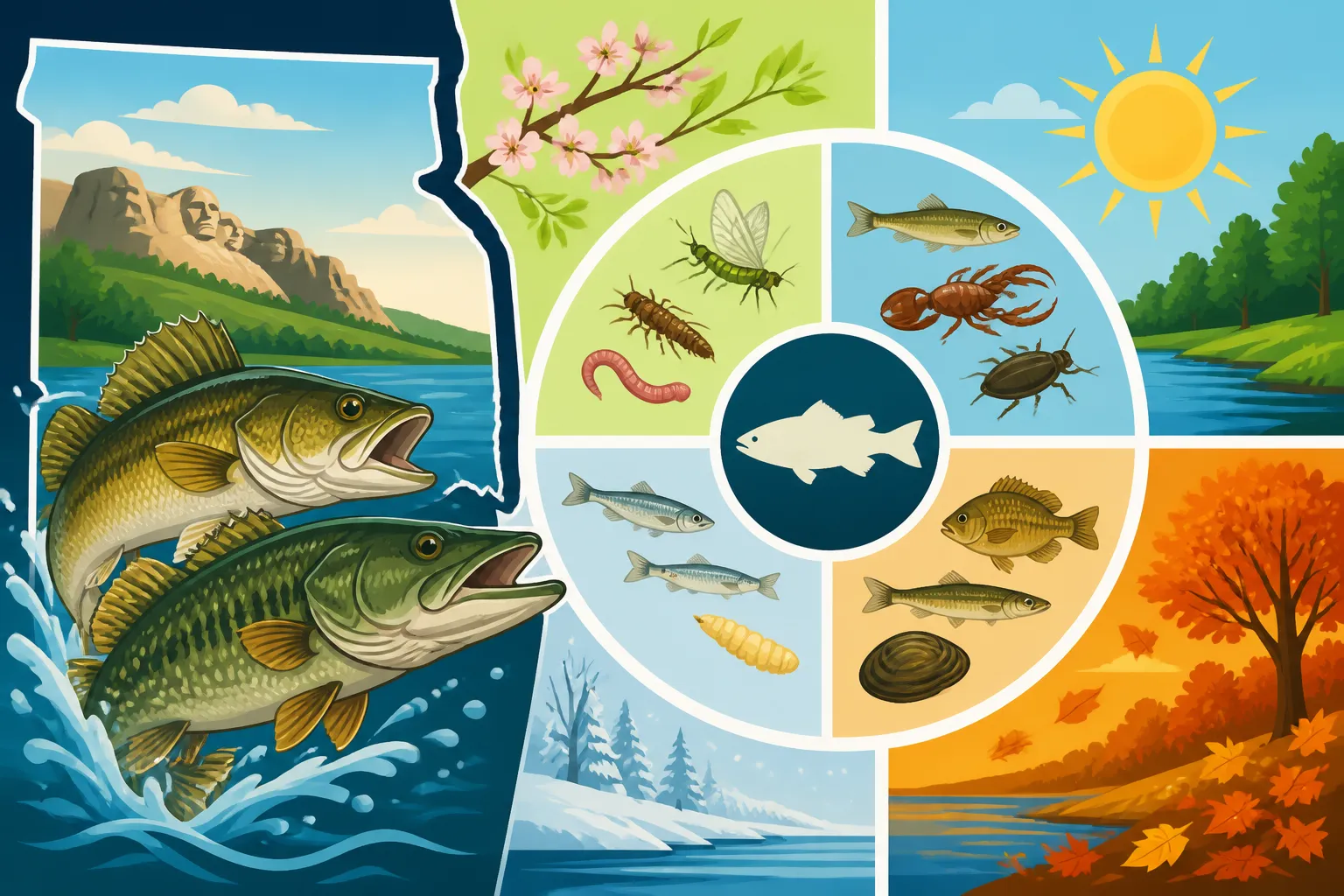
The availability of these food sources changes dramatically throughout the year. Spring sees a surge in insect hatches and newly hatched baitfish, while summer offers a robust population of minnows and crustaceans. Fall is often characterized by baitfish migrations and schools grouping up, creating easy targets for hungry predators. Winter, on the other hand, brings scarcity, forcing fish to rely on dormant insects or slow-moving bottom dwellers. Knowing which forage is abundant in a specific season and location can give you a significant advantage. It's all about trying to "match the hatch" or, in this case, "match the munch" with your lures and baits.
Spring Feast: What South Dakota Fish Eat When Waking Up
Spring in South Dakota is a time of awakening, not just for us after a long winter, but for the fish too. As the ice recedes and water temperatures slowly climb, fish shake off their winter lethargy and begin to feed more actively. This season is often tied closely to spawning rituals, which require a tremendous amount of energy, driving fish to seek out nutrient-rich foods.
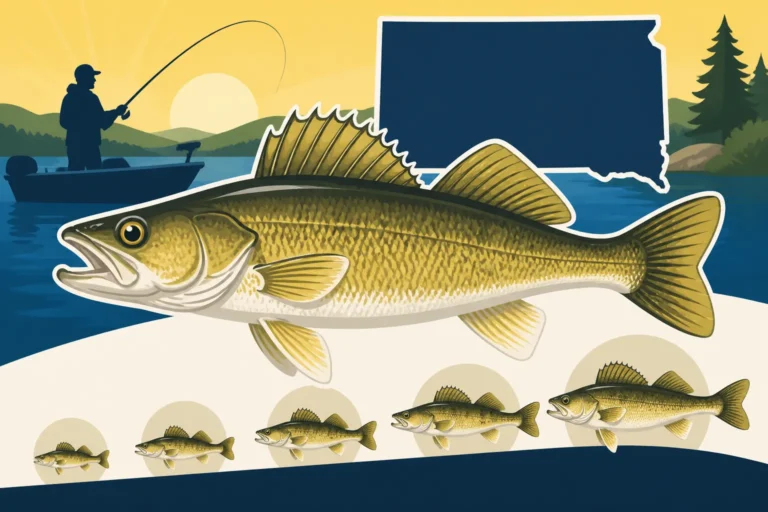
Walleye: From Bottom Nibblers to Active Hunters
When spring arrives, especially in places like Lake Oahe or Lake Sharpe, walleye begin to transition from their winter slowdown. Early spring often finds them in shallower, warming waters, sometimes congregating near spawning grounds. Their diet at this time can be a mix of smaller, easy-to-catch prey that are still a bit sluggish from winter. Think soft-bodied minnows, worms, and even leeches. They're not yet in full-on chase mode, so presenting bait slowly and methodically is often the ticket.
As the water continues to warm and post-spawn recovery sets in, walleye become more aggressive. They'll start to key in on larger minnows, young-of-the-year perch, and emerald shiners if present. Insect larvae emerging from the bottom can also be a significant food source. This is when jigging with minnows or slowly trolling crankbaits that mimic baitfish can be incredibly effective. The walleye's diet is heavily influenced by the availability of prey, and as baitfish populations begin their annual boom, the walleye are right there to take advantage. For more on targeting these spring beauties, check out South Dakota Spring Walleye Fishing Techniques.
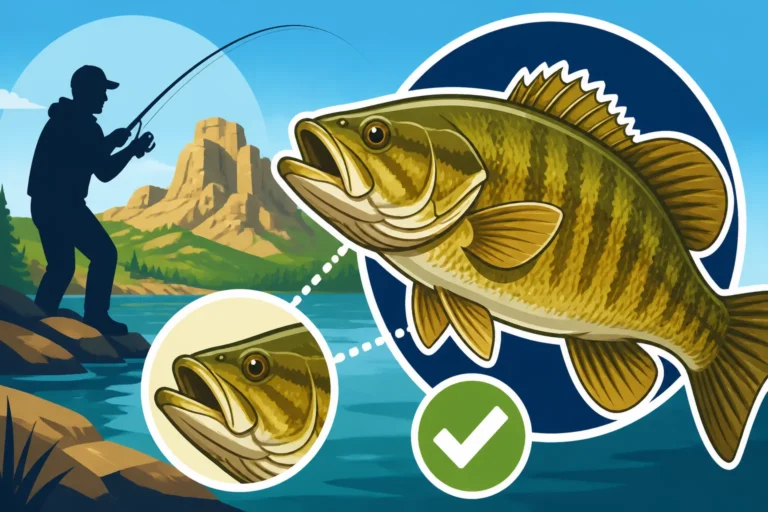
Smallmouth Bass: Crayfish and Emerging Insects
Spring is a fantastic time for smallmouth bass in rocky reservoirs like Lake Francis Case. As the water warms, these feisty fighters move from their deeper winter haunts to shallower, rocky areas where they'll eventually spawn. Their primary food source in spring is often crayfish. These crustaceans are abundant in the rocky habitats smallmouth prefer, and they offer a high-protein meal necessary for spawning. Using baits that imitate crayfish, like jigs with soft plastic trailers or crankbaits in natural brown and green hues, can be deadly.
Beyond crayfish, emerging aquatic insects also become a part of the smallmouth's spring diet. Larvae and nymphs transitioning to their adult forms offer an easy meal. Small minnows, especially those that are also moving into shallower areas to feed or spawn, become important as well. The key is to present your offering near cover – rocks, submerged timber, or points – where smallmouth ambush their prey. They're still somewhat conserving energy in the cooler water, so an easy meal is always preferred over a strenuous chase.
Summer's Bounty: Peak Feeding and Diverse Diets
Summer fishing in South Dakota is a whirlwind of activity, both for anglers and the fish below the surface. With warmer water temperatures and a booming ecosystem, fish are in their prime feeding mode, chasing down a wider variety of forage. This is when their metabolism is at its highest, demanding constant energy intake.
Walleye: Chasing Shad and Ciscoes
During the heat of summer, especially on the large Missouri River reservoirs, walleye become masters of chasing down schools of baitfish in open water. Their diet shifts dramatically to focus on abundant species like gizzard shad and juvenile ciscoes (also known as lake herring). These baitfish often suspend in the water column or relate to main lake points and humps. Walleye will follow these schools, making trolling with deep-diving crankbaits or spinner rigs with nightcrawlers incredibly effective.
Aside from schooling baitfish, summer walleye will also opportunistically feed on yellow perch, particularly young-of-the-year, and even larger insects that fall into the water. In shallower areas or near structure, they might still pick off a crayfish. The sheer abundance of forage means walleye have their pick, and they'll often be found in areas where these food sources are concentrated. This makes a good fish finder indispensable for locating both the walleye and their food. For more about specific techniques, consult Deep Water Summer Fishing Techniques.
Northern Pike: The Apex Predator's Menu
Northern pike are truly the apex predators of many South Dakota lakes, and summer sees them at their most voracious. Their diet in summer is incredibly diverse and often includes anything they can fit into their large mouths. Large baitfish like suckers, perch, and even smaller walleye are staple foods. They're not shy about attacking larger prey, which makes them a thrilling target for anglers.
But pike are also opportunistic. They'll feast on frogs, ducklings that venture too far from shore, and even small rodents if they fall into the water. Look for them lurking in weed lines, submerged timber, or other cover, waiting to ambush unsuspecting prey. Large spoons, spinnerbaits, and swimbaits that mimic their natural forage are excellent choices. They're not particularly picky about presentation; if it moves and looks like a meal, they'll likely strike. South Dakota Northern Pike Fishing Guide offers even more insights into these toothy critters.
Crappie: From Zooplankton to Minnows
Summer is a prime time for crappie fishing in many South Dakota waters. While they start their lives feeding primarily on zooplankton, by summer, their diet expands significantly. They still consume a good amount of insect larvae and small crustaceans, but their focus often shifts to small minnows. Crappie are known to suspend in schools around submerged brush, timber, and dock pilings, ambushing tiny baitfish.
Presenting small jigs tipped with minnows, or tiny soft plastic baits that imitate minnows, can lead to a banner day. Their diet also includes a variety of aquatic insects like mayflies, damselflies, and dragonflies, especially during hatches. These fish are relatively easy to catch once you locate a school, and their willingness to bite on various small baits makes them a popular target for anglers of all skill levels. Remember that their eyes are usually looking up for food, so presenting baits above their position can be very effective.
Fall Frenzy: Bulking Up for Winter
As the air gets crisper and the leaves start to turn, South Dakota's fish undergo another significant dietary shift. Fall is often characterized by a "feeding frenzy" as fish instinctively know winter is coming and they need to pack on calories. Water temperatures begin to drop, but before they get too cold, this cooling trend actually invigorates many species.
Walleye: The Shad and Cisco Connection Intensifies
In the fall, especially on our big reservoirs like Lake Sharpe and Lewis and Clark Lake, walleye become even more focused on schooling baitfish. Shad and ciscoes are still incredibly important, but they might be larger now, having had a full summer of growth. Walleye will actively chase these schools in open water or along prominent structures like main lake points and humps. This is often the time for anglers to connect with some of the biggest walleye of the year as they gorge themselves.
Crankbaits that dive to the depths where baitfish are holding, or spinner rigs trolled slowly through these schools, remain top producers. As the water cools further into late fall, walleye might move into deeper basins, still keying on schools of baitfish but becoming less active. Their metabolism is starting to slow, so they're looking for bigger meals they don't have to work as hard for. Understanding how walleye relate to baitfish can be the difference between a great day and a frustrating one. You might find some excellent fall fishing by checking out South Dakota Fall Walleye Fishing Techniques.
Chinook Salmon: Spawning Run and Last Meals
Fall is a crucial time for Chinook salmon in Lake Oahe, as they begin their annual spawning run. During this period, their primary focus shifts dramatically from active feeding to reproduction. However, in the weeks leading up to the actual spawn, particularly around areas like Whitlock Bay, they might still feed aggressively as they build up energy reserves. Their diet will heavily consist of rainbow smelt and other smaller baitfish found in the deeper, cooler parts of the lake.
As they get closer to the spawning grounds, their digestive systems begin to shut down, and they stop feeding entirely. Any "strikes" from salmon at this stage are usually reactionary or territorial rather than hunger-driven. Anglers targeting pre-spawn salmon will often use large spoons or plugs that imitate the baitfish they've been gorging on. After they spawn, the salmon will die, their life cycle complete. Understanding the timing of the Chinook Salmon Spawning Run Dates on Lake Oahe is crucial for successful angling.
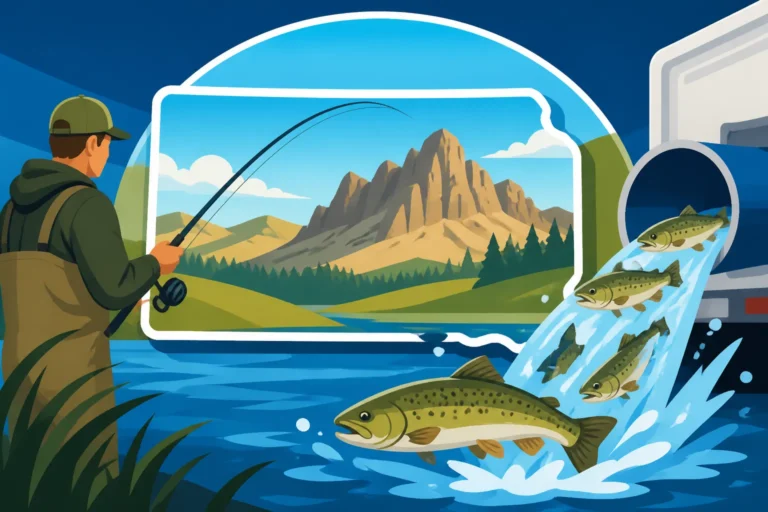
Trout: Bulking Up in Black Hills Streams
For trout in the Black Hills streams, fall is a period of intense feeding, especially for brown trout which often spawn in the autumn. As water temperatures cool and insect hatches become less prolific, trout switch their focus to larger, more calorie-dense meals. This means minnows, sculpins, and crayfish become critically important parts of their diet. Terrestrial insects, like grasshoppers and beetles that accidentally fall into the water, also offer easy protein.
Fly anglers will often switch from dry flies to nymphing techniques or streamers that imitate baitfish and crustaceans. Spin fishermen will find success with small spinners and spoons that mimic the same prey. The key is to target deeper pools, undercut banks, and logjams where trout are conserving energy and waiting to ambush prey. The colder water allows them to metabolize food more efficiently, so they're looking for substantial meals to carry them through the coming winter.
Winter's Chill: Subdued Appetites and Survival Diets
When winter truly sets in and South Dakota's lakes freeze over, the underwater world slows down considerably. Fish metabolism drops to its lowest point, and their feeding behavior becomes much more subtle. It's a game of survival, and every calorie counts.
Walleye: Slow and Steady Meals
During winter, especially under the ice, walleye become less active and their diet reflects this energy conservation. They're looking for easy meals that don't require much effort to chase. This means smaller minnows, often presented slowly and vertically. Fish like fathead minnows, shiners, and small perch become staple foods. Jigging spoons tipped with a minnow head or a small wax worm can be incredibly effective, mimicking a sluggish, injured baitfish.
Walleye will often congregate in deeper basins or near subtle break lines where temperatures are more stable. They might only feed for short windows each day, often during periods of low light. Understanding that they're conserving energy is key; a fast-moving, aggressive presentation that worked in summer will likely be ignored. Patience and subtle jigging motions are the name of the game. For specific techniques, check out Winter Walleye Fishing Techniques.
Perch and Crappie: Focusing on Zooplankton and Larvae
Yellow perch and crappie are popular targets for ice anglers in South Dakota, and their winter diets are quite similar. They primarily feed on zooplankton, insect larvae, and very small minnows. Their small mouths and schooling behavior mean they can effectively graze on these tiny food sources, which are still present in the water column even under the ice.
Anglers targeting perch and crappie will use tiny jigs (often called "panfish jigs") tipped with wax worms, spikes, or small pieces of plastic. The key is to present these baits very subtly, often with just a slight quiver of the rod tip. Locating schools of these panfish is crucial, as they tend to bunch up in specific areas, often relating to submerged vegetation or subtle changes in bottom contour. A good fish finder designed for ice fishing, like those you can find on Amazon, can be a game-changer for finding these schools.
Table: South Dakota Fish Seasonal Diet Snapshot
Here’s a quick overview of how the diets of some popular South Dakota fish species typically shift throughout the year. Remember, these are general guidelines, and local conditions can always vary!
| Fish Species | Spring Diet | Summer Diet | Fall Diet | Winter Diet |
|---|---|---|---|---|
| Walleye | Minnows, worms, leeches, insect larvae | Shad, ciscoes, perch, larger minnows, craws | Large baitfish (shad, ciscoes), craws | Smaller minnows, bloodworms, slow invertebrates |
| Smallmouth Bass | Crayfish, minnows, emerging insects | Crayfish, shiners, gobies, insects, small fish | Crayfish, shad, large minnows, frogs | Deep dwelling insects, opportunistic minnows |
| Northern Pike | Perch, suckers, minnows | Large baitfish, frogs, ducklings (opportunistic) | Larger baitfish (perch, suckers), panfish | Slow-moving large baitfish |
| Crappie | Zooplankton, insect larvae, small minnows | Insects, small minnows, crustaceans | Small minnows, insect larvae, zooplankton | Zooplankton, insect larvae, tiny minnows |
| Trout (Black Hills) | Aquatic insects (nymphs), sculpins, minnows | Mayflies, caddisflies, terrestrials, minnows | Minnows, sculpins, crayfish, fish eggs | Midges, stonefly nymphs, small minnows |
| Chinook Salmon | Rainbow smelt, ciscoes, alewives (pre-spawn) | Rainbow smelt, ciscoes, alewives (main feeding) | Little to no feeding (spawning run), reactionary strikes | Not applicable (annual die-off after spawning) |
How Anglers Adapt: Matching the Hatch (or the Munch)
Understanding what fish eat by season isn't just academic; it's a practical roadmap for becoming a more successful angler. It allows you to choose the right baits, lures, and techniques to put yourself in the best position to catch fish. The core principle is often referred to as "matching the hatch" for fly fishing, but it applies to all fishing disciplines – essentially, you want your presentation to mimic what the fish are currently eating.
Selecting the Right Baits and Lures
Once you have an idea of the seasonal diet, your bait and lure selection becomes much more intuitive. In spring, if walleye are eating worms and small minnows, live bait rigs with nightcrawlers or jig-and-minnow combinations are hard to beat. As summer progresses and they're chasing shad, switching to crankbaits that mimic the size and color of shad makes perfect sense. For pike, if you know they're eating large perch, using a large swimbait or spoon that looks like a perch can be incredibly effective.
Consider not just the type of forage, but also its size and color. If the local baitfish are silvery emerald shiners, a silver or iridescent blue crankbait might outperform a firetiger pattern. If crayfish are the main meal for bass, a brown or green jig with a subtle action will be more effective than a bright, flashy lure. There are countless options available, and platforms like Amazon offer a huge selection of lures and baits to help you match nearly any forage. Don't be afraid to experiment, but let the fish's natural diet guide your initial choices.
Adjusting Your Presentation and Location
Beyond bait choice, knowing what fish are eating helps you understand where they'll be and how they'll be feeding. If spring walleye are slowly picking off bottom-dwelling invertebrates, a slow, methodical retrieve near the bottom is more appropriate than a fast-trolled crankbait. If summer smallmouth are ambushing crayfish from rocky cover, casting your lure right up against those rocks and letting it crawl along the bottom will be key.
In fall, when fish are bulking up, they might be more aggressive, allowing for faster retrieves and more active presentations. Conversely, in winter, a near-motionless presentation is often required to entice a strike from sluggish fish. Thinking about the fish's energy levels and how they would naturally acquire their food at that time of year will greatly inform your technique. This also influences your fishing depth and location; if a certain baitfish is in deep water, the predators will likely be there too.
Monitoring Conditions and Staying Flexible
Fish diets are dynamic. While the seasons provide general guidelines, localized conditions like sudden cold fronts, heavy rains, or unique baitfish spawns can temporarily alter what fish are eating. Always pay attention to water temperature, clarity, and any signs of baitfish activity (e.g., birds diving, fish jumping). A portable fish finder, readily available on platforms like Amazon, can help you detect baitfish schools and even see what fish are doing on the bottom.
Being flexible and willing to change your approach is paramount. If what you're doing isn't working, re-evaluate. Is the water colder than expected? Are there different baitfish present? Sometimes, simply changing the size of your lure, the color, or the retrieve speed can make all the difference. The more you observe and adapt, the better you'll become at "speaking the fish's language" and understanding their seasonal hunger pangs. For understanding the overall year, take a look at Best Time of Year to Fish in South Dakota.
Disclaimer
This article is for general informational purposes only and does not constitute professional advice. Laws, prices and regulations vary by location and change over time. Consult a qualified professional for guidance on your specific situation.