South Dakota Invasive Fish Species
It's incredibly frustrating to head out to your favorite fishing spot in South Dakota, only to find that the waters aren't quite what they used to be, or that you have to take extra precautions just to prevent something invisible from hitching a ride on your boat. Dealing with invasive species can feel like a never-ending battle, but understanding what they are and how to combat them is crucial for preserving our beloved South Dakota fisheries. This guide will walk you through the specifics of invasive fish species in our state, how they spread, and what every angler can do to protect our waters.
Understanding Invasive Fish Species
When we talk about "invasive species," it's easy to picture something alien and scary, like a monster from a sci-fi movie. In reality, invasive fish species are simply organisms that have been introduced, accidentally or intentionally, into an ecosystem where they don't naturally belong. The real problem starts when these newcomers cause ecological or economic harm, often outcompeting native species for food and habitat, altering the environment, and sometimes even introducing diseases. It's a complex issue, and it directly impacts the quality of fishing we enjoy across South Dakota.
What Makes a Species Invasive?
Not every non-native species becomes invasive. For a species to earn that unwelcome title, it typically needs a few key characteristics. First, it must be able to establish a self-sustaining population outside its native range. This means it can reproduce and thrive in its new environment without human intervention. Second, and critically, it must cause harm. This harm can manifest in various ways, such as reducing native fish populations, disrupting food webs, damaging fishing gear, or even impacting recreational activities like boating and swimming. Think about the countless times a well-meaning angler might move a bucket of baitfish from one lake to another, unknowingly setting the stage for a new invader.
The impact can be far-reaching, affecting everything from the smallest aquatic invertebrates that form the base of the food chain to the trophy walleye we all dream of catching. When an invasive species takes hold, it can throw the entire balance of an ecosystem into disarray, leading to declines in species diversity and overall health of our waters. Understanding this distinction is the first step in recognizing the threat and knowing why prevention is so vital.
Why South Dakota is Vulnerable
South Dakota's unique geography and abundance of water bodies, particularly the Missouri River reservoirs like Lake Oahe and Lake Sharpe, make it particularly susceptible to invasive species. These large, interconnected systems, along with our numerous glacial lakes and Black Hills streams, provide ample pathways for invaders to spread. Anglers, boaters, and even birds can inadvertently transport microscopic organisms or small fish from one body of water to another.
Our waters are also heavily used for recreation, which, while fantastic for local economies and outdoor enthusiasts, unfortunately increases the risk of spreading invasive species. A single boat or a pair of waders not properly cleaned between trips can be all it takes to introduce a new threat. The long, narrow shape of many of our lakes and rivers also means that once an invasive species enters, it can quickly spread throughout a vast area, making containment incredibly difficult. This vulnerability underscores why every angler's vigilance is absolutely critical. We're all custodians of these waters.
Key Invasive Fish Species in South Dakota
South Dakota has been fortunate to avoid some of the more widespread invasive fish issues seen in other states, but we still have a battle on our hands with several species. These invaders pose distinct threats to our native fish populations and aquatic ecosystems, impacting everything from walleye and perch to trout and bass. Knowing who these culprits are is essential for understanding the specific dangers they present.
Asian Carp: Big Problems on the Missouri
When most people think of invasive fish in the Midwest, Asian carp often come to mind, and for good reason. There are several species of Asian carp, but Bighead Carp and Silver Carp are the primary concerns for South Dakota, particularly in the lower Missouri River system. These fish are massive filter feeders, meaning they consume vast quantities of plankton – the very same plankton that forms the base of the food chain for many of our desirable sport fish, especially during their juvenile stages.
Silver Carp are infamous for their "jumping" behavior when startled by boat motors, posing a physical hazard to boaters and anglers. Imagine cruising down the Missouri River, enjoying a beautiful day, when a 20-pound fish suddenly leaps out of the water and smacks you in the face or hits your windshield. It’s not just a nuisance; it’s a serious safety concern. Beyond the aerial acrobatics, the sheer biomass of these carp can be staggering. They reproduce rapidly and grow quickly, effectively vacuuming up the food resources that native species like paddlefish, bigmouth buffalo, and even larval walleye depend on. This competition can significantly impact native fish populations and South Dakota Fish Species Diet by Season. Preventing their upstream migration into the heart of our state's reservoirs is a monumental, ongoing effort.
Common Carp: An Old Foe
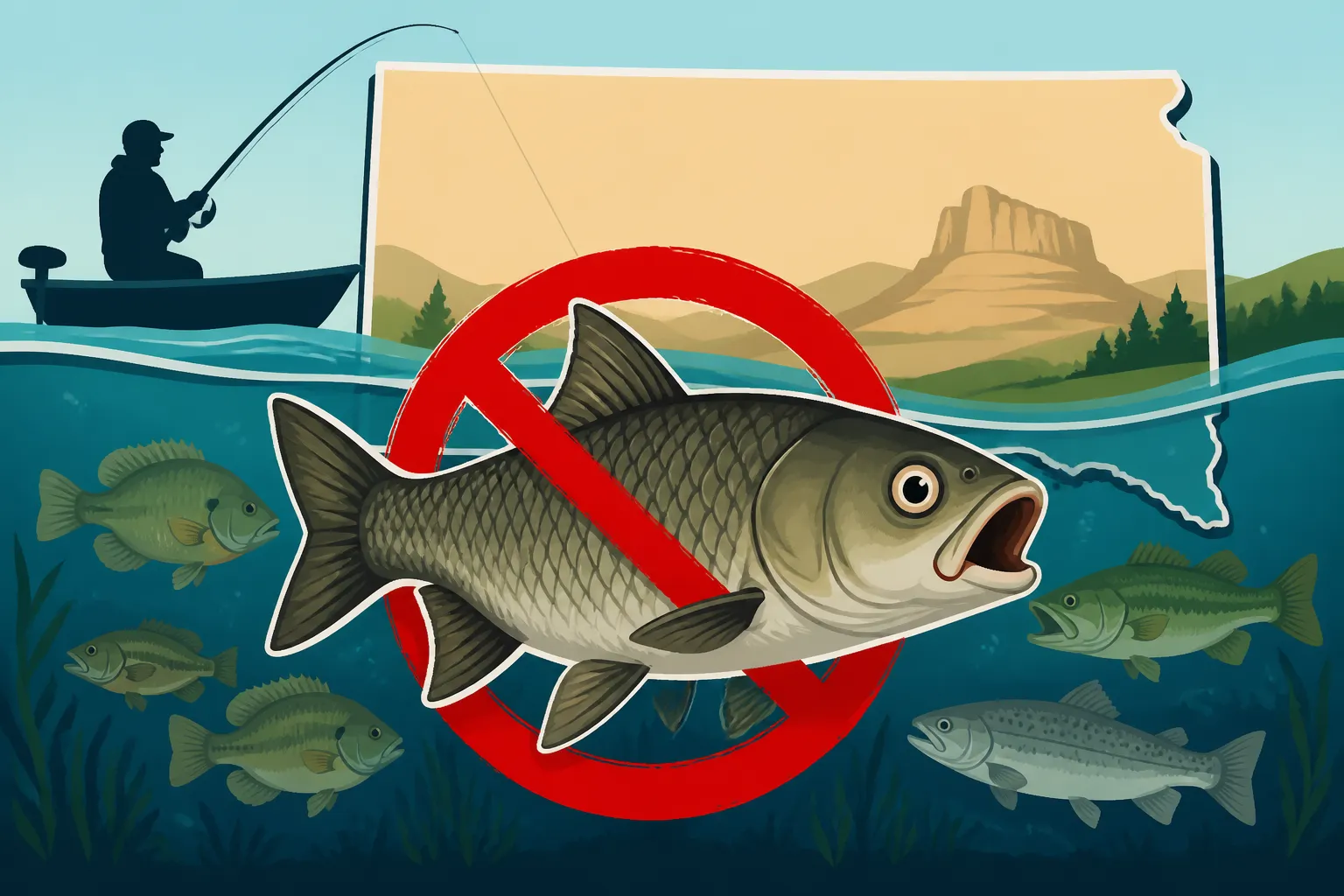
While Asian Carp are newer, more dramatic invaders, the Common Carp has been a long-standing resident in South Dakota waters, having been introduced over a century ago. It’s easy to overlook them because they're so ubiquitous, but they are indeed an invasive species and continue to cause ecological damage. Common Carp are bottom feeders, and their constant rooting and stirring of the sediment can severely degrade water quality.
This activity releases nutrients, leading to increased turbidity (cloudy water) and algal blooms. For fish that rely on clear water for sight feeding, like walleye, this can be detrimental. Furthermore, the stirred-up sediment can smother native aquatic vegetation, which provides critical habitat and spawning grounds for many native fish and invertebrates. While some anglers enjoy the challenge of catching them, the overall impact of Common Carp on the health and clarity of our lakes and rivers is overwhelmingly negative, contributing to less favorable conditions for many desirable game species.
Other Potentially Invasive Species
Beyond the big carp, there are other species that either are present in South Dakota or pose a significant threat if introduced. These include:
- White Perch: These small, aggressive fish can outcompete native yellow perch and other panfish for food, and they reproduce prolifically. They've been found in some of our border waters and are a serious concern for our glacial lakes.
- Northern Snakehead: While not currently established in South Dakota, this predatory fish is a major invasive species in other parts of the U.S. and could decimate native fish populations if introduced. They can even breathe air and move short distances over land.
- Rusty Crayfish: Although not a fish, this invasive crayfish can severely impact aquatic vegetation and native crayfish populations, which are a vital food source for many fish species. Their aggressive nature and high reproductive rates make them a significant threat to our ecosystems.
A table outlining some of these species and their primary impacts can be helpful:
| Invasive Species | Primary Impact on SD Waters | Affected Native Species (Examples) | Spread Vector (Common) |
|---|---|---|---|
| Bighead/Silver Carp | Consume plankton, alter food webs, physical hazard | Paddlefish, Walleye, Shad | River systems, illegal stocking |
| Common Carp | Increase turbidity, destroy vegetation, nutrient release | Walleye, Perch, Bass, Panfish | Widespread, bait bucket, release |
| White Perch | Compete for food/habitat, prey on eggs/larvae | Yellow Perch, Crappie, Walleye | Bait bucket, unintended transport |
| Rusty Crayfish | Consume vegetation, outcompete native crayfish, disrupt food webs | Smallmouth Bass, Trout, Catfish | Bait bucket, aquarium release |
| Eurasian Watermilfoil | Forms dense mats, chokes out native plants, alters habitat | All fish species (habitat loss) | Boats, trailers, fishing gear |
| Zebra/Quagga Mussels | Filter plankton, attach to surfaces, alter food webs | Walleye, Perch, Salmon (food loss) | Boats, livewells, bait buckets |
These are just a few examples of the challenges facing South Dakota's aquatic environments. The fight against invasive species isn't just about fish; it's about preserving the entire delicate balance of our underwater world, which also links to concerns about South Dakota Fish Consumption Advisory Species.
How Invasive Species Spread and How Anglers Can Prevent It
One of the most disheartening aspects of invasive species is how often their spread is unintentional, a consequence of human activity. As anglers, we have a unique responsibility, and indeed, the greatest power, to prevent their further proliferation. Every time we move our boats, bait buckets, or even our waders from one body of water to another, we risk becoming a vector for invasion. Understanding the common pathways of spread is the first step toward effective prevention.
The Dangers of Unchecked Gear and Water
The most common ways invasive species, especially aquatic invasive species (AIS), travel are through contaminated boats, trailers, fishing gear, and bait. Imagine pulling your boat out of Lake Sharpe after a successful walleye outing. If you don't properly clean and drain it, tiny larvae, plant fragments, or even adult zebra mussels could be clinging to the hull, hiding in your livewell, or tangled in your prop. Then, when you launch into Lake Oahe next weekend, you've just given these invaders a free ride to a new, vulnerable ecosystem.
This isn't just theoretical; it's how species like zebra mussels have spread across the country. They attach themselves firmly to boat hulls, motors, and even fishing lines. Similarly, tiny plant fragments of Eurasian Watermilfoil can break off, attach to trailers or fishing nets, and take root in a new lake. This is why the "Clean, Drain, Dry" mantra is so critical. It’s not just a suggestion; it’s the cornerstone of prevention, and it's a simple, actionable set of steps that every angler can adopt. South Dakota Fishing Regulations Explained include specific guidance on this.
Best Practices: Clean, Drain, Dry
The "Clean, Drain, Dry" method is your best defense against spreading aquatic invasive species. It's straightforward, but requires diligence.
- Clean: Before leaving any boat ramp, inspect your boat, trailer, and all fishing gear. Remove any visible mud, plants, or foreign organisms. This includes inspecting your anchor, ropes, and anything that’s been in the water. Pay close attention to crevices and hidden spots where small invaders might hide. If you find anything, remove it and dispose of it in a trash receptacle or on high, dry ground where it can't re-enter any water. You can even find specialized boat cleaning solutions and brushes on platforms like Amazon that make this task easier and more effective.
- Drain: Completely drain all water from your boat, including the bilge, livewells, bait buckets, and any other water-holding compartments. This is especially important for species like zebra mussel larvae, which are microscopic and can survive in even a small amount of standing water. Remember, even a single drop can potentially carry invaders.
- Dry: Allow your boat, trailer, and all fishing gear to thoroughly dry for an extended period before using them in a different body of water. The recommended drying time can vary depending on conditions and the specific species of concern, but typically 5-7 days in hot, dry conditions is ideal. If you can't allow for a full dry time, consider using high-pressure hot water (above 140°F) to wash your boat, which can kill many aquatic invasives. This process is truly your front-line defense, and it directly helps prevent Are Zebra Mussels a Problem in South Dakota Lakes?.
Responsible Bait Use and Disposal
Bait is another major pathway for invasive species. Using live bait caught in one body of water and then transporting it to another is a huge risk. Unwanted bait, or even the water from a bait bucket, can contain invasive fish species, their eggs, or microscopic organisms.
- Don't transport live bait: Avoid moving live bait from one water body to another. If you're going to use live bait, either purchase it from a reputable local bait shop near your fishing destination, ensuring it's free of invasives, or catch your bait legally from the same water body you plan to fish.
- Dispose of bait properly: Never release unused bait into a different body of water, or even the same one if you suspect it might be contaminated. Dispose of it in the trash, far from any water sources. The same goes for bait bucket water – dump it on dry land, away from storm drains or direct access to lakes or rivers. This simple act of responsible disposal can prevent the accidental introduction of a new threat.
- Check regulations: Always check the latest South Dakota Fishing Regulations Explained for rules regarding bait use, especially when moving between different regions or specific water bodies, as regulations can vary.
Your actions, or inactions, have a direct impact on the health of South Dakota's fisheries. By being mindful and following these practices, you become an integral part of the solution rather than an unwitting part of the problem.
Impact of Invasive Fish Species on Native Fish and Ecosystems
The consequences of invasive fish species extend far beyond a mere nuisance or a change in what you might catch. They can fundamentally alter the delicate balance of aquatic ecosystems, leading to long-term damage that is incredibly difficult, if not impossible, to reverse. Our native fish species, which have evolved over millennia to thrive in South Dakota's waters, are often ill-equipped to compete with aggressive newcomers.
Competition and Habitat Degradation
One of the most significant impacts of invasive fish is direct competition with native species for essential resources like food and habitat. Invasive species often have traits that give them an edge in new environments: they might reproduce faster, tolerate a wider range of conditions, or be more aggressive feeders. For example, White Perch can rapidly outcompete native Yellow Perch and young Walleye for plankton and small invertebrates. This means less food for our desirable game fish, leading to slower growth rates, reduced population sizes, and ultimately, poorer fishing opportunities.
Beyond food, invasive species can degrade the physical habitat. Common Carp, with their bottom-feeding habits, constantly stir up sediment, increasing turbidity. This cloudy water reduces light penetration, which in turn kills off vital aquatic vegetation. This vegetation isn't just pretty; it provides critical cover for juvenile fish, spawning grounds for many species, and a home for the insects and invertebrates that form the base of the food web. When this habitat is destroyed, the entire ecosystem suffers, leading to a decline in native biodiversity and the overall health of the water. The loss of these crucial underwater 'nurseries' can have ripple effects throughout the food chain, impacting everything from small minnows to large predators.
Predation and Disease Introduction
Another dire consequence of invasive fish is direct predation on native fish, particularly eggs and young fish. Many invasive species are opportunistic predators. For instance, if Northern Snakeheads were to establish themselves, they are known to be voracious eaters that would prey on almost anything they can fit in their mouths, including valuable sportfish and baitfish species. This direct predation can decimate native populations, especially those with vulnerable life stages.
Furthermore, invasive species can introduce new diseases or parasites that native fish have no natural immunity to. A fish that is perfectly healthy in its native range might carry pathogens that are devastating to a new population. These diseases can spread rapidly through a compromised ecosystem, leading to widespread die-offs and further destabilizing fish populations. The introduction of new pathogens can be a silent but deadly killer, wiping out entire year classes of fish or making them more susceptible to other environmental stressors. This intricate web of interactions highlights why keeping these species out is so important, particularly for the overall health of species detailed in the South Dakota Walleye Fishing Guide or South Dakota Trout Fishing Guide.
Reporting and Managing Invasive Species
Despite our best efforts, invasive species sometimes establish themselves. When that happens, early detection and rapid response are paramount. Your role as an angler doesn't end with prevention; it extends to being an extra set of eyes and ears on the water, reporting anything unusual. Professional management efforts then kick in, aiming to contain or eradicate new invasions and manage established ones.
How to Report a Sighting
If you suspect you've encountered an invasive fish species, particularly one that is not common in South Dakota, it's crucial to report it immediately. Don't assume someone else will. Your report could be the first and most critical step in preventing a widespread infestation.
- Document: If possible, take clear photos of the fish from different angles. Note its size, distinct markings, and the exact location (GPS coordinates are ideal, but a precise description of the body of water and nearest landmark works).
- Do Not Release: If you're confident it's an invasive species and it's legal to possess, do not release it back into the water. Instead, freeze it or keep it on ice to preserve it for identification.
- Contact GFP: The South Dakota Department of Game, Fish and Parks (GFP) is your primary contact. You can usually find a dedicated phone number or email address for reporting aquatic invasive species on their website or in the South Dakota GFP Fishing Handbook Guide. Provide all the details you've collected.
Remember, a timely and accurate report can make all the difference in an invasive species management strategy. Don't be shy; your diligence contributes directly to the well-being of our waters. For more specific guidance, refer to What to Do If You Catch an Invasive Fish Species.
Management and Control Efforts
Once an invasive species is confirmed, management efforts typically fall into a few categories:
- Eradication: This is the most aggressive approach, aiming to completely eliminate the invasive species from a water body. It's often only feasible for new, small infestations and can involve chemical treatments (like rotenone), electrofishing, or intensive netting.
- Containment: For more widespread infestations, the goal shifts to containing the species within its current range to prevent further spread. This might involve barriers (physical or electrical), increased monitoring at vulnerable points, and strict regulations on bait and boat movement. The efforts to prevent Asian carp from moving further up the Missouri River are a prime example of containment strategies.
- Control: When eradication or containment isn't possible, management focuses on controlling the population size of the invasive species to minimize its impact on native species. This could involve increased harvest limits for anglers, targeted commercial fishing, or biological controls (introducing a natural predator or disease, which is a complex and risky strategy).
Each management strategy comes with its own set of challenges, costs, and potential ecological impacts. The decisions made are complex and often require extensive scientific research and public input. It's a continuous battle, and your awareness and participation are invaluable.
What Anglers Can Do to Help
As anglers, we're not just users of the resource; we are its most passionate advocates and, often, its first line of defense. The health of South Dakota's fishing depends on all of us doing our part. It's about more than just following the rules; it's about adopting a mindset of stewardship every time we step foot near the water.
Be an Informed and Vigilant Angler
The first and most critical step is to stay informed. Regulations regarding aquatic invasive species can change, new threats can emerge, and best practices can evolve. Make it a habit to check the latest South Dakota GFP regulations before your fishing trips. Their website and printed guides are excellent resources. Understand what invasive species are present in the waters you frequent and how to identify them.
Beyond identification, be vigilant. Take a moment to look at what's on your boat trailer, in your livewell, or on your waders before you leave a boat ramp. Notice if the water looks unusually murky, or if there's an abundance of a strange plant where there wasn't one before. These small observations, when reported, can contribute significantly to early detection efforts. Consider carrying a small brush and a spray bottle with a bleach solution (diluted properly, of course) on your boat or in your truck for on-the-spot cleaning. You can find these items easily on Amazon, making it convenient to always be prepared. Being aware and proactive makes you a true conservation partner.
Practice Responsible Boating and Fishing Habits
This is where the rubber meets the road, or rather, the keel meets the water. Integrating responsible habits into your routine is the most effective way to prevent the spread of AIS.
- Clean, Drain, Dry Every Time: We can't stress this enough. Make it a non-negotiable routine after every single fishing trip. From small kayaks to large bass boats, everything needs to be cleaned, drained, and dried. This includes your anchor, ropes, fishing nets, and even the shoes you wore. Think of it as part of your post-fishing ritual, just like cleaning your fish. Speaking of which, proper fish cleaning and disposal of entrails away from water bodies is also key. Learn How to Clean a Walleye properly and dispose of the remains responsibly.
- Inspect and Maintain Your Gear: Beyond boats, inspect all your fishing gear regularly. Waders, boots, tackle boxes, and even fishing lines can harbor hitchhikers. Consider having a dedicated set of gear for specific water bodies if you fish frequently and intensely in different areas.
- Never Transfer Bait or Fish: The golden rule. Do not move live bait from one water body to another. If you have unused bait, dispose of it in the trash, not back into the water. Never release aquarium fish or plants into natural waters.
- Understand South Dakota Boat Safety Requirements: Many of these regulations are in place not just for safety, but also implicitly help in preventing the spread of invasives. Knowing and following them, including aspects of South Dakota Boat Registration Guide, means you're operating responsibly on multiple fronts.
By making these practices second nature, you are actively protecting South Dakota's native fish populations, preserving habitat, and ensuring that our fishing legacy remains strong for future generations. It’s a small effort with an enormous payoff for the health of our precious natural resources.
Disclaimer
This article is for general informational purposes only and does not constitute professional advice. Laws, prices and regulations vary by location and change over time. Consult a qualified professional for guidance on your specific situation.