Are Brown Trout Native to South Dakota?
It's a common question that swirls around campfires and coffee shops across South Dakota, especially when you're talking about the incredible trout fishing opportunities in the Black Hills: are those beautiful brown trout actually native to our waters? It’s easy to assume they’ve always been here, gracefully navigating the cold, clear streams. But the truth, like many things in the natural world, is a bit more nuanced than you might initially think. This guide will dive deep into the fascinating history of brown trout in South Dakota, explore their current status, and give you the real scoop on their origins.
The Imported Legacy: Are Brown Trout Native to South Dakota?
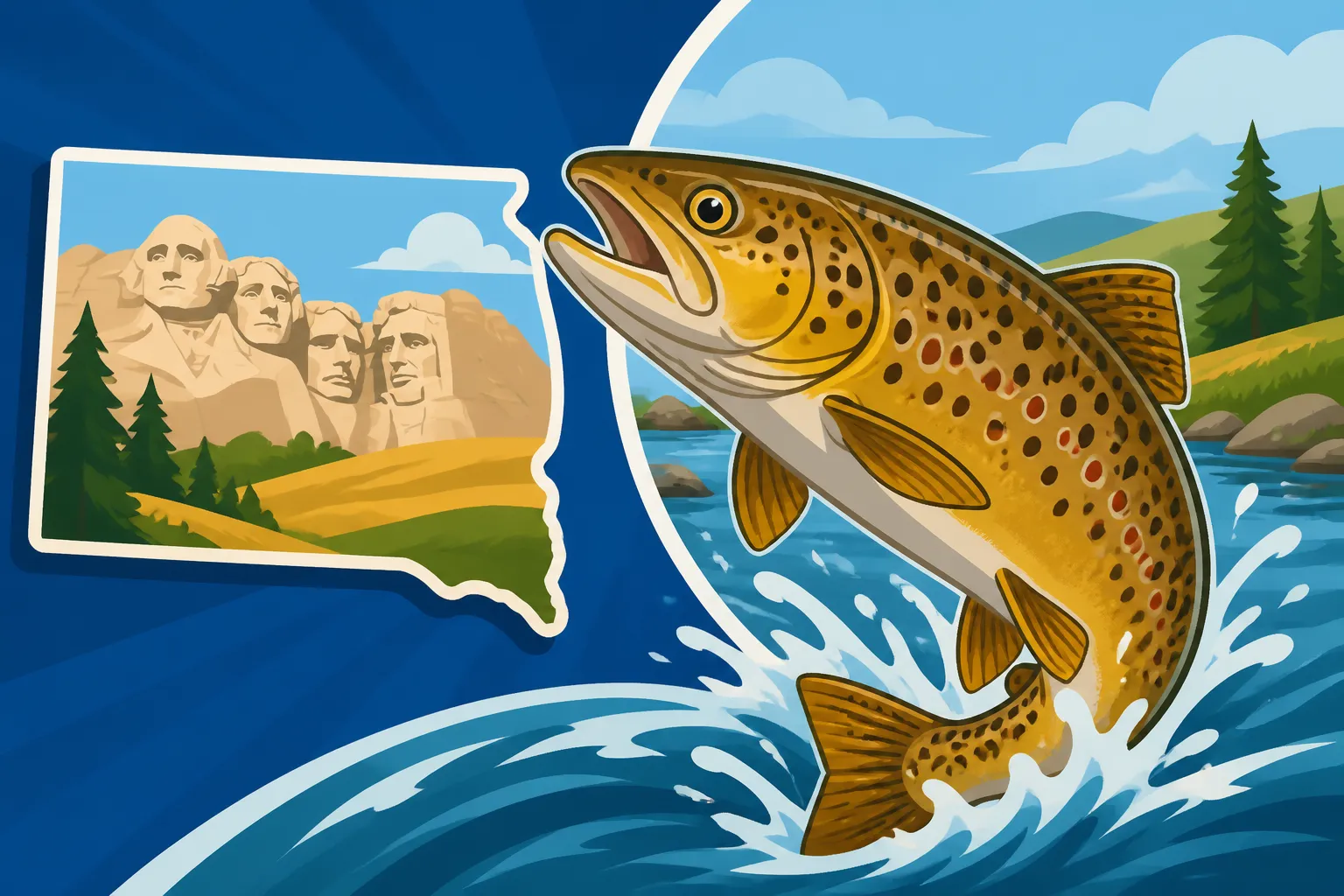
Let's cut right to the chase for those of you eager for the answer: no, brown trout are not native to South Dakota. While they are a cherished and incredibly popular game fish, and have firmly established themselves in many of our pristine Black Hills streams, their roots lie across the Atlantic. This might come as a surprise to many, especially given how wild and abundant they often seem in places like Rapid Creek or Spearfish Creek.
The story of brown trout in South Dakota is one of intentional introduction, a widespread practice in fisheries management across North America during the late 19th and early 20th centuries. Fisheries managers and angling enthusiasts, impressed by the species' hardiness and sporting qualities, sought to bring them to new waters. The goal was often to enhance angling opportunities or to fill perceived ecological niches where native fish might not have thrived as readily, or simply weren't present in sufficient numbers to support a burgeoning sport fishery. So, while they've made South Dakota their home, they're more like esteemed, long-term residents who immigrated here generations ago rather than true indigenous inhabitants.
A European Import: Tracing Their Ancestry
Brown trout ( Salmo trutta ) originally hail from Europe and parts of Asia. Their natural range extends across much of Europe, from Scandinavia down to the Mediterranean, and eastward into Russia. They are a highly adaptable species, capable of thriving in a wide variety of freshwater environments, from small mountain streams to large rivers and even lakes, with some populations being anadromous (sea-run). This adaptability is one of the key reasons they were chosen for introduction into so many different regions worldwide, including our very own South Dakota.
When these fish were first brought to the United States, they were typically sourced from hatcheries in Germany or Scotland, with the first significant introductions occurring in the late 1800s. The pioneering efforts to introduce brown trout were largely successful due to their robust nature and ability to tolerate a broader range of water temperatures and conditions than some native trout species. This made them an attractive option for stocking in streams that might have been impacted by early settlement, logging, or other changes to the landscape.
Why Introduce a Non-Native Species? The Motivations Behind Stocking
The decision to introduce brown trout wasn't made lightly, though the ecological understanding of such actions was far less developed back then compared to today. Several factors drove the widespread stocking of brown trout in places like South Dakota:
- Sport Fishing Appeal: Brown trout are renowned for their aggressive takes, their willingness to rise to a dry fly, and their powerful fighting ability. They grow to impressive sizes and provide a thrilling challenge for anglers. The desire to create world-class sport fisheries was a huge motivator for stocking them.
- Hardiness and Adaptability: As mentioned, brown trout are tough. They can tolerate warmer water temperatures and more turbid conditions than, say, a delicate native brook trout. This made them suitable for a wider array of streams, especially those that might have experienced some degree of environmental alteration.
- Filling an Ecological Niche: In some areas, it was believed that brown trout could utilize habitats or food sources that native fish were not fully exploiting. They are opportunistic feeders, consuming insects, crustaceans, and even smaller fish, including other trout. This ability to capitalize on diverse prey made them seem like a good fit for certain ecosystems.
- Historical Precedent and Limited Alternatives: In the era of widespread stocking, the concept of preserving purely native ecosystems was not as prevalent as it is today. Many different fish species, both native and non-native, were moved around the country in an effort to "improve" fishing. Brown trout, along with rainbow trout (also not native to South Dakota), became primary candidates simply because they were available and proven performers in other waters.
Brown Trout in South Dakota Today: A Thriving Population
Despite their non-native status, brown trout have become an integral part of South Dakota's trout fishing scene. They have successfully established wild, self-sustaining populations in many of the state's prime trout waters, particularly within the cooler, oxygen-rich streams of the Black Hills. For many anglers, the pursuit of a wary Black Hills brown is the epitome of trout fishing in the state.
Their success is a testament to the suitability of these waters for their life cycle. They find ample food, good spawning grounds, and the necessary cold-water refuges to survive the summer months and thrive through the winter. This establishment means that while stocking still occurs in some areas, many of the brown trout you encounter are wild-hatched, which adds to the allure and challenge of fishing for them.
Thriving in the Black Hills: Premier Trout Waters
The Black Hills region of South Dakota is undoubtedly the stronghold for brown trout. Here, you'll find them coexisting with other trout species in legendary streams and rivers. Places like Rapid Creek Fishing Access in Rapid City are famous for their brown trout populations, offering anglers a fantastic opportunity to test their skills. Other notable streams include:
- Spearfish Creek: Known for its clear waters and abundant insect life, Spearfish Creek holds healthy populations of brown trout, often alongside rainbow and brook trout.
- Box Elder Creek: This stream, like many others in the Black Hills, offers a mix of wild and stocked trout, with browns being a key component.
- Castle Creek: A beautiful stream with some challenging stretches, Castle Creek provides excellent habitat for brown trout, particularly in its upper reaches.
- Spring Creek: Another Black Hills gem, Spring Creek is often explored by fly anglers targeting its resident brown trout.
These streams, with their diverse aquatic insect populations and consistent cold water temperatures, create an ideal environment for brown trout to flourish. The sheer beauty of the Black Hills only enhances the experience of pursuing these magnificent fish. If you're planning a trip, be sure to check out our Black Hills Trout Stream Fishing Guide for more detailed information on where to go.
Impact on Native Species and Ecosystems
The introduction of any non-native species, no matter how popular, inevitably carries ecological implications. Brown trout are no exception. While they have provided immense recreational value, their presence can sometimes affect native fish populations, especially the beautiful brook trout, which are native to some North American waters (though often introduced to the Black Hills themselves).
- Competition for Resources: Brown trout are efficient predators and can outcompete smaller, less aggressive native trout species for food and prime habitat, especially larger, older brown trout. They are also known to prey on smaller fish, including the fry and juveniles of other trout species.
- Habitat Alteration: While brown trout are adaptable, their presence can indirectly influence stream ecosystems. Their spawning habits, though similar to native trout, can still impact local gravel beds.
- Disease Transmission: Any introduced species carries the potential to introduce pathogens or diseases to which native populations have no immunity. While this isn't a widely recognized issue with brown trout in South Dakota, it's a general concern with non-native introductions.
It's important to recognize that fisheries management in South Dakota actively works to balance these factors. Efforts are made to manage trout populations to ensure healthy ecosystems while still providing diverse angling opportunities. For a deeper look at the fish species present, you might be interested in Fish Species Found in Black Hills Streams.
Fishing for Brown Trout in South Dakota
For many anglers, the debate over native status fades into the background once they're standing knee-deep in a Black Hills stream, trying to coax a wary brown trout to strike. Brown trout are truly a prize, known for their cunning and powerful fights. Catching a large, wild brown trout is an achievement that keeps anglers coming back year after year.
They are often more challenging to catch than rainbow trout, showing a keen sense of their surroundings and demanding precise presentations. This challenge, however, is precisely what makes them so rewarding to pursue. Whether you prefer fly fishing or spin fishing, understanding their habits and habitats is key to success.
Best Spots and Techniques for Catching Brown Trout
Successfully targeting brown trout in South Dakota involves a combination of knowing where they live and how to present your offering. They often prefer areas with good cover – undercut banks, submerged logs, large rocks, and deep pools. These spots provide refuge from predators and strong currents, and also act as ambush points for feeding.
- Fly Fishing: For fly anglers, brown trout offer fantastic opportunities. In the spring and fall, hatches of various aquatic insects (mayflies, caddisflies, stoneflies) can bring browns to the surface, making dry fly fishing exhilarating. During other times, nymphing techniques using weighted flies to imitate subsurface insects are highly effective. Streamers, which imitate baitfish, are excellent for targeting larger, more aggressive brown trout, especially during low light conditions or when targeting deep pools. You can find a wide array of specialized flies on platforms like Amazon, ensuring you have the right imitation for the hatch. Nymph Fishing Techniques for Trout Streams can give you some excellent pointers.
- Spin Fishing: Spin anglers can have great success with small inline spinners, spoons, or jerkbaits that mimic minnows. Casting these lures upstream and retrieving them with the current, or working them through deep pockets and along structure, can often entice a strike. Small, weighted jigs tipped with a piece of worm or artificial bait can also be very effective, especially in deeper holes or during colder water periods.
- Time of Day: Brown trout are often most active during periods of low light, such as early morning and late evening, and sometimes even at night during the warmer months when larger fish become more bold. Overcast days can also provide excellent fishing opportunities.
When heading out, remember to respect the delicate stream environments. Practice catch-and-release, especially for larger fish, to help preserve these populations.
Regulations and Conservation Efforts
South Dakota has specific regulations in place to manage its trout fisheries, including those for brown trout. These regulations often include size limits, daily possession limits, and sometimes special restrictions on certain stretches of water (e.g., artificial lures only, catch-and-release only). These rules are designed to protect trout populations, ensure sustainable angling, and maintain the health of the aquatic ecosystem.
Before you head out, always make sure to consult the current South Dakota Game, Fish and Parks (GFP) fishing handbook or website. Regulations can change, and being informed is crucial for responsible angling. You'll also want to understand the South Dakota Trout Limits in the Black Hills to ensure you're fishing legally. Conservation efforts extend beyond just regulations; they also include habitat restoration projects, careful stocking practices (where necessary), and public education about stream etiquette and responsible fishing. The goal is to ensure that future generations can enjoy the same fantastic brown trout fishing we have today.
Distinguishing Brown Trout from Other Trout Species
For new anglers or those venturing into trout country for the first time, identifying different trout species can sometimes be a bit tricky. Brown trout have distinct features that help set them apart from their rainbow and brook trout counterparts. Knowing these differences is not just about bragging rights; it's also important for adhering to specific regulations that might apply to different species.
For instance, understanding the difference between a brown trout and a native brook trout is crucial for conservation, as some areas may have special protections or limits for the native species. Carrying a small, waterproof fish identification guide (easily found on Amazon) can be a great tool to help you in the field.
Key Identification Features of Brown Trout
Here are some of the defining characteristics of a brown trout:
- Coloration: Brown trout typically have a body color that ranges from golden brown to olive green on their backs, fading to a creamy white or yellowish belly.
- Spots: This is often the most distinctive feature. Brown trout are covered in dark spots (black or dark brown) that are often surrounded by a lighter halo. They also typically have reddish-orange spots along their sides, which may or may not have halos. These spots extend onto the dorsal (top) fin. Rainbow trout, by contrast, usually have smaller, more numerous black spots that extend into their tail fin, and lack the red spots.
- Tail: The tail fin of a brown trout is typically square or slightly forked and is usually not heavily spotted, distinguishing it from the deeply forked tail and heavily spotted tail of a rainbow trout.
- Adipose Fin: Like all true trout, they have a small fleshy adipose fin between their dorsal fin and tail fin.
- Mouth: Brown trout often have a relatively large mouth, extending back past the eye, which is indicative of their predatory nature.
| Feature | Brown Trout | Rainbow Trout | Brook Trout |
|---|---|---|---|
| Native to SD | No (Introduced) | No (Introduced) | No (Introduced, though native to eastern NA) |
| Color | Golden brown/olive back, cream/yellow belly | Silvery to olive green, often with pink/red stripe | Dark green/brown back, reddish-orange belly |
| Spots | Dark spots with light halos, some red/orange spots | Small, numerous black spots (extend to tail) | Worm-like markings (vermiculations), red spots with blue halos |
| Tail Fin | Square or slightly forked, few spots | Moderately forked, heavily spotted | Square or slightly notched |
| Leading Fin Edges | N/A | N/A | White leading edges on pectoral, pelvic, anal fins |
Coexisting with Other Trout: Protecting What's Native
While brown trout are well-established, it's worth noting that the Black Hills also hold populations of brook trout. Brook trout ( Salvelinus fontinalis ) are often considered honorary natives in many parts of the Black Hills due to their long history of stocking and naturalization, though their true native range is further east in North America. They are distinct from brown trout and have their own unique beauty and characteristics, including striking vermiculations (worm-like markings) on their backs and vibrant red spots with blue halos on their sides, often with white leading edges on their lower fins.
Anglers targeting trout in the Black Hills should be familiar with all species present. Responsible fishing involves not only understanding regulations but also appreciating the delicate balance of these aquatic ecosystems. By correctly identifying your catch and adhering to specific limits for each species, we can all contribute to the continued health of South Dakota's trout fisheries. If you want to learn more about the specifics of the brown trout themselves, take a look at our guide to South Dakota Brown Trout in the Black Hills.
Disclaimer
This article is for general informational purposes only and does not constitute professional advice. Laws, prices and regulations vary by location and change over time. Consult a qualified professional for guidance on your specific situation.