Are Rainbow Trout Native to South Dakota?
Many anglers, especially those new to exploring the beautiful waters of South Dakota, often wonder about the fish they're catching. You might be pulling a gorgeous, vibrant rainbow trout from a crystal-clear Black Hills stream and think, "These must have been here forever." It's a natural assumption, given how perfectly they seem to fit the landscape. However, the story of rainbow trout in South Dakota is a little more complex, and understanding it helps us appreciate the angling opportunities we have today. This guide will dive deep into whether rainbow trout are native to our state and why their presence here is such a cherished part of our fishing heritage.
The Truth About South Dakota's Rainbow Trout
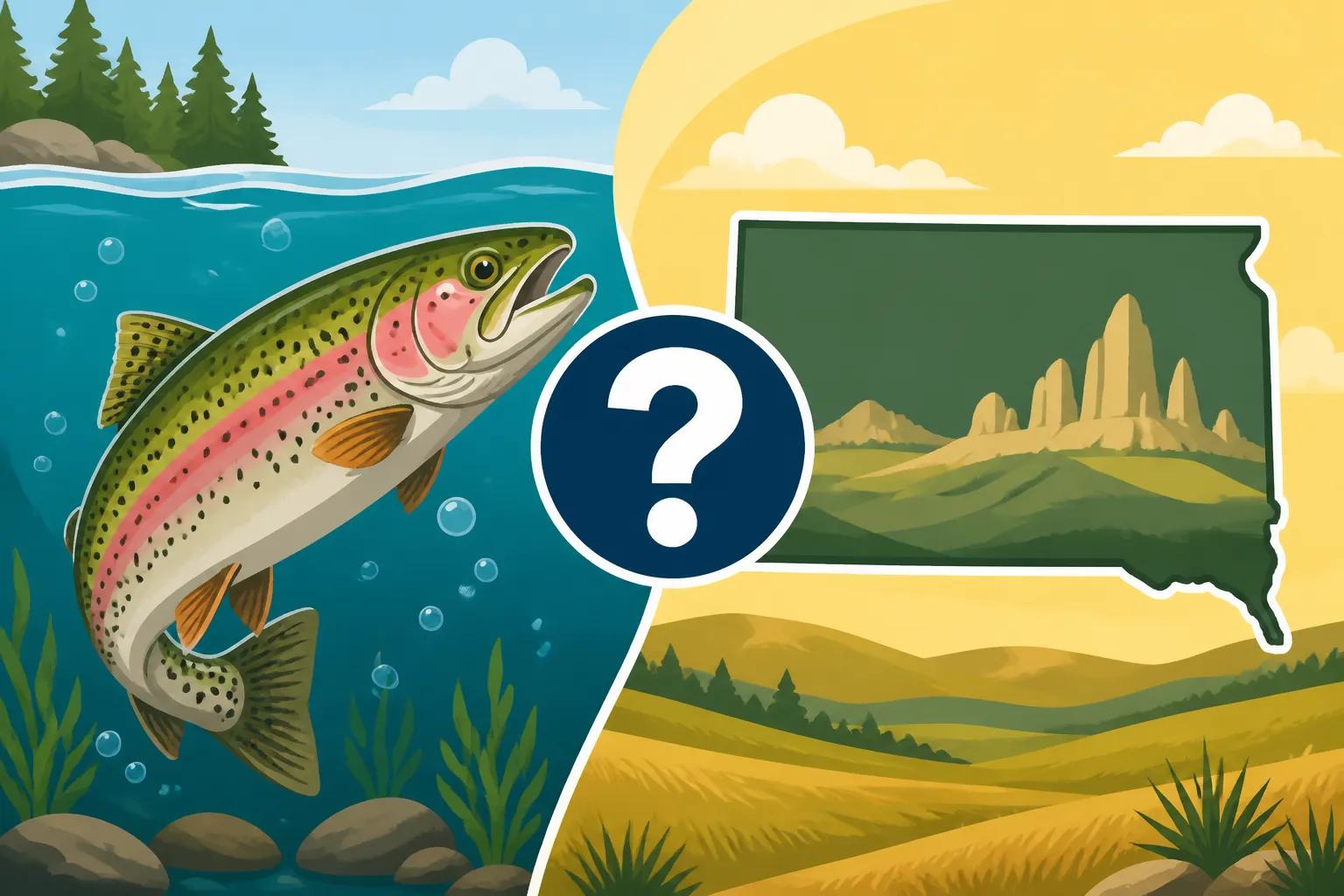
It's easy to look at a sleek, hard-fighting rainbow trout leaping in a Black Hills stream and assume it's always called this place home. After all, they thrive here, looking perfectly natural in the cold, oxygen-rich waters. But here's the honest truth: rainbow trout are not native to South Dakota. They were introduced, primarily for sport fishing, and have since become an incredibly popular and successful part of our state's fisheries.
Not Quite Native, But Deeply Rooted
While rainbow trout aren't indigenous to South Dakota, their story here goes back a long way, making them feel like a naturalized citizen. Their true native range is actually the cold-water tributaries of the Pacific Ocean in Asia and North America, specifically from Alaska down through California and into Mexico. They are built for those environments, and thankfully, parts of South Dakota mimic those conditions quite well, especially in the western part of the state.
When you think about "native" species, we're talking about fish that evolved in a specific region without human intervention. Rainbow trout, while absolutely thriving in places like the Black Hills, were brought here by people. This isn't a bad thing; in fact, it's a testament to successful fisheries management that they've integrated so well into our ecosystems and provide such incredible fishing opportunities. It means that while they might not have been here when the first settlers arrived, they've certainly made themselves at home, creating generations of angling memories for residents and visitors alike.
Why Were They Introduced?
So, if they weren't here naturally, why bring them in? The reasons for introducing rainbow trout to South Dakota are pretty straightforward and largely revolve around enhancing recreational fishing. In the late 19th and early 20th centuries, as the understanding of fisheries management grew, it became clear that some of South Dakota's waters, particularly in the Black Hills, had incredible potential for cold-water species.
Rainbow trout were a fantastic candidate because they grow relatively fast, fight hard, and are generally adaptable to hatchery environments, making them easier to raise in large numbers compared to some more delicate native species. They also offered a different kind of angling experience than the warm-water species found in the plains lakes and rivers. The initial stocking efforts were aimed at filling an ecological niche in waters that either lacked a robust cold-water sport fishery or to supplement existing populations that couldn't meet growing angler demand. Imagine a time when pristine streams were flowing, but perhaps not teeming with the variety of game fish we enjoy today. Introducing rainbow trout was a way to enrich those waters and provide more opportunities for anglers to enjoy South Dakota Trout Fishing Guide. It was a forward-thinking move that has paid dividends for over a century, establishing a cherished tradition of trout fishing in our state.
Where You'll Find Rainbow Trout in South Dakota
Even though they aren't native, rainbow trout are now firmly established in South Dakota, thanks to consistent stocking and favorable habitat. If you're looking to catch one of these beautiful fish, you generally know where to go.
The Black Hills – A Rainbow Trout Paradise
Without a doubt, the Black Hills region is the epicenter for rainbow trout fishing in South Dakota. The unique geology of the Black Hills provides the perfect conditions: spring-fed streams that stay cold year-round, high oxygen levels, and plenty of aquatic insect life for food. This area is often referred to as a "trout factory" for good reason!
You'll find healthy populations of rainbow trout in numerous Black Hills streams, including well-known spots like Rapid Creek, Spearfish Creek, Box Elder Creek, and Spring Creek. Many of these streams have sections that are regularly stocked by the South Dakota Game, Fish and Parks (GFP) to ensure robust angling opportunities. Beyond the streams, several Black Hills lakes also hold significant rainbow trout populations. Lakes such as Pactola Reservoir, Sheridan Lake, and Deerfield Lake are popular destinations where rainbows thrive, offering both shore fishing and boat fishing options. Anglers flock to these waters for the chance to hook a beautiful trout, often using methods like fly fishing or casting small spinners and spoons. The scenery in these areas is just as much a draw as the fish themselves, making for an unforgettable outdoor experience. If you're ever looking for a true trout adventure, exploring Black Hills Trout Stream Fishing Guide is an absolute must-do.
Beyond the Black Hills – Stocked Ponds and Urban Fisheries
While the Black Hills are the main stage for rainbow trout, you might be surprised to find them in other parts of South Dakota as well. The GFP also manages several "put-and-take" fisheries in community ponds and smaller lakes across the state, particularly in the eastern regions. These are typically stocked with catchable-sized rainbow trout, especially during cooler spring and fall months, to provide accessible fishing opportunities for families and anglers who can't make it out to the Black Hills.
These urban and community fisheries, often found in parks near towns like Sioux Falls, Aberdeen, or Watertown, offer a convenient way for folks to enjoy trout fishing without a long drive. They're fantastic places to take kids for their first fishing experience, as the stocked fish are usually quite eager to bite. Think of it as a local taste of trout fishing, thanks to dedicated stocking programs that bring these non-native beauties closer to home. While they may not have the wild, self-sustaining populations of the Black Hills, these ponds serve an invaluable role in promoting fishing participation and providing enjoyment for countless anglers. You might even find some fishing gear perfect for these smaller ponds on sites like Amazon.
South Dakota's Native Trout Species (And Why They Matter)
Understanding that rainbow trout aren't native naturally leads to the question: are any trout native to South Dakota? The answer is yes, but the story is a bit more nuanced than you might think. Recognizing our true native species is important for conservation and appreciating the full ecological tapestry of our state's waters.
Introducing the Brook Trout – The True Local
When we talk about native trout in South Dakota, the brook trout (which is actually a char, not a true trout, scientifically speaking, but commonly called a trout) is the closest thing we have to a true local. While their historical range in South Dakota was likely limited and has been impacted over time, they are considered by many to be an indigenous species, having established populations in various Black Hills streams before extensive human alteration.
Brook trout are beautiful, often smaller fish, recognized by their distinctive worm-like markings (vermiform patterns) on a dark olive-green back, speckled sides, and reddish-orange fins with white leading edges. They prefer the coldest, cleanest, most pristine headwater streams, which is why their populations are often indicators of excellent water quality. Catching a native brook trout in a remote Black Hills tributary is a special experience, connecting you directly to the wild heart of the ecosystem. While not as widely distributed or numerous as their rainbow and brown trout cousins, the brook trout holds a special place for anglers who appreciate true wildness and conservation efforts aimed at preserving their unique habitat.
Brown Trout – Another Introduced Success Story
Just like the rainbow trout, brown trout are also an introduced species to South Dakota. Originally from Europe and western Asia, brown trout were brought to North America in the late 19th century and quickly found favorable conditions in many of our streams and lakes, including the Black Hills. They are known for their hardiness, their ability to tolerate slightly warmer water than brook trout, and their tendency to grow to larger sizes, making them a prized catch for many anglers.
Brown trout often have a more aggressive nature than rainbows and are masters of camouflage, sporting dark spots with reddish halos against a golden-brown background. They can be found coexisting with rainbow and brook trout in many Black Hills waters, though they often prefer different types of habitat within the same stream, such as deeper pools and undercut banks. Their introduction, like the rainbow's, was a boon for sport fishing, adding another exciting dimension to South Dakota's trout waters. They provide a different challenge for anglers, often requiring more stealth and patience.
The Role of Stocking Programs
The ongoing presence and success of rainbow trout in South Dakota, particularly outside of the Black Hills' self-sustaining populations, largely depend on robust stocking programs. These programs are a critical component of modern fisheries management, ensuring that anglers have consistent opportunities to pursue these popular fish.
Maintaining Healthy Populations
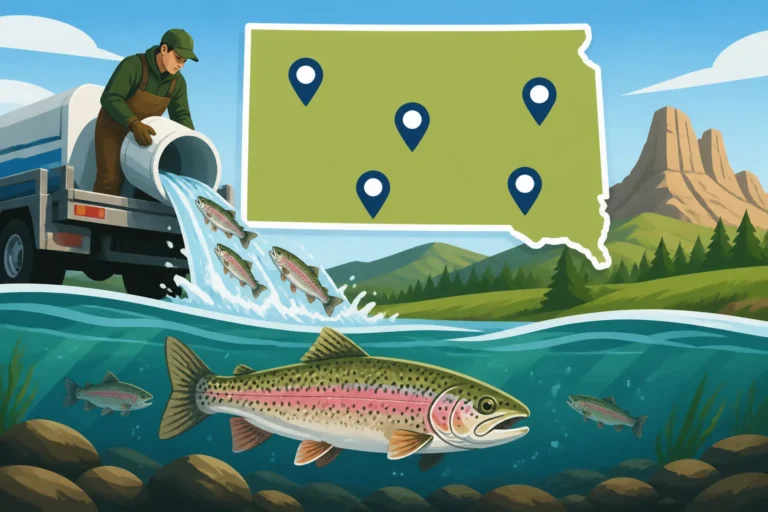
The South Dakota Game, Fish and Parks (GFP) actively manages and stocks rainbow trout across the state. In the Black Hills, stocking supplements natural reproduction in many streams and lakes, ensuring that angling pressure doesn't deplete the populations. This is especially important in heavily fished areas or in waters where natural reproduction might be limited due to habitat constraints or environmental factors. Elsewhere, particularly in those urban and community ponds we discussed, stocking is essentially the sole source of rainbow trout. Without these "put-and-take" stocking efforts, there would be no rainbow trout in many easily accessible locations.
These programs are vital for maintaining the recreational value of our waters. They aim to balance the ecological health of the aquatic environments with the desires of anglers for diverse and abundant fishing opportunities. It's a continuous effort that involves surveying fish populations, assessing angler demand, and strategically releasing fish to maximize their survival and the chances of a successful catch. When you're out fishing, you're directly benefiting from decades of careful planning and execution by the GFP.
Hatcheries and How They Work
The backbone of South Dakota's trout stocking program is its network of state-run fish hatcheries. These facilities are dedicated to raising healthy fish from eggs to a size where they can be successfully released into public waters. For rainbow trout, this means carefully controlling water temperature, providing optimal food, and monitoring for disease, all within a safe and controlled environment.
Hatcheries receive rainbow trout eggs, often from specific broodstock programs designed to produce robust, fast-growing fish. These eggs hatch into tiny fry, which are then nurtured through various stages of growth in raceways or large tanks. Once they reach a catchable size, they are carefully transported in specialized trucks to their destination lakes and streams. This meticulous process ensures that millions of fish are available each year to support South Dakota's vibrant fishing culture. These hatcheries are not just about putting fish in the water; they're also centers for research and education, helping us understand fish biology and the best practices for conservation. The commitment to these programs ensures that the joy of catching a rainbow trout remains a staple of South Dakota fishing for generations to come. You can often find information on stocking schedules on the GFP website, helping you plan your next trip!
Here's a quick comparison of the main trout species you'll find in South Dakota:
| Feature | Rainbow Trout | Brown Trout | Brook Trout |
|---|---|---|---|
| Native to South Dakota? | No (introduced) | No (introduced) | Yes (indigenous/native) |
| Origin | Pacific Coast North America | Europe/Western Asia | Eastern North America |
| Typical Habitat | Cold streams & lakes | Slightly warmer streams & lakes | Cold, pristine headwater streams |
| Appearance | Pinkish stripe, black spots | Golden-brown, dark spots with halos, red spots | Olive green, vermiform markings, red/orange fins with white edge |
| Average Size | 10-20 inches, larger in lakes | 12-24 inches, often larger than rainbows | 6-12 inches, rarely larger |
| Angling Popularity | Very High | High | Moderate (cherished by purists) |
| Spawning | Spring | Fall | Fall |
Disclaimer
This article is for general informational purposes only and does not constitute professional advice. Laws, prices and regulations vary by location and change over time. Consult a qualified professional for guidance on your specific situation.