South Dakota White Bass Fishing
If you've ever felt the electrifying tug of a fish that fights with surprising vigor for its size, you might have been hooked by a white bass. These feisty, schooling fish offer some of the most consistent and action-packed angling opportunities in South Dakota, yet many anglers overlook them in pursuit of walleye. This guide is here to change that, showing you how to unlock the incredible fun and table fare that South Dakota's white bass fisheries have to offer.
The Allure of South Dakota White Bass Fishing
There's something truly special about white bass fishing, especially here in South Dakota. It's not just the quantity of fish you can catch; it's the sheer joy of finding a busting school and reeling in fish after fish. For many anglers, it’s a gateway to learning about reading water, understanding fish behavior, and perfecting casting and retrieval techniques without the pressure of trying to land a single, elusive trophy.
Why White Bass Are a Fantastic Target
White bass, often affectionately called "wipers" (though true wipers are a hybrid cross, white bass are a pure species), "sand bass," or "stripers" in some areas, are renowned for their aggressive nature and schooling habits. When you find a school of feeding white bass, the action can be non-stop, providing an exhilarating experience that few other species can match. Imagine casting into a frenzy of splashing water, and almost immediately, your lure is hammered. This isn't a rare occurrence with white bass; it's often the norm.
Their fighting spirit, disproportionate to their size, makes them a thrilling catch on light tackle. They hit hard, run fast, and pull with surprising strength, making every hook-up an exciting battle. Beyond the fight, white bass are also excellent table fare, with firm, flaky white meat that's delicious when pan-fried, baked, or grilled. They offer a fantastic opportunity to fill a cooler with tasty fish for a family meal, making them a practical target as well as a fun one.
Identifying South Dakota White Bass
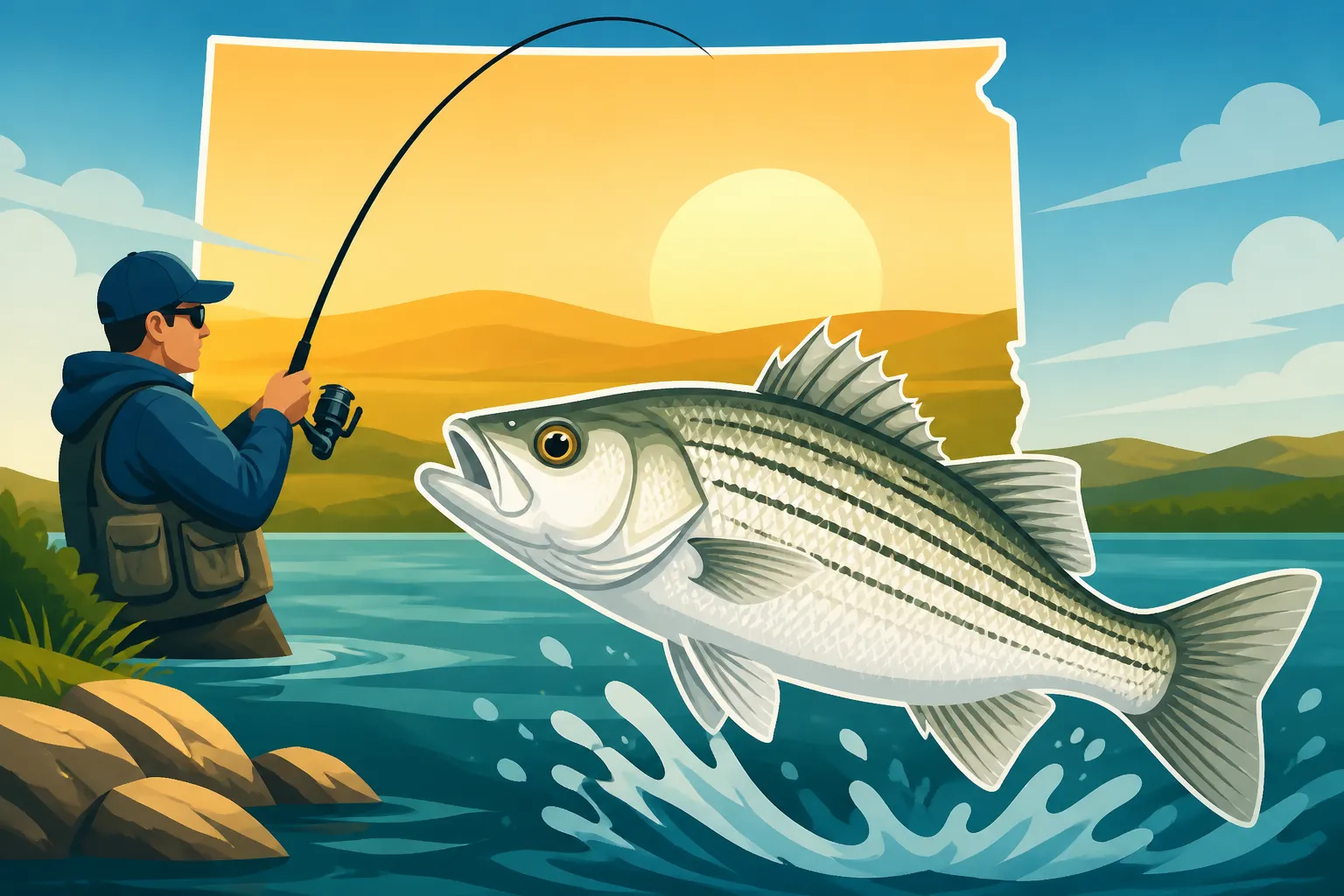
Correctly identifying your catch is a crucial part of responsible angling, and white bass have distinct characteristics that set them apart. They are generally silvery-white with several distinct black horizontal stripes running along their sides, giving them their "striper" nickname. The most reliable identification clue is that only one of these stripes reaches all the way to the tail. If multiple stripes extend to the tail, you likely have a different species, perhaps a true hybrid striped bass (wiper) or even a larger white perch, though white perch are not as common here.
White bass typically range from 10 to 15 inches in length in South Dakota, with larger specimens reaching up to 18 inches and weighing a few pounds. Their bodies are deep and compressed, and they have a spiny dorsal fin followed by a soft-rayed dorsal fin. Understanding these features not only helps you adhere to regulations but also deepens your appreciation for the unique biology of these fantastic fish. Knowing what you've caught allows you to properly log your experience and contribute to the collective knowledge of our state's fisheries.
Where to Find White Bass in South Dakota's Waters
South Dakota is blessed with an abundance of fantastic white bass fishing opportunities, largely centered around our expansive Missouri River reservoirs and several of our productive glacial lakes. These waters provide the ideal habitat for white bass to thrive, offering both ample forage and the structural diversity they prefer. Knowing where to start your search is half the battle won when it comes to consistently catching these eager biters.
The Mighty Missouri River Reservoirs
The Missouri River reservoirs are undeniably the crown jewels of white bass fishing in South Dakota. These massive impoundments—Lake Oahe Fishing Guide, Lake Sharpe Fishing Guide, Lake Francis Case Fishing Guide, and Lewis and Clark Lake Fishing Guide—provide vast expanses of water where white bass populations flourish. Each lake offers unique characteristics that can influence where and when you'll find these schooling fish.
On Lake Oahe and Lake Sharpe, you'll often find white bass schooling in the main lake basin, particularly near submerged humps, points, and channel edges. The tailwaters below the dams, such as below Oahe Dam or Big Bend Dam, are also notorious hotspots, especially during periods of increased flow. The current concentrates baitfish, and hungry white bass are never far behind. Further south, Lake Francis Case and Lewis and Clark Lake offer excellent opportunities, particularly in the lower lake regions and around the mouths of feeder creeks where baitfish are abundant. Keep an eye out for "boiling" activity on the surface, where schools of white bass are actively pushing baitfish to the top – this is a sure sign of action!
Glacial Lakes and Other Hidden Gems
While the Missouri River gets much of the attention, many of South Dakota's eastern glacial lakes also hold strong populations of white bass. Lakes like Lake Kampeska, Lake Poinsett, and Bitter Lake can be incredibly productive, especially during the warmer months. These lakes might not have the sheer size of the reservoirs, but they often offer more intimate fishing experiences and can be less crowded.
In these glacial lakes, white bass tend to inhabit deeper areas of the lake during the day, moving shallower during low-light conditions to feed. Look for them around rock piles, submerged timber, and any significant changes in bottom contour. Access can be easier on some of these smaller lakes, making them excellent choices for anglers with smaller boats or those looking to do some shore fishing. Don't underestimate these "hidden gems" – they can provide some truly memorable white bass action.
Key Habitat Features to Target
White bass are nomadic fish that constantly follow their food source, primarily shad and other small baitfish. This means understanding their preferred habitat features is crucial for consistent success. In rivers and reservoirs, focus on areas with current breaks, such as eddies behind islands, points, or submerged structures. These spots act as ambush points where white bass can wait for baitfish to be swept by.
Look for main lake points, especially those that drop off into deeper water, and submerged humps or reefs. These are natural congregation areas for baitfish and, consequently, for predator species like white bass. During the spring, when white bass make their spawning runs, concentrate your efforts in the shallower, moving water of tributaries and creek mouths. As the water warms in summer, they'll often move to open water, suspending over deeper basins and chasing baitfish near the surface. In the fall, they'll again congregate in deeper water, feeding heavily to prepare for winter. Knowing these general patterns will greatly improve your chances of intercepting a hungry school.
Timing Your White Bass Pursuit for Maximum Success
Understanding the seasonal movements and daily habits of white bass is just as important as knowing where they live. These fish are highly responsive to environmental cues like water temperature, light levels, and spawning cycles. By timing your fishing trips correctly, you can dramatically increase your catch rates and experience the thrill of consistent white bass action.
Seasonal Patterns and Spawning Runs
White bass fishing in South Dakota offers distinct seasonal patterns, each providing unique opportunities. Spring is perhaps the most anticipated time for many white bass enthusiasts, as the fish undertake their annual spawning runs. As water temperatures climb into the 50s and low 60s Fahrenheit, large schools migrate upstream into rivers and larger creeks that feed the main lakes and reservoirs. This migration concentrates the fish, making them relatively easy targets for both boat and shore anglers. Look for them in shallower, moving water, especially around riffles, current seams, and brush piles.
Throughout the summer, once spawning is complete, white bass will spread out into the main lake bodies, often suspending in open water over deeper areas, following schools of baitfish. This is when the classic "boiling" action occurs, as white bass push bait to the surface. Early morning and late evening are prime times for this surface activity. As fall approaches and water temperatures begin to drop, white bass once again start to congregate, forming large schools that actively feed to bulk up for winter. They'll often move to deeper main lake points and humps, providing excellent jigging and trolling opportunities before ice-up. For a broader understanding of how fish species move throughout the year, check out South Dakota Fishing Seasons Explained.
Best Times of Day to Fish for White Bass
While white bass can be caught throughout the day, certain times tend to be more productive. As with many species, low-light conditions typically offer the best opportunities. Early morning, from dawn until a couple of hours after sunrise, is often fantastic, especially during the summer months when white bass are actively chasing bait near the surface. The same goes for the late evening, from an hour or two before sunset until dark. During these periods, the white bass are often more aggressive and less wary of predators and anglers.
Overcast days can extend these prime feeding windows, as the reduced light penetration allows white bass to remain active closer to the surface for longer periods. On bright, sunny days, particularly in the summer, white bass will often retreat to deeper, cooler water, or seek out shaded areas. If you're fishing mid-day under bright sun, you'll generally need to adjust your techniques to target them deeper in the water column. However, even in the brightest conditions, a sudden flurry of surface activity can erupt as a school of white bass corners a baitball, so always be ready for action. Keeping an eye on general feeding patterns can significantly increase your chances, as discussed in Best Time of Year to Fish in South Dakota.
Effective Techniques and Baits for Catching White Bass
Catching white bass is often more about finding them and less about finesse. Once you locate a school, they tend to be aggressive feeders, willing to strike a wide variety of lures and baits. However, having a few proven techniques in your arsenal will help you capitalize on the action and adapt to different fishing scenarios, from open-water pursuits to targeting them in current.
Trolling and Casting for Schools
When white bass are actively chasing baitfish in open water, often indicated by surface feeding frenzies, trolling and casting are your most effective tactics. Trolling with small crankbaits or spoons allows you to cover large areas quickly, locating scattered schools. Once you hit a fish, it's often a good idea to mark the spot on your fish finder and then cast back into the same area, as there are likely many more fish there. Small crankbaits, like those from Rapala or similar brands, diving to 5-10 feet are excellent choices, especially in colors that mimic shad.
Casting is particularly effective when you see white bass busting the surface. Throwing spoons (e.g., Kastmaster or Little Cleo), inline spinners, or small jigs with plastic tails directly into the feeding school can result in instant hook-ups. A fast retrieve is key, as white bass are often chasing rapidly moving bait. Don't be afraid to experiment with different lure colors; white, silver, and chartreuse are often top producers. For a variety of tackle options suitable for many South Dakota species, you might browse Amazon for Best Lures to Keep in a South Dakota Tackle Box.
Vertical Jigging and Live Bait Strategies
When white bass are holding deeper, perhaps suspended over submerged structure or congregating in current, vertical jigging can be incredibly effective. Blade baits, such as a Silver Buddy or similar vibrating lures, are excellent for this. Drop the bait to the desired depth, then quickly lift and drop your rod tip, allowing the bait to flutter and vibrate, mimicking a struggling baitfish. Jigging spoons also work wonders, especially when fish are tightly schooled. Pay close attention to your fish finder to identify the depth where fish are holding.
For those times when white bass are a bit more finicky, or if you simply prefer using natural offerings, live bait can be a game-changer. Small minnows or pieces of nightcrawler fished on a plain hook with a split shot, or under a slip bobber, can entice bites when artificials aren't cutting it. This approach is particularly useful when the fish are concentrated in specific areas, such as during spring spawning runs in tributaries or when they're holding tight to bottom structure. Remember, even aggressive fish sometimes prefer a natural presentation.
Fly Fishing for White Bass
For the adventurous angler looking for a unique challenge, fly fishing for white bass offers an incredibly exciting experience. When white bass are breaking the surface, chasing bait, they become prime targets for fly anglers. A 5 or 6-weight fly rod with a floating line is usually sufficient, though a sinking tip line can be useful for getting flies deeper.
Streamers that imitate small baitfish, such as Clouser Minnows or Lefty's Deceivers, are highly effective. Poppers and gurglers can also provide explosive surface strikes, especially during those early morning or late evening feeding frenzies. The fast action and strong pulls of white bass on a fly rod make for a truly memorable fight. It’s a fantastic way to enjoy the sport and often yields some of the most dynamic angling moments. If you're keen to delve deeper into this specialized technique, our South Dakota Fly Fishing Guide offers more detailed insights into general fly fishing practices in the state.
Essential Gear for Your White Bass Adventure
Having the right gear can make all the difference between a frustrating day and a fantastic one when targeting white bass. While these fish aren't typically tackle shy, appropriate rod and reel setups, a well-stocked tackle box, and the right electronics can significantly improve your efficiency and overall enjoyment. You don't need to break the bank, but a few key items will go a long way.
Rods, Reels, and Line Choices
For white bass, a light to medium-light spinning rod, typically 6 to 7 feet in length, with a fast action tip, is ideal. This type of rod offers the sensitivity needed to detect subtle bites, while still providing enough backbone to handle the aggressive fights and cast lighter lures. Pair this with a reliable spinning reel in the 1000 to 2500 size range, spooled with 6 to 10-pound test monofilament or fluorocarbon line. Many anglers, myself included, prefer 10-15 pound braided line for its sensitivity and casting distance, often adding a 6 to 8-pound fluorocarbon leader for abrasion resistance and invisibility.
The braid-to-fluorocarbon leader setup offers the best of both worlds: the sensitivity and strength of braid to feel even the slightest tap, and the low visibility of fluorocarbon in clear water. When buying new line or a reel, checking online stores like Amazon for a wide selection and competitive prices is always a smart move. Having a versatile setup allows you to switch between casting light jigs, trolling crankbaits, or even fishing live bait with ease.
Tackle Box Must-Haves
A well-organized tackle box is your best friend on any fishing trip. For white bass, you'll want to stock up on a variety of lures that mimic small baitfish. Essential items include:
- Jigs: 1/8 to 1/4 ounce jigs, paired with 2-3 inch soft plastic grubs, paddle tails, or curly tails in white, chartreuse, and silver colors. These are incredibly versatile.
- Spoons: Casting spoons (e.g., Kastmaster, Little Cleo) in silver, gold, or flashy patterns, from 1/4 to 1/2 ounce. Vertical jigging spoons and blade baits are also key for deeper fish.
- Crankbaits: Small, shallow-diving crankbaits (like Rapala Shad Raps or similar) that imitate minnows, in natural baitfish patterns or bright colors.
- Inline Spinners: Rooster Tails or Mepps Comet Mino spinners in various sizes and colors are excellent for casting.
- Live Bait Rigs: A selection of small hooks (sizes 4-8), split shot weights, and small bobbers if you plan on using minnows or worms.
- Tools: Don't forget essential tools like needle-nose pliers for hook removal, line cutters, and a small net for landing larger fish, especially from a boat.
Having a good selection means you're prepared for whatever mood the white bass are in on any given day.
Boat and Electronics for Locating Schools
While white bass can be caught from shore, especially during spring spawning runs, a boat significantly enhances your ability to find and stay on schools of actively feeding fish. A versatile fishing boat, whether it's a small aluminum jon boat or a more robust V-hull, allows you to cover vast areas of the Missouri River reservoirs or glacial lakes. South Dakota Boat and Water Access Rules are important to review if you're new to boating in the state.
The most crucial electronic aid for white bass fishing is a reliable fish finder. A good fish finder with down-imaging or side-imaging capabilities will allow you to quickly locate baitfish schools and the white bass that are often lurking nearby. Look for dense arches or blobs on your sonar screen. Once you find a school, a good GPS unit (often integrated into modern fish finders) allows you to mark waypoints, so you can return to productive areas. A bow-mount electric trolling motor is also invaluable for silently approaching schools, maintaining position, and moving along structure without spooking fish. For those considering buying new electronics, a wide range of options is available on Amazon from basic models to advanced units.
Regulations and Responsible Angling for White Bass
As with any fishing endeavor, understanding and adhering to local regulations is paramount. South Dakota is committed to managing its fisheries responsibly, ensuring that future generations can enjoy the same fantastic white bass fishing opportunities we have today. Beyond the rules, practicing ethical angling ensures the health and sustainability of our fish populations.
South Dakota White Bass Regulations
While white bass populations are generally robust in South Dakota, there are still specific regulations in place to manage them. Typically, white bass fall under the general statewide regulations for panfish or unprotected species, meaning they often have generous daily and possession limits. However, it is absolutely crucial to check the most current South Dakota Game, Fish and Parks (GFP) fishing handbook or website before each fishing trip. Regulations can change, and specific lakes or rivers might have special rules that differ from the statewide norms.
For instance, limits might specify a certain number of fish per day, and a possession limit which dictates how many fish you can have in your cooler or at your lodging. Always be aware of these figures. The South Dakota GFP website is an excellent resource, providing detailed information on South Dakota Fish Limits and Size Restrictions and all other pertinent fishing laws. Ignorance of the law is never an excuse, and wardens regularly patrol popular fishing areas. Taking a few minutes to review the rules can save you a significant fine and ensure you're fishing legally.
Conservation Practices and Handling
Responsible angling extends beyond just following the rules; it also involves ethical practices that contribute to the health of the fishery. Even though white bass are abundant, practicing good catch-and-release techniques for fish you don't intend to keep is important. Handle fish gently, minimize their time out of the water, and use a dehooking tool or pliers to quickly remove hooks, especially if you're using treble hooks. For fish you plan to keep, dispatch them quickly and humanely.
Proper storage of your catch is also vital for ensuring the best table fare. Place kept fish immediately on ice in a cooler. This not only preserves the quality of the meat but also helps to prevent spoilage, especially on warm South Dakota summer days. When cleaning white bass, they can be easily filleted, and many anglers choose to remove the reddish lateral line meat to ensure the mildest flavor. These simple conservation and handling practices ensure that the white bass fishery remains healthy and productive for everyone to enjoy.
South Dakota White Bass Hotspots & Seasonal Tactics
To truly maximize your white bass success, let's break down some specific areas and tactics you can employ throughout the year on South Dakota's premier waters. Knowing exactly where and how to fish specific sections can turn a good day into an unforgettable one.
Lake Oahe and Lake Sharpe Strategies
On the vast expanses of Lake Oahe, white bass can be found from the upper reaches near Mobridge all the way down to the Oahe Dam. During spring, focus on the mouths of major tributaries like the Cheyenne River or Moreau River arms as fish move upstream to spawn. Casting small jigs or inline spinners in these areas can be incredibly productive. In summer, white bass often roam the main lake, suspending over deep water. Keep an eye out for birds diving, which often indicates a feeding frenzy below. Trolling crankbaits at various depths or casting spoons into busting schools are the go-to methods.
Lake Sharpe, being a shallower and narrower reservoir than Oahe, often has more concentrated white bass populations. The tailwaters below Oahe Dam are legendary for white bass, especially when water is being released. Vertical jigging with blade baits or spoons here can produce fast action. Further downstream, look for white bass around the many points and humps. The area around Joe Creek Recreation Area can be particularly good for crappie and panfish, and white bass often mingle in these schools. In the fall, target main lake points and channel swings on Sharpe, using heavier jigs or trolling deeper diving crankbaits as fish move to deeper holding areas.
Lake Francis Case and Lewis and Clark Lake Tactics
Lake Francis Case offers excellent white bass fishing, particularly in its central and lower sections. Spring sees good numbers of white bass entering the White River arm, and the mouths of other smaller creeks. Bank anglers can often find success here with a simple bobber and minnow or small spinner. Throughout summer, white bass will school up on the many points and submerged humps throughout the lake. Trolling crankbaits along these contours is effective, as is casting jigs to visible surface activity.
Lewis and Clark Lake, on the border with Nebraska, is another prime white bass destination. The eastern end of the lake, closer to Gavins Point Dam, can be very productive. Spring white bass runs occur in the tributaries leading into the lake. In summer, look for schools in the main lake basin, especially around the many sand flats and drop-offs. Trolling a spread of shallow to medium-diving crankbaits can entice strikes, or you can try casting small spoons and soft plastics to visible schools. The lake's clear waters often mean stealthier approaches are beneficial.
Lure & Technique Pairing for South Dakota White Bass
To give you a clearer picture of what to use and when, here's a quick guide combining popular lures with the most effective techniques across seasons. This should help you quickly adapt to the conditions you face on the water.
| Season | Location | Preferred Technique | Recommended Lures/Bait | Notes |
|---|---|---|---|---|
| Spring | River/Creek Mouths, Shallows | Casting, Drifting Live Bait | Small Jigs (1/8-1/4 oz) w/ Grub, Inline Spinners, Minnows | Fish are spawning; target moving water. Action can be fast. |
| Summer | Open Water, Main Lake Basins, Points | Trolling, Casting (Surface) | Small Crankbaits, Casting Spoons, Topwater Poppers | Look for surface boils; fish are actively chasing bait. Mid-day go deeper. |
| Fall | Main Lake Points, Deep Humps, Channels | Vertical Jigging, Trolling, Casting | Blade Baits, Jigging Spoons, Deeper Diving Crankbaits | Fish schooling heavily for winter; very aggressive. Follow baitfish movement. |
| Winter | Deeper Channels, Humps (Ice Fishing) | Jigging | Small Jigging Spoons, Tungsten Jigs w/ Plastics/Live Bait | Concentrate on structure; slow retrieves. Portable shelters are a plus. |
This table provides a general guideline, but remember that fish behavior can vary day to day. Always be prepared to experiment with different lure types, colors, and retrieval speeds until you find what the white bass are biting on.
Disclaimer
This article is for general informational purposes only and does not constitute professional advice. Laws, prices and regulations vary by location and change over time. Consult a qualified professional for guidance on your specific situation.