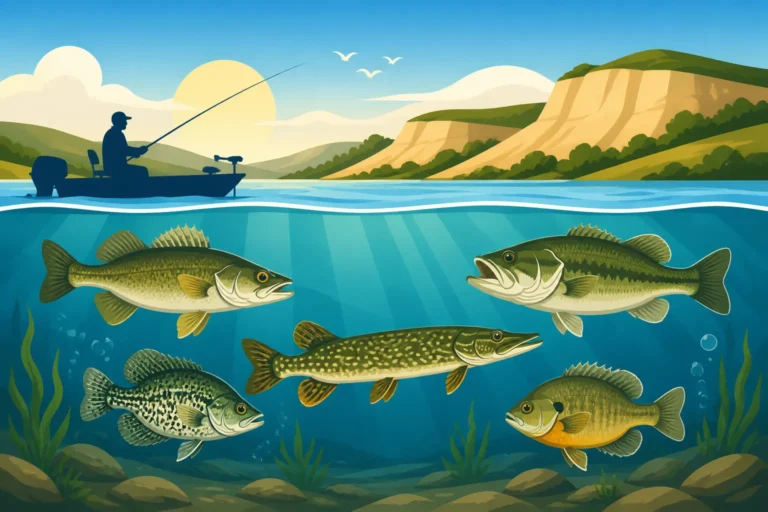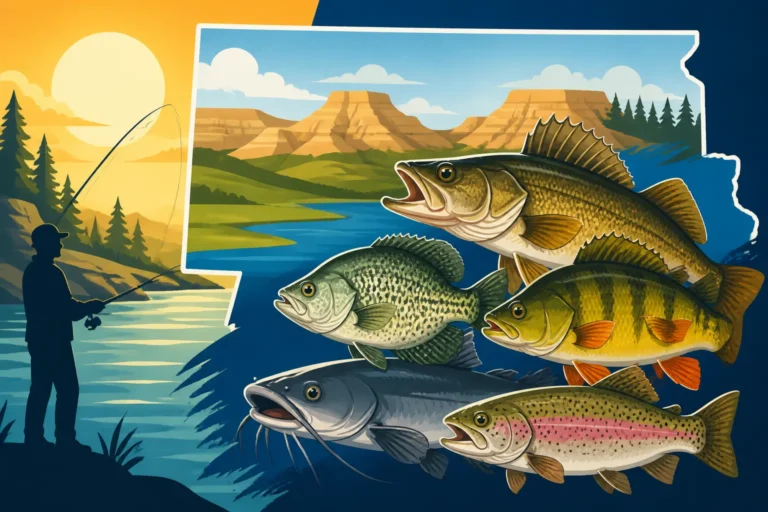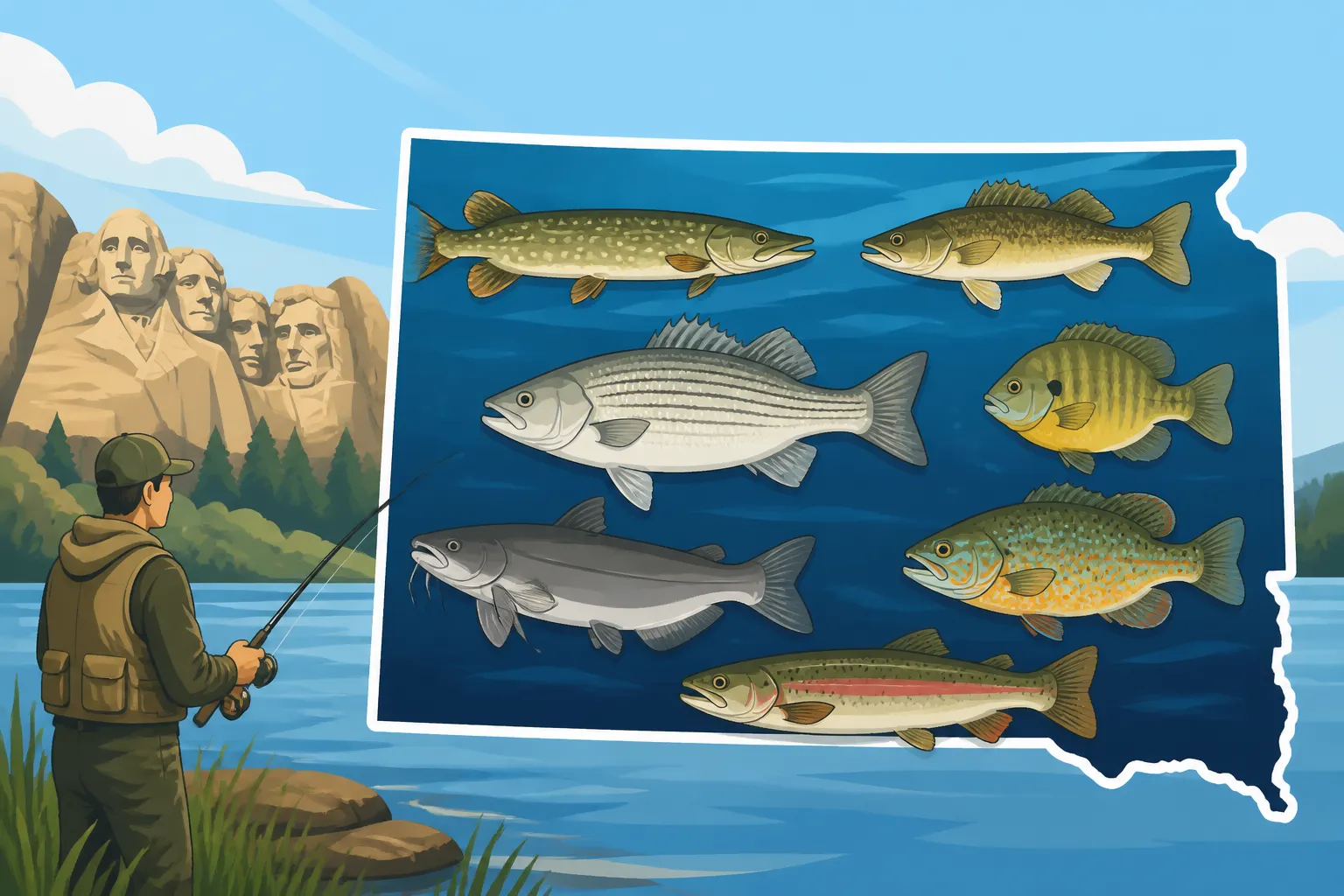
Number of Fish Species Found in South Dakota Waters
It's incredibly exciting to think about all the diverse aquatic life thriving in South Dakota's waters, but for many anglers, it can feel a bit overwhelming trying to figure out just how many different kinds of fish call our lakes and rivers home. You might be wondering if it's just walleye and a few other popular game fish, or if there's a much richer, hidden world beneath the surface. This guide will dive deep into the fascinating variety of fish species you can find across South Dakota, from our mighty Missouri River system to the serene glacial lakes and the clear, cold streams of the Black Hills, giving you a clearer picture of our state's aquatic biodiversity.
The Rich Tapestry of South Dakota's Aquatic Life
When you cast a line into South Dakota waters, you're tapping into an incredibly diverse ecosystem. It's not just about the big game fish that fill our creels and stories; there's a whole world of smaller, often unseen species that form the backbone of our aquatic health. The sheer variety can be surprising, and it's something that truly sets our state apart as a fishing destination.
A General Overview of Species Diversity
South Dakota is blessed with a remarkable range of aquatic habitats, and this directly translates to a robust number of fish species. While exact counts can fluctuate slightly due to ongoing research, stocking programs, and the unfortunate introduction of invasive species, anglers generally find that our state hosts well over 70 distinct native and introduced fish species. This isn't just a number; it represents a complex web of life, from tiny minnows to colossal catfish. This rich diversity is a testament to the varied environments we have, from the deep, flowing waters of the Missouri River to the shallow, fertile glacial lakes and the rocky, oxygen-rich streams of the Black Hills. Each unique habitat provides specific conditions that allow different species to thrive, creating a wonderful array of fishing opportunities and ecological interactions.
Anglers often focus on the target species for their trip, but understanding the broader biodiversity helps paint a more complete picture of the health and potential of our fisheries. From the smallest shiner to the largest flathead, every species plays a role. Occasionally, you might even stumble upon a species you've never encountered before, making every fishing trip an adventure in discovery. Keeping a good field guide, perhaps one you picked up from Amazon, handy can make identifying these unexpected catches a fun part of the experience.
Key Water Systems and Their Influence
South Dakota's diverse geography is the primary driver of its fish species diversity. We aren't just one big homogenous fishing ground; we have distinct regions, each with its own character and, consequently, its own fish populations. Understanding these differences is key to appreciating the full scope of our state's aquatic life.
The colossal Missouri River system, featuring reservoirs like Lake Oahe, Lake Sharpe, Lake Francis Case, and Lewis and Clark Lake, is undoubtedly the state's dominant aquatic feature. These vast, interconnected waterways are deep, often turbid, and offer a mix of open water, submerged structure, and varying current speeds. They are prime habitats for the famous walleye, but also for robust populations of catfish (both channel and flathead), smallmouth bass, sauger, white bass, and even unique coldwater species like Chinook salmon in Lake Oahe. The sheer size and interconnectedness of these reservoirs allow for significant fish migration and diverse feeding opportunities.
In contrast, Eastern South Dakota is dotted with numerous glacial lakes, like Lake Kampeska and Lake Poinsett. These waters tend to be shallower, often clearer, and rich in aquatic vegetation. Here, you'll find thriving populations of yellow perch, crappie (both black and white), northern pike, and a variety of panfish such as bluegill and sunfish. These lakes often freeze solid in winter, creating fantastic ice fishing opportunities for species well-adapted to these conditions. Many of these lakes are managed intensively to sustain healthy populations of these popular game fish.
Finally, the rugged Black Hills region offers a completely different aquatic experience. Its cold, clear, spring-fed streams and mountain lakes are ideal for various trout species. Here, you'll primarily find rainbow, brown, and brook trout, often in beautifully scenic settings. These smaller, faster-flowing waters require specialized fishing techniques, like fly fishing, and support a unique set of aquatic insects and smaller fish species that form the base of the trout's diet. Black Hills Trout Stream Fishing Guide offers more insight into these unique waters.
Exploring the Major Game Fish Species Anglers Encounter
While the total number of fish species in South Dakota is impressive, most anglers are drawn to a select group of game fish that offer thrilling catches and delicious table fare. These are the species that often define the fishing experience in our state, each with its own preferred habitats and challenges.
The Prized Walleye and Its Companions
Let's be honest, for many, South Dakota fishing is synonymous with walleye. Our state is nationally renowned for its incredible walleye fisheries, particularly on the Missouri River reservoirs. These toothy predators are a favorite target due to their aggressive bite, challenging fight, and exceptional taste. You'll find walleye thriving in the deep, fertile waters of Lake Oahe, Lake Sharpe, Lake Francis Case, and Lewis and Clark Lake, often congregating around submerged structure, points, and current seams. South Dakota Walleye Fishing Guide delves into the specifics of targeting these prized fish.
However, walleye rarely swim alone. In these same waters, you'll frequently encounter their cousins, the sauger, which are often found in deeper, more turbid sections. White bass are also abundant, offering fast-paced action, especially when they're schooling and busting bait on the surface. For panfish enthusiasts, crappie and yellow perch are commonly caught in walleye country, particularly in bays and areas with submerged timber or brush piles. Anglers often find themselves catching a mixed bag of these species, adding to the excitement of a day on the water. It’s not uncommon to be trolling for walleye and suddenly have a feisty white bass on the line, or jigging for perch and hook into a nice sauger. This multi-species potential is a huge draw for many who visit.
Bass, Pike, and Panfish: Diverse Opportunities
Beyond walleye, South Dakota offers fantastic fishing for a variety of other popular game fish, each providing a unique angling experience. The state has thriving populations of both smallmouth and largemouth bass. Smallmouth bass, known for their powerful fights and acrobatic leaps, are particularly prevalent in the rocky areas of the Missouri River reservoirs and some glacial lakes. South Dakota Smallmouth Bass Fishing Guide can help you pinpoint where to find them. Largemouth bass, with their preference for warmer, weedy, and heavily structured waters, are more common in smaller lakes, ponds, and the back bays of larger systems, offering exciting topwater action.
Northern pike are another formidable predator found throughout the state, especially in the glacial lakes of Eastern South Dakota and shallower bays of the Missouri River system. These "water wolves" are known for their explosive strikes and can grow to impressive sizes, providing a true challenge for anglers. They often lurk in dense weed beds, waiting to ambush unsuspecting prey. South Dakota Northern Pike Fishing Guide is a great resource if you're looking to target these toothy critters.
And let's not forget the ever-popular panfish! Species like bluegill, sunfish, and even some types of perch are abundant across South Dakota, making them perfect targets for family fishing trips or for introducing new anglers to the sport. They might not be the biggest fish, but their willingness to bite and the sheer numbers available make them incredibly fun to catch. They are a staple in almost every lake and pond, providing accessible and consistent action. South Dakota Panfish Fishing Guide offers excellent tips for finding and catching these smaller but feisty fish.
Coldwater Gems: Trout and Salmon
For those who crave the thrill of coldwater fishing, South Dakota delivers with its unique trout and salmon fisheries. The Black Hills are a mecca for trout anglers, boasting beautiful, clear streams that hold healthy populations of rainbow, brown, and brook trout. These fish thrive in the cold, oxygen-rich waters, often requiring delicate presentations and specialized techniques like fly fishing. Many of these streams are regularly stocked, while others support wild, self-sustaining populations, making each cast an adventure. Catching a beautifully colored brook trout from a pristine mountain stream is an experience truly unlike any other in the state. South Dakota Trout Fishing Guide will help you explore these serene environments.
Then there's the truly unique Chinook salmon fishery in Lake Oahe. These ocean-going salmon were introduced to Lake Oahe decades ago and have created a fantastic sport fishery, particularly in the northern reaches of the reservoir. They feed on abundant rainbow smelt and grow to impressive sizes, offering spectacular trolling opportunities, especially in the cooler months. The annual salmon run, when these fish migrate upstream to spawn, draws anglers from all over. It's a completely different kind of fishing experience than chasing walleye, requiring heavier gear and different techniques. South Dakota Chinook Salmon Fishing Guide provides all the details you need to tackle these powerful fish.
Beyond the Game Fish: Non-Game Species and Ecological Balance
While the focus often falls on the "trophy" or "dinner plate" species, the true health and diversity of South Dakota's aquatic ecosystems depend heavily on the often-overlooked non-game fish species. These unsung heroes play crucial roles in maintaining the delicate balance of our waters, ensuring that our game fish populations remain robust and healthy.
The Unsung Heroes of the Aquatic Ecosystem
Every lake, river, and stream has a complex food web, and non-game fish species are integral to its functioning. These are the forage fish – the various species of minnows, shiners, shad, and ciscoes – that serve as the primary food source for many of our prized game fish. Without a healthy population of these smaller fish, the walleye, bass, and pike simply wouldn't have enough to eat to grow large and reproduce effectively. For example, the success of the Lake Oahe Chinook salmon fishery is directly tied to the abundance of rainbow smelt in the reservoir.
Beyond forage fish, other non-game species like different types of suckers (e.g., common sucker, white sucker) and various carp species (e.g., common carp, buffalo fish) also play significant roles. While not typically targeted by recreational anglers, they contribute to the overall biomass of the water system, help with nutrient cycling by stirring up bottom sediments, and can themselves be a food source for larger predators, especially raptors and other wildlife. Native non-game species are vital for maintaining the natural biodiversity and ecological resilience of our waters. It's truly a complete ecosystem where every species, no matter how small or overlooked, has a purpose.
Challenges: Invasive Species and Conservation Efforts
Unfortunately, the balance of South Dakota's aquatic ecosystems faces ongoing threats, particularly from invasive species. These are non-native plants and animals that, once introduced, can outcompete native species for food and habitat, disrupt food webs, and even alter the physical environment. Common examples that can impact fish populations in our waters include species like silver carp and bighead carp (collectively often called Asian carp), which filter feed on plankton, directly competing with native forage fish and the young of game fish for food. Zebra mussels are another invasive threat that, while not fish, can drastically change water clarity and nutrient availability, impacting the entire ecosystem from the bottom up. South Dakota Invasive Fish Species provides more context on these challenges.
The presence of invasive species can directly impact the diversity and health of our native fish populations, sometimes leading to declines in certain species. Because of this, conservation efforts are more critical than ever. The South Dakota Game, Fish and Parks (GFP) works tirelessly to monitor fish populations, manage habitat, and implement programs to control invasive species. Anglers play a crucial role in these efforts by practicing "Clean, Drain, Dry" principles with their boats and gear to prevent the spread of invasives, and by properly identifying and reporting any unusual catches. Knowing what you've caught is important, and having a good quality, waterproof fish identification guide (many excellent options are available on Amazon) can be incredibly helpful for any angler committed to responsible fishing. These guides often feature detailed illustrations or photos to help distinguish native species from potential invasives.
To help you visualize the variety, here's a look at some of the common fish species you might encounter in South Dakota's different water types:
| Water System Category | Dominant Game Fish Species | Other Common Fish Species | Habitat Characteristics |
|---|---|---|---|
| Missouri River Reservoirs | Walleye, Smallmouth Bass, Catfish, Chinook Salmon, White Bass | Sauger, Crappie, Yellow Perch, Drum, Goldeye, Gizzard Shad | Large, deep, often turbid, current, submerged structure |
| Glacial Lakes (Eastern SD) | Walleye, Yellow Perch, Northern Pike, Crappie, Largemouth Bass | Bluegill, Sunfish, Bullhead, Carp, Suckers, Minnows | Shallower, often clearer, abundant aquatic vegetation, fertile |
| Black Hills Streams & Lakes | Rainbow Trout, Brown Trout, Brook Trout | Sculpin, Dace, Creek Chubs | Cold, clear, oxygen-rich, rocky bottoms, stream currents |
| Smaller Rivers & Ponds | Catfish, Largemouth Bass, Northern Pike, Crappie | Bluegill, Green Sunfish, Bullhead, Suckers, Minnows | Variable depth, slower current, muddy or sandy bottoms, vegetation |
Understanding the wide range of fish species in South Dakota makes every fishing trip more exciting and rewarding. Whether you're chasing a trophy walleye, seeking out a feisty smallmouth, or quietly fly fishing for trout in the Black Hills, you're participating in a rich tradition that connects you to the diverse aquatic life thriving in our beautiful state. It also highlights the importance of being aware of all the different species that coexist, even the ones we don't always target, as they all contribute to the overall health and vibrancy of South Dakota's incredible fishing opportunities. Don't forget that if you're ever looking for a specific lure or some new fishing line, browsing a vast selection on Amazon can often save you a trip to multiple local stores!
Disclaimer
This article is for general informational purposes only and does not constitute professional advice. Laws, prices and regulations vary by location and change over time. Consult a qualified professional for guidance on your specific situation.