Most Commonly Caught Fish in South Dakota
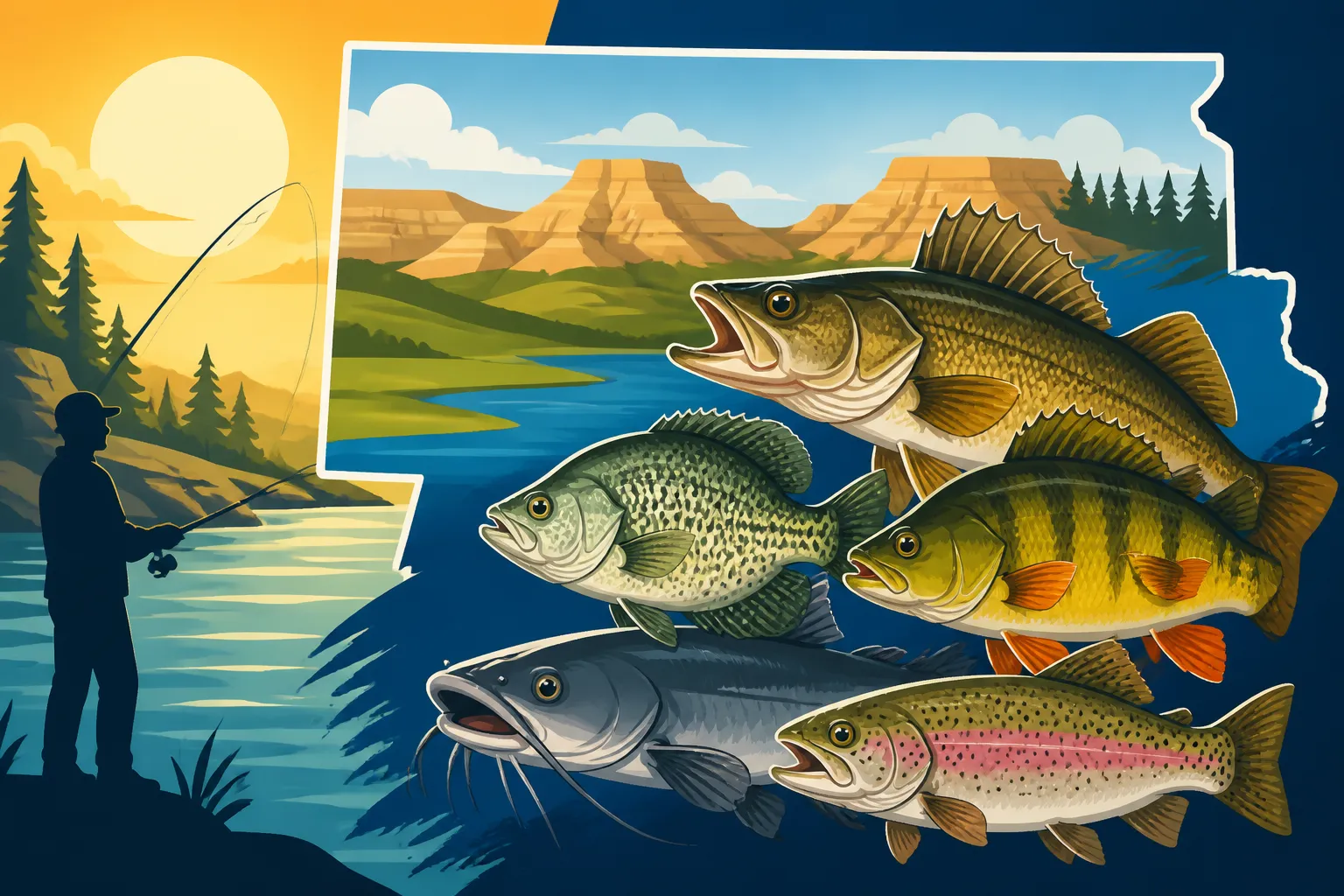
It's a question almost every angler new to the state asks, and even seasoned veterans ponder: "What am I most likely to catch when I cast a line in South Dakota?" The truth is, our waters are incredibly diverse, offering a fantastic array of fish species. But if you're wondering which ones consistently fill livewells and grace dinner tables across the state, you've come to the right place. This guide will walk you through the most commonly caught fish in South Dakota, helping you understand where to find them and why they're so popular with local anglers.
The Missouri River System: Walleye Central and Beyond
When most people think of South Dakota fishing, their minds immediately drift to the mighty Missouri River reservoirs: Lake Oahe, Lake Sharpe, Lake Francis Case, and Lewis and Clark Lake. This vast waterway is the backbone of our state's angling reputation, and for good reason!
Walleye: The Undisputed King
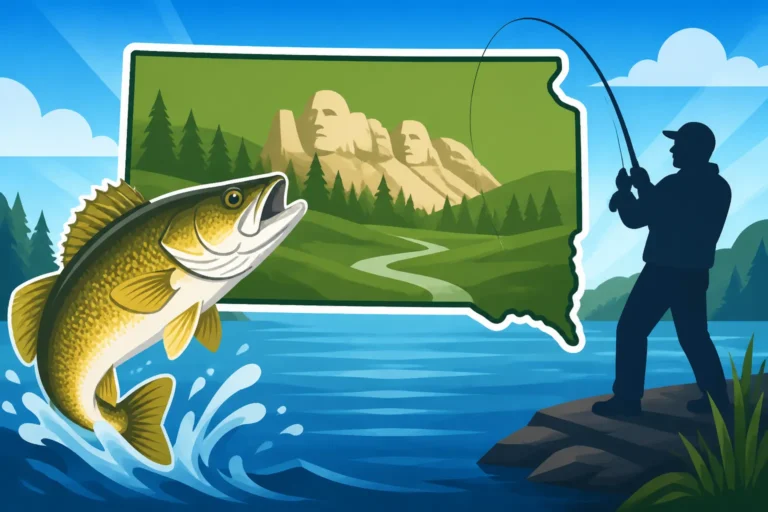
There's no debating it – the walleye is the crown jewel of South Dakota fishing, especially within the Missouri River system. Anglers from all over the country flock here specifically for these delicious, finicky fish. You'll hear countless stories about the "eyes" from locals in towns like Pierre, Chamberlain, and Mobridge, and for good reason. They're prevalent, they put up a decent fight, and they are arguably the best-tasting freshwater fish out there.
These golden-hued predators thrive in the vast, fertile waters of the Missouri River reservoirs. Lake Oahe is renowned for its trophy potential, while Lake Sharpe and Francis Case offer incredibly consistent action. Anglers commonly target walleye by trolling crankbaits or spinner rigs, often with nightcrawlers or leeches, or by vertical jigging with minnows or plastics. Whether you're a beginner or an expert, hooking into a South Dakota walleye is a truly satisfying experience. They're often found hugging the bottom, especially along points, humps, and submerged structure. Many anglers spend hours studying contour maps, looking for those sweet spots where walleye are likely to ambush baitfish. If you're planning a trip, definitely check out our South Dakota Walleye Fishing Guide for an in-depth look at chasing these beauties.
Smallmouth Bass: Pound-for-Pound Fighters
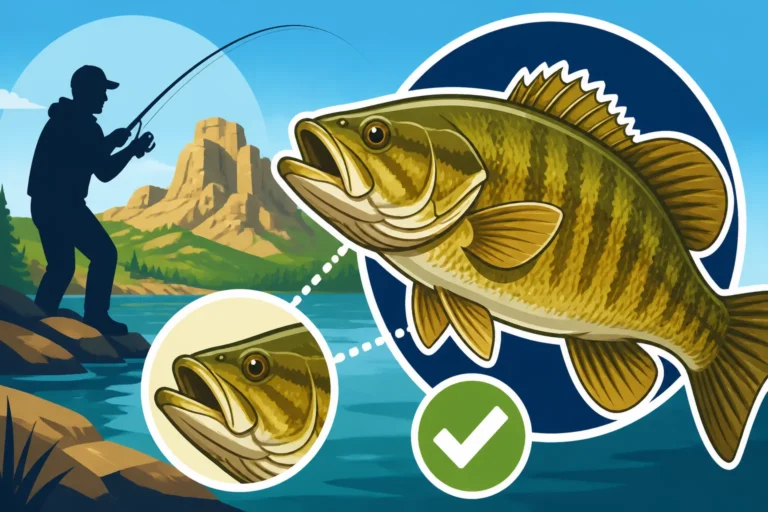
While walleye steal most of the headlines, smallmouth bass are incredibly popular with a dedicated legion of anglers on the Missouri River system. These bronzeback beauties are known for their aggressive strikes and acrobatic fights, often leaping clear out of the water once hooked. They might not get as big as their largemouth cousins, but what they lack in sheer size, they more than make up for in tenacity.
You'll typically find smallmouth bass around rocky shorelines, riprap banks, submerged humps, and points in the Missouri River reservoirs. They love clean, clear water and structure where they can hide and ambush prey. Lakes like Sharpe and Francis Case are particularly good for smallmouth, offering plenty of rocky habitat. Anglers often target them with crankbaits, spinnerbaits, tube jigs, or soft plastics resembling crawfish. Catching a handful of feisty smallmouth in an afternoon can be just as thrilling as landing a limit of walleye, providing constant action and a powerful tug on your line. You can explore more about these exciting fish in our South Dakota Smallmouth Bass Fishing Guide.
Catfish: Bottom-Dwelling Brawlers
Don't overlook the humble catfish! While often overshadowed by walleye and smallmouth, channel catfish are incredibly abundant and widely caught throughout South Dakota, especially in the Missouri River system and many of its tributaries. They offer a fantastic fight, can reach impressive sizes, and are excellent table fare when properly cleaned.
Channel catfish prefer the deeper, slower-moving sections of the river, as well as the mouths of creeks and muddy flats. They're not picky eaters, which makes them a great target for casual anglers and families. Common baits include cut bait (like shad or sucker), stink baits, chicken livers, and even hot dogs. Setting up on a quiet bank with a couple of rods soaking bait is a quintessential South Dakota summer evening activity, and you're almost guaranteed to get some action. Flathead catfish are also present in some areas, particularly in the lower Missouri River, offering a chance at a true monster if you're willing to put in the time with larger live baits. If you're interested in pursuing these whiskered warriors, our South Dakota Catfish Fishing Guide has all the details you need.
Eastern South Dakota's Glacial Lakes: Panfish Paradise & Pike Pursuits
Head east from the Missouri River, and you enter South Dakota's "glacial lakes" region. This area, dotted with hundreds of natural lakes formed by glaciers, offers a completely different, yet equally rewarding, fishing experience. Here, panfish reign supreme, and northern pike add an exciting element of predator hunting.
Yellow Perch: Ice Fishing Favorites
Yellow perch are arguably the most commonly caught panfish in South Dakota, particularly during the winter ice fishing season. When the lakes freeze over, these striped beauties become the focus for thousands of anglers bundled up in ice shanties across the state. Lakes like Kampeska, Poinsett, and Bitter Lake are famous for their perch populations, often yielding "jumbo" perch that are a blast to catch and even better to eat.
Perch are schooling fish, so when you find one, you're likely to find many! They're often found around weed beds, submerged structures, or transitions in depth. While they're a winter staple, they're also caught during the open water season, providing consistent action for anglers of all ages. Small jigs tipped with a grub, wax worm, or minnow are deadly effective. Many anglers grab their gear from Amazon for convenience, making sure they have plenty of jigs and bait. If you want to master the art of catching these tasty panfish, check out our South Dakota Perch Fishing Guide.
Crappie: Delicious and Abundant
Another panfish favorite, crappie, are widely distributed and frequently caught in South Dakota's glacial lakes and even some calmer sections of the Missouri River reservoirs. Both white crappie and black crappie call our waters home, and they are highly sought after for their delicate, flaky white meat.
Crappie are known for schooling around submerged timber, brush piles, dock pilings, and other forms of cover. They tend to suspend in the water column, making them a fun challenge to locate. Small jigs, often tipped with a minnow or a soft plastic "crappie nibbler," are the go-to baits. Spring and fall are prime times to target crappie as they move into shallower water, but they can be caught year-round. There's nothing quite like finding a big school of crappie and catching them one after another. For more on these panfish, dive into our South Dakota Crappie Fishing Guide.
Northern Pike: Aggressive Predators
If you're looking for an aggressive fight and the chance at a truly large freshwater fish, the northern pike is your target in many of South Dakota's glacial lakes. These toothy predators are widespread in the eastern part of the state, particularly in lakes with ample weed beds and shallow bays.
Pike are ambush predators, often lurking in heavy cover, waiting for an unsuspecting baitfish or duckling to swim by. They're known for their explosive strikes and powerful runs, providing an adrenaline rush for any angler. Large spinnerbaits, spoons, jerkbaits, and even live bait like large shiners or suckers are effective. While you might hook into a smaller "hammer handle" pike frequently, the potential for a true trophy fish keeps many anglers coming back. Just be sure to bring a sturdy pair of pliers for hook removal – those teeth are no joke! Discover more about chasing these giants in our South Dakota Northern Pike Fishing Guide.
The Black Hills: Trout Country Charms
Escape the plains and head west to the picturesque Black Hills, and you'll find a completely different fishing landscape. Here, crystal-clear streams and serene mountain lakes are home to cold-water species, primarily trout.
Rainbow Trout: Stocked for Success
Rainbow trout are the most commonly encountered trout species in the Black Hills, largely thanks to robust stocking programs that ensure plenty of opportunities for anglers. You'll find them in popular lakes like Pactola Reservoir and Sheridan Lake, as well as numerous streams and small ponds throughout the region.
These beautiful, iridescent fish are often eager to bite, making them a fantastic target for beginners and seasoned fly anglers alike. They're typically caught using small spinners, artificial flies (nymphs, dry flies), PowerBait, or worms. The accessibility of many stocked waters means you don't always need specialized gear or deep wilderness knowledge to find success. A simple spin rod with some nightcrawlers can often yield a limit of tasty rainbows. The experience of fishing in the stunning Black Hills scenery is a reward in itself! Our South Dakota Trout Fishing Guide will help you get started.
Brown Trout: Wily and Rewarding
For anglers seeking a greater challenge and the chance at a larger, more elusive trout, the brown trout of the Black Hills are a prime target. While not as heavily stocked as rainbows, wild and naturally reproducing populations of brown trout exist in many of the region's streams, often growing to impressive sizes.
Brown trout are known for their cunning nature and preference for holding in deeper pools, undercut banks, and complex cover. They can be more finicky than rainbows, often requiring a more subtle approach with precise fly presentations or carefully selected lures. Catching a large, wild brown trout from a Black Hills stream like Rapid Creek or Spearfish Creek is considered a significant achievement for many fly fishermen. Their beautiful golden-brown flanks and spotted patterns make them a truly handsome catch. For those looking for more detail, check out our guide on South Dakota Brown Trout in the Black Hills.
Brook Trout: Native Gems
Smaller in stature but vibrant in color, brook trout are the true native trout of the Black Hills. While not as widespread or numerous as rainbows, healthy populations can be found in the colder, pristine headwater streams and higher elevation lakes, often requiring a bit of a hike to reach their secluded haunts.
Brook trout are characterized by their stunning orange fins, worm-like patterns on their backs (vermiculations), and often brilliant red spots. They typically don't grow very large, but their beauty and the serene, wild settings in which they are found make them a cherished catch. Fly anglers using small dry flies or nymphs, or spin fishermen with tiny spinners or worms, can find success. The experience of stalking these native gems in a secluded Black Hills stream is about more than just the fish; it's about connecting with nature. You can learn more about these beautiful fish in our South Dakota Brook Trout Streams article.
Other Notable Catches and What Makes Them Popular
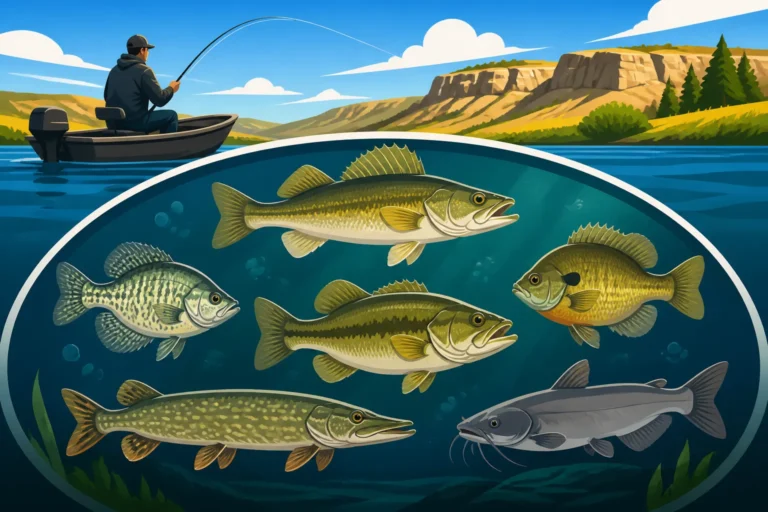
South Dakota's waters are truly diverse, and beyond the main players, there are several other species that are commonly caught and beloved by anglers across the state.
Largemouth Bass: Beyond the Smallmouth
While smallmouth bass dominate the Missouri River system, largemouth bass are a popular catch in many of the state's smaller lakes, farm ponds, and shallower, weedier bays of larger reservoirs. These bucket-mouthed bass are famous for their explosive topwater strikes and powerful runs into cover.
Largemouth bass prefer warmer water and dense vegetation, lily pads, fallen trees, and docks – classic "bass cover." Anglers target them with a wide variety of lures, from plastic worms and jigs to crankbaits and topwater frogs. They're a favorite for anglers who love to fish specific structures and present baits with precision. The fight of a good largemouth can be incredibly exhilarating, and they offer a great challenge, particularly during the warmer months. Our South Dakota Largemouth Bass Fishing Guide has more tips for finding them.
White Bass: Schooling Action
If you love fast and furious action, white bass are a fantastic target. These aggressive schooling fish are common in the Missouri River reservoirs and many of the larger glacial lakes. When you find a school of white bass actively feeding, it can be non-stop fun!
White bass often chase schools of baitfish to the surface, creating visible "feeding frenzies" that can be spotted from a distance. Anglers will race to these boils and cast almost any small, flashy lure – spoons, Kastmasters, small jigs, or inline spinners – and often hook up immediately. They might not be the biggest fish, but their sheer numbers and willingness to bite make them a blast, especially for kids or when you just want constant action. They're also quite tasty! You can pick up a wide variety of effective lures for white bass on Amazon.
Chinook Salmon: A Unique Thrill on Lake Oahe
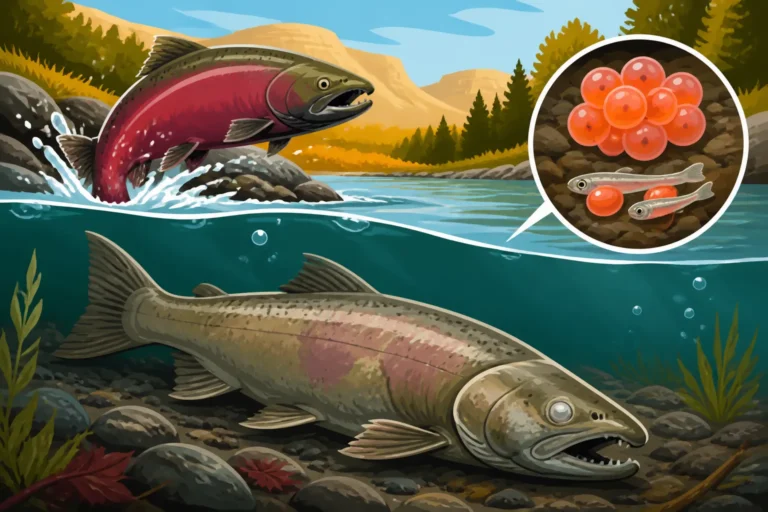
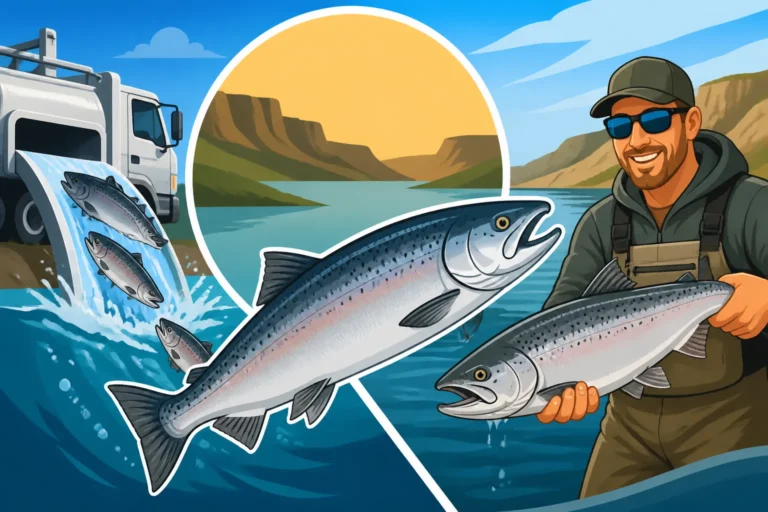
While not as widespread as walleye, the Chinook salmon fishery on Lake Oahe is a truly unique and exciting opportunity that draws a dedicated following. Stocked in this massive reservoir, these powerful ocean-going fish (adapted to freshwater) offer a thrilling big-game experience.
Chinook salmon are primarily caught by trolling with downriggers in the deeper, colder waters of Lake Oahe, particularly during the late summer and fall as they prepare for their spawning run. They hit lures hard and provide a tremendous fight, often making long, powerful runs. Anglers use specific spoons and flasher/fly combinations to entice these magnificent fish. If you're looking for a trophy catch and a different kind of challenge in South Dakota, the Chinook salmon of Lake Oahe are an experience not to be missed. Explore this unique fishery in our South Dakota Chinook Salmon Fishing Guide.
Quick Reference: Most Commonly Caught Fish in South Dakota
Here’s a handy table summarizing some of the most commonly caught species, their typical habitats, and general fishing methods.
| Fish Species | Primary Habitat | Common Location(s) | Typical Fishing Methods | Seasonality |
|---|---|---|---|---|
| Walleye | Deep, structured reservoir bottoms, river channels | Missouri River reservoirs (Oahe, Sharpe, Francis Case) | Trolling crankbaits, jigging, slip bobbers with live bait | Spring, Summer, Fall, Winter |
| Smallmouth Bass | Rocky shorelines, points, riprap | Missouri River reservoirs (Sharpe, Francis Case), Black Hills lakes | Crankbaits, tube jigs, spinnerbaits, soft plastics | Spring, Summer, Fall |
| Channel Catfish | Slow-moving river sections, muddy flats, creek mouths | Missouri River system, many glacial lakes | Bottom fishing with cut bait, stink bait, chicken liver | Spring, Summer, Fall |
| Yellow Perch | Weed beds, submerged structure | Glacial lakes (Kampeska, Poinsett), smaller ponds | Jigging with live bait (wax worms), small spoons, ice fishing jigs | Year-round, especially Winter |
| Crappie | Submerged timber, brush piles, docks, standing cover | Glacial lakes, calmer reservoir bays | Small jigs, minnows, soft plastics | Spring, Summer, Fall |
| Northern Pike | Shallow, weedy bays, heavy cover | Glacial lakes (Bitter, Poinsett), larger shallow ponds | Large spinnerbaits, spoons, jerkbaits, live bait | Spring, Summer, Fall |
| Rainbow Trout | Clear, cold streams, stocked lakes | Black Hills streams (Rapid Creek), Sheridan/Pactola Lakes | Spinners, PowerBait, worms, artificial flies (nymphs, dry flies) | Year-round |
| Brown Trout | Deeper pools, undercut banks, complex stream cover | Black Hills streams (Spearfish Creek, Castle Creek) | Artificial flies, small crankbaits, live bait | Spring, Summer, Fall |
| Largemouth Bass | Heavy vegetation, docks, fallen trees | Smaller lakes, farm ponds, weedier bays | Plastic worms, jigs, topwater lures, crankbaits | Spring, Summer, Fall |
| White Bass | Open water, chasing baitfish schools | Missouri River reservoirs, larger glacial lakes | Small spoons, inline spinners, jigs, topwater lures | Summer, Fall |
| Chinook Salmon | Deep, cold open water | Lake Oahe | Trolling with downriggers, spoons, flashers | Summer, Fall |
From the legendary walleye of the Missouri River to the feisty trout of the Black Hills and the abundant panfish of the glacial lakes, South Dakota truly offers a diverse and exciting fishing experience. No matter your skill level or preferred style of fishing, you're bound to find a common catch that provides a thrilling fight and a memorable day on the water. So grab your gear – maybe a new lure you found on Amazon – and get out there! The waters are waiting.
Disclaimer
This article is for general informational purposes only and does not constitute professional advice. Laws, prices and regulations vary by location and change over time. Consult a qualified professional for guidance on your specific situation.