South Dakota Brook Trout Streams
There’s something uniquely captivating about chasing brook trout in the pristine, cold waters of South Dakota’s Black Hills. If you've ever dreamt of casting a line into a crystal-clear stream, surrounded by pine-scented air and towering granite, only to be met by the vibrant flash of a brook trout, you know the magic. But finding those elusive spots and knowing how to approach them can feel like a secret handshake only seasoned locals know. Don't worry, this guide is here to demystify the art of fishing for brook trout in South Dakota, helping you unlock these incredible stream experiences.
The Allure of Brook Trout in South Dakota's Black Hills
For many anglers, the pursuit of brook trout isn't just about catching a fish; it's about the entire experience—the solitude, the stunning scenery, and the connection to nature. These beautiful fish, with their kaleidoscope of colors, offer a fishing adventure unlike any other, especially within the unique ecosystem of the Black Hills.
Why Brook Trout Capture Anglers' Hearts
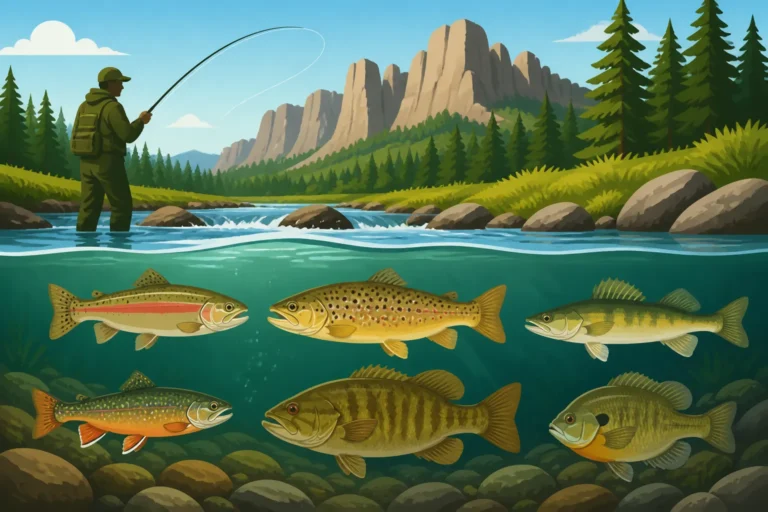
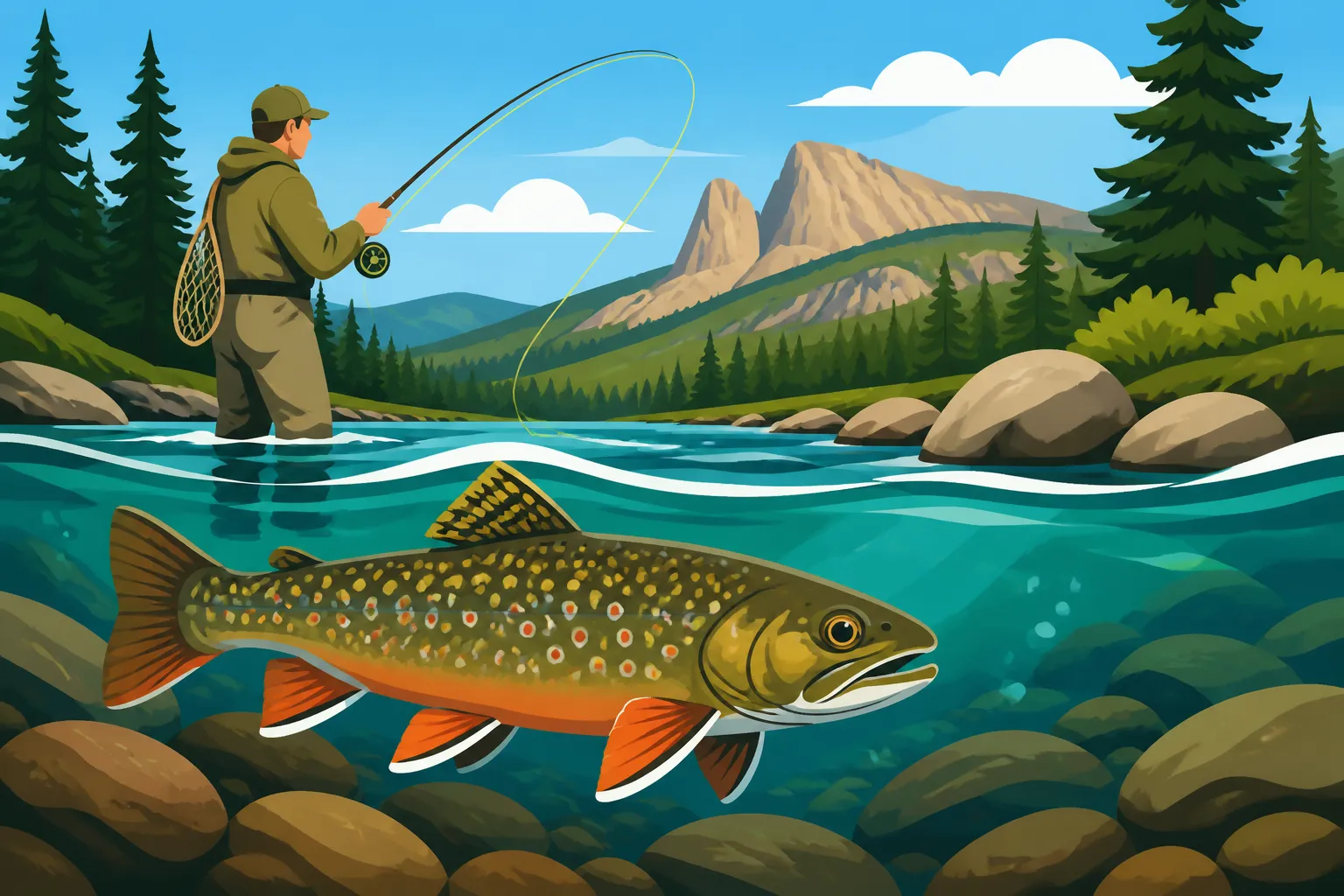
Brook trout, or "brookies" as they're affectionately known, are true gems of the cold-water stream. Their distinctive vermiculation patterns, the bright orange and red spots often ringed with blue halos, and their snowy white fin edges make them one of the most visually striking fish you'll encounter. They might not grow to the massive sizes of their lake-dwelling cousins, but what they lack in heft, they more than make up for in fight and beauty.
Anglers are drawn to brook trout for several reasons. Firstly, their feisty nature on ultra-light tackle is incredibly exhilarating. Even a small brook trout can put up a spirited fight in a tight stream, darting and diving with surprising strength. Secondly, the pristine environments they inhabit are often destinations in themselves. To find brook trout, you usually have to venture into areas of remarkable natural beauty—places where the air is crisp, the water is pure, and the sounds of civilization fade away. It’s an immersive experience that nourishes the soul as much as it excites the angler. The challenge of navigating overgrown banks and making precise casts into small pockets of water adds to the satisfaction of each catch.
A Brief History of Brook Trout in the Region
While brook trout are native to eastern North America, they are not indigenous to the streams of the Black Hills. Their presence in South Dakota is a result of stocking efforts that began well over a century ago, primarily to establish a viable sport fishery in waters that could support them. The success of these introductions speaks volumes about the quality of the Black Hills streams, which proved to be excellent habitat for these cold-water specialists.
Over the decades, brook trout have established wild, self-sustaining populations in many Black Hills streams, thriving alongside other introduced species like rainbow and brown trout. This blend of species creates a diverse fishing opportunity, but brook trout often hold a special place due to their distinctive appearance and the challenging environment they prefer. Understanding their history helps us appreciate the delicate balance of these ecosystems and the importance of responsible angling to ensure their continued prosperity. You might be surprised to learn the specifics of their introduction, and more details can be found in discussions like Are Brook Trout Native to South Dakota?.
Identifying Prime Brook Trout Streams
Finding brook trout isn't like finding walleye in a big reservoir; it requires a keen eye for subtle stream characteristics and an understanding of what these beautiful fish truly need to thrive. The Black Hills offer a network of streams, but not all are created equal when it comes to brookies.
Characteristics of Ideal Brook Trout Habitat
Brook trout are picky residents. They demand cold, clean, and highly oxygenated water, which is why you'll often find them in the headwaters and smaller tributaries of larger stream systems. Think mountain streams that are shaded by a dense tree canopy, keeping water temperatures consistently cool, even during the summer months. These streams often have a relatively steep gradient, creating a mix of fast-moving riffles and deeper, calmer pools.
Look for streams with plenty of natural cover. Undercut banks provide hiding spots from predators and strong currents, while fallen logs, boulders, and dense aquatic vegetation offer ambush points for insects. A healthy streambed will typically have a mix of gravel, cobble, and sand, indicating good water flow and suitable spawning grounds. The higher elevations of the Black Hills generally offer these ideal conditions, where springs feed the streams with consistently cold water. When you find a stream that fits this description, you’re likely on the right track.
Key Black Hills Stream Systems for Brookies
The Black Hills are crisscrossed with numerous creeks and rivers, but certain systems stand out as prime brook trout territory. Rapid Creek, particularly its upper reaches and smaller tributaries above Pactola Reservoir, holds good populations. These smaller feeder creeks often contain purer brook trout strains. Spearfish Creek, another iconic Black Hills waterway, also has brookies in its smaller tributary streams, especially higher up in the canyon where the water is colder and the cover more abundant.
Other notable streams include parts of French Creek, Castle Creek, and various smaller, unnamed trickles that feed into larger bodies of water. The trick to finding the best spots often involves a bit of bushwhacking and exploration. Don't be afraid to consult detailed topographical maps and look for those blue lines that represent small, high-elevation streams. Many of these smaller waters are truly hidden gems, offering solitude and excellent opportunities for pure brook trout encounters. For a broader overview of the region's fishing opportunities, check out our Black Hills Trout Stream Fishing Guide.
Essential Techniques for Black Hills Brook Trout
Brook trout fishing in these smaller, often brush-lined streams, isn't about power or distance; it's about finesse, stealth, and precision. You'll need to adapt your approach to the intimate nature of these waters and the wary disposition of the fish.
Ultra-Light Spin Fishing Approaches
For those who prefer a spinning rod, ultra-light tackle is the name of the game. A short, sensitive rod (4.5 to 6 feet) paired with a small spinning reel spooled with 2-4 pound test monofilament or fluorocarbon line is perfect. The key here is presenting small lures that mimic the natural prey of brookies. Tiny spinners (like 0 or 1 size Mepps or Panther Martin) in silver, gold, or black are incredibly effective. Micro jigs, often tipped with a piece of PowerBait or a small grub, can also work wonders, especially in deeper pools.
Stealth is paramount. Brook trout in these small streams are easily spooked. Approach the water slowly, keeping a low profile, and try to cast from a position where your shadow isn't falling over the water. Accurate casting is also critical; you'll often be aiming for small pockets of water, under undercut banks, or next to fallen logs. Make short, precise casts upstream and allow your lure to drift naturally downstream through potential holding lies. Don't be afraid to experiment with retrieve speeds until you find what triggers a strike.
Fly Fishing for Brookies in Tight Quarters
Fly fishing for brook trout in the Black Hills can be incredibly rewarding, though it often demands a specialized approach. Forget your long 9-foot rods; here, shorter fly rods (6.5 to 7.5 feet, 2-4 weight) are far more manageable for navigating tight casting lanes and overgrown stream banks. Roll casts, bow-and-arrow casts, and short, delicate presentations are your best friends.
Brookies are opportunistic feeders, so both dry flies and nymphs can be highly effective. During insect hatches, small dry flies like Elk Hair Caddis, Parachute Adams, or even tiny attractor patterns in sizes 14-20 can draw exciting strikes. When fish are holding deeper, or during colder periods, small nymphs such as a Pheasant Tail Nymph, Hare's Ear Nymph, or even a small Woolly Bugger (black or olive) can be deadly. Focus on drifting your flies naturally, mending your line to avoid drag. For a deeper dive into sub-surface presentations, explore Nymph Fishing Techniques for Trout Streams. These often overlooked waters are where fly fishing really shines, offering a true challenge and immense satisfaction.
Bait Fishing Considerations Where Permitted
While many trout purists lean towards artificial lures, natural bait can be incredibly effective for brook trout, especially for younger anglers or those new to stream fishing. However, it's crucial to consult the current South Dakota Fishing Regulations Explained before using bait, as some streams, particularly certain Black Hills catch-and-release sections, may have bait restrictions or even "artificial lures only" rules. For example, specific rules apply to areas like Pactola Dam Catch-and-Release Water Rules.
If bait is permitted, small worms, mealworms, or waxworms are excellent choices. Present them naturally, either under a tiny bobber in a slower pool or on a small hook with minimal weight, allowing them to drift freely in the current. Use small, sharp hooks (size 10-14) to match the bait and the fish's mouth. The key is to keep the presentation as natural as possible. When bait fishing, always be mindful of fish mortality; if you're practicing catch and release, consider using circle hooks, which are less likely to be swallowed by the fish, making release easier and safer.
Gear Up for Success: What to Bring
A successful brook trout outing in the Black Hills isn't just about technique; it's also about having the right gear. These smaller streams often require specialized equipment that balances portability with performance, ensuring you're ready for whatever the stream throws your way.
Rods, Reels, and Line for Stream Fishing
As mentioned, lighter is better. For spin fishing, a 4.5 to 6-foot ultra-light rod with a fast action is ideal for casting small lures and detecting subtle bites. Pair this with a small 500 or 1000 size spinning reel. For line, 2-4 pound test monofilament or fluorocarbon is perfect. Monofilament offers a bit more stretch and is more forgiving, while fluorocarbon is nearly invisible underwater and has less stretch for better sensitivity. You can find a fantastic selection of these specialized rods and reels on platforms like Amazon, often with reviews that can help you gauge their suitability for stream fishing.
Fly anglers should lean towards shorter, lighter weight rods—a 6.5 to 7.5-foot, 2 or 3-weight rod is often perfect for tight casting conditions. A matching small-capacity fly reel loaded with a weight-forward floating line will handle most situations. For leaders, a 7.5-foot tapered leader ending in 5x or 6x tippet will provide the delicate presentation needed for wary brookies. Many specialized fly fishing brands offer excellent options through online retailers, including Amazon, where you can easily compare different models and prices.
Essential Tackle and Flies
Your tackle box for brook trout should reflect their preference for smaller presentations. For spin fishing, stock up on tiny inline spinners (sizes 0 and 1) in various blade colors (silver, gold, copper, black). Small spoons, like the Little Cleo or Kastmaster in 1/16 oz or 1/8 oz, can also be very effective. Don't forget an assortment of micro jigs, ranging from 1/32 oz to 1/16 oz, in colors like white, black, or olive, which can be fished alone or tipped with bait.
For fly anglers, your fly box should be organized with a good selection of dry flies, nymphs, and a few small streamers. Essential dry flies include Elk Hair Caddis (sizes 14-18), Parachute Adams (sizes 16-20), and possibly some small ant or beetle patterns. Nymphs should include Pheasant Tail (sizes 16-20), Hare's Ear (sizes 16-20), and maybe a few smaller Prince Nymphs or Copper Johns. Small Woolly Buggers (sizes 10-14, black or olive) are versatile patterns that can imitate minnows or leeches. Always carry extra leaders and tippet in varying sizes.
Wading Gear and Apparel
Wading is often essential for accessing prime brook trout habitat in the Black Hills, and cold water means staying dry is key. Comfortable, sturdy wading boots with good ankle support and felt or rubber soles (with studs for extra grip) are non-negotiable for navigating slippery rocks and uneven stream bottoms. Depending on the season and water depth, chest waders are often preferred, keeping you fully dry and warm. Hip waders might suffice for shallower water in warmer months, but chest waders offer more versatility and protection. You can find comprehensive guides on choosing the right gear, such as Best Waders for Black Hills Stream Fishing.
Beyond waders, layering your clothing is crucial due to the variable Black Hills weather. Start with moisture-wicking base layers, add insulating mid-layers (fleece or synthetic down), and top it off with a waterproof and breathable rain jacket. A wide-brimmed hat for sun protection and polarized sunglasses to help spot fish and structure are also highly recommended. Don't forget a small backpack to carry water, snacks, a first-aid kit, and any extra tackle.
Conservation and Responsible Angling Practices
The beauty and abundance of brook trout in the Black Hills are a testament to healthy ecosystems. As anglers, we have a responsibility to protect these precious resources through ethical and mindful fishing practices. This ensures that these streams continue to thrive for generations to come.
Catch and Release Best Practices
Many brook trout anglers practice catch and release, especially for the larger, wilder fish, to help sustain populations. If you choose to release your catch, follow these best practices to maximize the fish's survival rate:
- Wet Your Hands: Always wet your hands before handling a fish. Dry hands can remove the fish's protective slime layer, making it vulnerable to disease.
- Minimize Handling: Hold the fish gently but firmly, supporting its body. Avoid squeezing it or touching its gills.
- Keep it in Water: Try to keep the fish in the water as much as possible, especially if you're taking a photo. Even a few seconds out of water can be stressful.
- Use Debarbed Hooks: Crimp down the barbs on your hooks with pliers. This makes hook removal much easier and less damaging to the fish.
- Revive Gently: If the fish seems sluggish, hold it gently facing upstream in the current, allowing water to flow over its gills until it swims away under its own power. Don't pump it back and forth.
These small actions make a huge difference in the health and future of our brook trout streams.
Protecting Stream Habitats
The delicate habitats that brook trout call home are susceptible to human impact. Beyond the fish themselves, protecting the stream banks and surrounding riparian areas is vital. Stay on established paths and trails whenever possible to avoid trampling vegetation and causing bank erosion. If you must enter the stream, do so carefully, minimizing disturbance to the streambed and any spawning areas.
Never leave trash behind. Pack out everything you pack in, including discarded fishing line, bait containers, and food wrappers. Even biodegradable items can take a long time to break down and detract from the natural beauty of the area. Be respectful of private property boundaries and always obtain permission if you need to cross private land to access public waters. Our enjoyment of these places depends on our collective stewardship, so doing our part to maintain them is crucial.
Understanding Regulations and Limits
South Dakota has specific fishing regulations designed to protect its diverse fish populations. These rules can vary significantly by location and species, so it's absolutely essential to consult the current South Dakota Fishing Regulations Explained before you head out. Don't rely on outdated information or assumptions.
For brook trout in the Black Hills, there may be specific daily limits, possession limits, and even size restrictions (minimum or slot limits) that differ from general statewide trout regulations. Some streams might be designated as "artificial lures only" or "fly fishing only" waters, or Black Hills Catch-and-Release Trout Streams, prohibiting the use of natural bait. Always double-check the South Dakota GFP Fishing Handbook Guide or the official website for the most up-to-date information. Understanding these rules, including South Dakota Trout Limits in the Black Hills, is not just about avoiding a penalty; it's about fishing responsibly and contributing to the health of the fishery.
Planning Your Black Hills Brook Trout Adventure
A successful brook trout trip to the Black Hills requires more than just knowing where to cast; it involves thoughtful planning, from timing your visit to understanding local resources.
Best Times and Conditions
The ideal time to fish for brook trout in the Black Hills is generally during the spring (late April through June), early summer (July), and the fall (September through October). During these periods, water temperatures are typically cooler, and insect activity is often high. Spring brings snowmelt, which can raise water levels and sometimes reduce clarity, but it also triggers strong feeding. Early summer offers consistent conditions before the hottest parts of the season. Fall is often considered prime time, with vibrant foliage, fewer crowds, and active fish as they prepare for winter. You can find more detailed seasonal guidance in resources like South Dakota Trout Season Dates in the Black Hills.
Always check local weather forecasts and stream reports before your trip. Heavy rains can blow out smaller streams, making them unfishable for a day or two. Conversely, prolonged dry spells can lead to very low, clear water, making fish even warier. Optimal conditions usually involve clear water, stable weather, and moderate temperatures.
Resources for Finding Streams and Access
While this guide points you in the right direction, the real adventure often begins with your own research. Start by acquiring detailed topographical maps of the Black Hills. These maps will show you all the blue lines (streams) and contour lines, helping you identify promising headwater sections and potential access points. The South Dakota Game, Fish and Parks (GFP) website is an invaluable resource, providing detailed regulations, fishing reports, and often maps of public lands and access points.
Local fly shops and bait shops in towns like Rapid City, Spearfish, or Custer are goldmines of current information. The folks working there are often avid anglers themselves and can provide up-to-the-minute advice on what streams are fishing well, what flies or lures are working, and even specific access challenges. Don't be shy about asking for advice; a little local knowledge goes a long way. Many public lands managed by the U.S. Forest Service offer excellent access, but always be aware of private land boundaries.
Combining Your Trip with Other Black Hills Attractions
One of the great joys of fishing in the Black Hills is that you're surrounded by an abundance of other incredible activities. Many anglers plan their trips to combine the solitude of stream fishing with exploring other iconic Black Hills attractions. After a morning on a remote brook trout stream, you could spend the afternoon hiking in Custer State Park, driving the scenic Needles Highway, or visiting Mount Rushmore.
The region offers a diverse range of experiences, from historical sites like Deadwood to natural wonders like Wind Cave National Park. This means you can easily plan a trip that satisfies both your angling passion and the interests of family or friends who might not be as keen on wading through streams all day. It’s the perfect blend of outdoor adventure and cultural exploration, making every trip to the Black Hills truly unforgettable.
Here's a quick reference table to help you decide on your approach:
| Stream Characteristic | Ideal Conditions for Brook Trout | Spin Fishing Approach | Fly Fishing Approach | Bait Fishing (Check Regs) |
|---|---|---|---|---|
| Water Temperature | Cold (45-65°F) | Small, active lures | Dry flies, Nymphs | Worms, mealworms |
| Water Clarity | Clear to slightly stained | Natural colors | Delicate presentations | Natural drift |
| Stream Size | Small, intimate creeks | Ultra-light, short casts | Shorter rods, roll casts | Minimal weight, small hook |
| Cover | Undercut banks, logs, boulders | Cast into shadows/pockets | Accurate drifts into cover | Natural presentation to cover |
| Current | Mix of riffles & pools | Upstream casts, drift | Mending line, dead drifts | Light weight, natural drift |
| Season | Spring, Early Summer, Fall | Adapt lure size to activity | Match the hatch, subsurface | Varies; often good year-round |
Disclaimer
This article is for general informational purposes only and does not constitute professional advice. Laws, prices and regulations vary by location and change over time. Consult a qualified professional for guidance on your specific situation.