Fish Species Average Life Span
One of the most fascinating aspects of angling, beyond the thrill of the bite, is understanding the life cycle of the fish we pursue. Many anglers don't realize just how varied the lifespans of different fish species can be, and this knowledge can drastically change how you approach your fishing trips, especially here in South Dakota. This guide will dive deep into the average lifespan of various fish species you'll encounter in our waters, shedding light on why some fish live longer than others and what that means for your fishing strategy.
Why Fish Lifespans Matter for Anglers
It might seem like a purely scientific detail, but knowing the typical lifespan of a fish species can profoundly impact how you think about fishing, conservation, and even what gear you might purchase. When you understand how long a fish lives, you start to see the bigger picture of the ecosystem and your role within it.
Understanding Fish Ecology and Age
Every fish species has evolved to thrive in its specific environment, and lifespan is a crucial part of that evolutionary strategy. Some species, like many panfish, mature quickly, reproduce rapidly, and have relatively short lives, relying on sheer numbers to sustain their populations. Think of a crappie or a yellow perch; they might only live a few years, but they produce a huge number of offspring. On the flip side, species like lake sturgeon (though not common in our recreational waters for fishing) can live for decades, even a century, growing slowly and reproducing less frequently. In South Dakota, walleye fall somewhere in the middle, generally living longer than panfish but not quite reaching the venerable age of some other species.
Knowing these ecological differences helps you understand why some lakes might have an abundance of smaller, younger fish, while others might produce fewer, but much larger, trophy-sized specimens. It's all tied to how quickly a fish grows, matures, and how long it typically survives to contribute to the next generation. This understanding can help you appreciate the specific characteristics of each species and the unique challenges they face in their aquatic homes.
Impact on Catch-and-Release Practices
When we talk about fish lifespans, catch-and-release becomes an even more critical topic. If you're targeting a species known for its longevity, like a mature northern pike or a large walleye, releasing that fish gives it more opportunity to spawn multiple times and contribute to the population for many more years. These older, larger fish often carry superior genetics, and their continued presence in the gene pool is vital. For species with shorter lifespans and high reproductive rates, selective harvesting of smaller, younger fish can sometimes even benefit the overall health of the population by reducing competition for food and space, allowing the remaining fish to grow larger.
Consider the immense value of a truly ancient fish. Releasing a 25-inch walleye that might be 10-12 years old is a different conservation act than releasing a 10-inch perch that might only be two years old. Both are good practices, but the impact of the larger, older fish returning to the water is arguably greater for the long-term health of the fishery. Practicing careful catch-and-release, especially for those larger, older fish, ensures that they can continue to pass on their genes and contribute to the vitality of our waters for seasons to come. You can find more details on how specific rules are set in our guide, South Dakota Fishing Regulations Explained.
Managing Expectations for Trophy Fish
Every angler dreams of catching a "wall-hanger" – that truly enormous fish that makes for a fantastic story and photo. Understanding fish lifespans helps manage those expectations. You're simply not going to find a 20-year-old crappie; their biological clock doesn't allow for that kind of longevity. However, a 15-year-old walleye or a massive northern pike that has seen a decade or more of seasons is a real possibility and a testament to its survival skills.
Trophy fish, by definition, are often the oldest and largest individuals in a population. They've avoided predators, found consistent food sources, and navigated countless environmental challenges. Knowing that a trophy walleye from Lake Oahe might be well over a decade old gives you a profound respect for that creature when you finally hook into one. It means patience, persistence, and often, specific strategies are required to target these long-lived veterans. This perspective allows you to appreciate the rarity and resilience of such a catch, shifting your focus from just catching "a fish" to truly understanding the magnificent specimen at the end of your line.
Missouri River System: Long-Lived Giants and Speedy Spawners
The mighty Missouri River system, which includes our vast reservoirs like Lake Oahe, Lake Sharpe, Lake Francis Case, and Lewis and Clark Lake, is home to a diverse array of fish species, each with its own unique life story and lifespan. These waters are often fertile, supporting robust fish populations, but the journey from fry to trophy is distinct for each species.
Walleye: South Dakota's Prized Catch
Walleye are undoubtedly the most popular game fish in South Dakota, and for good reason. They're delicious, challenging to catch, and can grow to impressive sizes. Their average lifespan in South Dakota's waters typically ranges from 7 to 10 years, though it's not uncommon to find older individuals, especially in nutrient-rich lakes with ample forage like Lake Oahe. Some walleye have been documented living into their mid-teens, and even up to 20 years in rare, exceptional cases.
A walleye generally reaches sexual maturity around 3-5 years of age. From then on, they'll typically spawn annually, contributing to the next generation of anglers' dreams. Growth rates vary significantly based on food availability, water temperature, and population density. A walleye in a healthy lake with an abundant gizzard shad or smelt population will grow much faster than one in a system with limited forage. Catching a 25-inch walleye often means you've landed a fish that's at least 8-12 years old, a true veteran of the lake. For more specific information, check out our South Dakota Walleye Fishing Guide.
Chinook Salmon: A Sprint to the End
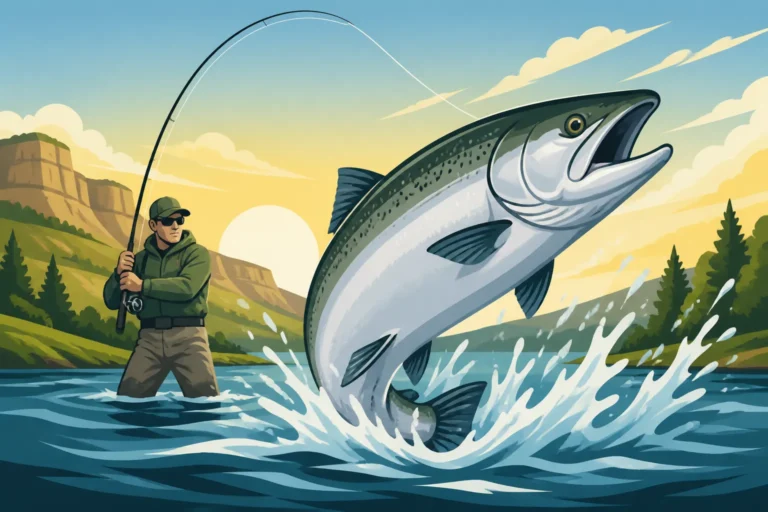
The Chinook salmon in Lake Oahe offer a stark contrast to the walleye's more extended existence. These incredible fish are an anadromous species, meaning they typically live in saltwater and migrate to freshwater to spawn. In Lake Oahe, they are landlocked, but they retain their instinct to spawn and then die shortly after. Their entire life cycle is generally a frantic sprint, averaging only 3 to 4 years from egg to adult.
After hatching and spending a short time in the hatchery and then in the lake, they grow rapidly, feeding on the abundant rainbow smelt. By their third or fourth year, they mature, return to the spawning grounds (primarily in the Whitlock Bay area), and after expending all their energy on reproduction, they perish. This short, intense life cycle makes every Chinook salmon catch feel special. It also means that managing the fishery involves continuous stocking programs to maintain a viable population, as natural reproduction is limited. Understanding their short lifespan explains why anglers often target them heavily during their prime years, making every season crucial for a successful salmon run. Our South Dakota Chinook Salmon Fishing Guide has more on these unique fish.
Catfish: The River's Ancient Residents
The Missouri River and its tributaries are prime habitat for catfish, particularly channel catfish and flathead catfish. These bottom-dwelling titans are known for their resilience and can be surprisingly long-lived, especially the flatheads. Channel catfish typically live 7 to 14 years, while the much larger flathead catfish can easily live 15 to 20 years, with some documented to reach well over 25 years in optimal conditions.
Catfish are slower growers than some other species, particularly flatheads which can take several years to reach a substantial size. A 20-pound flathead is often a decade or more in the making, making it a truly remarkable catch. Their longevity means that large, old catfish can be a significant part of the river's ecosystem for a long time, acting as apex predators in their specific habitats. When you hook into a monster flathead, you're battling a fish that has likely seen many seasons pass, a testament to its survival skills in the strong currents and ever-changing conditions of the Missouri River. If you're looking to target these whiskered warriors, our South Dakota Catfish Fishing Guide can help.
Glacial Lakes and Black Hills: Diverse Lifespans Across Habitats
Beyond the Missouri River, South Dakota offers a vast array of fishing opportunities in its eastern glacial lakes region and the western Black Hills, each with its own distinct aquatic environments and fish populations. The lifespans of fish in these areas are just as varied, influenced by water chemistry, temperatures, and available food sources.
Northern Pike: Apex Predators of the Plains Lakes
Northern pike are formidable predators found in many of South Dakota's glacial lakes and some Missouri River backwaters. Known for their aggressive strikes and sharp teeth, these fish are ambush hunters that can grow to impressive sizes. Their average lifespan in South Dakota typically falls between 7 to 12 years, but like walleye, exceptional individuals can live longer, sometimes up to 15 years or more in large, productive lakes with ample forage.
Pike mature relatively quickly, usually by 2-4 years of age, and their growth rate is largely dependent on the availability of smaller fish like perch or white suckers to fuel their predatory appetites. A 10-pound pike, while a fantastic catch, is likely a middle-aged fish, perhaps 6-8 years old. True trophy pike, those pushing 20 pounds or more, are often much older, having successfully navigated years of challenges to reach that size. The thrill of catching a large pike is amplified by the knowledge that you've outsmarted a seasoned predator. Learn more about pursuing these giants in our South Dakota Northern Pike Fishing Guide.
Panfish (Perch and Crappie): Short but Sweet Lives
When it comes to panfish like yellow perch and crappie (both black and white), we're looking at a much shorter, though often very prolific, existence. These species are the backbone of many South Dakota fisheries, providing excellent action and table fare, especially for families and beginner anglers.
Yellow perch typically live 3 to 7 years in South Dakota waters. They grow relatively quickly in their first few years, reaching harvestable size, and then their growth tends to slow down. Crappie have a similar lifespan, averaging around 4 to 8 years, though larger specimens might hit 9 or 10 years in ideal conditions. Both species are highly reproductive, laying thousands of eggs, which is how their populations remain so strong despite their shorter individual lifespans. This fast turnover means that lakes can recover quickly from heavy fishing pressure, and consistent stocking often isn't necessary. However, it also means that catching a truly "old" panfish is a rare event. For those interested in catching these abundant and tasty fish, our South Dakota Perch Fishing Guide and South Dakota Crappie Fishing Guide offer excellent tips.
Trout: The Mountain Stream Dwellers
The cold, clear waters of the Black Hills are a haven for trout, primarily rainbow trout, brown trout, and brook trout. The lifespans of these species are heavily influenced by the pristine conditions of their stream habitats, water temperature, and food availability.
Rainbow trout, often stocked, typically live 4 to 6 years in South Dakota streams, though some can reach 7-8 years. Brown trout, known for their wariness and often growing larger, generally live 5 to 8 years, with some individuals in prime waters living over 10 years. Brook trout, which are often smaller and prefer colder, higher-elevation streams, tend to have the shortest lifespans, averaging 3 to 5 years. In these oxygen-rich, but often food-limited, environments, growth can be slower than in larger lakes. A 20-inch brown trout from a Black Hills stream is a rare and truly old fish, likely having survived many seasons in a challenging environment. This makes them a highly prized catch for fly anglers who appreciate their resilience. For a deeper dive into these beautiful fish, consult our South Dakota Trout Fishing Guide.
Factors Influencing Fish Lifespan
While each species has a typical biological lifespan, several external factors can significantly alter how long an individual fish actually lives in the wild. These factors create the dynamic and ever-changing conditions that biologists and anglers constantly monitor.
Environmental Conditions and Habitat Quality
The quality of a fish's environment is arguably the most critical factor influencing its longevity. Clean water, stable water temperatures, and abundant, healthy habitat are essential for fish to survive and thrive. Pollution, severe droughts, extreme floods, or prolonged periods of ice cover can all stress fish populations, making them more susceptible to disease and reducing their overall lifespan.
For instance, a prolonged period of high water temperatures can be detrimental to cold-water species like trout, leading to increased mortality. Conversely, a stable environment with plenty of submerged vegetation, rock structures, and healthy aquatic insect populations provides ample cover from predators and rich feeding grounds, allowing fish to grow larger and live longer. A healthy habitat also supports a diverse forage base, ensuring fish have enough to eat throughout their lives. This interplay of factors highlights the importance of conservation efforts to maintain pristine fishing waters. When considering purchasing gear for habitat protection or fishing in varying conditions, "Amazon" offers a wide selection of resources and equipment.
Fishing Pressure and Management
Human activity, specifically fishing pressure, plays a substantial role in the average lifespan of many fish species, particularly those targeted by anglers. In heavily fished waters, fewer fish may reach their full natural lifespan because they are harvested before they die of natural causes. This isn't necessarily a bad thing, as controlled harvesting is a vital part of sustainable fishery management.
Fisheries managers in South Dakota use regulations such as length limits, daily limits, and possession limits to influence how many fish are harvested and to protect certain age classes. For example, slot limits on some walleye lakes are designed to protect medium-sized, reproductively active fish, encouraging anglers to harvest smaller fish and release larger ones. This helps to ensure that older, larger fish can continue to spawn and pass on their genes, potentially extending the average lifespan of the breeding population. The effectiveness of these regulations directly impacts the age structure and, by extension, the average lifespan of the fish in a given body of water. Understanding how these rules affect fish populations is key to being a responsible angler. Our South Dakota Fish Limits and Size Restrictions guide explains these regulations in detail.
Diet and Forage Availability
Just like any living creature, fish need consistent and nutritious food to grow, maintain health, and live long lives. The availability and quality of forage in a lake or river directly influence a fish's growth rate and its ability to withstand disease and environmental stress. A lake with a robust population of baitfish, such as gizzard shad or smelt, will generally produce larger, healthier game fish that live longer than fish in a lake with limited food sources.
When forage is scarce, fish grow slower, reach maturity later, and may experience higher mortality rates dueating to starvation or weakened immune systems. This is particularly noticeable in predator species like walleye and northern pike, whose size and longevity are directly tied to their ability to consume smaller fish. Conversely, an abundant and diverse diet allows fish to accumulate fat reserves, essential for surviving lean periods, spawning, and fighting off illness. You can learn more about what fish eat in our guide, South Dakota Fish Species Diet by Season.
Tracking Fish Age: How Biologists Know
Have you ever wondered how fisheries biologists determine the age of a fish? It's not like they ask them for ID! The science behind it is pretty fascinating and relies on some subtle clues left on the fish's body. This information is crucial for setting effective fishing regulations and understanding the health of our fisheries.
Scale and Otolith Analysis
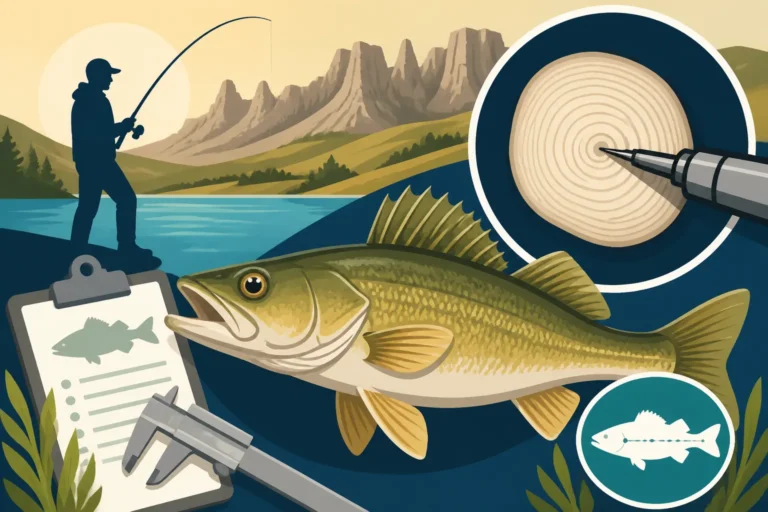
The most common methods for aging fish involve examining their scales or their otoliths (ear bones). Both of these structures grow in a way that creates rings, much like the rings in a tree trunk, with each ring representing a year of growth.
Scales: Many fish, especially those with cycloid or ctenoid scales (like walleye, perch, and crappie), can be aged by simply taking a few scales. Under a microscope, biologists can see concentric rings called annuli that form each year. During periods of rapid growth (like summer), the rings are widely spaced, while during slower growth periods (like winter), they are closer together. By counting these annuli, biologists can determine the fish's age. This method is non-lethal, as fish can regrow scales without harm, making it a popular choice for routine population surveys. However, scales can sometimes be difficult to read on very old fish or those that have experienced significant scale damage.
Otoliths (Ear Bones): For some species, or when more precise aging is required, biologists will examine the otoliths. These small, calcium carbonate structures found in a fish's inner ear are incredibly robust and provide a more accurate age, especially for older fish or species with problematic scales (like catfish, which have no scales, or salmon, whose scales can reabsorb during spawning). Otoliths are removed from the fish (a lethal process, which means they're usually taken from fish already harvested or deceased) and then cut, polished, and examined under a microscope. The annuli on otoliths are typically clearer and more distinct than on scales, making them the "gold standard" for fish aging. The information gleaned from these analyses is vital for studies like those mentioned in South Dakota Fish Aging and Growth Studies.
Understanding Growth Rings
The concept of growth rings is fundamental to fish aging. These rings aren't just arbitrary lines; they tell a story about the fish's life. A wide space between rings indicates a year of good growth, likely due to abundant food and favorable environmental conditions. Conversely, narrow rings suggest a year of slow growth, possibly due to food scarcity, disease, harsh weather, or spawning stress.
By analyzing patterns in these growth rings across many individual fish from a particular body of water, biologists can reconstruct the history of the fish population. They can determine if fish are growing well, if certain year classes were particularly strong or weak, and how environmental changes or management strategies have impacted growth rates over time. This data is critical for understanding fish population dynamics and for making informed decisions about bag limits, size restrictions, and stocking programs to ensure healthy and sustainable fisheries for future generations. All this data contributes to vital reports and plans, such as those found in What a Fish Population Survey Measures.
Fish Species Average Lifespan Table
To give you a quick overview, here's a table summarizing the typical average lifespan and maximum recorded lifespan for some of South Dakota's most popular game fish. Remember, these are averages, and individual fish can always defy expectations!
| Fish Species | Average Lifespan in SD (Years) | Maximum Recorded Lifespan (Years) | Notes |
|---|---|---|---|
| Walleye | 7-10 | 15-20 | Highly variable based on forage and habitat quality. |
| Chinook Salmon | 3-4 | 5 | Semelparous; die after spawning. |
| Channel Catfish | 7-14 | 20+ | Found in rivers and lakes; good growth in warmer waters. |
| Flathead Catfish | 15-20 | 25+ | Slower growing, but longer-lived, especially large river specimens. |
| Northern Pike | 7-12 | 15-20 | Growth tied to prey availability. |
| Yellow Perch | 3-7 | 9 | Fast reproduction, shorter individual lives. |
| Black Crappie | 4-8 | 10 | Similar to perch; abundant in many lakes. |
| White Crappie | 4-8 | 10 | Often found in muddier waters than black crappie. |
| Rainbow Trout | 4-6 | 8 | Many are stocked; highly dependent on water quality. |
| Brown Trout | 5-8 | 12+ | Can be very long-lived in stable, cold streams. |
| Brook Trout | 3-5 | 6 | Smaller, prefer colder, high-elevation waters. |
| Smallmouth Bass | 5-9 | 12 | Excellent fighters, thrive in rocky clear water. |
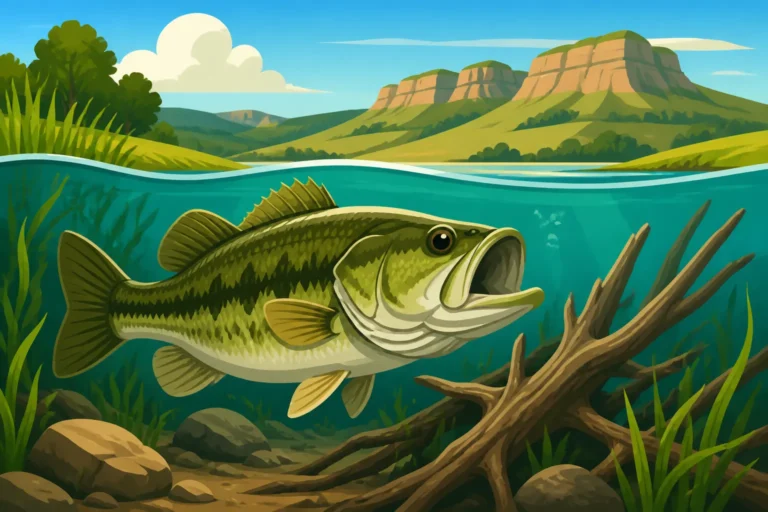
| Largemouth Bass | 6-10 | 15 | Prefer warmer, vegetated waters. |
It's clear that while some fish are here for a quick, impactful run, others are truly veterans of the deep, accumulating years of experience and size. Understanding these timelines helps us become more informed and appreciative anglers. When you're out on the water, whether you're targeting a quick-growing panfish or a long-lived lunker, remember the journey that fish has taken.
Disclaimer
This article is for general informational purposes only and does not constitute professional advice. Laws, prices and regulations vary by location and change over time. Consult a qualified professional for guidance on your specific situation.