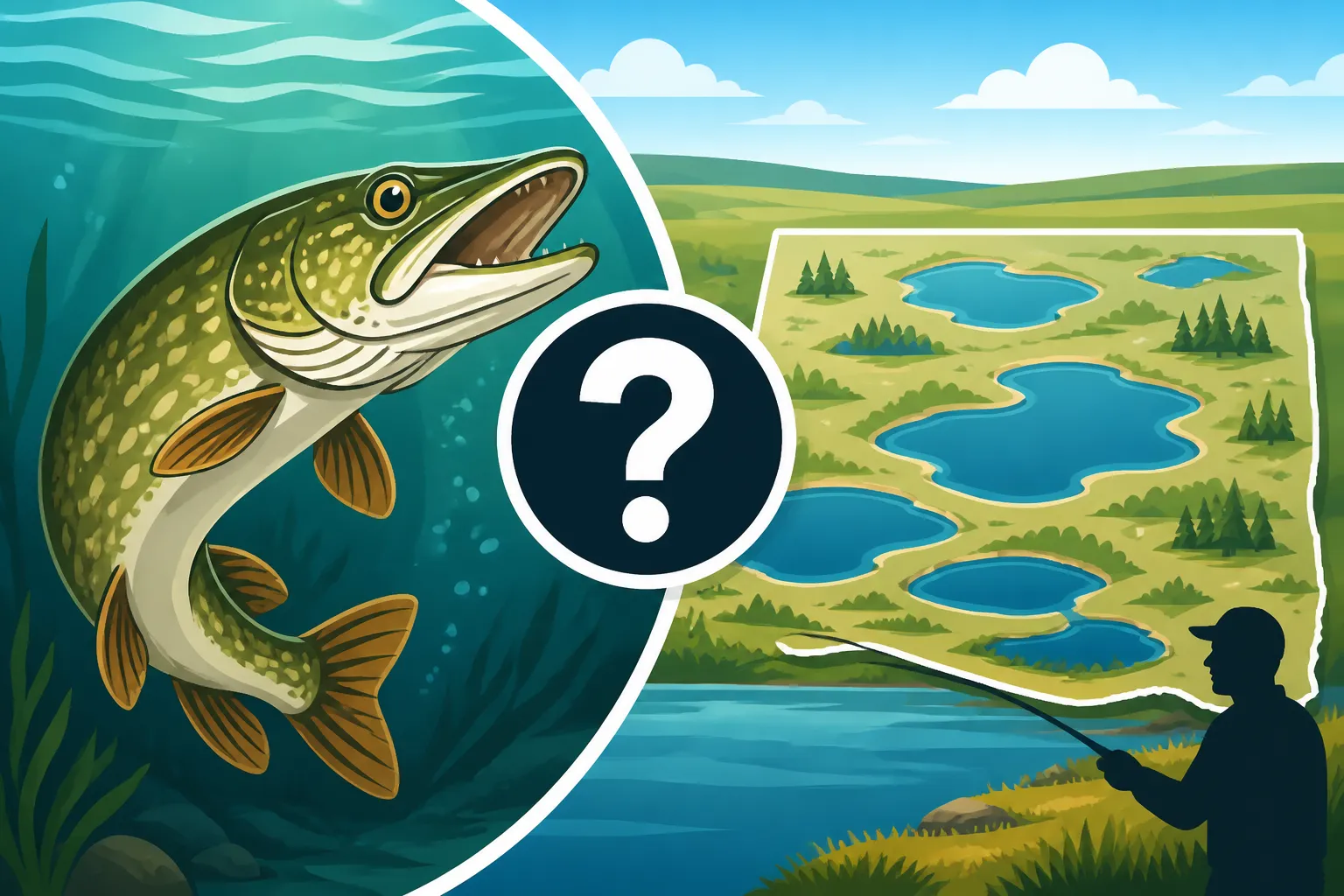
Are Northern Pike Found in Most South Dakota Lakes?
It's a common dream for anglers heading to South Dakota: picturing an abundance of hard-fighting northern pike lurking in virtually every body of water. You might be wondering if this vision holds true, or if you're going to spend your precious fishing time searching for a needle in a haystack. This guide is here to unravel the mystery, showing you exactly where northern pike thrive in South Dakota and what to expect when you go chasing these toothy critters.
The Widespread Presence of Northern Pike in South Dakota
Let's cut right to the chase: yes, northern pike are found in a significant number of South Dakota's lakes and some river systems. They're not quite everywhere you cast a line, but their distribution is pretty impressive, particularly when you know where to look. They're one of those exciting species that can offer a thrilling fight, whether you're battling a smaller "hammer handle" or a truly impressive "gator" that pushes the scales.
Understanding Pike Habitat Preferences
To understand where pike are, you first need to understand what they love. Northern pike are ambush predators, meaning they prefer to hide in cover and burst out to snatch unsuspecting prey. This makes their ideal habitat quite specific: shallow, vegetated waters. Think of areas choked with reeds, lily pads, submerged weed beds, or even fallen timber. These are their hunting grounds, providing both camouflage and plenty of places for smaller fish to hide (until they don't!).
In South Dakota, this preference naturally funnels them into certain environments. The eastern half of the state, particularly the Glacial Lakes region, is a prime example, with its countless natural lakes boasting extensive shallow areas and rich aquatic vegetation. Even in the massive Missouri River reservoirs, you'll find pike concentrated in specific bays, coves, and backwaters that offer these crucial features. Understanding this habitat preference is key to narrowing down your search, because a deep, open, clear-water lake might hold a few, but it won't be a pike factory.
General Distribution Across the State
While their preference for weedy, shallow water is clear, Northern Pike are surprisingly adaptable and have established themselves across much of South Dakota. You'll find them in the rich, fertile waters of the eastern Glacial Lakes region, which is arguably the most consistent pike fishery in the state. Moving west, the vast Missouri River reservoirs – Lake Oahe, Lake Sharpe, Lake Francis Case, and Lewis and Clark Lake – also hold strong populations, particularly in their shallower arms and protected bays where vegetation can take root. Even some of the lesser-known western reservoirs and smaller impoundments can offer up good pike fishing if they have the right structure.
However, it's also important to manage expectations. You won't typically find them in the fast-flowing, clear-water trout streams of the Black Hills, for instance, nor are they as dominant in the deepest, most barren stretches of the main-stem Missouri River reservoirs. Their presence is widespread, but it's concentrated in specific types of water that cater to their ambush hunting style. If you're looking for a general overview, check out Where to Fish for Northern Pike in South Dakota for a broader sense of where these aggressive fish lurk.
Prime Northern Pike Strongholds in South Dakota
When it comes to Northern Pike fishing in South Dakota, some areas just shine brighter than others. These are the places that consistently produce good numbers of fish, and often the chance at a true trophy.
The Glacial Lakes Region: Pike Paradise
Without a doubt, the Glacial Lakes region in northeastern South Dakota is a Northern Pike angler's dream. This area is dotted with hundreds of natural lakes, many of which are relatively shallow and teeming with aquatic vegetation. These lakes provide the perfect conditions for pike to thrive, offering ample spawning grounds, abundant forage (like yellow perch and panfish), and countless ambush points.
Lakes such as Lake Kampeska, Lake Poinsett, and Bitter Lake are often cited as excellent pike destinations. You'll find extensive weed beds, emergent vegetation, and shallow points that act as magnets for hungry pike. During the spring, as the ice recedes, pike become incredibly active in these shallow areas. Fall fishing is also fantastic, as they aggressively feed before winter. And if you're an ice angler, many of these lakes offer fantastic winter opportunities, where a tip-up set over a weed line can lead to an exhilarating flag pop and a fierce fight. If you're planning a trip to this area, be sure to look into Best Lakes for Northern Pike Near Watertown, Bitter Lake Fishing Guide, and Lake Kampeska Fishing Guide for detailed insights into these hotspots.
Missouri River Reservoirs: Bays and Backwaters
While the massive, open waters of the Missouri River reservoirs are more famous for their walleye populations, they also hold fantastic Northern Pike opportunities – you just need to know where to look. The main channels can be a tough go for pike, as they lack the shallow, weedy cover these fish prefer. However, the numerous bays, coves, and backwater areas of lakes like Lake Oahe, Lake Sharpe, and Lake Francis Case are absolutely prime pike habitat.
These quieter, shallower sections often have submerged timber, stands of reeds, or even man-made structures that create ideal ambush points. During the spring, as water temperatures rise, pike move into these protected areas for spawning and subsequently feed heavily on baitfish. Fall also sees a resurgence of activity, as pike gorge themselves in preparation for winter. Fishing these areas with large spoons, spinnerbaits, or even live bait can be incredibly effective. For those interested in exploring these vast waters, learning about Lake Oahe Fishing Guide and Lake Sharpe Fishing Guide will give you a head start on finding those productive pike hideouts.
Other Notable Pike Waters
Beyond the major hotspots, South Dakota offers a scattering of other waters where you can find Northern Pike. In the western part of the state, Belle Fourche Reservoir stands out as a strong pike fishery. This large reservoir offers plenty of shoreline structure, submerged weeds, and coves that hold good numbers of pike, some of which grow to impressive sizes. It’s a bit different from the glacial lakes, often featuring more rocky points mixed with weedy flats, but the pike still find what they need.
Smaller, regional lakes and even some larger farm ponds across the state that have healthy populations of baitfish and adequate cover can also unexpectedly deliver good pike action. The key is to check local fishing reports and South Dakota Game, Fish and Parks resources, as conditions and populations can vary year to year in these smaller bodies of water. Don't overlook these hidden gems, as they can sometimes offer less crowded angling experiences. A deeper dive into Belle Fourche Reservoir Fishing Guide can help you understand the nuances of targeting pike in western South Dakota.
Here's a quick comparison of South Dakota's pike strongholds:
| Region/Lake Type | Typical Pike Size | Key Habitat | Best Seasons |
|---|---|---|---|
| Glacial Lakes (East) | Good numbers, decent size, trophy potential | Shallow, weedy bays, abundant forage | Spring, Fall, Winter (ice fishing) |
| Missouri River Backwaters | Mixed sizes, good numbers in certain areas | Weedy coves, submerged structure | Spring, Fall |
| Western Reservoirs | Decent numbers, occasional large ones | Bays with submerged timber or weeds, rocky points | Spring, Early Summer |
What to Expect When Targeting South Dakota Northern Pike
So, you've pinpointed a promising lake or reservoir. Now, what should you anticipate when you actually hit the water? Northern Pike fishing in South Dakota can be incredibly rewarding, offering a mix of numbers and the potential for a true wall-hanger.
Size and Abundance
One of the great things about fishing for Northern Pike in South Dakota is the generally healthy populations. You're likely to encounter good numbers of fish, ranging from smaller "hammer handles" (pike under 24 inches) that provide constant action, to respectable fish in the 25-35 inch range. But the real draw for many is the potential for trophy-sized pike. South Dakota consistently produces fish pushing well over 35 inches, and occasionally even hitting the low 40-inch mark, with some truly massive ones recorded over the years. These larger pike are often referred to as "gators" for their formidable size and aggressive nature.
The abundance means that even on a slow day for other species, pike can often save the trip with their willingness to strike. However, remember that larger pike are often solitary and require a bit more patience and specialized tactics. It's always exciting to see how your catch stacks up against the state's best; for inspiration, take a look at South Dakota Northern Pike Record Sizes.
Essential Gear for South Dakota Pike
Tackling Northern Pike requires a specific gear setup to handle their aggressive strikes, powerful runs, and razor-sharp teeth. Don't go into a pike battle with light bass gear, or you'll likely end up heartbroken and missing a favorite lure.
First, your rod and reel setup should be robust. A medium-heavy to heavy action spinning or baitcasting rod, typically 6.5 to 7.5 feet long, will give you the backbone needed to cast larger lures and control a fighting pike. Pair this with a sturdy reel spooled with 20-30 pound braided line. Braided line offers excellent sensitivity and strength, crucial for setting hooks and pulling fish out of thick cover. The absolute most important piece of terminal tackle, however, is a leader. Pike have teeth like tiny razor blades, and they will quickly chew through monofilament or fluorocarbon main line. A steel or heavy fluorocarbon leader (60-80 pound test) is non-negotiable to prevent bite-offs. You can find a wide array of reliable braided lines, leaders, and durable rods on Amazon to suit your pike fishing needs.
When it comes to lures, pike are often not picky, but they do prefer bigger meals. Large spoons (like Daredevils or Five of Diamonds), inline spinners (Musky Killers, Mepps Giant Killers), jerkbaits, and swimbaits are all excellent choices. For live bait, large minnows or suckers, fished under a bobber or on a quick-strike rig, can be deadly, especially for bigger fish. Always check local regulations on live bait use, as some areas have restrictions.
Techniques for Success
Once you have the right gear, employing effective techniques is key to hooking into South Dakota pike. The most common and often successful method is casting and retrieving lures near known pike cover. Fan cast around weed lines, submerged timber, docks, and rocky points, varying your retrieve speed until you find what the fish prefer that day. Pike often hit on the pause or when a lure changes direction, so incorporate some erratic movements into your retrieve. Northern Pike Fishing Techniques for Weed Lines offers some great starting points here.
Trolling is another effective strategy, especially on larger lakes and reservoirs. Use large crankbaits that dive to the depth of the weed beds or structure where pike are likely to be. Vary your trolling speed until you trigger strikes. For winter anglers, ice fishing with tip-ups, rigged with large minnows or smelt, is a classic and highly effective method for catching pike through the ice. The waiting game can be long, but the flag flying up after a run is an undeniable rush! For a deeper dive into all things pike, consider exploring South Dakota Northern Pike Fishing Guide.
Navigating Regulations and Conservation
Fishing for Northern Pike in South Dakota is a fantastic experience, but it’s crucial to do so responsibly and legally. Understanding the regulations isn't just about avoiding a ticket; it's about contributing to the health and sustainability of these valuable fish populations.
Understanding South Dakota Pike Regulations
Like all game fish in South Dakota, Northern Pike are subject to specific regulations regarding daily limits, possession limits, and sometimes even size restrictions. These rules are put in place by the South Dakota Game, Fish and Parks (SD GFP) to manage fish populations and ensure healthy fisheries for future generations. What's particularly important to remember is that these regulations can and do vary by specific water body. A lake in the Glacial Lakes region might have a different set of rules than a Missouri River reservoir or a western impoundment.
It is absolutely imperative to obtain the most current South Dakota Fishing Handbook or check the SD GFP website before you head out. This handbook will detail all the regulations, including any special exceptions for certain lakes. Pay close attention to any "no live bait fish" rules, as these are often implemented to prevent the spread of invasive species and diseases. Don't get caught off guard; being informed is your best defense. A good place to start your research is by looking at South Dakota Northern Pike Limits.
Responsible Angling for Pike
Beyond just following the rules, responsible angling practices are vital for pike conservation. Many anglers, myself included, choose to practice catch-and-release, especially for the larger, older pike. These big fish are often valuable breeders and contribute significantly to the genetic health of the population. If you do plan to release fish, proper handling is key. Pike have sharp teeth and can be quite aggressive, so always use long-nose pliers or a specialized jaw spreader (easily found on Amazon) to remove hooks safely and quickly. Avoid touching their gills, and support their body weight horizontally when holding them for a quick photo before gently releasing them back into the water.
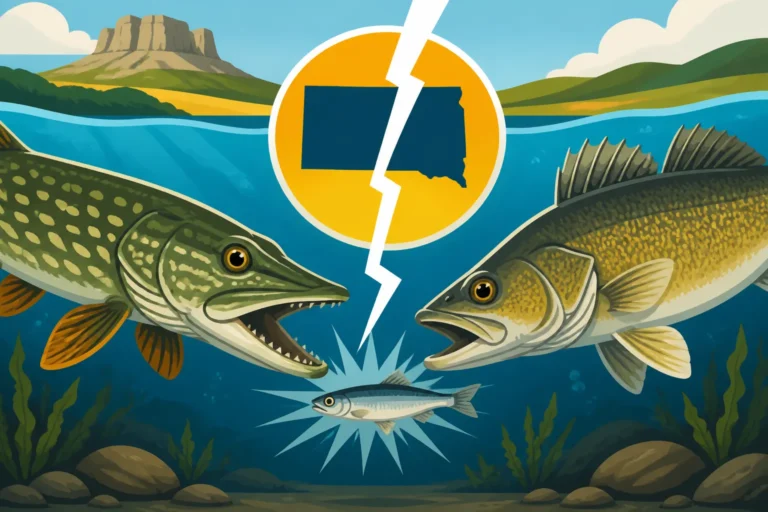
Conservation efforts for Northern Pike are also tied to broader ecosystem health. While pike are formidable predators, they are also part of a larger food web. Understanding how different fish species interact, and what preys on smaller fish like walleye, helps biologists manage waters effectively. For a broader context on fish interactions, you might find What Preys on Small Walleye in South Dakota Lakes interesting. By practicing ethical angling, staying informed, and respecting the resource, we can all ensure that South Dakota remains a fantastic destination for Northern Pike fishing for years to come.
Disclaimer
This article is for general informational purposes only and does not constitute professional advice. Laws, prices and regulations vary by location and change over time. Consult a qualified professional for guidance on your specific situation.