Are Striped Bass Found in South Dakota?
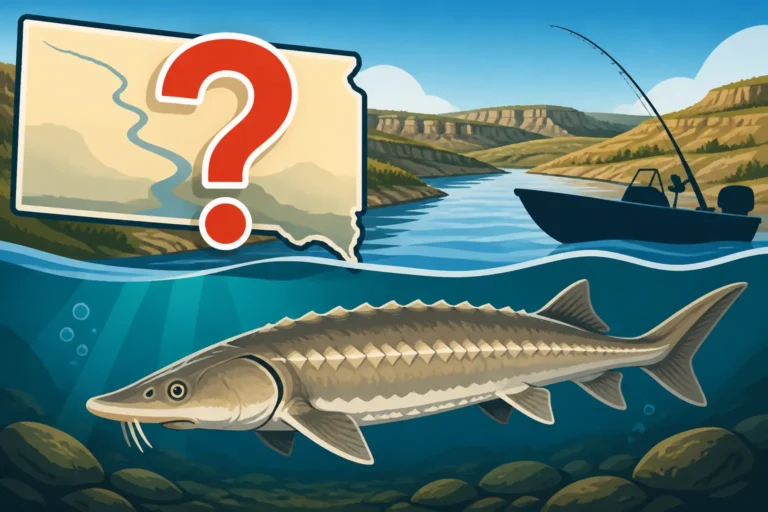
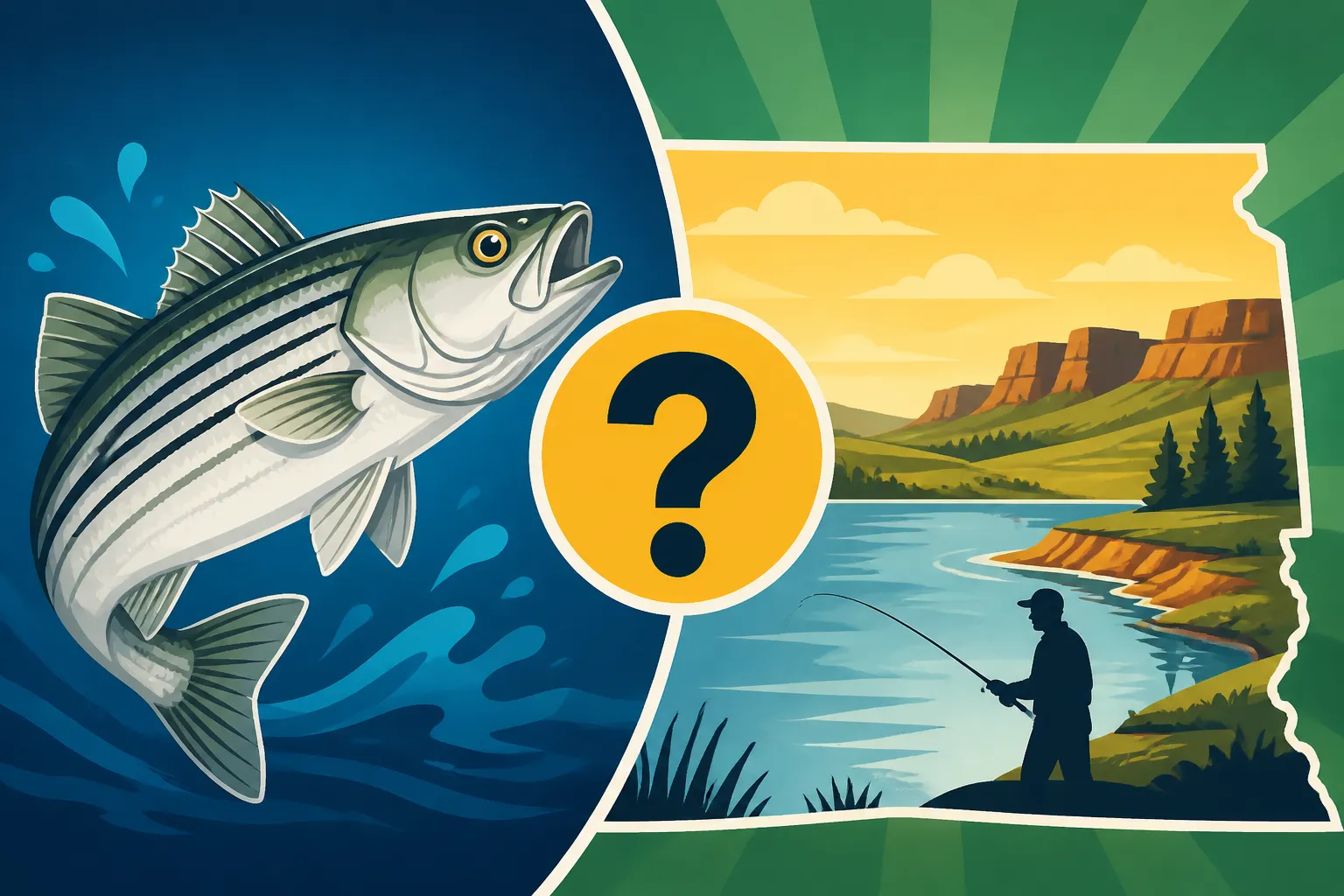
It's a common question among anglers, especially those new to the region or coming from states with coastal or large reservoir fisheries: "Are striped bass found in South Dakota?" The short answer is generally no, not the true marine-dwelling striped bass you might be thinking of. This guide will dive deep into why that is, clear up common confusions, and introduce you to the exciting hard-fighting fish species you can expect to encounter in South Dakota's incredible waters.
Understanding Striped Bass and Their Natural Range
When people ask about striped bass, they often envision the powerful, schooling fish that are famous on the Atlantic and Gulf coasts, or the landlocked populations in massive southern reservoirs. It's easy to assume such a popular game fish might be widespread, but their environmental needs are quite specific.
The True Striped Bass (Morone saxatilis)
The true striped bass, scientifically known as Morone saxatilis, is a highly migratory fish naturally found along the Atlantic coast of North America, from Canada down to Florida, and in the Gulf of Mexico. These fish are anadromous, meaning they spend most of their lives in saltwater but migrate into freshwater rivers to spawn. They are known for their distinctive horizontal stripes, powerful runs, and impressive size, often growing to over 50 pounds in their native range. Their body shape is streamlined, built for speed and power in open water, allowing them to chase down baitfish with incredible efficiency. Many anglers dream of catching these fish, and for good reason – they offer a thrilling battle.
Even landlocked populations of true striped bass, which exist in several large reservoirs primarily in the southern and western United States, typically require massive, deep, oxygenated lakes with a consistent forage base of open-water baitfish like gizzard shad. These environments are very particular, and stocking programs for them are complex and expensive, focusing on specific water bodies that can sustain their unique needs for survival and growth. Without these specific conditions, true striped bass simply cannot thrive.
Where Striped Bass Thrive Naturally
Think of the vast estuaries and coastal rivers where striped bass gather for their annual spawning runs, like the Chesapeake Bay or the Delaware River. These are massive systems with direct access to the ocean, providing the saltwater environment they need for most of their lives. When landlocked, the reservoirs that successfully host striped bass are usually hundreds of thousands of acres in size, with stable thermal stratification and deep, cool water refuges in the summer months. Kentucky Lake, Lake Powell, or Lake Texoma are prime examples of such fisheries, offering the immense volume of water and specific forage necessary for these fish to reach trophy sizes.
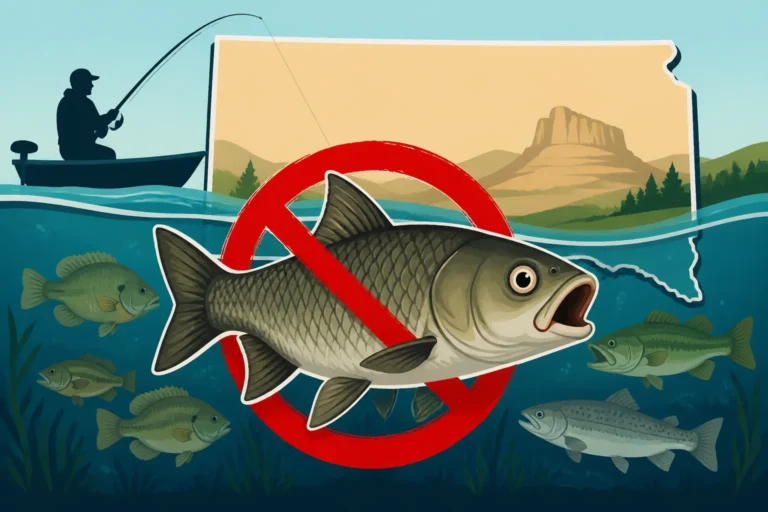
South Dakota, with its prairie environment, doesn't possess these natural coastal conditions or the specific type of immense, deep, thermally stratified reservoirs that would be conducive to sustaining a viable population of true striped bass. Our impressive lakes and rivers, while vast and productive, have different ecological characteristics that favor other species. Trying to introduce true striped bass here would likely be an ecological mismatch, leading to unsuccessful stocking efforts or even negative impacts on native fish populations due to competition for resources. The environment simply isn't set up for them, and fish distribution is almost always tied to specific habitat requirements.
South Dakota's Unique Fisheries – The Walleye State
While true striped bass aren't a part of the South Dakota fishing scene, that doesn't mean our waters are lacking in incredible angling opportunities. In fact, South Dakota boasts some of the best freshwater fishing in the entire country, especially for certain species that thrive in our unique river and lake systems.
Dominant Game Fish in South Dakota
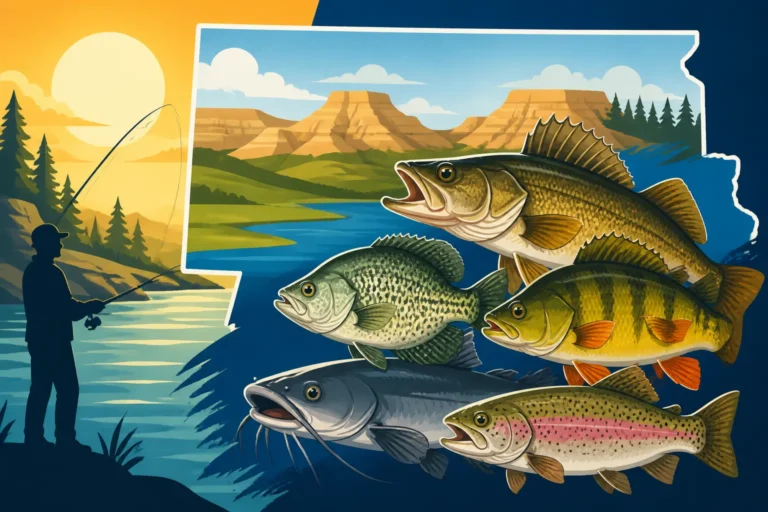
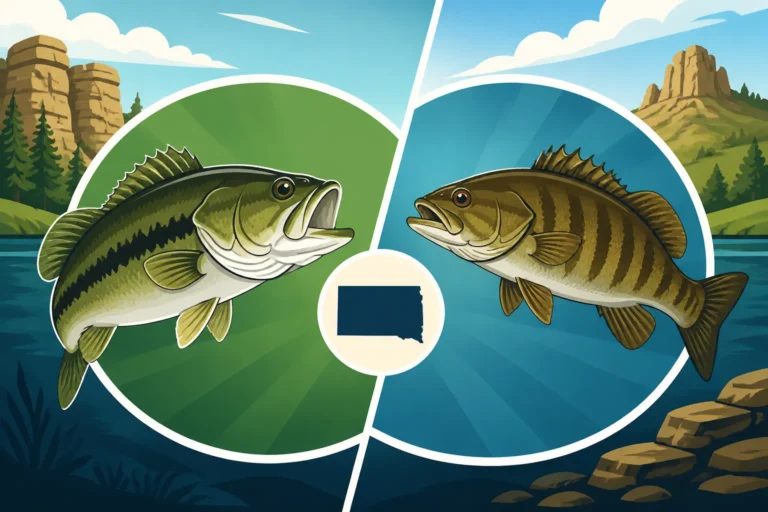
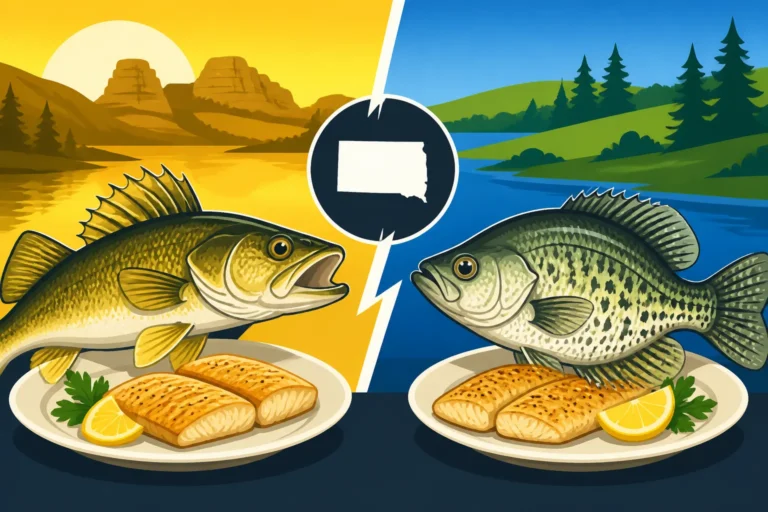
South Dakota is, without a doubt, a walleye mecca. When you talk fishing here, walleye are king. Our large Missouri River reservoirs – Lake Oahe, Lake Sharpe, Lake Francis Case, and Lewis and Clark Lake – are legendary for their abundant and often large walleye populations. Anglers travel from all over to experience the thrill of a walleye hitting a crankbait or a jig. But it's not just walleye. We have thriving populations of South Dakota Smallmouth Bass Fishing Guide, known for their powerful fights and acrobatic jumps, particularly in the clear, rocky areas of the Missouri River and other glacial lakes. South Dakota Northern Pike Fishing Guide also offer an exciting challenge, especially in the shallower, weedier waters of the glacial lakes in the eastern part of the state.
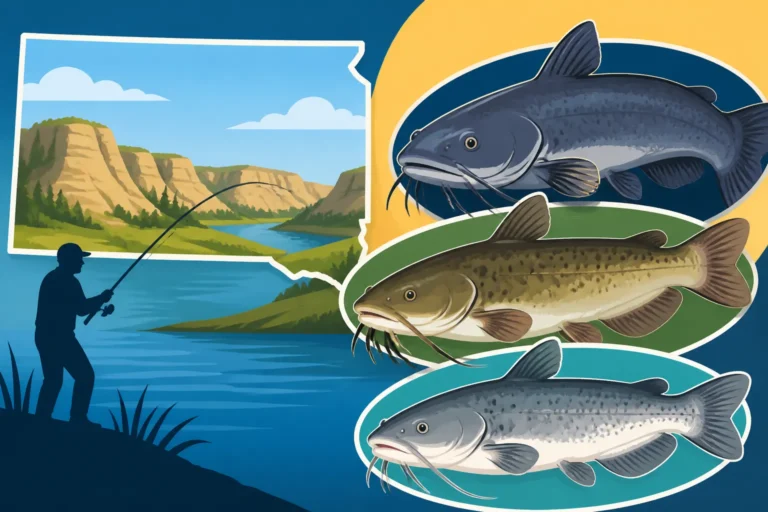
And let's not forget the incredible South Dakota Catfish Fishing Guide opportunities, particularly on the slower sections of the Missouri River, where channel cats can reach impressive sizes. In the Black Hills, serene mountain streams and reservoirs are home to beautiful South Dakota Trout Fishing Guide, offering a completely different, yet equally rewarding, angling experience. Each of these species brings its own unique challenge and reward, making South Dakota a diverse fishing destination. If you're looking for a good fight, you won't be disappointed by our resident species.
The Role of the Missouri River System
The mighty Missouri River system is the backbone of South Dakota's fisheries. Its series of mainstem reservoirs has created an incredible aquatic environment that supports a vast array of fish species. These lakes are dynamic, with fluctuating water levels, varying current speeds, and diverse habitats ranging from deep, open water to shallow, timber-filled bays. While not quite the same as a massive southern reservoir for striped bass, these waters are immensely productive, providing ample forage for fish like gizzard shad, emerald shiners, and smelt, which in turn support our healthy game fish populations.
The nutrient-rich waters flowing through the state contribute to robust ecosystems, supporting not only our popular sport fish but also their essential prey species. This intricate food web is why species like walleye, smallmouth bass, and northern pike grow so large and are so numerous here. Understanding the Missouri River's influence is key to appreciating South Dakota's angling opportunities. It's a system designed for productivity and has been managed for decades to provide exceptional fishing for the species that truly thrive in it.
The Walleye-Wiper Connection: A Common Confusion
Many anglers who inquire about striped bass in South Dakota are often thinking of another hard-fighting, striped fish that is present in our waters: the wiper. This is a very common point of confusion, and for good reason! Wipers look remarkably similar to striped bass to the untrained eye and offer a similar powerful fight.
What Exactly is a Wiper?
So, what exactly is a wiper? A wiper is a hybrid fish, a cross between a white bass (Morone chrysops) and a striped bass (Morone saxatilis). They are also sometimes referred to as "hybrid striped bass." The key here is that they are a hybrid. They inherit some of the powerful fight and schooling tendencies of their striped bass parent, combined with the hardiness and adaptability of their white bass parent. This makes them an excellent sport fish for many reservoirs, including some in South Dakota. Wipers are sterile, meaning they cannot reproduce on their own, so their populations are entirely dependent on stocking efforts by wildlife agencies.
Unlike true striped bass, wipers are much more tolerant of varying water conditions and thrive in many of the warmer, shallower reservoirs and larger lakes found across the Midwest, including parts of South Dakota. They grow quickly, fight incredibly hard, and are fantastic table fare, making them a popular target for anglers looking for a strong pull on their line. They typically don't reach the immense sizes of true striped bass, but a 5 to 10-pound wiper will give you a fight you won't soon forget, often feeling much larger than their actual weight. If you're looking for a tackle box full of versatile lures for wipers and other species, checking online retailers like Amazon can be a great place to start, as they often have a wide selection.
Why Wipers are Stocked in South Dakota
Given their excellent sport-fishing qualities and adaptability, wipers are strategically stocked in some South Dakota waters by the Game, Fish and Parks (GFP) department. Are Wipers Stocked in South Dakota Lakes? Yes, they are! These stocking programs are carefully managed to enhance fishing opportunities and to utilize the available forage base in specific lakes. Wipers are voracious predators, often feeding on abundant baitfish like gizzard shad, which helps manage baitfish populations and convert them into desirable sport fish. They fit well into the ecological niche of certain South Dakota reservoirs that might not be ideal for other primary game fish but have an excess of baitfish.
For instance, lakes like Lake Sharpe, one of the Missouri River reservoirs, sometimes see wiper stockings to provide another exciting species for anglers. Other smaller, more eastern South Dakota lakes might also receive wipers. These stockings provide a fantastic alternative for anglers seeking a hard-pulling fish that is often found in large schools, creating thrilling fishing action. The decision to stock wipers is based on scientific assessment of the lake's ecosystem, ensuring they contribute positively to the fishery without negatively impacting native species or the overall health of the water body.
How to Identify Wipers vs. Striped Bass (and other lookalikes)
Distinguishing between wipers, white bass, and true striped bass can be tricky, especially if you're not familiar with the subtle differences. Here’s a quick guide to help you tell them apart. It's crucial for understanding local regulations, as limits can vary between species.
Stripes:
- True Striped Bass: Have solid, unbroken horizontal stripes running along their body, often extending all the way to the tail.
- Wiper: Typically have broken or interrupted stripes, especially below the lateral line. The stripes might be patchy or appear disconnected.
- White Bass: Usually have faint, sometimes broken, horizontal stripes, but they are fewer in number and less distinct than on wipers or true stripers. They also tend to have a more prominent arch in their back.
Body Shape:
- True Striped Bass: More elongated, torpedo-shaped body, built for open water.
- Wiper: A bit chunkier and deeper-bodied than a true striped bass, but still streamlined.
- White Bass: Even deeper-bodied and more compressed side-to-side compared to a wiper or striped bass, giving them a more "panfish-like" profile.
Tongue Patches:
- True Striped Bass: Usually have two distinct patches of teeth on their tongue.
- Wiper: Can have one or two patches of teeth, often irregular.
- White Bass: Typically have only one patch of teeth on their tongue, which is often less pronounced.
This table summarizes these key identification points:
| Feature | True Striped Bass (Morone saxatilis) | Wiper (Hybrid Striped Bass) | White Bass (Morone chrysops) |
|---|---|---|---|
| Body Shape | Elongated, torpedo-like | Deeper, chunkier body | Deep-bodied, compressed |
| Stripes | Solid, unbroken, extend to tail | Broken or interrupted, especially below lateral line | Faint, often broken, fewer stripes |
| Tongue Patches | Two distinct patches | One or two irregular patches | One, less pronounced patch |
| Maximum Size | Can exceed 50+ pounds | Typically 5-15 pounds | Usually 1-3 pounds |
| Natural Range | Atlantic/Gulf coasts; large southern reservoirs | Stocked in many Midwest reservoirs | Widespread in freshwater across North America |
When in doubt, always consult the current South Dakota GFP Fishing Handbook Guide or ask a local wildlife officer. Misidentifying a fish could lead to unintentional violations of catch limits or other regulations. For a more general overview, you might find a comprehensive South Dakota Fish Identification for Beginners guide helpful.
Angler Experiences and Expectations
Navigating the nuances of fish species and regulations can sometimes feel like a puzzle, but it's all part of the adventure of fishing. Knowing what to expect and what opportunities are truly available in South Dakota can help you plan an incredibly rewarding fishing trip.
Setting Realistic Fishing Goals in South Dakota
While you won't be casting for true striped bass in South Dakota, understanding that helps you focus on the fantastic opportunities that do exist. Instead of hoping for a striper, imagine battling a trophy South Dakota Walleye Fishing Guide on Lake Oahe, feeling its signature head shakes as you bring it to the boat. Or picture a hard-fighting smallmouth bass leaping from the waters of Lake Francis Case, testing your tackle and skill. Perhaps you're after a monster channel catfish in the slow-moving bends of the James River, or a beautiful brook trout in a clear Black Hills stream. Each of these experiences is unique and offers its own brand of excitement.
Setting realistic goals means appreciating the incredible diversity of fish that thrive in our waters. It's about tailoring your gear and techniques to the species you will encounter, rather than those you won't. This might mean equipping yourself with the Best Fishing Rods and Reels for Walleye or choosing appropriate fly-fishing gear for our mountain streams. Embracing the local fisheries means you're far more likely to have a successful and memorable outing.
Alternative Hard-Fighting Species to Target
Don't let the absence of true striped bass deter you; South Dakota offers plenty of species that will give you an exhilarating fight.
- Wipers: As discussed, these hybrids are absolute powerhouses. They hit hard and pull like freight trains, often in open water, providing a rush that rivals many saltwater species. Look for them in areas where they are stocked, like parts of the Missouri River reservoirs.
- Northern Pike: These toothy predators are known for their explosive strikes and powerful runs. You'll find them lurking in the weed beds and shallower bays of many eastern South Dakota lakes. A large pike can easily stretch your line and test your drag.
- Smallmouth Bass: Pound for pound, smallmouth bass are one of the hardest-fighting freshwater fish. They are aggressive, acrobatic, and prefer rocky structures and clear water, making them a blast to catch on light tackle.
- Walleye: While not always the most acrobatic, a big walleye provides a formidable fight, especially when hooked in current. Their consistent pull and delicious table fare make them a top target.
Focusing on these species will ensure you have plenty of action on your South Dakota fishing adventures. Many anglers even find that the challenge of patterning and catching these local species, especially a big walleye, is just as rewarding as any other fishing experience. Learning about the South Dakota Fishing Seasons Explained for these species can further enhance your success, allowing you to plan your trips for peak activity. You can also find a vast array of fishing tackle for these species on platforms like Amazon, from specialized lures to durable line.
So, while true striped bass may not call South Dakota home, our waters are brimming with other incredible game fish that promise thrilling battles and unforgettable memories. Come explore what our state has to offer!
Disclaimer
This article is for general informational purposes only and does not constitute professional advice. Laws, prices and regulations vary by location and change over time. Consult a qualified professional for guidance on your specific situation.