Are Wipers Stocked in South Dakota Lakes?
It’s easy to get a little confused when you’re out on the water in South Dakota, especially with all the different species swimming around. Anglers often wonder about specific fish they've heard about in other states, like Wipers, and if those same opportunities exist here in the land of infinite variety. This guide is here to clear up that common question and help you understand if Wipers are part of the vibrant fishing scene in South Dakota, what they are, and what similar fish you might encounter instead.
Understanding the Wiper: A Unique Hybrid Fish
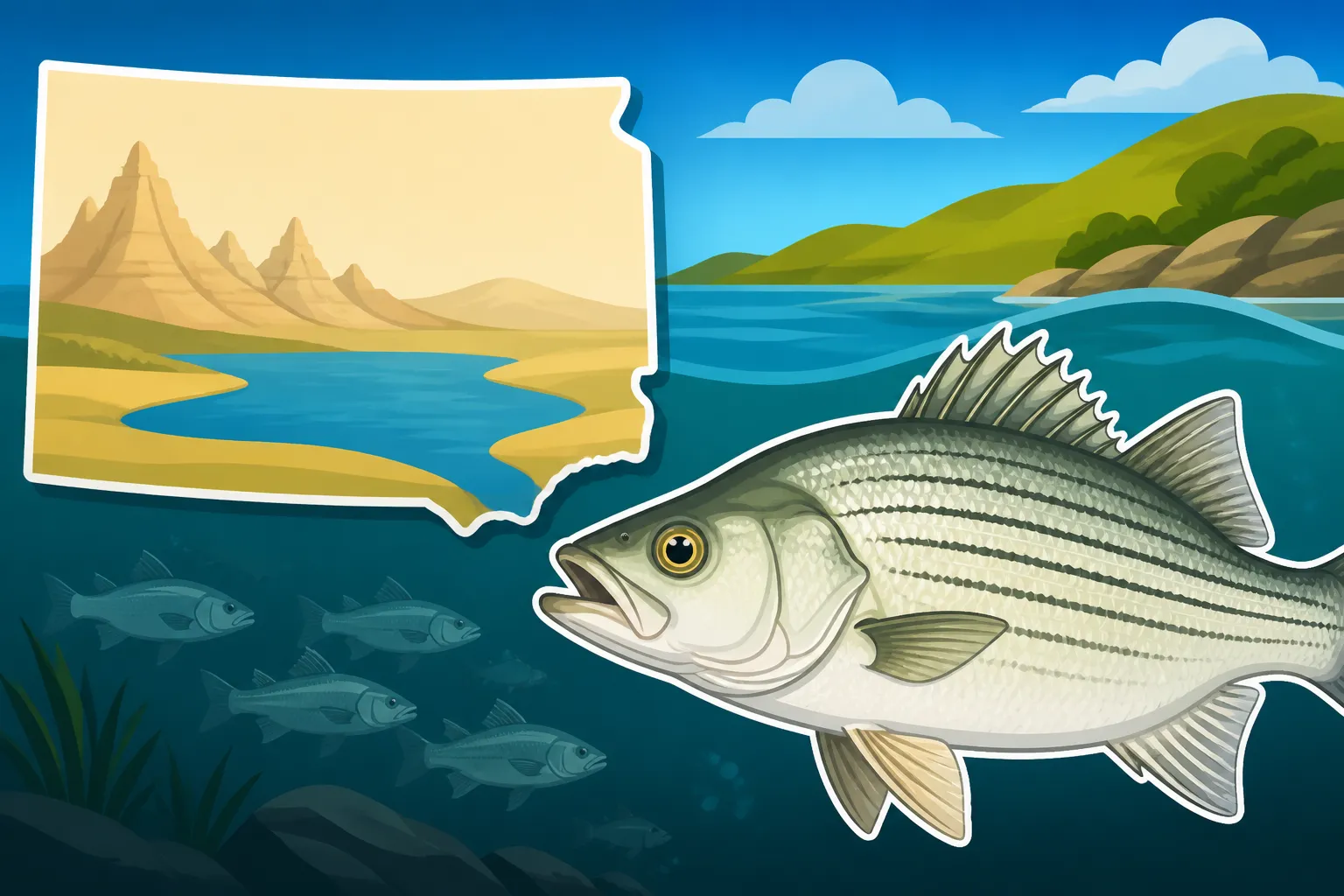
Before we dive into South Dakota's specific situation, let's make sure we're all on the same page about what a Wiper actually is. You see, the term "Wiper" isn't a naturally occurring species. It's actually a hybrid, a crossbreed created by fisheries biologists between a female Striped Bass and a male White Bass. This is why you'll often hear them referred to as "Hybrid Striped Bass."
The Genetics Behind the Wiper
Think of it like this: in the animal kingdom, you sometimes get hybrids like a mule (donkey + horse). The Wiper is nature's, or rather, man's version of that for fish. They take the best traits from both parents. From the Striped Bass, they inherit that incredible fighting power and larger potential size. From the White Bass, they get that hardiness and adaptability to a variety of freshwater environments. This genetic blend makes them incredibly popular with anglers in states where they are stocked, offering a fast-growing, hard-fighting sportfish.
Key Characteristics and Identification
Identifying a Wiper can be a fun challenge, as they often exhibit a blend of characteristics from their parent species. Here's what you typically look for:
- Body Shape: They generally have a more robust, deeper body than a purebred Striped Bass, but are more streamlined than a White Bass.
- Stripes: This is a big one. Both Striped Bass and White Bass have stripes, but Wipers will typically have broken or interrupted stripes along their sides. Sometimes the stripes will be distinct on the front half of the fish and then become very broken or even mottled towards the tail. This is a tell-tale sign!
- Dorsal Fins: Look at their two dorsal fins. On a Wiper, these fins are usually distinctly separate, much like a White Bass. Striped Bass tend to have them closer together, almost appearing connected.
- Mouth: They'll have a fairly large mouth, indicative of their predatory nature.
When you're out on the water, especially if you're not sure what you've caught, carefully observing these features can help you figure out if it's a White Bass, a Striped Bass (less common in pure form in many freshwater areas), or one of these exciting hybrids. A good fish identification guide, perhaps one you picked up from Amazon, can be a real lifesaver here.
Are Wipers Stocked in South Dakota Lakes? The Official Word
Alright, let's get right to the heart of the matter for South Dakota anglers. While Wipers are a fantastic sportfish in many other states, the short answer is no, Wipers (Hybrid Striped Bass) are generally not intentionally stocked by the South Dakota Game, Fish and Parks (GFP) into South Dakota lakes and reservoirs.
South Dakota GFP's Stocking Priorities
The South Dakota GFP has very specific priorities when it comes to fish stocking, and they primarily focus on species that thrive naturally or enhance existing fisheries without introducing potential ecological concerns. Their focus is heavily on beloved native and naturalized species like Walleye, Smallmouth Bass, Northern Pike, and various trout species in the Black Hills. When they do stock, it's typically to bolster populations, introduce species into new suitable habitats, or provide put-and-take opportunities.
There's a lot of science and careful consideration that goes into these decisions. Introducing a hybrid species like the Wiper could potentially compete with existing populations for forage or habitat, or even inadvertently alter the genetic makeup of native White Bass if crossbreeding were to occur, though Wipers are typically sterile. The GFP prioritizes maintaining the health and balance of South Dakota's unique aquatic ecosystems. You can learn more about their management efforts by checking out the South Dakota Fish Stocking Report Basics or South Dakota Fish Species Diet by Season.
What About Other "Hybrid" Fish?
It's important to differentiate Wipers from other fish that might be considered hybrids or have similar appearances. For example, there's a naturally occurring hybrid between Walleye and Sauger, often called a "Saugeye." These do exist in some waters and are sometimes stocked in other states. However, in South Dakota, the focus is largely on the pure strains of Walleye. If you're curious, you can find more information about What a Saugeye Is in another one of our guides.
The key takeaway here is that if you're targeting those hard-fighting Wipers, you'll likely need to plan a trip to a neighboring state that actively stocks them. But don't despair! South Dakota offers incredible fishing for many other powerful species.
Similar Fish Species You Will Find in South Dakota
Even if Wipers aren't on the stocking list, South Dakota's waters are teeming with fantastic fish that offer a comparable thrill and challenge. You'll find plenty of opportunities to catch hard-fighting, schooling fish that can scratch that itch for aggressive bites and powerful runs.
White Bass: The Wiper's Smaller, Abundant Cousin
One of the Wiper's parent species, the White Bass, is incredibly abundant in South Dakota, especially in the Missouri River reservoirs like Lake Sharpe, Lake Francis Case, and Lewis and Clark Lake. These aggressive schooling fish are a blast to catch on light tackle and provide fast action, often in large numbers. While they don't reach the size of a Wiper, a big White Bass puts up a respectable fight, and they are excellent table fare.
- Where to Find Them: Look for them busting baitfish on the surface, especially during the summer mornings and evenings. They love rocky points, submerged humps, and current seams in the main river channels.
- How to Catch Them: Small spoons, jigs, spinnerbaits, and even topwater lures can be incredibly effective. Sometimes, just a simple jig and minnow or a piece of cut bait will do the trick. Many anglers targeting Walleye will happily pick up White Bass as a bonus. You might find a great selection of these lures on Amazon for your next trip.
Striped Bass: A Rare But Possible Encounter
Purebred Striped Bass, the other parent of the Wiper, are not intentionally stocked in South Dakota and generally do not have self-sustaining populations here. However, there can be very rare, isolated instances where a Striped Bass might be found, likely from an accidental introduction or a fish that somehow made its way upriver from states further south that do stock them. These encounters are exceptionally rare and not something an angler would typically target in South Dakota. When you're out fishing, it's far more likely you'll encounter its smaller cousin, the White Bass.
Walleye: The State's Prized Sportfish
While not a hybrid or a true "bass," Walleye are the undisputed kings of South Dakota fishing, especially on the Missouri River system and the glacial lakes. They offer fantastic fighting ability, are notoriously delicious, and grow to impressive sizes. A big Walleye on the end of your line can give you a fight that rivals many species, and the challenge of consistently finding and catching them is what keeps anglers coming back year after year.
- Techniques: How to Fish for Walleye in South Dakota is a comprehensive topic, but popular methods include jigging with minnows or plastics, trolling crankbaits or spinner rigs, and slip bobber fishing.
- Where to Find Them: Walleye prefer cooler, deeper water and relate to structure like humps, drop-offs, points, and current breaks. They're often most active during low light conditions (dawn, dusk, or overcast days). Check out our guides on Lake Oahe Walleye Hotspots Near Mobridge or South Dakota Spring Walleye Fishing Techniques for more localized tips.
Smallmouth Bass: Pound-for-Pound Fighters
Another incredible fighting fish that is abundant in many South Dakota waters, especially the Missouri River reservoirs, is the Smallmouth Bass. Known for their acrobatic jumps and powerful runs, Smallmouth Bass are a favorite among many anglers. They are structure-oriented and often found around rocky areas.
- Habitat: Look for them near riprap, rocky shorelines, submerged rock piles, and points. The clearer waters of certain sections of the Missouri River are prime Smallmouth habitat.
- Tactics: Crankbaits, tube jigs, spinnerbaits, and soft plastics are all highly effective. Smallmouth are aggressive and will often strike with ferocity. Our Lake Francis Case Smallmouth Bass Fishing guide can give you some excellent pointers.
Comparison Table: White Bass vs. Wiper vs. Striped Bass
To help you better distinguish between these similar-looking fish, here's a handy comparison table. Remember, Wipers and pure Striped Bass are not commonly found or targeted in South Dakota, but understanding the differences can prevent misidentification.
| Feature | White Bass | Wiper (Hybrid Striped Bass) | Striped Bass (Purebred) |
|---|---|---|---|
| Parentage | Pure species | Female Striped Bass x Male White Bass | Pure species |
| Body Shape | Deeper, more "perch-like" body | Intermediate; deeper than Striped Bass, more streamlined than White Bass | Long, slender, streamlined |
| Stripes | Usually 1-2 distinct, unbroken stripes below the lateral line; faint above | Often broken or interrupted stripes, especially below the lateral line and towards the tail | Usually 7-8 distinct, unbroken stripes |
| Dorsal Fins | Two distinctly separate dorsal fins | Two distinctly separate dorsal fins | Two dorsal fins, often appearing closer or slightly connected |
| Max Size SD | Typically 1-3 lbs, rarely larger | (Not stocked in SD, but elsewhere 5-20+ lbs) | (Rare in SD, but elsewhere 10-50+ lbs) |
| Abundance SD | Very Abundant | Not intentionally stocked | Extremely rare, not targeted |
Fishing Strategies for Similar Species in South Dakota
Since Wipers aren't readily available, let's talk about how you can still enjoy fantastic fishing for the species that are here and provide a similar thrill. The strategies often overlap with what you'd use for Wipers, making your gear versatile.
Targeting Aggressive White Bass
White Bass are a fantastic species for consistent action and for introducing new anglers to the sport. They're not particularly shy and will readily hit a variety of presentations.
- Run-and-Gun Tactics: One of the most exciting ways to target White Bass is to watch for "bird play" or surface activity. When you see gulls diving and fish breaking the surface, that's often White Bass (or sometimes Walleye) pushing baitfish to the top. Get there fast and cast small spoons, Kastmasters, or topwater poppers right into the frenzy. It can be non-stop action!
- Structure Fishing: When they aren't schooling on the surface, White Bass will hold to structure. Look for them on points, humps, and ledges, especially those with current. Vertical jigging with a 1/4 to 1/2 ounce jig tipped with a plastic grub or a live minnow can be very effective. Try to locate schools using your fish finder. Many anglers swear by a reliable fish finder, and you can find many great options, even portable ones, on Amazon.
Chasing Missouri River Smallmouth Bass
Smallmouth Bass fishing on the Missouri River reservoirs is an experience every angler should try. They are tough, smart, and fight with incredible power.
- Rocky Real Estate: Smallmouth absolutely love rocks. Focus your efforts around riprap shorelines, rocky points, submerged rock piles, and bluff walls. They ambush baitfish in these areas.
- Lure Selection: Tube jigs, Ned rigs, crankbaits that mimic crawfish or shad, and various soft plastics rigged Texas or Carolina style are all excellent choices. Vary your retrieve speed until you find what triggers a bite. For clear water, consider lighter lines and fluorocarbon leaders. Best Baitcasting Reels for Smallmouth Bass can help you gear up properly.
The Ever-Present Walleye Challenge
While distinct from bass, targeting Walleye offers its own unique rewards. They can be finicky, but when you crack the code, the fishing can be phenomenal.
- Depth and Structure: Walleye are often associated with the bottom or just off it, especially near structure like drop-offs, humps, and channel edges. In summer, they might suspend over deeper water. A good South Dakota Fishing Depth Charts by Season can give you an edge.
- Trolling vs. Jigging: Trolling crankbaits or spinner rigs is a highly effective way to cover water and find active fish, especially on large reservoirs like Lake Oahe or Lake Sharpe. For more precise presentations, jigging over specific structure or current seams is often the ticket. South Dakota Trolling Techniques for Walleye and Jigging Techniques for Missouri River Walleye are great resources to hone your skills.
Ultimately, while the exact species known as "Wiper" might not be a regular feature of South Dakota's angling landscape, the state offers an incredible diversity of hard-fighting, delicious fish that will keep your rods bent and your cooler full. Embrace the local species, learn their habits, and you'll find that South Dakota's waters provide a fishing experience that's hard to beat!
Disclaimer
This article is for general informational purposes only and does not constitute professional advice. Laws, prices and regulations vary by location and change over time. Consult a qualified professional for guidance on your specific situation.