Does South Dakota Have Saltwater Fish Species?
It's a fair question, especially for anglers from coastal regions: can you find saltwater fish species in South Dakota? Many dream of hooking a red drum or striped bass, but our landlocked geography means South Dakota's waters are a completely different world. This guide will dive into why our beautiful state is exclusively a freshwater fishing paradise, exploring the unique aquatic environments and incredible diversity of fish that thrive within them.
The Straightforward Answer: No Saltwater Fish in South Dakota
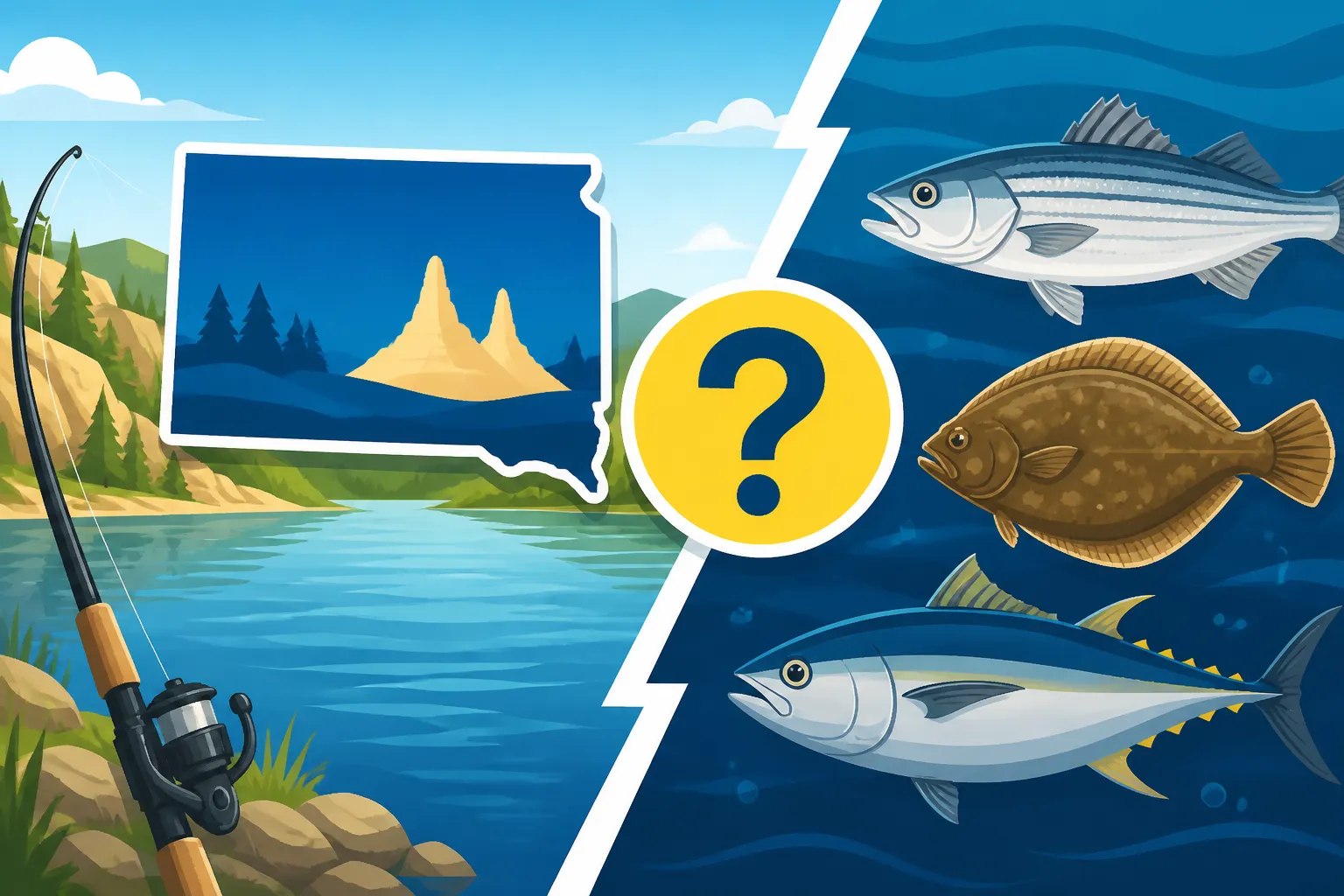
Let's get straight to it: no, South Dakota does not have native saltwater fish species. It's a landlocked state, meaning it has no direct access to an ocean or sea. This fundamental geographical fact dictates the type of aquatic ecosystems found within our borders, and by extension, the species of fish that can naturally inhabit them. While the dream of casting for oceanic giants might be intriguing, the reality is a rich and diverse freshwater experience that more than makes up for it.
South Dakota's Landlocked Reality
Imagine looking at a map of North America. South Dakota sits right in the heart of the continent, far removed from the Atlantic, Pacific, or Gulf coasts. Our state's waterways, from the mighty Missouri River to the serene glacial lakes and the crisp Black Hills streams, are all part of vast freshwater systems. These systems are fed by rain, snowmelt, and groundwater, eventually flowing towards larger rivers that eventually reach the ocean, but the water within South Dakota itself never becomes saline. This lack of connection to marine environments means that the conditions necessary for saltwater fish to survive and thrive simply aren't present here.
Think about the sheer logistics involved for a saltwater fish to reach South Dakota. It would have to swim thousands of miles upstream, navigating through freshwater rivers and lakes, gradually adapting to an environment with drastically different salinity levels. This physiological adaptation is incredibly challenging, if not impossible, for most true saltwater species. While some fish, known as anadromous or catadromous species, can migrate between salt and fresh water (like salmon or eels), these are exceptions, and they don't typically include the common "saltwater game fish" that many coastal anglers envision. Even our South Dakota Chinook Salmon Regulations are for a species that was introduced and thrives in our large freshwater reservoirs.
Defining Saltwater vs. Freshwater Environments
The distinction between saltwater and freshwater is more than just a matter of taste; it's a fundamental difference in chemical composition that defines entire ecosystems. Salinity, the concentration of dissolved salts in water, is the key factor. Oceans, by definition, are highly saline. Freshwater environments, like South Dakota's lakes and rivers, have very low salinity.
Here's a quick breakdown of the core differences:
| Feature | Freshwater Environment | Saltwater Environment |
|---|---|---|
| Salinity | Very low (typically less than 0.05% or 0.5 parts per thousand) | High (typically around 3.5% or 35 parts per thousand) |
| Location | Inland lakes, rivers, streams, ponds | Oceans, seas, some brackish estuaries |
| Fish Adaptations | Adapted to absorb salt and excrete excess water through kidneys | Adapted to excrete excess salt and retain water |
| Biodiversity | Wide range of fish, insects, amphibians, plants | Even wider range of fish, corals, marine mammals, etc. |
| Water Source | Rain, snowmelt, groundwater | Global ocean currents, evaporation, rainfall |
This table clearly illustrates why a species adapted to high salinity cannot simply survive in a freshwater lake, and vice-versa. Their bodily functions, from osmoregulation (balancing water and salt levels) to gill structure, are finely tuned to one specific environment. Trying to introduce true saltwater fish into South Dakota's waters would be like trying to grow palm trees in the arctic — it just won't work long-term. This foundational difference is why you'll never reel in a flounder or a mahi-mahi from Lake Oahe, but you'll certainly find a bounty of freshwater species perfectly suited to our waters.
Understanding South Dakota's Aquatic Landscape: Freshwater Abounds
While the absence of saltwater might initially disappoint some, it paves the way for a spectacularly diverse and productive freshwater fishing scene. South Dakota is blessed with an incredible variety of freshwater habitats, each supporting its own unique ecosystem and offering distinct angling opportunities. From vast reservoirs to winding rivers and serene mountain streams, our state truly is a freshwater angler's paradise.
The Mighty Missouri River and Its Reservoirs
The Missouri River is the lifeblood of South Dakota, carving its way through the state and forming four massive reservoirs: Lake Oahe, Lake Sharpe, Lake Francis Case, and Lewis and Clark Lake. These "Great Lakes of South Dakota" are colossal bodies of water, offering immense fishing potential. They are home to world-class walleye fishing, robust populations of smallmouth bass, northern pike, and a thriving catfish fishery. The sheer size and depth of these reservoirs create diverse habitats, from shallow bays and points to deep main channel troughs, mimicking the scale of some coastal fishing grounds.
Anglers often spend days, even weeks, exploring the different sections of these reservoirs. Lake Oahe Fishing Guide or Lake Sharpe Fishing Guide will tell you these waters can stretch for hundreds of miles, providing endless opportunities for trolling, jigging, and casting. The current in the main river channel provides constant oxygenation and moves baitfish, which in turn attracts game fish. Even the tailwaters below the dams offer unique fishing experiences, drawing fish that congregate in the turbulent, oxygen-rich waters. The vastness here means you can find quiet solitude or join the bustling crowds chasing hot bites, all without a hint of ocean salt.
The Glacial Lakes and Eastern Waters
Venturing east, South Dakota transforms into a landscape dotted with countless natural glacial lakes, remnants of ancient ice sheets. These lakes, like Lake Thompson, Lake Kampeska, and Lake Poinsett, are typically shallower than the Missouri River reservoirs but incredibly fertile. They are renowned for their outstanding panfish populations, including jumbo yellow perch and crappie, as well as excellent walleye and northern pike fishing. The fertile basins of these lakes, rich in aquatic vegetation, provide ideal habitat and forage for a variety of species.
These eastern waters are often characterized by diverse shorelines, submerged weed beds, and structure that provides cover for fish. They offer fantastic opportunities for both boat and shore anglers, and during the winter, they become prime destinations for ice fishing, transforming into bustling communities of shanties. The accessibility and varied species in these lakes make them perfect for family outings or a casual afternoon of fishing, providing a stark contrast to the vastness of the Missouri River system. If you're looking to explore more, check out our South Dakota Glacial Lakes Fishing Guide.
The Unique Streams of the Black Hills
Finally, in the western part of the state, the rugged beauty of the Black Hills offers a completely different freshwater experience: cold-water trout fishing. Crystal-clear streams like Rapid Creek, Spearfish Creek, and Castle Creek tumble through scenic canyons and dense forests, harboring thriving populations of brown, rainbow, and brook trout. These environments are a stark contrast to the large reservoirs and lakes, requiring different techniques and a deep appreciation for the natural surroundings.
Fly fishing is particularly popular in the Black Hills, where anglers can stalk wary trout in pristine settings. The cold, oxygen-rich water and abundant insect life create an ideal environment for these beautiful fish. It’s a completely different rhythm of fishing, one that emphasizes stealth, presentation, and an intimate connection with nature. For those who love the challenge and tranquility of stream fishing, the Black Hills provide an unparalleled freshwater experience, further showcasing the incredible range of aquatic habitats South Dakota has to offer. Dive deeper with our Black Hills Trout Stream Fishing Guide.
The Rich Tapestry of South Dakota's Freshwater Fish Species
Okay, so no saltwater species. But let me tell you, what South Dakota does have in terms of freshwater fish is absolutely phenomenal! We're talking about a lineup of highly sought-after game fish, delicious panfish, and challenging species that keep anglers coming back year after year. Forget the ocean, because our lakes, rivers, and streams offer plenty of thrilling action.
Dominant Game Fish: Walleye, Pike, and Bass
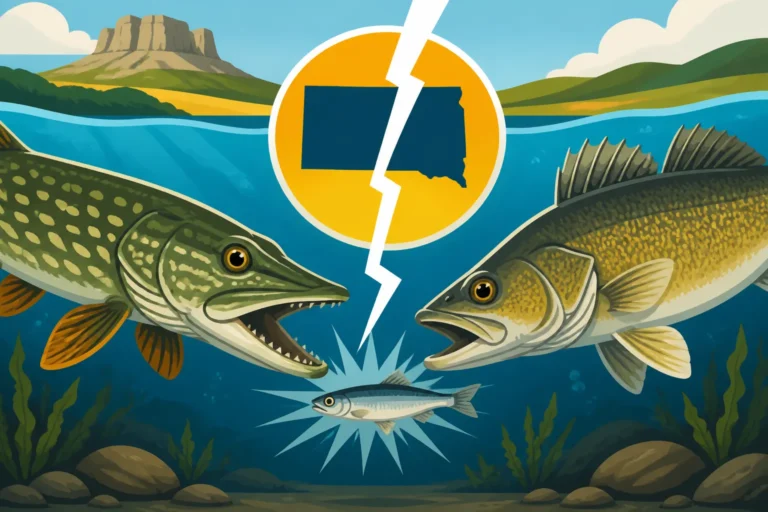
When you talk about fishing in South Dakota, the conversation almost always starts with Walleye. This is our state's signature fish, revered for its delicious fillets and challenging fight. Our Missouri River reservoirs, especially Lake Oahe and Lake Sharpe, are famous nationwide for their incredible walleye populations and the potential for truly trophy-sized catches. Anglers spend countless hours trolling crankbaits, jigging plastics, or drifting live bait in pursuit of these golden-finned beauties. It's not just the Missouri River; many of our eastern glacial lakes also boast fantastic walleye fishing. If you want to get serious, our South Dakota Walleye Fishing Guide is a must-read.
Then there's the fierce Northern Pike. These aggressive predators lurk in the weed beds and shallower bays of many lakes and reservoirs, offering explosive strikes and powerful runs. You'll find pike throughout the Missouri River system and in numerous eastern glacial lakes. They're a blast to catch, whether you're casting large spoons or spinnerbaits or even targeting them through the ice. A lot of anglers cherish their pike fillets, and some of the monsters pulled from our waters can certainly give you a workout! Check out our South Dakota Northern Pike Fishing Guide for more insights.
And let's not forget about Smallmouth Bass. These feisty fighters love rocky shorelines, riprap, and submerged structure, particularly in the Missouri River reservoirs like Lake Francis Case and Lake Sharpe. They hit hard and fight dirty, often jumping and making powerful dives. Anglers often target them with crankbaits, jigs, or soft plastics, and they provide incredible sport, especially during the warmer months. If you're a fan of hard-hitting action, our South Dakota Smallmouth Bass Fishing Guide will point you in the right direction. We also have respectable populations of Largemouth Bass, particularly in shallower, weedier waters, offering a different kind of bass fishing experience.
Diverse Panfish and Catfish Populations
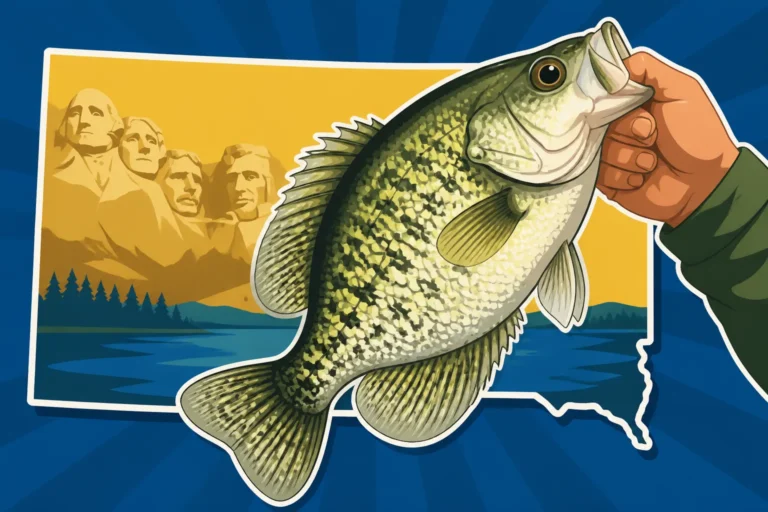
Beyond the big three, South Dakota offers a fantastic array of other species that provide consistent action and make for excellent table fare. Yellow Perch are a favorite, especially in our glacial lakes where "jumbo" perch are a common target, particularly for ice anglers. They're a blast to catch on small jigs and minnows, and there's nothing quite like a fresh perch fry. Similarly, Crappie (both black and white) are abundant in many of our waters, congregating around submerged timber, brush piles, and bridge pilings. They're popular for their cooperative nature and delicate white meat.
For those who enjoy a strong pull and a good fight, Catfish are prevalent throughout the Missouri River and its tributaries. Channel catfish are the most common, growing to impressive sizes, while flathead catfish offer a real challenge for trophy hunters. They're often targeted with cut bait, stink baits, or live bait, especially during the evening hours. Nothing beats the thrill of a big catfish trying to peel line off your reel. For tips on where and how to catch them, check out our South Dakota Catfish Fishing Guide. Even species like Bluegill and other sunfish provide endless fun, especially for new anglers or families fishing from shore. The accessibility of these panfish species means that even a simple setup bought from a local shop or online on Amazon can yield a productive day.
Specialty Species: Trout and Salmon in Freshwater
While you might associate salmon and trout with cold ocean waters, South Dakota has fantastic freshwater populations of both! As mentioned earlier, the Black Hills streams are a haven for Trout, including Rainbow, Brown, and Brook Trout. These cold-water species thrive in the pristine, oxygenated waters of the mountains, providing a classic trout fishing experience for fly anglers and spin fishermen alike. The South Dakota Trout Fishing Guide offers a comprehensive look at these unique fisheries. It's a testament to the diverse ecosystems within our landlocked state.
What often surprises visitors is our Chinook Salmon population. Yes, salmon in landlocked South Dakota! These magnificent fish were introduced to Lake Oahe and have thrived, providing a unique big-game fishing opportunity. They are stocked regularly and grow to impressive sizes, offering powerful fights reminiscent of their ocean-going cousins. Targeting Chinook requires specialized trolling techniques, often with downriggers and specific lures or flasher-and-fly combinations. Seeing a large Chinook leap from the water on Lake Oahe is an unforgettable experience, far from any ocean current.
Exploring South Dakota's Diverse Fisheries: Beyond the Ocean
So, while the dream of saltwater fishing might need to be put on hold, South Dakota's freshwater offerings provide an exhilarating, rewarding, and deeply satisfying angling experience. There's no need to feel like you're missing out; instead, it's an opportunity to discover an entirely new world of fishing.
Embracing the Challenge of Freshwater Angling
Many anglers initially drawn to the idea of saltwater fishing are captivated by the pursuit of large, powerful fish and the diversity of species. The good news is, you can find all of that, and more, in South Dakota's freshwater. Our walleye, northern pike, and especially our landlocked Chinook salmon offer battles that can rival any coastal fish. The sheer size of Lake Oahe, for instance, can feel like an inland sea, presenting navigational challenges and requiring similar strategic thinking to locate fish as you might employ on the ocean.
Learning the nuances of freshwater fishing in different environments — whether it's trolling deep water for walleye, sight-fishing for trout in a clear mountain stream, or jigging for perch through the ice — offers a lifetime of learning and enjoyment. Each lake and river presents its own unique puzzles to solve, based on current, depth, structure, and baitfish patterns. Plus, the convenience of not needing specialized saltwater-resistant gear, beyond good quality freshwater tackle (readily available on Amazon or at local sporting goods stores), makes it an accessible sport for many. Familiarizing yourself with the South Dakota Fishing Regulations Explained will ensure you're always fishing within the rules, no matter the species you're targeting.
Planning Your South Dakota Fishing Adventure
Planning a trip to South Dakota for fishing means deciding which incredible freshwater experience you want to immerse yourself in. Do you want to chase trophy walleye on the sprawling Missouri River reservoirs? Maybe the idea of catching jumbo perch through the ice on a glacial lake in eastern South Dakota appeals to you. Or perhaps the serene beauty of the Black Hills and the challenge of fly fishing for trout is more your style.
| Fishing Destination Type | Primary Species | Key Experience | Best Time of Year |
|---|---|---|---|
| Missouri River Reservoirs | Walleye, Smallmouth Bass, Catfish, Northern Pike, Chinook Salmon | Big water, boat fishing, trolling, jigging | Spring, Summer, Fall |
| Eastern Glacial Lakes | Walleye, Northern Pike, Perch, Crappie, Bluegill | Lake fishing, ice fishing, panfish action | Year-round, especially Winter for ice fishing |
| Black Hills Streams | Rainbow, Brown, Brook Trout | Stream fishing, fly fishing, scenic beauty | Spring, Summer, Fall |
No matter what you choose, South Dakota offers abundant public access points, boat ramps, and guiding services to help you make the most of your trip. You can find detailed information on specific lakes and rivers in guides like Best Fishing Spots in South Dakota to help narrow down your choices. You’ll find that while we may lack the ocean, we more than make up for it with a freshwater fishery that is truly world-class. Grab your gear, perhaps a new tackle box from Amazon to organize your freshwater lures, and get ready to experience some of the best fishing the heartland has to offer!
Disclaimer
This article is for general informational purposes only and does not constitute professional advice. Laws, prices and regulations vary by location and change over time. Consult a qualified professional for guidance on your specific situation.