South Dakota State Record Crappie Weight
For many anglers, there’s nothing quite like the thrill of reeling in a crappie, those feisty panfish that put up a surprisingly good fight and taste even better. But every now and then, a crappie comes along that isn't just "good" – it's a true behemoth, etching its name into the state's record books. If you've ever wondered about the monumental achievement of landing such a fish, especially the South Dakota State Record Crappie Weight, you're in the right place. This guide dives deep into that impressive feat and helps you understand what it takes to chase such a dream, even if your goal is just a great day on the water.
The Thrill of the Chase: Understanding South Dakota's Crappie Records
Catching a truly massive crappie is a blend of skill, patience, and a little bit of pure, unadulterated luck. It's the kind of story that gets told around campfires for years, whether it's a personal best or a fish that makes history. South Dakota has fantastic crappie fisheries, known for producing healthy, plump panfish, but for one to stand out as the state record, it has to be truly exceptional.
What Makes a Crappie a Record-Breaker?
A record-breaking crappie isn't just big; it's monumentally big. We're talking about a fish that defies the typical expectations for its species, a true genetic outlier that has thrived under ideal conditions. For a fish to be considered for a state record, it generally needs to meet stringent criteria set by the South Dakota Game, Fish and Parks (GFP). This includes things like being caught legally, weighed on a certified scale, and identified by a qualified biologist.
The weight is, of course, the primary factor. Length and girth are often recorded too, as they provide a fuller picture of the fish's size, but the official record is almost always set by weight. Imagine the adrenaline rush of seeing such a fish, knowing immediately that it's different. It's not just about the size in the net, but the meticulous process that follows to ensure its legitimacy. Every ounce counts, and the condition of the fish, often requiring it to be presented fresh, is critical for an accurate measurement. Anglers must be prepared to follow these steps precisely if they believe they've caught something truly special.
The Current South Dakota State Record Crappie Weight Revealed
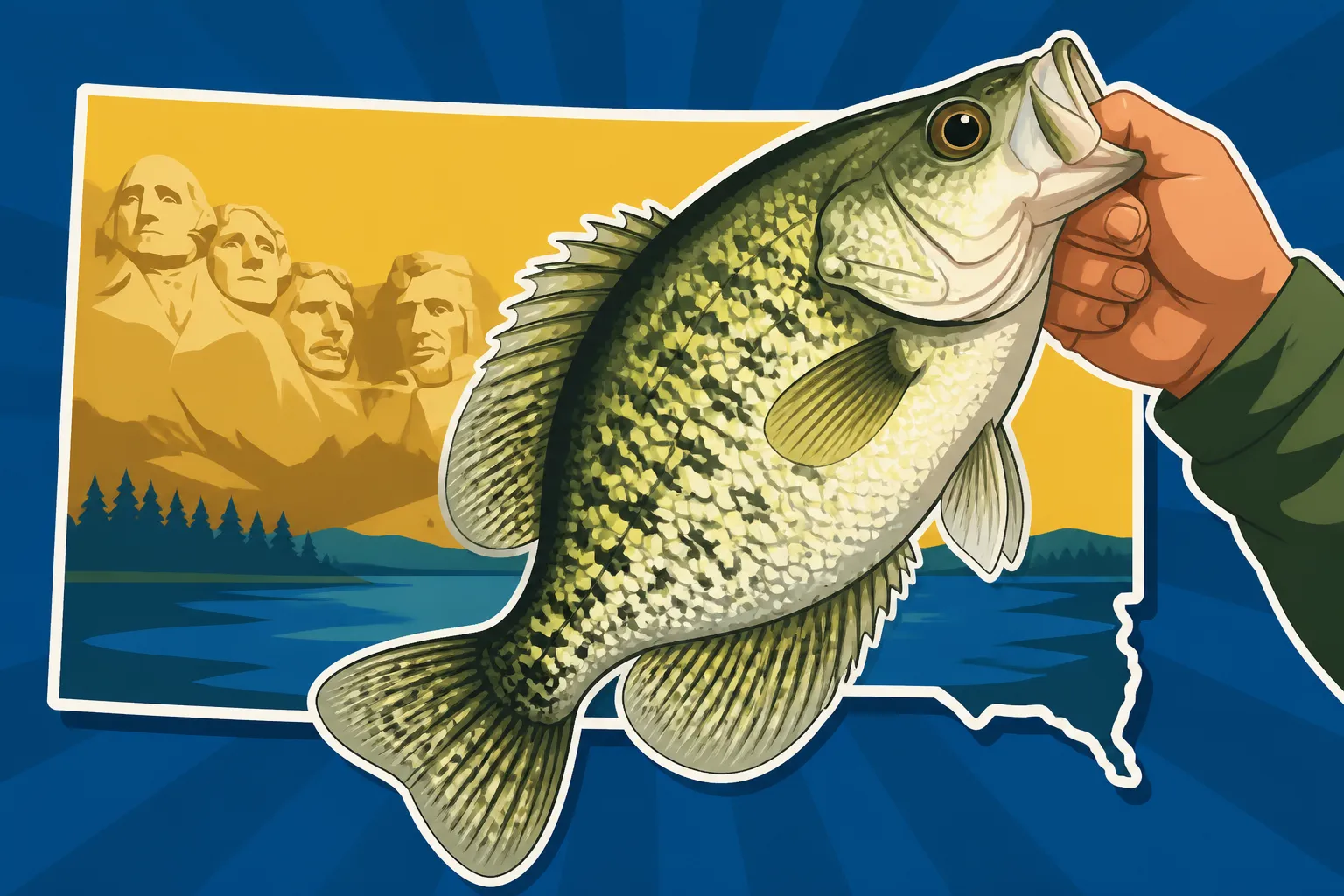
Now for the moment you’ve been waiting for! The South Dakota State Record Crappie Weight stands at an incredible 3 pounds, 10 ounces. This magnificent fish was a black crappie, caught way back in 1960 from a small farm pond in Minnehaha County by an angler named William R. Whittington. Think about that for a second – 1960! This record has stood the test of time for decades, which really speaks to the rarity and exceptional nature of that catch. It's a testament to the potential for truly enormous panfish in South Dakota's diverse waters, even in seemingly unassuming locations like a farm pond.
Catching a crappie of that size is genuinely a once-in-a-lifetime event for most anglers. While South Dakota's Missouri River reservoirs and glacial lakes are renowned for their crappie fishing, this record reminds us that big fish can come from unexpected places. It shows that even smaller, private waters can hold hidden giants, highlighting the importance of every body of water, no matter its size, in supporting healthy fish populations. The fact that this record has remained unbroken for so long only adds to its legendary status among local anglers, inspiring many to continue their quest for the next big one.
Beyond the Record: What Makes South Dakota Crappie Fishing Special?
While that 3-pound, 10-ounce crappie is a formidable benchmark, it doesn't diminish the incredible crappie fishing opportunities found throughout South Dakota. The state offers diverse environments, from sprawling reservoirs to tranquil glacial lakes, each providing unique challenges and rewards for crappie enthusiasts. Understanding these unique factors is key to consistently finding good crappie, whether you're hoping for a personal best or just a fantastic meal.
Prime Crappie Habitats Across the State
South Dakota is blessed with a variety of waters that are absolutely perfect for crappie. On the mighty Missouri River, the large reservoirs like Lake Sharpe, Lake Francis Case, and Lewis and Clark Lake are famous for their crappie populations. These expansive waters offer a huge amount of structure, including submerged timber, old river channels, riprap shorelines, and brush piles, all of which are crappie magnets. You can often find schools suspended over deeper water near these features, especially during certain times of the year. For instance, areas around Joe Creek on Lake Sharpe Crappie Fishing at Joe Creek are known hotspots.
Beyond the Missouri, the glacial lakes in eastern South Dakota, like Lake Kampeska, Lake Poinsett, and Bitter Lake, also hold fantastic crappie. These lakes often have clearer water and plenty of submerged vegetation, providing excellent cover and feeding grounds. Crappie in these lakes tend to hug weed lines, drop-offs, and docks. The abundance of food sources, like minnows and insects, in these environments directly contributes to the robust growth of crappie, giving them ample nutrition to reach impressive sizes. Whether you prefer fishing from a boat, off a dock, or through the ice, South Dakota offers a crappie habitat that caters to every angler's preference.
Factors Influencing Crappie Growth and Size
Several environmental and biological factors play a huge role in how big crappie can get in a given body of water. The availability of food, for example, is paramount. Crappie are voracious eaters, primarily feeding on smaller baitfish like minnows, shad, and various insects and their larvae. Lakes and reservoirs with a healthy population of these forage species tend to produce larger, healthier crappie. When there's a buffet readily available, crappie grow faster and can pack on more weight.
Water quality and habitat are also critical. Crappie thrive in waters with good oxygen levels, stable temperatures, and plenty of cover to hide from predators and ambush prey. Submerged trees, brush piles, rock formations, and even man-made structures like old tires or Christmas tree bundles provide essential habitat. Management efforts by the South Dakota GFP also contribute significantly. Through stocking programs, habitat improvement projects, and carefully regulated Crappie and Panfish Possession Limits, they work to ensure balanced ecosystems where crappie can flourish. Reduced fishing pressure in certain areas or specific length limits can also allow crappie to mature and reach larger sizes, increasing the chances of anglers encountering a true lunker.
Chasing Your Own Crappie Dreams: Tips for Anglers
While the state record might seem like a distant dream, every day on the water offers the chance to catch your personal best crappie, or at least a stringer full of delicious panfish. Success often boils down to having the right gear, employing effective techniques, and understanding the nuances of crappie behavior. Don't be intimidated by the big numbers; focus on enjoying the process and learning as you go.
Essential Gear for Targeting Big Crappie
When you're serious about crappie fishing, especially when trying to find those bigger slabs, having the right gear makes a huge difference. You don't necessarily need the most expensive equipment, but sensitive and appropriate tackle can greatly enhance your success.
- Rods and Reels: A light to ultralight spinning rod, typically 6 to 7 feet long, paired with a small, smooth spinning reel (like a 500 or 1000 series) is ideal. This setup allows for precise casting of light lures and provides excellent sensitivity to detect those subtle crappie bites. Many anglers find great value in brands readily available through retailers like Amazon, offering a balance of quality and affordability.
- Line: Opt for light monofilament (4-6 lb test) or fluorocarbon line for its low visibility and strength. Some anglers prefer braided line (6-10 lb test) for its incredible sensitivity, often using a fluorocarbon leader for stealth.
- Tackle: Crappie love small offerings. Jigs in the 1/32 to 1/8 ounce range, often tipped with small plastic bodies (grubs, tubes, or small swimbaits), are deadly. Live minnows, fished under a bobber or on a small jig head, are perennial favorites, especially for larger crappie. Keep a variety of colors and sizes in your tackle box – it's like having a Best Tackle Box Setup for South Dakota Anglers tailored specifically for crappie.
- Electronics: A good fish finder can be invaluable, especially for locating submerged structure or schools of crappie suspended in open water. Ice anglers often rely on flashers or specialized ice fishing sonars to pinpoint fish beneath the ice. Even a basic model found on Amazon can give you a significant advantage.
No matter your budget, ensuring your gear is in good working order and matched to the task will make your crappie pursuit far more enjoyable and productive.
Effective Techniques for Landing Crappie
Crappie fishing isn't a one-size-fits-all endeavor. The best techniques often depend on the season, water body, and specific conditions. However, a few methods consistently produce results:
- Jigging: This is perhaps the most popular and versatile method. Whether you're vertical jigging over brush piles, casting and retrieving jigs along weed lines, or ice fishing, a jigging presentation is highly effective. Vary your retrieve speed and depth until you find what the crappie want. Often, a slow, subtle twitch is all it takes.
- Slip Bobber Fishing: This technique is fantastic for presenting live minnows or small jigs at a precise depth. A slip bobber allows you to cast a long distance and then have your bait drop to a predetermined depth, making it perfect for targeting crappie suspended at specific levels, or fishing around docks and timber. It's especially useful for Crappie Fishing Techniques for Suspended Fish.
- Trolling: On larger reservoirs, slow trolling with small crankbaits or spinner rigs can be very productive, especially during the warmer months when crappie are scattered. This allows you to cover a lot of water and locate active schools.
- Seasonal Adjustments: Crappie behavior changes dramatically with the seasons. In spring, they move into shallow, warmer waters for spawning, making them accessible to shore anglers. How to Catch Crappie in Spring often involves targeting these shallower areas near cover. In summer, they retreat to deeper, cooler water or suspended over open water structure. Fall sees them feeding aggressively, often in predictable patterns, while winter requires ice fishing techniques to find them schooled up in deeper basins. Being adaptable is key to consistent success.
Recording and Reporting Potential Trophy Crappie
If you're lucky enough to land a crappie that you suspect could be a state record, or even just a contender for a "trophy fish" award, proper documentation is absolutely vital. The South Dakota GFP has clear guidelines for recognizing exceptional catches, and following them precisely ensures your fish gets the recognition it deserves.
First and foremost, measure the fish accurately. Use a measuring board if possible, or a flexible tape laid flat against the fish. Take clear, well-lit photographs from multiple angles, ideally with a recognizable object (like a ruler or a specific lure) next to the fish to provide scale. Note the date, time, and specific location where the fish was caught. Crucially, if you believe it's a state record, you must get the fish weighed on a certified scale, like those found at grocery stores, bait shops, or post offices. Contacting a GFP official as soon as possible is also highly recommended; they can guide you through the verification process and confirm the species identification. These steps are essential for anyone participating in the South Dakota Trophy Fish Award Program or aiming for a state record.
The Crappie Legacy: Conservation and Future Prospects
The enduring presence of healthy crappie populations and the long-standing state record are not accidents. They are the result of conscious conservation efforts and an understanding of the delicate balance required to maintain thriving fisheries. Looking to the future, these efforts remain crucial for ensuring that the thrill of crappie fishing continues for generations to come.
Role of Conservation in Supporting Healthy Crappie Populations
The South Dakota Game, Fish and Parks plays a vital role in managing and enhancing the state's crappie fisheries. Their work encompasses several key areas, all designed to ensure sustainable populations. This includes implementing appropriate Crappie and Panfish Possession Limits and other regulations that prevent overharvesting, especially during critical spawning periods. These limits are not arbitrary; they are based on scientific data and population assessments to ensure that enough fish remain to reproduce and grow.
Beyond regulations, habitat improvement projects are consistently undertaken. This might involve sinking artificial brush piles to create new crappie habitat, restoring natural shoreline vegetation, or managing water levels in certain reservoirs to benefit fish spawning. Stocking programs, while less common for naturally reproducing crappie populations, might be used in specific instances to introduce crappie into new waters or boost populations in areas that have experienced declines. Additionally, ongoing research and monitoring by biologists help to understand crappie growth rates, health, and population dynamics, allowing for adaptive management strategies. These proactive measures are the backbone of South Dakota's excellent crappie fishing.
Looking Ahead: The Next State Record Crappie
The 3-pound, 10-ounce black crappie caught in Minnehaha County holds an impressive place in South Dakota fishing history. For over six decades, it has stood as a monumental achievement, a testament to the incredible potential of South Dakota's waters. However, the pursuit of the next record is a continuous saga. Every year, anglers head out with hopes of landing that once-in-a-lifetime fish.
While breaking a record that has stood for so long is certainly a formidable challenge, it's not impossible. Factors like evolving management practices, potential environmental shifts, and even simply the sheer number of dedicated anglers out on the water mean that the possibility always exists. The true joy of crappie fishing, however, isn't solely in the pursuit of a record. It's in the peaceful moments on the water, the excitement of a tug on the line, the camaraderie with fellow anglers, and the simple satisfaction of bringing home a delicious meal. The state record serves as an inspiring benchmark, but the real legacy is the rich crappie fishing experience that South Dakota consistently provides, encouraging everyone to cast a line and make their own memories.
| Crappie Species Comparison | Black Crappie | White Crappie |
|---|---|---|
| Common Markings | Irregular, scattered spots | Vertical bars or stripes |
| Dorsal Fin Spines | 7-8 spines | 5-6 spines |
| Mouth Size | Smaller, more upward angled | Larger, more horizontal |
| Body Shape | Deeper, more disc-shaped | More elongated |
| Habitat Preference | Clearer water, more vegetation, structure | Murkier water, less vegetation, open water |
| Growth Potential | Can grow large, often preferred for trophy size | Also grow large, slightly more common in some regions |
Disclaimer:
This article is for general informational purposes only and does not constitute professional advice. Laws, prices and regulations vary by location and change over time. Consult a qualified professional for guidance on your specific situation.