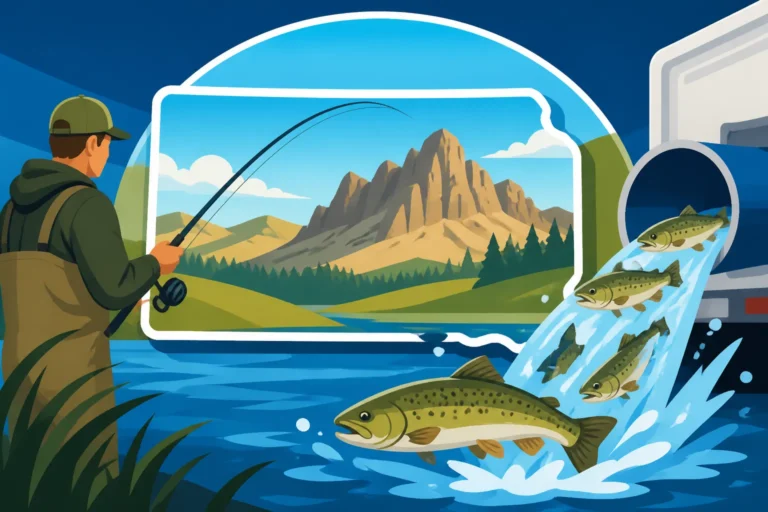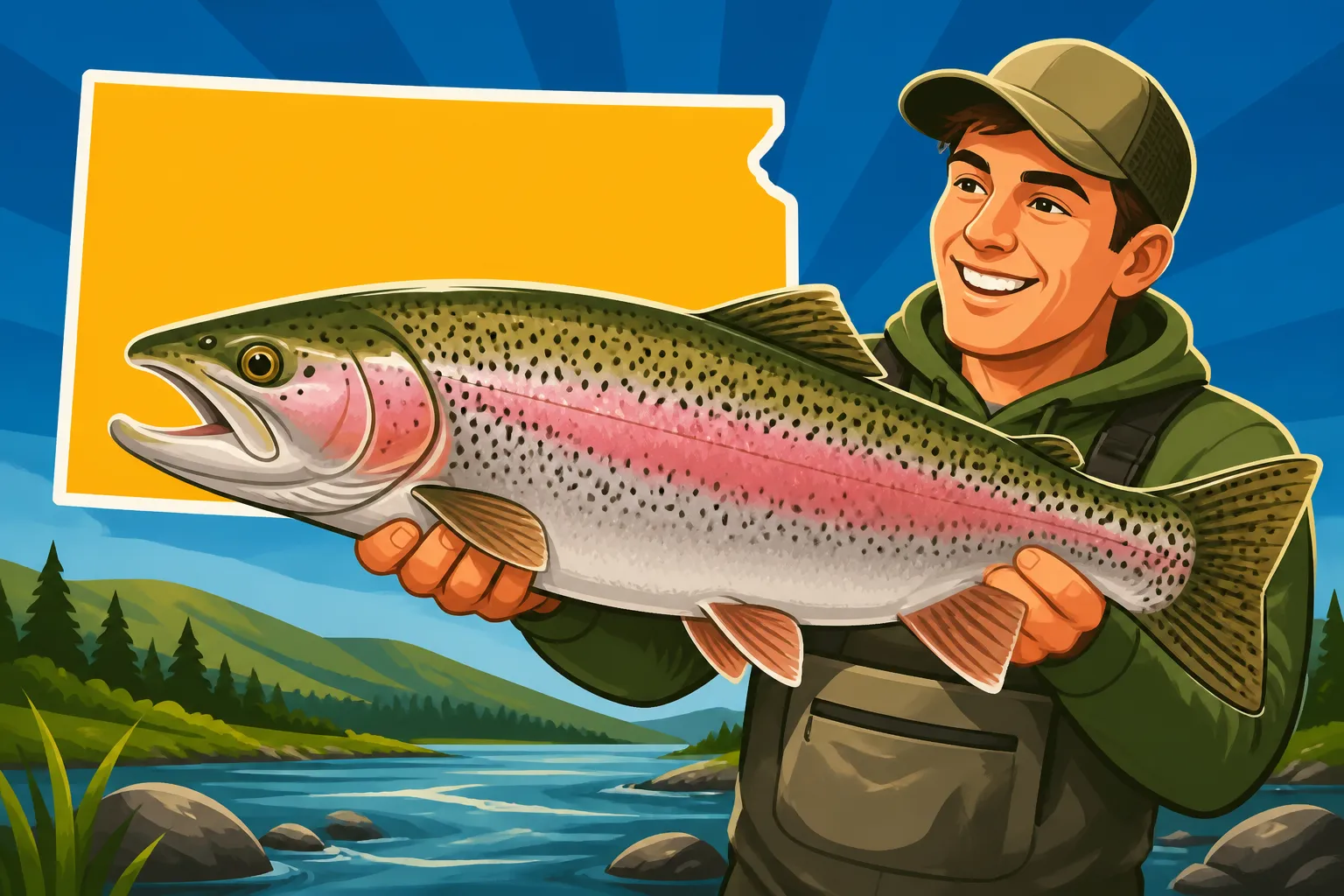
South Dakota State Record Rainbow Trout Weight
There's a special kind of thrill that comes with the dream of catching a true lunker, the kind of fish that makes your heart pound and your arms ache. For many South Dakota anglers, especially those drawn to the clear, cold waters of the Black Hills, that dream often centers around a magnificent rainbow trout. Chasing after a state record isn't just about the fish; it's about the adventure, the patience, and the sheer dedication. This guide will dive deep into the legendary South Dakota state record rainbow trout, exploring what it takes to land such an impressive fish and where anglers might find themselves with a shot at glory.
The Coveted South Dakota State Record Rainbow Trout
Every state has its legends, and in South Dakota, the rainbow trout record is a testament to the quality of our waters and the persistence of our anglers. The current South Dakota state record for a rainbow trout stands at a remarkable 13 pounds, 8 ounces. This incredible fish was caught way back in 1999 by a dedicated angler named Mark Nesbitt, pulling it from the depths of Pactola Reservoir. Imagine the excitement of that moment, the fight, and the realization that you've just landed a piece of state history! It’s a weight that continues to inspire countless trout enthusiasts to try their luck in our state's beautiful fisheries.
Understanding the Significance of a Record Weight
Thirteen and a half pounds might not sound like much if you're comparing it to, say, a huge catfish from the Missouri River, but for a rainbow trout, that's an absolute monster. Rainbow trout are known for their vibrant colors and acrobatic fights, but typically, most anglers consider a 2-3 pound fish a nice catch, and anything over 5 pounds a trophy. A fish exceeding 10 pounds is truly exceptional, requiring years of ideal growing conditions and a bit of luck to even exist, let alone be caught.
The significance of Mark Nesbitt's catch goes beyond just the number on the scale. It speaks to the health and potential of Pactola Reservoir Fishing Guide as a premier trout fishery. It demonstrates that with the right environment, genetics, and forage, rainbow trout can grow to astounding sizes in our state. This record isn't just about a single fish; it's a beacon, telling every angler that those dream fish are out there, swimming in our waters, waiting for the right presentation. It fuels the passion and the endless pursuit, reminding us that every cast could be the one that connects us to our own personal best, or perhaps even a state record.
Why Rainbow Trout Grow So Large
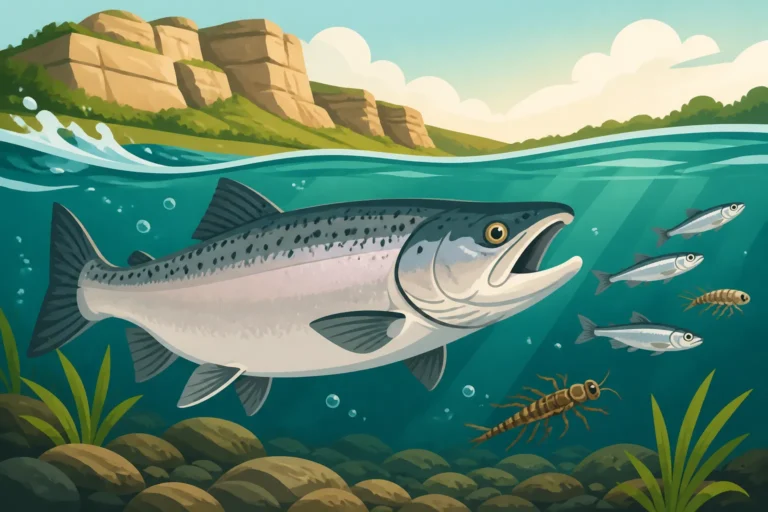
For a rainbow trout to reach such an epic size, several factors have to align perfectly. First and foremost is the abundance of high-quality food. In a reservoir like Pactola, which is relatively deep and stable, there's often a rich ecosystem of smaller baitfish and invertebrates that provide a consistent food source. Second, trout need plenty of cold, oxygenated water. The Black Hills are famous for their pristine, cold-water streams and reservoirs, which offer ideal conditions for trout to thrive without the stress of warmer temperatures.
Finally, age plays a crucial role. A 13-pound rainbow trout isn't a young fish; it's likely several years old, possibly nearing the end of its natural lifespan. This means it has successfully avoided predators, disease, and anglers for an extended period, which is no small feat. Reservoirs with good conservation practices and lower fishing pressure on larger fish also contribute to the possibility of these giants developing. It’s a delicate balance of nature and management that allows such incredible specimens to flourish, offering a tantalizing possibility for those who dedicate their time to understanding these complex aquatic environments.
Where Record-Sized Rainbow Trout Hide in South Dakota
While Mark Nesbitt's record came from Pactola Reservoir, it's not the only place in South Dakota where you might encounter a truly massive rainbow trout. The Black Hills region, with its unique cold-water fisheries, is undoubtedly the prime territory for targeting trophy-sized rainbows.
Key Reservoirs and Lakes for Trophy Rainbows
Pactola Reservoir remains a top contender, not just because of the existing record, but due to its consistent reputation for producing large trout. Its deep, clear waters are perfect for trout, and the ample forage base helps them pack on the pounds. Anglers targeting Pactola will often focus on deeper areas, especially near submerged structures or old creek channels, where big trout like to ambush prey. These larger fish tend to be more solitary and prefer areas with cover and cooler temperatures, especially during the warmer months.
Another excellent spot for potential record-breakers is Sheridan Lake Fishing Near Rapid City. While perhaps not as renowned for state records as Pactola, Sheridan Lake consistently produces healthy, large rainbow trout and is a favorite among local anglers. Other Black Hills lakes and reservoirs, such as Deerfield Lake, also hold good populations of rainbows that can reach impressive sizes, though perhaps not quite the leviathan proportions of the state record. These lakes are often stocked regularly, but it’s the carryover fish that survive multiple seasons and grow fat on the lake's resources that become the true trophies. Understanding the specific stocking programs and age classes of fish in these waters can give you an edge when chasing a true giant.
Black Hills Streams and Rivers
While the absolute state record rainbow trout came from a reservoir, it’s worth noting that some Black Hills streams and rivers also harbor impressive rainbows, though typically not to the same extreme weights. Streams like Rapid Creek, Spearfish Creek, and Spring Creek are famous for their healthy trout populations, including rainbows, brown trout, and brook trout. While a 13-pound fish is highly unlikely in a stream environment, trophy fish in the 3-6 pound range are caught regularly, especially in the designated "trophy" or "catch-and-release" sections.
The difference in growth potential between lakes and streams often comes down to food availability and living space. Streams provide excellent habitat, but the consistent abundance of large baitfish found in deep reservoirs allows trout to grow much faster and larger. However, stream fishing offers its own unique challenge and reward, often requiring a different set of skills and a stealthier approach. If you're looking for an unforgettable fight with a powerful, stream-bred rainbow, the Black Hills streams are an absolute must-visit, even if the state record isn't your primary goal. Black Hills Trout Stream Fishing Guide offers more insights into these picturesque waters.
Tactics for Targeting Lunker Rainbow Trout
Catching any fish is fun, but specifically targeting a trophy-sized rainbow trout, let alone a potential state record, requires a different mindset and approach. These aren't your average panfish; they're smart, wary, and often solitary.
Gear and Tackle for Big Trout
When you're after a fish that could potentially weigh over 10 pounds, your standard ultralight trout rod isn't going to cut it. You need gear that can handle the raw power and sustained runs of a large fish. A medium to medium-heavy spinning rod, perhaps in the 7-8 foot range, paired with a reliable reel spooled with 8-12 pound test monofilament or fluorocarbon line is a good starting point. Many experienced trophy trout anglers are also turning to braided line with a fluorocarbon leader for increased sensitivity and strength. You can find a fantastic selection of these heavier-duty setups and lines on Amazon, ensuring you have the right tools for the job.
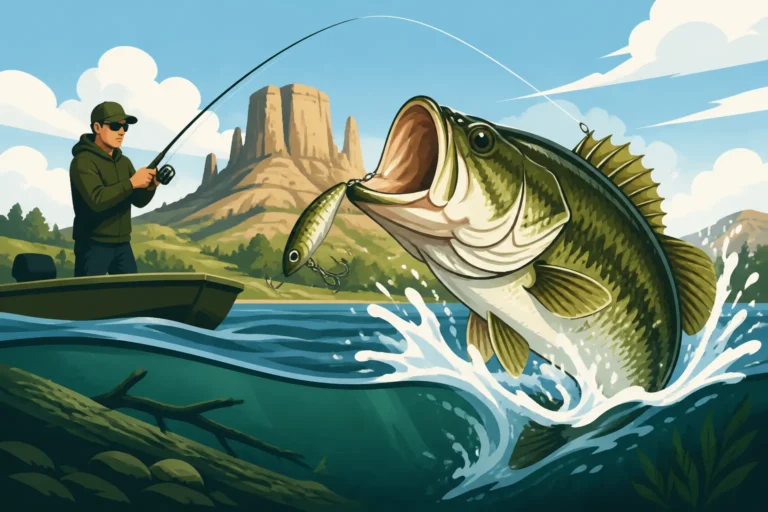
As for lures and bait, larger presentations are often key. Big rainbow trout are predators, and they're looking for a substantial meal. Large spoons, crankbaits that imitate baitfish, or even big swimbait-style soft plastics can be effective. Live bait, such as large shiners, sucker minnows, or even nightcrawlers (where legal and appropriate for the fishery), can also entice a bite from a hesitant lunker. For those who enjoy fly fishing, streamers that mimic baitfish or large nymphs can be the ticket. Remember, consistency and patience are your best friends when targeting these elusive giants.
| Tackle Component | Standard Trout Fishing (e.g., 1-3 lb fish) | Trophy Trout Fishing (e.g., 5+ lb fish) |
|---|---|---|
| Rod Action/Length | Ultralight to Light, 5-6 feet | Medium to Medium-Heavy, 7-8 feet |
| Line Weight (Mono/Fluoro) | 2-6 lb test | 8-12 lb test (or braid with heavy leader) |
| Reel Size | 1000-2000 series | 3000-4000 series |
| Lure/Bait Size | Small spinners, tiny spoons, worms, corn | Larger spoons, crankbaits, swimbaits, large minnows |
| Leader Material | 2-4 lb fluorocarbon | 6-10 lb fluorocarbon |
| Net Size | Small, often foldable | Large rubberized net (conservation friendly) |
Seasonal Considerations and Prime Times
Trophy rainbow trout can be caught year-round in South Dakota, but certain seasons offer better opportunities. Spring and fall are often prime times. In spring, as waters warm, trout become more active and are often found shallower, feeding aggressively after the lean winter months. This can be a great time for casting from shore or trolling with shallow-running lures. Fall, as water temperatures cool again, triggers another period of intense feeding as trout bulk up for winter. This is also often when some of the biggest fish are most active before the ice sets in.
During the peak of summer, especially in reservoirs, large rainbows will retreat to deeper, cooler water. This means anglers need to employ techniques like downriggers for trolling, or deep jigging, to reach them. Ice fishing in winter can also be incredibly productive for big rainbows, particularly on lakes like Pactola and Sheridan, where they continue to feed actively under the ice. Understanding the South Dakota Fishing Seasons Explained and adjusting your tactics accordingly is paramount. Always consult the current South Dakota Fishing Regulations Explained before heading out, as rules and limits can vary by specific water body and species.
The Process of Documenting a State Record Catch
So, you’ve battled a monster rainbow, and it looks like it could be a contender for the state record. What do you do next? There’s a very specific process you need to follow to ensure your catch is officially recognized.
Measuring and Weighing Your Potential Record
First, and most importantly, you need to get an accurate weight. This means a certified scale. Many sporting goods stores, bait shops, and even some grocery stores have certified scales that are regularly calibrated. Do not rely on your personal handheld scale, no matter how much you trust it. The fish must be weighed alive, or as quickly after catching as possible, on a scale witnessed by at least one other person. It's often recommended to have multiple witnesses present. Immediately upon weighing, secure the fish to prevent any loss of weight. A damp cloth can help keep it healthy if you intend to release it after documentation.
Next, accurate measurements are vital. You'll need to measure the length and girth of the fish. Take clear, well-lit photographs from multiple angles, showing the entire fish, the measuring tape against it, and the scale reading. These photos are crucial evidence for verification. While the length and girth aren't part of the "weight record," they provide important details for the official record keepers and can help confirm the species. Having a measuring tape and camera ready in your tackle box – easily found on Amazon – is a smart move for any serious angler.
Contacting the South Dakota Game, Fish and Parks
Once you have your fish weighed and documented, the very next step is to contact the South Dakota Game, Fish and Parks (GFP) immediately. Time is often of the essence, especially if you intend to release the fish. They will guide you through the official process, which will likely include:
- Verifying the Species: A GFP official will need to positively identify the fish as a rainbow trout. Sometimes hybrids or other trout species can be mistaken.
- Witness Interviews: They will talk to anyone who witnessed the catch and weighing.
- Reviewing Documentation: All your photos, measurements, and scale readings will be thoroughly reviewed.
- Completing Paperwork: You'll need to fill out official forms detailing the catch.
The GFP wants to ensure the integrity of the state record book, so their verification process is thorough. It might feel like a lot of hoops to jump through, especially after the adrenaline of catching such a fish, but it’s essential to ensure your claim is legitimate and stands the test of time. For more information on official recognition, you might want to look into the South Dakota Trophy Fish Award Program and How to Qualify for a South Dakota Master Angler Award.
Beyond the Record: The Joy of the Pursuit
While the state record is a fascinating benchmark, the true joy of fishing, especially for magnificent creatures like rainbow trout, lies in the experience itself. The quiet mornings on the water, the stunning scenery of the Black Hills, the challenge of reading the water, and the thrill of a hard-fighting fish on the line – these are the moments that truly make fishing special.
Conservation and Ethical Angling
As anglers, we have a responsibility to protect our fisheries. Practicing catch and release, especially for larger breeding fish, helps ensure healthy populations for future generations. If you do catch a potential record, and it's verifiable, consider releasing it after the necessary documentation. Handling fish carefully, minimizing their time out of water, and using a rubberized net (available on Amazon) can greatly improve their chances of survival. Always be mindful of South Dakota Fish Limits and Size Restrictions and practice responsible angling.
The pursuit of a record should never come at the expense of the resource. We are stewards of these waters, and our actions today impact the fishing opportunities of tomorrow. Imagine a world where future generations can still dream of catching a 13-pound rainbow trout from Pactola because we took care of our lakes and streams. That's a legacy worth far more than any record.
The Community and the Stories
Fishing is also about community. The stories shared around the campfire, the tips exchanged at the bait shop, and the camaraderie among fellow anglers are invaluable. Chasing a state record isn't just a personal quest; it connects you to a long lineage of anglers who have cast their lines in South Dakota waters, each hoping for that one special fish. Whether you're a seasoned veteran or just starting out, the journey to understand and appreciate our beautiful state's fisheries is a rewarding one. So, grab your gear, head out to the water, and who knows? Maybe your name will be the next one etched into the South Dakota State Fish Record List. The only way to find out is to cast that line!
Disclaimer
This article is for general informational purposes only and does not constitute professional advice. Laws, prices and regulations vary by location and change over time. Consult a qualified professional for guidance on your specific situation.