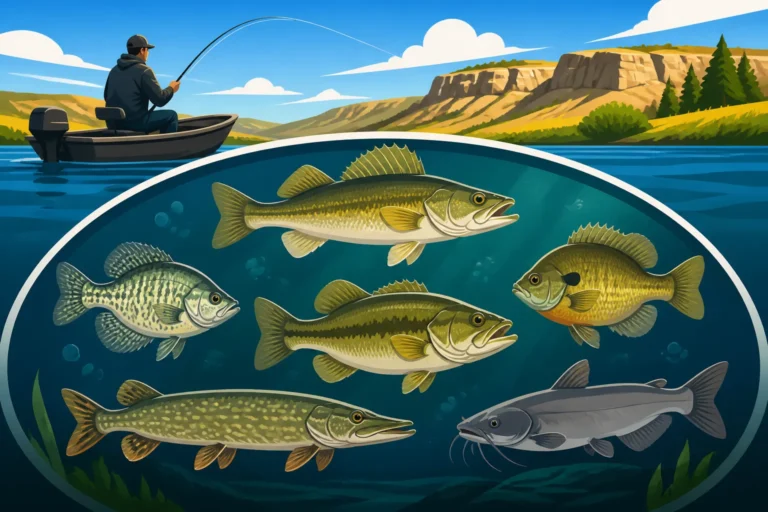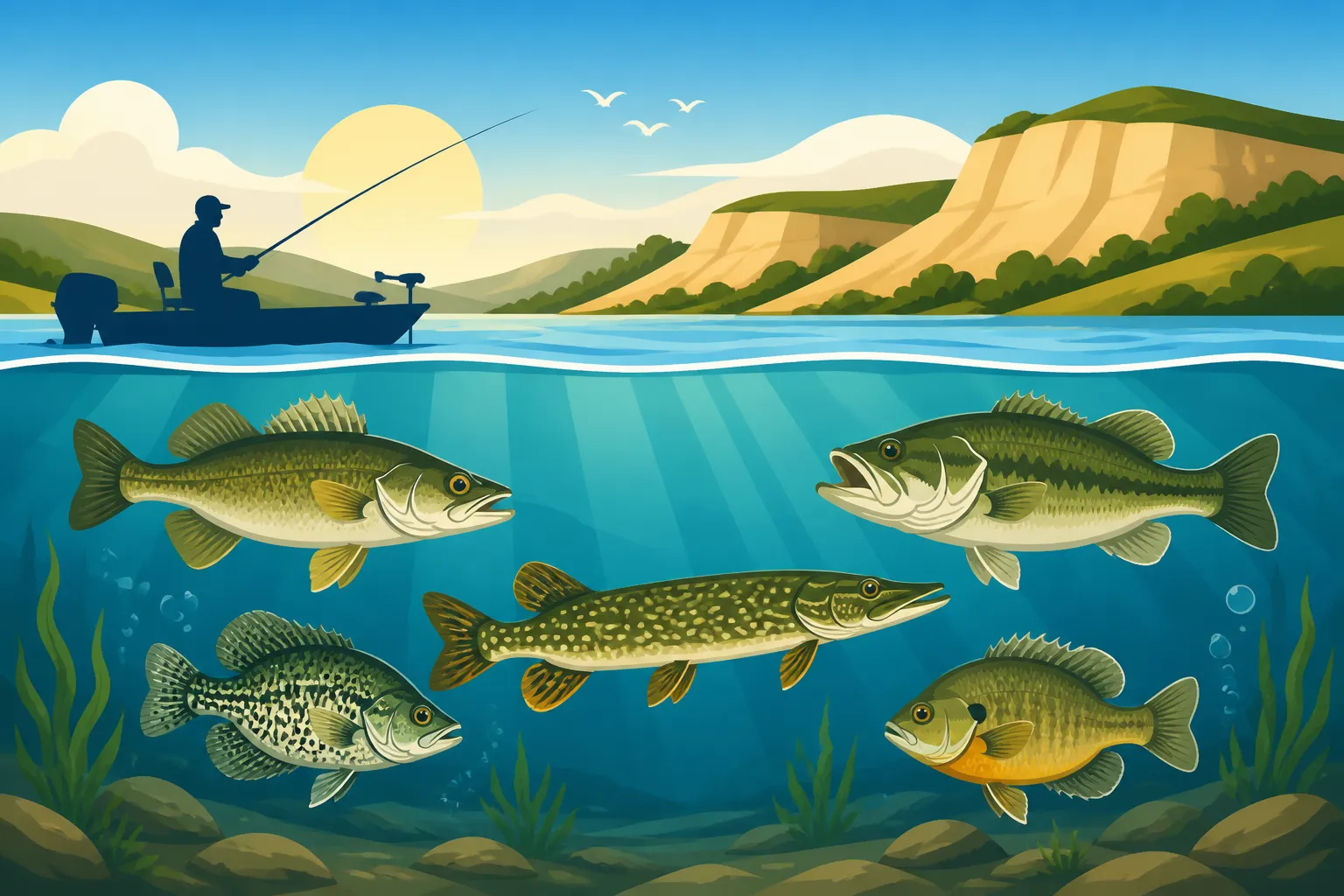
Fish Species Found in Lewis and Clark Lake
If you've ever stood on the shores of Lewis and Clark Lake, gazing out at its vast expanse, you might find yourself wondering just what kind of fish are swimming beneath the surface. It can be a real head-scratcher trying to figure out which species are prevalent and what you might realistically catch, especially if you're not a local. This comprehensive guide is here to unravel that mystery, providing a detailed look into the diverse fish populations that thrive in Lewis and Clark Lake, helping you plan your next angling adventure with confidence.
Lewis and Clark Lake: A Diverse Fishery Overview
Lewis and Clark Lake, part of the Missouri River reservoir system, isn't just a pretty face with stunning bluffs and recreational opportunities. It's a vibrant aquatic ecosystem that supports a remarkable variety of fish, making it a favorite destination for anglers across the region. Unlike some smaller, more specialized lakes, Lewis and Clark offers something for everyone, from those chasing trophy fish to families just looking to reel in some panfish for a fun afternoon. The lake's unique blend of riverine influence and reservoir characteristics creates a diverse range of habitats, from deep channels and rocky points to expansive flats and submerged timber, all contributing to the richness of its fish community.
The sheer size of Lewis and Clark Lake means that different areas can hold different concentrations of certain species. For instance, the deeper, more river-like sections closer to the dam might favor certain species, while the shallower, more protected bays offer ideal conditions for others. Understanding these nuances is key to successful fishing here. Factors like water temperature, flow rates from the upstream dams, and the availability of forage all play a crucial role in shaping the daily habits and long-term populations of the fish in the lake. It's a dynamic environment, always changing, which keeps things exciting for seasoned anglers and newcomers alike.
Understanding the Lake's Ecosystem
To truly appreciate the fish found in Lewis and Clark Lake, it helps to understand its unique ecological makeup. This isn't a natural lake, but rather a reservoir formed by the Gavins Point Dam. This means it shares characteristics with both lakes and rivers. The Missouri River feeds into it, bringing nutrients and a constant flow, which enriches the fishery. The lake itself provides vast open water, deep structure, and extensive shorelines, creating a multitude of niches for various fish species. This dammed environment creates a unique dynamic, influencing water levels, clarity, and overall productivity, which directly impacts fish behavior and distribution.
The reservoir's bottom composition varies greatly, from rocky riprap and submerged bluffs near the dam, to silty flats and old river channels further upstream. These different bottom types are critical habitats, attracting specific forage species and, in turn, the predatory fish that feed on them. For example, areas with abundant rocky structure are magnets for smallmouth bass and walleye, while softer, muddier bottoms are often preferred by catfish and some panfish species. Recognizing these patterns and how they relate to the fish you're targeting is a fundamental aspect of successful fishing on Lewis and Clark Lake. You can often find detailed maps and charts on Amazon that highlight these structural features, giving you a significant edge.
Seasonal Movements and Fishing Opportunities
The fishing opportunities on Lewis and Clark Lake shift dramatically with the seasons, largely driven by the behavior of the resident fish species. In spring, as water temperatures begin to rise, many fish move into shallower waters for spawning, making them more accessible to anglers. This is often a prime time for targeting crappie and walleye, which become very active. South Dakota Spring Walleye Fishing Techniques can provide valuable insights for this season. As summer fully sets in, fish often move to deeper, cooler waters, congregating around structure or deeper channels to escape the heat and find stable food sources. This calls for different techniques, often involving trolling or deep jigging.
Fall brings another burst of activity as fish feed aggressively in preparation for winter. This can be a fantastic time for trophy walleye and aggressive smallmouth bass. As the lake eventually freezes over, ice fishing takes center stage, offering unique challenges and rewards for species like walleye, perch, and crappie. Understanding these seasonal patterns is crucial for consistent success. Each species has its own preferred conditions, and knowing when and where to find them throughout the year is what separates a good angler from a great one.
The Walleye Reign Supreme and Other Popular Predators
When you talk about fishing in Lewis and Clark Lake, it's almost impossible not to mention walleye first. These elusive yet delicious fish are the undisputed kings of the lake, drawing anglers from all over for a chance to catch their limit or a trophy. But while walleye might get the most press, the lake is also home to other fantastic predatory species like smallmouth bass and northern pike, offering diverse challenges and exciting battles for anglers.
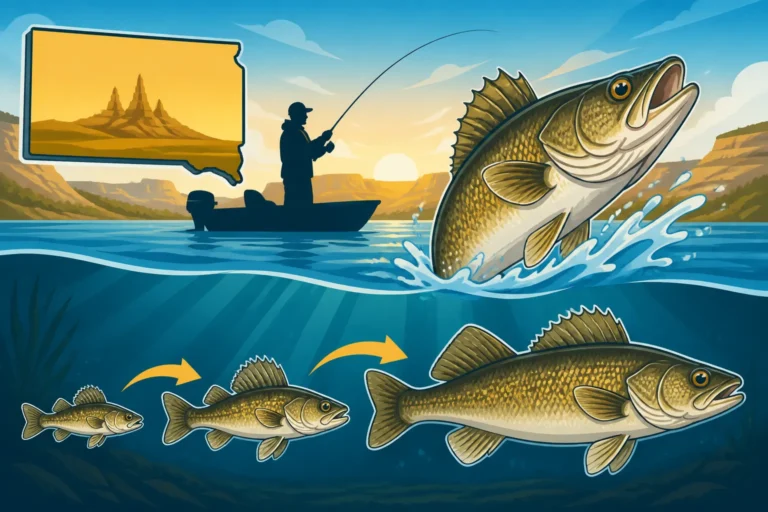
Walleye thrive in the lake's diverse structure, from the rocky main lake points to the deeper humps and submerged timber. They are primarily sight feeders, which is why darker, low-light conditions often lead to the best bites. They are also highly sensitive to current and clarity, and the fluctuating conditions of the Missouri River system can influence their movements daily. Successfully targeting walleye here often involves a blend of experience and adaptation, constantly adjusting to changing conditions. For more detailed tips, check out our South Dakota Walleye Fishing Guide.
Walleye: The Lake's Crown Jewel
Walleye are the main draw for many anglers coming to Lewis and Clark Lake, and for good reason. They are plentiful, grow to impressive sizes, and are renowned for their delicious fillets. These fish prefer clear to slightly stained water and are often found relating to structure such as drop-offs, rock piles, and submerged humps, especially where current creates natural ambush points for their prey. During spring, they'll congregate in shallower rocky areas to spawn, and then as summer progresses, they move to deeper, cooler waters.
Anglers targeting walleye on Lewis and Clark Lake often employ a variety of techniques. Trolling with crankbaits or spinner rigs is incredibly popular, especially across the expansive open water sections. Jigging with live bait like minnows or nightcrawlers, or artificial plastics, is also highly effective, particularly when targeting specific underwater structures. Many serious walleye anglers invest in quality fish finders, readily available on Amazon, to locate these structures and the schools of baitfish that walleye pursue. The pursuit of walleye is a year-round affair, transitioning from open-water trolling to challenging ice fishing during the winter months, each season demanding different tactics and offering unique rewards.
Smallmouth Bass: The Hard-Fighting Cousin
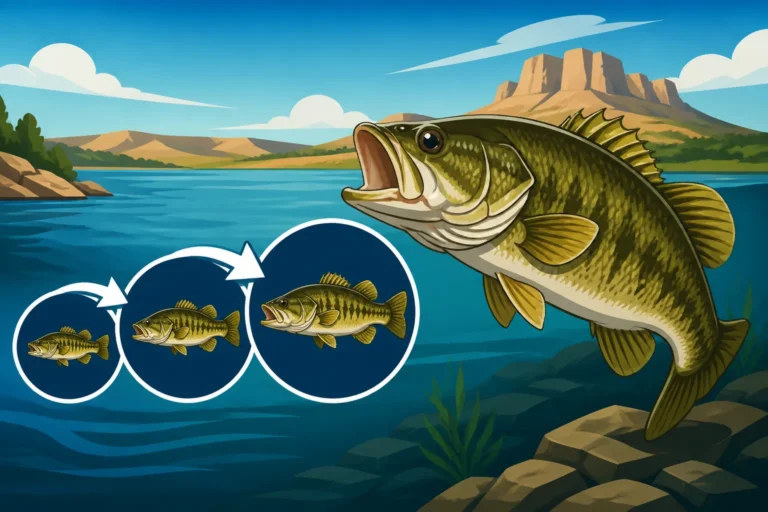
While largemouth bass prefer weedy, shallow environments, smallmouth bass are perfectly suited to the rocky, clear water habitats found throughout much of Lewis and Clark Lake. These bronze bombers are celebrated for their incredible fighting spirit, often making acrobatic leaps and strong dives when hooked. They are particularly fond of rocky shorelines, riprap along the dam, and submerged rock piles and ledges, where they ambush crawfish and baitfish. The average size of smallmouth bass in Lewis and Clark is impressive, with plenty of fish reaching trophy proportions.
Spring and fall are particularly excellent times to target smallmouth bass, as they become very active in shallower water. During the summer heat, they'll often retreat to deeper rock structures. Techniques such as casting crankbaits, jigs, or soft plastic baits are highly effective. For more insights on where to find these fighters, our Lewis and Clark Lake Smallmouth Bass Fishing Report can be a great resource. Targeting smallmouth bass provides a thrilling experience, requiring precise casting and an understanding of their ambush points, making them a favorite among sport fishermen looking for a real challenge.
Northern Pike: The Apex Ambush Predator
Northern pike, with their elongated bodies and razor-sharp teeth, are another exciting predator that calls Lewis and Clark Lake home. While not as dominant as walleye or smallmouth, they are present in good numbers and can offer explosive strikes. Pike are ambush predators, preferring to hide in weed beds, submerged brush, or along sharp drop-offs, waiting to dart out and engulf unsuspecting prey. They are aggressive eaters, making them a fun target for anglers using larger spoons, spinnerbaits, or even substantial live bait.
You'll often find pike in the shallower, weedy bays and backwaters of the lake, particularly during spring and fall. While Lewis and Clark may not be known for producing state-record pike, catching one of these toothy critters can certainly add an unexpected thrill to your fishing day. They put up a formidable fight, characterized by powerful runs and head shakes. Be sure to use a wire leader when targeting pike to prevent them from biting through your line. South Dakota Northern Pike Fishing Guide offers more general information on these formidable fish.
Panfish and the Bottom Dwellers: Fun for All Ages
Lewis and Clark Lake isn't just about the big predators; it's also a fantastic place to catch a variety of panfish and bottom-dwelling species. These fish, while often smaller in stature, provide consistent action, make for excellent table fare, and are perfect for introducing kids and novice anglers to the joys of fishing. Species like crappie, yellow perch, and various sunfish offer plentiful opportunities, while the robust populations of catfish provide a different kind of challenge and reward.
The abundance and accessibility of these species make Lewis and Clark Lake a family-friendly destination. There are numerous public access points and Lewis and Clark Lake Boat Ramps Near Yankton making it easy to get out on the water. Whether you're casting from shore or drifting in a boat, you're likely to find steady action with these smaller, but no less enjoyable, fish.
Crappie: The Delicious Slab
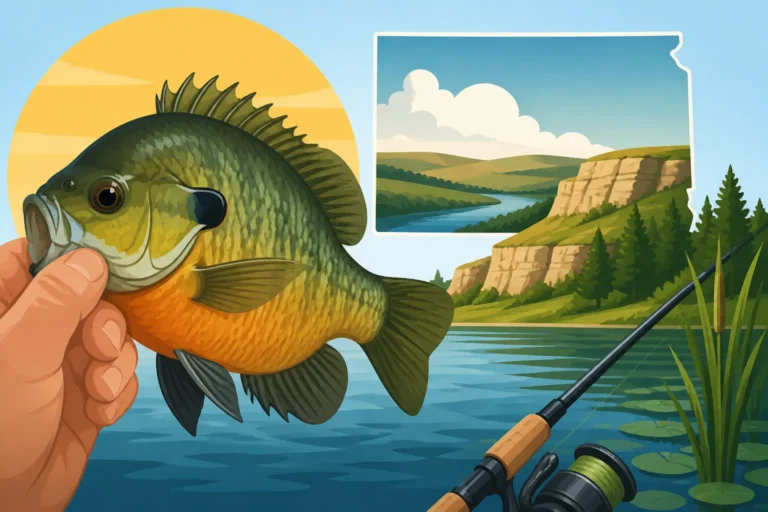
Crappie, both black and white varieties, are incredibly popular panfish in Lewis and Clark Lake. Known for their delicious white meat, they are often targeted by anglers seeking a tasty meal. Crappie are schooling fish, and when you find one, you've often found a whole school. They tend to relate to submerged timber, brush piles, dock pilings, and bridge abutments, especially in the spring and fall. They are also known to suspend in open water, particularly when chasing baitfish.
Light tackle is the key to crappie fishing. Small jigs, minnows, or tiny spoons are all highly effective. During the spring, crappie move into shallower coves and bays for spawning, offering some of the best fishing of the year. In summer, they often move deeper, requiring anglers to use electronics to locate submerged brush and schools. For a deeper dive into crappie tactics on this specific lake, check out Lewis and Clark Lake Crappie and Perch Fishing. Catching a limit of "slab" crappie from Lewis and Clark Lake is a rewarding experience that many anglers cherish.
Yellow Perch: The Striped Favorites
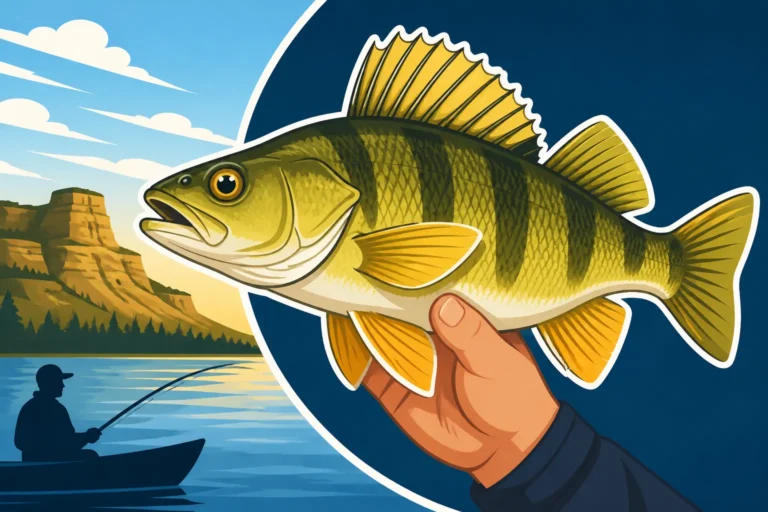
Yellow perch are another panfish staple in Lewis and Clark Lake, beloved for their beautiful striped patterns and delicate flavor. Like crappie, they are schooling fish, and once you locate a school, the action can be fast and furious. Perch prefer cooler water and tend to be found over sandy or gravel bottoms, especially near weed lines or submerged structure. They are a favorite target during the ice fishing season, where anglers can jig small spoons or minnows through the ice for consistent bites.
During open water season, perch can be found in a variety of depths, often moving in relation to water temperature and baitfish availability. Small jigs, grubs, and pieces of nightcrawler or minnows are excellent baits. They provide consistent action and are perfect for a relaxing day on the water. Finding a good perch spot often means a full stringer of delicious fish, making them a top choice for many families.
Catfish: The Bottom-Dwelling Titans
Lewis and Clark Lake is home to a robust population of channel catfish and, to a lesser extent, flathead catfish. These powerful, bottom-dwelling fish are known for their strong fights and willingness to bite, particularly during the warmer months. Catfish are omnivores, feeding on a wide range of prey, from insects and smaller fish to decaying organic matter. They are often found in the deeper channels, mud flats, and areas with current, especially near the mouths of tributary streams. South Dakota Catfish Fishing Guide provides a broader context for fishing these species.
Bank fishing with cut bait, stink bait, or nightcrawlers is a very popular and effective method for targeting catfish. Anglers fishing from boats will often anchor in strategic locations, casting multiple lines with heavy weights to hold bottom in the current. Catfish fishing can be a patient game, but the reward of hooking into a powerful channel cat, or even a monster flathead, is well worth the wait. Strong tackle, including heavy-duty hooks which you can find a great selection of on Amazon, is a must when pursuing these resilient fish.
Beyond the Big Four: Other Notable Species
While walleye, smallmouth bass, crappie, and catfish steal most of the spotlight, Lewis and Clark Lake is a much richer ecosystem than just these popular species. There are several other fish that contribute to the lake's biodiversity and can provide unexpected excitement for anglers. Knowing about these less common, but equally interesting, inhabitants can enhance your fishing experience and maybe even lead to a surprise catch.
This variety ensures that every fishing trip to Lewis and Clark Lake can be a unique adventure. You never quite know what might grab your bait, and that's part of the enduring charm of fishing this expansive body of water.
White Bass and Drum: Schools of Action
White bass are schooling fish that offer fast-paced action, particularly when they are actively chasing schools of baitfish near the surface. These aggressive feeders will often create "boils" on the water as they push baitfish to the surface, making for exciting sight fishing opportunities. They are excellent fighters for their size and provide a lot of fun on light tackle. White bass can be caught using small spoons, crankbaits, or even simple inline spinners. They are often found in open water, especially where current is present, but can also congregate around points and humps.
Freshwater drum, often called sheepshead, are another common inhabitant of Lewis and Clark Lake. While not typically targeted for table fare by most anglers, they are incredibly strong fighters that can provide a real workout. Drum are bottom feeders, often found in deeper areas over mud or sand. They readily take baits intended for walleye or catfish, so don't be surprised if you hook into one of these tenacious fighters while targeting other species. They are characterized by their large scales and strong pulls, making for a memorable fight.
Rough Fish and Conservation Efforts
Lewis and Clark Lake, like any large reservoir, also hosts a variety of what are often termed "rough fish" by anglers, such as carp and various suckers. While these species may not be the primary target for most, they play a crucial role in the lake's ecosystem. Carp, in particular, can grow to very large sizes and provide an incredible fight for those who enjoy bowfishing or targeted carp angling. They are often found in shallower, warmer bays and can be caught on corn, dough balls, or other natural baits.
Conservation efforts are vital to maintaining the health and diversity of Lewis and Clark Lake's fish populations. The South Dakota Game, Fish and Parks department regularly conducts surveys and implements management strategies to ensure sustainable fishing for all species. This includes monitoring fish health, managing stocking programs where necessary, and setting regulations to protect species like walleye. Adhering to these South Dakota Fishing Regulations Explained helps ensure that Lewis and Clark Lake remains a premier fishing destination for generations to come.
Here's a quick look at some of the key fish species you can expect to find in Lewis and Clark Lake:
| Fish Species | Primary Habitat | Typical Size Range | Best Season(s) | Common Baits/Lures |
|---|---|---|---|---|
| Walleye | Rocky points, humps, deep channels | 15-25 inches (potential 30+) | Spring, Fall, Winter | Crankbaits, jigs, minnows, nightcrawlers |
| Smallmouth Bass | Rocky shorelines, riprap, submerged rocks | 12-18 inches (potential 20+) | Spring, Summer, Fall | Jigs, crankbaits, soft plastics, crawfish imitations |
| Crappie | Submerged timber, brush piles, docks | 9-14 inches | Spring, Fall, Winter | Small jigs, minnows, tiny spoons |
| Yellow Perch | Weed lines, sandy/gravel bottoms | 8-12 inches | Spring, Fall, Winter | Small jigs, minnows, worms |
| Channel Catfish | Deep channels, mud flats, current areas | 15-30 inches (potential 40+) | Summer, Fall | Cut bait, stink bait, nightcrawlers |
| Northern Pike | Weedy bays, submerged brush, drop-offs | 24-36 inches (potential 40+) | Spring, Fall | Spoons, spinnerbaits, large minnows |
| White Bass | Open water, surface boils, current | 10-15 inches | Summer, Fall | Small spoons, crankbaits, inline spinners |
| Freshwater Drum | Deeper mud/sand flats | 15-25 inches | Summer, Fall | Worms, minnows, crayfish |
The diverse array of fish species in Lewis and Clark Lake means there's always something new to learn and something exciting to catch. Whether you're a seasoned pro or just starting out, this magnificent reservoir offers endless angling possibilities. Remember to always consult the latest South Dakota Fishing License Guide and regulations before heading out, and most importantly, enjoy the peace and thrill of fishing!
Disclaimer
This article is for general informational purposes only and does not constitute professional advice. Laws, prices and regulations vary by location and change over time. Consult a qualified professional for guidance on your specific situation.