South Dakota Panfish Fishing Guide
There's nothing quite like the simple joy of South Dakota panfish fishing. You might be dreaming of pulling in massive walleyes or battling a feisty northern pike, but sometimes, the real frustration comes when you just want a relaxing day on the water, easily catching some delicious fish. If you've ever felt overwhelmed by complex techniques or expensive gear, or just want to learn how to consistently bring home a tasty mess of fish, this comprehensive guide is for you. We're going to dive deep into everything you need to know about targeting the abundant and fun-to-catch panfish across our great state, from identifying the different species to the best spots, gear, and techniques to fill your cooler.
What Even Are Panfish, Anyway? Understanding the Appeal
When people talk about panfish, they're generally referring to a group of smaller freshwater fish that, true to their name, fit perfectly in a frying pan. While they might not offer the same legendary fight as a trophy game fish, don't let their size fool you. Panfish provide some of the most consistent action, make fantastic table fare, and are an absolute blast to catch for anglers of all ages and skill levels. They're often overlooked in the pursuit of bigger quarry, but trust me, a cooler full of freshly caught panfish is a treasure.
Why Panfish Capture Our Hearts
There's a special charm to panfish fishing. For many of us, it's how we first fell in love with angling. You don't need a fancy boat or expensive electronics; a simple cane pole, a bobber, and a worm can bring hours of entertainment. This accessibility is a huge part of their appeal. They're usually quite numerous, meaning more bites and more fish in the net, which is incredibly encouraging for beginners and keeps seasoned anglers engaged. It’s also a wonderful way to introduce kids to fishing, as the frequent action keeps their attention and builds excitement. There’s no greater joy than watching a child’s face light up as they reel in their first crappie or bluegill. Plus, they taste absolutely incredible, offering firm, flaky, white meat that's perfect for a classic shore lunch or a family dinner.
General Characteristics of South Dakota Panfish
While there are several species that fall under the "panfish" umbrella, they share some common traits that make them ideal targets. Generally, they are smaller in stature, rarely exceeding a few pounds, though trophy-sized crappie or perch can certainly get larger. They tend to school up, particularly crappie and perch, which means when you find one, you're likely to find many more. This schooling behavior is key to successful panfish outings; once you locate a productive spot, you can often stay there and catch fish consistently. Their diets typically consist of insects, small crustaceans, and smaller baitfish, which means they respond well to a variety of natural baits and small artificial lures. Identifying these common characteristics will help you understand their behavior and, in turn, make you a more successful panfish angler.
Meet the Main Panfish Players in South Dakota Waters
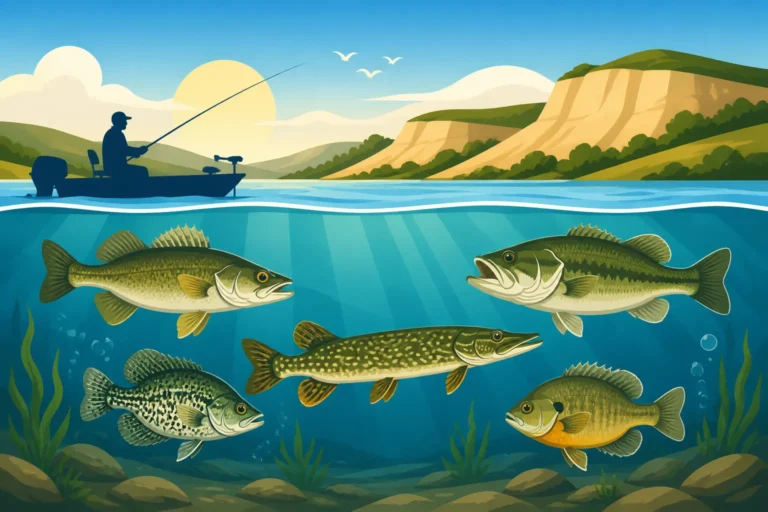
South Dakota is blessed with an abundance of diverse waterways, and within them thrive several species of panfish. While you might occasionally encounter others, the "big three" for most anglers are crappie, yellow perch, and various sunfish, with bluegill being the most prominent among them. Each offers a slightly different angling experience and prefers particular habitats, but all are equally rewarding to catch.
Crappie: The Delicious Slab-Sides
Crappie are arguably the most sought-after panfish in South Dakota, and for good reason. They are known for their incredibly delicious, flaky white meat and their tendency to grow to impressive "slab" sizes. We primarily have two species here: the black crappie and the white crappie. While they share many similarities, understanding their subtle differences can help you target them more effectively. White Crappie vs Black Crappie explains this in detail, but generally, black crappie tend to prefer clearer water with more vegetation and irregular patterns of black spots, while white crappie often do well in slightly turbid water and have more distinct vertical bars on their sides.
Crappie are masters of structure. In open water, they'll congregate around submerged timber, brush piles, rock formations, and bridge pilings. They're often found suspended at specific depths, which can make them a bit trickier to locate initially, but once you find their depth, you're in business. During spring, they move into shallower water to spawn, making them particularly accessible. Their gentle bite requires a light touch, but the reward of a stringer full of crappie is unmatched. They are fantastic to catch, and even better to eat.
Yellow Perch: Winter Gold and Summer Fun
Ah, the yellow perch – the quintessential ice fishing target, but equally fun to catch in open water. Known for their distinctive striped pattern and vibrant yellow-orange fins, perch are delicious and fight surprisingly hard for their size. South Dakota Yellow Perch Fishing Facts delves deeper into what makes them such a popular species. They are highly schooling fish, even more so than crappie, which means locating a school can lead to fast and furious action.
Perch often inhabit cooler, deeper waters, especially in larger lakes and reservoirs. They tend to stick to the bottom or just above it, foraging for insect larvae, small minnows, and crustaceans. In summer, you'll often find them along weed edges, subtle drop-offs, and humps. In winter, they are a primary target for ice anglers, congregating in massive schools over flats or along deeper contours. Their aggressive feeding habits mean they readily hit small jigs, minnows, and wax worms. Catching a "jumbo" perch, one pushing or exceeding a pound, is a true thrill for any panfish enthusiast.
Bluegill and Other Sunfish: The Feisty Favorites
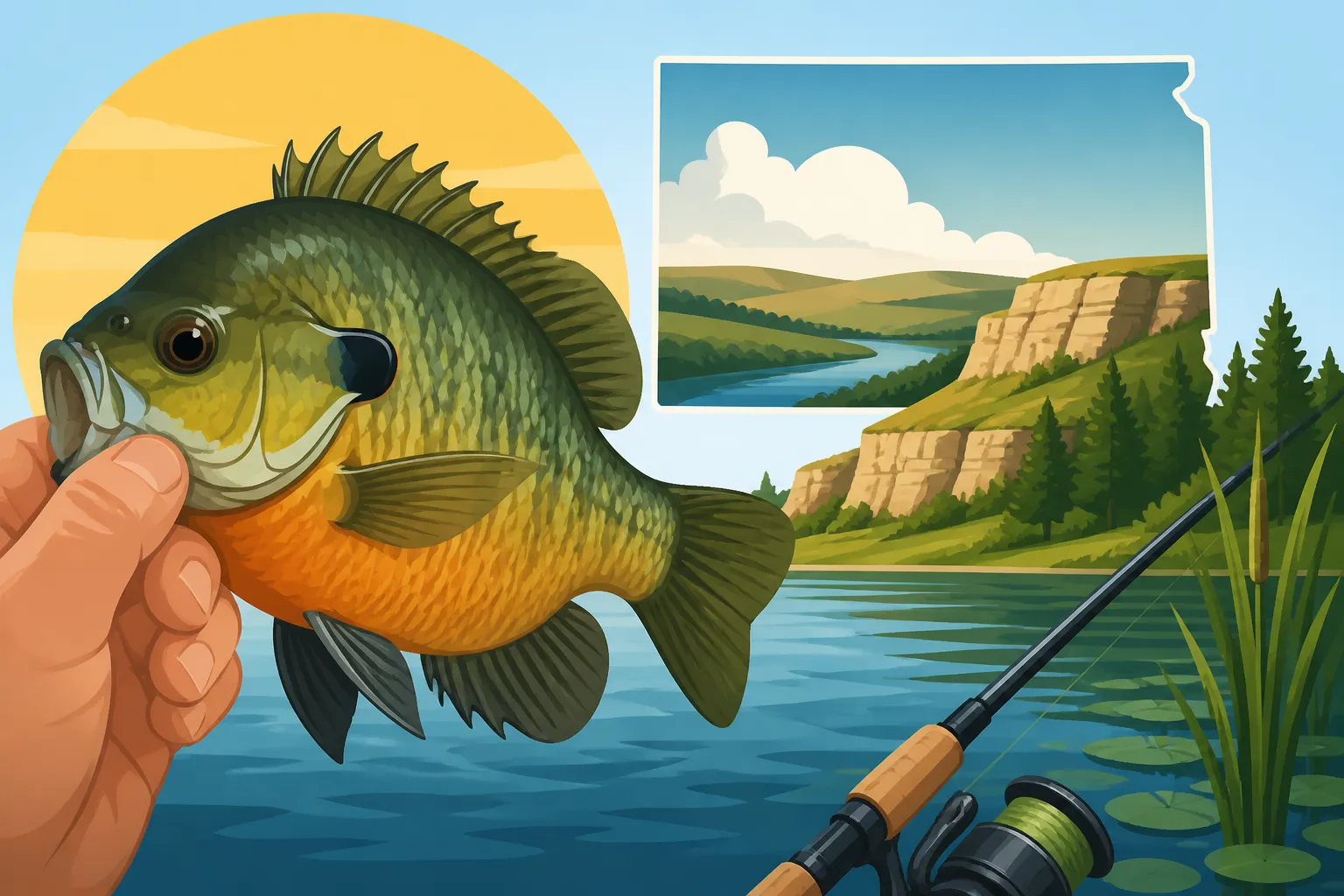
While "bluegill" often gets used interchangeably with "sunfish," bluegill are just one of many sunfish species you might encounter, including pumpkinseed, green sunfish, and redear sunfish. The bluegill, however, is the most common and beloved. These little fighters are identifiable by their dark "ear flap" and often vibrant blue and orange hues. Bluegill Identification and Habitat goes into more detail about these beautiful fish. They might be smaller than crappie or perch on average, but they make up for it with their feisty nature and willingness to bite.
Bluegill and other sunfish are typically found in shallower, warmer waters, particularly those with abundant aquatic vegetation, lily pads, and submerged logs. They are less prone to suspending than crappie and more often found near cover in depths from a few feet to about 15 feet. They are particularly active during the late spring and early summer when they move to shallow nests to spawn. This makes them incredibly accessible for bank anglers and those fishing from smaller boats or kayaks. They readily take small worms, crickets, grubs, and tiny artificial lures. Their aggressive takes and spirited fights on light tackle make them an excellent target for family outings and a fantastic way to introduce new anglers to the sport.
Finding the Honey Holes: Top South Dakota Panfish Lakes and Rivers
South Dakota offers an incredible array of fishing opportunities, and that holds true for panfish. From the vast Missouri River reservoirs to the numerous glacial lakes of the east and the picturesque ponds of the Black Hills, there's a panfish hotspot for everyone. Knowing where to start is half the battle, and these regions consistently produce great panfish action.
Glacial Lakes Region: Eastern South Dakota's Panfish Paradise
Eastern South Dakota is dotted with hundreds of natural glacial lakes, forming what many consider a panfish paradise. These fertile waters are often relatively shallow, rich in vegetation, and provide ideal habitat for crappie, perch, and bluegill. Lakes like Lake Poinsett, Lake Kampeska, and Bitter Lake are renowned for their incredible panfish populations, especially during the ice fishing season. During open water, these lakes offer extensive weed lines, submerged points, and natural structures where panfish thrive.
Anglers targeting this region should focus on areas with emergent vegetation (like cattails and reeds), submerged weed beds, and gradual breaklines. In the spring, shallow bays warm up first, attracting crappie and bluegill for spawning. As summer progresses, panfish often move to the deeper edges of weed beds or congregate around mid-lake humps. Many of these lakes offer excellent public access, with numerous boat ramps and shore fishing opportunities. Remember, when you find a school of perch on Lake Kampeska, the action can be non-stop, but you might have to move around a bit to find them. Don't be afraid to explore different depths and structures.
Missouri River Reservoirs: Hidden Panfish Gems
While the Missouri River reservoirs – Lake Oahe, Lake Sharpe, Lake Francis Case, and Lewis and Clark Lake – are famous for their world-class walleye fishing, they also hold fantastic, often overlooked, panfish populations. Crappie, in particular, can grow to impressive sizes in these fertile waters, with abundant food sources. Yellow perch and bluegill are also present, especially in the shallower arms and bays.
On these massive reservoirs, panfish tend to relate to similar structures as walleye, though often in different depths or locations. Look for flooded timber, brush piles, submerged roadbeds, bridge abutments, and even the riprap along shorelines and dams. For crappie, the arms and feeder creeks of these lakes, such as the Cheyenne River arm on Lake Oahe or Joe Creek on Lake Sharpe, can be particularly productive. Panfish will often suspend over deeper channels or follow baitfish schools. Finding them here might require a fish finder, but once you do, the rewards can be substantial. Lake Sharpe Crappie Fishing at Joe Creek is a prime example of a specific hotspot for crappie on these reservoirs. Many anglers are so focused on walleye that they completely miss out on the incredible panfish potential of these waters.
Black Hills Ponds and Lakes: Mountain Panfish Opportunities
The beautiful Black Hills region, while primarily known for its trout streams, also offers charming ponds and smaller lakes that provide excellent panfish opportunities, especially for bluegill and sometimes crappie and perch. Lakes like Pactola Reservoir and Sheridan Lake, while deeper and clearer, still hold panfish along their weed lines and shallower coves. Smaller, often unnamed, stock dams and recreational ponds throughout the national forest and state parks can also be panfish havens.
These waters offer a different kind of panfish experience – often more intimate, with stunning scenery. Bluegill particularly thrive in these smaller, vegetated impoundments. Focus your efforts around any visible structure like fallen trees, lily pads, or dock pilings. Early mornings and evenings often provide the best bite. While not as numerous as the glacial lakes, these Black Hills spots are perfect for a quiet afternoon of fishing with light tackle, offering a peaceful escape and a chance to fill a small cooler. Always check local regulations for specific ponds, as some might have special rules or stocking programs. South Dakota State Park Fishing Ponds can be a great resource for finding these smaller, family-friendly locations.
Gearing Up Right: Essential Tackle for Panfish Success
One of the best things about South Dakota panfish fishing is that it doesn't require a massive investment in gear. In fact, many successful panfish anglers pride themselves on their minimalist approach. However, having the right basic setup can dramatically increase your success and enjoyment. We're talking about light tackle that allows you to feel those subtle nibbles and handle feisty fights without overpowering these smaller fish.
Rods, Reels, and Line: Light Tackle for Light Bites
For panfish, finesse is the name of the game. You want a rod and reel combo that's sensitive enough to detect the often-light bites of crappie or perch, but still has enough backbone to cast small lures and handle a decent-sized fish.
- Rods: Look for ultra-light or light action spinning rods, typically between 5 and 7 feet long. A fast tip is crucial for feeling those subtle taps. A 6-foot, ultra-light rod is a versatile choice for most panfish scenarios. You can find excellent options for sensitive rods on Amazon that won't break the bank.
- Reels: Pair your ultra-light rod with a small spinning reel, often in the 500 to 1000 size range. These reels are designed for light lines and smaller baits, offering smooth drag for those times a surprisingly large crappie decides to make a run.
- Line: Monofilament line in 2 to 6-pound test is perfect. It has a little stretch, which can be forgiving when a panfish makes a sudden move, and it's less visible in clear water. Some anglers prefer a very light braided line (4-6 pound test) for increased sensitivity, often with a fluorocarbon leader (2-4 pound test) tied to the end for stealth. The thin diameter of light line allows for better casting of small baits and more natural presentation.
A good starting point for a versatile panfish setup might be a 6-foot ultra-light rod, a 1000-series spinning reel, and 4-pound monofilament. This combination will serve you well whether you're chasing crappie in the Missouri River backwaters or bluegill in a Black Hills pond.
Baits and Lures: Tempting the Panfish Palate
Panfish aren't usually picky eaters, which means you have a wide array of options when it comes to bait and lures. The key is to present something small and appealing.
- Live Bait: This is often the gold standard, especially when the bite is tough.
- Minnows: Small shiner or fathead minnows are deadly for crappie and often irresistible to perch. Hooked lightly through the lip or back, they provide natural action.
- Worms: Redworms, nightcrawlers (pinched in half), and wax worms are bluegill magnets and also work well for perch.
- Grubs/Maggots: These small baits are excellent for ice fishing and tough bites, especially for perch and bluegill.
- Artificial Lures: Don't underestimate the effectiveness of small artificials, which can often allow you to cover more water and mimic various forage.
- Jigs: Tiny leadhead jigs (1/32 to 1/8 ounce) tipped with a small plastic grub, tube, or curly tail are incredibly versatile. Colors like chartreuse, white, black, and pink are perennial favorites. You can find multi-packs of these on Amazon, making it easy to stock up.
- Spoons: Small jigging spoons (1/16 to 1/8 ounce) are fantastic for vertical jigging, especially through the ice or when targeting suspended crappie.
- Micro Crankbaits/Spinners: Tiny crankbaits or inline spinners can be effective for aggressive panfish in open water, particularly bluegill and aggressive perch around weed lines.
Experimentation is key! What works one day might not work the next. Start with a proven favorite, but don't be afraid to switch it up if the fish aren't biting. Best Lures for Ice Fishing Walleye also touches on some universal small jigs that can work for panfish.
Essential Accessories for a Productive Day
Beyond your rod and reel, a few key accessories will make your panfish fishing experience much more enjoyable and efficient.
- Bobbers: A staple for panfish fishing! Slip bobbers are excellent for setting precise depths, especially over deeper structure or for suspended crappie. Fixed clip-on bobbers are great for shallower water or for kids.
- Sinkers and Hooks: A variety of small split shot sinkers to get your bait down, and small, sharp hooks (size 6-10 for live bait, or specialized panfish jigs).
- Pliers/Forceps: Essential for removing hooks, especially from smaller fish.
- Net: A small landing net with a fine mesh is helpful for safely landing crappie and perch, preventing lost fish at the boat or shore.
- Bucket/Livewell: If you plan to keep your catch, a cooler with ice or a livewell is crucial to keep the fish fresh.
- Tackle Box: A small, organized tackle box to keep your jigs, hooks, bobbers, and other small items easily accessible. South Dakota Fishing Gear Checklist will give you a broader overview of other items you might want to consider for a full day on the water.
Having these essentials means you're prepared for whatever the panfish throw your way, ensuring you spend less time fumbling with gear and more time enjoying the bite.
Mastering the Art of the Bite: Proven Panfish Techniques
Catching panfish might seem straightforward, but consistently finding and catching them, especially the bigger ones, involves understanding a few key techniques. Whether you're a seasoned angler or just starting out, refining these methods will lead to more successful outings and a fuller cooler.
Bobber Fishing: The Classic and Effective Method
For many, bobber fishing is synonymous with panfish, and for good reason: it's incredibly effective and undeniably fun. Watching that bobber dip, dance, and then disappear is one of fishing's purest joys. This technique excels for bluegill and other sunfish in shallower, vegetated areas, and can also be very productive for crappie and perch when they're feeding near the surface or suspended at a specific depth.
The basic setup involves a bobber, a small split shot sinker (just enough to cock the bobber), and a small hook or jig tipped with live bait (like a piece of worm, a wax worm, or a minnow). The key is to adjust your depth until you find where the fish are holding. If you're fishing near weed lines or lily pads, start shallow and gradually increase your depth until you get bites. For suspended crappie, a slip bobber is invaluable, allowing you to easily fish at depths of 10-20 feet or more while still being able to cast effectively. Cast your rig near structure, let it sit, and watch that bobber like a hawk. Any twitch or sudden movement means a fish is investigating or taking the bait. This relaxed, yet engaging, method is perfect for a leisurely afternoon on the water.
Jigging for Suspended Fish: A Finesse Game
When panfish, especially crappie and perch, are holding in deeper water or suspended over structure, vertical jigging becomes an incredibly effective technique. This method allows you to precisely present a small lure at their eye level, enticing them to strike. It requires a bit more feel and attention than bobber fishing, but the rewards can be substantial, often leading to bigger fish.
The setup usually involves a light-action rod, light line, and a small jig (1/32 to 1/8 ounce) tipped with a soft plastic (like a tube, grub, or small minnow imitation) or a small minnow. Drop your jig to the desired depth, often identified with a fish finder, or by experimenting with different depths until you find the bite. Then, impart a subtle action to your lure – tiny lifts, drops, shakes, or just holding it still. Crappie often prefer a very subtle, almost motionless presentation, while perch might respond to more aggressive jigs. When you're jigging, pay close attention to your line; a slight twitch, slack line, or even just feeling "heavy" can indicate a bite. This is a particularly popular technique from a boat over brush piles or submerged humps on the Missouri River reservoirs, or through the ice. Best Vertical Jigging Technique for Winter Walleye shares principles that can be adapted for panfish.
Ice Fishing for Panfish: Embracing the Cold Bite
South Dakota winters bring a unique and exhilarating panfish opportunity: ice fishing! When the lakes freeze over, panfish congregate in predictable areas, offering some of the fastest and most consistent action of the year. This is where yellow perch really shine, alongside crappie and bluegill. South Dakota Ice Fishing Guide provides a wealth of information, but here's the panfish-specific scoop.
Ice fishing for panfish typically involves jigging small lures and baits directly below the hole.
- Gear: You'll need specialized ice fishing rods (short, sensitive rods, often 24-36 inches), small spinning reels, and very light line (2-4 pound test monofilament or fluorocarbon). An ice auger, a bucket or portable shelter, and appropriate winter clothing are also essential.
- Baits/Lures: Small tungsten jigs (1/32 to 1/16 ounce) tipped with wax worms, spikes, or small plastic micro-grubs are incredibly effective for all panfish species. Small spoons are also great for perch.
- Location: Use a fish finder (flasher or LCD unit) to locate schools of fish and identify their depth. Perch often hug the bottom over flats or humps, while crappie are frequently suspended in deeper basin areas or over submerged structure.
- Technique: Drop your lure to the fish's depth, then use subtle lifts, drops, and pauses. The bite can be incredibly light, so watch your rod tip carefully or use a spring bobber for maximum sensitivity. Sometimes, just holding the bait perfectly still is what triggers the bite. Best Ice Fishing Techniques for Lake Oahe can give you specific tactics for the big waters, but the principles apply broadly to many South Dakota lakes. The thrill of seeing a school of perch light up your flasher and then feeling that tap through the ice is truly addictive!
Timing is Everything: South Dakota Panfish Through the Seasons
Just like any other fish, panfish behavior and location change dramatically with the seasons. Understanding these seasonal patterns is crucial for consistently finding and catching them. From the spring thaw to the dead of winter, panfish offer year-round opportunities in South Dakota, but you need to adjust your approach.
Spring Panfish: Post-Spawn Feasting
Spring is a fantastic time for panfish in South Dakota. As the ice melts and water temperatures begin to rise, panfish become incredibly active. This is primarily because they're preparing for or recovering from spawning, and they're hungry!
- Pre-Spawn: In early spring, as water temperatures creep into the upper 40s to low 50s, crappie and bluegill will move into shallower, dark-bottomed bays and channels that warm up first. They're looking for food and suitable spawning grounds. Look for them around emergent vegetation, submerged brush, and docks in 3-10 feet of water. Small jigs tipped with minnows or plastics, or tiny worms under a bobber, are deadly.
- Spawn: Once water temperatures hit the mid-60s for crappie and high 60s to low 70s for bluegill, they will move into very shallow water (1-5 feet) to build nests and spawn. This is when they are most accessible, often visible from shore. They'll be aggressive, protecting their nests, and will readily hit almost anything that comes close. This is a prime time for sight-fishing for bluegill, or working small jigs and bobbers for crappie. How to Catch Crappie in Spring emphasizes the importance of these shallow, warmer areas.
- Post-Spawn: After spawning, panfish often move back to slightly deeper water, but remain active, feeding heavily to regain energy. They'll still be near structure but might be found a bit deeper, along breaklines or the edges of weed beds. Continue to use small baits and light tackle, focusing on transition areas between shallow spawning flats and deeper main lake areas.
Summer Panfish: Deep Water and Weed Line Action
As South Dakota summers heat up, panfish behavior shifts. While you can still find them shallow in early morning or late evening, during the heat of the day, many panfish will seek refuge in deeper, cooler water or dense cover.
- Crappie: In summer, crappie often suspend over deeper water, particularly over submerged brush piles, timber, or along deep creek channels in reservoirs. They'll follow schools of baitfish, so if you have a good fish finder, look for bait balls and crappie arches nearby. Trolling with small crankbaits or jigs, or vertical jigging with minnows or plastics, are effective strategies.
- Perch: Yellow perch will relate heavily to weed lines, humps, and drop-offs in summer. They'll often be found in 10-25 feet of water, especially on the edges of extensive weed beds. Drifting with a bottom-bouncing rig tipped with a worm or minnow, or jigging small spoons, can be very productive. Look for them to school up tightly.
- Bluegill/Sunfish: While some bluegill will move deeper, many will remain in shallower areas with heavy cover, like dense lily pads or thick weed beds. They provide excellent topwater action on tiny poppers in low light, or can be caught on small worms or crickets under a bobber fished precisely into openings in the vegetation. Punching through thick mats with a heavily weighted jig can also yield big bluegill.
Fall Panfish: Pre-Winter Power Feeding
Fall is another fantastic, and often overlooked, season for South Dakota panfish. As water temperatures cool, panfish embark on a pre-winter feeding frenzy, bulking up for the lean months ahead. This can lead to some of the year's most aggressive bites.
- Crappie: Crappie will start to migrate from their deep summer haunts towards shallower, main lake structures. They'll be actively feeding on baitfish. Look for them along sharp breaklines, submerged points, and brush piles in 10-20 feet of water. Trolling small crankbaits or vertical jigging with minnows or plastics can be excellent. The fishing can be fast and furious as they aggressively chase down food.
- Perch: Fall is prime time for big perch. They'll school up in large numbers and actively feed. Focus on deeper flats, humps, and the edges of remaining green weed beds. They'll be targeting minnows and insect larvae. Jigging spoons, blade baits, or small jigs tipped with minnows are very effective. Best Lures for Fall Walleye on Lake Oahe may offer ideas for lures that, in smaller sizes, could also tempt a hungry perch.
- Bluegill/Sunfish: Bluegill will also feed heavily in fall, often retreating from the very shallow shoreline areas to slightly deeper weed edges and structure. They remain accessible and aggressive, making them a great target with small jigs and worms.
Winter Panfish: Under the Ice Excitement
As mentioned, winter is truly prime time for many panfish species in South Dakota, especially yellow perch and crappie. Once safe ice forms, anglers flock to the frozen lakes, ready to drill holes and drop lines.
- Location: Panfish tend to congregate in predictable wintering areas. Perch will often be found over large, relatively featureless flats, humps, or main lake basins in 15-30 feet of water, sometimes deeper. Crappie will often suspend in deeper basin areas or over submerged timber. Bluegill often remain in shallower, vegetated areas but can be found a bit deeper along the initial breaklines.
- Technique: Vertical jigging is the dominant technique. Small tungsten jigs tipped with live bait (wax worms, spikes) or tiny plastics are the go-to. The key is to be subtle. Use a sensitive rod or spring bobber, and employ tiny jigging motions. Often, a fish will just "load up" the rod tip, rather than a distinct bite.
- Technology: A good flasher or fish finder is almost essential for ice fishing success. It allows you to see fish approaching your lure, monitor their reaction to your presentation, and determine their depth. Best Fish Finders for Ice Fishing can guide you to the right electronics. Once you locate a school, the action can be non-stop! Best Bait for Ice Fishing Perch are tried-and-true choices that will keep you busy.
| Season | Typical Location | Preferred Baits/Lures | Key Techniques | Target Species |
|---|---|---|---|---|
| Spring | Shallow bays, weed edges, spawning beds (1-10 ft) | Small jigs (plastics/minnows), worms, crickets | Bobber fishing, slow jigging, sight fishing | Crappie, Bluegill, Perch |
| Summer | Deeper weed lines, suspended over structure, lily pads (5-25 ft) | Small jigs, worms, crickets, tiny crankbaits, poppers | Bobber fishing (heavy cover), vertical jigging, trolling | Crappie, Perch, Bluegill |
| Fall | Breaklines, submerged points, brush piles (10-20 ft) | Small jigs (minnows/plastics), spoons, small crankbaits | Vertical jigging, slow trolling, casting | Crappie, Perch, Bluegill |
| Winter | Deep flats, basin areas, suspended over structure (15-40 ft) | Tungsten jigs (wax worms/spikes), small spoons | Ice fishing (vertical jigging, dead sticking) | Perch, Crappie, Bluegill |
Know Before You Go: South Dakota Panfish Regulations and Management
While panfish are abundant, responsible angling is crucial to ensure these fisheries remain healthy and productive for generations to come. South Dakota has specific regulations in place to manage its fish populations, and it's every angler's responsibility to understand and abide by them. Ignorance of the law is not an excuse, and violating regulations can result in fines and penalties.
General Statewide Panfish Regulations
The South Dakota Game, Fish and Parks (GFP) sets the general rules that apply to most waters across the state. These typically include:
- Fishing License: Anyone 16 years of age or older needs a valid South Dakota fishing license to fish in public waters. This is non-negotiable. South Dakota Fishing License Guide is your go-to resource for understanding requirements and purchasing options.
- Daily and Possession Limits: There are statewide limits on the number of fish you can keep per day (daily limit) and the total number you can have in your possession, including those at home (possession limit). For panfish, these limits are generally generous due to their abundance, but they are still important. For example, the Crappie and Panfish Possession Limits are set to ensure sustainable harvesting. Always check the current year's fishing handbook or the GFP website for the most up-to-date figures.
- Legal Methods: While most standard rod and reel methods are legal, specific restrictions on things like the number of lines you can use or certain types of gear (e.g., snagging for some species) may apply. For panfish, standard jigging, bobber fishing, and trolling with appropriate tackle are generally permitted.
- Bait Restrictions: Certain waters, especially some trout streams in the Black Hills, may have bait restrictions (e.g., artificial lures only or no live minnows). While this is less common for general panfish waters, it's always good to be aware.
Always carry a copy of the current South Dakota Fishing Handbook or have it accessible digitally on your phone. This little guide is packed with all the legal info you need and is indispensable. South Dakota GFP Fishing Handbook Guide is an excellent resource to familiarize yourself with.
Specific Lake Regulations and Why They Matter
While statewide regulations provide a baseline, many specific lakes, rivers, or even sections of rivers, have special regulations that supersede the general rules. These special regulations are often implemented to address unique biological or social factors for a particular fishery.
For panfish, this might include:
- Reduced Daily/Possession Limits: On highly popular or especially productive lakes, limits might be reduced to spread the harvest among more anglers or to protect larger "trophy" sized fish.
- Slot Limits: Some lakes might have "slot limits" which mean you must release fish within a certain size range (e.g., no crappie between 10-12 inches may be kept) while allowing you to keep smaller or larger fish. These are designed to protect a certain size class of fish to improve the overall health and size structure of the population.
- Length Limits: A minimum or maximum length limit might be imposed to protect juvenile fish or encourage the harvest of smaller, more abundant fish.
An example might be a popular crappie lake where the GFP wants to ensure a healthy population of larger fish, so they might implement a lower daily limit or a slot limit. Failing to check for these local rules can lead to citations, even if you're otherwise following statewide guidelines. Always check the section of the fishing handbook specific to the body of water you plan to fish. These regulations are designed by fisheries biologists with the long-term health of the fish populations in mind.
The Importance of Conservation and Ethical Angling
Beyond simply following the law, ethical angling practices are vital for sustaining South Dakota's panfish resources.
- Limit Your Catch, Not Your Catch Limit: Just because you can keep 50 perch doesn't always mean you should. Consider only keeping what you and your family will realistically eat. Releasing healthy fish, especially the larger breeding stock, helps ensure robust populations for the future.
- Handle Fish Carefully: If you plan to release a fish, minimize its time out of water. Handle it gently with wet hands, avoid touching the gills, and use de-hooking tools if necessary.
- Clean Up Your Trash: Always pack out everything you pack in. Discarded fishing line, bait containers, and other litter pollute our waterways and can harm wildlife.
- Prevent Invasive Species: Clean, drain, and dry your boat, trailer, and all fishing gear after every outing, especially when moving between different bodies of water. This prevents the spread of aquatic invasive species that can devastate native panfish populations and their habitats.
By being mindful of regulations and practicing good conservation habits, we can all contribute to the continued success of South Dakota panfish fishing.
From Water to Table: Cleaning and Cooking Your Panfish Catch
One of the greatest rewards of a successful panfish outing is the delicious meal that follows. Panfish, with their delicate, flaky white meat, are among the best-eating freshwater fish available. Proper cleaning and cooking can turn a good day on the water into an unforgettable culinary experience.
Cleaning Panfish: The Fillet or Pan-Dressed Debate
Before you can enjoy your catch, you need to clean it. There are two primary methods for preparing panfish: filleting or pan-dressing (sometimes called "gutting and scaling").
- Filleting: This method involves removing the meat from the bones, resulting in boneless, skinless fillets.
- Pros: Boneless, easy to eat, often preferred for larger crappie and perch.
- Cons: Can be more wasteful if not done efficiently, requires a sharp, flexible fillet knife and a bit of practice. You'll need to remove the skin after filleting, which can be done with a special skinning technique using your knife.
- Process: Lay the fish on its side. Make a cut behind the pectoral fin down to the backbone. Turn the knife and slide it along the backbone towards the tail, separating the fillet. Flip the fillet over, skin-side down, and carefully run your knife between the skin and meat, holding the skin firmly. Repeat on the other side.
- Pan-Dressing: This method involves removing the entrails and scaling the fish, leaving the head and tail on, or just removing the head.
- Pros: Faster, less waste, leaves the bones in for added flavor during cooking (some argue this), excellent for smaller bluegill and perch.
- Cons: Bones must be dealt with while eating.
- Process: First, scale the fish. You can use a scaling tool, the back of a knife, or even a spoon, scraping against the grain from tail to head. Rinse off scales. Then, make a cut from the vent to just under the chin, open the cavity, and remove all entrails and the gills. Rinse thoroughly inside and out. If you prefer, you can also cut off the head, though many leave it on for frying.
No matter which method you choose, a sharp fillet knife is essential. Best Fillet Knife for Walleye can give you an idea of what to look for in a good fish-cleaning blade, as the principles apply to panfish too, just on a smaller scale. Keep your knife sharp, and use a dedicated cleaning board or station.
Simple & Delicious Panfish Recipes
Once your panfish are cleaned, the cooking options are endless. Here are a couple of classic, easy-to-make recipes that highlight their delicate flavor:
Classic Pan-Fried Panfish
This is the quintessential way to enjoy panfish. It's simple, quick, and absolutely delicious.
Ingredients:
- Cleaned panfish fillets or pan-dressed fish
- 1 cup all-purpose flour
- 1/2 cup cornmeal (optional, for extra crunch)
- 1-2 tablespoons your favorite fish seasoning (e.g., Old Bay, lemon pepper, or a mix of salt, pepper, garlic powder)
- Vegetable oil or peanut oil for frying
- Lemon wedges for serving
Instructions:
- In a shallow dish, combine flour, cornmeal (if using), and seasoning. Mix well.
- Pat the fish dry with paper towels. This helps the coating stick.
- Dredge each piece of fish in the flour mixture, ensuring it's fully coated. Shake off any excess.
- Heat about 1/2 to 1 inch of oil in a large, heavy-bottomed skillet (cast iron works great!) over medium-high heat. The oil should be around 350-375°F (175-190°C). If you don't have a thermometer, a sprinkle of flour should sizzle immediately.
- Carefully place the fish in the hot oil, ensuring not to overcrowd the pan. Fry in batches if necessary.
- Cook for 2-4 minutes per side, depending on thickness, until golden brown and crispy, and the meat flakes easily with a fork.
- Remove fish from the pan and place on a wire rack over paper towels to drain excess oil.
- Serve immediately with lemon wedges, tartar sauce, or a side of coleslaw.
Baked Lemon Herb Panfish
If you prefer a lighter, less greasy option, baking is a fantastic choice that still delivers on flavor. This works best with fillets.
Ingredients:
- Panfish fillets
- 2 tablespoons olive oil
- Juice of 1/2 lemon
- 1 clove garlic, minced
- 1 teaspoon dried dill or parsley (or 1 tablespoon fresh, chopped)
- Salt and black pepper to taste
- Lemon slices for garnish
Instructions:
- Preheat your oven to 400°F (200°C). Lightly grease a baking dish or line with parchment paper.
- Pat the fillets dry with paper towels.
- In a small bowl, whisk together olive oil, lemon juice, minced garlic, herbs, salt, and pepper.
- Place the fillets in the prepared baking dish. Pour the lemon herb mixture over the fish, ensuring each fillet is coated.
- Bake for 10-15 minutes, or until the fish is opaque and flakes easily with a fork. Cooking time will vary depending on the thickness of your fillets.
- Garnish with fresh lemon slices and serve with roasted vegetables or rice.
Enjoying your freshly caught South Dakota panfish is truly the culmination of a great day on the water. These simple preparations let the natural, sweet flavor of the fish shine through, making for a meal that's as satisfying as the catch itself.
Disclaimer
This article is for general informational purposes only and does not constitute professional advice. Laws, prices and regulations vary by location and change over time. Consult a qualified professional for guidance on your specific situation.