South Dakota Yellow Perch Fishing Facts
There's a special kind of joy that comes from reeling in a mess of yellow perch, especially here in South Dakota. Many anglers get caught up chasing walleye or salmon, sometimes forgetting the sheer fun and delicious reward that yellow perch offer. They're accessible, they bite readily, and they make for some of the best table fare you can imagine. This guide is all about giving you the inside scoop on yellow perch, from identifying them to finding their favorite haunts and the best ways to bring them to your cooler.
Understanding the Yellow Perch: An Angler's Favorite
Yellow perch are a cornerstone of the South Dakota fishing scene, often providing steady action when other species are finicky. They might not be the biggest fish in the lake, but their feisty bites and schooling behavior make them a blast to catch, whether you're a seasoned angler or introducing a youngster to the sport. Knowing a bit about their biology can really give you an edge in finding and catching them.
Key Physical Characteristics
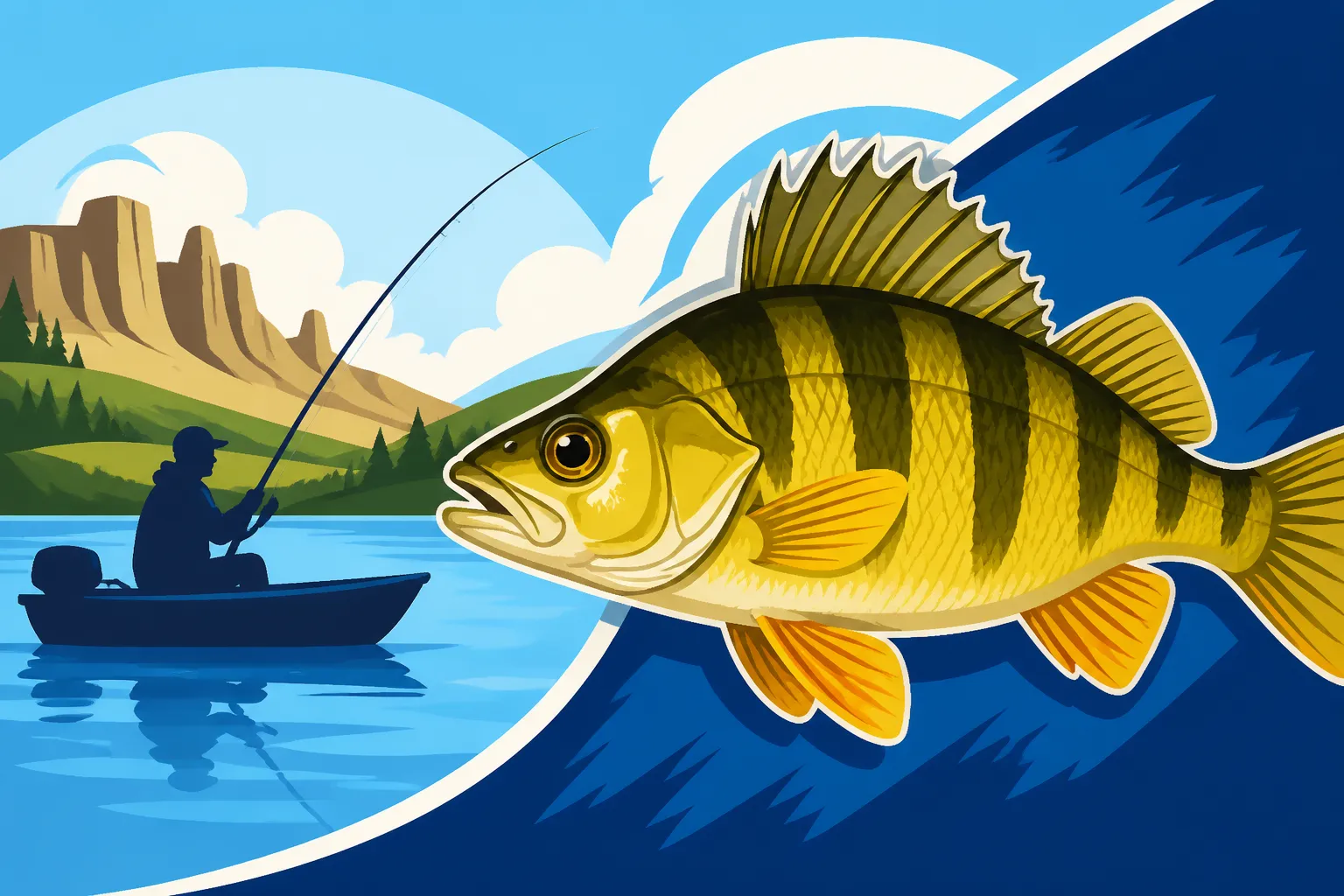
Yellow perch are pretty distinctive, which helps a lot when you're trying to identify your catch. They typically have a golden-yellow body, often fading to a lighter belly, with six to eight dark, vertical bars along their sides. These bars usually extend from their back down to their belly, creating a striped appearance. Their dorsal fins are separated: the first one is spiny, and the second is soft-rayed. You'll often notice bright orange or reddish fins, especially their pectoral, pelvic, and anal fins, which adds a splash of color to their already vibrant look. Their body shape is somewhat elongated and compressed, which means they're not as round as a bluegill, but not as streamlined as a walleye.
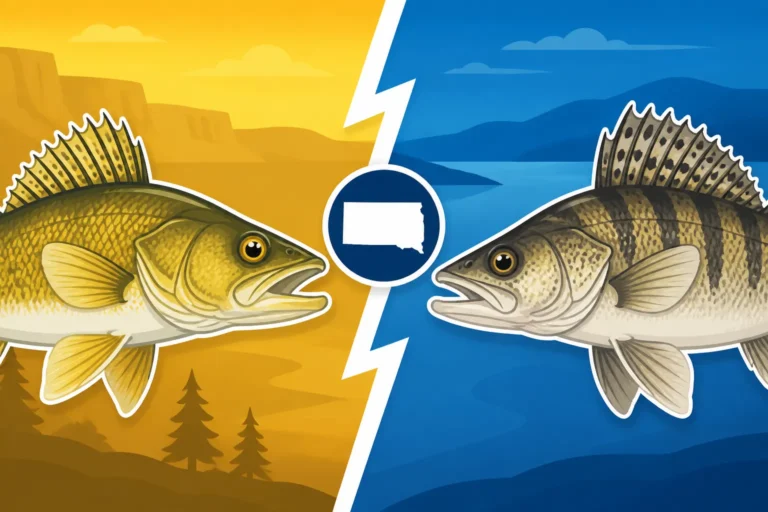
It's important to be able to tell them apart from similar species, especially if you're fishing in waters where crappie or even juvenile walleye might be present. While they share some general features with other panfish, those distinct vertical bars and the two separate dorsal fins are your best identifiers for a yellow perch. They’re truly a beautiful fish, and quite hardy too, which is part of what makes them so successful in our diverse South Dakota waters.
Average Size and Growth Rates
When it comes to yellow perch, size can vary quite a bit depending on the water body and food availability. In South Dakota, a typical keeper perch might be anywhere from 8 to 12 inches, offering a decent fillet. However, we're lucky to have some waters that produce genuine "jumbo" perch, stretching beyond 12 inches and sometimes even approaching 14 or 15 inches. These are the ones that really get anglers excited! These larger fish can be quite thick-bodied, offering a substantial meal.
The growth rate of yellow perch is influenced by factors like water temperature, the density of their population, and the abundance of forage. In lakes with a good balance, perch can grow relatively quickly, reaching harvestable sizes within a few years. Overpopulation, on the other hand, can lead to stunted growth, where you'll catch many small fish but few of any significant size. Fisheries managers in South Dakota actively monitor perch populations, sometimes implementing special regulations or stocking programs to ensure healthy growth and sustainable fishing opportunities. If you're wondering What Counts as a Jumbo Yellow Perch or the Average Size of a Jumbo Perch in South Dakota, those larger specimens really stand out and are typically found in specific, nutrient-rich lakes.
Diet and Forage Preferences
Yellow perch are opportunistic feeders, meaning they'll eat just about anything that fits in their mouth and looks appealing. This makes them relatively easy to catch, as they're not overly selective. Their diet primarily consists of aquatic insects, small crustaceans like scuds and freshwater shrimp, and the larvae of various invertebrates. As they grow larger, they'll also readily consume small baitfish, including young minnows, shiners, and even the fry of other game fish. This adaptable diet allows them to thrive in a wide range of environments.
Understanding their forage preferences is key to selecting the right bait and lures. For instance, if you're fishing in a lake known for a high population of freshwater shrimp, tiny jigs tipped with a piece of actual shrimp or a shrimp-imitating soft plastic can be incredibly effective. In waters with abundant minnows, a small shiner or fathead minnow on a hook will often outfish anything else. They tend to be most active when feeding, often patrolling weed lines, submerged structures, and drop-offs in search of their next meal.
Where to Find Yellow Perch in South Dakota
South Dakota is blessed with an abundance of excellent yellow perch waters, from sprawling glacial lakes to smaller ponds and reservoirs. Knowing where to look within these waters is just as important as knowing what to use. Perch are schooling fish, so once you find one, you're often in for a treat, as many more are likely nearby.
Prime Lake Habitats
Our glacial lakes in eastern South Dakota are renowned for their perch fishing, with many ranking among the Best South Dakota Lakes for Perch Fishing. Lakes like Lake Thompson, Lake Poinsett, and Bitter Lake are consistent producers. In these lakes, perch often relate to specific types of structure and cover. Look for them around extensive weed beds, especially areas with healthy green vegetation that provides both cover and a food source for aquatic insects. Submerged timber, rock piles, and points that extend into deeper water are also prime locations.
During the open water season, focusing on transition zones – where shallow flats meet deeper drop-offs – can be incredibly productive. Perch will often stage on these deeper edges, moving up into the shallows to feed during low-light conditions or when baitfish are abundant. In larger reservoirs like those on the Missouri River system, such as Lake Oahe or Lake Sharpe, perch can also be found, though they often concentrate in specific bays, feeder creek mouths, or around islands where they can find cover and forage. They tend to prefer areas with a softer bottom, often muddier or silty, where their preferred invertebrates live.
River and Stream Presence
While perch are primarily thought of as a lake fish, you can find them in slower-moving sections of rivers and larger streams, particularly those that connect to lakes or reservoirs. The James River, for instance, has areas where perch can be found, especially in oxbows, backwaters, and wider, slower stretches. They generally avoid fast currents, preferring areas where they can expend less energy while still finding food.
In these riverine environments, look for deep holes, eddies, and areas with submerged brush or log jams. These features provide slack water, cover from predators, and a collection point for food. During certain times of the year, particularly spring, perch might move into river mouths or feeder creeks for spawning, making these areas temporary hotspots. However, the vast majority of South Dakota's fantastic perch fishing opportunities will be found in its lakes and reservoirs.
Seasonal Movement Patterns
Yellow perch have distinct seasonal movement patterns that dictate where you'll find them and how to target them. Understanding these shifts is crucial for consistent success.
- Spring: After ice-out, perch are often found in relatively shallow water, sometimes only a few feet deep, as they move towards spawning grounds. They'll seek out submerged vegetation, reeds, or sandy/gravelly areas to lay their eggs. During this time, they are often actively feeding and can be caught near shore.
- Summer: As water temperatures rise, perch tend to move to deeper, cooler water. They'll often school up in open water over deep flats, suspended above structure, or along deep weed lines and breaklines. They're still actively feeding but can be harder to locate without the aid of electronics. Trolling or drifting open water with small lures or live bait can be effective during this period.
- Fall: This is often considered one of the best times for perch fishing. As water temperatures cool, perch become incredibly active, fattening up for winter. They'll move back shallower, often congregating in large schools along weed edges, submerged humps, and points. This is when you can really hit a "perch run" and catch a cooler full.
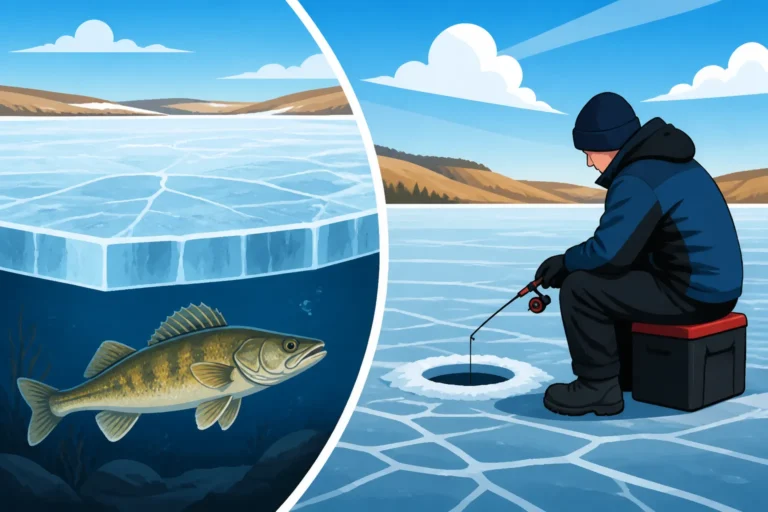
- Winter (Ice Fishing): When the ice forms, perch are once again accessible in large numbers. They'll typically be found in schools, relating to structure like deep humps, weed flats, and the edges of drop-offs. Their location can shift throughout the winter as they follow forage, so mobility is key. This is a prime time to catch jumbo perch through the ice. When Ice Fishing Season Starts in South Dakota is eagerly anticipated by many perch anglers.
Best Times and Seasons for Yellow Perch Fishing
While yellow perch are catchable year-round in South Dakota, certain seasons and times of day offer particularly productive fishing. Knowing when to go can significantly increase your chances of a successful outing.
Spring and Summer Opportunities
Spring, immediately after ice-out, presents a fantastic opportunity for perch. As the water warms, they become very active, feeding heavily and moving into shallower areas for spawning. Look for them in bays and protected coves with emerging vegetation, often in water as shallow as 3 to 8 feet. Small jigs tipped with minnows or plastics, fished under a bobber, can be incredibly effective. This is also a great time for bank fishing, as many perch will be close to shore.
Summer perch fishing requires a bit more effort. As the sun gets high and water temperatures soar, perch generally move to deeper, cooler water. They'll often suspend over open water or hold tight to deep structure like sunken islands, rock piles, or deep weed edges. Early mornings and late evenings are typically the most productive times, as perch will move shallower to feed under low-light conditions. During the heat of the day, you might need to use a fish finder to locate schools suspended in 20-40 feet of water and then drop small jigs or spoons right into them. Drifting with a simple slip-bobber rig and a minnow can also be effective when you've located a school.
Fall Feeding Frenzies
If there's one season to truly target yellow perch in South Dakota, it's fall. As the air cools and water temperatures drop, perch go on an absolute feeding spree, packing on weight for the lean winter months. This is when they gather in huge schools and become incredibly aggressive, making for some fast-paced action. You'll often find them congregating along deeper weed lines, distinct drop-offs, and around submerged points in 10 to 25 feet of water.
The fall bite is often a numbers game, but it's also when you have the best chance of encountering those prized jumbo perch. They are often less finicky, striking at a variety of presentations. Small crankbaits, spoons, blade baits, and jigging raps can all be very effective, especially when tipped with a piece of minnow or a maggot. Vertical jigging over detected schools is a highly productive technique. This pre-ice fishing period is one of the most exciting times to be on the water chasing perch.
Ice Fishing for Perch
South Dakota's legendary ice fishing often revolves around yellow perch. Once the lakes freeze solid enough, anglers flock to the ice, knowing that the perch bite can be phenomenal. When Ice Fishing Season Starts in South Dakota varies each year with the weather, but once it's safe, the action can be non-stop. Perch schools move under the ice, often relating to the same types of structure they used in fall – deep weed lines, humps, and breaklines.
The key to successful ice fishing for perch is mobility. Perch are schooling fish, and if you're not on top of them, you won't catch them. An ice auger, a flasher or fish finder, and a portable shelter are essential. Small jigs, such as tungsten jigs, tipped with wax worms, spikes, or a small minnow head, are classic baits. Aggressive jigging can attract them, followed by more subtle twitches once they're in the strike zone. Don't be afraid to drill many holes and keep moving until you find an active school. You'll often find that Best Ice Fishing Techniques for Lake Oahe and Best Bait for Ice Fishing Perch are directly applicable to many other South Dakota lakes.
Effective Techniques and Baits for Yellow Perch
Catching yellow perch is generally not overly complicated, but refining your techniques and bait choices can significantly improve your success rate. These adaptable fish will bite a wide range of presentations, but there are definitely some go-to options.
Jigging and Bobber Fishing
These are arguably the two most popular and effective methods for catching yellow perch.
Jigging: Whether from a boat or through the ice, jigging is a fantastic way to target perch. Small jigs, often 1/16 to 1/8 ounce, are ideal. Tungsten jigs are particularly popular for ice fishing because their density allows them to sink quickly to deep schools without being overly large. Tip your jig with live bait like a minnow head, wax worm, or spikes, or a small soft plastic grub. The action is usually subtle – a lift, a pause, a few shakes, and then another pause. Watch your line or your bobber closely, as perch bites can sometimes be very light, especially in colder water. A good quality, sensitive rod makes all the difference here, helping you detect those subtle "thunks" or tiny bumps. When fishing from a boat, vertical jigging directly over a marked school is the most effective approach.
Bobber Fishing: For a more relaxed but equally effective approach, bobber fishing is king, especially for shore anglers or when teaching kids. A small slip bobber allows you to easily adjust your depth, which is crucial for finding where the perch are holding. Use a small hook (size 8 or 10) weighted with a split shot or two, and bait it with a lively minnow, a worm section, or a cluster of maggots. Cast it near weed lines, submerged timber, or drop-offs, and simply wait for the bobber to dip. This method is particularly effective in spring and fall when perch are shallower.
Live Bait vs. Artificial Lures
The debate of live bait versus artificial lures is a classic one, and for yellow perch, both have their place.
Live Bait: Often, live bait is tough to beat for perch. A small fathead minnow is probably the most consistent producer, especially when fished dead or alive on a small jig or hook under a bobber. Wax worms and spikes (maggots) are phenomenal, particularly for ice fishing or when perch are finicky. They offer a small profile and natural scent that perch find irresistible. Small pieces of nightcrawler or redworms can also be effective. The natural scent and movement of live bait are strong attractants, making them a top choice for finicky eaters or when simply trying to maximize your catch.
Artificial Lures: Modern artificial lures are incredibly effective, especially when paired with a bit of live bait. Small soft plastic grubs (like a 1-inch Berkley Gulp! Minnow or a Mister Twister Micro Shad) on a jig head can imitate small baitfish or aquatic insects. Tiny spoons (like a Lindy Rattl'n Flyer Spoon or a Swedish Pimple) are fantastic for vertical jigging, especially through the ice, as their flash and flutter mimic injured baitfish. Blade baits and jigging raps also produce excellent results with an aggressive retrieve. The advantage of artificials is their durability and the ability to cover more water quickly. Many anglers will "sweeten" their artificials with a piece of live bait – a minnow head or a wax worm – to add scent and an extra visual enticement. You can find a huge variety of these options easily on Amazon.
Tackle and Gear Recommendations
You don't need heavy-duty gear to catch perch; in fact, lighter tackle makes the experience much more enjoyable and helps detect those subtle bites.
- Rod and Reel: A light to ultralight spinning rod, 5 to 6.5 feet long, paired with a small spinning reel (size 500-1000) spooled with 2 to 4 lb test monofilament or fluorocarbon line is perfect. The light tip will help you see and feel the bites, while the backbone will handle the occasional jumbo. For ice fishing, a sensitive ultralight ice rod is key.
- Line: Low-stretch monofilament or fluorocarbon in the 2-4 lb range is ideal. Some anglers prefer a very thin braided line with a fluorocarbon leader for increased sensitivity, especially for jigging.
- Hooks: Small, sharp hooks are essential. Aberdeen hooks (sizes 8-10) are popular for live bait, as they are thin and don't damage minnows too much. Small jig heads (1/32 to 1/8 oz) are also critical.
- Bobbers: Choose sensitive bobbers. A small slip bobber system is versatile for varying depths.
- Fish Finder/Flasher: For serious perch anglers, especially for ice fishing or in deeper water, a quality fish finder or flasher (like a Humminbird or Vexilar unit) is invaluable for locating schools and understanding their depth. You can often find great deals on these units on Amazon.
- Tackle Box: Keep your tackle organized with a good Best Tackle Box Setup for South Dakota Anglers, full of small jigs, hooks, sinkers, and bobbers specifically for panfish.
Yellow Perch Limits and Regulations in South Dakota
As with all fishing in South Dakota, there are rules and regulations in place to ensure the sustainability of our fisheries. It's crucial for every angler to understand and adhere to these guidelines, not just to avoid penalties but to preserve the fantastic perch fishing for future generations. Make sure you're up-to-date by checking the current South Dakota Game, Fish and Parks (GFP) fishing handbook before each season.
Daily and Possession Limits
Yellow perch limits can vary, but generally, there's a generous daily limit to allow for a good harvest. A "daily limit" refers to the maximum number of fish you can keep in a 24-hour period, while a "possession limit" is the total number of fish you can have in your possession at any time, including those at your home or cabin. For yellow perch in South Dakota, the statewide daily and possession limits are usually quite high compared to other species. For instance, you might be allowed to keep a substantial number of perch per day, with an even higher possession limit.
However, these numbers are subject to change and can sometimes vary by specific water bodies. It's not uncommon for certain lakes to have special regulations if the perch population needs management, perhaps to encourage harvest of smaller fish or protect larger ones. Always, always check the current South Dakota GFP fishing regulations for the specific lake or area you plan to fish. This is critical for staying within the law and doing your part to manage the resource. You can often find comprehensive details in the South Dakota Fishing Regulations Explained guide or the South Dakota GFP Fishing Handbook Guide.
| Rule Type | General Statewide Rule (Example) | Common Exceptions / Variations | Why It Matters |
|---|---|---|---|
| Daily Limit | 25 Yellow Perch per day | Some lakes may have lower limits or no limit to encourage harvest of stunted fish. | Ensures sustainable harvest; prevents overfishing of localized populations. |
| Possession Limit | 100 Yellow Perch | Often tied to the daily limit, allowing multiple days' catch. | Controls total fish taken; prevents commercial-scale hoarding by recreational anglers. |
| Size Limits | No statewide minimum length limit | Some specific lakes may have a minimum length or protected slot limits. | Protects young fish to reach maturity or encourages harvest of smaller, more abundant fish. |
| Number of Rods | 4 lines per angler | Special rules may apply to certain waters or during specific seasons (e.g., ice fishing). | Manages fishing pressure and prevents unfair advantage; check Number of Fishing Lines Allowed Per Angler in South Dakota. |
Note: The figures in this table are illustrative examples. Always consult the latest South Dakota GFP regulations for exact, current numbers.
Special Lake Regulations
It's common for popular or ecologically sensitive lakes to have special rules that deviate from the statewide general regulations. These "special lake regulations" are put in place by the South Dakota GFP to address specific management needs for a particular fishery. For yellow perch, this might mean a reduced daily limit on a lake known for producing trophy-sized fish, or conversely, an unlimited take on a lake suffering from an overpopulation of stunted perch. For example, some glacial lakes in the northeast might have specific rules for perch to ensure quality fishing.
Before heading out to any specific body of water, it's really important to look up its individual rules. This information is typically found in the South Dakota Fishing Handbook or on the GFP website. Ignoring these special regulations, even inadvertently, can lead to fines and other penalties. It’s a good practice to consult the GFP handbook for South Dakota Fish Limits and Size Restrictions for your target area. These regulations are designed to enhance your fishing experience in the long run by maintaining healthy fish populations.
Habitat Stamp Considerations
Beyond your basic fishing license, many anglers in South Dakota will also need a Habitat Stamp. This stamp is a mandatory purchase for most resident anglers who are required to have a fishing license, and for nonresidents as well, regardless of their license type (daily, annual, etc.). The funds generated from the sale of Habitat Stamps go directly towards critical conservation efforts in South Dakota, including habitat improvement projects for fish and wildlife. These projects might involve restoring wetlands, improving stream banks, or enhancing lake access, all of which ultimately benefit fish populations, including yellow perch.
If you're buying any type of South Dakota fishing license, whether it's an annual resident license or a three-day nonresident permit, you'll generally need to purchase a Habitat Stamp in addition to the base license fee. There are some exemptions, primarily for very young anglers or those fishing during designated South Dakota Free Fishing Days or under specific South Dakota Fishing License Exemptions. However, for the vast majority of anglers, it's a small but vital contribution to ensuring robust fishing opportunities for yellow perch and other species. Make sure you understand South Dakota Habitat Stamp Requirements and include it in your license purchase, which can be done conveniently online.
Preparing and Enjoying Your Yellow Perch Catch
One of the greatest rewards of a successful day of perch fishing is the delicious meal that follows. Yellow perch are widely considered one of the best-eating freshwater fish, with a firm, flaky white meat that has a mild flavor. Properly cleaning and preparing your catch can elevate your entire angling experience.
Cleaning and Filleting Perch
Cleaning perch is a straightforward process, and with a bit of practice, you can fillet a mess of them quickly. Most anglers prefer to fillet perch to remove bones, leaving you with boneless, skinless portions of pure white meat.
Here’s a basic step-by-step for filleting:
- Preparation: Lay your perch on a clean, stable surface. A good fillet knife is crucial here. Look for a sharp, flexible blade. You can find excellent options on Amazon, like those from Dexter-Russell.
- First Cut: Make a cut behind the pectoral fin, down to the backbone, but don't cut through the bone.
- Along the Back: Turn your knife and run it along the top of the backbone towards the tail. Keep the knife pressed against the backbone to maximize meat.
- Rib Cage: Once you reach the tail, flip the fillet over (or turn the fish) and work the knife along the rib cage to separate the meat. You can either cut the ribs out entirely or leave them attached to the carcass and then trim them from the fillet later.
- Skinning: Lay the fillet skin-side down. Hold the tail end firmly and slide your knife between the meat and the skin, working towards the head. Keep the blade slightly angled down towards the skin.
- Rinse: Rinse the fillets under cold water and pat dry.
Practice makes perfect, and you'll find your own rhythm. Many anglers enjoy the simplicity of perch, noting that they are easier to clean than some other species. Having the Best Fillet Knife for Walleye will also serve you well for perch, as the process is very similar.
Cooking Methods and Recipes
Yellow perch are incredibly versatile in the kitchen, lending themselves well to a variety of cooking methods. Their mild flavor means they soak up seasonings beautifully without being overwhelmed.
- Pan-Frying: This is arguably the most classic and popular way to cook perch. Dredge the fillets in seasoned flour or a breading mixture (cornmeal, panko, or a commercial fish fry mix), then pan-fry them in hot oil (vegetable, canola, or peanut oil works well) until golden brown and flaky. This method yields a crispy exterior and tender, juicy interior. Serve with tartar sauce, lemon wedges, and your favorite side dishes.
- Deep-Frying: For a truly indulgent treat, deep-fried perch is hard to beat. Use a good batter and fry until golden and crispy. This is a common preparation at fish fries and gatherings.
- Baking or Broiling: For a healthier option, perch fillets can be seasoned with herbs, spices, and a drizzle of olive oil, then baked or broiled until cooked through. This keeps the meat moist and highlights its natural sweetness.
- Grilling: Smaller fillets might be tricky on a grill, but larger perch can be grilled in a fish basket or wrapped in foil with vegetables and seasonings for a smoky flavor.
Regardless of the method, remember that perch cook quickly due to their thin fillets. Overcooking will dry them out, so keep a close eye on them! Freshly caught and cooked perch is a true delicacy.
Preserving Your Catch
If you have a particularly successful day and catch more perch than you can eat fresh, preserving your catch properly ensures you can enjoy them later.
- Refrigeration: Fresh fillets should be consumed within 1-2 days if kept in the refrigerator. Store them in an airtight container or zip-top bag with ice, draining any melted water.
- Freezing: Freezing is the most common way to preserve perch for longer periods. The key to successful freezing is to protect the fish from freezer burn.
- Water Packing: Place fillets in a freezer-safe container, cover them completely with cold water, and freeze. The ice block will protect the fish from air.
- Vacuum Sealing: A vacuum sealer is an excellent investment for preserving fish. It removes all air, preventing freezer burn and keeping fish fresh for months. You can find reliable vacuum sealers and bags on Amazon.
- Freezer Bags: If vacuum sealing isn't an option, tightly wrap individual fillets in plastic wrap, then place them in heavy-duty freezer bags, pressing out as much air as possible before sealing.
- Smoking or Pickling: For a different flavor profile, perch can also be smoked or pickled. Smoking gives them a rich, savory taste, while pickling preserves them in a tangy brine, making for a unique appetizer or snack.
Proper preservation means you can extend the enjoyment of your South Dakota yellow perch bounty throughout the year, truly making the most of every angling adventure.
Disclaimer
This article is for general informational purposes only and does not constitute professional advice. Laws, prices and regulations vary by location and change over time. Consult a qualified professional for guidance on your specific situation.