Do South Dakota Lakes Freeze Solid in Winter?
One of the most common questions I get from folks dreaming of a South Dakota winter fishing adventure, or even just curious about our harsh cold snaps, is whether our famous lakes literally freeze solid. It's a valid concern, especially if you're picturing a sheet of ice stretching from shore to shore, impenetrable and lifeless. While many of our waters do develop significant ice cover, the reality is far more nuanced than a simple "yes" or "no." This guide will help you understand how South Dakota lakes respond to winter, the factors that influence ice formation, and what it means for the incredible ice fishing opportunities we cherish here.
The Dynamics of Ice Formation on South Dakota Lakes
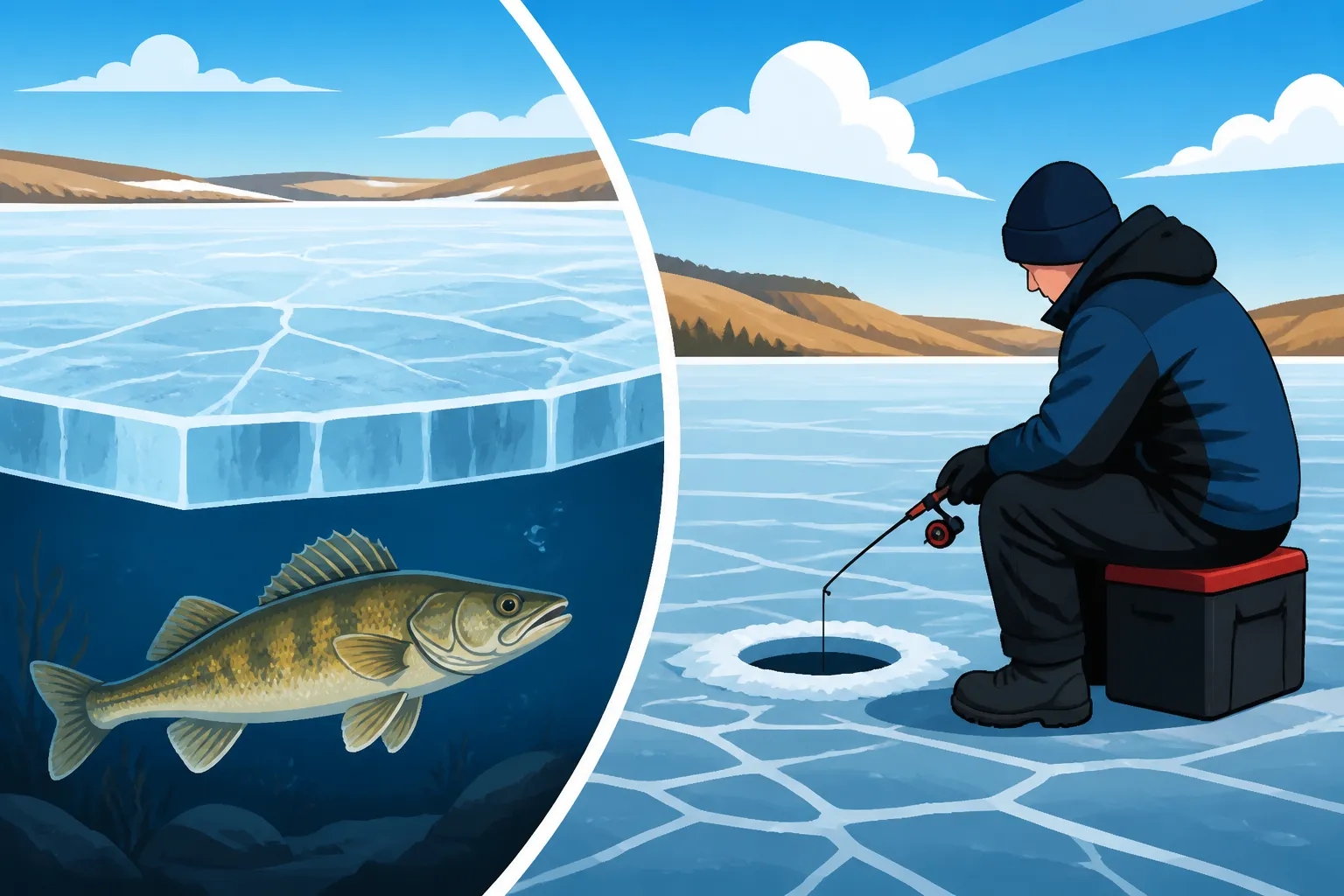
When winter descends upon South Dakota, it brings with it freezing temperatures that transform our expansive water bodies. The idea of a lake "freezing solid" can be misleading, as it rarely means the entire water column from top to bottom becomes ice. Instead, ice typically forms on the surface and thickens downwards. This process is crucial for aquatic life, as the insulating layer of ice protects the water below from further heat loss and maintains a liquid environment for fish and other organisms.
The way a lake freezes isn't uniform across all of South Dakota. You might find a small, shallow slough completely locked up with several feet of ice, while a larger, deeper reservoir just a few miles away might have vast stretches of open water or dangerously thin ice, especially in its main channels. It all comes down to a complex interplay of natural factors that dictate how winter's grip takes hold.
Factors Influencing Ice Thickness and Duration
Several elements conspire to determine just how much ice forms on a South Dakota lake and for how long it sticks around. The most obvious is temperature: consistently cold, sub-zero days and nights are essential for initial ice formation and subsequent thickening. A few warm days, even in January, can put a real dent in ice growth, causing anglers to pause their plans.
Wind also plays a huge role. Strong winds can keep a lake agitated, preventing a stable ice sheet from forming, especially on larger bodies of water. Even once ice has formed, persistent winds can cause cracks, pressure ridges, and even shift large ice floes, making conditions incredibly hazardous. Snowfall is another double-edged sword: a fresh blanket of snow can insulate the ice, slowing further thickening, but it can also trap anglers in deeper snow and make travel on the ice difficult. Early snowfalls, before thick ice has formed, are particularly problematic as the snow insulates a thin sheet, preventing it from gaining strength.
Water clarity also matters. Clear water allows sunlight to penetrate deeper, which can slightly slow initial freeze-up compared to murky water that absorbs more solar radiation at the surface. However, once ice forms, clearer ice allows more light to pass through, benefitting aquatic plants that produce oxygen, which is vital for fish survival under the ice.
The Role of Lake Size, Depth, and Water Flow
The physical characteristics of a lake are perhaps the biggest determinants of its winter behavior. Smaller, shallower lakes and ponds, like many of our glacial lakes in eastern South Dakota, are usually the first to freeze and often hold the thickest, most consistent ice. Their limited volume means they cool down faster, and their lack of significant currents allows a stable ice sheet to form quickly. These are often the safest bets for early and late-season ice fishing.
Conversely, our massive Missouri River reservoirs – Lake Oahe, Lake Sharpe, Lake Francis Case, and Lewis and Clark Lake – rarely freeze "solid" across their entire expanse. These impoundments are incredibly deep, particularly in their old river channels, and maintain a constant flow of water from north to south. This moving water, combined with their immense size, means large portions of the main lake, especially near dams and along the river channel, will often remain open water throughout the winter. Bays, protected coves, and shallower arms are typically where stable ice forms, offering prime opportunities for anglers seeking species like walleye and perch. However, even in these areas, ice conditions can be highly localized, changing dramatically over short distances. This is why always checking local conditions and talking to bait shops is so vital. You can find more details on fishing these big waters in our Can You Ice Fish on Lake Oahe? and Can You Ice Fish on Lake Sharpe? guides.
Rivers, especially the main stem of the Missouri, almost never freeze safely for foot traffic. The current is simply too strong and constant, creating unpredictable ice formations that are incredibly dangerous. Tailwaters below dams are notorious for open water and extreme currents, even during the coldest snaps, making any ice fishing attempts there a recipe for disaster.
Common South Dakota Lakes and Their Winter Behavior
Understanding the general dynamics of ice formation is one thing, but knowing how specific types of South Dakota lakes typically behave in winter is crucial for any angler or outdoor enthusiast. Each water body has its own unique personality when the temperatures drop, offering different opportunities and challenges.
Large Reservoirs vs. Smaller Glacial Lakes
The contrast between South Dakota's large reservoirs and its numerous glacial lakes couldn't be starker when it comes to ice cover. Our big four Missouri River reservoirs — Lake Oahe, Lake Sharpe, Lake Francis Case, and Lewis and Clark Lake — are truly inland seas. While their bays and protected arms can produce incredible ice fishing, the vast main bodies of these lakes rarely freeze over entirely. The sheer depth, constant river flow, and strong winds often keep large sections open, especially the main river channel and areas directly below the dams. Anglers targeting walleye, northern pike, and even chinook salmon in these reservoirs during winter usually concentrate on the calmer, shallower bays where ice can form more reliably. However, even here, conditions can be highly variable, and caution is always the watchword. Our guide to Best Ice Fishing Spots on Lake Oahe and Best Ice Fishing Spots on Lake Sharpe can give you an idea of where to look.
In stark contrast are the hundreds of smaller glacial lakes scattered across eastern South Dakota, sometimes called the "Prairie Pothole Region." Lakes like Lake Poinsett, Bitter Lake, Lake Kampeska, and Lake Thompson are typically much shallower and smaller in surface area than the Missouri River reservoirs. These lakes freeze up much more consistently and generally maintain a thicker, more stable ice sheet throughout the winter. This makes them ideal destinations for ice anglers chasing perch, crappie, bluegill, and walleye. The relatively consistent ice conditions on these lakes make them popular choices for setting up portable ice shelters or even larger shanties for extended stays. They also tend to warm up and cool down faster, often providing some of the earliest and latest ice fishing opportunities in the state.
Special Considerations: Rivers and Tailwaters
While South Dakota is famous for its lakes, we also have a vibrant river system, most notably the main stem of the Missouri River and its tributaries. When it comes to winter, rivers behave very differently from lakes. The constant flow of water, even when slow, inhibits stable ice formation. While some backwaters and extremely calm eddies on smaller rivers might freeze, the main channels are almost universally unsafe for ice fishing.
The tailwater sections immediately below the Missouri River dams (Oahe Dam, Big Bend Dam, Fort Randall Dam, and Gavins Point Dam) are particularly treacherous. The discharge from the dams creates powerful currents and often open water that persists even in the coldest weather. Attempting to ice fish in these areas is extremely dangerous and should be avoided at all costs. While bank fishing or boat fishing might be possible in these tailwaters during winter (with proper safety precautions), ice fishing is not an option. Always prioritize safety over the allure of a potential hotspot. If you're looking for open water fishing during winter, these tailwater areas might be your only shot, but you absolutely must understand the inherent risks.
What It Means for Winter Anglers: Ice Safety and Opportunities
So, what does this varied freezing behavior mean for you, the angler eager to hit the ice in South Dakota? It means that preparation, knowledge, and an unwavering commitment to safety are paramount. While many lakes do freeze well enough for incredible ice fishing, assuming all ice is created equal or that a lake is "solid" from edge to edge can lead to dangerous situations.
Understanding Ice Safety for Anglers
Ice fishing is a cherished winter tradition in South Dakota, but it's a sport that demands respect for nature's power. The most important rule of thumb is: no ice is 100% safe. Ice conditions can change rapidly due to temperature fluctuations, snow cover, natural springs, and currents. Always assume the worst and take precautions. A spud bar or ice chisel is your best friend for testing ice thickness as you move. A good pair of ice picks, easily accessible around your neck, could save your life if you do go through. You can find quality ice safety equipment, like spud bars and ice picks, on Amazon to ensure you're prepared.
The general guideline for minimum safe ice thickness for ice fishing is usually around 4 inches for individual foot travel. For snowmobiles or ATVs, you're looking at 5-7 inches, and for a car or light truck, it needs to be 8-12 inches, if not more, and never recommended unless you're absolutely certain of widespread, consistent thickness. Remember that clear, new ice is always stronger than cloudy or white ice, which often contains air bubbles or frozen snow, making it weaker. Always check with local bait shops, the South Dakota Game, Fish and Parks (GFP) website, or fellow anglers for current ice reports before heading out. Our How Thick Ice Should Be Before Fishing in South Dakota article delves deeper into these critical safety guidelines.
Prime Ice Fishing Conditions and Locations
Despite the complexities of ice formation, South Dakota offers some truly fantastic ice fishing when conditions are right. For consistent, reliable ice, many anglers flock to the glacial lakes in the eastern part of the state. Lakes like Poinsett, Kampeska, and Bitter Lake are often prime spots for perch, walleye, and crappie, sometimes boasting several feet of solid ice. These areas are excellent for setting up comfortable South Dakota Ice Fishing Gear Guide shelters, from portable flip-overs to elaborate permanent shanties, perfect for long days of jigging.
On the larger Missouri River reservoirs, the game is a bit different. Anglers here often focus on the large bays and shallower coves that offer protection from the main river's current and wind. Spots like the Cheyenne River arm on Lake Oahe, or protected areas around Big Bend Dam on Lake Sharpe, can produce excellent walleye and even trophy northern pike through the ice. It's common to find anglers actively drilling holes and moving frequently, following fish that might be congregating on submerged points or flats. For navigating these larger, more complex waters, a good GPS unit and a reliable fish finder, easily found on Amazon, become invaluable tools.
No matter where you go, winter fishing in South Dakota is an unforgettable experience. The quiet solitude of a frozen lake, combined with the thrill of reeling in a big walleye or a stringer of jumbo perch, makes braving the cold completely worth it. Just make sure you understand the ice, respect the conditions, and gear up properly for a safe and successful outing. You can find more comprehensive advice in our South Dakota Ice Fishing Guide to help you plan your next adventure.
Here's a quick overview of how different South Dakota waters typically handle winter's chill:
| Water Body Type | Typical Freezing Pattern | Ice Fishing Suitability | Key Considerations |
|---|---|---|---|
| Smaller Glacial Lakes | Often freeze completely and maintain thick, stable ice throughout winter. | Excellent for diverse species (walleye, perch, crappie, pike). | Generally most reliable for ice fishing. Always check thickness and local reports. |
| Large Missouri River Reservoirs | Bays and shallower arms freeze, but main channels/deeper areas often remain open. | Good in specific, protected areas for walleye, pike, salmon. | Highly variable and localized ice conditions. Strong currents and wind pose significant risks in main body. Avoid open water. |
| Black Hills Lakes | Generally freeze reliably, offering good ice. | Excellent for trout (rainbow, brown, brook). | Check specific regulations for bait restrictions (e.g., South Dakota Organic Bait Restrictions Near Pactola Dam) and species limits on individual lakes/streams. |
| Rivers and Tailwaters | Rarely freeze safely due to strong, constant currents. | Extremely dangerous and generally unsuitable for ice fishing. | Avoid at all costs for ice fishing. Open water or dangerously thin, unstable ice is common. |
| Small Ponds & Farm Dams | Often freeze very solid due to small size and shallow depth. | Good for panfish (bluegill, crappie) and sometimes bass/pike. | Can be very safe, but access may be restricted (private land). Still test ice. |
Disclaimer
This article is for general informational purposes only and does not constitute professional advice. Laws, prices and regulations vary by location and change over time. Consult a qualified professional for guidance on your specific situation.