Can You Ice Fish on Lake Sharpe?
The biting chill in the air and the first solid sheet of ice can ignite a unique passion in an angler’s heart: ice fishing. If you've ever gazed at the vast expanse of Lake Sharpe during the depths of winter and wondered if its frozen surface holds the promise of a hot bite, you're not alone. The good news is, yes, you absolutely can ice fish on Lake Sharpe, but it comes with its own set of challenges and crucial safety considerations that make it a different beast than your typical prairie lake. This guide will walk you through everything you need to know to safely and successfully drop a line through the ice on this magnificent stretch of the Missouri River.
Understanding Lake Sharpe for Ice Fishing
Lake Sharpe is a unique fishery, especially when it comes to ice fishing. Unlike many of South Dakota's smaller, shallower glacial lakes that freeze solid relatively early and predictably, Lake Sharpe is a sprawling reservoir on the Missouri River system. This riverine influence profoundly impacts ice formation and safety.
Lake Sharpe's Unique Characteristics
Lake Sharpe stretches for about 80 miles between Oahe Dam near Pierre and Big Bend Dam near Fort Thompson. Its length means diverse conditions. You've got everything from wide, open main lake areas to narrower river sections, and a multitude of bays, points, and coves. The defining characteristic for ice fishing, however, is the constant current, even if it's subtle. The water is always moving, flowing from Lake Oahe down through Big Bend Dam, which means ice formation is rarely uniform.
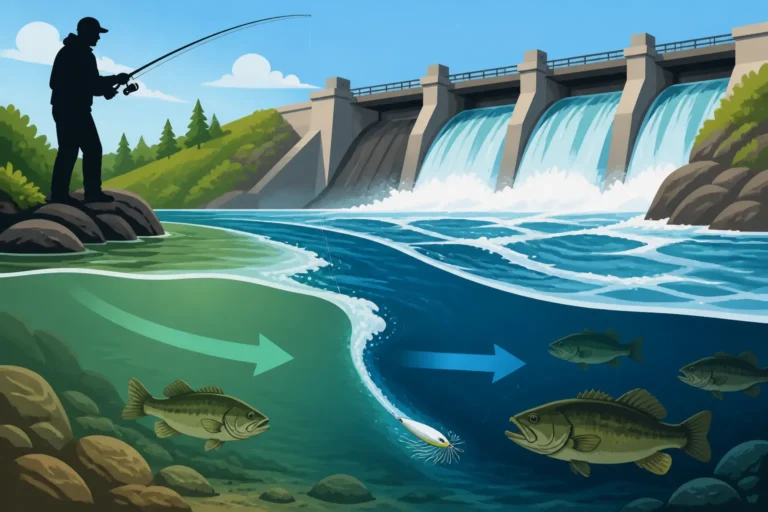
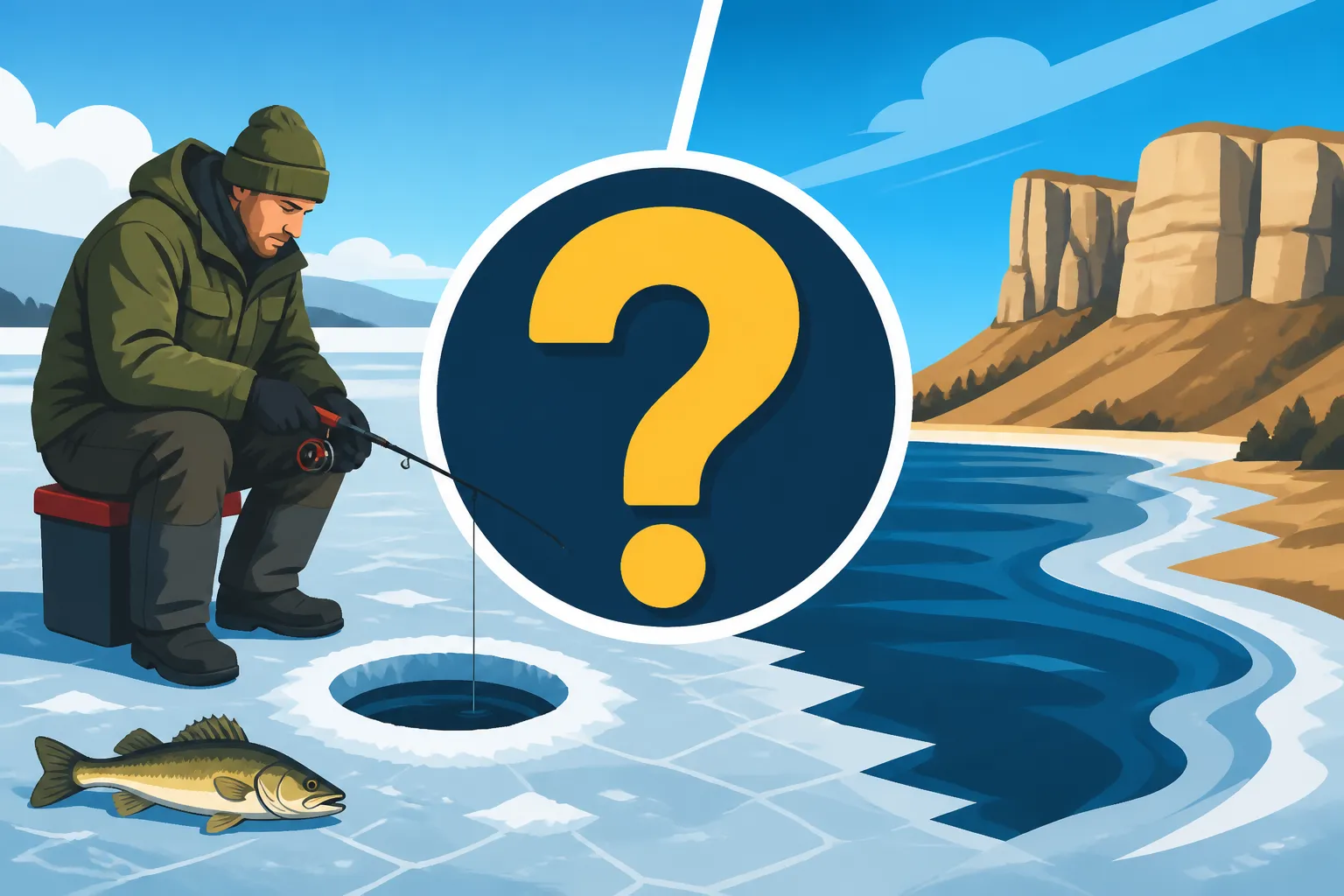
This constant flow affects water temperatures, oxygen levels, and, crucially, where and how thick the ice forms. Areas with stronger current will either have very thin, unsafe ice or no ice at all. You might see a bay completely locked up with a foot of ice, while just around a point on the main channel, there's open water or dangerously thin sheets. This makes scouting and constant vigilance absolutely essential. Anglers often find the best and safest ice in the numerous bays and backwater areas that are somewhat shielded from the main river flow. These spots tend to freeze earlier and maintain more consistent ice thickness.
Typical Ice Conditions and Formation
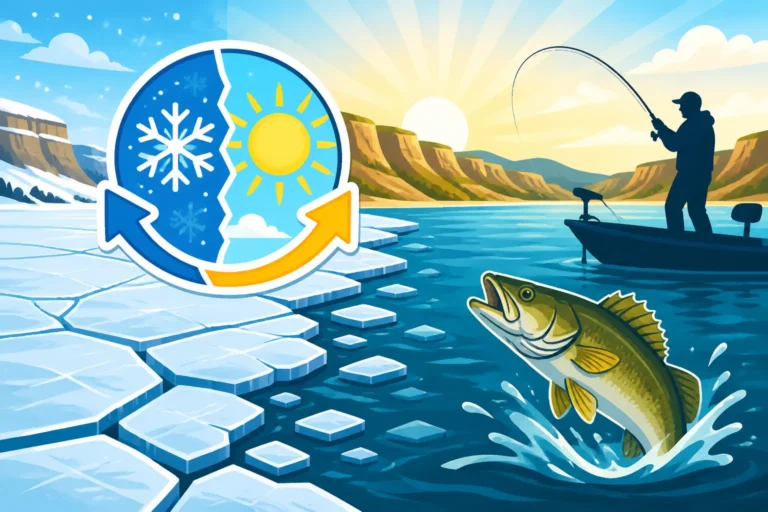
The ice on Lake Sharpe typically begins to form in sheltered bays and shallower coves sometime in December, depending on how early and how severe the cold snaps hit. The main lake body, especially near the dams or in constricted areas where current is stronger, might not freeze completely, or if it does, it will be much later in the season and potentially less stable.
When it comes to ice consistency, you might encounter a mix of clear, black ice (which is strong), milky ice (from snow or slush refreezing), or even layered ice. Snowfall can insulate ice, slowing down its thickening process, or it can even create slush layers if it melts and refreezes. Always assume that the ice, especially on a flowing body of water like Lake Sharpe, is less predictable than on a static lake. It's not uncommon to find several inches of good ice in one spot, only to hit open water or slush a few yards away. This variability is why Lake Sharpe demands an extra level of caution and preparation from ice anglers. Don't be fooled by solid-looking ice from a distance; up close, it could be a different story.
Essential Safety Measures for Ice Fishing on Lake Sharpe
Ice fishing is a fantastic winter pastime, but it carries inherent risks, especially on a dynamic system like Lake Sharpe. Safety isn't just a recommendation; it's a non-negotiable requirement. Ignoring even the simplest safety rule can turn a fun day into a life-threatening situation.
Ice Thickness Guidelines and Checks
Before you even step foot on the ice, you need to know what you're stepping on. The general rule of thumb for safe ice thickness is a minimum of four inches for walking and ice fishing. However, on Lake Sharpe, with its currents and unpredictable nature, many experienced anglers prefer at least five or six inches, just for peace of mind when walking. If you're considering a snowmobile or ATV, you're looking at a minimum of five to seven inches of good, clear ice. And if you’re thinking about driving a pickup truck out, you'll need at least 12-15 inches – but frankly, for Lake Sharpe, vehicle travel on the ice is often ill-advised due to hidden currents and pressure ridges.
The most critical safety tool you can carry is a spud bar or an ice chisel. As you move across the ice, especially in unfamiliar territory, constantly check the thickness by striking the ice in front of you. Two or three solid strikes should tell you if it's safe. If your spud bar goes through easily, turn back immediately. An ice auger is also essential for drilling test holes as you go, confirming the thickness every 20-30 yards. Always inspect the color and texture of the ice in your test holes. Clear or blue ice is generally the strongest, while milky or opaque ice indicates air bubbles and is usually weaker. If you're wondering How Thick Ice Should Be Before Fishing in South Dakota, remember that these guidelines are general, and flowing water demands more caution.
Recommended Safety Gear
Beyond checking the ice, equipping yourself with the right safety gear is paramount. This isn't about being overly cautious; it's about being prepared for the worst.
- Ice Picks: These are small, sharp tools that you wear around your neck. If you break through, you can use them to get a grip on the ice and pull yourself out. They are simple, inexpensive, and an absolute lifesaver. You can find many reliable sets on Amazon.
- Rope: A throw rope, at least 50 feet long, is vital. If a fishing buddy breaks through, you can throw them the rope while remaining safely away from the weak ice.
- Flotation Suit: Modern ice fishing suits are designed with built-in flotation material. These not only keep you warm but will also keep you afloat if you fall in, giving you precious time to self-rescue or await help. Brands like StrikerICE and Clam offer excellent flotation suits that anglers rely on.
- Buddy System: Never, ever ice fish alone on Lake Sharpe. Always go with at least one other person. Having someone there to call for help, throw a rope, or simply offer moral support in a challenging situation is invaluable.
- Communication Device: A fully charged cell phone in a waterproof case is a must. Ensure someone knows where you're going and when you expect to return.
- Navigation: A GPS unit or a reliable mapping app on your phone is highly recommended, especially on large, featureless expanses of ice. It helps you find your way back, especially in low visibility conditions like fog or snow.
This gear, combined with a healthy respect for the power of cold water and ice, will significantly reduce your risk on Lake Sharpe. If you're getting started, check out our Ice Fishing Gear Basics for Beginners guide for a more comprehensive list.
Prime Ice Fishing Spots and Access on Lake Sharpe
While the main channel of Lake Sharpe can be treacherous, its numerous bays, coves, and backwater areas offer fantastic and often safer ice fishing opportunities. Knowing where to go is half the battle, and understanding access is the other.
Known Productive Areas for Different Species
Lake Sharpe is renowned for its walleye fishing, and that doesn't change when the ice forms. You'll also find excellent crappie and perch opportunities.
- Walleye: Look for walleye in areas with structure, subtle current breaks, and depths ranging from 15 to 30 feet. Points extending into bays, humps, and the edges of old creek channels are prime locations. Areas like Joe Creek, West Bend Recreation Area, and the bays around Hipple Lake are known producers. Anglers often target walleye during low light conditions – early morning and late afternoon – but on days with good cloud cover, they can bite all day. Consider checking out Lake Sharpe Smallmouth Bass Near Big Bend Dam for general area knowledge, though walleye are the primary target here.
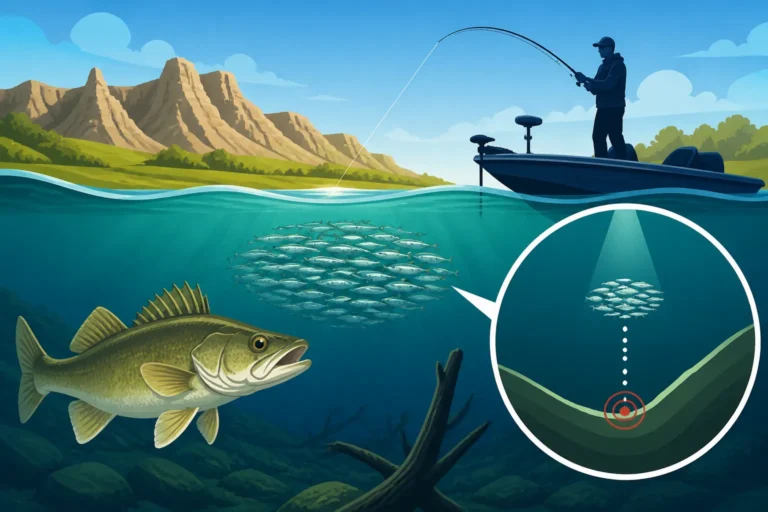
- Crappie: Crappie often suspend over deeper water, especially in the larger, protected bays. Joe Creek is famous for its crappie populations, particularly the deeper pockets within the bay. Look for schools of baitfish on your fish finder, and crappie won't be far behind. They can be found at various depths, but often orient to structure or bait. Our Lake Sharpe Crappie Fishing at Joe Creek guide dives deeper into this specific spot.
- Perch: Yellow perch tend to stick to shallower areas, often found near weed lines (if present), submerged timber, or gradual slopes in 10-20 feet of water. They are usually found in schools, so once you find one, you're likely to find more. The mouths of smaller feeder creeks emptying into the lake can also hold perch.
Remember, fish location can change day by day, but these general areas provide a solid starting point for your exploration.
Public Access Points and Considerations
Access to Lake Sharpe for ice fishing primarily relies on public boat ramps and recreation areas. When the ground is frozen and snow-covered, these spots often become walk-on access points.
- Joe Creek Lakeside Use Area: This is a very popular spot, offering good access to Joe Creek Bay, known for its crappie and walleye. The boat ramp here becomes a great entry point for anglers walking out onto the ice. You'll often see groups gathered here.
- West Bend Recreation Area: Located on the western shore of Lake Sharpe, this area provides access to a large bay system that can offer good protection from the main river current. It's a key spot referenced in our Lake Sharpe Fishing at West Bend Recreation Area guide. The boat ramps here are excellent places to start.
- Hipple Lake Area: Just north of Pierre, Hipple Lake is technically an arm of Lake Sharpe and often offers earlier and more reliable ice. There are several access points around this area, making it a favorite for local anglers.
- Spring Creek Recreation Area: Another excellent access point further south, offering good access to productive bays and structure.
Important Considerations for Access:
- Parking: Always park in designated areas. Don't block boat ramps or access roads, even if they're snow-covered.
- Foot vs. Vehicle: Most anglers access Lake Sharpe's ice on foot. While some brave souls might take ATVs or snowmobiles, extreme caution is necessary, and vehicle access is often restricted or highly discouraged due to unpredictable ice conditions. Always verify local rules and conditions before considering any motorized travel on the ice.
- Snow Cover: Heavy snow can make walking difficult and can hide potential hazards like slush pockets or pressure ridges. Be prepared for a hike and consider using a sled to haul your gear.
Techniques and Gear for Lake Sharpe Ice Fishing
Once you've safely navigated onto the ice, it's time to think about what will entice those cold-water fish. Ice fishing requires a slightly different approach than open-water fishing, particularly on a large system like Lake Sharpe.
Preferred Baits and Lures
The choice of bait and lure can make a big difference, and often, what works one day won't work the next. It's always best to have a variety on hand.
- Walleye: For walleye, vertical jigging is king. Small spoons (like Northland Forage Minnow or VMC Tingler Spoon) tipped with a minnow head or a whole live minnow are incredibly effective. Rattle spoons add attraction in stained water or to call fish in. Jigging raps or similar swimming lures, fished aggressively to attract fish and then subtly to trigger a bite, also produce well. Don't forget deadsticking—a second rod (if allowed by South Dakota Fishing Regulations Explained) fished with a live minnow under a bobber can often catch the more cautious fish.
- Crappie: Crappie have a softer bite and often prefer smaller presentations. Tiny jigs (1/32 to 1/16 oz) tipped with a small plastic grub, wax worm, or a live minnow are usually the ticket. Spoons like Custom Jigs & Spins Chekai or Ratso are also popular. Crappie often suspend, so be prepared to fish at various depths until you find their strike zone.
- Perch: Perch are often less finicky. Small tungsten jigs tipped with wax worms, maggots, or small plastic baits work wonders. Spoons like the Northland Buck-Shot Rattle Spoon in smaller sizes can also be very effective for calling in schools of perch.
Experimentation is key! Keep an eye on what your neighbors are catching fish on, and don't be afraid to change colors, sizes, or even presentations until you find what the fish want.
Ice Fishing Rods, Reels, and Line
Having the right tackle can make a world of difference in detecting those subtle winter bites.
- Rods: For walleye and larger perch, a medium-light to medium power ice rod (28-36 inches) with a fast action tip is ideal. This allows for solid hooksets and enough backbone to handle bigger fish, while the sensitive tip helps detect light bites. For crappie and smaller perch, a lighter, more sensitive rod (ultralight to light power, 24-28 inches) with a very soft tip is preferred. This is crucial for seeing the barely-there 'lift' or 'drop' bites. You can find excellent choices for Best Ice Fishing Rods and Reels that are perfect for Lake Sharpe conditions.
- Reels: Small spinning reels (500 to 1000 series) are perfect for ice fishing. They should have a smooth drag system, which is important when fighting a fish through a small hole in the ice. Make sure they are rated for cold weather to prevent freezing issues.
- Line:
- Monofilament: Affordable and has good stretch, which can be forgiving. A 4-6 lb test is common for walleye and perch, 2-4 lb for crappie.
- Fluorocarbon: Less stretch, nearly invisible underwater, and more abrasion resistant. Often used as a leader with braided line.
- Braided Line: No stretch, excellent sensitivity, but can absorb water and freeze up on the spool. Many anglers use a short fluorocarbon leader (2-4 feet) tied to braided mainline (6-10 lb test) for the best of both worlds, especially for walleye.
Electronics and Shelters
Modern ice fishing technology can significantly increase your success and comfort on Lake Sharpe.
- Fish Finders (Flashers/Sonars): These are almost mandatory on Lake Sharpe. Brands like Vexilar, Marcum, and Humminbird offer dedicated ice fishing units (flashers or graph sonars). They allow you to see your lure, detect fish approaching, and understand the depth and bottom structure. This real-time feedback is invaluable, especially when trying to find active fish or fine-tune your presentation. Our guide on Best Fish Finders for Ice Fishing can help you choose the right model. You can often find great deals on these units on Amazon.
- Portable Shelters: Whether you choose a hub-style shelter or a flip-over model, a portable ice shelter provides protection from the brutal South Dakota winds and cold. This comfort factor allows you to stay out longer and fish more effectively. They also help contain your scent and movements, making you less visible to wary fish. Many anglers opt for insulated models from brands like Eskimo, Clam, or Shappell, which can be found on Amazon. Don't forget a portable heater for inside!
Using these tools wisely will not only enhance your fishing experience but also help you stay safe and comfortable during your time on the ice.
Regulations and Best Practices for Lake Sharpe Ice Fishing
Being a responsible angler means more than just catching fish; it means understanding and adhering to regulations and practicing good stewardship of our natural resources. Lake Sharpe, like all South Dakota waters, has specific rules to ensure the sustainability of its fishery.
South Dakota Ice Fishing Regulations
Before heading out, it's crucial to be familiar with the latest South Dakota Game, Fish and Parks (GFP) regulations. These can change annually, so always consult the current year's fishing handbook.
- Fishing License: First and foremost, you'll need a valid South Dakota fishing license. Whether you're a resident or non-resident, annual, or short-term, make sure you're covered. You can find comprehensive details in our South Dakota Fishing License Guide or for more specific costs, check out South Dakota Annual Fishing License Price for Residents. Don't forget about the South Dakota Habitat Stamp Requirements that often accompany your license purchase.
- Number of Lines: Generally, South Dakota allows anglers to use up to four lines while ice fishing. This means you can actively jig with one or two rods and have additional "deadstick" rods set up with live bait. Always check the current regulations, as special waters or circumstances might have different rules.
- Species Limits and Size Restrictions: Walleye are king on Lake Sharpe, and specific daily and possession limits, as well as potential length restrictions (slot limits), are in place to manage the population. For instance, there might be rules about keeping walleye over a certain size. Crappie and perch also have possession limits. It's your responsibility to know these limits for every species you intend to target. Our South Dakota Fish Limits and Size Restrictions guide provides an excellent overview, and you can delve into specifics like South Dakota Walleye Limits or Crappie and Panfish Possession Limits.
- Shelter Regulations: If you're using a portable ice fishing shelter, ensure it's removed from the ice by a specific date, usually in late February or early March, to prevent it from becoming frozen in and creating navigational hazards once the ice breaks up. All shelters must also be clearly marked with the owner's name and address.
Remember, ignorance of the law is no excuse. Always review the official GFP materials or their website for the most up-to-date information.
Respecting the Environment and Fellow Anglers
The beauty of ice fishing in South Dakota is the shared experience and the pristine winter environment. It's up to all of us to preserve it.
- Leave No Trace: This is a fundamental principle. Pack out everything you pack in, and then some. This includes all trash, broken fishing line, bait containers, and any other debris. Fish entrails should be disposed of properly, not left on the ice for animals to scatter. A clean ice shanty site is a welcoming site for the next angler.
- Proper Waste Disposal: While on the ice, make sure all human waste is also properly managed and disposed of. Many portable shelters have small waste bags available, or you can use portable toilets. The goal is to leave the environment as you found it, or better.
- Courtesy on the Ice: Ice fishing can bring many people to concentrated areas. Maintain a respectful distance from other anglers. Don't crowd someone who's already established a spot, and avoid drilling holes too close to another angler's setup without asking permission. Keep noise levels reasonable, especially if others are using underwater cameras or trying to detect subtle bites.
- Conservation Efforts: Consider practicing selective harvest. While it's great to take some fish for a delicious meal, releasing larger breeding-stock fish, especially walleye, helps maintain healthy populations for future generations. Knowing how to properly release a fish in cold conditions (minimizing air exposure, handling gently) is also a valuable skill. Participate in clean-up days if offered, and report any violations you witness to the authorities.
By following these guidelines, you'll not only have a more enjoyable and successful ice fishing experience on Lake Sharpe but also contribute to the long-term health and accessibility of this fantastic fishery. The winter wonderland of South Dakota offers incredible opportunities, and with respect and preparation, Lake Sharpe can be an ice angler's paradise.
Disclaimer
This article is for general informational purposes only and does not constitute professional advice. Laws, prices and regulations vary by location and change over time. Consult a qualified professional for guidance on your specific situation.