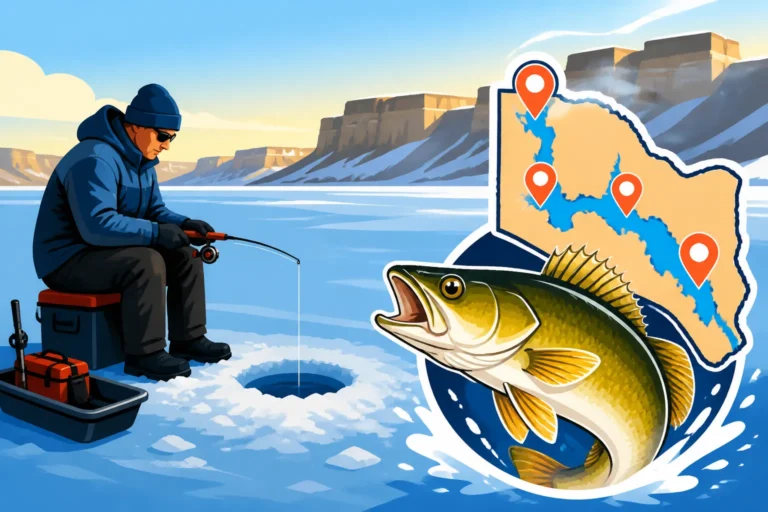
Lake Sharpe Fishing at West Bend Recreation Area
It can be daunting to pinpoint the perfect fishing spot, especially when you're visiting a new area or just looking for a reliable location that consistently produces a good bite and offers excellent access. We've all been there, driving around, wondering which boat ramp is best or where the fish are hiding. This comprehensive guide is designed to cut through that uncertainty, focusing specifically on how to make the most of fishing at West Bend Recreation Area on Lake Sharpe, an often-overlooked gem in South Dakota's angling landscape.
Understanding West Bend Recreation Area on Lake Sharpe
West Bend Recreation Area isn't just a place to launch a boat; it's a vibrant hub for anglers and outdoor enthusiasts nestled right on the shores of Lake Sharpe, one of the Missouri River reservoirs. This area offers a unique blend of easy access, diverse fishing opportunities, and stunning scenery that makes it a favorite for many local and visiting anglers. Lake Sharpe itself is renowned for its productive waters, supporting a thriving ecosystem of game fish.
The Dynamics of Lake Sharpe at West Bend
Lake Sharpe, stretching over 80 miles from Oahe Dam to Big Bend Dam, is a unique fishery characterized by its riverine flow in the upper sections and more lake-like qualities in its lower reaches. West Bend is situated roughly in the middle, giving anglers access to both environments. The constant, albeit subtle, current influences fish behavior significantly, pushing baitfish and creating oxygen-rich areas where game fish congregate. Understanding this flow is crucial for successful fishing. The depth varies dramatically, from shallow flats and shoreline structure to deep river channels, providing habitat for a wide array of species throughout the year.
What Makes West Bend Stand Out
West Bend Recreation Area offers more than just excellent fishing; it provides a comprehensive experience. Anglers appreciate the well-maintained boat ramps, offering easy launching even during busy periods. Shore anglers aren't left out either, with various accessible areas that provide a chance to cast a line without needing a boat. Beyond fishing, the area boasts camping facilities, picnic spots, and hiking trails, making it a great destination for family trips where fishing is just one part of the adventure. The consistent management by the South Dakota Game, Fish and Parks ensures that both the facilities and the fish populations are well-cared for, contributing to a consistently positive experience for visitors.
Top Fish Species to Target at West Bend
Lake Sharpe, especially around the West Bend Recreation Area, is a multi-species angler's dream. While Walleye often steal the spotlight, there are several other fantastic game fish that provide exciting action and make for excellent table fare. Knowing what species are prevalent and when they're most active can significantly increase your success rate.
Walleye: The King of Lake Sharpe
No discussion of fishing on Lake Sharpe is complete without mentioning the walleye. These elusive, delectable fish are the primary draw for many anglers at West Bend. Walleye in Lake Sharpe are known for their strong year-class reproductions and impressive growth rates, meaning there's always a good chance of hooking into a nice keeper or even a trophy. They tend to relate closely to structure and current, often hiding in depressions, along drop-offs, or behind submerged points where they can ambush unsuspecting baitfish.
Targeting walleye successfully requires patience and an understanding of their habits. In spring, after ice-out, they'll often be shallower, actively feeding after the spawn. As summer progresses, they move to deeper, cooler waters, often congregating along the main river channel edges or deep points. Fall can see them return to shallower feeding flats before heading to wintering holes. Popular techniques include trolling crankbaits or spinner rigs, vertical jigging, and using live bait rigs like Lindy Rigs or slip bobbers with minnows or nightcrawlers. Check out our guide on how to fish for walleye in South Dakota for more in-depth strategies.
Smallmouth Bass: Fierce Fighters
If you're looking for a hard-fighting fish that loves to put on a show, the smallmouth bass at West Bend will not disappoint. These aggressive predators thrive in the rocky, current-swept areas of Lake Sharpe and are abundant around the recreation area. Unlike their largemouth cousins, smallmouth prefer clear water and rocky bottoms, making the natural contours and man-made riprap around West Bend ideal habitat. They are known for their acrobatic jumps and powerful runs, making every catch an exciting battle.
Smallmouth bass fishing is often most productive around visible structure such as rocky shorelines, submerged humps, and the riprap banks near the boat ramps and causeways. In cooler months, they might be deeper, but during warmer periods, they often patrol shallower rocky points and flats. Anglers frequently use crankbaits, spinnerbaits, tube jigs, and soft plastic presentations like grubs or creature baits. Targeting them during low-light conditions or on overcast days can be particularly effective, as they become more active hunters when the sun isn't directly overhead. For deeper insights, you might enjoy our article on Lake Sharpe Smallmouth Bass Near Big Bend Dam, which offers transferable techniques.
Crappie and Panfish: Fun for Everyone
Beyond the glamour of walleye and smallmouth, West Bend offers fantastic opportunities for crappie and other panfish like bluegill and perch. These species are often overlooked but provide consistent action, especially for families or anglers looking for a more relaxed day on the water. Crappie, in particular, can be found in impressive numbers and sizes in Lake Sharpe, making them a popular target for their delicious fillets. They tend to school up, so when you find one, you're likely to find many more.
Crappie often relate to submerged timber, brush piles, or weed beds, seeking cover and ambush points. Around West Bend, look for them suspending in deeper water near structure or moving into shallower coves and bays during spring and fall. Small jigs tipped with minnows or soft plastic bodies are highly effective. A simple slip bobber setup can also be incredibly productive, allowing you to present your bait at various depths until you find where the fish are holding. Panfish like bluegill and perch are typically found in shallower, calmer waters, often around docks, lily pads, or other vegetation, and will readily bite on small worms, crickets, or tiny artificial baits. Check out our detailed guide on Crappie and Panfish Possession Limits to ensure you're fishing within the regulations.
Optimal Fishing Techniques and Seasons
To truly excel at fishing at West Bend Recreation Area, it’s not just about knowing what to catch, but how and when to catch them. The Missouri River system means fish behavior is heavily influenced by seasonal changes, water temperatures, and current. Adapting your approach to these factors is key to consistent success.
Seasonal Strategies for Walleye
Walleye fishing on Lake Sharpe around West Bend changes dramatically throughout the year. In spring, as the ice recedes, walleye move to shallower spawning areas. This is an excellent time for jigging with minnows or soft plastics in areas with slightly reduced current, often near incoming creeks or protected bays. As the water warms, they'll become more aggressive, and slow trolling with shallow-diving crankbaits can be very effective along emerging weed lines or rocky flats.
Summer fishing often means targeting walleye in deeper water. Look for them on the main river channel edges, submerged humps, and points. Trolling with bottom bouncers and spinner rigs, or deep-diving crankbaits, are popular methods. Night fishing can also be incredibly productive during summer, as walleye move shallower under the cover of darkness to feed. The dog days of summer might require you to explore techniques like Deep Water Summer Fishing Techniques.
By fall, walleye start to feed heavily in preparation for winter. They often move back to mid-depths, congregating in schools. Trolling with crankbaits or jigging spoons can be excellent as they chase baitfish. As water temperatures drop further, they will eventually settle into deeper wintering holes, where vertical jigging becomes the go-to technique during the ice fishing season.
Mastering Techniques for Smallmouth Bass
Smallmouth bass are year-round residents, but their activity levels and locations shift with the seasons. In spring, after ice-out, they'll be found in shallower, rocky areas, often near spawning beds. Jerkbaits, tube jigs, and spinnerbaits cast towards rocky points and shorelines can be highly effective. They're often aggressive as they feed up after the cold months.
During summer, smallmouth might hold slightly deeper during the brightest parts of the day, seeking cooler water or shade near submerged rocks and ledges. Drop-shotting, Carolina rigs, and deep-diving crankbaits can entice bites. Early morning and late evening, or overcast days, will find them shallower, making topwater lures or walking baits an exciting option. Look for areas with current seams where baitfish gather.
In fall, much like walleye, smallmouth will go on a feeding frenzy. They'll be found in a variety of depths, often schooling up on rocky humps or along riprap. Jigs, crankbaits, and soft plastics fished slowly can be very productive. As winter approaches, they'll move to deeper wintering areas, where subtle presentations like blade baits or vertical jigs are needed. Our guide on South Dakota Smallmouth Bass Fishing Guide offers more detailed seasonal patterns.
Tips for Crappie and Panfish Success
Crappie and panfish, while often easier to catch, still require some finesse and understanding of their habits. In spring, crappie move into shallow coves and bays with submerged brush or emerging vegetation for spawning. This is prime time for using small jigs under a bobber, targeting depths from 2 to 6 feet. They can be very active and a lot of fun on light tackle.
Summer crappie will often suspend in deeper water, sometimes over structure or open water schools of baitfish. Electronics become invaluable for locating these schools. Vertical jigging small spoons or soft plastics directly over the fish, or slow trolling with tiny crankbaits, can trigger bites. Other panfish will remain in shallower, vegetated areas throughout the summer.
As fall arrives, crappie will once again move to shallower to mid-depth areas, feeding aggressively before winter. Look for them around deeper brush piles, bridge pilings, or channel swings. Small minnows fished on a slip bobber or tight-lining tiny jigs are reliable options. During the winter, when the lake freezes over, ice fishing for crappie and perch at West Bend can be excellent. They will often congregate in deeper basins or near submerged structures, making them accessible to ice anglers. Check our South Dakota Ice Fishing Guide for specific winter tactics.
Access and Facilities at West Bend Recreation Area
One of the greatest advantages of fishing at West Bend Recreation Area is the excellent access it provides for both boat and shore anglers, coupled with convenient amenities that enhance your overall experience. Knowing what facilities are available can help you plan a seamless and enjoyable fishing trip.
Boat Ramps and Water Access
West Bend Recreation Area boasts well-maintained boat ramps, designed to handle a variety of watercraft, from small fishing boats to larger recreational vessels. There are typically multiple lanes, which helps to mitigate congestion, even during peak fishing seasons or on busy weekends. The ramps usually have ample parking for vehicles and trailers, a common point of frustration at less-developed access points. This makes launching and retrieving your boat much less stressful.
Beyond the main ramps, West Bend offers extensive shoreline access, allowing anglers to fish from the bank. These areas often include designated fishing piers or improved shoreline for easier casting and safer footing. These spots are perfect for those without a boat, families with young children, or anyone looking for a relaxed day of fishing with a simpler setup. Remember to always be mindful of other users and observe all South Dakota Boat and Water Access Rules.
Amenities for Anglers and Families
The facilities at West Bend go beyond just getting your boat in the water. For starters, you'll find modern restroom facilities that are generally clean and well-maintained. This is a huge plus, especially for longer days on the water or when bringing the family along. Picnic areas with tables and grills are available, making it easy to enjoy a meal outdoors.
For those planning an extended stay, West Bend offers camping opportunities, ranging from primitive sites to those with electrical hookups. This allows anglers to stay close to the action and maximize their time on the water, waking up just steps from prime fishing grounds. There are also usually fish cleaning stations available, which are incredibly convenient for processing your catch responsibly before heading home. These well-thought-out amenities truly make West Bend a full-service destination for anglers.
Planning Your West Bend Fishing Trip
A successful fishing trip to West Bend Recreation Area isn't just about showing up with a rod and reel. A little planning goes a long way in ensuring you have an enjoyable, productive, and hassle-free experience. From understanding regulations to considering local guidance, here's what you need to know.
Navigating Licenses and Regulations
Before you even cast a line, ensure you have the proper South Dakota fishing license. Regulations can change, so it's always best to check the latest South Dakota Game, Fish and Parks (GFP) guidelines. You can often purchase licenses online through the GFP website, or at various local vendors and sporting goods stores throughout the state. Don't forget that a South Dakota Habitat Stamp Requirements might also be necessary, depending on your license type and residency.
It's equally important to familiarize yourself with the specific fishing regulations for Lake Sharpe, including daily limits and size restrictions for different species. For example, walleye limits can vary by body of water, and knowing the South Dakota Walleye Limits is crucial. Keep a copy of the regulations handbook (available from GFP or often online) with you. These rules are in place to ensure the health of the fishery for future generations, and adhering to them is part of being a responsible angler.
Accommodations and Local Services
West Bend Recreation Area offers various camping options, from basic sites to those with electricity, allowing you to stay right by the water. Booking campsites in advance, especially during peak season, is highly recommended. If camping isn't your style, nearby towns like Pierre or Fort Pierre offer a range of hotels, motels, and even vacation rentals, usually within a reasonable driving distance.
For supplies, you'll find convenience stores, gas stations, and bait shops in these neighboring communities. It's a good idea to stock up on essentials like live bait (minnows, worms, leeches), tackle, snacks, and drinks before heading to the recreation area, as options at West Bend itself are limited. If you're looking for a truly personalized experience or want to learn the local hot spots quickly, consider hiring a local fishing guide. Services like FishingBooker can connect you with experienced guides who specialize in Lake Sharpe and can provide invaluable insights into the current fishing conditions and best techniques. A guided trip, while an investment, can significantly cut down on the learning curve and increase your chances of a memorable catch.
Preparing for South Dakota Weather
South Dakota weather can be notoriously unpredictable, especially near large bodies of water like Lake Sharpe. It's not uncommon to experience drastic temperature swings, strong winds, or sudden thunderstorms, even within a single day. Always check the forecast before you go, but be prepared for anything.
Layering your clothing is a smart strategy, allowing you to adapt to changing conditions. A good quality rain jacket and waterproof pants are essential, as are polarized sunglasses and a wide-brimmed hat for sun protection. On hot summer days, bring plenty of water to stay hydrated. For cooler seasons, thermals and insulated outerwear are a must. Remember, being comfortable on the water means you can stay out longer and focus on fishing, rather than battling the elements. Considering the typical conditions on the Missouri River system, you might find our insights on Wind and Weather Fishing Tips particularly helpful for planning your outing.
| Species | Peak Season | Preferred Baits/Lures | Key Locations at West Bend | Average Depth (ft) |
|---|---|---|---|---|
| Walleye | Spring, Fall | Jig & minnow, Crankbaits, Spinner rigs, Nightcrawlers | Channel edges, Submerged points, Flats near current | 10-30+ |
| Smallmouth Bass | Summer, Fall | Tube jigs, Crankbaits, Spinnerbaits, Soft plastics | Rocky shorelines, Riprap, Submerged humps | 5-20 |
| Crappie | Spring, Fall | Small jigs, Minnows, Tiny soft plastics | Brush piles, Submerged timber, Calm bays | 5-25 |
| Yellow Perch | Winter, Fall | Small jigs, Spoons, Worms | Weedy flats, Deeper basins | 10-40 |
| Northern Pike | Spring, Fall | Spinnerbaits, Large spoons, Jerkbaits, Live bait | Weed lines, Shallow bays | 5-15 |
Disclaimer
The information provided in this guide is for general informational purposes only. Fishing conditions, regulations, and access points can change frequently. Always consult the official South Dakota Game, Fish and Parks (GFP) website or their current fishing handbook for the most up-to-date rules and information before planning your trip. Fishing inherently involves risks; please prioritize safety and exercise caution while on the water.