Lewis and Clark Lake Boat Ramps Near Yankton
Finding the perfect boat ramp on Lewis and Clark Lake near Yankton can feel like a game of hide-and-seek, especially when you're itching to get your lines in the water. With fluctuating water levels, seasonal crowds, and varying amenities, simply "finding a ramp" isn't always enough to guarantee a smooth start to your fishing adventure. This comprehensive guide is here to cut through the confusion, offering a detailed look at the best boat ramps and access points around Yankton, South Dakota, so you can spend less time searching and more time reeling in those trophy walleye or crappie.
Understanding Lewis and Clark Lake Boat Access Near Yankton
Lewis and Clark Lake isn't just a body of water; it's a vibrant ecosystem that draws anglers, boaters, and outdoor enthusiasts from all over. Situated on the Missouri River, this reservoir is a powerhouse for fishing, particularly for walleye, smallmouth bass, and panfish. But getting your boat into these productive waters requires understanding the lay of the land, especially around the bustling hub of Yankton.
Why Yankton is a Gateway to Missouri River Fishing
Yankton, South Dakota, sits right on the northern shore of Lewis and Clark Lake, making it an undeniable focal point for anyone looking to explore this magnificent fishery. Its strategic location, coupled with a wide array of services and recreational areas, makes it the primary staging ground for countless fishing trips. You'll find everything from bait shops stocked with the freshest minnows to tackle stores brimming with the latest gear. More importantly, Yankton offers direct access to some of the most well-maintained and heavily utilized boat ramps on the entire lake, providing both convenience and variety for anglers. Whether you're planning a quick morning outing or a multi-day fishing vacation, starting your journey from Yankton often means easier logistics and more time on the water. It’s also a fantastic place to base yourself if you’re looking to explore the wider Missouri River system, with the famous tailwaters below Gavins Point Dam just a stone's throw away.
Key Characteristics of Lewis and Clark Lake for Anglers
Lewis and Clark Lake is a unique beast, formed by the Gavins Point Dam, the last dam on the main stem of the Missouri River before it flows freely. This gives it distinct characteristics that impact boat ramp usability and fishing strategies. The lake stretches for about 25 miles upstream from Yankton, offering a mix of open water, submerged timber, rocky points, and sandy flats. Its primary characteristic is its relatively stable water level, largely controlled by the dam, which is a blessing compared to some other reservoirs that experience drastic fluctuations. However, even controlled systems can have their quirks. Strong winds can whip up quickly, turning calm waters into challenging conditions, and sediment runoff from tributaries can affect clarity. Understanding these elements helps you choose the right ramp and prepare your gear. The lake's depth varies, with deeper channels near the dam and shallower expanses upstream. All these factors contribute to how fish relate to structure and, consequently, how you approach your fishing from specific launch points. For a deeper dive into what makes this body of water so special, check out our comprehensive Lewis and Clark Lake Fishing Guide.
Premier Public Boat Ramps Around Yankton
When it comes to getting your boat on Lewis and Clark Lake, the public ramps maintained by the South Dakota Game, Fish and Parks (GFP) are usually your best bet. They are typically well-maintained, offer ample parking, and provide easy access to different sections of the lake. Near Yankton, you're spoiled for choice with several excellent options.
The Extensive Lewis and Clark Recreation Area Access Points
The Lewis and Clark Recreation Area is a sprawling state park system that hugs the northern shore of the lake directly west of Yankton. Within this expansive area, you'll find multiple boat ramps, each with its own advantages, making it the most popular launching destination for anglers and recreational boaters alike.
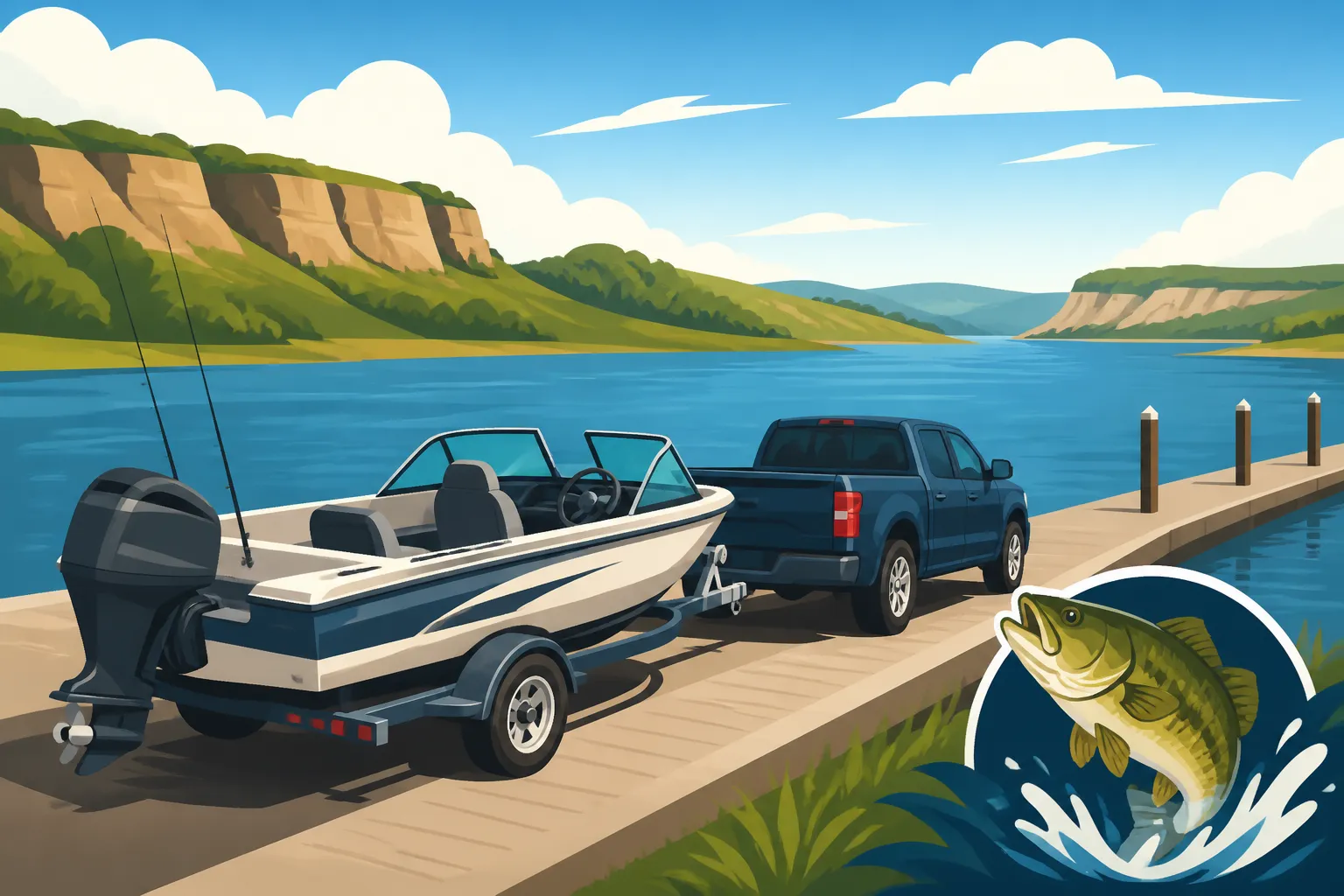
The Gavins Point West Ramp is often a favorite, particularly for those targeting the western parts of the lake or heading upstream. It's usually a multi-lane, paved ramp with a substantial parking lot, capable of handling a high volume of traffic even during peak season. Its easy approach and sheltered location make it relatively user-friendly, even on windier days. Many anglers choose this ramp for its direct access to popular fishing spots like the deeper channels and submerged structure further up the lake. You'll often see everything from large walleye boats to smaller pontoons launching here.
Further east, but still within the Lewis and Clark Recreation Area, is the Gavins Point East Ramp, sometimes referred to simply as the "Yankton Ramp" due to its proximity to the city. This ramp is another highly accessible, multi-lane option with excellent facilities. It's often bustling with activity, particularly on weekends, as it provides quick access to the main body of the lake closer to the dam. This area is a prime spot for Lewis and Clark Lake Crappie and Perch Fishing, and the ramp accommodates anglers looking for diverse opportunities. The ample parking here is a huge plus, but remember that during busy times, spaces can fill up quickly.
Lastly, within the Lewis and Clark Recreation Area, you might also find smaller or less-used ramps like Tabor Lakeside Use Area or Miller Creek Recreation Area. These often provide a bit more tranquility and can be excellent alternatives if the main ramps are overly crowded. While they might have fewer lanes or smaller parking areas, they offer a more intimate launching experience and can be strategic if your target fishing grounds are closer to these specific points. Always check local signage for any specific rules or restrictions before launching.
Midway and Cottonwood Recreation Areas: Essential Alternatives
Moving a little further east from the Lewis and Clark Recreation Area, but still very accessible from Yankton, you'll find the Midway Recreation Area and Cottonwood Recreation Area. These state park areas offer fantastic public boat ramp options that can serve as excellent alternatives or primary launch points, depending on where you plan to fish and the lake conditions.
The Midway Recreation Area boat ramp is a reliable option for anglers. It typically features paved lanes and decent parking, though it might not be as vast as the main ramps in the Lewis and Clark Recreation Area. Its location can be particularly advantageous if you're looking to target areas of the lake slightly upstream from the dam, away from the immediate tailwaters, but still within a reasonable distance of Yankton's amenities. This ramp usually sees a steady flow of traffic, but often feels a bit less hectic than the more central ramps on peak days. It's a great spot to launch if you're interested in exploring new areas or if you've found a Lewis and Clark Lake Smallmouth Bass Fishing Report that points to success further east.
Even further east along the lake's northern shore lies the Cottonwood Recreation Area. This ramp provides excellent access to the eastern stretches of Lewis and Clark Lake, offering a different perspective on the fishery. Like Midway, it's typically well-maintained with paved access and parking. Choosing the Cottonwood ramp can be a strategic move to access specific coves, points, or structure that might be harder to reach efficiently from the western ramps. It's also a popular choice for those camping in the Cottonwood Recreation Area itself, allowing for a seamless transition from campsite to fishing spot. These ramps truly highlight the diversity of access points available, ensuring you can usually find a suitable place to launch regardless of your boat size or target species.
Gavins Point Dam Tailwater Access Considerations
While Lewis and Clark Lake offers incredible fishing, the area immediately below Gavins Point Dam, known as the tailwaters, is a separate and distinct fishery that draws a huge number of anglers. This specific stretch of the Missouri River offers unique challenges and incredible opportunities, particularly for walleye, sauger, and catfish. However, boat access directly into the tailwaters right below the dam is different from launching into the lake itself.
There are specific boat ramps designed for accessing the river below the dam. One of the most prominent is the public access area directly on the river downstream from Gavins Point Dam. This ramp is typically well-maintained, with multiple lanes and a large parking area, designed to handle the substantial traffic of anglers specifically targeting the fast-flowing current. Anglers often launch here to drift or anchor in the current seams, looking for walleye stacked up below the dam. It's a prime location for specialized Missouri River Tailwater Fishing Below Gavins Point Dam techniques.
It's crucial to understand that launching here puts you on the river below the dam, not on Lewis and Clark Lake. The conditions are entirely different – strong currents, submerged hazards, and rapidly changing water flows from dam operations are all factors to consider. Always pay close attention to safety, and ensure your boat is adequately powered and equipped for river conditions. Many experienced anglers dedicate entire trips to these tailwaters, often finding the fishing to be incredibly productive. Before you go, it's a good idea to check the Gavins Point Dam Walleye Fishing Report for current conditions and what techniques are working best.
Here's a quick overview of some popular public boat ramps near Yankton on Lewis and Clark Lake:
| Boat Ramp Name | Location Relative to Yankton | Number of Lanes | Parking Availability | Special Notes | Fees |
|---|---|---|---|---|---|
| Gavins Point West (L&C Rec Area) | West | 3-4 | Large | Popular, good for upstream lake access | State Park Entrance Fee |
| Gavins Point East (Yankton Ramp) | West, closer to city | 4-5 | Very Large | High traffic, easy access to main lake | State Park Entrance Fee |
| Midway Recreation Area | East | 2-3 | Moderate-Large | Good alternative, less crowded than main L&C | State Park Entrance Fee |
| Cottonwood Recreation Area | Further East | 2-3 | Moderate | Quieter option, good for eastern lake access | State Park Entrance Fee |
| Gavins Point Tailwater Access | Below Dam, on River | 3-4 | Large | River access only, strong current | None |
Beyond the Main Ramps: Lesser-Known and Private Options
While the large public ramps are excellent, sometimes you're looking for something a little different, maybe a quieter launch, or a place that offers additional services. Lewis and Clark Lake, especially around Yankton, also provides a few private and lesser-known access points that can be incredibly useful.
Marina Services and Convenient Private Launches
For those who prioritize convenience, security, or perhaps need specialized services, local marinas on Lewis and Clark Lake offer private boat launch options. These often come with a fee, but they typically provide well-maintained ramps, secure parking, and a host of other amenities that public parks might not.
The Lewis & Clark Marina, located within the Lewis and Clark Recreation Area itself, is a prime example. While it’s technically within the state park, it operates independently and offers launch services, covered slips for rent, fuel, bait, tackle, and even a restaurant. Launching from a marina like this can be a huge time-saver, especially if you're frequently on the water or need to fuel up right before heading out. The staff are often knowledgeable about local conditions and can provide valuable insights. These private options are particularly appealing if you're planning an extended stay or prefer the added security of a marina setting for your boat and vehicle. Many marinas also cater to larger boats and offer more robust dockage. If you're new to the area or prefer a concierge-like experience, using a marina launch can significantly reduce the stress associated with getting on the water.
Exploring Bank and Shoreline Access for Smaller Crafts
Not every fishing trip requires a large boat and a multi-lane ramp. For those who prefer smaller craft like kayaks, canoes, or even float tubes, Lewis and Clark Lake offers numerous opportunities for bank and shoreline access that don't necessarily involve a formal boat ramp. These can be fantastic for a more tranquil experience, targeting specific shallow water habitats, or simply enjoying the serenity of the lake.
Throughout the Lewis and Clark Recreation Area and other public lands along the shoreline, there are many spots where you can easily carry a kayak or canoe a short distance to the water. These informal launch points are often found near picnic areas, designated fishing piers, or along less developed stretches of shoreline. They are ideal for quick, impromptu trips or for reaching areas that larger boats can't access. You might find success targeting bluegill and other panfish in these shallower, reedy areas, or even smallmouth bass around rocky banks.
However, keep in mind a few things: parking might be limited at these informal spots, and you'll need to be mindful of private property signs. Always carry your craft a safe distance from vehicle traffic and be aware of your surroundings. While you don't typically need to register smaller, non-motorized boats in South Dakota unless they are over a certain length or have an attached motor, it's always wise to double-check South Dakota Boat Registration Guide for the most current rules. These humble entry points offer a different kind of freedom, allowing you to explore the lake's hidden nooks and crannies that the big boats often overlook.
Mastering Boat Ramp Navigation and Etiquette
Navigating boat ramps, especially popular ones, can be an art form. It's not just about getting your boat in the water; it's about doing it efficiently, safely, and courteously. Nobody likes a ramp jam, and a little preparation and mindfulness can go a long way in ensuring a smooth experience for everyone.
Practical Tips for Varying Water Levels
One of the less common but crucial challenges on any large body of water, even one as regulated as Lewis and Clark Lake, can be dealing with varying water levels. While Gavins Point Dam generally keeps things stable, upstream conditions on the Missouri River or periods of drought/flood can still impact ramp usability.
In high water conditions, ramps might be partially submerged or have debris washed onto them. The biggest risk is hitting submerged structures or floating logs as you launch or retrieve. Always approach slowly and scout the area with your eyes, or even walk down the ramp if possible. High water can also mean stronger currents near the ramp, making launching and retrieving a bit more challenging. Be mindful of your boat's position and use ropes to control it.
In low water conditions, the end of the ramp might drop off sharply, or worse, expose a muddy, rocky, or silty bottom that's not suitable for launching. You might find yourself backing your trailer tires quite deep, potentially getting them stuck, or struggling to get your boat off the trailer. Some ramps may become completely unusable. If the water is significantly low, look for ramps known to have a deeper approach, or consider using a private marina that has adapted its launch. It's always a good idea to check the current lake conditions or call a local bait shop or the Lewis and Clark Recreation Area office before heading out if you suspect extreme water levels. A simple phone call can save you a lot of frustration and potential damage to your boat or trailer.
Handling Crowds and Maintaining Flow
Boat ramps, particularly on busy summer weekends or during prime fishing seasons like spring walleye runs, can feel like Grand Central Station. Patience and preparation are your best friends here. The key to successful ramp navigation is maintaining a steady flow and minimizing your time on the ramp itself.
Before you even get to the ramp: Do all your prep work in the designated staging areas. This means transferring all your gear from your vehicle to your boat, securing your cooler, loading fishing rods, attaching your bow and stern lines, removing your boat cover, taking out your transom saver, securing your drain plug, and having your keys in hand. Basically, do everything except unhook your boat from your vehicle. This is also where you should be putting on your South Dakota Life Jacket Requirements compliant PFDs.
At the ramp: When it's your turn, back your trailer down smoothly and efficiently. If you're not confident backing, practice in an empty parking lot, or have an experienced person assist. Once the boat is in the water, quickly get it off the trailer. Ideally, one person handles the boat while the other immediately pulls the vehicle and trailer out of the way. Never leave your vehicle unattended on the ramp.
Retrieval: The same rules apply in reverse. Have your vehicle and trailer ready, but wait your turn. Back down, get your boat onto the trailer quickly, perform minimal tie-downs to secure it for the drive to the staging area, and then pull out of the way immediately. Once in the staging area, you can take your time to properly secure everything for the road. Learning How to Back a Trailer Down a Boat Ramp smoothly is a skill that will earn you respect from fellow anglers and make your trips far more enjoyable. Remember, everyone wants to get on and off the water, and a little cooperation goes a long way.
Essential Safety Protocols and Pre-Launch Checks
Safety should always be paramount, whether you're a seasoned angler or a newcomer to boating. A boat ramp is where many potential problems can be averted with a few simple checks and adherence to safety protocols.
Before you even back down the ramp, perform a thorough pre-launch checklist.
- Drain Plug: Is it in? You'd be surprised how many times this simple step is overlooked, leading to a rapidly sinking boat.
- Battery: Is it charged? Are the connections clean and secure?
- Fuel: Do you have enough for your planned trip? Better to fill up at the marina or a gas station beforehand than run out on the lake.
- Safety Gear: Are all required items on board and easily accessible? This includes South Dakota Boat Safety Requirements like life jackets for everyone on board (especially children), a fire extinguisher, horn/whistle, distress signals, and navigation lights if you plan to be out at dawn, dusk, or night.
- Boat Condition: Check for any loose lines, open hatches, or anything that could come undone or cause a hazard while underway.
- Engine: Give it a quick visual inspection. Ensure the prop is clear and the trim is set correctly for launching.
When launching, be aware of swimmers or other boaters in the water near the ramp. Use your navigation lights in low light conditions, even if just for visibility while launching. Never stand directly behind a boat that's backing down the ramp. Once on the water, observe no-wake zones and give other boats ample space. Taking a few extra minutes for these checks and being safety-conscious on the ramp not only protects you and your boat but also contributes to a safer environment for everyone enjoying Lewis and Clark Lake.
Enhancing Your Lewis and Clark Lake Fishing Experience
Beyond just getting your boat in the water, there are many ways to make your Lewis and Clark Lake fishing trip truly memorable. From utilizing local resources to seeking expert guidance, a little extra planning can elevate your entire experience.
Local Amenities and Support Services
Yankton and the surrounding Lewis and Clark Lake area are well-equipped to support anglers, offering a wide array of amenities and services that can make your trip more comfortable and convenient.
- Bait and Tackle Shops: These are invaluable resources. Stores like Yankton Bait and Tackle or others in the area not only sell live bait, lures, and fishing gear but also provide crucial up-to-date information on local fishing conditions, what's biting, and what techniques are working. The folks behind the counter are often lifelong local anglers happy to share their knowledge.
- Fuel Stations: Several gas stations are conveniently located in Yankton, and some marinas also offer fuel directly on the water, saving you time and hassle.
- Lodging and Camping: If you're planning an extended stay, Yankton offers hotels, motels, and RV parks. The Lewis and Clark Recreation Area and nearby state parks boast excellent campgrounds with sites for tents and RVs, many with electrical hookups and lake views. For more details, explore our guide on the Best RV-Friendly Campgrounds Near Lewis and Clark Lake.
- Boat Repair and Maintenance: In case of an unexpected issue, there are marine service centers in or near Yankton that can handle repairs, from engine troubles to trailer issues, ensuring your trip isn't derailed by mechanical problems.
- Dining: After a long day on the water, you'll find plenty of options in Yankton to grab a delicious meal, whether you're craving a hearty steak or a casual burger.
Utilizing these local services not only makes your trip smoother but also supports the local community that relies on fishing and tourism. Don't hesitate to ask locals for recommendations; they often know the best hidden gems!
Considering Guided Trips for Deeper Insights
For many anglers, especially those visiting Lewis and Clark Lake for the first time or looking to learn advanced techniques, hiring a local fishing guide can be an absolute game-changer. South Dakota has a fantastic community of experienced, licensed fishing guides who specialize in Lewis and Clark Lake and the Missouri River system.
A professional guide brings years of local knowledge, understanding the subtle nuances of the lake, knowing where the fish are holding in different seasons, and what baits and presentations are most effective. They typically provide all the necessary gear, from high-quality rods and reels to a boat equipped with the latest electronics, saving you the hassle of bringing all your own equipment. They can teach you specific techniques for targeting walleye, smallmouth bass, or salmon, helping you hone your skills faster than you ever could on your own. This personalized instruction can be invaluable.
Moreover, guides are well-versed in all the South Dakota Fishing Regulations Explained and ensure your trip is compliant with all local laws, including possession limits and size restrictions. If you're traveling from out of state, or even if you're a resident looking to explore new strategies, a guided trip can provide an efficient and highly educational way to experience the best of Lewis and Clark Lake fishing. Services like FishingBooker can help you find reputable local guides who specialize in the species and techniques you're interested in. Just make sure to research their experience and reviews. Sometimes, the best way to uncover the secrets of a new fishing spot is to learn from someone who has spent countless hours mastering its waters. Remember that guides typically operate under specific South Dakota Fishing Guide License Requirements to ensure professionalism and safety.
Disclaimer
The information provided in this guide is for general informational purposes only and is subject to change. Always verify current regulations, fees, and conditions with the South Dakota Game, Fish and Parks (GFP) or relevant local authorities before planning your trip. Fishing conditions, including water levels and fish activity, can vary widely. Stay safe and always prioritize responsible boating and fishing practices.