Lewis and Clark Lake Crappie and Perch Fishing
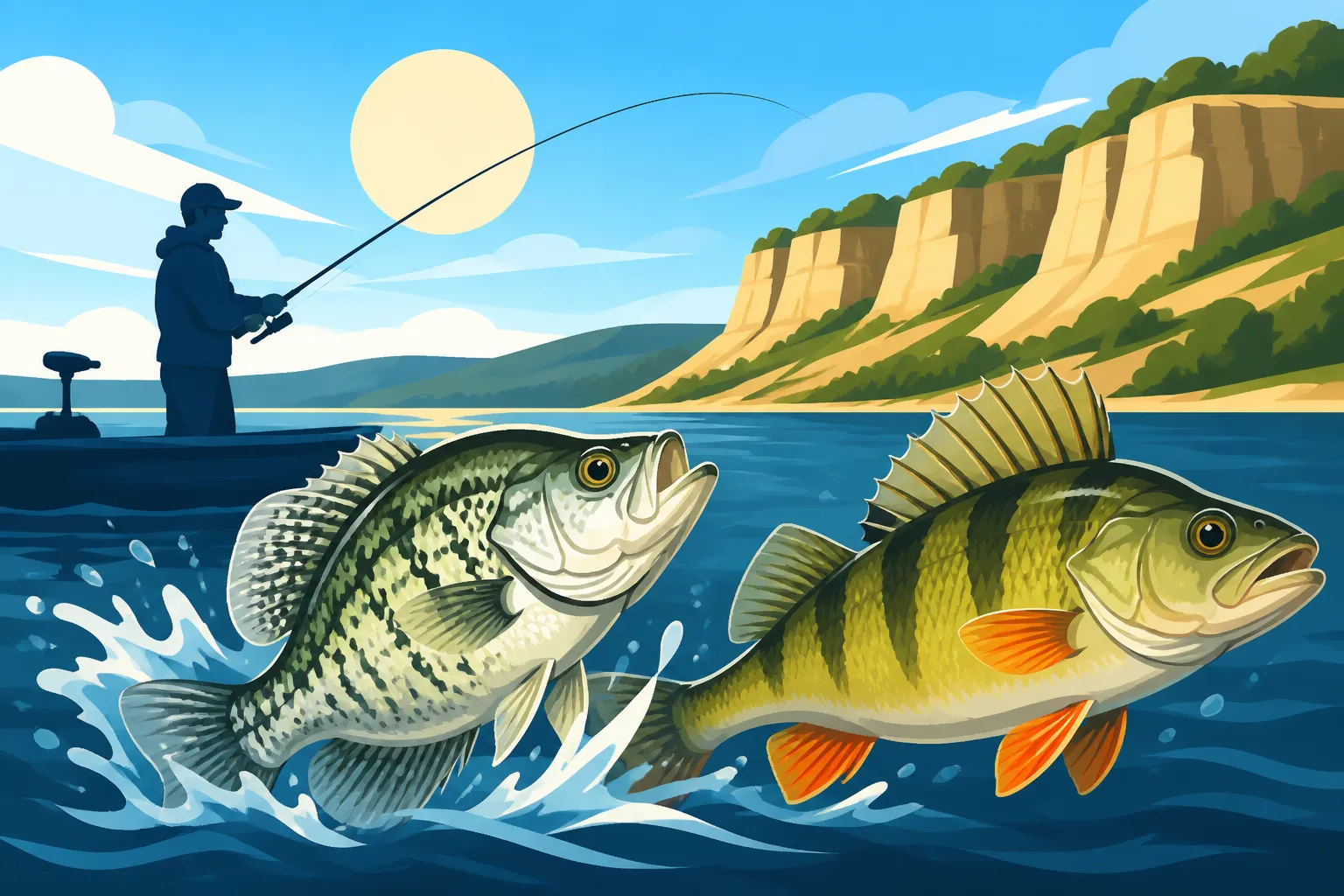
Ah, the mighty Lewis and Clark Lake! It’s a truly magnificent stretch of water, carved out by the Missouri River, and for many anglers, it represents both incredible opportunity and a bit of a head-scratcher. You see, while everyone talks about the walleye here (and for good reason!), it can be frustratingly hard to pinpoint those schools of delicious crappie and feisty yellow perch on such a vast body of water. You might spend hours cruising, wondering where to even start. But don't you worry, because this guide is all about cutting through that uncertainty, helping you unlock the secrets to consistent crappie and perch success on Lewis and Clark Lake, making your next outing much more productive and enjoyable.
Understanding the Lewis and Clark Lake Ecosystem for Panfish
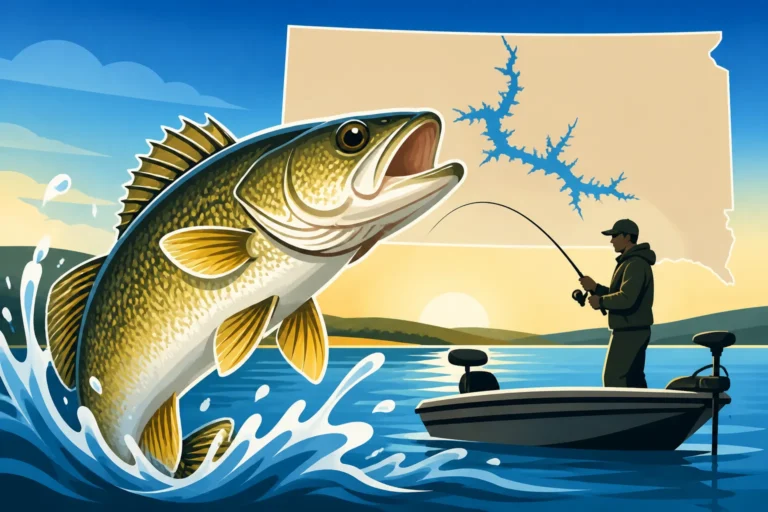
Lewis and Clark Lake is a sprawling reservoir that stretches for about 25 miles along the Nebraska-South Dakota border, formed by the Gavins Point Dam near Yankton. This isn't just a big pond; it's a dynamic, riverine environment that offers a rich tapestry of habitats for both crappie and perch. Understanding its unique characteristics is the first step to figuring out where these popular panfish like to hang out.
Geography and Key Fish Habitats
The lake's geography is fascinating and directly influences where you’ll find crappie and perch. Unlike some deep, clear glacial lakes, Lewis and Clark is essentially a widened section of the Missouri River, which means it has a constantly flowing current, though it's much slower in the main body of the lake. The bottom composition varies dramatically, from sandy flats near the inflow of the river to rocky points, submerged timber, and brush piles that line the old river channel and many of its numerous coves and bays. These submerged structures, often overlooked by those focusing on the main lake, are absolute goldmines for panfish. Crappie, in particular, are drawn to vertical cover like a magnet, whether it's standing timber, brush piles, or even artificial fish attractors that might have been strategically placed.
Moreover, the lake features numerous creeks and river arms feeding into it, such as Emanuel Creek and other smaller tributaries on both the South Dakota and Nebraska sides. These shallower, often murkier backwaters become crucial staging and spawning grounds during the spring. Later in the year, the deeper main lake points and humps, especially those with some sort of rocky or woody cover, act as prime foraging areas for both crappie and perch. Don’t forget about the extensive riprap along the dam and causeways; these rocky edges attract baitfish, which in turn attract hungry panfish. Identifying these varied structures and understanding their roles throughout the seasons is paramount.
Water Clarity, Temperature, and Their Impact
Water clarity and temperature are huge factors in panfish behavior on Lewis and Clark Lake. The Missouri River system is known for its sometimes turbid waters, and Lewis and Clark is no exception, especially after heavy rains or significant upstream flow events. Crappie, being sight feeders but also appreciative of cover, often prefer slightly stained water, which provides them a sense of security from predators while still allowing them to hunt effectively. In contrast, yellow perch, while tolerant of some turbidity, generally thrive in clearer water where they can better spot their prey.
Temperature is perhaps even more critical. In spring, as surface temperatures climb into the 50s and low 60s Fahrenheit, crappie and perch move from their deeper wintering holes into shallower, warmer bays and protected coves to spawn. As summer progresses and water temperatures soar, both species will seek deeper, cooler water, often suspending over the old river channel or retreating to the shade and comfort of dense submerged cover. Come fall, as the water cools, they become highly active feeders, gorging themselves in preparation for winter, and this can mean a fantastic bite. Understanding how these thermal changes influence their depth and location is key to consistent catches throughout the year.
Cracking the Crappie Code on Lewis and Clark Lake
Crappie on Lewis and Clark are highly sought after, and for good reason—they're excellent table fare and a blast to catch. But finding them consistently requires a keen understanding of their movements and preferred hangouts, especially on such a large, complex body of water. It's not always as simple as dropping a minnow; sometimes you need to think like a crappie!
Locating Pre-Spawn and Spawning Crappie
Spring is prime time for crappie, and knowing where they go to stage and spawn is crucial. As the ice recedes and water temperatures begin their gradual climb into the mid-50s, crappie will migrate from deeper main lake areas into shallower, protected bays and coves. Look for areas with flooded timber, submerged brush piles, weed lines, or even old stump fields. These offer both cover and warmer water, which is essential for their spawning rituals. Good starting points include the many fingers and inlets on the South Dakota side around Tabor and Springfield, or the protected bays near the Yankton area.
You'll want to use your electronics to scan for these submerged structures. Pay close attention to depths of 3 to 8 feet, particularly areas where sunlight can penetrate and warm the water quickly. A classic spring crappie setup involves a light jig, often tipped with a minnow or a small plastic grub, fished under a bobber or slowly retrieved around these cover-rich zones. The key is patience and meticulous searching; crappie often hold tight to cover, and you might need to present your bait right on their noses. For more in-depth knowledge on different presentations, check out our guide on Crappie Fishing Techniques for Suspended Fish, which also covers finding them in open water later in the season.
Summer and Fall Crappie Patterns
Once the spawn is over and summer temperatures begin to bake the lake, crappie transition to deeper water. They'll often move to main lake points, deeper humps, and the edges of the old Missouri River channel, especially if these areas feature significant submerged timber or brush piles. This is where your boat's electronics become invaluable. Look for schools of crappie suspending at various depths, often relating to structure in 15 to 30 feet of water. Don't be surprised to find them hanging out around old submerged roadbeds or creek channels as well, as these provide excellent travel corridors and ambush points.
In late summer and through the fall, as water temperatures start to drop, crappie activity can really pick up. They go into a feeding frenzy, packing on the calories for winter. This is an excellent time for trolling small crankbaits or spider rigging multiple rods with jigs and minnows over those deeper structures. Focus on areas where baitfish are abundant, as crappie will follow their food source. Many anglers find great success near the Gavins Point Dam area and the deeper sections towards the west end of the lake during these months.
Effective Crappie Baits and Techniques
When it comes to crappie on Lewis and Clark Lake, versatility is your friend. Small jigs are undeniably the bread and butter. Think 1/32 to 1/8 ounce jigs, often paired with soft plastic bodies like tube jigs, curly tail grubs, or small paddle tail swimbaits. Colors can vary, but chartreuse, white, pink, and black-and-chartreuse combinations are perennial favorites. Tipping your jig with a live minnow—a small fathead or shiner—is often the ultimate presentation, especially when the bite is tough.
For techniques, vertical jigging directly over submerged cover is highly effective, as is casting and slowly retrieving jigs around visible structure. When crappie are suspended in open water, often over the old river channel, slow trolling with small crankbaits or multiple minnow-tipped jigs (known as "spider rigging") can be deadly. Using a sensitive, ultralight rod and a light line (4-6 lb test monofilament or fluorocarbon, or even braid with a fluorocarbon leader) will help you detect those subtle crappie bites. If you're looking for an even more general overview, our comprehensive South Dakota Crappie Fishing Guide delves into these techniques across the state.
Pursuing Productive Perch on Lewis and Clark Lake
Yellow perch are another panfish favorite on Lewis and Clark, offering a different but equally rewarding challenge. They tend to school up, so once you find one, you're often in for a treat! Their distinct stripes and firm, flaky meat make them a top prize for many anglers.
Finding Perch Schools in Different Seasons
Just like crappie, perch movements on Lewis and Clark are highly seasonal. In early spring, as ice comes off, you’ll find them shallower, often congregating in weed beds or around shallow rocky points and sand flats that warm up quickly. They’re looking for areas to spawn and to feast on newly hatched insect larvae and small minnows. As the season progresses into summer, perch will generally move to deeper structures. Look for them on main lake humps, points, and flats in 10 to 25 feet of water, especially if these areas have gravel, rock, or clam beds. They're often found associating with baitfish schools, so if you mark a dense cloud of bait on your fish finder, there’s a good chance perch are nearby, either feeding or getting ready to.
Fall can be an incredible time for perch fishing, as they school up aggressively and feed heavily. During this time, they might be found on similar structures as summer, but often more spread out or moving actively. Winter, of course, means ice fishing, and perch will hold over deep basins, humps, and points, often in concentrated schools. Specific areas like Gavins Point Dam, some of the larger bays, and the main lake flats towards the upper end of the lake often produce good perch catches.
Optimal Perch Presentations and Tackle
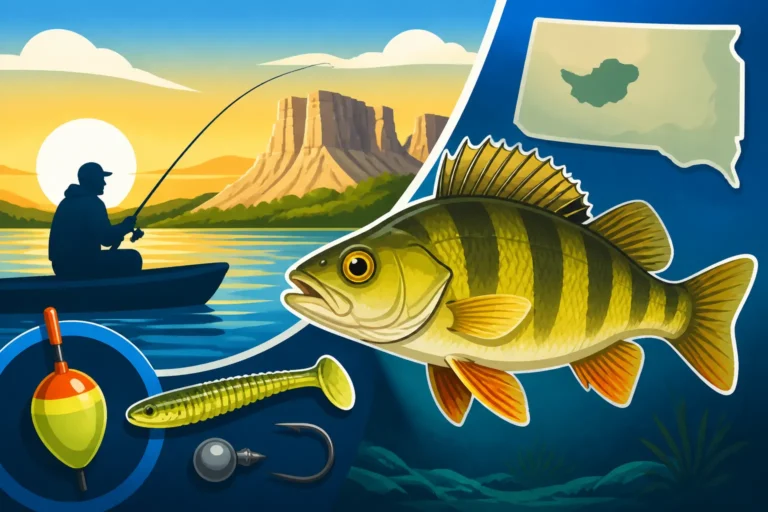
Perch have smaller mouths than crappie, so your bait and lure choices should reflect that. Small jigs, typically 1/32 to 1/16 ounce, are perfect. These can be tipped with a piece of live bait like a wax worm, small minnow head, or even a piece of cut Gulp! bait. Small spoons, like the classic Acme Kastmaster or Northland Forage Minnow, are also highly effective, especially when jigged vertically to imitate a wounded baitfish. Drop shot rigs, using a small hook a foot or two above a sinker, can also be very productive for suspended perch.
As for tackle, a sensitive, ultralight spinning rod is ideal. This allows you to feel those subtle perch bites, which can sometimes be just a light tap. Pair it with a small spinning reel spooled with 2-4 lb test monofilament or fluorocarbon. Again, braid with a light fluorocarbon leader can also work well, offering increased sensitivity. The key is light line and small baits to match the perch’s preference for smaller forage. For a broader look at techniques, our South Dakota Perch Fishing Guide offers more universal tips for these striped beauties.
Notable Perch Hotspots and Access Points
Lewis and Clark Lake offers numerous fantastic access points for anglers targeting perch. Near Yankton, the marinas and public boat ramps provide easy access to the deeper waters of the lower lake. The main lake points and humps extending from the shore near these ramps are often excellent perch producers. Upriver, toward Tabor and Springfield, the lake widens, offering expansive flats and channel edges that can hold large schools.
Popular spots often include the main lake basin in front of Gavins Point Dam, which holds fish year-round, and the various bays that offer protection from wind and current. When launching your boat, consider places like Chief White Crane Recreation Area or Lewis and Clark Recreation Area, both of which offer excellent ramps and proximity to known fishing grounds. For a comprehensive list of launch sites and amenities, be sure to consult our Lewis and Clark Lake Boat Ramps and Access Points guide. These well-maintained areas make it easy to get on the water and start your search for those elusive perch.
Essential Gear and Electronics for Panfish Success
Having the right tools for the job can make all the difference, especially when you're chasing finicky crappie and perch on a large body of water like Lewis and Clark Lake. It’s not just about having a rod and reel; it’s about having the right kind of rod and reel, and knowing how to leverage modern technology.
Recommended Rod and Reel Setups
For crappie and perch, finesse is the name of the game. You'll want to lean towards ultralight or light action spinning rods, typically between 5'6" and 7 feet in length. The extra sensitivity of these rods allows you to detect even the lightest bites, which is crucial when crappie are just "thumping" your jig or perch are barely mouthing it. A fast or extra-fast tip is usually preferred, as it provides a quick hook set while still allowing the rod to load up and fight the fish.
Pair these rods with small, lightweight spinning reels (e.g., 1000 or 2000 size). Spool them with 4-6 pound test monofilament or fluorocarbon for crappie, and perhaps even 2-4 pound test for perch. Some anglers prefer to use 6-8 pound braided line for its incredible sensitivity and castability, adding a 4-6 pound fluorocarbon leader for stealth in clearer water. Having a couple of these setups rigged differently (e.g., one with a jig and minnow, one with a small crankbait) can save you valuable time on the water.
Leveraging Electronics: Fish Finders and Mapping
A good fish finder is no longer a luxury for panfish anglers on Lewis and Clark; it's practically a necessity. The sheer size of the lake and the depth at which fish often hold demand it. Look for units that offer traditional 2D sonar, Down Imaging (or DownScan), and ideally, Side Imaging (or SideScan).
- 2D Sonar: This is your bread and butter for marking fish and structure directly beneath your boat. You can spot those tell-tale arches that indicate fish and identify breaks, humps, and submerged timber.
- Down Imaging/Scan: This provides a photo-like view of what's directly below, making it much easier to distinguish between a brush pile, a rock pile, or a school of fish. You can see the individual branches of a tree or the texture of the bottom.
- Side Imaging/Scan: This is a game-changer for covering water quickly. It allows you to scan wide swaths on either side of your boat, revealing submerged structure, brush piles, and even schools of fish that you might otherwise miss. Imagine cruising along, and suddenly you see a perfect crappie tree or a school of perch off to your left—that’s Side Imaging at work!
Additionally, having a unit with GPS mapping capabilities is invaluable. You can mark your hotspots, brush piles, and even individual fish you've caught, creating a personal library of productive spots. Brands like Humminbird and Lowrance offer excellent options that can greatly enhance your panfish pursuit.
Bait and Lure Selection Beyond the Basics
While minnows and small jigs are staples, having a diversified tackle box will increase your success. For crappie, expand your soft plastic jig collection to include micro-swimbaits, spider grubs, and hair jigs. Tiny crankbaits, especially those that dive to 5-10 feet, can be deadly when trolling or casting around shallow cover. Consider bright colors for stained water and more natural baitfish patterns for clearer conditions.
For perch, tiny spoons (like Custom Jigs & Spins Demon or Lindy Rattl'n Flyer Spoon) are excellent for vertical jigging. Small ice fishing jigs, even in open water, can be very effective when tipped with a maggot, wax worm, or a small piece of nightcrawler. Don’t forget about ultralight spinners (e.g., Mepps Aglia or Rooster Tail) which can attract aggressive perch in shallow, weedy areas. Always carry a variety of jig head weights to match the depth and current; a 1/16 oz jig is great for shallower water, but you might need 1/8 oz or even 1/4 oz for deeper areas or when there's a strong current.
Seasonal Strategies and Conservation
The beauty of Lewis and Clark Lake is that it offers panfish action almost year-round, but your strategies need to adapt with the seasons. Understanding these shifts and adhering to regulations ensures both your success and the health of the fishery. After all, we want these waters to be teeming with fish for generations to come! Our comprehensive South Dakota Fishing Seasons Explained provides a great statewide overview, but let's dive into specifics for Lewis and Clark panfish.
Spring and Early Summer Opportunities
Spring is often seen as the golden age for panfish, and for good reason—they're moving shallow, feeding actively, and preparing to spawn. As soon as the ice melts and water temperatures start climbing into the 40s and 50s, crappie and perch begin their migration from deep wintering holes to warmer, shallower waters. Look for them in protected bays, coves, and areas with submerged brush or flooded timber. These spots, often less than 10 feet deep, become nurseries for baitfish and insect larvae, providing an abundant food source.
During the pre-spawn, crappie will often stage in slightly deeper water adjacent to these shallow spawning flats, while perch might already be actively moving into the thickest weeds. As water temperatures hit the low to mid-60s, both species will be in full spawn mode. Targeting them during this time often means slow presentations: vertical jigging tiny jigs or minnows around structure, or slowly retrieving small spinnerbaits through emerging weed beds. Early summer continues this trend, with fish transitioning to deeper weed lines and brush piles as temperatures rise, offering excellent post-spawn feeding opportunities.
Mid-Summer and Fall Feeding Frenzies
Mid-summer on Lewis and Clark can be a challenge. With surface temperatures soaring, crappie and perch retreat to deeper, cooler water. They'll often suspend over the old river channel or cling tightly to the deep edges of main lake points, humps, and submerged brush piles in 15 to 30 feet of water. This is when a good fish finder with Down Imaging and Side Imaging is absolutely critical for locating them. Trolling small crankbaits or spider rigging with multiple rods, presenting minnow-tipped jigs at specific depths, can be highly effective. Early mornings and late evenings often offer the best bite during the heat of summer.
As fall rolls around and the water begins to cool, crappie and perch sense the approaching winter and go into a full-blown feeding frenzy. This can be one of the best times to fish! They'll often move back shallower than in mid-summer, actively chasing baitfish in 8 to 20 feet of water around main lake points, channel swings, and large flats. Casting jigs and plastics, or slow trolling with crankbaits, can result in incredible catches. They're trying to pack on as much fat as possible, so don’t be afraid to experiment with slightly larger baits.
Ice Fishing for Crappie and Perch
When Lewis and Clark Lake freezes over, a whole new world of panfish opportunities opens up. Ice fishing for crappie and perch can be incredibly rewarding, drawing anglers from all over. The key is safe ice. Always check ice thickness and conditions before venturing out. Once on the ice, focus on the deeper bays, main lake humps, and the edges of the old river channel. Fish houses, both portable and permanent, dot the landscape, indicating popular spots.
For perch, focus on hard-bottomed areas—rock piles, gravel beds, or clam beds—often found on humps or flats in 15-30 feet of water. Small jigging spoons tipped with a wax worm or minnow head are deadly. For crappie, look for deeper brush piles or suspended schools over the main channel, often at mid-depths. Small tungsten jigs tipped with plastics or wax worms, fished very slowly, are usually the ticket. A flasher unit or an underwater camera can greatly enhance your ice fishing success, allowing you to see the fish and how they react to your bait. For a full breakdown of what you need to hit the hard water, dive into our South Dakota Ice Fishing Guide.
Understanding South Dakota Panfish Regulations
Before you even think about dropping a line, it is absolutely imperative to familiarize yourself with the latest South Dakota fishing regulations. The South Dakota Game, Fish and Parks (GFP) sets these rules to ensure sustainable fisheries for future generations. For crappie and perch on Lewis and Clark Lake, you'll need to pay close attention to daily limits and possession limits.
Daily limits refer to the number of fish you can keep in a single day, while possession limits dictate the total number of fish you can have in your possession at any given time, including those at your camp or home. These numbers can vary from year to year, so always consult the current South Dakota Fishing Handbook or the GFP website before your trip. There are generally no size restrictions for crappie or perch on Lewis and Clark, but it’s always a good idea to practice selective harvesting, keeping smaller fish for the frying pan and releasing the larger breeding stock. You can find comprehensive details in our South Dakota Fishing Regulations Explained and more specific numbers in South Dakota Fish Limits and Size Restrictions. Compliance isn't just about avoiding a fine; it's about respecting the resource.
Maximizing Your Lewis and Clark Panfish Adventure
Fishing on Lewis and Clark Lake is more than just catching fish; it's an experience. To truly make the most of your time on the water, a bit of planning and a commitment to responsible angling goes a long way.
Planning Your Trip: Forecasts and Lake Conditions
Never underestimate the power of preparation. Before heading out to Lewis and Clark, always check the weather forecast. Wind can be a significant factor on this large body of water, making certain areas unfishable or even dangerous. High winds can quickly create large waves, turning a pleasant day into a struggle. Knowing the wind direction and speed will help you choose sheltered coves or understand where fish might be pushed.
Additionally, stay informed about river flows and lake levels, particularly if you’re fishing closer to the Missouri River inflow or near the Gavins Point Dam. Significant changes in flow can alter current patterns and water clarity, affecting fish location and feeding behavior. Websites like the U.S. Army Corps of Engineers often provide real-time data on these conditions. Knowing what to expect before you launch your boat, or even before you leave home, will allow you to plan your day more effectively and ensure safety on the water. Don't forget to review South Dakota Boat Safety Requirements if you're taking your vessel out.
Booking a Guided Trip or Exploring Independently
For those new to Lewis and Clark Lake, or even seasoned anglers looking to learn specific panfish patterns quickly, booking a guided trip can be an invaluable investment. Local guides live and breathe these waters; they know the secret spots, the current patterns, and the hot baits. They can provide you with a crash course in finding crappie and perch, shaving years off your learning curve. Platforms like FishingBooker connect you with experienced guides in the Lewis and Clark Lake area, allowing you to benefit from their expertise and get a jump start on your panfish adventure. It’s an excellent way to learn the nuances of the lake without the frustration of trial and error.
However, if you prefer to explore independently, Lewis and Clark offers ample opportunities for that too. With the information in this guide, coupled with diligent use of your fish finder and mapping, you can certainly carve out your own success. Dedicate time to scouting, use your electronics to locate submerged cover and baitfish, and don't be afraid to move around until you find active fish. The satisfaction of finding and catching fish on your own terms is unmatched, and Lewis and Clark is a fantastic classroom.
Responsible Angling and Conservation
As passionate anglers, we all share a responsibility to protect the precious resources that South Dakota's waters provide. Practicing responsible angling ensures that crappie and perch populations remain healthy and abundant for future generations. This means adhering strictly to all daily and possession limits set by the GFP. Don't high-grade your catch by releasing smaller fish to keep larger ones once you've already accumulated your limit; this is illegal and unethical.
Consider practicing selective harvest, especially with larger breeding stock. While crappie and perch are delicious, releasing the biggest fish (e.g., crappie over 12-13 inches) can help maintain a robust breeding population. Handle fish gently if you intend to release them, minimizing their time out of water. Proper disposal of trash, avoiding the spread of aquatic invasive species, and respecting private property are all part of being a good steward of the environment. Let's make sure Lewis and Clark Lake remains a premier panfish destination for many years to come.
Disclaimer
Always consult the latest South Dakota Game, Fish and Parks regulations before heading out to fish. Fishing conditions, limits, and rules can change without notice. This guide is for informational purposes only and should not replace official regulations.