South Dakota Crappie Fishing Guide
Oh, the humble crappie! These little panfish might not get all the glory of a trophy walleye or a hard-fighting salmon, but let me tell you, there's nothing quite like a mess of them for a fish fry. Many anglers find themselves staring at a vast South Dakota lake, wondering where these elusive schools of crappie are hiding, or why their favorite spot suddenly went cold. This guide is here to unravel those mysteries, helping you consistently find and catch crappie across our beautiful state's diverse waters, ensuring your next outing is a success.
Understanding South Dakota Crappie Species
Before we even cast a line, it's really helpful to know what kind of crappie you're chasing. In South Dakota, you'll primarily encounter two species: the black crappie and the white crappie. While they share a lot of similarities, understanding their subtle differences can be a game-changer when it comes to locating them and tempting them to bite. Knowing your target will inform your tactics, from the type of structure you seek out to the baits you present.
Black Crappie vs. White Crappie: Key Differences
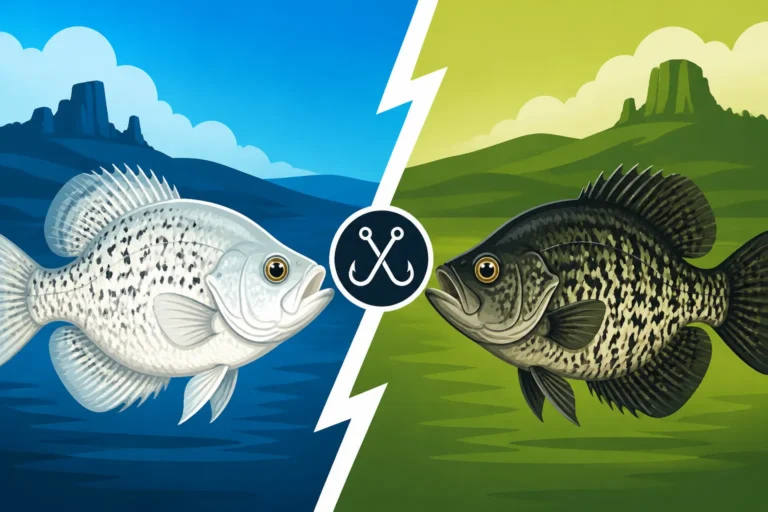
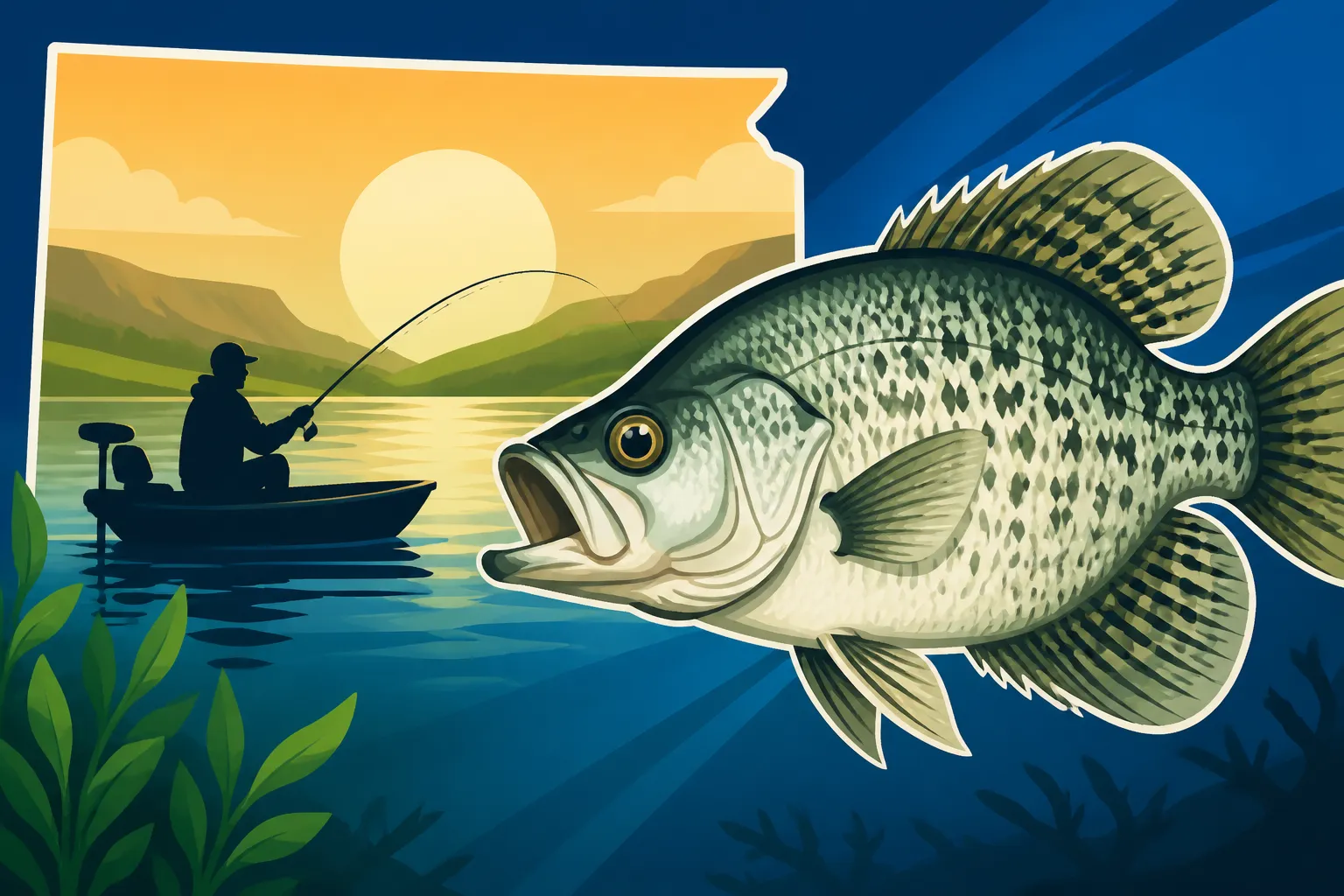
Distinguishing between black and white crappie isn't just a matter of color, although that's often the first clue! Black crappie typically have a darker, more mottled appearance with irregular splotches or speckles all over their bodies, almost like someone splattered paint on them. Their dorsal fin spines are generally more numerous, usually numbering seven or eight. They also tend to have a slightly deeper, more compressed body shape, giving them a rounder profile. Black crappie are often found in clearer, cooler waters with abundant aquatic vegetation, submerged timber, or rocky shorelines. They prefer less turbid conditions and can be quite sensitive to muddy water. If you're fishing in a pristine Black Hills lake or a clear reservoir, chances are you'll be running into more black crappie.
White crappie, on the other hand, usually have a more silvery body with distinct, often vertical, bars or stripes along their sides, especially when fresh from the water. They typically possess six dorsal fin spines, which is a key identifying feature if you can count them. Their body shape is generally more elongated and slender compared to their black crappie cousins. White crappie are far more tolerant of turbid or murkier waters and are frequently found in larger rivers and reservoirs with higher nutrient loads and softer bottoms, like many stretches of the Missouri River reservoirs. They often prefer areas with brush piles, stumps, and riprap, and they can thrive in waters that might be too cloudy for black crappie to prefer. For a deeper dive into distinguishing these fish, check out White Crappie vs Black Crappie.
Understanding these differences is crucial for a South Dakota angler. If you're out on a lake like Lake Sharpe, which can have varying water clarity, you might find both species, but identifying which one is dominant in a particular area can tell you a lot about the underwater environment. For instance, if you're pulling out primarily black crappie, you know you're likely in clearer water with good vegetation or wood. If it's mostly white crappie, you might be in a more turbid arm of the lake or near a river channel where they feel more at home. This simple identification can help you refine your search and focus on the habitat they truly prefer.
Crappie Biology and Behavior in South Dakota
Crappie, regardless of species, are highly social fish, and that's fantastic news for us anglers because it means where you find one, you'll often find a whole school! Their diet primarily consists of smaller fish, insect larvae, and crustaceans. This diet makes them aggressive feeders at times, but also sensitive to bait presentation. They are particularly fond of minnows, which mimic their natural forage. Their schooling behavior is a protective mechanism, and it's also why once you pinpoint a school, you can often catch several in short order. These schools tend to roam, moving between feeding grounds and cover, often influenced by water temperature, light levels, and the presence of baitfish.
In South Dakota's diverse aquatic environments, from the vast Missouri River reservoirs to the smaller glacial lakes, crappie behavior is heavily influenced by the seasons. During the spring, as water temperatures rise, crappie move into shallower waters to spawn, seeking out protected coves, flooded brush, and vegetation. This is often when they are most accessible to shore anglers and relatively predictable. As summer progresses, they typically retreat to deeper, cooler water, often suspending over submerged structure or congregating around thermal breaks. Fall sees them schooling up again, often fattening up for winter, and they can be found moving between deep and shallower feeding flats. Come winter, they typically gather in large, tight schools in deep basins or near prominent underwater structures, making them a prime target for ice anglers.
Their sensitive nature means sudden changes in weather, like a cold front, can really shut down the bite. They might move deeper, become lethargic, or simply stop actively feeding. Conversely, stable weather and consistent conditions can lead to fantastic fishing. Light levels also play a big role; crappie often feed most actively during low-light conditions, such as dawn, dusk, or on overcast days. Night fishing can also be incredibly productive, especially during the warmer months, as crappie move into shallower ambush points under the cover of darkness. Understanding these fundamental aspects of crappie biology helps us think like a fish, anticipating their movements and feeding patterns.
Where to Find Crappie in South Dakota Waters
Finding crappie is often the biggest challenge, but it's also where the fun really begins! South Dakota offers an incredible variety of fishing environments, and crappie have managed to thrive in many of them. Knowing the general hotspots and how to pinpoint specific structures within those waters is key to consistent success. Don't be afraid to explore, but always start with a good understanding of where these panfish like to hang out.
Top South Dakota Lakes for Crappie Fishing
When you think about crappie in South Dakota, several names immediately come to mind for their consistent populations and potential for good numbers, even some real slabs. The Missouri River reservoirs are absolutely legendary for their crappie fishing. Take Lewis and Clark Lake, for example, down near Yankton. This lake is renowned for its excellent crappie populations, especially around submerged brush, timber, and the various points and bays that offer shelter and forage. Many anglers find great success targeting these areas, particularly in spring and fall. For more on this gem, you can read Lewis and Clark Lake Crappie and Perch Fishing.
Moving upstream, Lake Sharpe also boasts a fantastic crappie fishery. The numerous submerged trees, bridge pilings, and riprap shorelines along this stretch of the Missouri provide ideal habitat. Areas like Joe Creek, for instance, are well-known crappie magnets, offering structure and a consistent food source. It's often a matter of finding the right depth where the schools are suspending. Check out Lake Sharpe Crappie Fishing at Joe Creek for specific tips there. Lake Francis Case, further up, is another powerhouse, with its rocky points, flooded timber, and countless submerged features that hold crappie year-round. Beyond the "Big Mo," many of the eastern South Dakota Glacial Lakes, while often celebrated for walleye, also hold healthy crappie populations, especially those with good submerged vegetation and deeper holes, though specific hotspots might vary from year to year.
It’s important to remember that "top lakes" are just starting points. Within each of these bodies of water, crappie will gravitate towards specific types of cover and structure. They are ambush predators and feel safest when they have something overhead or nearby to hide in or around. Think about fallen trees, old submerged fence lines, brush piles placed by anglers or nature, bridge pilings, deep rock piles, and even docks, especially those with lights at night. These locations provide both shelter from predators and a place to ambush unsuspecting baitfish or insects. Keep an eye out for contour changes, drop-offs, and anything that breaks up an otherwise featureless bottom.
Identifying Crappie Hotspots by Season and Structure
Crappie are creatures of habit, but their habits change with the seasons. In the glorious South Dakota spring, as ice retreats and water temperatures nudge into the upper 40s and 50s Fahrenheit, crappie begin their predictable march into shallower water. They're looking for warmer, protected bays and coves with standing timber, brush, or emergent vegetation. Think about areas that get a lot of sun exposure and are sheltered from harsh winds. These are their pre-spawn staging grounds and, eventually, their spawning beds. Finding these shallow cover-rich areas, often in just a few feet of water, is prime for spring success.
As summer heats up, crappie retreat from the searing sun and warmer surface temperatures. They move deeper, often suspending over channels, congregating around prominent underwater structures like humps, points, and especially deep brush piles or submerged timber. They'll seek out the cooler, more stable temperatures found at these depths. This is when a good fish finder becomes your best friend, helping you locate these suspended schools or hidden brush piles. During late summer, they might even move under large, shady docks or bridge pilings during the day, coming out to feed more actively during the low-light hours of dawn, dusk, or night.
Come fall, crappie start to school up again, often moving back and forth between deeper main lake basins and shallower feeding flats as they gorge themselves in preparation for winter. Look for them on the edges of channels, around deep weed lines, or in brush piles adjacent to deeper water. As winter sets in and the ice forms, crappie typically settle into large, tight schools in the deepest parts of the lake or reservoir, often near distinct underwater structure like old creek beds, humps, or major brush piles. They become less active, but a patient ice angler with the right gear can find incredible success targeting these concentrated schools. The key across all seasons is to think about what crappie need: cover, food, and comfortable water temperature.
Essential Gear for South Dakota Crappie Anglers
While crappie aren't exactly known for their brute strength, they are notoriously light biters, and they often hold in tight cover. This means your gear needs to be dialed in for sensitivity and finesse, not power. Using the right rod, reel, line, and presentation can make all the difference between feeling that subtle "tick" of a crappie bite and watching your bobber just sit there, oblivious to the fish nibbling below.
Rods, Reels, and Line for Crappie Fishing
For crappie, finesse is the name of the game, and that starts with your rod and reel setup. An ultralight spinning rod, typically between 5 to 7 feet long, with a fast or moderate-fast action tip, is ideal. The sensitive tip allows you to detect the most delicate bites, which often feel like nothing more than a slight pressure or a tiny tap. The moderate action helps prevent hooks from tearing out of a crappie's notoriously papery mouth when they thrash. Pairing this with a small, ultralight spinning reel (size 500 to 1000) that has a smooth drag is crucial. You're not fighting giants, but a smooth drag prevents line breaks on sudden runs and protects your light line.
When it comes to line, 2 to 6-pound test monofilament or fluorocarbon is generally the sweet spot. Monofilament offers a bit of stretch, which can be forgiving with crappie's soft mouths, and it's generally more budget-friendly. Fluorocarbon, on the other hand, is nearly invisible underwater, offers increased sensitivity, and sinks faster, which can be an advantage when fishing deeper water or in current. Many anglers opt for a braided main line (4-6 lb test) for ultimate sensitivity and casting distance, then attach a 2-4 foot fluorocarbon leader using a small swivel or an FG knot. This combination gives you the best of both worlds. Finding quality fishing line and sensitive rods is easy; many reputable outdoor retailers offer excellent options, and you can often find a wide selection of choices available on Amazon.
The "feel" needed for crappie bites cannot be overstated. Unlike a powerful walleye strike, a crappie bite can be incredibly subtle. Sometimes it's just a slight twitch of the line, a barely perceptible dip of the rod tip, or even just feeling "heavy" when you lift your jig. A sensitive rod acts like an extension of your hand, transmitting these minute signals directly to you. Practicing with different setups and paying close attention to these subtle cues will dramatically increase your hook-up ratio. Having a good quality, sensitive setup isn't just a luxury; it's a necessity for consistent crappie success in South Dakota waters.
Best Baits and Lures for Crappie in South Dakota
Crappie are opportunistic feeders, so having a versatile tackle box stocked with a few key items will serve you well. Live bait is often the king for crappie, especially minnows. Small fathead minnows, shiners, or crappie minnows are irresistible to these fish. Hooking them lightly through the lips or just behind the dorsal fin allows them to swim naturally, which is often all it takes to trigger a strike. Worms, maggots, and waxworms can also be effective, especially during ice fishing season or when crappie are less aggressive.
When it comes to artificial lures, crappie jigs are the undisputed champions. These small lead heads, typically ranging from 1/32 to 1/8 ounce, are usually dressed with soft plastic bodies, marabou, or bucktail. The color can make a huge difference depending on water clarity and light conditions. Popular colors include chartreuse, white, black, pink, and various combinations. In clear water, natural colors or subtle pastels might work best, while in stained or muddy water, bright colors like chartreuse or orange can be more visible. Experimentation is key! Small crankbaits, especially those designed for shallow diving, can also be effective for trolling or casting in areas where crappie are chasing baitfish.
The art of adapting your bait to the conditions is crucial. On a bright, sunny day in clear water, a subtle, natural-colored jig or a small minnow might be your best bet. If the water is stained after a rain or you're fishing on an overcast day, a brightly colored jig or a scent-enhanced soft plastic could be more productive. Don't be afraid to try different sizes and shapes of soft plastics – curly tails, paddle tails, tubes, and even small grubs – until you find what the crappie are keying in on that particular day. Having a variety in your tackle box means you're prepared for whatever mood the South Dakota crappie are in.
Effective Crappie Fishing Techniques for South Dakota
Once you've got your gear sorted, it's time to talk about how to present your bait in a way that crappie simply can't resist. There isn't a single "best" technique, as crappie fishing often requires adaptability. However, mastering a few core presentations will drastically increase your success rate, whether you're fishing from a boat, shore, or through the ice.
Jigging and Vertical Presentation Strategies
Vertical jigging is perhaps the most effective way to target crappie that are holding tight to structure or schooled up in deeper water, a common scenario in South Dakota reservoirs. The idea is to position your boat directly over the fish or structure using your electronics, then drop a small jig or jig-and-minnow combo straight down to their level. The key is a subtle presentation: lift the rod tip a few inches, then let the jig fall slowly on a semi-slack line. Many times, the bite will occur on the fall, so watching your line for any twitch or pause is critical.
This technique is incredibly versatile. You can vary the jigging motion from a short, sharp snap to a gentle quiver, experimenting until you find what the fish prefer. If you're fishing a brush pile, try to drop your jig right into the heart of it without getting snagged. Sometimes a "dead stick" technique, where you hold the rod absolutely still after dropping the jig, can entice finicky crappie. Using a flasher or a fish finder with a real-time display can show you your jig and the fish, allowing you to present it precisely at their depth. This level of precision is invaluable when crappie are suspended in a tight school, especially in waters like Lake Sharpe or Lake Francis Case.
One of the biggest frustrations for crappie anglers is missing those incredibly light bites. When a crappie hits a vertically presented jig, it often doesn't feel like a "thump." Instead, it might feel like your line suddenly went slack, or a slight weight developed, or even just a subtle tick. Sometimes your line might simply stop falling before it should. Setting the hook immediately with a gentle but firm sweep of the rod, rather than a powerful jerk, is often the key to landing these soft-mouthed fish. If you don't feel a bite after a few minutes, reel up, check your bait, and drop it down again, perhaps with a slightly different retrieve.
Trolling and Drifting for Suspended Crappie
When crappie are scattered or suspending over open water, or if you're trying to cover a large area to locate schools, trolling or drifting can be incredibly effective. "Spider rigging" is a popular method, especially on the larger Missouri River reservoirs. This involves using multiple rods (often 4-8) spread out around the boat, each with a different bait or at a different depth, to cover a wide swath of water. Small jigs, jig-and-minnow combos, or small crankbaits are typically used. The idea is to move slowly, often less than 1 mph, allowing your baits to track through the water column where crappie are feeding.
Single-rod trolling or drifting can also be very productive. You might troll a small crankbait behind the boat or drift a slip bobber rig with a minnow over known crappie haunts. The key is to maintain a slow, consistent speed. On windy days, a drift sock can help you control your speed and direction, allowing your baits to present naturally. Trolling is particularly useful on expansive lakes like Lake Oahe or Lake Sharpe when crappie are suspended in the open basin, rather than holding tight to identifiable structure. It allows you to systematically search for concentrations of fish that might otherwise be missed by stationary fishing.
When trolling, pay close attention to your rod tips. A crappie bite, even on a trolled bait, can be subtle. Sometimes the rod tip will just load up slightly, or you'll see a slight hesitation in the bend of the rod. If you're using a fish finder, watch for schools of baitfish and crappie arches, then adjust your trolling depth and direction to target those fish. Experiment with different lure colors and running depths until you start getting bites. Once you hook into a crappie, don't be afraid to circle back through that same area, as there's a good chance more fish will be there.
Slip Bobber and Live Bait Tactics
The slip bobber rig is a classic for a reason, and it's incredibly effective for crappie, especially when they're holding around cover or at a specific depth. The beauty of a slip bobber is its versatility: you can adjust the depth of your bait simply by sliding the bobber stop up or down your line. This means you can present a live minnow or a jig precisely in a brush pile, next to a dock piling, or just above a school of suspended fish without having to worry about casting a fixed-depth rig.
To set up a slip bobber rig, you'll need a bobber stop (thread, rubber, or plastic), a small bead, a slip bobber, a small weight (split shot or an appropriately sized sinker), and your hook or jig. Thread the stop onto your main line, then the bead, followed by the bobber. Tie on your hook or jig, add a weight a few inches above the bait, and you're ready to go. The weight is important as it helps pull your line and bait through the bobber to the desired depth. Fresh, lively minnows are paramount for this technique. Hook them through the back (just behind the dorsal fin) for natural swimming action or through the lips for a more horizontal presentation.
This technique is fantastic for precise presentations in tight spots. Cast your rig near a submerged brush pile, let it settle, and watch that bobber like a hawk. Any twitch, dip, or movement, even if it's just lying on its side, could indicate a crappie bite. It's also great for bank fishing or when you want to keep your bait stationary at a specific depth. On those calm South Dakota mornings, watching a slip bobber is one of the most relaxing yet exciting ways to catch crappie. The combination of a natural bait and precise depth control often proves irresistible to even the most finicky crappie.
Seasonal Crappie Fishing Strategies
Crappie fishing isn't a "one-size-fits-all" endeavor. Their behavior changes dramatically with the seasons, driven by water temperature, spawning cycles, and forage availability. To consistently catch crappie in South Dakota, you need to understand these seasonal shifts and adapt your strategies accordingly. What works in April certainly won't be as effective in August, or January for that matter.
Spring Crappie: Pre-Spawn and Spawning Patterns
Spring is arguably the most anticipated time for crappie anglers in South Dakota. As the ice melts and water temperatures begin their slow climb into the 40s and 50s Fahrenheit, crappie start their migration from deeper wintering grounds to shallower staging areas. This pre-spawn period finds them actively feeding, gorging themselves in preparation for the rigors of spawning. Look for them concentrated in creek channels, transition zones, or on the edges of major flats adjacent to deeper water, often holding to the first available cover. They're seeking out the warmest water available, so sunny, north-facing banks or protected coves are prime.
Once water temperatures reach the mid-50s to low 60s, crappie move fully into their spawning phase. They'll push into very shallow water, often just a few feet deep, in protected bays, around flooded timber, dense vegetation, or brush piles. The males will fan out nests, guarding them aggressively, while the females deposit their eggs. During this period, they can be very aggressive, striking at anything that comes near their nests. This is often when shore anglers can have a field day, using small jigs or minnows under bobbers. Stealth is important, as crappie in shallow water can be easily spooked. For more general insights into this productive period, check out South Dakota Spring Walleye Fishing Techniques.
It's crucial to remember that the timing of the spring spawn varies year to year, and even lake to lake, depending on the weather patterns and water temperatures. Keep an eye on local reports and water temperature readings. Don't be afraid to move around until you find actively spawning fish. While the spawning period can offer fast action, remember to practice responsible catch and release for larger breeding females, helping to ensure healthy crappie populations for future generations. Knowing when crappie spawn in South Dakota can give you an edge in timing your trips perfectly.
Summer Crappie: Deep Water and Shade Tactics
As South Dakota's summer sun beats down and water temperatures soar into the 70s and 80s, crappie change their tune dramatically. They typically abandon the shallow spawning grounds and retreat to deeper, cooler waters. This doesn't mean they're impossible to catch; it just means you need to adjust your approach. During the hottest parts of the day, crappie will often be found suspended over deep channels, congregating around prominent underwater structures like submerged humps, points, and especially deep brush piles or standing timber. They seek the thermocline (a layer of rapid temperature change) where cooler water and higher oxygen levels provide comfort, along with access to baitfish.
The key to summer crappie is often seeking shade and depth. Think about bridge pilings that cast a deep shadow, large docks that offer overhead cover, or massive submerged tree structures that provide both shade and an ambush point. Mornings and evenings, when the sun is lower and temperatures are a bit milder, are often the most productive times. Night fishing can also be incredibly effective, as crappie will move shallower under the cover of darkness to feed. Using lights suspended over the water at night can attract baitfish, which in turn draws in crappie, creating fantastic opportunities.
Vertical jigging with small jigs or a jig-and-minnow combo is a top technique for summer crappie, especially when you've located schools using your electronics. Trolling small crankbaits or jigs at specific depths is another excellent way to cover water and find scattered fish. Pay close attention to your fish finder; crappie in summer will often appear as arches or clouds of baitfish at specific depths. Once you find them, mark the spot on your GPS and work that area thoroughly. Don't be afraid to experiment with deeper presentations, as crappie might be holding 15, 20, or even 30 feet down in the larger reservoirs.
Fall and Winter Crappie: Schooling and Ice Fishing
As autumn breezes sweep across South Dakota and water temperatures begin to drop, crappie enter another productive feeding frenzy. They start to school up again, often moving between deeper main lake basins and shallower feeding flats, just like in the spring. They are actively feeding to pack on fat reserves for the long winter ahead. Look for them on the edges of channels, around deep weed lines that are still green, or in brush piles that are adjacent to deeper water. Trolling or casting small jigs and crankbaits can be very effective during this period, as crappie are often aggressively chasing bait.
When winter blankets South Dakota in ice, crappie transition to a more lethargic, but still catchable, state. They typically gather in large, tight schools in the deepest parts of the lake or reservoir, often near prominent underwater structures like old creek beds, humps, or major brush piles. This concentration makes them excellent targets for ice anglers. A good ice fishing setup, including an auger, a shelter, and a flasher or fish finder, is essential. For detailed guidance on fishing through the hardwater, make sure to check out our South Dakota Ice Fishing Guide.
Ice fishing for crappie involves small, ultra-sensitive rods, tiny jigs (often 1/32 to 1/16 ounce) tipped with a waxworm, mormyshka, or a small soft plastic. The "dead stick" technique, where a second rod is left motionless with a minnow suspended below, can also be highly effective. The key is to drill multiple holes and systematically search for schools. Once you find them, you can often catch several crappie from a single hole before the bite slows down. Patience and persistence are crucial during winter, but the reward of a bucket full of crappie on a cold day is well worth the effort. For specific tactics once the ice forms, delve into Best Ice Fishing Techniques for Lake Oahe.
South Dakota Crappie Regulations and Conservation
As enjoyable as crappie fishing is, it's vital that we all do our part to ensure healthy populations for years to come. That means understanding and adhering to South Dakota's fishing regulations, which are designed to manage fish stocks sustainably. Beyond the rules, practicing good conservation habits ensures we're all responsible stewards of our aquatic resources.
Crappie Limits and Size Restrictions
Like all fish species in South Dakota, crappie are subject to specific daily and possession limits, and sometimes even size restrictions. These regulations can vary from one body of water to another, reflecting the unique ecological conditions and fishing pressure of each lake or reservoir. For instance, a statewide daily limit for crappie might be in place, but certain lakes or specific areas might have more restrictive rules, such as reduced daily limits or even slot limits that require you to release fish within a certain size range to protect larger breeding fish. It is absolutely essential to consult the latest South Dakota Game, Fish and Parks (GFP) Fishing Handbook before each fishing trip. This handbook is your definitive source for current regulations, including daily limits and possession limits. Ignoring these rules can lead to significant fines and penalties.
The "daily limit" refers to the maximum number of fish of a particular species you can keep in one day. The "possession limit" refers to the maximum number of fish you can have in your possession at any given time, which usually applies to fish kept over multiple days (e.g., at your camp, cabin, or home). Make sure you understand the difference, especially on multi-day fishing trips. For a broader understanding of panfish regulations, you might find our Crappie and Panfish Possession Limits guide helpful. These limits are not arbitrary; they are carefully determined by fisheries biologists who assess the health and reproductive success of crappie populations in different waters. Adhering to them is a direct contribution to the sustainability of this cherished fishery.
Furthermore, remember that a fishing license is a prerequisite for most anglers in South Dakota. You can find all the information you need about getting legal to fish in our South Dakota Fishing License Guide. Always ensure your license is current and readily available when you're on the water. Conservation efforts extend beyond just limits; they also involve being aware of fish consumption advisories, which sometimes apply to certain species or bodies of water due to environmental factors. Checking the GFP website for the latest advisories is a good habit to ensure your catch is safe to eat.
Best Practices for Crappie Release and Handling
Even if you're planning to keep a mess of crappie for the fryer, inevitably, you'll catch fish that are either undersized, over the limit, or simply not what you want to keep. Practicing responsible catch and release for these fish is incredibly important for maintaining healthy populations. The goal is to minimize stress and injury to the fish, giving it the best possible chance of survival.
First and foremost, try to handle the fish as little as possible. If you can, unhook the crappie while it's still in the water. If you must bring it into the boat, use wet hands to hold it gently. Dry hands can remove the crappie's protective slime coat, leaving it vulnerable to disease. Avoid squeezing the fish, especially around its belly or gills. If the fish has swallowed the hook deeply, it's often best to cut the line as close to the hook as possible rather than trying to rip the hook out. The hook will often rust away or be expelled by the fish, and this causes less damage than aggressive de-hooking.
For fish you intend to keep, having a good livewell or a quality cooler with ice is essential. Keeping fish alive and cool helps maintain their quality for the table. Don't just toss them onto a hot boat deck; this quickly degrades the meat. If you're using a stringer, thread it through the crappie's lower jaw, avoiding the gills, and keep the fish in the water. A full-size cooler will also help you keep other essentials for your fishing trip cool and dry. For considerations on keeping your catch fresh, you might want to look at Best Coolers for Keeping Fish Fresh. By following these simple guidelines, we can all contribute to a thriving crappie fishery in South Dakota, ensuring there are plenty of fish for everyone to enjoy, now and in the future.
Advanced Tips for Bigger Crappie and More Success
Once you've mastered the basics, you might find yourself looking for that extra edge – the little things that separate a good crappie day from a truly epic one. These advanced tips revolve around a deeper understanding of the environment, leveraging technology, and cultivating the right mindset.
Reading Water and Environmental Factors
Becoming a truly successful crappie angler involves more than just knowing where to cast. It means learning to "read the water" and understand how various environmental factors influence crappie behavior. Water clarity is a huge one. In clear water, crappie tend to be spookier and might hold deeper or tighter to cover. You might need to use lighter lines, smaller baits, and more natural colors. In stained or murky water, crappie often feel bolder and might be found shallower. Here, brighter colors and baits with more vibration or scent can be highly effective.
Water temperature, as we've discussed, is a primary driver of crappie activity. Knowing the ideal temperature ranges for feeding and spawning will help you target the right depths and locations. You can often get current water temperature readings from your fish finder. Wind can also be your friend or foe. A light chop on the water can break up the surface, making crappie less wary and potentially increasing their feeding activity, especially on wind-blown points that concentrate baitfish. However, strong winds can make boat control and delicate presentations difficult. Barometric pressure changes, often associated with approaching or departing weather fronts, can also impact crappie. A falling barometer often signals increased feeding activity before a storm, while a stable, high barometer usually means consistent fishing. Observing these factors and making mental notes about how they affect the bite will gradually build your intuition and make you a more adaptable angler.
Finally, pay attention to current, especially on the Missouri River reservoirs. Crappie will often position themselves in current breaks, behind points, or in eddies, allowing them to ambush food without expending too much energy. Understanding where these current seams are and how to present your bait in them can unlock new productive spots. Even subtle currents in smaller lakes can influence baitfish movement and crappie location. The more you observe and connect the dots between environmental factors and crappie behavior, the more consistent your success will become.
Using Electronics to Locate Crappie
In today's world, fishing electronics are no longer a luxury for the crappie angler; they're an indispensable tool. A quality fish finder can dramatically reduce your search time and help you present your bait precisely where the fish are. Basic 2D sonar will show you structure, depth, and fish arches, allowing you to identify submerged brush piles or schools of crappie holding at specific depths. Learning to interpret these signals effectively is a skill in itself. For help with understanding what you're seeing, check out How to Read a Fish Finder for Walleye, which applies broadly to crappie too.
More advanced technologies like side imaging or down imaging can give you a photographic-like view of the underwater world to the sides and directly below your boat. This is incredibly helpful for locating subtle contour changes, finding brush piles that are off to the side, or even spotting baitfish schools that crappie are targeting. Being able to scan a wide area quickly and then pinpoint specific pieces of structure or fish schools is a massive advantage, especially on large, complex reservoirs. When you see those tell-tale crappie arcs or baitfish clouds on your screen, you know you're in the right neighborhood.
The latest in fishing electronics even offers live-scanning sonar, allowing you to see fish and your lure in real-time beneath and around the boat. This truly takes the guesswork out of presentation, as you can watch how crappie react to your bait and adjust accordingly. While this technology can be a significant investment, the ability to "see" what's happening underwater is revolutionary. Many excellent electronics options are available from a variety of manufacturers, and you can often find competitive prices and a vast selection of models and accessories online at Amazon. Whether you're using a basic unit or a high-end system, learning to effectively use your electronics to map out structure and locate crappie schools will undoubtedly put more fish in your boat.
Patience and Persistence: The Crappie Angler's Virtues
While gear and technique are important, sometimes the most crucial tools an angler can possess are patience and persistence. Crappie fishing, like all fishing, can have its slow moments. There will be days when the fish are finicky, the bite is subtle, and you might spend more time searching than catching. It's during these times that many anglers get frustrated and give up, but the persistent ones often find success.
Patience comes into play when you've found a promising spot. Crappie schools can move in and out, and sometimes it takes a little waiting for a new school to arrive or for the bite to turn on. Experiment with different depths, different baits, and different retrieve speeds within that same area. Don't be too quick to move if you know the spot holds fish. Sometimes slowing down your presentation to an almost dead-still approach can trigger bites from hesitant crappie.
Persistence, on the other hand, means being willing to keep moving and searching if your current spot isn't producing. If you've tried different presentations, varied your depth, and given a spot a reasonable amount of time without success, it's time to pull up anchor and look for new fish. That might mean moving to a different brush pile, a different bay, or even a different lake entirely. Don't fall into the trap of fishing "memories"—just because a spot produced last week doesn't mean it will today. Crappie move, and you need to move with them. The crappie angler who is willing to adapt, experiment, and keep at it through the slow times is almost always the one who comes home with a full livewell and a smile on their face.
Disclaimer
This article is for general informational purposes only and does not constitute professional advice. Laws, prices and regulations vary by location and change over time. Consult a qualified professional for guidance on your specific situation.