Best Coolers for Keeping Fish Fresh
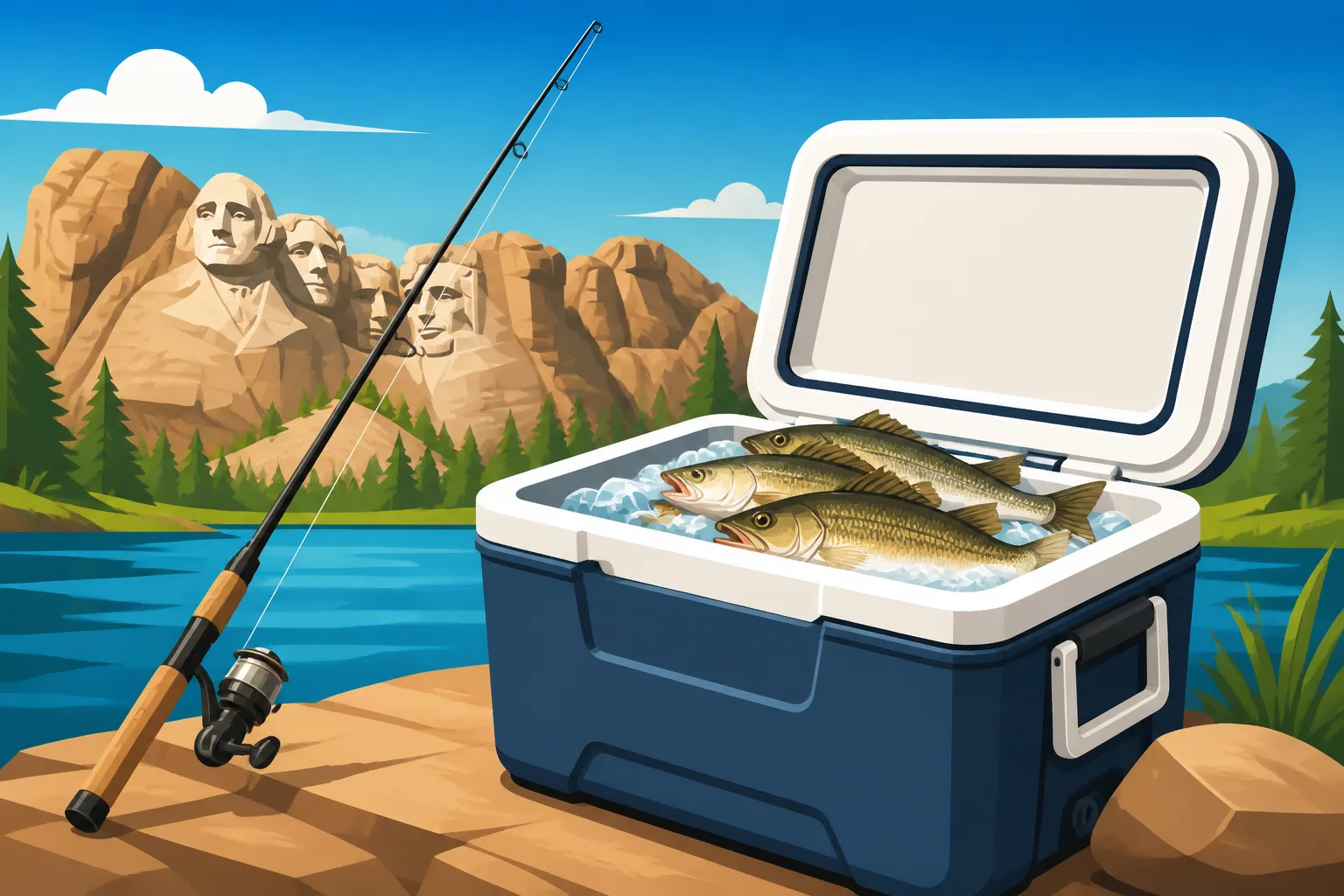
There’s nothing quite like the satisfaction of a successful fishing trip on one of South Dakota’s incredible lakes or rivers, but that joy can quickly turn to frustration if your prized catch spoils before you get it home. Keeping your fish fresh, especially during those long summer days on Lake Oahe or the Missouri River, is absolutely critical for enjoying the fruits of your labor. This guide is all about helping you navigate the sometimes overwhelming world of fishing coolers, so you can confidently choose the perfect one to preserve your catch, no matter where your South Dakota angling adventures take you.
Why a Quality Cooler is Non-Negotiable for South Dakota Anglers
You’ve spent hours battling the elements, mastering your technique, and finally landed that trophy walleye or a stringer full of panfish. The last thing you want is to discover your catch has gone bad because your cooler couldn't handle the job. In South Dakota, where temperatures can swing wildly from scorching summer highs to bitter winter lows, a reliable cooler isn't just a convenience; it's an essential piece of gear.
Preserving Your Catch's Quality
Think about it: the journey from the water to your dinner plate is a delicate one. Fish meat is highly perishable, and warm temperatures are its enemy, accelerating bacterial growth that leads to spoilage. A good cooler acts as a time capsule, slowing down this process significantly. It ensures that the firm texture and fresh taste you expect from a South Dakota walleye or a Black Hills trout are still there when you're ready to fillet and cook. Without proper chilling, the flesh can become soft, mushy, and develop an off-putting odor, rendering your hard-won meal inedible. This is particularly crucial for species like Chinook salmon from Lake Oahe, which are sought after for their rich, delicious meat.
Imagine you're out on Lake Sharpe for a full day of fishing, targeting smallmouth bass or crappie. You're far from any town, and the sun is beating down. If your cooler can't hold ice for the duration of your trip, plus the drive home, all that effort goes to waste. A well-insulated cooler maintains a consistently cold environment, preserving the flavor and integrity of your fish, allowing you to enjoy fresh, high-quality meals for days after your trip. It's an investment in your harvest and a respect for the resource.
Meeting Safety and Regulation Standards
Beyond taste, food safety is a huge concern. Eating spoiled fish can lead to serious health issues. A quality cooler, used correctly, helps keep your catch out of the "danger zone" where bacteria thrive. This isn't just about personal health; it can sometimes touch on regulations. While South Dakota doesn't typically have specific cooler requirements, the general expectation is that you're responsible for the proper handling of your catch. South Dakota Fishing Regulations Explained covers general rules, but good fish handling is an unwritten rule among ethical anglers.
Furthermore, some regulations revolve around possession limits and the ability to identify species. Keeping your fish in a pristine condition within your cooler makes it easier for game wardens to verify your catch, ensuring legal compliance. It’s also important if you're participating in a fishing tournament, where fish are often weighed in or measured after a day on the water. A robust cooler helps prevent damage and ensures your fish are presentable, not just for the scales, but for photographs and proud stories later.
Types of Coolers: What's Right for Your Fishing Style
The market is absolutely flooded with coolers, and it can feel like a maze trying to figure out which one is best. But when it comes to fishing, not all coolers are created equal. Your choice largely depends on your specific fishing adventures and what you prioritize in terms of durability, portability, and ice retention.
Rotomolded Coolers: The Indestructible Workhorses
If you've been around the fishing scene for any length of time, you've probably heard the term "rotomolded." These coolers are the heavy-duty champions, built to withstand a beating. They get their name from the rotational molding process used to create them, which results in a single, seamless piece of plastic for both the interior and exterior. This construction, combined with thick, pressure-injected insulation, gives them incredible ice retention capabilities and unmatched durability. Brands like Yeti, RTIC, and Orca are popular examples, often found on many South Dakota fishing boats.
Rotomolded coolers are perfect for multi-day trips or for anglers who are serious about keeping their catch perfectly chilled for extended periods. They can handle being bounced around in the back of a pickup on a gravel road to Lake Oahe, used as an extra seat on the boat, or even survive a fall. While they tend to be heavier and more expensive up front, their longevity and superior performance often make them a worthwhile investment for dedicated anglers. For instance, if you're planning a week-long excursion to one of the remote glacial lakes in northeastern South Dakota, a reliable rotomolded cooler is your best friend.
Hard-Sided Coolers: Versatile and Practical Options
Beyond the high-end rotomolded options, there's a vast category of hard-sided coolers that offer a great balance of performance and affordability. These are your classic, often rectangular, coolers that many of us grew up with. They come in various sizes and insulation levels. While they might not boast the multi-week ice retention of a premium rotomolded cooler, many modern hard-sided coolers still offer excellent performance for day trips or weekend excursions. Many anglers find great value in brands like Igloo and Coleman, which offer a range of sizes perfect for a variety of fishing scenarios. You can often find a good selection at local retailers or online at places like Amazon.
These coolers are generally lighter than their rotomolded counterparts, making them easier to transport from your vehicle to the boat or shore. They're also often more budget-friendly, making them an accessible option for new anglers or those who only go out a few times a season. If you're looking for a cooler for a single day of crappie fishing on Lake Sharpe or a weekend camping trip with some casual angling, a good quality hard-sided cooler will serve you well. Just remember that insulation thickness and lid seal quality can vary significantly, so pay attention to those details.
Soft-Sided Coolers: Portability for Shorter Trips
Soft-sided coolers have come a long way from the flimsy lunch bags of yesteryear. Modern versions are surprisingly well-insulated, durable, and incredibly portable. They're typically made with tough, waterproof fabrics and feature impressive insulation layers. While they won't hold ice for as long as their hard-sided cousins, they are fantastic for shorter trips, kayak fishing, or when space and weight are at a premium. Kayak Fishing Techniques for Beginners often highlights the necessity of lightweight, compact gear, and a soft-sided cooler fits that bill perfectly.
These coolers excel at keeping drinks and snacks cold, but they can also do a decent job with a smaller catch, especially if you're only out for a few hours. Many feature comfortable shoulder straps, making them easy to carry to remote shore fishing spots or across a rocky point. If you're heading to one of the Black Hills trout streams and only expect to keep a couple of fish, a durable soft-sided cooler can be a great option. They are also excellent for supplementing a larger hard cooler, providing a separate, easily accessible spot for drinks while reserving the main cooler exclusively for fish.
Key Features to Look For in a Fishing Cooler
Choosing the "best" cooler isn't just about brand names; it's about the features that make a real difference in keeping your fish fresh and your angling life easier. From how it closes to how it drains, every detail contributes to its overall effectiveness and user-friendliness.
Superior Insulation and Construction
At the heart of any great cooler is its insulation. For fishing, you want thick, dense insulation, ideally pressure-injected foam, which fills every cavity and eliminates air pockets. This is where rotomolded coolers truly shine, but even good hard-sided coolers will feature substantial insulation. The thicker the walls and lid, the better the ice retention. A cooler with thin walls simply won't stand a chance against a hot South Dakota summer day.
Beyond the insulation itself, consider the overall construction. A seamless, one-piece body (like in rotomolded coolers) minimizes weak points and heat transfer. The lid also plays a crucial role. Look for a heavy-duty, gasket-sealed lid that forms a tight, almost airtight seal when closed. This gasket is what truly locks in the cold. Hinges and latches should be robust and durable, able to withstand repeated opening and closing without failing. Many premium coolers feature heavy-duty rubber latches that pull the lid down securely, providing that essential tight seal. If the lid warps or the latches fail, your ice retention goes out the window, and your fish could be at risk.
Durable Hardware and Design Elements
A cooler designed for fishing needs to be tough, and that extends to all its components. Handles should be strong and comfortable, preferably with a non-slip grip, especially when you're wrestling a heavy, ice-filled cooler from your boat. Rope handles with comfortable grips are a popular choice on many larger coolers, making it easier for two people to carry. Wheels can be a game-changer for larger coolers, particularly if you're moving it long distances over rough terrain from your vehicle to a fishing pier or campground spot. Think about navigating a busy boat ramp or a long walk to your favorite South Dakota Shore Fishing Spots.
Drain plugs are another unsung hero. A large, easy-to-open drain plug allows for quick and efficient draining of meltwater without having to tip the entire cooler. This is particularly useful for longer trips where you might drain and add fresh ice. Some coolers even feature a garden hose attachment on the drain plug, which can be handy for rinsing out the cooler after a messy day of fish. Non-slip feet are also a nice touch, preventing the cooler from sliding around on a wet boat deck or in the back of your truck. If you're considering a portable soft-sided option, ensure zippers are heavy-duty and waterproof, as these are often a weak point.
Size and Capacity Considerations
The right size cooler depends entirely on the length of your trip, the number of fish you expect to catch, and how much space you have for transport. It’s a delicate balance: too small, and you run out of room; too large, and it's a pain to move and keep cold efficiently. A good rule of thumb for fish coolers is to aim for roughly a 2:1 ice-to-fish ratio by volume for optimal cooling. This means if you expect to catch 10 pounds of fish, you'll need room for about 20 pounds of ice.
For a solo day trip targeting walleye or pike, a 45-quart cooler might be perfect. For a weekend with a few buddies on Lake Francis Case, you might need an 80-quart or even 120-quart cooler. Remember that the internal volume isn't always obvious from the exterior dimensions, especially with thick-walled rotomolded coolers. It's often helpful to think about how many pounds of fish you anticipate storing. Best Cooler Size for a Day of Fishing goes into more detail on this topic. Always leave a little extra room for ice and ensure it fits in your vehicle or on your boat without obstructing walkways or important gear.
Ice Retention: The Holy Grail of Fishing Coolers
When it comes to keeping fish fresh, nothing is more important than ice retention. It’s the ultimate measure of a cooler's performance, especially during those scorching summer days on South Dakota’s big reservoirs like Lake Oahe or Lake Sharpe. A cooler that can’t hold ice is just a fancy box.
Understanding Ice Retention Ratings
Manufacturers often boast about "X-days of ice retention," but these figures should always be taken with a grain of salt. These ratings are typically achieved under ideal, laboratory-controlled conditions: a pre-chilled cooler, completely filled with ice, in a stable 70-degree Fahrenheit room, with minimal opening. In the real world, out on the water, you're dealing with direct sunlight, warmer air temperatures, and frequent openings to grab a drink or check your catch.
Instead of focusing solely on the stated number of days, look for coolers that have a reputation for actual long-term ice retention in real-world scenarios. This is where reviews from fellow anglers, especially those fishing in similar conditions to South Dakota, become invaluable. Rotomolded coolers generally excel here due to their construction and insulation. Good hard-sided coolers can still offer impressive performance for 1-3 days, which is often enough for most weekend trips. The key is to manage your expectations and understand that "5 days of ice" might translate to "2-3 days of ice" under typical fishing conditions.
Factors Affecting Ice Life
Several critical factors influence how long your ice will last, and many of them are within your control. The initial temperature of the cooler is huge; pre-chilling your cooler with a sacrificial bag of ice the night before can add hours, if not a full day, to your ice life. The type of ice matters too. Large blocks of ice melt much slower than cubes because they have less surface area exposed to warmer air. Combining block ice with cube ice for quick chilling and sustained cold is a popular strategy. You can even freeze water in plastic bottles or milk jugs; these also serve as drinking water once melted.
Air temperature and sun exposure are major culprits for rapid ice melt. Keep your cooler in the shade whenever possible, or cover it with a wet towel or reflective tarp if direct sun is unavoidable. The frequency of opening the lid is another major factor. Every time you open the cooler, warm air rushes in, melting your ice faster. Try to be organized, know what you're reaching for, and close the lid quickly. Finally, the cooler’s capacity relative to its contents impacts ice life. A full cooler with minimal air space will hold ice longer than a sparsely filled one, as there's less warm air to cool down.
Practical Tips for Maximizing Cooler Performance
Having a great cooler is only half the battle. To truly maximize its potential and ensure your fish stay ice-cold and fresh, you need to employ some smart strategies. It's about working with your cooler, not just using it as a passive box.
Pre-Chilling and Ice Management
This is probably the single most overlooked step, but it makes a massive difference. Before you even think about putting your precious catch into the cooler, you need to get the cooler itself cold. Most coolers, especially if they've been sitting in a warm garage or shed, will have an internal temperature matching the ambient air. If you toss ice directly into a warm cooler, a good portion of that ice will melt immediately just to bring the cooler's internal temperature down.
The night before your trip, throw a bag of cheap ice or a few frozen water bottles into your cooler and close the lid. Let it sit overnight. In the morning, drain the meltwater and then load it with fresh, high-quality ice. As mentioned earlier, a combination of block ice (for long-term cold) and cube ice (for quickly chilling fish) is ideal. Consider making your own large blocks by freezing water in milk jugs or plastic containers. These not only last longer but can also be used as drinking water once they melt. When you load your fish, make sure they are completely surrounded by ice. Don't just lay them on top; bury them! You want constant contact between the fish and the ice to draw out their body heat as quickly as possible. This is particularly important for delicate species like Black Hills trout or crappie.
Proper Fish Handling and Storage
Beyond the cooler itself, how you handle your fish before they even hit the ice is paramount. The goal is to get their body temperature down as quickly as possible. As soon as you catch a fish you intend to keep, dispatch it humanely. Some anglers prefer to bleed out larger fish, like walleye or northern pike, which can improve the flavor and texture of the meat. Once dispatched, get the fish into the cooler immediately. Don't let them sit on the deck of the boat in the sun while you admire them or continue fishing.
When placing fish in the cooler, create layers: a layer of ice, a layer of fish, another layer of ice, and so on. Ensure every fish is in direct contact with ice. If possible, consider having a "fish-only" cooler and a separate cooler for drinks and snacks. This minimizes how often you open the fish cooler, thus preserving the ice. Best Way to Keep Fish Fresh Without a Livewell delves into more depth on these critical steps. If you have a particularly messy catch, like a large catfish that's been in muddy water, a quick rinse before it goes into the cooler can help keep your ice cleaner.
Strategic Placement and Minimal Opening
Where you place your cooler can have a dramatic impact on ice retention. On your boat, try to position it in the shadiest spot possible, away from direct sunlight, especially if you’re fishing exposed waters like the vast expanse of Lake Oahe. If you're bank fishing, stash it under a tree or even cover it with a wet towel or tarp to reflect sunlight. The sun's radiant heat is a major ice killer.
And perhaps most importantly, treat your cooler like a vault. Every time you open the lid, you're letting cold air escape and warm air in. Be deliberate. Know what you're grabbing for your lunch, or be ready to quickly tuck away your latest catch. If you have multiple people on the boat, designate one person to manage the cooler access. The less it's opened, the longer your ice will last, and the fresher your Best Eating Fish in South Dakota will remain. On a long day, consider having a small personal cooler for quick access to drinks, leaving your main fish cooler undisturbed for the duration.
Cooler Maintenance and Longevity
A good fishing cooler is an investment, and like any good piece of gear, it will last much longer and perform better with proper care and maintenance. This isn't just about keeping it clean; it's about preserving its insulating properties and ensuring all its components remain in top working order.
Cleaning and Odor Control
After every fishing trip, your cooler needs a thorough cleaning. Fish slime, scales, blood, and guts can quickly create a foul odor and become a breeding ground for bacteria. Start by rinsing out the cooler with a hose, removing any visible debris. Then, use a mild dish soap and warm water with a stiff brush to scrub down all interior surfaces, including the lid gasket. Pay extra attention to corners and crevices where gunk can accumulate. For stubborn odors, a solution of baking soda and water, or a diluted bleach solution (one part bleach to ten parts water), can work wonders. Let it sit for a bit, then scrub and rinse thoroughly.
Make sure to rinse the cooler completely to remove all soap or cleaning solution residue. After cleaning, it’s absolutely critical to let the cooler air dry completely before closing the lid. If you seal a damp cooler, you’re inviting mildew and persistent odors. Prop the lid open in a well-ventilated area, or even in the sun, until every surface is bone dry. Many anglers store their coolers with the lid slightly ajar, or with a small towel tucked into the seal, to ensure continuous airflow and prevent musty smells from developing between trips.
Inspecting and Replacing Components
Periodically inspect your cooler's critical components. The lid gasket, for example, is vital for maintaining an airtight seal. Over time, rubber gaskets can become dry, cracked, or lose their elasticity, compromising ice retention. If your gasket looks worn, check if the manufacturer offers replacement parts. Similarly, examine latches and hinges. If they're made of plastic, check for cracks or signs of fatigue. Metal hinges can rust or seize up if not occasionally lubricated. Many high-end coolers feature easily replaceable latches and hinges, extending the life of your investment significantly.
Look at the drain plug, too. Ensure it's not leaking and that the cap screws on tightly. If it has a rubber stopper, check for cracks. Even the rope handles on some coolers can fray over time; replacing them is usually a simple task. Regular inspection allows you to address minor issues before they become major problems, ensuring your cooler is always ready for your next South Dakota fishing adventure, whether it's battling walleye on the Missouri River or ice fishing for perch in the glacial lakes.
Comparing Cooler Types for South Dakota Angling
To help you decide which cooler type might be best for your specific needs, here's a quick comparison of the main options. Remember, the "best" cooler is ultimately the one that fits your fishing style, budget, and helps you bring home the freshest catch.
| Feature | Rotomolded Cooler | Hard-Sided Cooler (Mid-Range) | Soft-Sided Cooler |
|---|---|---|---|
| Ice Retention | Excellent (3-10+ days) | Good (1-3 days) | Moderate (12-48 hours) |
| Durability | Extremely High (bear-proof options) | High (standard plastic) | Moderate (tough fabrics, but can puncture) |
| Portability | Low (heavy, bulky) | Medium (lighter, but still rigid) | High (lightweight, flexible, often collapsible) |
| Cost | High (significant investment) | Medium (affordable to mid-range) | Low to Medium (depends on insulation & features) |
| Typical Use | Multi-day trips, remote locations, heavy use | Day trips, weekend camping, general family use | Short trips, kayak fishing, supplementary use |
| Best For | Serious anglers, remote trips, heavy abuse | Casual anglers, family outings, good all-rounder | Light & fast trips, small catches, drinks/snacks |
| Examples (Brands) | Yeti, RTIC, Orca, Pelican, Grizzly | Igloo, Coleman, Lifetime | RTIC Soft Pack, Hydro Flask, Engel |
Consider your typical fishing trip. Are you out for an hour or two, or are you planning a multi-day ice fishing trip where Essential Gear Checklist for a South Dakota Ice Fishing Trip would be key, and you need maximum ice retention against How Cold It Gets Ice Fishing in South Dakota? This table should help narrow down your choices when you're browsing online at Bass Pro Shops or looking through options on Amazon.
Final Thoughts on Keeping Your Catch Fresh
Ultimately, the goal is always to bring home a high-quality, delicious meal from your South Dakota fishing adventures. The right cooler, combined with smart handling techniques, is your best tool for achieving that. Don’t cut corners here; a little extra planning and investment can make all the difference between a memorable meal and a disappointing loss. So, whether you're chasing walleye on Lake Oahe, exploring the trout streams of the Black Hills, or casting for catfish on the Missouri, make sure your cooler is up to the task. Happy fishing, and may your cooler always be full of fresh, delicious fish!
Disclaimer
This article is for general informational purposes only and does not constitute professional advice. Laws, prices and regulations vary by location and change over time. Consult a qualified professional for guidance on your specific situation.