Best Eating Fish in South Dakota
There's nothing quite like the satisfaction of a successful fishing trip, especially when it ends with a delicious meal made from your own catch. But if you've ever stood on the shores of a South Dakota lake or river, reeling in a variety of species, you've probably wondered: "Which one of these is actually the best to eat?" It's a common dilemma, and one that can lead to some truly fantastic dining experiences if you know what to look for. This guide is here to help you navigate the waters of South Dakota's culinary fish scene, revealing the top contenders for your dinner plate and sharing tips to ensure every bite is exceptional.
The Top Contenders: South Dakota's Culinary Fish Kings
When you ask seasoned anglers in South Dakota what their favorite fish to eat is, you'll hear a few names come up again and again. These species consistently deliver on flavor, texture, and overall dining experience, making them the stars of any fish fry or dinner table.
Walleye: The Undisputed Favorite
Let's not beat around the bush; for many, Walleye reigns supreme as the best-tasting fish in South Dakota. There's a reason why so many anglers specifically target this fish, spending countless hours perfecting their techniques on the Missouri River reservoirs like Lake Oahe and Lake Sharpe, or the numerous glacial lakes in the eastern part of the state. The meat of a walleye is famously delicate, flaky, and boasts a sweet, mild flavor that's never "fishy." This makes it incredibly versatile in the kitchen, appealing even to those who might be hesitant about eating fish.
Imagine a fresh walleye fillet, caught that very morning from Lake Francis Case, pan-fried to a golden crisp. The subtle sweetness combined with the tender, white flesh is truly something special. The flavor profile is clean and refined, allowing it to be prepared in myriad ways without being overpowered. You can pan-fry it with a light breading, bake it with lemon and herbs, or even grill it lightly. Many South Dakotans consider a freshly caught and cooked walleye to be a culinary highlight, a true taste of the prairie waters. Getting your hands on some quality equipment like a good fillet knife (you can find excellent options on Amazon) makes the cleaning process much easier, preserving that pristine meat. If you're looking to learn more about targeting this beloved species, our South Dakota Walleye Fishing Guide has all the details.
Panfish Perfection: Crappie and Perch
While walleye gets a lot of the glory, you absolutely cannot overlook the humble panfish, particularly crappie and yellow perch. These smaller species might not offer the same trophy-size fight, but their culinary qualities are equally top-notch. They are often the first fish many youngsters catch, and they also happen to be incredibly tasty.
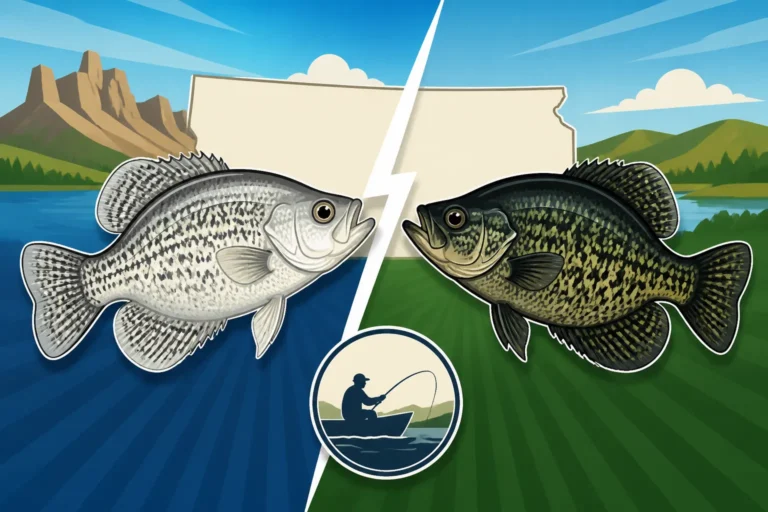
Crappie, whether black or white, offer wonderfully delicate, sweet, and flaky white meat. They're typically smaller than walleye, making them perfect for a quick individual serving. When you catch a mess of crappie from a quiet bay on Lake Sharpe, a simple breading and quick pan-fry are often all you need to transform them into a feast. Their mild flavor is a huge hit, especially with kids or those who prefer fish with a less pronounced taste. Similarly, yellow perch are a treasured catch in many of South Dakota's glacial lakes, like Lake Kampeska. Their firm, sweet, and white flesh is often compared to walleye, albeit in a smaller package. They are fantastic when breaded and fried, making for a delightful appetizer or a main course. Plus, the sheer quantity you can sometimes catch means a generous fish fry is always a possibility. These fish are relatively easy to clean, and having a dedicated cooler to keep them on ice immediately after catching, perhaps a quality hard cooler from Amazon, is crucial for maintaining their prime flavor. Learn more about pursuing these tasty species in our guides: South Dakota Crappie Fishing Guide and South Dakota Perch Fishing Guide.
Trout: Black Hills Delicacy
When you venture west into the rugged beauty of the Black Hills, a different kind of culinary delight awaits: trout. The cold, crystal-clear streams and pristine lakes like Pactola Reservoir are home to rainbow, brown, and brook trout, each offering a unique and delicious experience.
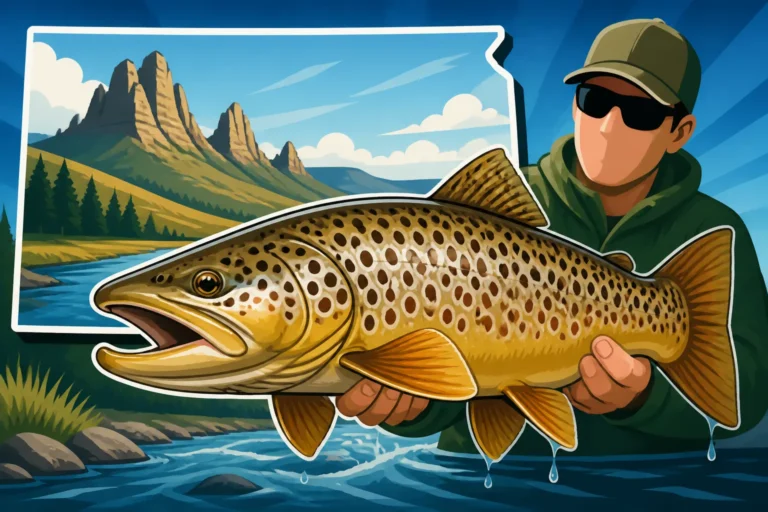
What makes Black Hills trout so special for eating? It largely comes down to their diet and environment. Living in clean, oxygen-rich waters and feeding on insects and smaller aquatic life, these trout develop firm, flavorful flesh. Rainbow trout, often stocked, have a mild, delicate flavor that is fantastic pan-fried, baked whole, or even smoked. Brown trout, which are more elusive and often wild-spawned in the streams, tend to have a richer, nuttier flavor. And brook trout, while smaller, are often considered a true gourmet treat, offering exceptionally sweet and tender meat. Imagine catching a plump rainbow trout from Rapid Creek, then preparing it simply with butter, lemon, and a sprinkle of dill. The experience is fresh, light, and incredibly satisfying. For those who enjoy fly fishing, the reward of a fresh trout meal after a day on the water is unparalleled. Our South Dakota Trout Fishing Guide and Black Hills Trout Stream Fishing Guide can help you discover the best spots and techniques for these beautiful fish.
Honorable Mentions: Other Delicious Catches
While walleye, panfish, and trout often top the list, South Dakota's waters offer a few other species that deserve recognition for their deliciousness, even if they sometimes get overlooked. Don't be afraid to give these a try; you might just discover a new favorite!
Catfish: Southern Comfort in the Midwest
For those who appreciate a heartier, more robust flavor, South Dakota's catfish population is a fantastic option. The Missouri River system, in particular, is renowned for its channel and flathead catfish. While some folks are wary of catfish due to the occasional "muddy" taste, proper handling and cleaning can nearly eliminate this concern, revealing a firm, white, and wonderfully versatile meat.
Channel catfish are abundant and offer a mild, slightly sweet flavor. Their flesh is firm and holds up well to various cooking methods, from deep-frying to grilling or even smoking. Flathead catfish, which can grow to impressive sizes, have an even firmer, sweeter, and more delicate white flesh, making them a prize for the table. The key to excellent-tasting catfish is to process them quickly after catching, bleeding them properly, and getting them on ice. Many anglers swear by skinning them immediately. A perfectly cooked catfish fillet, with a crispy cornmeal crust, can rival any other fish for a truly satisfying meal. If you're wondering how to target these bottom-dwelling beauties, check out our South Dakota Catfish Fishing Guide.
Smallmouth Bass: A Surprising Treat
Smallmouth bass might be best known for their incredible fighting spirit and acrobatic leaps, making them a thrilling sport fish. However, they are also surprisingly good to eat, often overlooked in favor of other species. The meat of a smallmouth bass is clean, white, and flaky, with a mild flavor that can sometimes be slightly firmer than walleye.
You'll find fantastic smallmouth fishing on reservoirs like Lake Francis Case and Lake Sharpe, particularly around rocky shorelines and submerged structures. When caught from cold, clear water, their flesh is truly excellent. Many anglers who try a fresh smallmouth for the first time are pleasantly surprised by its quality. It cooks up beautifully whether pan-fried, baked, or grilled, and its firmness allows it to hold together well. Don't let the "bass" name fool you into thinking it's not a table fish; in South Dakota, smallmouth are a definite culinary sleeper hit. If you're interested in pursuing this hard-fighting, great-tasting fish, our South Dakota Smallmouth Bass Fishing Guide has all the information you need.
Maximizing Flavor: From Water to Plate
Catching the "best eating fish" is only half the battle. To truly enjoy your South Dakota harvest, knowing how to properly handle your catch from the moment it leaves the water until it hits your plate is absolutely critical. This attention to detail can elevate an average-tasting fish to an extraordinary meal.
Proper Handling is Key
The flavor of your fish begins to deteriorate the moment it’s caught. The fastest way to ruin a perfectly good walleye or crappie is improper handling. The number one rule: get your fish on ice immediately. A quality cooler filled with ice is non-negotiable for preserving freshness.
Here’s a quick rundown of best practices:
- Ice Down Quickly: As soon as you land a fish you intend to keep, get it into a cooler full of ice. This rapidly drops the fish's core temperature, slowing bacterial growth and preserving the texture and flavor of the meat. Don't just toss it in a bucket of water; water can actually warm up and hasten spoilage.
- Bleed if Possible: For larger fish like walleye or catfish, bleeding them immediately after catching by cutting a gill arch can improve the flavor by removing blood from the flesh. This is especially true for species like catfish which can sometimes have a stronger flavor.
- Clean Promptly: While keeping fish on ice is great, cleaning them as soon as possible after your trip is even better. Fillet your fish, rinse the fillets with cold water (avoid soaking them), and pat them dry.
- Storage: If you're not eating them right away, vacuum sealing is the gold standard for freezing fillets, preventing freezer burn and maintaining quality for months. For shorter storage, zip-top bags with as much air removed as possible, or containers with a bit of water to create an ice glaze, work well in the freezer. Remember, a good set of vacuum seal bags from Amazon can make all the difference in preserving your catch.
Simple Cooking Methods for South Dakota Fish
The beauty of a fresh, well-handled South Dakota fish is that it doesn't need much to shine. Simple cooking methods often highlight their natural flavors best.
- Pan-Frying: This is a classic for a reason, especially for walleye, crappie, and perch. A light breading (cornmeal or seasoned flour), a hot pan with a little oil or butter, and a few minutes per side yield a crispy exterior and a tender, flaky interior. Don't overcrowd the pan, and cook until the internal temperature reaches 145°F and the flesh is opaque.
- Baking/Roasting: For a healthier option, baking fish fillets with a splash of lemon juice, a pat of butter, and some fresh herbs (dill, parsley, thyme) is fantastic. This works particularly well for trout and larger walleye fillets. Wrap them in foil or parchment paper for a moist, tender result.
- Grilling: Thicker fillets of walleye, catfish, or even whole trout can be grilled. Keep the grill grates clean and well-oiled to prevent sticking. A cedar plank can impart a wonderful smoky flavor without drying out the fish.
- Seasoning: With fresh fish, less is often more. Salt, black pepper, and a squeeze of fresh lemon are often all you need. Don't be afraid to experiment with your favorite fish seasoning blends, but let the fish's natural flavor be the star.
What Affects Fish Taste?
You might catch the same species from two different bodies of water in South Dakota and notice a difference in taste. This isn't uncommon, and several factors play a role:
- Water Quality: Fish caught from clean, cold, clear waters generally taste better. These environments typically have less algae and other organic matter that can contribute to off-flavors.
- Diet: What a fish eats directly impacts its flavor. Fish feeding on a varied diet of natural forage, like minnows, insects, and crustaceans, tend to have a cleaner, more pleasant taste compared to those in areas with a less diverse or less desirable food source.
- Time of Year/Water Temperature: Fish caught in colder water (spring, fall, winter) often have firmer, cleaner-tasting flesh. As water temperatures rise in summer, some species can develop a slightly softer texture or a more pronounced flavor, sometimes described as "muddy" in certain catfish or carp, due to increased metabolism and algae growth.
- Location within a Waterbody: Even within the same lake, fish caught from different areas can vary. For instance, a walleye from a deep, main-lake basin might taste slightly different than one caught from a shallower, murkier bay.
- Species-Specific Factors: Some species are naturally prone to picking up earthy or "muddy" flavors, especially bottom feeders like carp or some catfish, if they're not processed correctly. This is due to compounds called geosmin and methylisoborneol produced by certain bacteria and algae that the fish absorb. Proper bleeding and skinning can often mitigate this.
Beyond Taste: Other Considerations
While taste is a primary driver, a responsible and enjoyable fishing experience involves more than just bringing home a delicious dinner. Understanding regulations and being mindful of conservation efforts ensures that South Dakota's fantastic fishing opportunities will be there for generations to come.
South Dakota Fish Consumption Advisories
Before you fill your cooler, it's always smart to be aware of any current fish consumption advisories. These advisories are issued by the state's Game, Fish and Parks (GFP) department and are designed to protect public health by informing anglers about potential contaminants in certain fish from specific bodies of water.
These advisories typically provide guidance on how much of a certain type of fish from a particular lake or river is safe to eat, especially for vulnerable populations like pregnant women, nursing mothers, and young children. They might focus on mercury, PCBs, or other substances. It's not about the fish being unsafe to catch or even inherently "bad," but rather about making informed choices for your diet. Always check the latest information from the South Dakota Game, Fish and Parks website before your trip. Being informed about South Dakota Fish Consumption Advisories Explained is a crucial part of responsible angling.
Ethical Angling and Conservation
South Dakota is blessed with incredible fishing resources, and it's up to all of us to ensure they remain vibrant. Ethical angling practices not only preserve fish populations but also contribute to the overall quality of fishing, including the flavor of the fish you do decide to keep.
- Know Your Limits: Always adhere to daily and possession limits for each species. These limits are in place to manage fish populations sustainably. Keeping only what you need and what is legal ensures there are fish for others and for future generations. Our South Dakota Fish Limits and Size Restrictions guide is a great resource.
- Practice Catch and Release: For fish you don't intend to eat, or for species that are protected by slot limits, proper catch and release techniques are vital. Handle fish gently, minimize their time out of water, and use appropriate gear to reduce harm. Sometimes releasing a healthy, larger breeding fish means more good-eating fish for everyone down the line.
- Protect Habitats: Be mindful of the environment. Avoid littering, don't introduce invasive species (like moving baitfish between water bodies), and follow all regulations regarding water access and boat operation. The health of the habitat directly impacts the health and flavor of the fish.
By being mindful of these considerations, you not only ensure a delicious meal but also play a vital role in protecting South Dakota's precious natural heritage.
Here's a quick comparison of South Dakota's top eating fish:
| Fish Species | Flavor Profile | Texture | Common Cooking Methods | Best for |
|---|---|---|---|---|
| Walleye | Mild, sweet, clean | Delicate, flaky | Pan-fry, bake, grill, deep-fry | Family dinners, fish fries |
| Crappie | Very mild, sweet | Very delicate, flaky | Pan-fry, deep-fry | Quick meals, kids, appetizers |
| Yellow Perch | Mild, sweet, slightly nutty | Firm, flaky | Pan-fry, deep-fry | Small servings, similar to Walleye |
| Rainbow/Brown Trout | Mild to rich, earthy (brown) | Firm, flaky | Pan-fry, bake, grill, smoke | Healthy meals, whole fish cooking |
| Catfish | Mild to robust, earthy | Firm, dense | Deep-fry, grill, smoke, bake | Heartier meals, robust flavors |
| Smallmouth Bass | Mild, clean, slightly sweet | Firm, medium flaky | Pan-fry, bake, grill | Those seeking a flavorful surprise |
No matter which fish you choose to pursue in South Dakota, the combination of a great catch, careful handling, and simple preparation will almost always lead to a memorable and delicious meal. So, grab your gear, head out to your favorite spot, and get ready to enjoy the bounty of South Dakota's waters!
Disclaimer
This article is for general informational purposes only and does not constitute professional advice. Laws, prices and regulations vary by location and change over time. Consult a qualified professional for guidance on your specific situation.