Are Any Fish Species Unique to South Dakota?
It's a question many of us anglers ponder when we're out on the water, watching a beautiful fish flash by: "Is this fish unique to our waters? Is there something truly special, found only here in South Dakota?" It's a natural curiosity, a desire to feel a deeper connection to the place we love to fish. This guide is going to dive deep into that very question, exploring the fascinating world of South Dakota's aquatic inhabitants, distinguishing between native species, introduced populations, and highlighting the fish that truly define our state's incredible angling experience, even if they aren't exclusively found within our borders.
The Idea of Endemic Fish Species
When we talk about a "unique" fish species, what we're often thinking of in scientific terms is an "endemic" species. An endemic species is one that is found naturally in only one specific geographic area and nowhere else in the world. For example, some unique species of cichlids are endemic to particular lakes in Africa, or specific salamanders might be endemic to a single cave system. The idea is that their entire natural range is incredibly restricted.
Now, it's pretty rare for a fish species to be truly endemic to a single U.S. state, especially one like South Dakota with major river systems like the Missouri River running through it, connecting us to other states. Rivers are natural highways for fish, allowing them to migrate and spread over vast distances. Lakes and reservoirs, while they might seem isolated, are often part of larger river basins, or have been stocked with fish from outside sources for decades. So, while it's a romantic thought to imagine a fish that only lives in a specific bend of the Cheyenne River or a certain glacial lake, the reality of fish biology and interconnected waterways makes true state-level endemism quite uncommon for most mobile aquatic life.
Think about it: fish don't carry passports! They follow water currents, food sources, and spawning grounds. A walleye in Lake Oahe doesn't stop at the North Dakota border. A smallmouth bass in the Missouri River system can travel between South Dakota and Nebraska. This constant movement and shared habitat with neighboring states mean that while South Dakota has an incredible diversity of fish, finding one that has never naturally existed outside our state lines is a significant challenge. However, that doesn't mean our fishing isn't special or that we don't have certain species that are exceptionally iconic to the South Dakota angling scene. It simply shifts our focus from geographical exclusivity to ecological significance and angling opportunity.
Native Versus Introduced Species in South Dakota Waters
To really understand South Dakota's fish populations, we need to grasp the difference between native and introduced species. It's a crucial distinction that shapes our fisheries and how we interact with them as anglers.
What are Native Fish Species?
Native species are those fish that occurred naturally in South Dakota's waters before significant human intervention, meaning they weren't brought in by people. These are the fish that evolved in the rivers, streams, and natural lakes of our state, adapting to the local conditions over thousands of years. They are an integral part of the original ecosystem, playing specific roles in the food web and overall aquatic health.
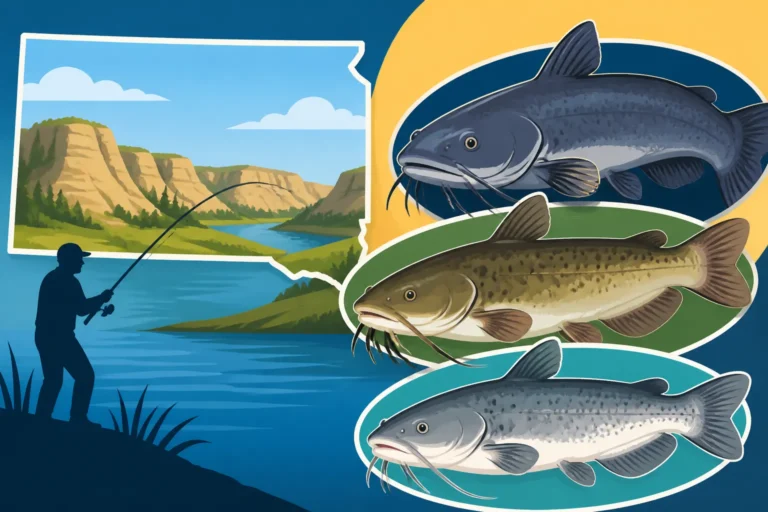
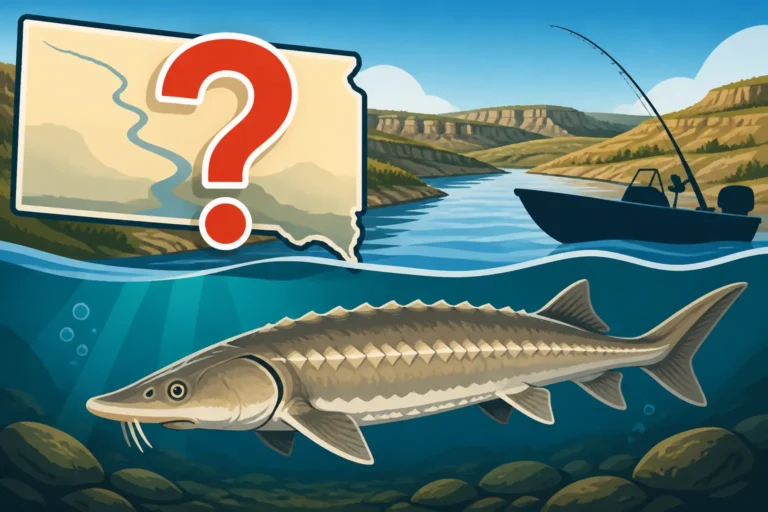
You might be surprised by some of the native species that aren't typically "glamour" sport fish. For instance, South Dakota is home to various native minnows, darters, suckers, and shiners. These smaller fish are vital forage for larger predators and indicators of water quality. On the larger side, species like the Channel Catfish are absolutely native to the Missouri River and its tributaries, thriving in the warmer, murkier waters. The Pallid Sturgeon, an endangered species, is also native to the Missouri River system, a true living fossil that has been here for eons. While many anglers primarily target introduced species, understanding and appreciating our native fish is crucial for maintaining a healthy and balanced aquatic environment. When you're fishing a quiet backwater, you might spot some of these smaller, often overlooked, native gems.
Understanding Introduced and Stocked Fish
Introduced or stocked species are those that have been brought into South Dakota's waters by humans, whether intentionally for sport fishing, commercial purposes, or sometimes accidentally. This practice has been going on for over a century and has profoundly shaped the angling opportunities we enjoy today.
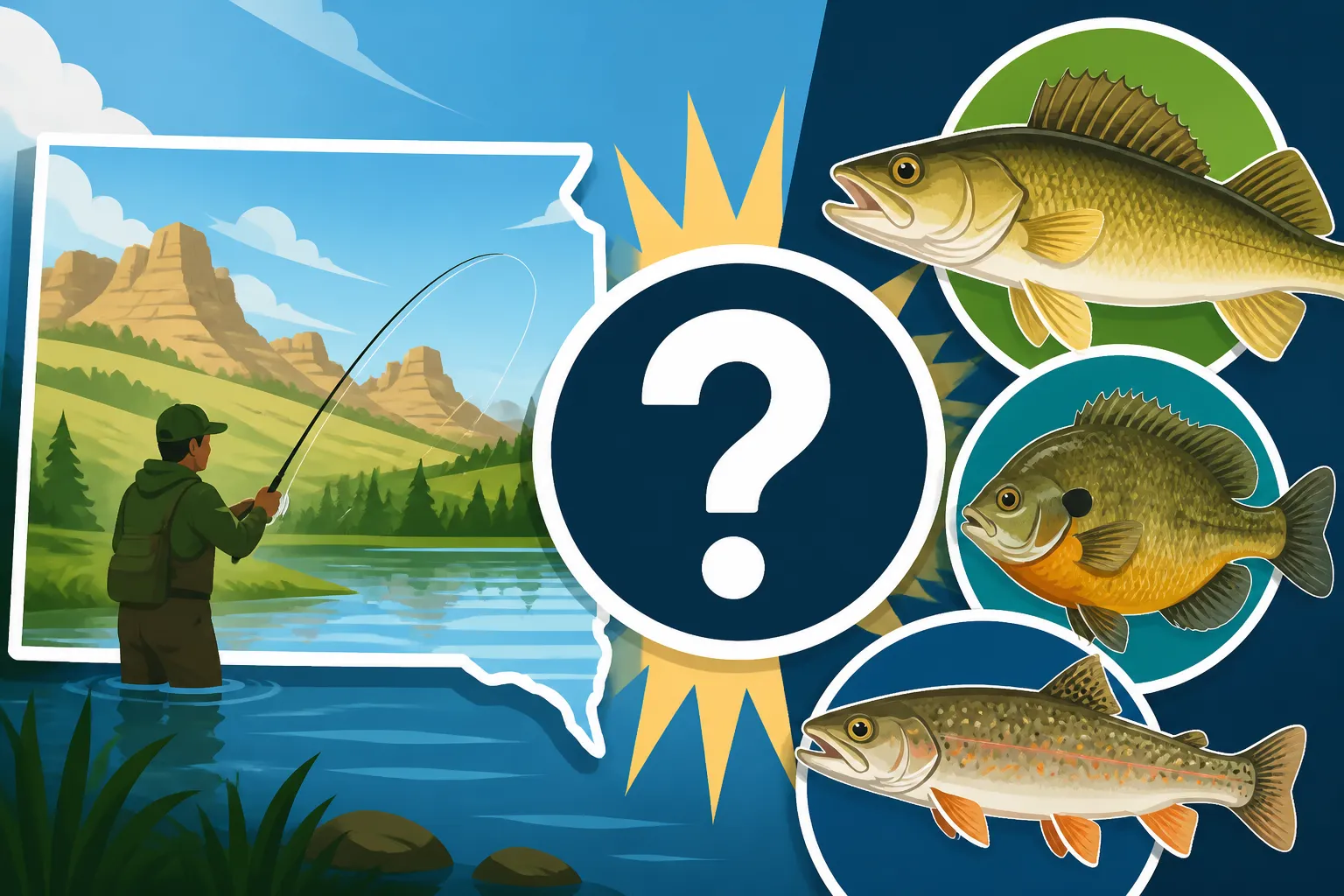
The most famous example, without a doubt, is the Walleye. While some walleye populations might have historically existed in parts of the Missouri River system, the widespread abundance and phenomenal fishing opportunities for walleye across South Dakota, particularly in the major reservoirs like Lake Oahe Fishing Guide and Lake Sharpe, are largely due to extensive stocking programs. These programs are meticulously managed by the South Dakota Game, Fish and Parks (GFP) to ensure robust and healthy populations that can sustain intense fishing pressure. Similarly, the thriving trout fisheries in the Black Hills streams are primarily sustained by stocking Rainbow Trout and Brown Trout, species that were introduced to create the incredible fly-fishing experiences many of us cherish. You can learn more about these efforts in our South Dakota Trout Fishing Guide.
Then there's the Chinook Salmon in Lake Oahe, a truly unique angling experience for a landlocked state. These Pacific salmon were introduced into Lake Oahe to utilize the abundance of pelagic baitfish like smelt. While they don't naturally reproduce in the lake, the annual stocking program creates a fantastic trophy fishery that draws anglers from all over. It's a testament to how human management can create incredible fishing opportunities that wouldn't otherwise exist. If you're looking for gear for these unique fisheries, many specialized trolling setups for salmon or ice fishing gear for walleye can be found easily on platforms like Amazon.
The table below highlights some key differences between native and commonly introduced fish species in South Dakota:
| Feature | Native Species (Examples: Channel Catfish, Plains Killifish, Pallid Sturgeon) | Introduced Species (Examples: Walleye, Rainbow Trout, Chinook Salmon) |
|---|---|---|
| Origin | Naturally evolved and present in South Dakota's historical ecosystems | Brought into South Dakota by humans (stocking, accidental release) |
| Natural Range | Often extend beyond state borders, but originated here | Originates from other regions, typically outside the state |
| Reproduction | Sustain populations through natural spawning cycles within the ecosystem | Often rely on continued stocking programs for viable populations |
| Ecological Role | Integral part of original food web and biodiversity | Can alter existing ecosystems, provide new sport fishing opportunities |
| Angling Focus | Targeted by some, often for food or unique challenge | Primary target for most sport anglers due to abundance and size |
Iconic and Notable Fish Species That Define South Dakota Fishing
Even without a fish species found only in South Dakota, our state boasts several species that are incredibly iconic and define the angling experience here. These are the fish that draw thousands of visitors annually and fuel countless fishing stories.
The Reign of the Walleye
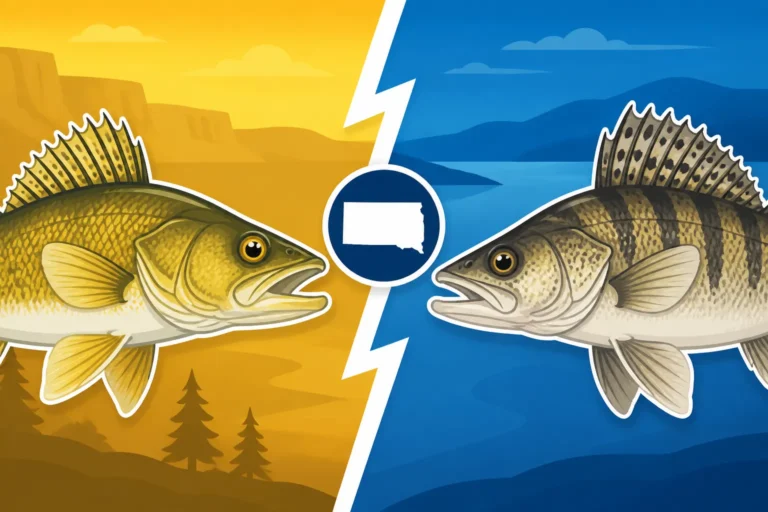
If there's one fish that truly embodies South Dakota fishing, it's the Walleye. Our state, particularly the Missouri River reservoirs—Lake Oahe, Lake Sharpe, Lake Francis Case, and Lewis and Clark Lake—is renowned as a world-class walleye destination. While walleye are found in many states, the sheer numbers, impressive average size, and the reliable fishing opportunities in South Dakota are truly exceptional.
Anglers here have developed a deep connection with walleye, understanding their seasonal movements, preferred depths, and feeding patterns. From jigging for prespawn walleye in the spring to trolling for active fish in the summer, and vertically jigging in the fall, the pursuit of walleye is a year-round passion. The consistent management by the GFP ensures that these populations remain robust, making South Dakota a bucket-list destination for many walleye enthusiasts. If you're planning a trip, checking out a South Dakota Walleye Fishing Guide can give you an edge on techniques and locations. Whether you're a seasoned pro or just starting, the thrill of hooking into a nice South Dakota walleye is an experience you won't soon forget.
The Landlocked Chinook Salmon Fishery
Another incredibly notable species that offers a unique angling experience in South Dakota is the Chinook Salmon. Found primarily in Lake Oahe, these powerful, ocean-going salmon have adapted to a freshwater existence through a dedicated stocking program. This creates a thrilling cold-water fishery unlike anything else in the region.
The chase for Chinook Salmon on Lake Oahe typically involves sophisticated trolling techniques, often using downriggers to target fish suspended in the deep, cold waters. The fall brings a unique opportunity for shore anglers as salmon gather near the Whitlock Bay spawning station. The sheer power and size of these fish make them a formidable opponent, and landing one is a significant achievement. It's a fishery that showcases innovation in fisheries management, transforming a vast reservoir into a Pacific Northwest-like experience. For specific strategies, explore a South Dakota Chinook Salmon Fishing Guide. Many anglers find great deals on specialized salmon lures and trolling gear, including flashers and dodgers, on sites like Amazon, preparing for their Lake Oahe adventures.
Black Hills Trout: A Mountain Oasis
While trout are certainly not unique to South Dakota, the context in which they thrive here is quite special. The Black Hills region, with its cool, clear mountain streams and picturesque canyons, provides a stunning backdrop for some fantastic trout fishing. Rainbow Trout, Brown Trout, and the native (but often augmented by stocking) Brook Trout offer diverse challenges for fly anglers and spin fishermen alike.
Fishing for trout in Spearfish Creek, Rapid Creek, or Castle Creek feels worlds away from the prairie lakes. The combination of stunning scenery, challenging stream conditions, and the vibrant wild and stocked trout populations makes it a distinct and cherished part of the South Dakota angling landscape. The regulations in these areas are often specific, with certain sections designated as catch-and-release or artificial-lure-only, aiming to protect the delicate ecosystem and enhance the angling experience. Before heading out, it's always wise to consult the South Dakota Fishing Regulations Explained for Black Hills streams. Many local shops and online retailers, like Amazon, offer specialized fly-fishing gear perfect for these unique conditions.
Conserving South Dakota's Aquatic Biodiversity
While South Dakota might not boast truly endemic fish species, the rich diversity of our native and introduced fish populations is something worth celebrating and, more importantly, conserving. The South Dakota Game, Fish and Parks (GFP) plays a vital role in managing these resources, ensuring healthy fisheries for future generations.
The Role of Fisheries Management
The GFP continuously monitors fish populations through scientific surveys, electrofishing, and angler creel surveys. This data helps them make informed decisions about stocking levels, South Dakota Fish Limits and Size Restrictions, and habitat improvements. Their work ensures that species like walleye continue to thrive, while also paying attention to the health of native populations and the overall aquatic ecosystem.
For instance, they meticulously track the growth rates of walleye in different reservoirs, understanding What Walleye Eat in Summer and how that impacts their health. This level of dedication helps balance the needs of sport anglers with the long-term sustainability of the resource. Anglers contribute directly to these efforts through the purchase of fishing licenses, such as those detailed in our South Dakota Fishing License Guide, which fund these crucial conservation programs.
How Anglers Contribute to Conservation
As anglers, we have a significant responsibility in protecting South Dakota's aquatic biodiversity. Every time we head out, we become stewards of the environment. Here are a few ways we can help:
- Respect Regulations: Always know and follow the current South Dakota Fishing Regulations Explained. These rules are in place for a reason – to protect fish populations and ensure sustainable fishing.
- Practice Catch and Release Responsibly: For fish you don't intend to keep, handle them gently, minimize their time out of water, and ensure they are revived before release. Using appropriate tackle, like circle hooks for catfish, can also reduce mortality.
- Prevent the Spread of Invasive Species: This is huge! Clean, Drain, Dry is the mantra. Clean your boat, trailer, and all fishing gear (nets, waders, buckets) thoroughly between waterways. Drain all water from your boat, livewell, and bait buckets. Dry your gear completely. Invasive species like zebra mussels or Eurasian watermilfoil can devastate native ecosystems and fisheries.
- Report Concerns: If you notice unusual fish kills, pollution, or suspected illegal fishing activity, contact the GFP. They are our frontline defense for protecting our waters.
By being mindful and responsible, we can all contribute to keeping South Dakota's waters healthy and teeming with life. It's not just about catching fish; it's about preserving the incredible resource that allows us to enjoy our passion year after year. Every license purchase, every responsible action on the water, helps ensure that South Dakota remains a premier fishing destination. You can always find more comprehensive information in the South Dakota GFP Fishing Handbook Guide.
Disclaimer
This article is for general informational purposes only and does not constitute professional advice. Laws, prices and regulations vary by location and change over time. Consult a qualified professional for guidance on your specific situation.