Is the Pallid Sturgeon Found in South Dakota’s Missouri River?
There's a deep, mysterious draw to the ancient rivers of South Dakota, especially the mighty Missouri. For many of us who love to cast a line, there's a quiet wonder about what truly swims in those vast, often murky depths. One particular fish species, cloaked in legend and rarity, often sparks the question: is the pallid sturgeon still found in South Dakota's Missouri River? It's a question that brings a mix of hope and concern, given the species' critically endangered status. This guide will dive deep into the world of the pallid sturgeon, exploring its history in our waters, its current presence (or lack thereof), and how every angler can play a part in its uncertain future.
Understanding the Pallid Sturgeon: A Vanishing Icon
The pallid sturgeon is more than just a fish; it's a living relic, a testament to prehistoric times that somehow endured into our modern era. Catching a glimpse of one is like peering back millions of years. But its survival has become increasingly precarious, turning this remarkable creature into a symbol of our changing river systems.
What Makes the Pallid Sturgeon So Unique?
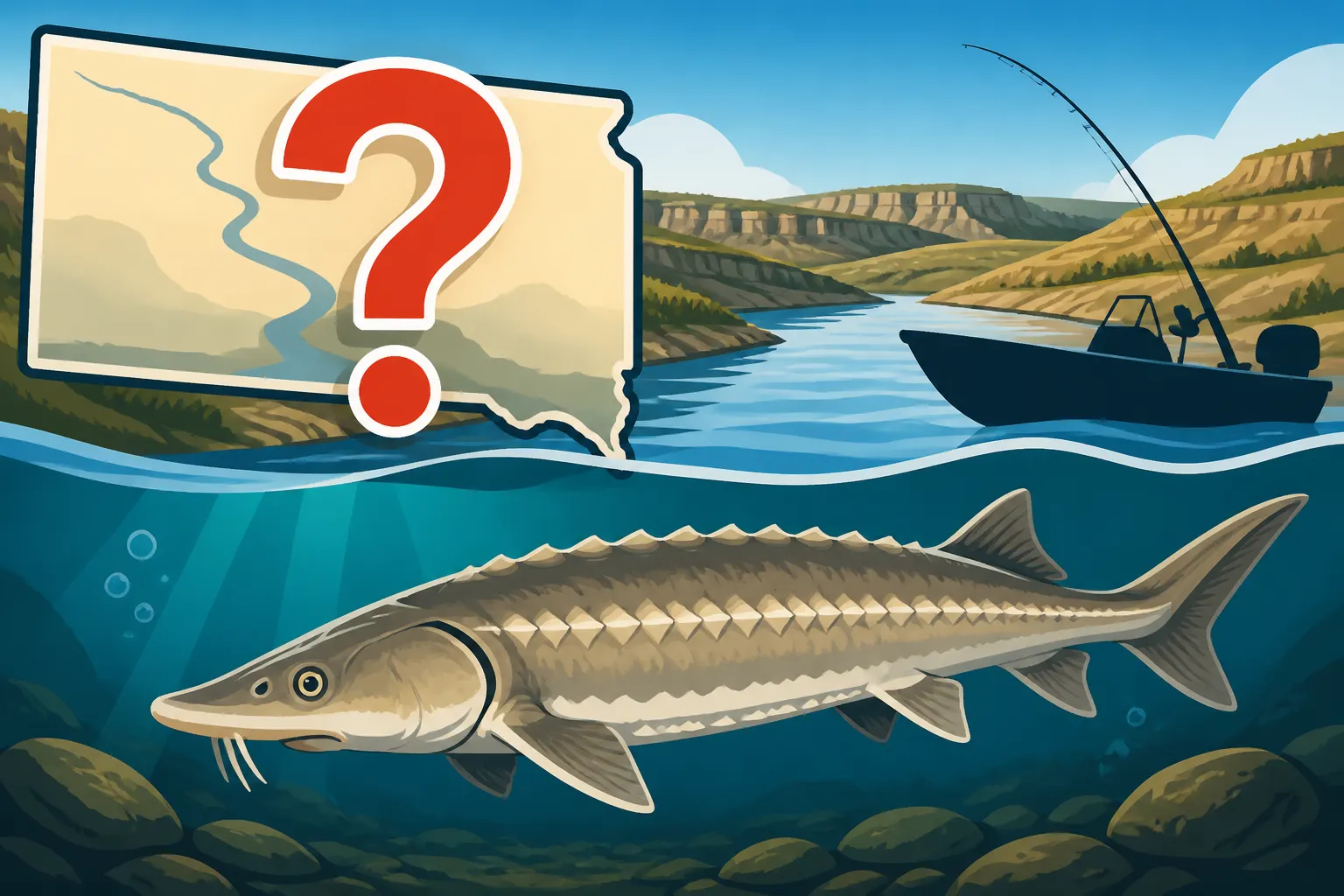
Imagine a fish that looks like it swam straight out of a dinosaur age, covered in bony plates rather than scales, with a flattened snout and whisker-like barbels near its mouth, designed for rooting around in muddy riverbeds. That's the pallid sturgeon. They are truly magnificent, growing to impressive sizes—some adults can reach lengths of five to six feet and weigh up to 60 pounds or more. Their coloration, a pale, almost white or yellowish-gray, helps them blend seamlessly with the silty bottoms of the great rivers they call home, hence the name "pallid."
What truly sets them apart is their incredible longevity and slow reproductive cycle. These fish can live for 50, 60, even up to 100 years! But they don't reach sexual maturity until they're much older, sometimes 10 to 15 years for males and even longer for females. When they do spawn, it's not every year, and their eggs and larvae are highly dependent on specific river conditions, like slow-moving, turbid water with plenty of natural fluctuations. This combination of long life, delayed maturity, and specific environmental needs makes them incredibly vulnerable to changes in their habitat. They are bottom-feeders, cruising along the riverbed, using their sensitive barbels to find small fish, insects, and crustaceans. Their entire existence is intrinsically tied to the free-flowing, natural rhythms of a large river system.
The Pallid Sturgeon's Historic Range and Decline
Historically, the pallid sturgeon was found throughout the vast Missouri and Mississippi River basins, stretching from Montana all the way down to the Gulf of Mexico. South Dakota's stretch of the Missouri River was undoubtedly a crucial part of this extensive range. Imagine a time when these ancient fish were a more common sight, silently navigating the wild, untamed currents of our state's primary waterway. They thrived in a river system characterized by its braided channels, sandbars, and seasonal flooding, all providing the perfect mosaic of habitats for feeding, spawning, and sheltering their young.
However, the 20th century brought dramatic changes to the Missouri River. The construction of a series of large dams, intended for flood control, navigation, and hydropower, fundamentally altered the river's character. While these dams brought undeniable benefits, they also had unforeseen consequences for species like the pallid sturgeon. The dams blocked migration routes to critical spawning grounds, converted vast stretches of free-flowing river into deep reservoirs with stable water levels, and reduced the natural sediment load. This meant the turbid, meandering, naturally fluctuating riverbed habitats that pallid sturgeon depended on for successful reproduction largely vanished. The alteration of water temperature, flow regimes, and the loss of natural sandbars and shallow water habitats created an environment where the pallid sturgeon struggled to survive. Dredging, channelization, and agricultural runoff further compounded these issues, leading to a drastic decline in their numbers. This dire situation led to their listing as an endangered species, a classification that truly underscores the challenges facing these magnificent fish.
Is the Pallid Sturgeon Found in South Dakota's Missouri River Today?
The short answer is yes, the pallid sturgeon can be found in South Dakota's Missouri River today, but it's exceptionally rare, and most of what we see are the result of dedicated conservation efforts rather than natural reproduction. This is a fish that truly holds onto its secrets, often making anglers wonder if they're still out there.
Historical Presence and Modern Sightings
Back in the day, before the dams changed everything, pallid sturgeon were definitely a part of the rich aquatic tapestry of the Missouri River in South Dakota. Anglers and commercial fishermen would occasionally encounter them, though they were never as numerous as their smaller, more common cousin, the shovelnose sturgeon. Fast forward to today, and a natural, wild-born pallid sturgeon sighting is an extremely rare event—so rare that it often makes the news when one is confirmed. Most pallid sturgeon caught or observed in the South Dakota stretch of the Missouri River today are individuals that have been stocked there as part of recovery programs. These fish are typically tagged or marked, allowing biologists to track their survival and movement.
This makes every single encounter with a pallid sturgeon, even a stocked one, incredibly significant. It tells researchers about where these fish are surviving, what they're eating (which links to South Dakota Fish Species Diet by Season), and how they're moving through the altered river system. For an angler, encountering one is a once-in-a-lifetime experience, a brush with an ancient marvel. It's truly a moment that reminds you of the wildness still lingering within our managed waterways.
Conservation Efforts and Stocking Programs
Recognizing the desperate situation, state and federal agencies have poured tremendous effort into trying to save the pallid sturgeon from extinction. In South Dakota, as in other states along the Missouri River, this primarily involves captive breeding and stocking programs. Biologists collect adult pallid sturgeon, spawn them in hatcheries, and then raise the young fish until they are large enough to have a better chance of survival when released into the wild. These stocked fish are often marked with tiny passive integrated transponders (PIT tags) or external tags, which can be detected by specialized receivers or visually identified by anglers.
The goal of these programs isn't just to put fish into the river; it's to re-establish self-sustaining populations. This is a monumental challenge because it requires not only healthy fish but also suitable habitat for them to reproduce naturally. While significant progress has been made in understanding their biology and improving stocking techniques, the long-term success hinges on restoring some of the natural river processes that were lost, such as creating more diverse flow patterns and restoring braided channels. Organizations like the South Dakota Game, Fish and Parks (GFP) work closely with federal partners to implement these programs. Anglers can often find more detailed information on these initiatives and any special regulations by checking the South Dakota GFP Fishing Handbook Guide.
Identifying a Pallid Sturgeon
Distinguishing a pallid sturgeon from its more common counterpart, the shovelnose sturgeon, is crucial for anglers. Misidentification can lead to accidental harm or legal issues, as pallid sturgeon are federally protected. Here's a table to help you spot the differences:
| Feature | Pallid Sturgeon | Shovelnose Sturgeon |
|---|---|---|
| Size | Much larger (up to 60+ lbs, 5-6 ft) | Smaller (rarely over 5 lbs, 2-3 ft) |
| Coloration | Pale, grayish-white to yellowish-brown | Darker brown to olive-green |
| Snout | Long, flat, and broad, often spade-like | Shorter, more rounded, and slightly upturned |
| Barbels | Inner barbels are typically shorter than outer | Inner barbels are typically longer than outer |
| Belly Skin | Mostly scale-less, smooth | Often has small, bony plates (scutes) |
| Dorsal Scutes | Typically 11-16 (bony plates along the back) | Typically 15-20 |
Remember: The barbels are key! Gently feel them if you can, but prioritize the fish's safety.
If you suspect you've caught a pallid sturgeon, the absolute most important thing is to handle it with extreme care and release it immediately. Taking the time to properly identify the fish can be challenging in the moment, especially if you're excited, but it's a critical skill for any responsible angler fishing the Missouri River. You might even consider carrying a laminated guide or having a relevant species identification app on your phone, perhaps something you downloaded from a fishing knowledge resource found on Amazon.
The Role of Anglers in Pallid Sturgeon Conservation
As anglers, we are often the first line of defense and observation on our waterways. Our presence on the river gives us a unique opportunity to contribute significantly to the conservation of species like the pallid sturgeon. It's not just about what we catch; it's about how we interact with the entire ecosystem.
Catch-and-Release Protocol for Protected Species
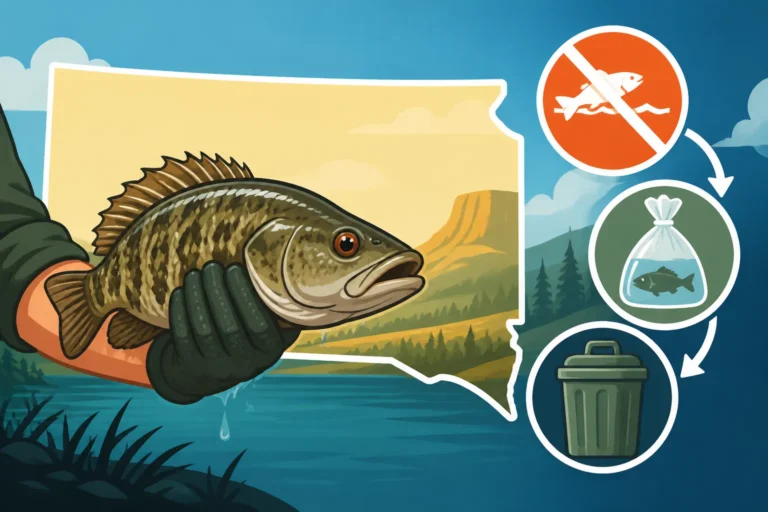
If you're fishing the Missouri River, especially in areas known for sturgeon, you must be prepared for the possibility of catching a pallid sturgeon. The law is very clear: pallid sturgeon are a federally protected endangered species, and it is illegal to harvest or possess them. This means any pallid sturgeon caught must be immediately released, unharmed, back into the water.
Here’s a responsible catch-and-release protocol you should always follow:
- Minimize Fight Time: Bring the fish in as quickly as possible to reduce stress. Use appropriate tackle for the species you are targeting; if you're fishing for large catfish, for example, your gear might be suitable.
- Keep it Wet: Do everything you can to keep the fish in the water, especially its gills. If you must remove it for a quick photo (and please, make it quick!), support its body horizontally and fully, never vertically by the tail or mouth.
- Handle with Care: Wet your hands before touching the fish to protect its slime coat. Avoid squeezing its body. Remove the hook gently. If the hook is deeply embedded and can't be removed easily, cut the line as close to the hook as possible. Barbless hooks can make this process much easier and are a good idea when fishing for species where incidental sturgeon catches are possible.
- Quick Photo (Optional): If you must take a photo, do it swiftly, keeping the fish mostly submerged. Again, support its entire body.
- Revive and Release: Hold the fish gently in the water, facing into the current, until it regains its strength and can swim away on its own.
Understanding and adhering to these South Dakota Fishing Regulations Explained is not just about avoiding penalties; it's about respecting the incredible effort going into saving this species.
Reporting Sightings and Contributing to Research
Every confirmed sighting of a pallid sturgeon, whether it's a stocked fish or, even more remarkably, a wild one, provides invaluable data for biologists. This information helps them understand survival rates, movement patterns, habitat use, and the overall effectiveness of recovery programs. Anglers are often the eyes and ears on the water, and your observations can directly contribute to science.
If you catch a pallid sturgeon (or suspect you have), here’s what to do:
- Take a Photo: If you can do so quickly and safely, without harming the fish, take a clear photo of both sides of the fish, focusing on its head and the entire body. Look for any tags or marks.
- Note Location: Record the exact location where you caught it (GPS coordinates are best).
- Note Size: Estimate the length and weight if possible, again without stressing the fish.
- Identify Tags: If the fish has any tags, note the color, number, or any other identifying features.
- Report Immediately: Contact the South Dakota Game, Fish and Parks (GFP) or the U.S. Fish and Wildlife Service as soon as possible after the encounter. They have dedicated staff who can receive and process this vital information. You can often find their contact details in the annual fishing handbook or on their official websites.
Your willingness to report these rare encounters is a profound contribution to the survival of the pallid sturgeon. It’s a testament to the fact that fishing isn’t just a hobby; it’s a connection to the natural world and a responsibility to protect it.
Protecting South Dakota's Riverine Ecosystems for All Species
The challenges facing the pallid sturgeon are not isolated. They are symptomatic of broader environmental issues impacting the entire Missouri River ecosystem, affecting many other species we care about, from walleye to catfish. By understanding these larger issues, we can all become better stewards of our precious natural resources.
Broader Conservation Challenges in the Missouri River
The Missouri River, a lifeblood of our state, is a complex system facing numerous threats. Habitat degradation remains a primary concern. The channelization of the river, where engineers straightened and deepened it for navigation, destroyed vast expanses of the diverse shallow-water habitats, sandbars, and side channels that are crucial for fish reproduction and juvenile survival for many species. Dredging, while sometimes necessary, can also disrupt these delicate underwater environments.
Water quality is another ongoing challenge. Runoff from agricultural lands can introduce sediments, nutrients (like nitrogen and phosphorus), and pesticides into the river. While the Missouri River has incredible capacity to process these inputs, excessive levels can lead to algal blooms, reduced oxygen levels, and impacts on aquatic life. Invasive species, like Asian carp, also pose a significant threat, competing with native fish for food and habitat. Understanding the impact of South Dakota Invasive Fish Species is crucial for all anglers. Furthermore, changes in water flow and temperature due to dam operations can impact everything from fish spawning cues to the availability of invertebrate food sources. These are not simple problems, and they require ongoing management and public awareness.
How Anglers Can Be Stewards of the River
As anglers, we have a unique perspective and a deep connection to these waters. We spend countless hours observing the river, its fish, and its changing moods. This makes us ideal advocates and stewards for its health.
- Practice Leave No Trace: Always pack out everything you pack in. Avoid leaving behind fishing line, bait containers, or any trash. Plastic pollution can be devastating to aquatic life.
- Prevent the Spread of Invasive Species: Always clean, drain, and dry your boat, trailer, and fishing gear when moving between different bodies of water. This simple act can prevent the spread of harmful invasives like zebra mussels or Eurasian watermilfoil. This is a critical part of South Dakota Boat and Water Access Rules.
- Educate Yourself and Others: Learn about the fish species you're targeting, their habitats, and the regulations designed to protect them. Share this knowledge with fellow anglers, especially younger generations. A deeper understanding fosters a greater sense of responsibility.
- Support Conservation Efforts: Consider supporting organizations dedicated to river conservation and fish habitat restoration. Your voice, even as an individual, can make a difference in advocating for policies that benefit the river.
- Adhere to Regulations: Strictly follow all fishing regulations, including South Dakota Fish Limits and Size Restrictions, season dates, and specific rules for certain water bodies. These regulations are in place for a reason – to ensure healthy fish populations for the future.
- Use Proper Gear: When fishing for large fish or in areas where sturgeon might be present, use robust tackle that allows for quick and efficient catch and release. Have a proper landing net (rubberized is best) and hook removal tools readily available. You can find excellent options for these on Amazon, making sure you're well-prepared for any unexpected and special catch.
The pallid sturgeon, though rare and elusive, serves as a powerful reminder of the delicate balance within our river ecosystems. Its continued, albeit limited, presence in South Dakota's Missouri River is a testament to the river's enduring wildness and the dedication of countless conservationists. As anglers, we have a vital role to play, not just in catching fish, but in protecting the incredible aquatic heritage that makes South Dakota such a special place to cast a line. Every responsible action we take, no matter how small, contributes to a healthier future for these ancient fish and the vibrant river they call home.
Disclaimer
This article is for general informational purposes only and does not constitute professional advice. Laws, prices and regulations vary by location and change over time. Consult a qualified professional for guidance on your specific situation.