What Preys on Small Walleye in South Dakota Lakes
It’s a natural, albeit sometimes tough, reality in any ecosystem: the smaller fish often become meals for larger creatures. If you've ever wondered why those tiny walleye fingerlings you caught don't seem to survive to trophy size, or why walleye populations can fluctuate even with strong stocking programs, understanding who preys on them is key. This guide will dive deep into the fascinating, sometimes brutal, world of the underwater food chain in South Dakota, shedding light on the various predators that target small walleye and how these interactions shape our beloved fishing lakes.
The Circle of Life: Understanding Walleye Vulnerability
The journey from a tiny egg to a prized walleye on your dinner plate is fraught with peril. Walleye, especially in their early life stages, are incredibly vulnerable, representing an easy meal for a vast array of predators. This isn't necessarily a bad thing; it's the fundamental mechanism of a healthy, balanced aquatic ecosystem. However, understanding these vulnerabilities helps us appreciate the resilience of the species and the delicate balance of nature in South Dakota's waters.
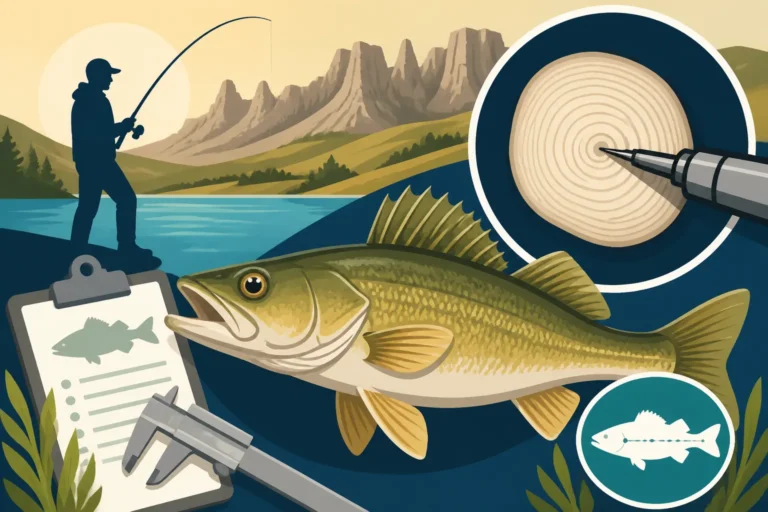
Right after hatching, walleye exist as translucent fry, barely visible to the naked eye. They drift with currents, their survival largely a matter of chance and the availability of suitable microscopic food. As they grow into fingerlings and then into juvenile walleye, their size increases, but so does the number of creatures capable of consuming them. Their primary defense is often sheer numbers – only a small percentage are expected to survive. Environmental factors like water clarity, which can reduce places for small fish to hide, or sudden temperature shifts can also make them more susceptible to predators. Think about a clear, sunny day on Lake Oahe; a small walleye swimming near the surface has far fewer places to hide from an aerial threat than in murky water or dense vegetation. This early period of growth is absolutely crucial, and understanding the survival rates directly impacts how biologists manage fisheries and how anglers approach conservation. We often look at South Dakota Walleye Growth Rates on Lake Oahe to understand how these young fish are doing.
Common Aquatic Predators of Young Walleye
When you think about predators in the water, larger fish usually come to mind first. And you'd be right – many of South Dakota's popular sport fish are also significant predators of young walleye. It's a complex web where the hunter can also become the hunted, depending on size and opportunity.
Larger Fish Species
South Dakota's lakes and rivers are home to several fish species that consider a young walleye a tasty snack. It’s not personal; it’s just lunch.
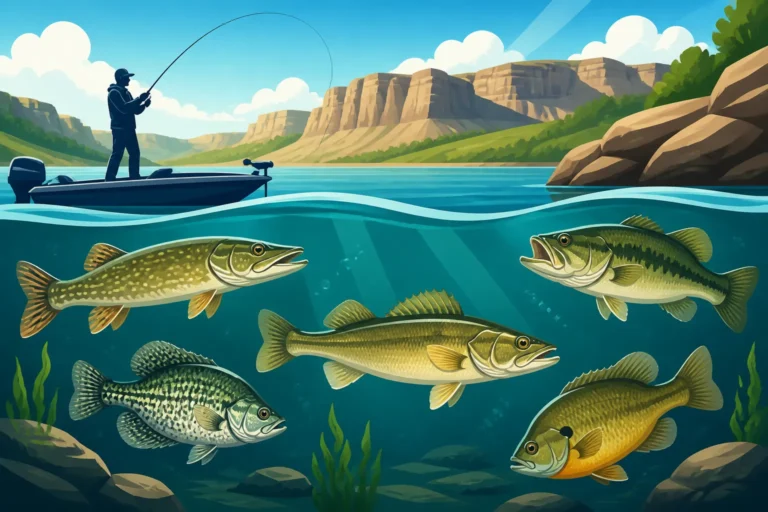
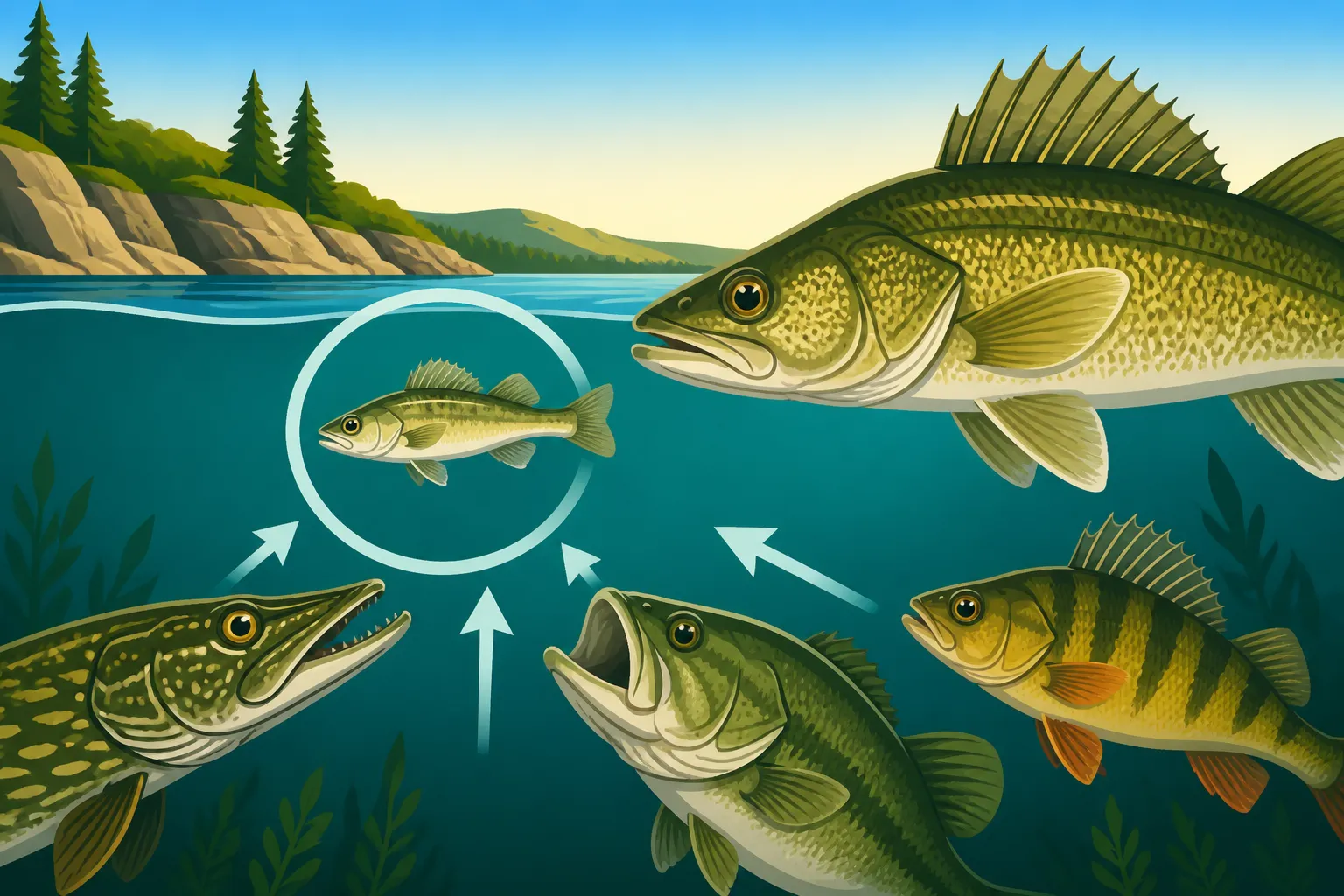
- Northern Pike: These toothy critters are truly apex predators in many of South Dakota's glacial lakes and even some of the Missouri River reservoirs. Northern pike are ambush predators, often lurking in dense weed beds or submerged timber, waiting for an unsuspecting meal to swim by. A small walleye, perhaps chasing baitfish near these structures, is an easy target. Their aggressive nature and rapid growth mean they can consume a large number of juvenile walleye, especially where their habitats overlap. If you've ever tried South Dakota Northern Pike Fishing Guide, you know how fierce these fish can be.
- Largemouth Bass: While often found in warmer, more vegetated waters than walleye prefer, largemouth bass are opportunistic feeders. If small walleye venture into their territory—perhaps seeking warmer water or following schools of minnows—they can quickly become prey. Bass are aggressive eaters and will readily consume any fish small enough to fit in their mouth, making juvenile walleye a prime target, particularly in lakes with mixed fisheries. For more about this species, check out our South Dakota Largemouth Bass Fishing Guide.
- Other Walleye (Cannibalism): This might be surprising to some, but larger walleye are not above eating their smaller counterparts. Cannibalism is a known factor in walleye populations, especially when other forage fish, like yellow perch or various minnow species, are scarce. This means that a 20-inch walleye you catch could very well have eaten several 6-inch walleye in its lifetime. It's a brutal but effective way for the ecosystem to regulate itself, ensuring that only the fittest survive and thrive.
- Sauger and Catfish: Closely related to walleye, sauger can also compete for food and prey on very small walleye fry. Meanwhile, the Missouri River system and many other lakes are teeming with various species of catfish, primarily channel catfish and flathead catfish. These fish are powerful, opportunistic bottom feeders. While they might prefer a dead shad or a juicy nightcrawler, they will absolutely snatch up small walleye moving through their feeding grounds, especially at night when walleye are less active and more vulnerable near the bottom. Learning about South Dakota Catfish Fishing Guide reveals just how effective these bottom dwellers are. When selecting fishing line, particularly for targeting species like pike that prey on walleye, many anglers consult reviews and purchase durable options from retailers like Amazon.
Non-Fish Aquatic Predators
Beyond other fish, there's a world of other creatures beneath the surface that pose a threat to the smallest walleye.
- Larger Aquatic Invertebrates: For the absolute youngest walleye—the fry and early fingerlings—even some invertebrates can be dangerous. Large aquatic insects like dragonfly nymphs, giant water bugs, and even predatory leeches can capture and consume walleye fry. Crayfish, while typically scavengers, can also prey on vulnerable or injured small fish, especially in rocky or structured areas where walleye might seek refuge.
- Turtles: While often slower and generally considered scavengers, larger snapping turtles and other aquatic turtles can and will prey on small fish, including juvenile walleye, particularly if they are slow, sick, or trapped in shallow water. They might not be the primary predator, but they certainly contribute to the attrition of young fish.
Aerial and Terrestrial Threats to Small Walleye
The dangers for young walleye aren't confined to the water. The skies above and the land around South Dakota's lakes and rivers also harbor formidable predators.
Avian Predators
Birds are incredibly efficient hunters, and many species are keen on a fish dinner, especially when those fish are small and easily caught.
- Cormorants: These sleek, dark diving birds are infamous for their incredible efficiency at catching fish. Double-crested cormorants are common on large bodies of water like the Missouri River reservoirs and the glacial lakes. They can form large flocks and systematically "herd" schools of baitfish and small game fish, including walleye, consuming vast quantities daily. Their impact on juvenile fish populations can be significant in certain areas.
- Pelicans and Loons: The majestic American white pelican, with its enormous pouch, is a prominent sight on many South Dakota lakes. While they often target rough fish, pelicans are opportunistic and will scoop up any small fish, including walleye, that they can catch. Loons, though not as numerous, are master divers and can pursue and capture small fish with remarkable agility underwater.
- Ospreys and Eagles: While these magnificent raptors are often associated with catching larger fish, they won't pass up an easy meal. An osprey soaring high above or a bald eagle perched on a snag will quickly dive for a juvenile walleye swimming too close to the surface, especially during times of low water clarity or reduced cover, which makes the fish more visible.
- Kingfishers and Herons: Along the shallower edges, marshy areas, and smaller streams, the belted kingfisher, with its distinctive rattle call, is a lightning-fast predator of small fish. Great blue herons, standing motionless in the shallows, also strike with incredible speed to impale or snatch small walleye that wander too close to the bank. These birds are particularly effective where young walleye might congregate in shallower, vegetated nursery areas.
Mammalian Predators
Even mammals, often thought of as land-dwellers, play a role in the predation of small walleye, especially near shorelines.
- Otters and Mink: These semi-aquatic carnivores are agile and relentless hunters. River otters, in particular, are highly adapted to fishing and can consume a surprising amount of fish daily. Mink, though smaller, are equally fierce and will hunt fish in shallower waters and along stream banks. If small walleye are holding in near-shore cover, they become prime targets for these stealthy predators.
- Raccoons: Known for their dexterity and opportunistic nature, raccoons frequently forage along shorelines, especially at night. While they might be looking for frogs, crayfish, or mussels, they are perfectly capable of catching small fish, including walleye, that are trapped in shallow pools or are too slow to escape their quick paws. Understanding the periods of peak vulnerability, such as during Best Time of Year to Fish in South Dakota for various species, helps paint a fuller picture.
| Predator Type | Specific Examples | Primary Habitat/Strategy | Impact on Small Walleye |
|---|---|---|---|
| Larger Fish | Northern Pike, Largemouth Bass, Walleye | Weed lines, structure, open water | Significant |
| Birds | Cormorants, Pelicans, Ospreys, Herons | Open water, shallow areas, shorelines | High |
| Mammals | Otters, Mink, Raccoons | Shorelines, shallow areas | Moderate |
| Invertebrates | Large Aquatic Insects, Crayfish | Very shallow, vegetated areas (fry) | Low (on fry only) |
How Anglers Can Help Protect Young Walleye
As anglers, we have a vested interest in the health and sustainability of walleye populations. While we can't stop natural predation – nor should we, as it's part of a healthy ecosystem – we can certainly do our part to ensure that as many young walleye as possible reach maturity. Our actions, both on and off the water, have an impact.
Firstly, responsible fishing practices are paramount. This means practicing proper catch and release techniques, especially when targeting larger fish where smaller walleye might be present. Handle fish gently, minimize their time out of water, and use tools like specialized nets or long-nose pliers, easily found on Amazon, to quickly unhook and release them. Releasing an unharmed small walleye gives it the best chance to evade predators and grow larger. It’s not just about what you keep, but how you treat what you release.
Secondly, understanding and adhering to fishing regulations is critical. Slot limits and possession limits, like those outlined in South Dakota Walleye Limits and South Dakota Fishing Regulations Explained, are put in place by wildlife agencies to protect specific size classes of fish and ensure a healthy population structure. By following these rules, we help balance the age distribution of walleye, giving younger fish a better chance to survive predation and contribute to future spawning classes. Knowing when South Dakota Ice Fishing Season Start Date is, for instance, can help you prepare for seasonal changes that might impact young fish behavior.
Furthermore, habitat preservation and conservation efforts play a huge role. Healthy aquatic vegetation, submerged timber, and stable shorelines provide crucial cover for young walleye to hide from both aquatic and aerial predators. Supporting initiatives that protect and restore these vital habitats, such as understanding South Dakota Habitat Stamp Requirements and what those fees support, directly benefits the survival of juvenile fish. Investing in a good pair of polarized sunglasses, easily found on Amazon, can also help you spot and avoid schools of juvenile walleye while you're targeting bigger fish, minimizing incidental catches.
Finally, education and awareness are powerful tools. The more anglers understand the life cycle of walleye, the threats they face, and how their actions contribute to the broader ecosystem, the better. Share your knowledge with fellow anglers, especially newer ones, about the importance of releasing small fish properly and respecting the natural world. For those keen on learning more about fish identification or local ecosystems, a quick search on Amazon can yield excellent field guides and biology books specific to the region. By being informed stewards of South Dakota's waters, we can all contribute to robust walleye populations for generations to come. For example, learning about South Dakota Fish Consumption Advisories Explained not only protects you but also helps you understand the health of the ecosystem. If you're looking for great spots to try these techniques, check out Best Fishing Spots in South Dakota to put your knowledge into practice.
Disclaimer
This article is for general informational purposes only and does not constitute professional advice. Laws, prices and regulations vary by location and change over time. Consult a qualified professional for guidance on your specific situation.