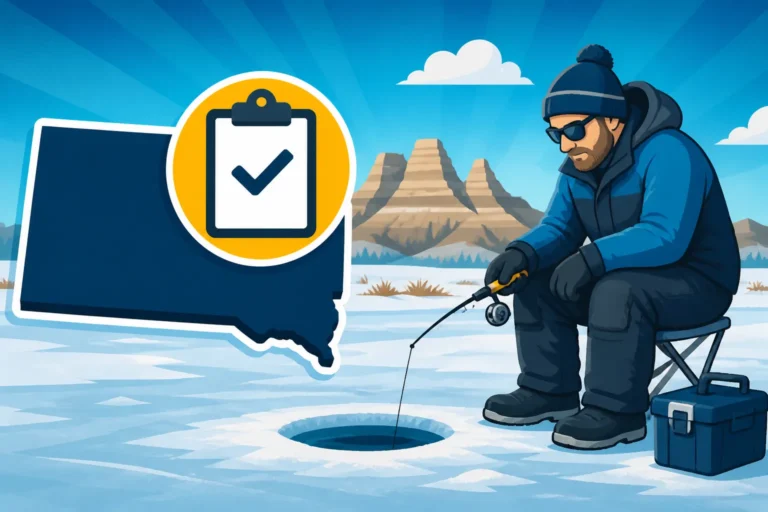
South Dakota Ice Fishing Season Start Date
The anticipation of that first crack of solid ice, the promise of hardwater fishing, is enough to get any South Dakota angler twitching with excitement. But let's be real, trying to pin down the exact "start date" for ice fishing in our beautiful state can feel like trying to catch a walleye with your bare hands – nearly impossible and often frustratingly vague. Unlike open water seasons with set opening days, ice fishing doesn't have a calendar start. This guide is here to cut through that uncertainty, helping you understand the real factors that dictate when and where you can safely drop a line through the ice.
Understanding South Dakota's Ice Fishing Season Dynamics
When it comes to ice fishing in South Dakota, the first thing you need to understand is that Mother Nature is the ultimate season opener. There's no official date marked on a calendar by the South Dakota Game, Fish and Parks (GFP) that declares, "Alright folks, the ice fishing season officially begins!" Instead, it's a gradual, highly variable process driven by weather, geography, and crucially, safety. This often leaves eager anglers looking at open water well into December, or sometimes, surprisingly early hardwater in November.
The Unpredictable Nature of First Ice
The quest for "first ice" is a pilgrimage for many dedicated anglers. It’s a time when many fish species, especially walleye and perch, can be incredibly active as they adjust to the colder water and their new, slower metabolism. However, this "first ice" period is also inherently the most dangerous. One day you might see a skim of ice forming on a sheltered bay, and the next, a warm front rolls in, melting it away. This variability is a defining characteristic of early winter in South Dakota. Areas in the northern and eastern parts of the state, particularly the Glacial Lakes region, tend to see safe ice develop earlier due to colder average temperatures and smaller, shallower lakes. Conversely, the vast, deep waters of the Missouri River reservoirs usually take much longer, if they even freeze over completely in a given winter.
Official Guidance and Safety First
While the GFP doesn't declare a start date, their primary concern, and ours, is always angler safety. Their official guidance centers around ice thickness recommendations rather than specific dates. They consistently emphasize that anglers are responsible for checking ice conditions themselves. This means bringing an ice chisel, spud bar, or an auger to test the ice as you venture out, especially during those early season forays. Local bait shops, regional Facebook groups, and online fishing forums become invaluable resources during this time, with local reports often being the most reliable indicators of current ice conditions. Remember, no fish is worth risking your life over, and exercising extreme caution, especially alone, is paramount. You'll find a lot of essential information about staying safe on the ice in any good South Dakota Ice Fishing Guide.
Key Factors Influencing Ice Formation and Safe Access
The formation of safe, fishable ice isn't a simple switch that flips when temperatures drop below freezing. It's a complex interplay of several environmental factors, all of which contribute to how quickly and reliably a body of water locks up for the winter. Understanding these elements can help you predict when your favorite spots might become accessible.
Air Temperature and Duration of Cold Snaps
This is perhaps the most obvious factor, but it's not just about a single cold night. For substantial, safe ice to form, South Dakota needs sustained periods of below-freezing temperatures. We're talking about multiple days, ideally a week or more, where the daytime highs remain below 32°F (0°C) and nighttime lows plummet into the single digits or even negatives. Short cold snaps followed by thaws can create dangerous, inconsistent ice, often referred to as "honeycomb ice," which looks thick but is structurally weak. The longer and colder the persistent temperatures, the faster the ice will solidify and grow in thickness. It’s also worth noting that wind can significantly impact ice formation, as constant wave action prevents water from freezing efficiently.
Water Body Size, Depth, and Current
Not all lakes and rivers are created equal when it comes to ice formation. Shallow, smaller lakes and ponds with minimal current will always freeze first. Think of those smaller sloughs and private ponds in eastern South Dakota – they'll often have fishable ice weeks before the larger reservoirs. On the other end of the spectrum are the massive Missouri River reservoirs like Lake Oahe and Lake Sharpe. These colossal bodies of water are deep, hold immense amounts of heat, and are subject to significant currents, especially near dam outflows. These characteristics make them incredibly challenging to freeze consistently. Often, only sheltered bays or specific backwater areas on these big rivers will develop safe ice, if any at all, for the entire season. This is why you'll rarely find consistent South Dakota Ice Fishing Season Start Date information for the entire state, as conditions vary wildly from one watershed to another.
Snowfall and Early Ice Insulation
It might seem counterintuitive, but early season snowfall can actually hinder the development of thick, safe ice. A blanket of snow acts as an insulator, trapping heat in the water below and slowing down the freezing process. If a significant amount of snow falls on thin, new ice, it can prevent that ice from thickening, leaving a dangerous, deceptively covered surface. On the flip side, once a solid layer of ice has formed (say, 4-6 inches or more), snow can be beneficial. It helps to insulate the existing ice, protecting it from sudden thaws or strong winds that might erode the surface. However, heavy snow can also make travel difficult and obscure hazards like cracks or pressure ridges, so always proceed with caution and check conditions under the snow.
Regional Variations Across South Dakota's Fishing Landscape
South Dakota is a large state with diverse geographies, and these differences play a huge role in when and where ice fishing becomes viable. What might be safe and thriving in one corner of the state could be wide-open water in another. Knowing these regional tendencies is key to planning your early season trips.
Eastern Glacial Lakes Region
The eastern part of South Dakota, often referred to as the Glacial Lakes region, is typically the first to offer consistent and safe ice fishing opportunities. Lakes such as Lake Poinsett, Lake Kampeska, and Bitter Lake, among many smaller potholes and sloughs, are generally shallower and have less current. This allows them to cool down and freeze over much quicker once those sustained cold temperatures arrive. You'll often find ice anglers on these waters as early as late November or early December, depending on the year. This region is a mecca for perch and walleye through the ice, and the consistent early freeze makes it a favorite for those eager for South Dakota Ice Fishing Guide adventures. However, even here, ice conditions can vary widely from one lake to the next, and constant monitoring of local reports is essential.
Missouri River Reservoirs
The mighty Missouri River system, which carves its way through the center of South Dakota, presents a far greater challenge for ice anglers. The four main reservoirs – Lake Oahe, Lake Sharpe, Lake Francis Case, and Lewis and Clark Lake – are massive, deep bodies of water. Their sheer volume of water holds heat for much longer into the winter, and the constant flow of the river, even when dam operations are minimized, prevents widespread, stable ice formation. While some years might see extensive ice on these lakes, it's often limited to sheltered bays, backwaters, or very specific areas where current is minimal.
For example, on Lake Oahe, you might find fishable ice in areas like Peoria Flats or some of the smaller northern bays much earlier than the main lake body. Similarly, Lake Sharpe might offer pockets of ice in areas like Hipple Lake or Joe Creek. However, fishing on these large reservoirs, even when ice is present, always carries elevated risks due to potential currents, hidden springs, or sudden pressure ridges. Anglers often inquire, "Can You Ice Fish on Lake Oahe?", and the answer is yes, but with extreme caution and localized knowledge.
Black Hills Area Lakes
The Black Hills in western South Dakota offer a unique ice fishing experience, primarily targeting trout. Lakes like Pactola Reservoir, Sheridan Lake, and Deerfield Lake are often at higher elevations, which translates to colder average temperatures. This can lead to earlier ice formation compared to the Missouri River reservoirs, but still often later than the eastern Glacial Lakes. These lakes can also be quite deep, requiring longer periods of cold for widespread safe ice. Anglers visiting this region should be prepared for mountain weather, which can change rapidly. The stunning scenery and the chance to catch Rainbow and Brown Trout through the ice make the Black Hills a popular destination, but always check conditions carefully, especially after snowfalls.
How to Safely Determine When and Where to Go
Since there’s no official flip of a switch for the South Dakota ice fishing season, anglers take on the responsibility of determining when it’s safe to venture out. This isn't just about reading a thermometer; it involves careful observation, local knowledge, and an unwavering commitment to safety.
Ice Thickness Guidelines and Personal Responsibility
The golden rule of ice fishing safety is simple: no ice is 100% safe. However, there are established guidelines for minimum ice thickness for various activities. The South Dakota Game, Fish and Parks, along with other ice safety organizations, generally recommends:
- 2 inches or less: STAY OFF! Absolutely no ice travel.
- 3 inches: Solo foot travel may be possible, but use extreme caution and continuously check with an ice chisel or spud bar. Many experienced anglers consider 3 inches too risky.
- 4 inches: Generally considered safe for individual foot travel and ice fishing.
- 5-7 inches: Safe for small groups on foot.
- 8-12 inches: Safe for snowmobiles or ATVs.
- 12-15 inches: Safe for small cars or light trucks (always check local regulations and specific lake conditions before attempting this, as it's often discouraged).
- Over 15 inches: Supports most larger vehicles, but again, caution is always advised.
These are general guidelines, and factors like hidden springs, current, pressure ridges, and slush can drastically alter ice integrity, even on a seemingly thick sheet. Always check local ice conditions, carry safety gear, and never venture out alone without telling someone your plans. Knowing How Thick Ice Should Be Before Fishing in South Dakota is paramount for a safe trip.
Here's a quick reference table for ice thickness:
| Activity / Vehicle | Minimum Recommended Ice Thickness | Notes |
|---|---|---|
| Single Person (foot) | 4 inches | Use extreme caution, test frequently |
| Small Group (foot) | 5-7 inches | Spread out, test frequently |
| Snowmobile / ATV | 8-12 inches | Check for slush, hidden cracks |
| Small Car / Light Truck | 12-15 inches | Consult local authorities, often discouraged |
| Larger Truck / Permanent Shelter | 15+ inches | Use extreme caution, rarely advised |
Monitoring Local Reports and Community Forums
In the absence of an official "start date," the most reliable sources of information come from the boots-on-the-ground network of fellow anglers. Before you even think about heading out, tap into these resources:
- Local Bait and Tackle Shops: These are goldmines of real-time information. Shop owners often have daily reports on which lakes are freezing, current ice thicknesses, and even where the fish are biting. They live and breathe local fishing.
- Online Fishing Forums and Social Media Groups: Many regional South Dakota fishing groups on Facebook or dedicated online forums (like those hosted by the GFP or independent fishing sites) feature daily ice reports from anglers. Look for recent posts with photos and specific locations. Just be cautious, as conditions can change rapidly.
- South Dakota GFP Website: While they don't give a "start date," the GFP website provides general advisories, regulation updates, and links to current conditions or lake reports when available. Staying informed on South Dakota Fishing Regulations Explained is always a good practice.
- Word of Mouth: Talk to other anglers! The fishing community in South Dakota is generally friendly and willing to share insights, especially when it comes to safety.
Always cross-reference information and be skeptical of reports that sound too good to be true. It's better to be safe than sorry.
Essential Ice Fishing Gear for Early Season
Venturing out onto early ice means being prepared with not just your fishing tackle, but crucial safety equipment. Don't skimp on these items; they could save your life.
- Ice Picks: These are non-negotiable. Worn around your neck, they allow you to pull yourself out of the water if you fall through. You can find simple, effective ice picks on Amazon for very little money.
- Spud Bar or Ice Chisel: Absolutely essential for testing ice ahead of you as you walk. A few solid thumps should be enough to tell you if the ice is safe or if you need to turn back.
- Floating Suit or PFD: While a full floating suit offers the best protection against hypothermia and buoyancy, even a standard personal flotation device (PFD) worn under your outerwear can make a huge difference if you go through.
- Rope and Throw Bag: Keep a length of sturdy rope in your sled or bucket to assist someone else, or to be assisted. A throw bag is ideal for quick deployment.
- Navigation and Communication: A fully charged cell phone (in a waterproof case), GPS device (especially on large lakes), and telling someone your exact plan are critical. Many of these items, from waterproof bags to portable chargers, are easily found on Amazon.
- Appropriate Clothing: Dress in layers, avoiding cotton, and be prepared for rapidly changing weather conditions. Waterproof outer layers are a must.
- First-Aid Kit: Always a good idea to have on hand for minor bumps and scrapes.
Beyond safety, consider what you need for fishing itself. A portable ice shelter can offer protection from the elements, even on early ice when conditions might still be raw. A good ice auger is indispensable for quickly cutting holes – many anglers prefer electric or propane models for their speed and ease of use. You can explore a variety of shelters and augers, as well as tackle, through retailers like Amazon. For a comprehensive list of what to pack, check out this Essential Gear Checklist for a South Dakota Ice Fishing Trip.
Disclaimer
The information provided in this guide is for general informational purposes only and is not intended as professional advice. Ice conditions are highly variable and can change rapidly. Always exercise extreme caution, verify local ice conditions independently, and prioritize safety above all else when venturing onto frozen bodies of water. The author and publisher are not responsible for any accidents or injuries that may occur.