Do You Need a License to Ice Fish in South Dakota?
There’s a common misconception out there, especially when winter truly sets in and the ice thickens, that ice fishing might somehow operate under a different set of rules than open water fishing. Maybe it’s the sense of adventure, or perhaps the sheer effort involved, that makes some anglers wonder if they can just walk out on the lake and drill a hole without the usual paperwork. But the truth is, fishing regulations can be confusing, and it’s always better to be crystal clear before you head out. This guide is here to untangle the specifics and unequivocally answer whether you need a license to ice fish in South Dakota, ensuring your frozen angling adventures are always on the right side of the law.
The Straightforward Answer to Ice Fishing Licenses in South Dakota
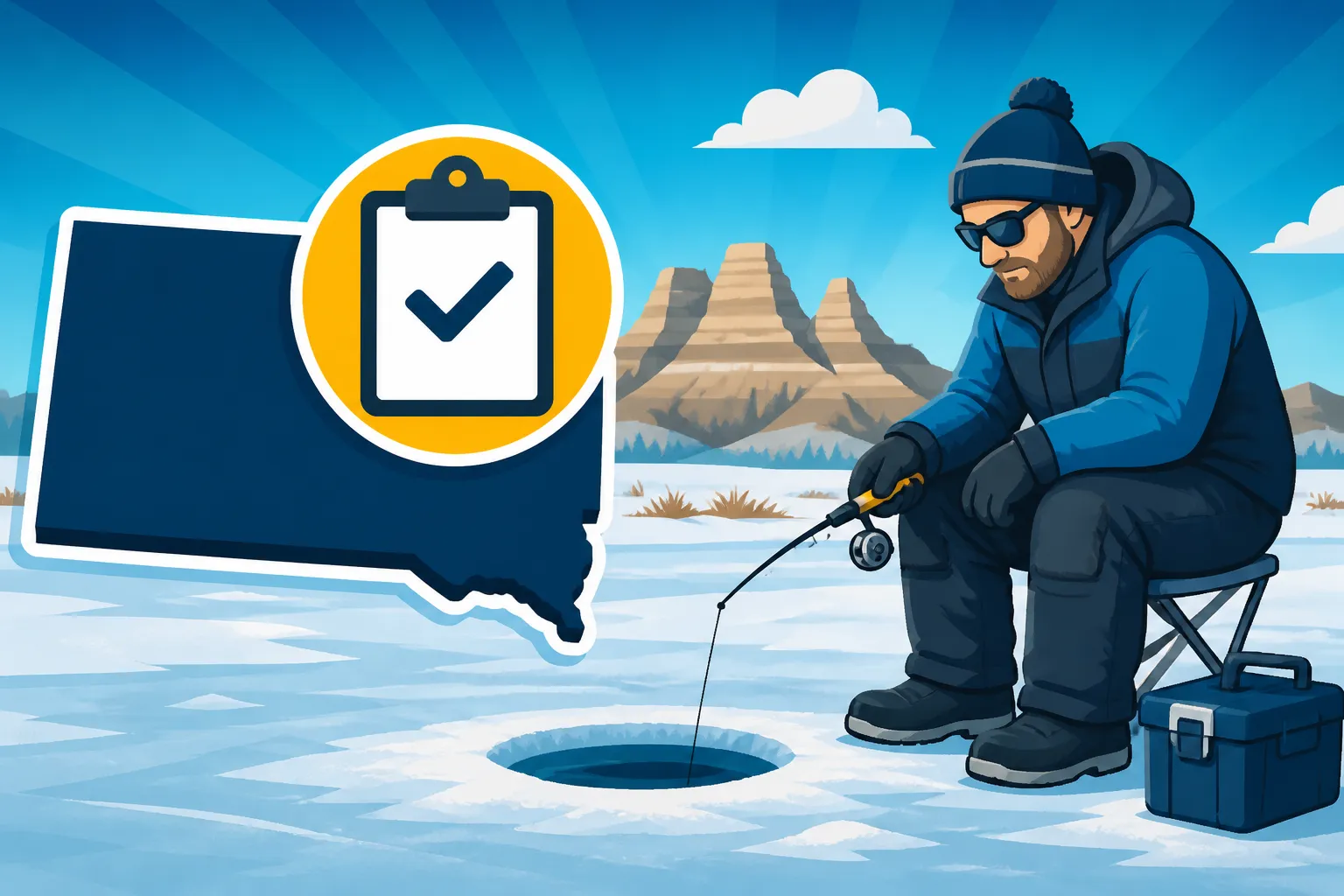
Let's cut right to the chase: yes, if you are required to have a fishing license for open water fishing in South Dakota, you absolutely need one for ice fishing too. The South Dakota Game, Fish and Parks (GFP) considers ice fishing simply another method of angling. There isn't a separate "ice fishing license" or any special exemption carved out just because the water has turned solid.
This might seem obvious to seasoned anglers, but you'd be surprised how often this question pops up, especially among newcomers to the sport or those visiting from out of state. The perception can be that ice fishing is so distinct – with all the gear, the shanties, the augers – that it might fall into a different category. But from a legal standpoint, it's all just "taking fish" from public waters. So, before you grab your ice auger and tip-ups and head out onto Lake Oahe or one of the many fantastic glacial lakes, make sure your South Dakota fishing license is current and in your possession.
Why the Confusion About Ice Fishing Licenses?
It’s easy to see why some folks might get a little mixed up about whether a fishing license is required for ice fishing. For starters, many states have unique nuances in their fishing laws, and what applies in Minnesota might not hold true in South Dakota. You might hear anecdotes about someone fishing without a license during a special event or on private land, and those stories can inadvertently spread misinformation.
Another factor contributing to the confusion is the sheer array of different license types and potential exemptions. People wonder about youth licenses, senior discounts, or even tribal land fishing permits. With so many variables, it’s natural to question if ice fishing somehow slides into one of those exemption categories. But the core principle remains: if you're over the age of 16 and aren't covered by a specific, well-defined exemption (which we’ll cover in a bit), you need a license. It’s the same license you’d use for casting a line in the summer on Lake Sharpe or fly fishing for trout in the Black Hills. Don’t think of ice fishing as a different sport entirely; think of it as fishing with a very unique, chilly twist.
What Constitutes "Fishing" Under South Dakota Law?
To truly grasp why a license is needed for ice fishing, it helps to understand how the state defines "fishing." The South Dakota GFP generally defines fishing as "the taking of fish" by any legal method, which includes angling, spearing, and, of course, ice fishing. There's no distinction made based on the season or the state of the water.
This means that whether you're using a jigging rod with a tiny lure, setting a tip-up with a minnow, or even trying your hand at spearfishing through the ice, you're engaging in an activity that requires a valid license. The regulations are designed to manage fish populations and fund conservation efforts, regardless of the technique used. So, while your gear might change dramatically from summer to winter – swapping out your bass boat for an ice shanty and a portable fish finder – the fundamental requirement to carry a license does not. Even if you're just enjoying the solitude and not actively catching anything, if your line is in the water, you need that license.
General South Dakota Fishing License Requirements
Understanding the general fishing license requirements in South Dakota is key to knowing when and where you need one, especially for ice fishing. The state has a tiered system that depends on your residency status and age. These rules are consistent across all forms of fishing, from walleye expeditions on Lake Oahe to panfish excursions on smaller lakes.
The primary purpose of these licenses is to fund the management of South Dakota's aquatic resources. The fees go towards fish stocking programs, habitat improvement projects, research, and enforcement, all of which benefit anglers directly. When you purchase a license, you're not just buying a piece of paper; you're contributing to the future of fishing in the state.
Who Needs a South Dakota Fishing License
Generally speaking, any person 16 years of age or older needs a fishing license to fish in South Dakota waters. This applies whether you're a resident or a non-resident. If you're planning a trip to the state for some epic ice fishing, definitely review the South Dakota Nonresident Fishing License Rules.
For residents, an annual license is typically the most common choice, covering you for an entire license year. Non-residents have a bit more flexibility, with options like annual licenses, or shorter-term licenses such as a South Dakota Three-Day Fishing License or a South Dakota One-Day Fishing License, which can be perfect for a quick weekend trip to experience the frozen lakes. It's always a good idea to check the specific requirements outlined in the comprehensive South Dakota Fishing License Guide available on the GFP website, or through a quick search on Amazon for physical guides or rulebooks if you prefer a tangible reference.
Age-Based Rules and the Habitat Stamp
When it comes to age, it’s fairly straightforward:
- Under 16 years old: You do not need a fishing license in South Dakota. This is fantastic news for families looking to get their kids into ice fishing. It’s a great way to introduce them to the sport without the added expense or hassle of purchasing a license right away. You can find more details on this in our guide, Do Kids Need a Fishing License in South Dakota?
- 16 years old and older: A license is required, unless a specific exemption applies.
Beyond the basic fishing license, almost all anglers aged 16 and over are also required to purchase a Habitat Stamp. This stamp is a crucial component of funding habitat conservation efforts across the state. While it might seem like an extra step, the Habitat Stamp directly supports programs that improve land and water for wildlife, which includes the fish you're targeting. There are very few exemptions for the Habitat Stamp, and typically, if you need a fishing license, you'll need the stamp as well. Our article on South Dakota Habitat Stamp Requirements delves deeper into this often-misunderstood requirement.
| License Type | Who Needs It for Ice Fishing (16+ years old) | Habitat Stamp Required? (16+ years old) | Valid For |
|---|---|---|---|
| Resident Annual Fishing | South Dakota Residents | Yes | Full License Year |
| Non-Resident Annual Fishing | Non-Residents | Yes | Full License Year |
| Non-Resident 3-Day Fishing | Non-Residents | Yes | 3 Consecutive Days |
| Non-Resident 1-Day Fishing | Non-Residents | Yes | 1 Calendar Day |
| Youth (Under 16) | No | No | N/A |
| Disabled Veteran | May be exempt or discounted | Varies by qualification | Varies |
| Free Fishing Days | No (during specified days only) | No (during specified days only) | Specified Days Only |
Specific Scenarios and Common Exemptions for Ice Fishing
While the general rule is "if you're 16 or older, you need a license," there are indeed a few specific scenarios and exemptions that might apply, even to ice fishing. It's crucial to understand these nuances, as they are often the source of confusion for many anglers. Knowing these can save you a fine and ensure your ice fishing trip is enjoyable and compliant.
These exemptions aren't random; they're usually in place to encourage participation, honor service, or acknowledge specific property rights. However, they are also very specific, so it’s always best to verify your eligibility.
Free Fishing Days and Designated Weekends
One of the most popular exemptions for needing a fishing license in South Dakota is during the annual Free Fishing Days. Typically held on a specific weekend in May or June, these days allow both residents and non-residents to fish for free, without a license. This applies to all legal fishing methods, including ice fishing, if there happens to be safe ice during that time (though this is rare for the traditional spring/early summer free fishing dates).
While the primary South Dakota Free Fishing Days usually fall during warmer months, it's worth checking the GFP calendar. Sometimes, special events or promotions might offer limited license-free opportunities, which could theoretically extend to ice fishing conditions, though it's not common. Always check the official GFP website for the exact dates each year to confirm when you can fish without a license. Our detailed article on South Dakota Free Fishing Days provides all the necessary information about these special opportunities.
Fishing on Private Land
Another common question revolves around fishing on private property. "Do You Need a License to Fish on Private Land in South Dakota?" is a very valid query. The answer here depends on the nature of the waterbody:
- Totally Enclosed Private Waters: If you are fishing in a private pond or lake that is entirely contained within private land, and there is no connection to public waterways (meaning fish cannot move between public and private waters), you generally do not need a fishing license. This is often the case for small, man-made farm ponds. However, you must have the landowner's permission to be there.
- Waters Connected to Public Waterways: If the private waterbody is connected to a public lake, river, or stream, even intermittently, then a license is required. This is because fish can migrate in and out of the private waters, making them part of the public resource. Most larger private lakes or ponds that connect to streams, even seasonally, would fall under this category.
For ice fishing, this distinction is just as important. If you’re out on a private pond that truly has no connection to public waters, and you have permission, you might be exempt. However, for most significant bodies of water, even those that seem "private" but have outlets or inlets, a license is necessary. Always err on the side of caution and assume a license is needed unless you are absolutely certain of the waterbody's status and its lack of connection to public systems.
Exemptions for Disabled Veterans
South Dakota offers well-deserved benefits for disabled veterans, including specific provisions related to fishing licenses. Veterans who are residents of South Dakota and have been rated by the Department of Veterans Affairs as having a 100% service-connected disability are generally eligible for a free fishing license.
This is a wonderful recognition of their service and sacrifice, and it definitely applies to ice fishing as well. To take advantage of this exemption, eligible veterans typically need to apply through the South Dakota GFP and provide the necessary documentation of their disability status. It’s not an automatic exemption, so make sure to complete the application process beforehand. Our guide, Do Disabled Veterans Get a Free Fishing License in South Dakota?, offers more in-depth information on how to apply and the qualifications needed.
Obtaining Your South Dakota Fishing License
Now that we’ve clarified when you need a license for ice fishing, let’s talk about how to get one. Thankfully, South Dakota has made the process incredibly convenient, offering several avenues to purchase your license, whether you prefer the digital route or a more traditional in-person transaction. It's really quite user-friendly, and you can often get everything squared away in just a few minutes.
Remember, having your license in hand (or on your phone) before you hit the ice is not just a legal requirement, it's a responsible part of being an angler. Conservation officers are out there, even in the coldest weather, ensuring compliance, and a simple check could lead to an unwelcome disruption to your peaceful ice fishing day if you're not prepared.
The Ease of Online Purchase
The absolute easiest and often quickest way to get your South Dakota fishing license is online, through the official South Dakota Game, Fish and Parks (GFP) website. The system is intuitive, user-friendly, and available 24/7, which is a huge bonus when you realize at 10 PM on a Friday that you want to go ice fishing first thing Saturday morning.
To purchase online, you'll generally need:
- Your personal information (name, address, date of birth).
- Proof of residency (if you're a South Dakota resident) – typically a valid driver's license number.
- A credit or debit card for payment.
Once your purchase is complete, you can usually print your license immediately or save a digital copy to your phone. Having it on your phone is perfectly acceptable, but make sure your device is charged! This method eliminates the need to drive anywhere and lets you secure your license from the comfort of your home. If you're looking for a step-by-step walkthrough, check out our guide on How to Buy a South Dakota Fishing License Online.
In-Person Vendors and GFP Offices
For those who prefer a more traditional approach, or if you have questions that you'd like to ask in person, you can purchase a South Dakota fishing license at numerous authorized vendors across the state. These typically include:
- Sporting goods stores (like Scheels or Cabela's, though smaller local shops also participate).
- Many bait and tackle shops.
- Some general stores or convenience stores, especially in smaller towns near popular fishing spots.
- South Dakota GFP offices.
Purchasing in person allows you to get immediate assistance if you have questions about specific license types, such as combination hunting and fishing licenses or special tags. It's also a great opportunity to pick up some last-minute bait or tackle for your ice fishing trip. Just be sure to bring your photo ID and proof of residency if you're a resident. A quick search on Amazon or Google Maps for "South Dakota fishing license vendors near me" can usually point you to the closest location.
Understanding the Associated Costs and Habitat Stamp
When you purchase your fishing license, you'll notice various fees, and it's good to understand what these cover. The base license fee varies depending on whether you're a resident or non-resident, and the duration of the license (annual, 3-day, 1-day). You can dive into the specifics with our articles on South Dakota Resident Fishing License Cost and South Dakota Nonresident Fishing License Cost.
In addition to the base license, most anglers 16 and older will also need to purchase the South Dakota Habitat Stamp. This stamp, as mentioned earlier, is a vital source of funding for habitat conservation. The cost of the Habitat Stamp is typically added to your license purchase, and it’s a non-negotiable part of the process for most adult anglers. Our article, South Dakota Habitat Stamp Explained, provides a detailed breakdown of this important fee and what it supports. These fees are investments in the health and future of South Dakota's remarkable fishing opportunities, ensuring that those pristine ice fishing spots remain productive for years to come.
Consequences of Fishing Without a License
It might seem like a minor oversight, forgetting a license or intentionally fishing without one, but the consequences of fishing without a valid South Dakota license can be quite significant. Conservation officers are regularly patrolling lakes and rivers, even during the coldest ice fishing days, and they take their job of protecting the state's natural resources very seriously. It's never worth the risk.
Ignoring the regulations doesn't just put you at risk of a fine; it undermines the entire system of wildlife management. The fees from licenses directly support fish stocking, habitat projects, and scientific research that ensure healthy fish populations for everyone. When someone fishes without a license, they're essentially taking from a shared resource without contributing to its upkeep.
Fines and Penalties for Non-Compliance
If you're caught ice fishing in South Dakota without a valid license when one is required, you're likely to face a citation. The specific penalties can vary depending on the discretion of the conservation officer, whether it's a first offense, and other circumstances. However, you should expect:
- Significant Fines: These can range from a few hundred dollars to more, often exceeding the cost of an annual license by a considerable margin.
- Court Appearance: In some cases, you might be required to appear in court, adding legal fees and time lost to the initial fine.
- Confiscation of Gear: While less common for a simple license violation, officers have the authority to confiscate fishing equipment.
- Loss of Future Fishing Privileges: Repeated offenses or more severe violations can lead to the suspension of your fishing privileges in South Dakota, and potentially in other states with reciprocal agreements.
It's a stark reminder that what might seem like a small shortcut can quickly turn into a costly headache. Our article, What Happens If You Fish Without a License in South Dakota?, goes into more detail about the potential legal repercussions.
Why Compliance Matters for Conservation
Beyond the personal penalties, fishing without a license has a broader negative impact on conservation efforts. Every license purchased contributes directly to the South Dakota Game, Fish and Parks' ability to:
- Stock Fish: Ensuring popular species like walleye, northern pike, and various panfish are replenished in lakes and rivers, benefiting ice anglers directly.
- Improve Habitat: Funding projects that enhance spawning grounds, create better cover, and improve water quality, which are crucial for thriving fish populations.
- Conduct Research: Supporting biologists who study fish populations, growth rates, and environmental factors to make informed management decisions.
- Enforce Regulations: Maintaining a presence of conservation officers who protect against poaching, over-harvesting, and invasive species, safeguarding the resource for all.
When you abide by the licensing requirements, you're actively participating in the preservation and enhancement of South Dakota's incredible fishing heritage. It allows future generations of anglers, including those who enjoy the unique challenge and camaraderie of ice fishing, to experience the same bountiful waters we enjoy today. It’s an investment in the very sport we love, ensuring that those vast, frozen landscapes continue to offer world-class fishing opportunities.
Disclaimer
Please remember that fishing regulations can change. While this guide is based on the most current information available, it is always your responsibility as an angler to check the official South Dakota Game, Fish and Parks (GFP) website or their current fishing handbook before heading out. This content is for informational purposes only and should not be considered legal advice.