South Dakota vs North Dakota Fishing License Cost
It can be incredibly confusing when you’re planning a fishing trip near state lines, or even just comparing options, and suddenly you’re trying to decipher two different sets of licensing rules and costs. Nobody wants to accidentally break a regulation or pay more than they need to. This guide is dedicated to untangling the complexities of fishing license costs in South Dakota versus North Dakota, giving you a clear, side-by-side comparison to help you plan your next angling adventure without the headache.
Navigating the Waters of Interstate Fishing Licenses
Understanding fishing license costs across state lines isn't just about saving a few bucks; it's about being prepared, staying legal, and making an informed decision about where your next great catch might be. Many anglers live close enough to the border or plan trips that might take them through or into both states, making this comparison vital.
Why the Cost Difference Matters
Think about it: you’ve got your rods packed, your tackle box brimming with your favorite lures, and you’re ready to hit the water. The last thing you want is to realize you bought the wrong license or that fishing just a few miles down the road in the neighboring state would have been significantly cheaper, or perhaps offered a better license structure for your short trip. For residents living near the border, this can be an annual debate. For nonresidents planning a vacation, it can influence which state gets their tourism dollars. Each state has its own unique way of structuring licenses, often reflecting its conservation efforts, population density, and target angler base.
General Principles of License Pricing
While the specifics differ, most states, including South Dakota and North Dakota, follow a few general principles when it comes to fishing license pricing. The most fundamental distinction is always between residents and nonresidents. Residents typically enjoy significantly lower prices, as they already contribute to the state's tax base that supports wildlife and conservation efforts. Nonresidents, on the other hand, are often seen as temporary users of the state’s natural resources, hence the higher fees. Beyond residency, the duration of the license is another key factor. You'll find annual licenses, which are great for avid anglers who plan to fish all season long, and shorter-term options like one-day, three-day, or seven-day licenses, which are perfect for quick trips or vacations. Some states also offer specialized licenses for seniors, youth, or disabled veterans, and many have combination licenses that bundle fishing with hunting privileges for a slight discount.
South Dakota Fishing License Costs: A Closer Look
South Dakota is a fantastic fishing destination, especially for walleye and other popular species in its sprawling Missouri River reservoirs and glacial lakes. Before you even think about casting a line, understanding the cost of your South Dakota Fishing License Guide is crucial. The South Dakota Game, Fish and Parks (GFP) outlines various options designed to cater to different anglers, from long-term residents to short-stay visitors.
Resident License Options and Pricing
For those lucky enough to call South Dakota home, the options are generally more affordable and flexible. The most common choice is the Annual Fishing License, which covers you for a full year from January 1st to December 31st. As of my last check, a standard resident annual fishing license typically runs in the ballpark of $28. This is a great value if you plan on fishing even a few times throughout the year.
Beyond the basic annual pass, South Dakota also offers special considerations:
- Senior Fishing License: Residents aged 65 and older often receive a discount, with the annual senior license usually costing around $12. This is a wonderful way to encourage experienced anglers to continue enjoying the state's waters.
- Youth Fishing License Rules: For the younger generation, South Dakota has a very angler-friendly approach. Residents under the age of 16 typically do not need a license to fish. This makes it incredibly easy for families to introduce kids to the joy of fishing without an added cost barrier. It’s always smart to double-check the exact age cutoff, but generally, if your child is under 16, they're good to go.
- Disabled Veteran Fishing License: Eligible disabled veterans who are residents can often obtain a free or significantly reduced-cost fishing license as a thank you for their service. This is a fantastic program that recognizes their contributions.
- Combination Hunting and Fishing Licenses: If you're an all-around outdoors enthusiast, South Dakota often offers combination licenses that allow you to fish and hunt small game, or even specific big game, for a bundled price. This can sometimes offer a slight saving compared to buying two separate licenses.
These resident options are designed to make fishing accessible and affordable for those who contribute to the state year-round. You can find detailed information on these options and more about South Dakota Resident Fishing License Options directly through the GFP.
Nonresident License Options and Pricing
South Dakota knows its waters draw anglers from all over the country, especially for that famed walleye bite. As such, they offer several options for nonresidents, though at a higher price point to reflect the non-contributing tax status.
- Annual Nonresident Fishing License: For the dedicated nonresident who plans multiple trips or an extended stay, an annual license is available, usually costing around $68. This is a popular choice for those with cabins or family in the state, or who make it an annual pilgrimage.
- South Dakota Three-Day Fishing License: This is a very popular option for weekend warriors or those passing through. A nonresident three-day license typically costs about $37. It offers great flexibility for a short trip without committing to a full annual license.
- South Dakota One-Day Fishing License: If you’re just looking for a quick cast or trying out a new spot, the nonresident one-day license is your go-to. It usually runs about $16. This is perfect for a spontaneous stop at a lake or a single day of fishing while on another type of vacation.
It’s always a good idea to review the South Dakota Nonresident Fishing License Rules to ensure you’re selecting the appropriate option for your trip length and plans. Remember, these prices are subject to change, so always consult the latest information from the South Dakota GFP website before purchasing.
Understanding the Habitat Stamp
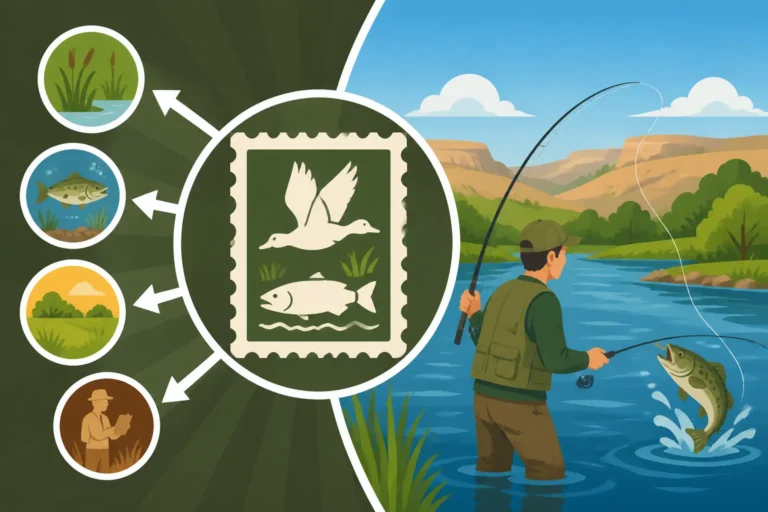
A unique aspect of fishing in South Dakota is the Habitat Stamp. This isn't just an optional add-on; it's often a mandatory requirement for resident and nonresident anglers alike, depending on the type of license you purchase. The revenue generated from the South Dakota Habitat Stamp Explained goes directly towards conserving and enhancing wildlife habitats across the state, benefiting game species and fish alike.
- Cost and Requirement: For most annual fishing licenses for residents and nonresidents, a habitat stamp is required. The cost for a resident habitat stamp is usually around $10, while nonresidents can expect to pay closer to $25. This means your total license cost will be the base license price plus the stamp.
- Exemptions: There are some exemptions to the habitat stamp requirement. For instance, children under 16, certain disabled veterans, and those holding very short-term licenses (like a one-day nonresident license) might be exempt. It’s important to clarify the South Dakota Habitat Stamp Requirements when you purchase your license to avoid any surprises. This stamp is a critical part of South Dakota’s conservation funding, so understanding its role and cost is essential for any angler.
North Dakota Fishing License Costs: A Detailed Breakdown
North Dakota, often overlooked for its fishing opportunities, actually boasts fantastic waters, particularly for walleye, northern pike, and a growing smallmouth bass fishery. Like South Dakota, it has a clear structure for its fishing licenses, with different prices for residents and nonresidents. Understanding the specific costs involved can help you make an informed decision for your fishing adventures, especially if you're eyeing waters like Lake Sakakawea or Devils Lake.
Resident License Options and Pricing
North Dakota aims to make fishing affordable for its residents, encouraging them to explore the state's diverse aquatic ecosystems. The North Dakota Game and Fish Department (NDGFD) offers several resident license types.
- Annual Fishing License: For most North Dakota residents, the annual fishing license is the standard choice. This license is valid from January 1st to December 31st. The typical cost for a resident annual fishing license is usually around $18. This is a very reasonable price for a full year of fishing access.
- Senior Fishing License: North Dakota provides a discounted license for resident seniors. Residents aged 65 or older can generally purchase an annual fishing license for a reduced fee, often in the range of $10. This is a thoughtful gesture to allow older residents to continue enjoying their passion.
- Youth Fishing License Rules: Similar to South Dakota, North Dakota also has exemptions for younger anglers. Resident children under the age of 16 typically do not need a fishing license. This policy is fantastic for families and encourages kids to get outdoors and learn about fishing without any upfront costs for their permits. Always confirm the exact age requirements, but generally, young resident anglers are exempt.
- Combination Licenses: North Dakota also offers combination licenses, allowing residents to bundle fishing privileges with hunting licenses (e.g., small game, furbearers) for a slightly reduced overall cost. This is an efficient option for multi-sport enthusiasts.
These resident options highlight North Dakota’s commitment to making fishing accessible for those who live within its borders, providing a cost-effective way to enjoy the state's abundant fisheries.
Nonresident License Options and Pricing
North Dakota understands its appeal to out-of-state anglers, with trophy pike and abundant walleye drawing visitors. Therefore, it provides a range of nonresident license options, though at a higher rate, which is standard practice across states.
- Annual Nonresident Fishing License: For nonresidents who plan extensive fishing trips to North Dakota, the annual license is available. This typically costs around $48. If you're planning multiple visits throughout the year or an extended stay, this might be your most economical choice.
- Short-Term Nonresident Licenses: North Dakota is quite flexible for shorter visits, offering options that cater to different trip lengths.
- Three-Day Nonresident License: This is a popular choice for a weekend getaway or a short fishing excursion. The cost is generally around $28. It's a great way to experience North Dakota's fishing without committing to a full annual license.
- Seven-Day Nonresident License: For those planning a longer vacation, perhaps a full week of exploring the state's lakes, the seven-day license is a convenient option, usually priced around $38.
- One-Day Nonresident License: While not always explicitly advertised as a standalone "one-day" option like South Dakota, North Dakota's shorter-term licenses often provide similar flexibility for brief engagements.
The Out-of-State Angler License Requirements for North Dakota are clearly laid out by the NDGFD, and it's always prudent to consult their official resources for the most up-to-date pricing and rules before making a purchase.
Additional North Dakota Requirements
Unlike South Dakota's universal habitat stamp, North Dakota doesn't typically have a separate, mandatory statewide "habitat stamp" for fishing licenses that adds to the base cost in the same way. However, anglers should always be aware of potential endorsements or special permits for specific activities or species, although these are less common for general fishing.
What is absolutely critical in North Dakota, especially when targeting game species like northern pike or walleye, is understanding the regulations regarding possession limits, size restrictions, and specific lake rules. While these don't add to the cost of your license, violating them can lead to hefty fines, making them just as important to comprehend as the license fees themselves. You can often find detailed regulations in the South Dakota Fishing Regulations Explained (even though this is for SD, it highlights the importance of checking rules for any state you fish in) or the North Dakota equivalent, usually available as a downloadable guide on the NDGFD website.
Direct Comparison: South Dakota vs. North Dakota Costs
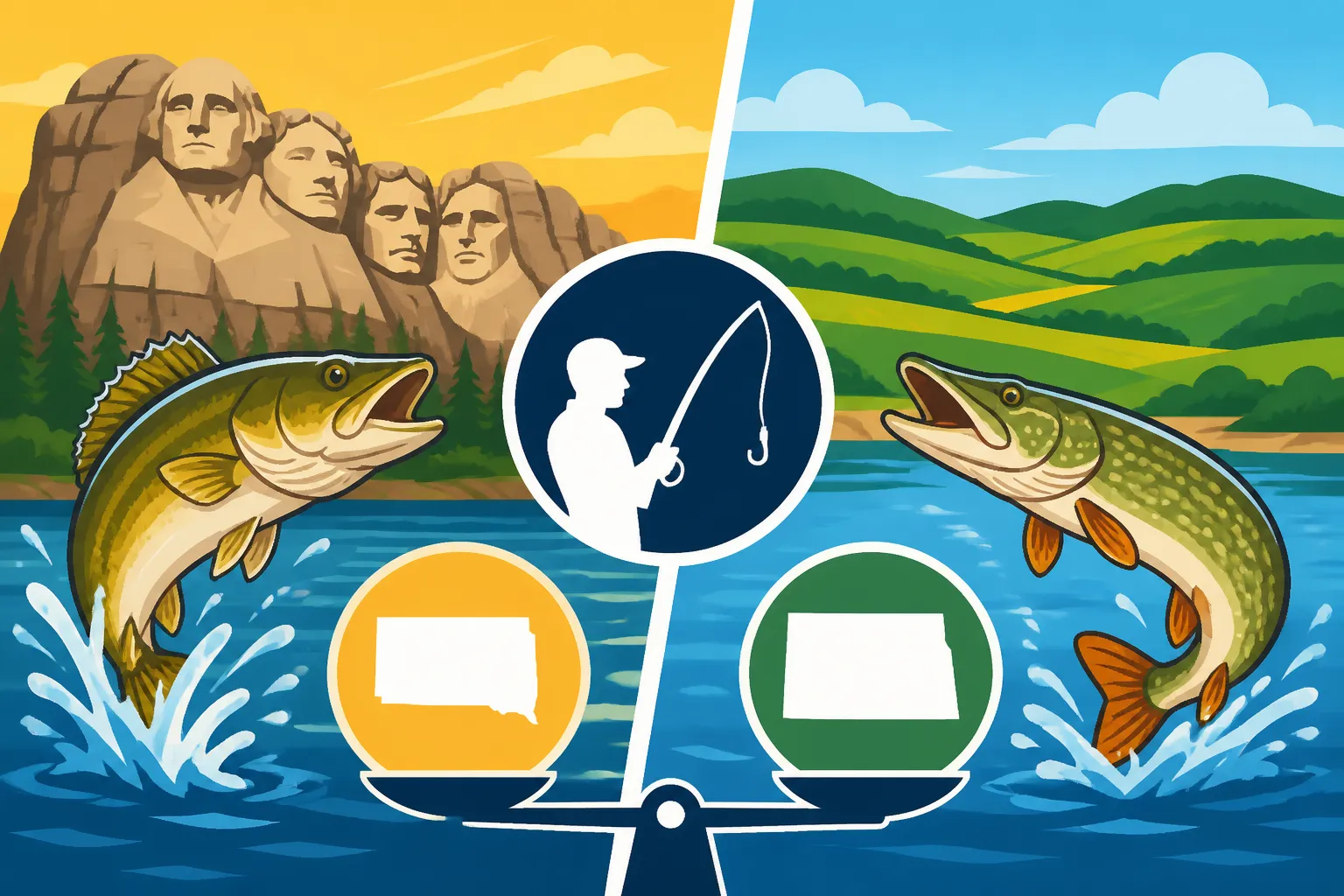
Now that we’ve delved into the specifics of each state, let's put them side-by-side. This direct comparison is crucial for anglers who are deciding between these two fantastic Midwestern fishing destinations or those who live near the border.
Annual Nonresident Showdown
This is where many out-of-state anglers focus their attention. If you're planning to make a dedicated fishing trip to either state for more than a few days, an annual nonresident license might be on your radar.
- South Dakota: A nonresident annual fishing license typically costs around $68, plus an additional $25 for the required nonresident habitat stamp, bringing the total to approximately $93.
- North Dakota: A nonresident annual fishing license is usually around $48, with no additional statewide habitat stamp cost.
From this perspective, North Dakota currently appears to be the more economical choice for a nonresident annual fishing license, costing about $45 less than South Dakota’s comparable option. This difference can certainly influence where an angler decides to focus their multi-day or multi-trip efforts over a year.
Short-Term and Specialty License Comparison
Not everyone needs an annual license. Many anglers are looking for a quick getaway or a focused trip.
-
Three-Day Nonresident License:
- South Dakota: Approximately $37 (habitat stamp typically not required for short-term licenses, but always double-check).
- North Dakota: Approximately $28.
- Again, North Dakota typically offers a lower price point for this popular short-term option.
-
One-Day Nonresident License:
- South Dakota: Approximately $16.
- North Dakota: While North Dakota offers 3-day and 7-day options, a specific single-day nonresident license at this price point isn't as readily available or comparable to South Dakota's direct one-day offer. If you just want one day in North Dakota, the 3-day license becomes your minimum, making South Dakota the clear winner for a true single-day trip on price.
-
Resident Annual License:
- South Dakota: Roughly $28 (plus a $10 resident habitat stamp, totaling $38).
- North Dakota: Roughly $18 (no additional stamp).
- For residents, North Dakota again presents a notably lower annual fishing license cost.
Here's a quick summary table for easy comparison of typical costs:
| License Type | South Dakota (Approx. Cost) | North Dakota (Approx. Cost) | Notes |
|---|---|---|---|
| Resident Annual Fishing | $28 + $10 Habitat = $38 | $18 | ND is notably cheaper for residents. |
| Resident Senior Annual (65+) | $12 + $10 Habitat = $22 | $10 | ND offers a slight edge for seniors. |
| Nonresident Annual Fishing | $68 + $25 Habitat = $93 | $48 | ND is significantly more affordable for nonresident annual. |
| Nonresident 3-Day Fishing | $37 (no habitat stamp) | $28 | ND offers a lower price for this popular short-term option. |
| Nonresident 1-Day Fishing | $16 (no habitat stamp) | N/A (3-day minimum) | SD is the only one with a true 1-day nonresident option. |
| Youth (Under 16) | Exempt | Exempt | Both states are free for youth residents. |
Note: All prices are approximate and subject to change. Always verify current costs with the respective state's Game, Fish and Parks or Game and Fish Department.
Factors Beyond the Base Cost
While the license itself is the most obvious expense, savvy anglers know there are other costs that can quickly add up and influence the overall value of a trip to one state over the other.
- Boat Registration: If you plan to bring your own boat, remember that South Dakota and North Dakota both have their own boat registration rules and fees. If you're an out-of-state boater, you'll need to understand how long your home state's registration is valid before you're required to register in the new state. For example, if you spend an extended period on Lake Oahe, you might eventually need to consider South Dakota Boat Registration Guide.
- Bait and Tackle: The cost of your fishing gear itself is universal, but local bait shops might have different pricing. Regardless of the state, make sure your tackle box is ready. You can find a lot of essential South Dakota Fishing Gear Checklist items, from lures to line, on platforms like Amazon if you prefer to stock up before you travel.
- Accommodations and Travel: Gas prices, hotel costs, or campground fees can vary significantly between regions. Sometimes, even if a license is slightly more expensive, the overall cost of a trip might be less due to cheaper lodging or shorter travel distances.
- Fishing Guides: If you're looking to hire a guide for a specialized trip, their rates will be independent of state license costs but will be a significant part of your overall expense. Ensure any guide you hire is properly licensed, as South Dakota Fishing Guide License Requirements (and North Dakota's) are in place to ensure professionalism and safety.
Considering these additional factors provides a more holistic view of the financial commitment involved in fishing in either South Dakota or North Dakota.
Making Your Decision: Which State Offers the Best Value for You?
So, with all these numbers and details, how do you decide which state offers the "best value" for your fishing dollars? It really boils down to your personal circumstances and fishing plans. There's no single right answer, but by considering a few key aspects, you can make the choice that works best for you.
Considering Your Residency and Trip Length
The first and most critical consideration is your residency status. If you're a resident of either South Dakota or North Dakota, the choice is fairly straightforward – you'll almost always opt for your home state's license due to the significantly lower resident fees. As we’ve seen, a North Dakota resident annual license is quite a bit cheaper than its South Dakota counterpart.
For nonresidents, it gets a bit more nuanced:
- Long-Term/Multiple Trips: If you're a nonresident planning to fish extensively throughout the year, or intending to visit several times, North Dakota's annual nonresident license (around $48) presents a much better financial deal compared to South Dakota's (around $93 including the habitat stamp). This is a substantial saving that could be put towards more bait, better lures, or even another tank of gas for your boat.
- Weekend Warrior/Short Trips: If you're only planning a single, short trip of 3-7 days, North Dakota also tends to be slightly cheaper for a 3-day license ($28 vs. SD's $37). However, if you are truly only going to fish for one single day, South Dakota’s dedicated nonresident one-day license ($16) is the clear winner, as North Dakota would require you to purchase their 3-day minimum.
- Location, Location, Location: Sometimes, the best value isn't purely about the license cost but about proximity to the fishing you want to do. If the best walleye bite is on Lake Oahe near Pierre, South Dakota, then paying the slightly higher South Dakota license fee might be worth it to access those specific waters, rather than driving farther to a North Dakota lake. On the flip side, if Devils Lake in North Dakota is calling your name for jumbo perch, that's where you'll head. Always check Best Fishing Spots in South Dakota and North Dakota to align your license choice with your angling goals.
Reciprocity Agreements and Border Waters
One area where the lines blur a bit is with reciprocity agreements on shared border waters. Both South Dakota and North Dakota share bodies of water like Lake Traverse and Big Stone Lake with neighboring states (Minnesota and North Dakota, respectively, in the case of Lake Traverse; Minnesota for Big Stone Lake).
- Lake Traverse: This lake is split between South Dakota and North Dakota. Generally, anglers on Lake Traverse and its connected waters can fish with either a valid North Dakota or South Dakota fishing license. This is a fantastic convenience for anglers living near the border. However, always be aware of the specific boundaries and any unique rules that might apply to these reciprocal waters. This means you could potentially buy the cheaper North Dakota annual nonresident license and fish certain South Dakota waters, or vice-versa, depending on where exactly you plan to cast.
- Big Stone Lake: This lake is on the border of South Dakota and Minnesota. Here, anglers with a valid license from either South Dakota or Minnesota can fish the entire lake. This is a common arrangement for interstate boundary waters, designed to simplify things for anglers.
These reciprocity agreements are vital to understand if you plan to fish these specific border lakes. They can significantly impact your license purchase decision, potentially allowing you to choose the cheaper of the two states’ licenses while still accessing waters in both. However, South Dakota Fishing License Reciprocity Agreements can be complex, so always consult the most current regulations from both states' GFP/NDGFD for precise details on boundary water rules before heading out.
Final Considerations Before You Cast Off
Regardless of which state you choose, a little preparation goes a long way in ensuring a smooth and enjoyable fishing trip. Knowing the rules and having your license in hand means you can focus on the important stuff: catching fish!
Always Check Current Regulations
Fishing regulations and license costs are not set in stone. They can change annually due or sometimes even mid-season due to legislative updates, conservation needs, or economic adjustments. The prices I've provided are based on general information, but the best advice is always to consult the official sources.
- South Dakota GFP: For South Dakota, the South Dakota Game, Fish and Parks website is your authoritative source. They provide up-to-date pricing, South Dakota Fishing Season Dates and Limits, and detailed regulation handbooks.
- North Dakota NDGFD: Similarly, the North Dakota Game and Fish Department website is the go-to resource for North Dakota's latest regulations and license information.
A quick search for "South Dakota fishing license" or "North Dakota fishing license" will lead you directly to their official pages. Before every trip, take a few minutes to review the current year's rules.
Where to Purchase Licenses
Both states offer convenient ways to purchase your fishing license, even if you’re a nonresident.
- Online: This is arguably the easiest and most common method today. You can purchase your license from the comfort of your home, print it out immediately, or keep a digital copy on your phone. This option is available for both states and is often highlighted as How to Buy a South Dakota Fishing License Online.
- In-Person Vendors: If you prefer a tangible license or need to ask questions, licenses can be purchased at various authorized vendors, including bait shops, sporting goods stores, county treasurer offices, and sometimes even big-box retailers like Walmart. These vendors are typically spread throughout the state.
- Phone: Some states also offer phone purchasing options, which can be useful in a pinch.
Having your license readily accessible, whether physically or digitally, is important. Conservation officers regularly check for licenses, and you don't want your day to be cut short by not having your paperwork in order. Make sure you understand your South Dakota Fishing License Expiration Date or North Dakota's equivalent, so you don't get caught fishing with an expired permit. Getting caught without a valid license can result in fines and other penalties, which definitely puts a damper on any fishing trip.
Armed with this detailed comparison, you're now better equipped to decide whether South Dakota or North Dakota will host your next fishing adventure. Tight lines!
Disclaimer
Please remember that the information provided in this article is for general guidance and informational purposes only. Fishing regulations, license costs, and other related rules are subject to change by state authorities. Always consult the official websites of the South Dakota Game, Fish and Parks (GFP) and the North Dakota Game and Fish Department (NDGFD) or their authorized publications for the most current and accurate information before planning your fishing trip.