South Dakota Resident Fishing License Cost
It’s a tale as old as time: you’re dreaming of that perfect day on a South Dakota lake or stream, rod in hand, only to be hit with the reality of licenses, stamps, and fees. Navigating the costs of simply going fishing can feel like trying to untangle a particularly stubborn bird’s nest in your tackle box. This guide is here to untangle that knot for resident anglers, breaking down the exact costs of a South Dakota resident fishing license so you know exactly what to expect before you even cast a line.
Understanding South Dakota Resident Fishing License Costs
Let's face it, nobody enjoys surprise fees, especially when you're just trying to enjoy the tranquility of fishing. For South Dakota residents, the good news is that the licensing system is fairly straightforward, but there are a few components that make up the total cost. It’s not just one flat fee; you'll typically have a base license and then a mandatory stamp to consider.
Core Annual Resident License Fee
The foundational piece of your South Dakota fishing adventure as a resident is the annual fishing license itself. As of 2024, the standard Resident Annual Fishing License comes in at a very reasonable $28. This single license is your golden ticket to most public waters across the state for a full year, from January 1st through December 31st. It covers a vast array of species, whether you're targeting the legendary walleye on the Missouri River reservoirs, chasing smallmouth bass in Lake Francis Case, or trying your hand at panfish in one of the many glacial lakes. It’s designed to be comprehensive, ensuring that once you have it, you're pretty much set for the year for general angling.
What does this $28 actually get you, beyond just the right to fish? It’s a direct contribution to the incredible work done by the South Dakota Game, Fish and Parks (GFP). Your dollars help fund critical programs like fish stocking, habitat restoration, and aquatic research, ensuring that future generations of anglers will have the same, if not better, opportunities to enjoy South Dakota's fantastic fisheries. It’s an investment in the health and sustainability of the very resource you love.
Additional Required Stamps and Permits
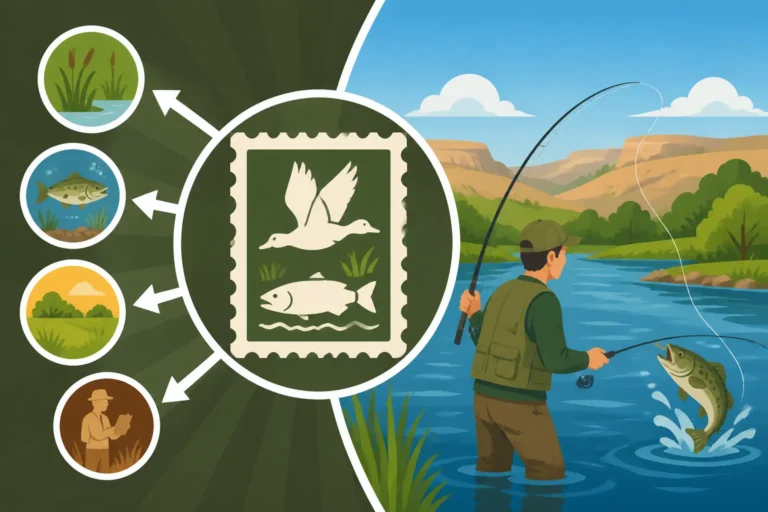
Now, this is where a lot of folks can get tripped up, thinking the $28 is the absolute final price. But almost all annual fishing licenses in South Dakota come with a mandatory companion: the Habitat Stamp. This isn't just an optional add-on; for most resident fishing licenses, it's a non-negotiable requirement. The Resident Habitat Stamp typically costs an additional $10. So, right off the bat, you're usually looking at a combined minimum cost of $38 for your annual fishing license ($28 for the license + $10 for the Habitat Stamp).
Why the Habitat Stamp? It's another vital funding mechanism for conservation. South Dakota's diverse wildlife, from pheasants to deer to fish, relies on quality habitat. The revenue generated from these stamps goes directly towards acquiring, developing, and maintaining crucial wildlife habitat across the state, benefitting not just fish but countless other species. So, while it adds to the overall cost, it's for a cause that every outdoor enthusiast can get behind. Understanding the requirements for this stamp is key to being fully licensed, so make sure to check out our detailed guide on South Dakota Habitat Stamp Requirements to ensure you're covered.
Optional Add-ons and Their Prices
Beyond the core license and the mandatory Habitat Stamp, there aren't many required additional permits for general resident fishing in South Dakota. Unlike some other states that might require separate "trout stamps" or "salmon stamps" as an extra fee on top of your general license, South Dakota's annual fishing license typically covers a broad spectrum of species, including trout and salmon, within the state's general regulations. This means your $38 (license + habitat stamp) generally gets you access to chase walleye, bass, pike, salmon in Lake Oahe, and trout in the Black Hills, provided you adhere to species-specific limits and regulations.
However, there are a few optional considerations that might add to your overall fishing expenses, though they aren't part of the license itself. If you plan on using a boat, you'll need to consider boat registration fees, which are separate from your fishing license. While not a "fishing permit," it's a necessary cost for boat anglers. Additionally, if you enjoy specialized fishing such as paddlefish snagging, there are specific permits and seasons for that, which would incur separate fees. For the vast majority of resident anglers engaging in rod-and-reel fishing, though, the combined annual license and habitat stamp is all you need.
Different Resident License Options and Their Costs
The great thing about South Dakota's licensing system is that it recognizes that not all anglers are the same. There are specific options available for different demographics, ensuring that fishing remains accessible and affordable for everyone in the community.
Senior Fishing License Discounts
If you're a long-time resident of South Dakota and have reached a certain age, you’re in for a nice discount! The state offers a reduced-cost annual fishing license for its senior residents. As of 2024, if you are a South Dakota resident aged 65 or older, you can snag an Annual Fishing License for just $12. This is a significant saving compared to the standard $28 adult resident license.
It’s a wonderful way to acknowledge the contributions of our elders and encourage them to continue enjoying the peace and excitement of fishing. Remember, even with the senior discount, the mandatory Resident Habitat Stamp ($10) still applies to most senior licenses, bringing your total to $22. This makes fishing incredibly affordable for seasoned anglers who’ve dedicated their lives to the state. For more detailed information on eligibility and how to apply, be sure to read our post on South Dakota Senior Fishing License Discount. It’s always a good idea to double-check the current age requirements and specific steps, as these details can sometimes change.
Youth Fishing License Rules and Costs
Getting kids hooked on fishing is one of the best ways to pass on a love for the outdoors. South Dakota makes it incredibly easy and affordable to do so for its youngest residents. The fantastic news is that resident youth under the age of 16 do NOT need a fishing license to fish in South Dakota. This exemption means that if you have a child or grandchild under 16, they can fish alongside you without any additional cost. This is a huge benefit, encouraging families to get out on the water without the added financial burden of multiple licenses.
It’s a smart move by the GFP, as it removes one barrier for entry for new anglers, fostering a lifelong passion. While they don't need a license, it’s still crucial for youth to understand and follow all South Dakota fishing regulations, including catch limits and size restrictions, to ensure they’re practicing responsible angling. You can find more specific details regarding these exemptions in our guide on South Dakota Youth Fishing License Rules. This exemption applies to the Habitat Stamp as well, meaning no cost for the youngest anglers!
Combination Licenses
For residents who enjoy both fishing and hunting, South Dakota offers a convenient and often cost-saving option: combination licenses. Instead of purchasing a separate annual fishing license and a separate small game hunting license, you can opt for a Resident Combination (Fishing & Small Game) license. As of 2024, this combined license costs $55.
Let’s break down the savings. Individually, a Resident Annual Fishing License is $28, and a Resident Annual Small Game License is typically $35. Add in the mandatory $10 Habitat Stamp for each (if purchased separately and not already covered by one), and the individual costs quickly climb. The combination license often includes the required Habitat Stamp directly within its price, simplifying the process and saving you money compared to buying them all à la carte. For the keen outdoors enthusiast who loves to hit the fields for pheasants in the fall and the lakes for walleye in the summer, this is often the most economical choice. It streamlines your licensing, meaning one less thing to worry about before heading out. Explore all your bundled options in our piece on Combination Hunting and Fishing Licenses.
Here's a quick overview of typical resident license costs:
| License Type | Base Cost | Habitat Stamp (Resident) | Total Cost | Details |
|---|---|---|---|---|
| Resident Annual Fishing License | $28 | $10 | $38 | Covers general fishing for the calendar year. |
| Resident One-Day Fishing License | $8 | N/A | $8 | Good for a single day of fishing. Habitat Stamp often not required for one-day. |
| Resident Senior Annual Fishing License (65+) | $12 | $10 | $22 | Discounted rate for residents aged 65 and over. |
| Resident Youth Fishing License (Under 16) | $0 | $0 | $0 | No license or Habitat Stamp required for residents under 16. |
| Resident Combination (Fishing & Small Game) | $55 | Included | $55 | Bundles fishing and small game hunting; typically includes Habitat Stamp. |
| Resident Disabled Veteran Fishing License | $0 | $0 | $0 | Free for eligible disabled veterans (with proper documentation). |
Note: Costs are approximate as of 2024 and are subject to change by the South Dakota Game, Fish and Parks (GFP). Always check the official GFP website for the most current pricing before purchase.
Where and How to Purchase Your Resident Fishing License
Gone are the days when you had to drive for miles to find the single bait shop selling licenses. South Dakota has made acquiring your fishing permit incredibly convenient, offering multiple ways to get you on the water faster.
Online Purchase Process and Convenience
For many, the easiest and most preferred method to buy a South Dakota resident fishing license is online. The South Dakota Game, Fish and Parks (GFP) website provides a user-friendly portal where you can purchase your license from the comfort of your own home, any time of day or night. This digital convenience means no waiting in lines and no worrying about store hours.
The process is generally straightforward: you’ll navigate to the GFP licensing section, select your desired resident fishing license (and the mandatory Habitat Stamp), provide your personal information (including proof of residency like a driver's license number), and complete the payment. Once purchased, you'll typically receive an email with a printable copy of your license. You can either print it out and carry it with you or keep a digital copy on your phone or other device, which is perfectly acceptable as proof of license. The digital age has certainly made this aspect of fishing much smoother! If you need a more detailed breakdown, check out our guide on How to Buy a South Dakota Fishing License Online. You might even consider picking up some last-minute tackle or a new fishing hat from a place like Amazon while you're online, especially if you're not planning a trip to a physical store.
In-Person Vendor Locations
While online purchasing is super convenient, sometimes you just prefer the human touch, or you're already out and about running errands. Luckily, you have plenty of options for purchasing your South Dakota resident fishing license in person. The most common places include:
- GFP Offices: Local Game, Fish and Parks offices are always a reliable place to purchase licenses. The staff there can also answer any specific questions you might have about regulations or local fishing spots.
- Sporting Goods Stores: Major retailers like Cabela's, Scheels, or even local independent bait and tackle shops often serve as authorized license vendors. This is a great option because you can grab your license, pick up some fresh bait, and browse new gear all in one stop. You might even find some hidden gems or get local tips from the staff!
- Convenience Stores and Gas Stations: Many smaller towns and rural areas will have gas stations or convenience stores that are licensed to sell fishing permits. These spots are a lifesaver when you're already on the road, perhaps heading to your favorite fishing hole.
- County Treasurer Offices: In some counties, the treasurer’s office may also sell fishing licenses. It's always a good idea to call ahead to confirm before making a special trip.
No matter where you choose to purchase, the staff at these locations are usually very helpful and can walk you through the process, ensuring you get the correct license for your needs.
What You Need to Bring for Purchase
Whether you're buying online or in person, you'll need to prove your South Dakota residency. This is crucial for obtaining the resident rate, which is significantly lower than nonresident costs. Typically, you'll need to provide:
- South Dakota Driver's License or State ID: This is usually the primary form of identification accepted. It clearly shows your residency.
- Social Security Number: This is a standard requirement for licensing in many states, including South Dakota, for identification purposes.
Make sure your ID is current and reflects your South Dakota address. If you’ve recently moved or your ID is expired, you might run into issues. Having your proof of residency ready will make the purchase process smooth and quick, getting you one step closer to casting your line. Keep in mind that understanding all the licensing nuances is part of being a responsible angler, and a comprehensive South Dakota Fishing License Guide can further illuminate the process.
What Your License Dollars Support
It’s easy to look at the cost of a fishing license and see it as just another fee. But for states like South Dakota, these fees are the lifeblood of robust conservation and management efforts. Every dollar spent on your resident fishing license isn't just a ticket to fish; it's a direct investment in the future of the sport and the health of the natural environment.
Funding Conservation Efforts
The primary recipient of your license and stamp dollars is conservation. South Dakota is renowned for its incredible outdoor opportunities, and maintaining these requires significant resources. Your contributions directly fund a wide array of conservation initiatives, including:
- Fish Stocking Programs: Especially important for species like walleye and trout, license fees support the raising and stocking of millions of fish each year into lakes and rivers across the state. These programs ensure healthy populations and provide fantastic angling opportunities, especially in areas where natural reproduction might be limited. The success of South Dakota Walleye Fishing Guide largely depends on these efforts.
- Habitat Improvement and Restoration: From restoring riparian zones along trout streams in the Black Hills to creating spawning habitat in the Missouri River reservoirs, habitat work is crucial. Your license fees help acquire new lands for public access and improve existing habitats, which benefits not only fish but also countless other wildlife species. These efforts contribute to the overall ecological health that makes South Dakota so special for outdoor enthusiasts.
- Research and Monitoring: Understanding fish populations, their health, and the ecosystems they inhabit requires scientific research. License dollars fund studies on fish genetics, disease monitoring, water quality, and angler harvest rates. This data is critical for making informed management decisions that protect and enhance South Dakota's fisheries for the long term.
Essentially, by purchasing your license, you're becoming a direct patron of the very resources you cherish. It's about ensuring those glorious sunsets over Lake Oahe continue to feature a healthy, thriving fishery.
Enforcement and Management
Beyond direct conservation, your license fees also play a crucial role in the management and enforcement of South Dakota's fishing regulations. It's not enough to simply have fish; you need to manage the resource responsibly to prevent overfishing and maintain balance.
- Fisheries Management: Wildlife biologists and managers rely on license revenue to develop and implement management plans for different species and bodies of water. This includes setting catch limits, size restrictions, and season dates—all designed to ensure sustainable populations. For instance, the specific rules for South Dakota Walleye Limits are a direct result of these management efforts. This ensures that everyone has a fair chance at catching fish while safeguarding the future of the species.
- Law Enforcement: Conservation officers, funded in part by license sales, are on the front lines, ensuring that everyone adheres to the rules. Their work prevents poaching, illegal harvest, and other activities that could harm fish populations and habitats. Their presence ensures fair play and protects the investment made by all licensed anglers. No one wants to see fishing opportunities diminish because a few individuals disregard the rules. If you're ever curious about the nitty-gritty, the South Dakota Fishing Regulations Explained guide is a fantastic resource.
In essence, your resident fishing license cost is a small price to pay for the assurance that South Dakota's fisheries will remain vibrant and accessible for years to come. It’s a testament to the collective effort required to maintain such an incredible natural heritage. You can even find many essential fishing gear items, from basic hooks to advanced fish finders, readily available on Amazon, often with detailed reviews that help ensure you’re prepared for the diverse fishing conditions South Dakota has to offer, further enriching your experience on these managed waters.
Disclaimer
Please note that fishing license costs and regulations are subject to change by the South Dakota Game, Fish and Parks (GFP). While this guide provides the most current information available at the time of writing (2026), it is always best to consult the official South Dakota GFP website or their latest Fishing Handbook for the most accurate and up-to-date details before purchasing your license or heading out to fish.