South Dakota Fish Aging and Growth Studies
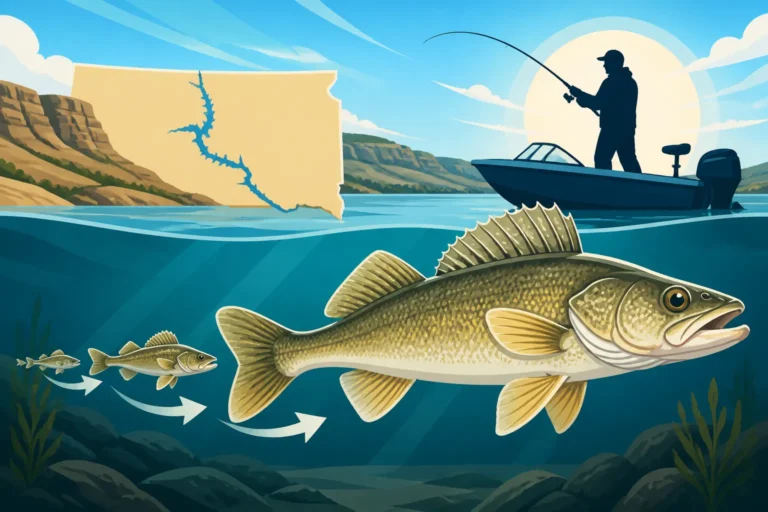
Have you ever reeled in a truly impressive walleye or a feisty smallmouth bass and found yourself wondering, "How old is this fish? How fast did it grow to get this big?" It's a natural curiosity that often goes hand-in-hand with the thrill of the catch. But beyond our personal wonder, understanding fish aging and growth isn't just a fun fact; it's absolutely crucial for effective fisheries management in South Dakota, directly impacting the quality of our fishing experiences. This guide is here to pull back the curtain on how biologists study fish age and growth, what these studies reveal, and why that information is so vital for maintaining healthy, thriving fish populations across our beautiful state.
Why Fish Aging and Growth Studies Matter to Anglers
It might seem like a topic reserved for scientists in labs, but fish aging and growth studies are fundamental to every angler's success and the future of fishing in South Dakota. When we talk about healthy fisheries, we're really talking about populations where fish are growing at a good rate, reaching mature sizes, and contributing to future generations. Without these detailed studies, our understanding of what makes a fishery tick would be purely guesswork, and that's not how we want our precious resources managed.
Understanding Fish Health and Population Dynamics
Think of these studies as a comprehensive health report for our fish populations. Just like a doctor checks a patient's growth and development, fisheries biologists examine fish to understand if they're thriving or struggling. Are the fish reaching a healthy size for their age? Are there enough younger fish to replenish the population, or is an older generation disappearing without adequate replacement? These questions are answered by carefully analyzing growth patterns.
For instance, if biologists notice that walleye in a particular lake are growing much slower than expected for their age, it could signal an issue. Perhaps there isn't enough food available, or maybe the lake is overcrowded, leading to intense competition for resources. On the flip side, rapid growth indicates a robust environment with plenty of food and suitable habitat, which is always good news for anglers hoping to catch bigger fish. It’s all about creating that delicate balance in the ecosystem.
Predicting Future Fishing Opportunities
One of the most exciting aspects of growth studies, for us anglers, is their ability to help predict future fishing. By analyzing the growth rates of fish year after year, biologists can forecast what the population might look like in seasons to come. If a strong year-class of young walleye is showing excellent growth, we can anticipate fantastic fishing for those fish a few years down the line when they reach desirable sizes. This insight allows anglers to plan trips, focus on certain bodies of water, and get excited about upcoming seasons.
Conversely, if growth is slow or recruitment (the number of young fish entering the population) is poor, these studies provide an early warning. This gives the South Dakota Game, Fish and Parks (GFP) time to intervene with management strategies before a problem becomes severe. It’s all about proactive care for our aquatic friends, ensuring that our lakes and rivers continue to provide great fishing for everyone, from seasoned veterans to excited youngsters casting their first line. These predictions help manage expectations and provide a roadmap for where the best opportunities might lie.
Informing Fishing Regulations and Management
Perhaps the most direct impact of fish aging and growth studies on your fishing experience is how they shape regulations. Ever wondered why there's a specific slot limit on walleye in Belle Fourche Reservoir Special Walleye Rules, or why South Dakota Walleye Limits might vary from lake to lake? It's all rooted in data gathered from these detailed studies. Biologists use growth rates, age structures, and mortality rates to recommend specific size and bag limits designed to protect fish populations and enhance trophy potential.
For example, if a study reveals that walleye in a particular body of water take five years to reach a desirable harvest size, regulations can be set to allow those fish to grow to their full potential before being harvested. This ensures that enough fish survive to spawn and sustain the population, while also giving anglers the chance to catch larger, more mature specimens. Without this scientific grounding, regulations would be arbitrary and likely ineffective, potentially leading to overharvesting or underutilization of a valuable resource. Understanding South Dakota Fishing Regulations Explained and South Dakota Fish Limits and Size Restrictions becomes a lot clearer when you realize the science behind them.
The Science Behind Aging Fish
So, how exactly do biologists figure out how old a fish is? It's not like they have birth certificates! Instead, they rely on natural structures within the fish's body that record growth in much the same way trees record their age in annual rings. It’s a fascinating process that requires careful observation and specialized techniques.
Scales and Otoliths: Nature's Growth Rings
The primary methods for aging fish involve examining calcified structures like scales and otoliths (ear bones).
Scales are often the first choice because they are relatively easy to collect without harming the fish, particularly if it's a catch-and-release specimen. Under a microscope, fish scales show concentric rings, much like tree rings. Each ring represents a period of growth, with wider rings indicating faster growth during favorable conditions (like warm summer months with abundant food) and narrower rings indicating slower growth (like cold winter months). Biologists count these rings, called "annuli," to determine the fish's age. It's a bit like reading a tiny, intricate map of a fish's life story.
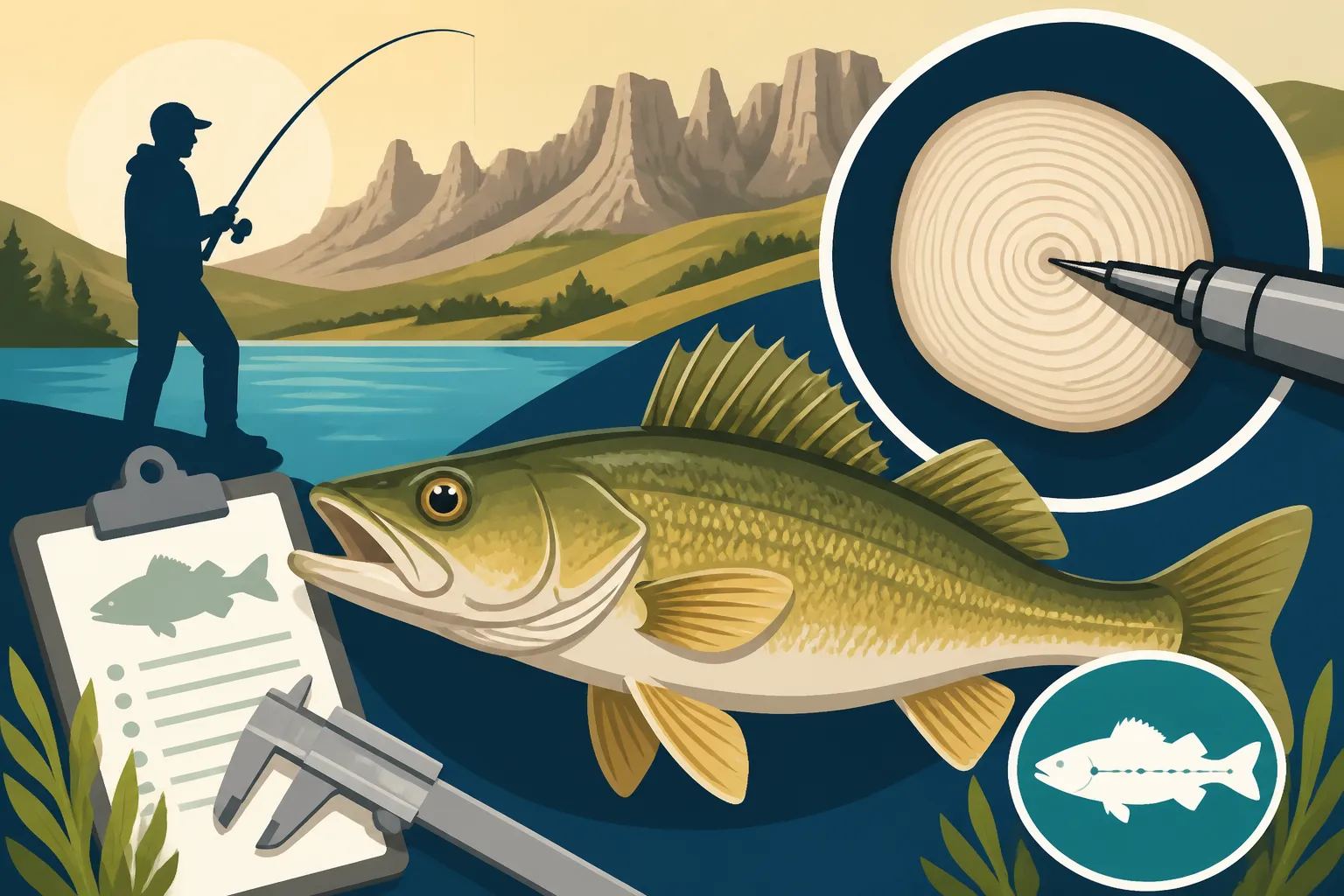
For more precise and reliable aging, especially for older or slower-growing fish, biologists turn to otoliths. These small, pearl-like bones are found in a fish's inner ear and grow continuously throughout the fish's life, adding a new layer each year. Unlike scales, which can be reabsorbed or shed, otoliths provide a permanent and incredibly accurate record of age. However, collecting otoliths requires sacrificing the fish, so this method is typically reserved for fish collected during scientific surveys or those harvested by anglers and voluntarily submitted for study. Once extracted, otoliths are carefully sectioned, polished, and examined under a microscope, revealing those precise growth rings. It’s a testament to nature's incredible design that these tiny structures hold such valuable biological information.
Collecting Data in the Field
The journey of a fish aging study begins long before the microscope comes out. It starts in the field, out on the lakes and rivers of South Dakota. Biologists conduct routine fish surveys using various methods like electrofishing, gillnetting, and trapnetting to collect samples of fish from different water bodies. These methods are chosen to capture a representative sample of the fish population, including various sizes and age classes. Each fish caught is carefully measured for length and weight, and a small sample of scales might be taken before it's released, if suitable for catch-and-release.
For fish that are harvested or part of specific scientific collection efforts, otoliths are also collected. All this data – length, weight, and the collected aging structures – is meticulously recorded. Sometimes, tissue samples are also taken for genetic analysis or diet studies, providing an even richer picture of the fish's life. This fieldwork is physically demanding and often happens in all kinds of weather, but it's absolutely essential for gathering the raw data needed to understand our fish populations. Without these dedicated efforts, we wouldn't have the foundational knowledge to make informed management decisions, ensuring sustained fishing enjoyment for generations to come. Anglers who are passionate about conservation can even help by reporting certain catches or providing specific biological samples when requested by local wildlife agencies.
Factors Influencing Fish Growth in South Dakota Waters
Why do fish in one lake seem to grow faster or larger than those in another, even if they're the same species? It's a question every curious angler has pondered. The answer lies in a complex interplay of environmental factors that greatly influence a fish's growth rate. South Dakota's diverse aquatic environments, from the vast Missouri River reservoirs like Lake Oahe and Lake Sharpe to the numerous glacial lakes and Black Hills streams, each offer unique conditions that contribute to these variations.
Forage Base and Food Availability
Perhaps the single most critical factor influencing fish growth is the abundance and quality of their food source, often referred to as the "forage base." Simply put, fish that have more to eat, and the right kind of food, grow faster and larger. In South Dakota's renowned walleye fisheries, for instance, a robust population of forage fish like gizzard shad, smelt, or various minnow species can lead to exceptional walleye growth rates. Forage Fish South Dakota Walleye Rely On covers this in more detail.
Consider the difference between a lake with a booming population of small perch and another with a sparse forage base. The walleye in the first lake will likely be plump and grow quickly, reaching trophy sizes sooner. In contrast, walleye in the second lake might be leaner and take longer to reach the same size, struggling to find enough sustenance. This is why biologists closely monitor forage fish populations; a healthy forage base is the cornerstone of a healthy game fish population. It's a continuous balancing act, and sometimes, stocking efforts are even undertaken to boost the forage base if it's lagging.
Water Temperature and Habitat Quality
Beyond food, the physical environment itself plays a huge role. Water temperature, in particular, is a major driver of fish metabolism and growth. Like all cold-blooded creatures, fish growth rates are highly dependent on ambient water temperatures. Warm water generally leads to faster growth, up to a certain point, because a fish's metabolism speeds up, allowing them to digest food more quickly and put on weight. However, excessively high temperatures can cause stress and reduce growth. This is why you often see excellent growth during warm South Dakota summers when prey species are also abundant.
Habitat quality is another critical element. Lakes and rivers that offer a diverse range of habitats – deep water, shallow areas with aquatic vegetation, rocky structures, and access to current – provide fish with optimal conditions for feeding, resting, and avoiding predators. A lake with plenty of healthy cover and structure will support a healthier fish population with better growth than a featureless, degraded environment. This also ties into water quality, including oxygen levels and clarity, which can impact a fish's ability to forage and thrive. The best lakes often combine excellent forage with ideal temperature profiles and varied, clean habitat.
Population Density and Competition
Finally, the sheer number of fish in a given body of water directly impacts individual growth rates. This is known as "population density." If a lake has a very high density of a particular fish species, there will be more competition for the available food and habitat. This increased competition can lead to "stunted" growth, where fish remain smaller for their age because they simply can't acquire enough resources to grow larger. This is a common issue in some panfish populations, where a lake might be overflowing with small crappie or bluegill, but very few reach a desirable size.
Conversely, in lakes with a lower fish density relative to the available resources, individual fish often grow larger and faster. This is one reason why some lakes are managed for "trophy" potential, sometimes through stricter limits or specific slot sizes, to reduce density and allow a select number of fish to reach exceptional sizes. Understanding the balance between density, forage, and habitat is key to successful fisheries management. It also explains Why Some South Dakota Lakes Grow Bigger Walleye Than Others and is a constant subject of study for biologists, helping them decide if harvesting more fish is beneficial or if protecting certain size classes is necessary.
Interpreting Growth Study Data
So, biologists go out, catch fish, take their scales and ear bones, and then meticulously analyze them. But what does all that data actually tell us, and how can an everyday angler make sense of it? Interpreting these growth study reports can provide a fascinating glimpse into the life of our favorite fish species and offer clues to where and when to find the biggest ones.
Average Growth Rates and Size at Age
The most straightforward output of aging and growth studies is information on average growth rates and the "size at age" for various fish species. This data typically comes in the form of charts or tables that show the average length and weight of a fish at different ages. For example, a report might tell us that the average walleye in Lake Oahe is 10 inches long at age 2, 16 inches at age 4, and 20 inches at age 6. This kind of information is invaluable for anglers trying to understand South Dakota Walleye Growth Rates on Lake Oahe and Average Age of a 20-Inch Walleye.
| Age (Years) | Average Length (Walleye, inches) | Average Weight (Walleye, pounds) | Common Forage Base |
|---|---|---|---|
| 1 | 6-8 | 0.1-0.2 | Zooplankton, insect larvae |
| 2 | 9-12 | 0.3-0.6 | Minnows, juvenile perch |
| 3 | 13-16 | 0.7-1.3 | Smelt, gizzard shad |
| 4 | 17-19 | 1.4-2.0 | Smelt, gizzard shad, larger minnows |
| 5 | 20-22 | 2.1-3.0 | Larger forage fish, perch |
| 6+ | 23+ | 3.1+ | Large forage, occasionally other fish |
(Note: These are illustrative averages and can vary significantly by specific lake and year.)
This data helps us appreciate the journey a fish takes from a tiny fry to a significant catch. It also allows biologists to spot anomalies. If the average size at age suddenly drops, it's a red flag that something in the environment might be impacting growth. For anglers, knowing these averages helps you understand if that 18-inch walleye you caught is a fast-growing youngster or a more mature, slower-growing fish.
Comparing Growth Across Different Lakes
One of the most powerful applications of growth study data is the ability to compare growth rates across different lakes. South Dakota has countless fishing destinations, and each one offers a slightly different experience. By comparing the size-at-age data for walleye in Lake Oahe versus, say, Lake Sharpe, biologists and anglers alike can gain insights into which lakes are producing bigger, healthier fish. This often explains why one body of water has a reputation for "trophy" fish, while another is known for numbers of smaller, but still fun, catches.
These comparisons can highlight successful management strategies or identify areas needing improvement. For instance, if smallmouth bass on Lake Francis Case are consistently showing faster growth than those in another comparable lake, biologists might investigate what factors are contributing to that success – perhaps a particularly rich food source or ideal habitat conditions. For us, the anglers, this information helps us make informed decisions about where to spend our precious fishing time, especially if we're targeting specific sizes of fish. It gives scientific backing to the anecdotal evidence we hear at bait shops and around campfires, showing Why Some South Dakota Lakes Grow Bigger Walleye Than Others.
The Role of Angler Reports and Citizen Science
While formal scientific studies are the backbone of fish aging and growth data, anglers play an increasingly vital role in contributing to this knowledge. Through various citizen science initiatives and voluntary reporting programs, your catches can provide valuable supplementary data. This isn't about collecting otoliths, but rather reporting lengths, weights, and even releasing photos of your catches. This can include information on species identification, catch locations, and general observations about the health and size of fish.
Many anglers are already meticulously documenting their catches, perhaps with a digital scale and measuring board, then sharing their data on fishing forums or social media. While not as scientifically rigorous as scale or otolith analysis, this collective anecdotal evidence, especially from dedicated anglers, can sometimes highlight emerging trends or localized issues that biologists might then investigate more formally. The South Dakota GFP often encourages anglers to report unusual catches or observations, creating a widespread network of eyes and ears on the water. Tools for documenting catches, like durable measuring tapes and portable scales, can easily be found on platforms like Amazon, making it simple for any angler to contribute to the collective understanding of fish populations.
Commonly Studied Fish Species in South Dakota
In South Dakota, certain fish species are the focus of more intensive aging and growth studies, largely due to their popularity with anglers and their economic significance to the state's tourism industry. It makes sense to allocate resources to understanding the fish that most people are chasing.
Walleye Growth Studies
It's no secret that walleye are king in South Dakota, drawing anglers from all over the country to our vast reservoirs and glacial lakes. Naturally, South Dakota Walleye Fishing Guide research, including aging and growth studies, receives significant attention. Biologists are constantly monitoring walleye populations, particularly in the Missouri River reservoirs like Lake Oahe, Lake Sharpe, and Lake Francis Case, as well as popular glacial lakes such as Lake Poinsett and Lake Kampeska. These studies track how quickly walleye are growing, the age structure of the population, and how these factors might be influenced by environmental changes or management actions.
A good example is the ongoing analysis of South Dakota Walleye Growth Rates on Lake Oahe. Data collected year after year helps determine if the forage base is sufficient, if competition is too high, or if current regulations are effectively promoting a healthy age distribution. These studies are critical for ensuring that South Dakota continues to offer world-class walleye fishing. They help the GFP make informed decisions about stocking, harvest limits, and even habitat improvement projects. Understanding the typical size-at-age for walleye allows anglers to appreciate the maturity of their catch and know what to expect when fishing different bodies of water. For those aiming for a true trophy, knowing the Average Age of a 20-Inch Walleye provides perspective on just how long it takes for these magnificent fish to grow.
Panfish and Bass Growth Trends
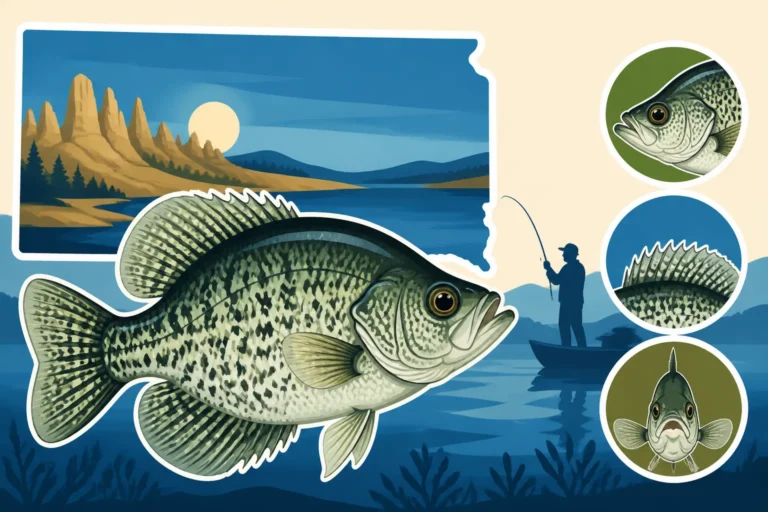
While walleye often steal the spotlight, panfish like crappie and perch, along with bass species, are also incredibly popular targets and are subject to regular growth studies. Crappie and perch populations can be particularly susceptible to stunting due to overpopulation and limited food resources. Therefore, monitoring their growth trends is crucial to ensure these fisheries remain vibrant and provide quality angling experiences. If crappie are consistently small for their age in a certain lake, it might indicate a need for management actions to reduce density or enhance forage.
Similarly, smallmouth bass and largemouth bass are key game fish, especially in lakes like Lake Francis Case and Lake Sharpe for smallmouth, and numerous smaller lakes for largemouth. Smallmouth Bass Growth Rate on Lake Francis Case is a good example of specific regional studies. Growth studies on these species help biologists understand how different habitats and forage availability affect their development. For instance, in lakes with abundant crayfish and clear, rocky shorelines, smallmouth bass often exhibit excellent growth. These studies allow the GFP to tailor management strategies not just for overall numbers, but for the health and size structure of bass and panfish populations, ensuring a diverse and rewarding fishing experience for all.
How Anglers Can Use This Information
Knowing about fish aging and growth studies isn't just for biologists; it's genuinely useful for anglers who want to be more successful and contribute to the health of our fisheries. This information empowers you to make more informed decisions and become a more effective, and often more ethical, angler.
Adjusting Techniques for Specific Waters
Understanding the growth patterns of fish in a particular lake can directly influence your fishing strategy. For example, if growth studies show that walleye in Lake Thompson tend to be on the smaller side but are incredibly numerous, you might adjust your tackle and techniques to target higher numbers of active, smaller fish. This might mean using lighter line, smaller jigs, or focusing on areas where younger fish are known to congregate. You might even find that you don't need to try How to Find Walleye on a New Lake from scratch if you've studied the growth reports.
Conversely, if a lake like Lake Oahe is known for producing slower-growing but ultimately larger walleye, you might employ tactics aimed at trophy fish, such as larger baits, targeting deeper structure, or fishing during specific times when bigger fish are more active. This strategic adaptation, based on scientific data, can significantly increase your chances of success. It's about knowing the character of the fish in the water you're fishing, not just the water itself. Learning about the specific growth characteristics can make your time on the water much more productive and enjoyable.
Supporting Conservation Efforts
As anglers, we all have a vested interest in healthy fish populations. By understanding fish aging and growth studies, we can become better stewards of our natural resources. This means not just following regulations, but understanding why those regulations are in place. When you know that an 18-inch walleye might be a prime breeder, or that a slot limit is designed to protect a specific age class for future spawning, you gain a deeper appreciation for catch-and-release practices, especially for those larger, older fish.
Participating in voluntary angler surveys, practicing proper catch-and-release techniques to minimize stress on fish, and supporting organizations that fund fisheries research are all ways we can contribute. Knowing that the data from these studies helps determine South Dakota Fish Stocking Report Basics or How Biologists Track Walleye Growth on Lake Oahe gives you a personal connection to conservation. By staying informed and acting responsibly, we help ensure that the legacy of excellent fishing in South Dakota continues for generations to come. Many resources, including educational books and field guides about fish biology and conservation, can be found online through retailers like Amazon, helping you deepen your understanding and commitment to preserving these vital ecosystems.
Disclaimer
This article is for general informational purposes only and does not constitute professional advice. Laws, prices and regulations vary by location and change over time. Consult a qualified professional for guidance on your specific situation.