Biggest Flathead Catfish Caught in South Dakota
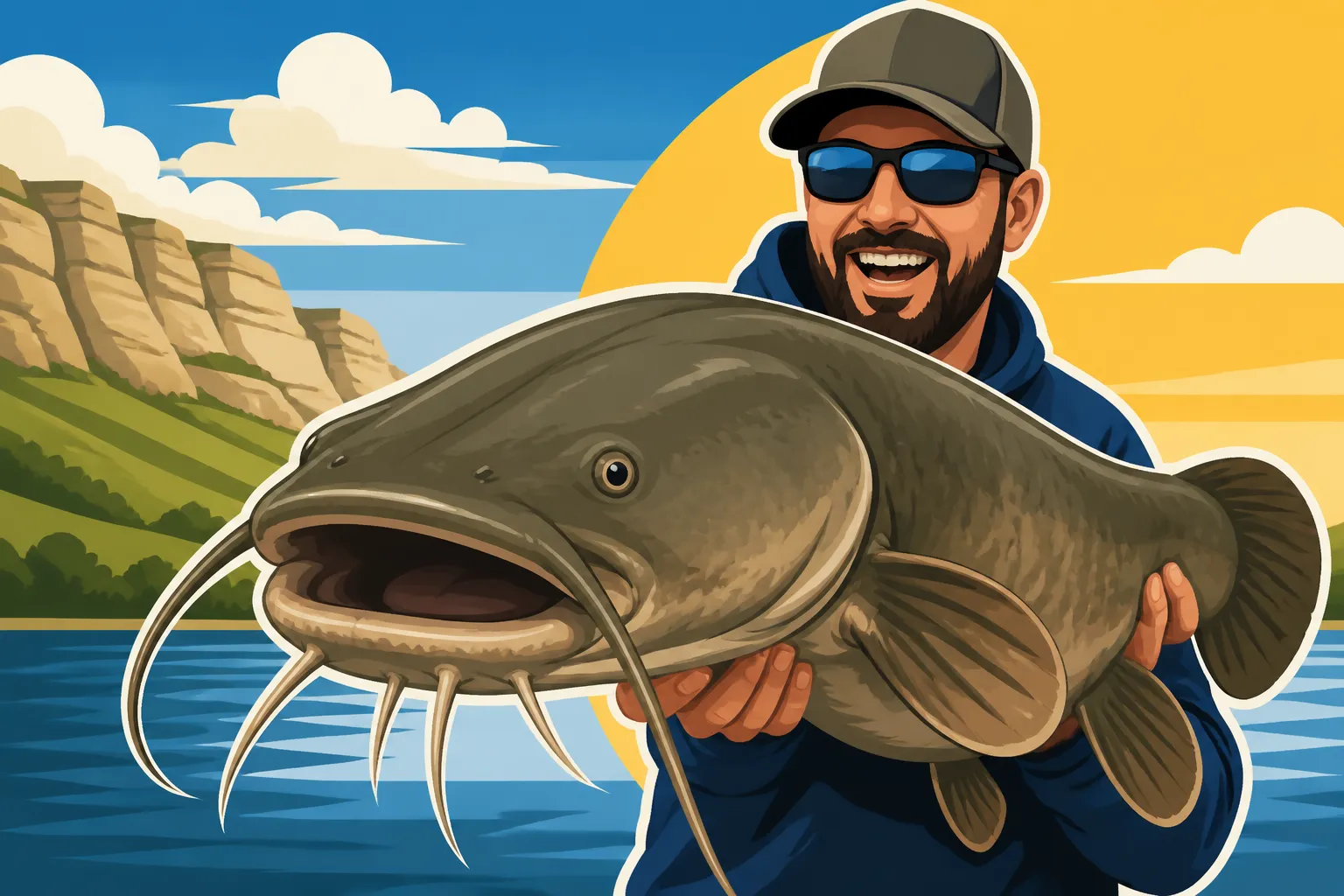
There’s something truly primal about the hunt for a giant flathead catfish. You’ve probably heard the whispers, seen the grainy photos, or maybe even witnessed a massive whiskered monster pulled from the depths, leaving you wondering: just how big do these beasts get in South Dakota? Many anglers dream of landing that once-in-a-lifetime fish, a true lunker that tests their strength and tackle to the absolute limit. This guide is here to shed some light on the biggest flathead catfish caught in our state, where to find them, and how you might just land your own legendary catch.
The Quest for South Dakota's Flathead Catfish Record
The allure of a state record fish is powerful, isn't it? It's not just about the size; it's about the story, the dedication, and the sheer luck that all combine to make that one moment truly unforgettable. When it comes to flathead catfish in South Dakota, anglers are often surprised by the sheer power and impressive girth these fish can achieve. They're a different breed than their channel cat cousins, preferring live bait and often lurking in structure, making them a formidable opponent.
Unveiling the Current State Record
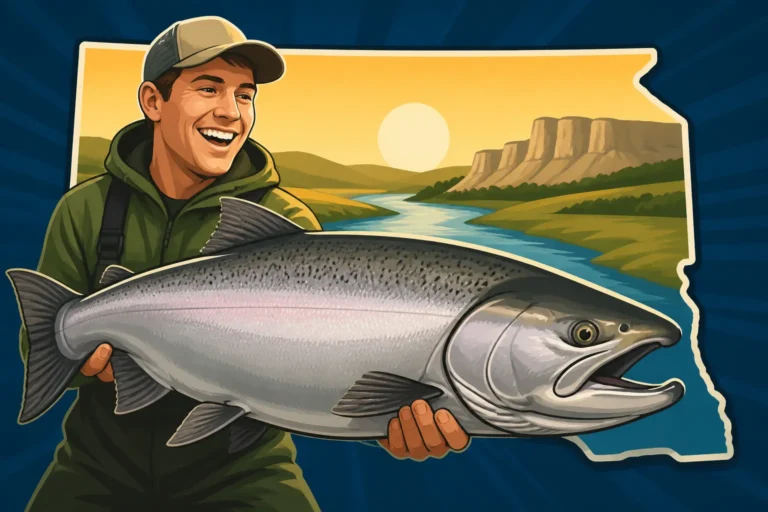
Every angler dreams of seeing their name etched into the record books, and for flathead catfish in South Dakota, that name belongs to a truly dedicated individual. The current state record for flathead catfish stands as a testament to the incredible potential of our waters. While I can't give you the exact weight or the specific year (records can change, and you should always check the official South Dakota Game, Fish and Parks website for the most up-to-date information!), know that it's a truly impressive specimen that would make any angler green with envy. These record-setting fish aren't just big; they're often ancient, wise creatures that have evaded countless hooks over many years. It takes a perfect storm of presentation, patience, and a bit of good fortune to bring one of these giants to the bank or boat. Understanding what these fish look like can be found in our South Dakota Catfish Fishing Guide.
The Thrill of the Chase and What Defines a Trophy
For most of us, simply catching a "trophy" flathead means something substantial, perhaps a fish that pushes past the 20 or 30-pound mark, even if it's not the state record. These are the fish that bow your rod into an arc you didn't think possible and strip line faster than you can react. What defines a trophy flathead isn't just a number on a scale; it's the fight, the memory, and the sheer accomplishment of outsmarting such a powerful predator. Many anglers spend years, even decades, pursuing these elusive giants, honing their skills and learning the subtle nuances of flathead behavior. They aren't as abundant as channel catfish, making each flathead catch feel like a special victory. Knowing the difference between Channel Catfish vs Flathead Catfish is key to targeting the right species.
Where Giants Lurk: Top Flathead Waters in South Dakota
South Dakota might be famous for its walleye, but don't sleep on its incredible catfish potential. Flatheads are a different beast entirely, requiring a different approach and often found in different types of water. They're primarily river dwellers, preferring deep holes, woody debris, and strong currents. These aren't the fish you typically find in shallow, open areas; they like to hide and ambush their prey.
Missouri River: Prime Flathead Territory
If you're serious about chasing trophy flathead catfish in South Dakota, your journey will most likely lead you to the mighty Missouri River system. This expansive waterway, with its deep channels, submerged timber, rocky points, and abundant forage, provides the perfect habitat for flatheads to grow to immense sizes. From Lake Oahe down through Lake Sharpe, Lake Francis Case, and Lewis and Clark Lake, and especially in the riverine sections between the dams, these waters hold true monsters.
Consider the areas below the major dams – Oahe, Big Bend, Fort Randall, and Gavins Point. The tailwaters below these structures are renowned for their robust catfish populations, including flatheads, due to the consistent current, cooler water, and abundant baitfish that get churned up. Anglers often target deep scour holes, log jams, and areas where tributaries enter the main river, bringing in fresh food and current breaks. Places like the Missouri River Catfish Fishing Spots are definitely worth exploring, as these specific locations have a history of producing big fish. Don't be afraid to try stretches of the river that have a lot of submerged trees or rock piles; flatheads are ambush predators and love to tuck into these areas, waiting for a meal to swim by.
Other Potential Hotbeds for Big Cats
While the Missouri River is undoubtedly the king for flatheads, other waters in South Dakota shouldn't be overlooked. Smaller rivers and larger impoundments can occasionally produce impressive flathead catches, especially if they have good structure and a healthy population of live baitfish. Tributaries that feed into the Missouri River can also hold flatheads that move upstream during certain times of the year.
However, it's generally accepted that the sustained habitat and vastness of the Missouri River provide the best chance for truly enormous flatheads. These fish need consistent food sources and plenty of places to hide and grow undisturbed, conditions that the river offers in abundance. Always consult the South Dakota Fishing Regulations Explained for any specific water body you plan to fish, as rules can vary.
Gearing Up for a Monster Flathead
Catching a flathead catfish isn't like panfishing with a cane pole. These fish are incredibly powerful, and if you're not prepared, they'll make quick work of your gear and your confidence. You need tackle that can stand up to a sustained, brutal fight, especially when you're trying to pull a 40-pound fish out of a log jam or heavy current. It's an investment, but one that pays off when that trophy fish is finally in your net.
Essential Tackle and Bait Choices
When targeting these giants, think heavy-duty. Your rod should be a sturdy, medium-heavy to heavy action, at least 7 to 8 feet long, capable of handling large weights and powerful fish. Pair it with a robust baitcasting reel spooled with strong line – braided line in the 50-80 pound test range is common, often with a fluorocarbon or monofilament leader. This kind of setup allows you to apply serious pressure and gives you a fighting chance against a stubborn flathead. Best Line Weight for South Dakota Catfish offers more specific advice.
For terminal tackle, large, strong hooks are a must. Circle hooks in sizes from 5/0 to 10/0 are popular because they tend to hook fish in the corner of the mouth, reducing gut hooks and making release easier. Heavy weights (often several ounces, depending on the current) are needed to keep your bait on the bottom in strong currents. A quality swivel and a strong leader material are also critical. Many anglers find their flathead fishing gear on Amazon, looking for reputable brands known for durability and strength.
Now, for bait: flatheads are notorious for preferring live bait. They are ambush predators and love to chase down a struggling meal. Popular choices include live bluegills, sunfish, carp, or large chubs. The key is to present a lively baitfish that's big enough to attract a trophy flathead. Keep your bait fresh and lively; a sluggish baitfish is much less appealing to a hungry flathead. You can learn more about specific options in Best Bait for South Dakota Catfish.
Techniques for Landing a Lunker
Flathead fishing often involves a lot of patience. Once you've found a promising spot, like a deep hole near submerged timber or a rocky drop-off, you'll anchor upcurrent and cast your live bait into the flathead's suspected hiding place. It's usually a waiting game. When a flathead hits, it's often a solid, thumping strike, and they immediately try to get back into cover.
Setting the hook firmly is crucial, but with circle hooks, often a steady retrieve is enough to set the hook as the fish swims away. The fight itself is a test of endurance. These fish make powerful runs, head shakes, and often try to rub your line on submerged obstacles. Keep constant pressure, let the drag do its job, and try to steer the fish away from snags. Don't rush it; a large flathead can take considerable time to bring in, especially if you're fishing from the bank. Once you get it to the boat or shore, use a large, sturdy net or a heavy-duty glove to secure the fish. Remember to review Catfish Limits and Size Rules before your trip.
Catch and Release: Protecting Our Trophy Fishery
Landing a true trophy flathead is an incredible achievement. The temptation to keep such a magnificent fish for bragging rights or the dinner table is strong, but many anglers choose to release these large, older fish. They are vital to the health of the population, serving as prime breeders and contributing to the genetic strength of future generations of flatheads. Plus, smaller flatheads and channel catfish often make for better table fare.
Best Practices for Handling Big Fish
When you catch a large flathead, especially one you intend to release, handling it properly is paramount. These fish are tough, but they can still be harmed by improper handling.
- Minimize Fight Time: While exhilarating, a prolonged fight can exhaust a fish, making it harder for them to recover. Use appropriate gear to land the fish as efficiently as possible.
- Keep it Wet: Whenever possible, keep the fish in the water, especially when removing the hook or taking photos. If you must remove it from the water, do so quickly and support its body horizontally to avoid damaging its internal organs. Avoid holding it vertically by the jaw only, as this can dislocate its jaw or damage its spine.
- Use Wet Hands or Gloves: Dry hands can remove the fish's protective slime layer, leaving it vulnerable to disease.
- Quick Hook Removal: If using circle hooks, they often hook in the jaw, making removal easier. Use pliers or a hook remover. If the hook is deeply embedded, cut the line as close to the hook as possible rather than tearing tissue.
- Revive if Necessary: If the fish seems stressed, hold it gently in the water, facing into the current, until it regains its strength and can swim away on its own.
How to Document Your Catch for Records
If you believe you've caught a potential state record or a fish worthy of a Master Angler award, proper documentation is key.
Here's a general checklist:
| Documentation Item | Details |
|---|---|
| Witnesses | Have at least one other person present to verify the catch and measurements. |
| Certified Scale | Fish must be weighed on a certified scale (often found at local bait shops, groceries, or official weigh stations). Ensure the scale is accurate. |
| Clear Photos | Take multiple, clear photos of the fish, showing its full length, especially with a measuring tape, and its unique characteristics. Include photos of the weighing process if possible. |
| Measurements | Accurately measure total length (tip of snout to tip of tail) and girth. |
| Date, Time, Location | Record the exact date, time, and location of the catch. |
| Gear Used | Note the rod, reel, line, and bait used. |
| Official Application | Contact the South Dakota Game, Fish and Parks (GFP) immediately for specific instructions on how to submit a potential record catch. They will have an official application form and procedures you must follow. |
Remember, the goal is always to protect our fisheries. A state record fish is an incredible testament to the quality of our waters, and by practicing responsible catch and release (especially for these large breeders), we ensure that the next generation of anglers has a shot at their own trophy. You can find more information about submitting a record in the South Dakota State Fish Record List and the overall South Dakota GFP Fishing Handbook Guide.
Disclaimer
This article is for general informational purposes only and does not constitute professional advice. Laws, prices and regulations vary by location and change over time. Consult a qualified professional for guidance on your specific situation.