South Dakota State Fish Record List
There's a special kind of thrill that courses through a South Dakota angler's veins when they land a truly massive fish. You fight it, you net it, and then for a moment, you wonder: "Could this be the one? Could this be a state record?" That flicker of hope, or perhaps the humble satisfaction of knowing you just bested a personal best, is part of what makes fishing here so incredible. This guide is all about diving deep into the realm of South Dakota's state fish record list, explaining why these records capture our imagination, how to navigate them, and what it takes to etch your name into the history books.
Why State Records Matter to South Dakota Anglers
For many of us who love to cast a line in South Dakota, fishing isn't just a pastime; it's a passion, a tradition, and sometimes, a dream. The state fish records represent the pinnacle of angling achievement within our borders, showcasing the incredible potential of our waters and the skill of dedicated fishermen and women. It's more than just a list of big fish; it's a testament to our state's rich aquatic ecosystems and a source of inspiration for everyone who ventures out.
The Thrill of the Chase and Bragging Rights
Let's be honest, part of the allure of any record is the bragging rights that come with it. Imagine telling your grandkids, or even your fishing buddies, that you once held a state record walleye! That kind of story lasts a lifetime. The pursuit of a record-breaking fish injects an extra layer of excitement into every outing, pushing anglers to refine their techniques, explore new waters, and dedicate themselves to understanding the nuances of fish behavior. It transforms a simple fishing trip into a quest, making the success, or even the near-miss, all the more memorable.
It’s not just about ego, though. When someone breaks a record, it often means they’ve done something truly exceptional—either through sheer luck (which every angler hopes for!) or through meticulous planning and execution. This accomplishment brings recognition within the angling community, and sometimes, even beyond. It's a way for ordinary anglers to become local legends, and for those who dedicate their lives to the sport, it's a fitting reward for countless hours spent on the water.
Understanding Fish Potential in Our Waters
The state record list serves as a living catalog of the maximum potential for various fish species across South Dakota. When you see that a massive smallmouth bass was caught in Lake Francis Case, it immediately tells you that those waters hold the genetic potential and environmental conditions to grow truly monumental fish. This information isn't just for record chasers; it guides all anglers. It helps you understand what to realistically expect when targeting certain species in particular bodies of water, and it can even inspire you to try fishing for a species you hadn't considered before.
For instance, if you've always focused on walleye but then you see the impressive size of some of the state's record northern pike from the glacial lakes, it might just spark a new adventure for you. It reveals the secrets our waters hold, suggesting which lakes and rivers are capable of producing giants of their kind. This knowledge is invaluable for planning trips and setting personal goals, whether you're aiming for a new state record or simply a personal best. It’s a fantastic indicator of the health and productivity of our fisheries.
How Records Inform Conservation Efforts
Beyond the excitement for anglers, state record lists provide valuable data to our wildlife management agencies, like the South Dakota Game, Fish and Parks (GFP). Over time, changes in record sizes or the frequency with which records are broken can signal important trends in fish populations. For example, if a particular species' record size is consistently stagnant or declining, it might prompt biologists to investigate environmental factors, disease, or overfishing. Conversely, a surge in new records could indicate successful stocking programs, improved habitat, or favorable conditions.
This information is crucial for making informed decisions about South Dakota Fish Limits and Size Restrictions, stocking programs, and habitat restoration. The pursuit of records, when done responsibly, contributes to a larger understanding of our aquatic ecosystems. Anglers who participate in these programs are, in a way, citizen scientists, helping to monitor the health and vitality of South Dakota's cherished fisheries. It's a collaborative effort between the angling community and conservationists to ensure that future generations can also experience the thrill of catching big fish in our beautiful state.
Navigating the South Dakota State Fish Record List
The thought of catching a state record can be intimidating, but the first step is always to know what you're up against! Understanding how the records are organized and what criteria need to be met is key. It’s not just about having a big fish; it’s about having a big fish that meets very specific guidelines.
Where to Find the Official Records
The official and most up-to-date list of South Dakota state fish records is maintained by the South Dakota Department of Game, Fish and Parks (GFP). This isn't something you'll typically find printed in a dusty old book; it's usually available on their official website. They are the authoritative source for all things related to fishing regulations, licenses, and, of course, the grand achievements of our anglers. Checking their site regularly is a good practice for any serious angler, as records can and do change.
Beyond the official state GFP website, you might find mentions or older lists in various fishing publications or forums, but always refer back to the GFP for verification. They will have the most accurate weight, length, and species information, along with the date and location of the catch. Sometimes, you'll find these lists detailed in the annual South Dakota GFP Fishing Handbook Guide which is a treasure trove of information for anyone fishing in our state. It's truly the definitive guide to understanding what giants lurk in our waters.
Common Categories on the Record List
The South Dakota state fish record list isn't just one long tally; it's typically organized to provide clarity and fairness. You'll usually find records broken down by species, which is pretty self-explanatory. This means there's a record for walleye, a separate one for northern pike, another for smallmouth bass, and so on. This categorization ensures that anglers are competing within their specific target species.
Furthermore, some states, including South Dakota, might have different categories beyond just species. For example, there could be separate records for fish caught by different methods (e.g., rod and reel vs. spearfishing), or even youth records. It’s important to understand these distinctions because a fish might be a record in one category but not another. Always check the specifics for each species you are targeting. This organized approach ensures that anglers have diverse opportunities to pursue a record, recognizing different styles and circumstances of fishing.
| Species | Current Record Focus (Weight/Length) | Typical Habitat in SD | Common Lures/Bait |
|---|---|---|---|
| Walleye | Weight (Heaviest) | Missouri River reservoirs, Glacial Lakes | Jigs, crankbaits, live bait |
| Northern Pike | Weight (Heaviest) | Glacial Lakes, Shallow Bays | Spoons, large crankbaits, live bait |
| Smallmouth Bass | Weight (Heaviest) | Rocky shorelines, Drop-offs | Jigs, plastics, crankbaits |
| Chinook Salmon | Weight (Heaviest) | Lake Oahe (Deep, Cold Water) | Spoons, flasher/fly combos |
| Channel Catfish | Weight (Heaviest) | Missouri River, Slower Rivers | Cut bait, stink baits |
| Brown Trout | Weight (Heaviest) | Black Hills Streams, Cold Tailwaters | Flies, spinners, worms |
| Yellow Perch | Weight (Heaviest) | Glacial Lakes, Shallow Weeds | Small jigs, wax worms |
The Importance of Accurate Documentation
Catching a potential state record is only half the battle; the other, equally critical half is the meticulous documentation required to get it officially recognized. This is where many hopeful anglers fall short, not because their fish wasn't big enough, but because they didn't follow the precise protocols. Accurate documentation usually involves certified scales, multiple witnesses, clear photographs, and sometimes even verification by a state fisheries biologist. Without this attention to detail, even the biggest fish might not qualify.
Think of it this way: you wouldn't get a bank loan without proper paperwork, and a state record is no different. The GFP has a strict process to ensure the integrity of the records. This often means measuring the fish correctly (length and girth), weighing it on a scale that has been certified for accuracy, and having an independent party witness the weigh-in. It's a bit of a process, but it's essential to uphold the credibility of the state records. For anglers dreaming of seeing their name on the South Dakota state fish record list, understanding and adhering to these rules is paramount. It pays to be prepared for this process even before you hook into that fish of a lifetime.
Key South Dakota Record-Holding Species and Their Stories
South Dakota is blessed with an abundance of diverse fish species, and each one has its own story when it comes to state records. From the mighty Missouri River to the serene Black Hills streams, different species thrive in different environments, producing truly exceptional specimens. Let's look at some of the marquee species that consistently capture the attention of record-seeking anglers.
Walleye: The King of the Missouri River System
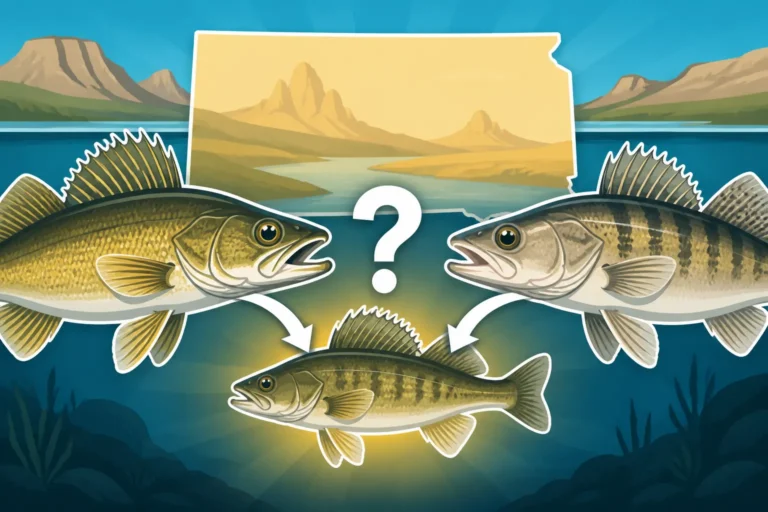
It's no secret that South Dakota is synonymous with walleye fishing. Our stretch of the Missouri River system, including Lake Oahe, Lake Sharpe, Lake Francis Case, and Lewis and Clark Lake, is legendary for producing these prized fish. The current state record walleye is a testament to the incredible forage base and vast waters of these reservoirs. Anglers spend countless hours honing their techniques, from trolling crankbaits to jigging minnows, all in pursuit of that elusive giant. If you want to learn more about targeting these fish, check out our South Dakota Walleye Fishing Guide.
Stories abound of anglers fighting immense walleye, sometimes taking over half an hour to bring them to the net. These fish aren't just big; they're smart, powerful, and often found in deeper, cooler waters, especially during the warmer months. Imagine the battle, the intense anticipation as you reel in what feels like a log, only for it to finally reveal itself as a truly colossal walleye. It's the stuff of legends, and why so many dedicated anglers flock to our waters, hoping to break the South Dakota Walleye World Record or at least get close. The sheer size of some of the fish that come out of these lakes can be truly astounding, and it's a constant reminder of the incredible fishery we have here.
Northern Pike: The Apex Predator of the Glacial Lakes
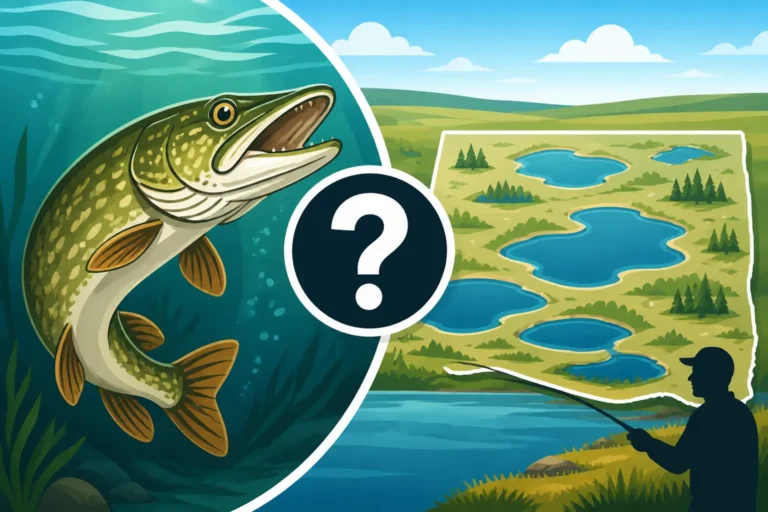
While walleye might be king in the reservoirs, northern pike wear the crown in many of South Dakota's glacial lakes, particularly in the northeastern part of the state. These aggressive, toothy predators grow to impressive sizes, often ambushing unsuspecting prey from weed beds or submerged structures. The state record northern pike is usually a beast of a fish, caught by anglers using heavy-duty gear designed to handle their ferocious strikes and powerful runs. Dive deeper into catching these giants with our South Dakota Northern Pike Fishing Guide.
The pursuit of a record northern pike often involves exploring shallow, weedy bays in lakes like Bitter Lake or Lake Poinsett, where these fish lay in wait. Anglers often employ large spoons, big jerkbaits, or even live sucker minnows to tempt these formidable predators. There's an undeniable adrenaline rush that comes with a pike strike – a sudden, violent tug that screams "big fish!" Many a story has been told about battling these freshwater barracudas, and the state record is a prime example of just how massive they can get in the right conditions. For those wondering about the true potential, exploring South Dakota Northern Pike Record Sizes will give you a good idea.
Smallmouth Bass: The Fighter of Rocky Structures
Smallmouth bass, often referred to as "bronzebacks" for their distinctive coloration, are renowned for their incredible fighting spirit, pound for pound. They thrive in clear, rocky waters, making them a popular target in the Missouri River reservoirs, especially around riprap and submerged rock piles. The state record smallmouth bass is a testament to the hard-hitting nature of this species, often caught on jigs, crankbaits, or soft plastics by anglers who love a good fight. If you’re looking to tangle with these feisty fish, our South Dakota Smallmouth Bass Fishing Guide has all the tips.
The thrill of smallmouth fishing often comes from their explosive strikes and acrobatic jumps once hooked. They don't just pull; they dance, they dive, and they try every trick in the book to throw the hook. Catching a record smallmouth requires both skill and patience, knowing exactly where these fish ambush their prey. Finding areas with significant rocky structure and current on bodies of water like Lake Sharpe or Lake Francis Case is key. The existing South Dakota Smallmouth Bass Record Sizes prove just how big these fighters can grow in our clear waters, providing an exciting challenge for any angler.
Chinook Salmon: The Lake Oahe Anomaly
One of South Dakota's more unique record categories belongs to the Chinook salmon, a species not native to our landlocked state but successfully stocked in Lake Oahe. These powerful, ocean-going fish adapt incredibly well to the deep, cold waters of Oahe, growing to impressive sizes before their annual spawning runs. The state record Chinook salmon is usually a magnificent specimen, often caught by dedicated trollers using specialized gear in the open waters of the lake. Learn more about pursuing these incredible fish in our South Dakota Chinook Salmon Fishing Guide.
Targeting Chinook salmon requires different tactics than most other South Dakota species. Anglers often use downriggers and planer boards to present spoons and flies at precise depths in the vast expanses of Lake Oahe. The fight of a Chinook is legendary—long, powerful runs that strip line from your reel, testing both angler and equipment. Catching one, let alone a record-sized one, is a truly memorable experience. While they might be an introduced species, the South Dakota Chinook Salmon Average Size and record potential make them a highly sought-after trophy. Many anglers find high-quality gear for salmon fishing on sites like Amazon, ensuring they have robust reels and lines to handle these hard-fighting fish.
Catfish: The Bottom Dwellers with Big Surprises
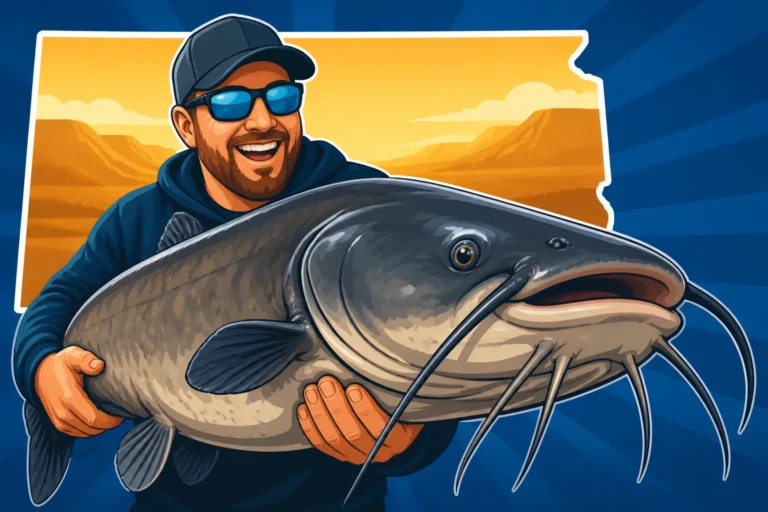
Often overlooked by those chasing walleye or bass, South Dakota's catfish species, particularly channel catfish and flathead catfish, can grow to truly gargantuan sizes. These powerful bottom-dwellers are abundant in the Missouri River and its tributaries, offering incredible fishing opportunities, especially at night. The state record catfish is typically a monstrous channel or flathead, caught by anglers using stout tackle and hearty baits like cut bait or prepared stink baits. Discover how to target these giants with our South Dakota Catfish Fishing Guide.
Catfish fishing is a game of patience and brute strength. Once hooked, a large catfish can put up an incredible fight, often using the current to their advantage and digging deep into the river bottom. Many anglers prefer to fish for them from shore or anchor their boats in key locations along the river. While they may not be the prettiest fish, the sheer size and pulling power of a record-class catfish are truly something to behold. The challenge and reward of landing one of these massive bottom-feeders makes them a popular target for many dedicated anglers across the state.
Trout: Black Hills Gems
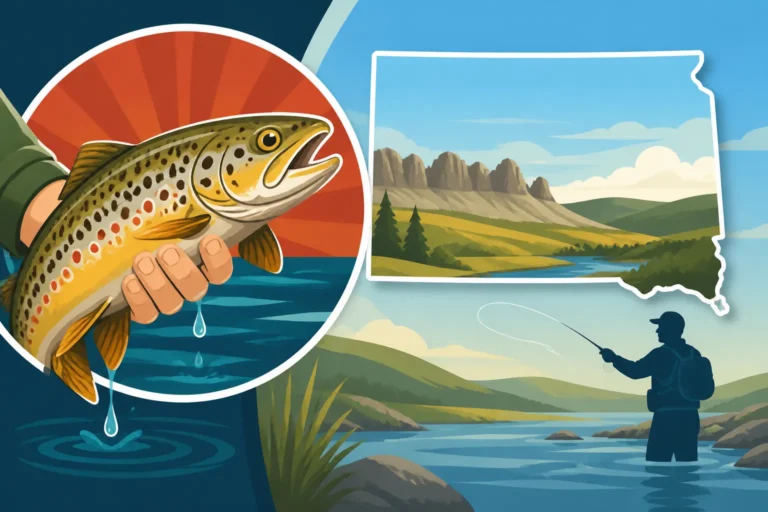
For those who prefer the tranquility of mountain streams and the delicate art of fly fishing, South Dakota's Black Hills offer some truly spectacular trout fishing. Rainbow, brown, and brook trout thrive in the cold, clear waters of Rapid Creek, Spearfish Creek, and others. The state record trout, often a brown trout, reflects the pristine conditions and abundant insect life found in these beautiful western South Dakota waters. Get all the details on how to fish for these beautiful fish in our South Dakota Trout Fishing Guide.
Catching a record trout often involves a keen eye, stealthy approach, and precise casting, especially when fly fishing. These fish are wary, and the clear water demands finesse. While they may not reach the same colossal weights as a walleye or pike, a record-sized trout from a Black Hills stream is a trophy of immense beauty and a testament to an angler's skill. Anglers seeking to land a significant trout will spend hours studying hatches and understanding the nuances of stream currents. They might even purchase specialized fly-fishing gear from retailers like Amazon, ensuring they have the right flies and leaders to tempt these wily fish.
The Process of Catching a Record Fish in South Dakota
Dreaming of a state record is one thing, but actually making it happen requires a combination of preparation, persistence, and a clear understanding of the rules. It's a journey that combines passion with practicality, culminating in a moment of truth at the weigh station.
Preparation: Gear, Knowledge, and Persistence
You can't catch a record fish if you're not prepared. This starts with your gear. Using tackle that is appropriately sized for the species you're targeting is crucial. You wouldn't use ultra-light gear for a record northern pike, just as you wouldn't use heavy saltwater tackle for delicate Black Hills trout. Think about the strength of your rod, the smoothness of your reel, and the breaking strength of your line. Investing in reliable equipment, perhaps from trusted outdoor retailers or online stores like Amazon, can make all the difference when that monster strikes.
Beyond the physical gear, knowledge is your most powerful tool. This means understanding fish behavior, migration patterns, preferred habitats, and feeding habits. It means reading fishing reports, studying contour maps of lakes, and even tracking weather patterns and moon phases. A truly dedicated record hunter becomes an amateur ichthyologist and meteorologist, constantly seeking an edge. And perhaps most importantly, persistence. Record fish aren't caught every day. It takes countless hours on the water, enduring blank days, frustrating misses, and challenging conditions, all for that one potential moment of glory.
Verification: The Steps to Official Recognition
Let's say you've done it – you've landed what you believe is a state record fish. Congratulations! But the journey isn't over. Now comes the critical step of official verification. The South Dakota GFP has a specific protocol that must be followed to ensure the legitimacy of the catch. Typically, this involves several key actions taken immediately after the catch:
- Don't release it immediately: While catch-and-release is commendable, if you suspect a state record, the fish must be kept for official weigh-in.
- Find a certified scale: This is paramount. The fish must be weighed on a scale that has been certified by a recognized authority, often found at bait shops, grocery stores, or official wildlife offices. The scale must be able to accurately measure down to fractions of an ounce.
- Find witnesses: Having at least two impartial witnesses, who are not part of your immediate fishing party, present during the weigh-in process can add significant credibility to your claim.
- Take clear photos: Document the catch with high-quality photographs from multiple angles. Include photos of the fish with the angler, alongside a ruler for length, and on the certified scale with the weight clearly visible.
- Contact GFP immediately: As soon as possible, contact the South Dakota Department of Game, Fish and Parks. They will guide you through the official application process and may require a fisheries biologist to inspect and identify the species. This step is non-negotiable for formal recognition.
Remember, every step is crucial. Missing one detail could disqualify your catch. It's a rigorous process, but it's what ensures the integrity of the South Dakota Trophy Fish Award Program and the state record list.
Ethics and Conservation for Record Seekers
While the pursuit of a state record is exciting, it's vital to always prioritize ethical angling practices and conservation. A record fish is a valuable part of our natural heritage, and responsible angling ensures the health of our fisheries for future generations. This means adhering strictly to all South Dakota Fishing Regulations Explained and limits, even when you're caught up in the excitement of a potential record.
For instance, if you're fishing in a "catch and release" area, or if the fish is clearly not a record and could be released unharmed, always make the ethical choice. If you do keep a fish for a record claim, ensure it's handled respectfully and quickly processed for verification to minimize stress and ensure its quality. The goal is to celebrate the exceptional fish, not to endanger the population or disregard conservation principles. Responsible record-seeking demonstrates true sportsmanship and respect for the resource, something every South Dakota angler should strive for.
Common Questions About State Records
As a veteran lifestyle blogger, I get a lot of questions about this topic! It’s understandable to have lingering thoughts when you’re chasing something as big as a state record. Let's tackle some of the most common ones that come up.
Do I Need a Special License to Catch a Record?
This is a question I hear quite often, and the answer is usually straightforward: no, you don't typically need a special license specifically for catching a record fish in South Dakota. What you do need is a valid, current South Dakota fishing license that covers the waters you are fishing and your residency status. Whether you hold a South Dakota Resident Fishing License Options or a South Dakota Nonresident Fishing License Options, as long as it's valid, you're good to go.
The critical thing is to ensure you are legally licensed to fish. The moment you step onto the water, or even fish from shore, you must possess the appropriate license. Catching a record fish without one would be a serious violation and would immediately disqualify your catch from any official recognition, not to mention incurring potential fines. Always double-check your license expiration date and make sure you've purchased any necessary stamps, like the South Dakota Habitat Stamp Explained, before heading out. It’s better to be overly prepared than to miss out on a once-in-a-lifetime opportunity due to a technicality.
What If I Catch a Record but Release It?
This is a truly admirable dilemma, and it speaks to the evolving ethics of modern angling. Many anglers these days prioritize the health of the fish and the continuation of strong genetic strains, choosing to release even truly massive fish. If you catch what you believe is a state record, but you choose to release it, it will not be recognized as an official state record for weight. The current system for weight records requires the fish to be weighed on a certified scale, which means it must be kept.
However, South Dakota, like many states, often has "trophy" or "master angler" programs that recognize exceptional catches based on length, which allows for immediate release. While these aren't the official "state records" for weight, they still offer a prestigious way to acknowledge your impressive catch while ensuring the fish's survival. For example, the South Dakota Trophy Fish Award Program recognizes significant catches based on length and species, allowing anglers to submit photos and measurements for certificates and pins. It's a fantastic compromise for those who want to celebrate their catch and practice conservation. So, you can still gain recognition, just perhaps not the traditional "weight record."
How Often Do Records Get Broken?
This is a fun question because it highlights the dynamic nature of fishing! State records in South Dakota aren't broken every year, but they do change periodically. Some records might stand for decades, testament to truly exceptional catches or species that simply don't grow much larger in our waters. Others might see more frequent updates, especially if there are significant changes in fish management, environmental conditions, or increased angling pressure on a particular species.
For instance, a new record might emerge if a lake undergoes a highly successful stocking program, or if new fishing techniques allow anglers to target fish in previously inaccessible areas. Sometimes, a record can be broken multiple times in a relatively short period, while other species' records seem untouchable. It's truly unpredictable, which is part of the excitement. Each time a record is broken, it creates a new benchmark and inspires more anglers to get out there and try to best it. It serves as a living history of the giants that swim in South Dakota's waters, constantly challenging us to see what's possible.
Disclaimer
This article is for general informational purposes only and does not constitute professional advice. Laws, prices and regulations vary by location and change over time. Consult a qualified professional for guidance on your specific situation.