South Dakota Northern Pike Record Sizes
There's nothing quite like the rush of a northern pike hitting your line, especially when it feels like a true monster on the other end. For many anglers, the dream isn't just to catch a pike, but to land one of truly epic proportions – a fish that pushes the boundaries of what's possible, perhaps even flirting with state record status. This guide dives deep into the world of South Dakota's trophy northern pike, exploring what makes these fish so sought after, the current record holders, and how you might just land your own personal best.
The Allure of South Dakota's Northern Pike
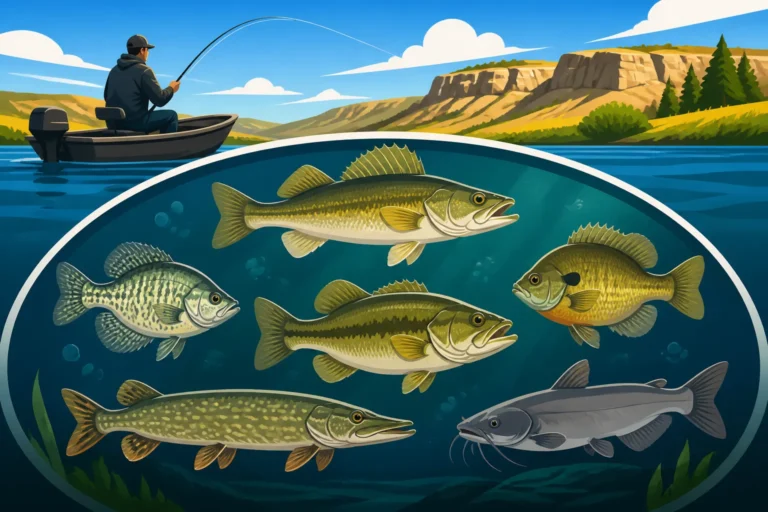
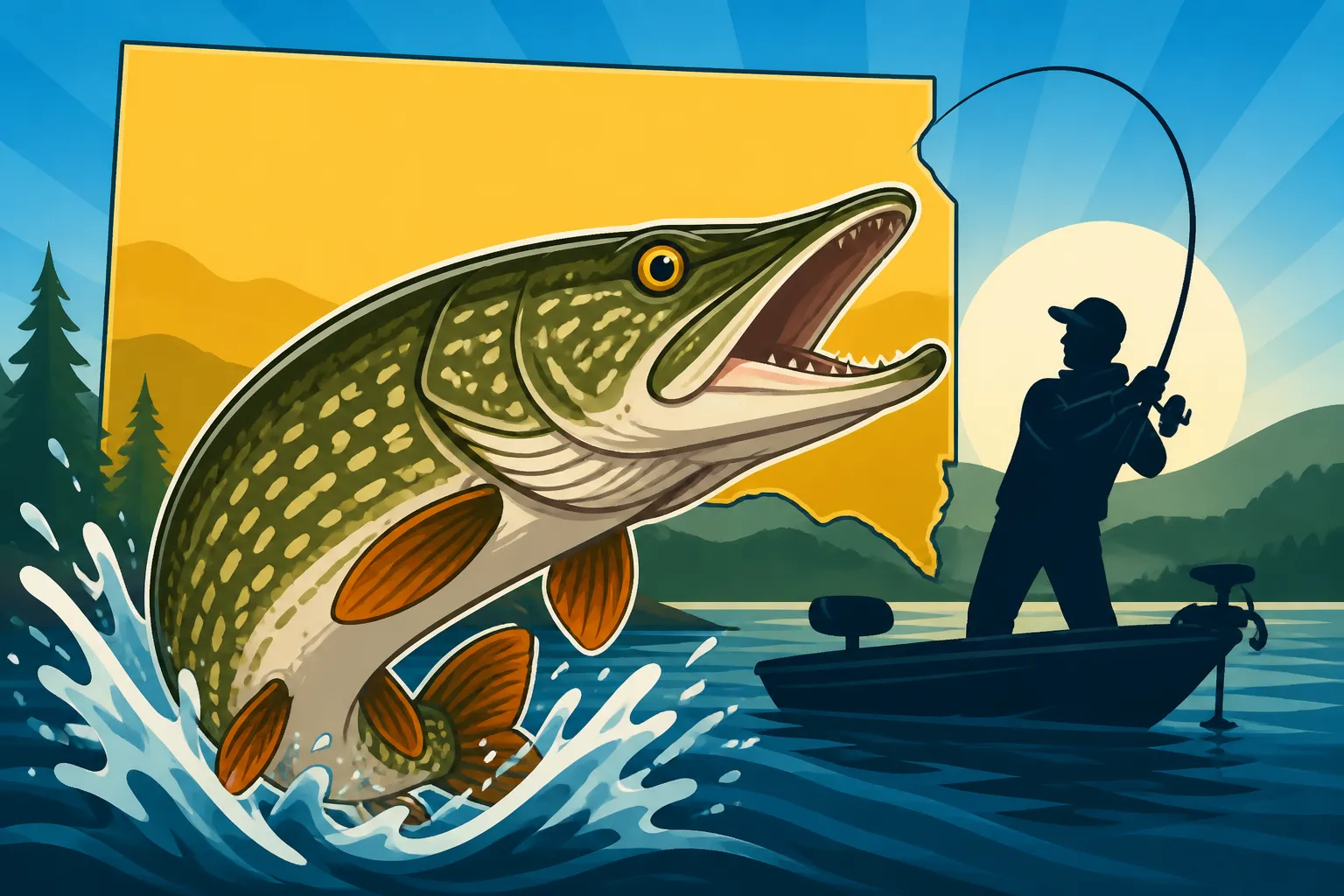
Northern pike, with their sleek, torpedo-shaped bodies and rows of razor-sharp teeth, are apex predators in South Dakota's waters. They embody the wild spirit of the chase, offering an exhilarating challenge to anyone who dares to pursue them. From the expansive Missouri River reservoirs to the quieter glacial lakes of the east, these toothy critters command respect and offer incredible fishing opportunities.
Understanding Pike Habitat and Behavior
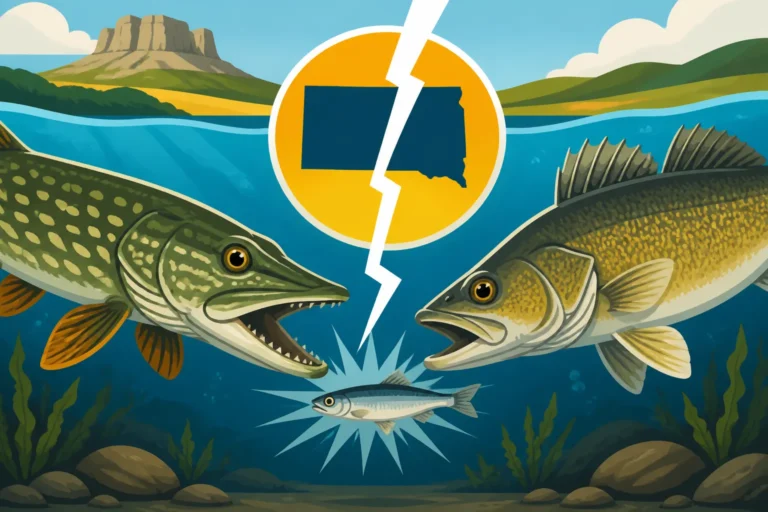
Pike are ambush predators, meaning they love to lurk in areas where they can surprise their prey. This often means finding them near significant cover like dense weed beds, submerged timber, or sharp drop-offs where baitfish congregate. In larger bodies of water, they might patrol open-water structures or cruise the edges of channels. Understanding these patterns is key to locating them, especially when you're after a larger specimen. Their diet is varied, consisting primarily of smaller fish, but they're opportunistic and will strike at just about anything that looks like an easy meal. This aggressive nature is what makes pike fishing so exciting.
During different seasons, their preferred depths and locations can shift dramatically. In spring, after the ice recedes, they're often found in shallower, warming bays. As summer progresses, they might retreat to deeper, cooler waters or remain active in areas with good cover and oxygen. Fall brings a renewed feeding frenzy as they bulk up for winter, often moving back to shallower structures. And yes, they're even active under the ice, providing a thrilling challenge for ice anglers. You'll find them widely distributed, with many lakes and rivers supporting healthy populations. Are Northern Pike Found in Most South Dakota Lakes? can give you a better idea of their distribution.
The Challenge of a True Trophy
Catching a "trophy" northern pike is a goal for many, but what exactly defines a trophy? For some, it's a fish over a certain length – say, 35 or 40 inches. For others, it's about the sheer girth and weight, indicating a truly old and robust fish. These larger pike are often solitary and incredibly cunning, making them a formidable adversary. They've survived countless seasons, evaded other predators, and seen every lure in the book. This makes landing one an even greater accomplishment. The sheer power of a big pike, especially in a fighting run, is something every angler remembers. Their incredible strength and often acrobatic displays are why many anglers dedicate their time specifically to pursuing these giants.
South Dakota's Official Northern Pike Record
Every state has its legends, and in South Dakota, the northern pike record is a story etched in angling history. While personal bests are celebrated, there's a unique reverence for the fish that has officially claimed the title of the largest ever recorded in the state.
The Current State Record Northern Pike
South Dakota proudly boasts a state record northern pike that is truly a fish of a lifetime. The current record for northern pike in South Dakota stands at an impressive 36 pounds, 8 ounces. This monumental fish was caught way back in 1993, by angler Leroy Schultze, on Lake Sharpe. Imagine the excitement and the battle that must have ensued when that behemoth hit the line! It's a weight that sets a high bar for any aspiring record breaker, representing decades of growth and survival in the rich waters of Lake Sharpe. This record has stood the test of time, a testament to the incredible potential of South Dakota's fisheries.
Such a record-setting fish isn't just about luck; it often represents a culmination of skill, persistence, and being in the right place at the right time. Anglers who pursue these giants typically spend countless hours studying patterns, experimenting with baits, and meticulously planning their trips. The moment of truth, when such a powerful fish is hooked, is often described as an unforgettable test of strength and strategy. For a broader look at other state records, you can check out South Dakota State Fish Record List.
Historic vs. Modern Records
It's fascinating to look at how fish records evolve. While the 1993 record for northern pike is incredibly stout, it represents a snapshot in time. Fisheries change, water levels fluctuate, and forage bases can shift, all impacting the potential for fish growth. Older records often spark debate about whether conditions were simply different "back then" or if modern angling pressure and techniques have made such giants rarer.
However, the continued health of South Dakota's pike populations means that the possibility of breaking such a long-standing record is always there. New techniques, improved gear, and a deeper understanding of fish behavior might just be the key for a future angler to etch their name in the record books. The pursuit is what truly drives many of us, even if the record has remained unbroken for decades.
Strategies for Catching Record-Sized Pike
Landing a pike of record proportions isn't just about luck; it's a blend of strategic planning, understanding fish behavior, and using the right tools for the job. You need to think like a predator to catch one.
Targeting Big Pike: Techniques and Baits
Big pike are smart. They didn't get big by being easy to catch. This means you often need to adjust your approach from standard pike fishing.
When the water is open, trolling can be incredibly effective, especially on large reservoirs like Lake Sharpe or Lake Oahe. Using large crankbaits or swimbaits that imitate the forage fish in the area – think big perch, shad, or even smaller walleye – can entice those dominant, territorial pike. Varying your speed and depth is crucial. Sometimes a slow, steady retrieve triggers a strike, while other times a sudden burst of speed can provoke a reaction. The key is to cover a lot of water and present a substantial meal. Trolling for Walleye on Lake Oahe offers some insights into trolling which can be adapted for pike with larger lures.
Casting is another prime method, particularly when targeting known pike haunts like significant weed edges, rock piles, or submerged islands. Large spoons, spinnerbaits, and soft plastic jerkbaits rigged weedless are excellent choices. Don't be afraid to go big; a 6-inch or even 8-inch lure isn't too large for a truly big pike. Many anglers find a wide array of specialized pike lures and heavy-duty tackle on Amazon, making it easy to experiment with different sizes and colors. The retrieve should often be erratic, mimicking a wounded baitfish, with pauses that allow the lure to flutter enticingly. Focus on areas where baitfish might be seeking refuge or food, as that's where the pike will be waiting. For some specific tactical advice, Northern Pike Fishing Techniques for Weed Lines can offer more detailed guidance.
| Technique | Recommended Lure Types | Best Seasons | Key Considerations |
|---|---|---|---|
| Trolling | Large crankbaits, swimbaits, large spoons | Spring, Summer, Fall | Cover water, vary speed/depth, match forage |
| Casting | Large spoons, spinnerbaits, soft plastic jerkbaits | Spring, Summer, Fall | Target structure, erratic retrieve, go big |
| Jigging (Ice) | Large spoons, soft plastics with heavy jigs, dead bait under tip-ups | Winter | Locate deep structure/drop-offs, use scent |
| Dead Bait (Open Water) | Large suckers, ciscoes, shiners | Fall, Winter | Patience, use quick strike rigs, fish near cover |
Essential Gear for Trophy Pike
You can't bring a knife to a gunfight, and you certainly can't expect to land a 30-pound pike with light panfish gear. Heavy-duty equipment is non-negotiable.
First, your rod and reel setup. A stout, medium-heavy to heavy power rod, typically 7 to 9 feet long, is ideal. This gives you the backbone to cast large lures and enough leverage to turn a powerful fish. Pair it with a robust baitcasting or spinning reel spooled with strong braided line, often in the 30-65 lb test range. Braided line offers excellent sensitivity and strength, crucial when a pike makes a sudden run towards cover. A fluorocarbon or heavy monofilament leader (50-100 lb test) is absolutely essential to prevent those sharp teeth from severing your line. Pike have incredibly strong jaws and teeth, so leader material strength is paramount.
Beyond the rod and reel, a few other items are critical. A large, long-handled landing net with rubberized mesh is highly recommended for safely landing and handling big pike without damaging their scales or fins. Landing nets designed for muskie or big northern pike can be found on Amazon. Investing in a high-quality bump board and scale, easily found on Amazon, is a smart move if you're serious about accurately measuring and weighing your catch for potential record consideration or simply for bragging rights. Always have long-nosed pliers or jaw spreaders for safe hook removal, as pike teeth are no joke. Many anglers also find robust fishing gloves and long-nosed pliers on Amazon to be invaluable for both safety and handling.
Prime Locations for Giant Pike in South Dakota
While pike are widespread, certain waters consistently produce larger fish. The Missouri River reservoirs – Lake Oahe, Lake Sharpe, Lake Francis Case, and Lewis and Clark Lake – are legendary for their pike populations. The vastness of these lakes, combined with their abundant forage base, allows pike to grow to impressive sizes. Look for large bays, river arms, and areas with submerged structures like old roadbeds or timber.
Further east, some of the larger glacial lakes, such as Lake Kampeska, Bitter Lake, and Lake Poinsett, also hold very respectable pike. These lakes often have extensive weed lines and shallow bays perfect for ambush predators. Don't forget the lesser-known sloughs and smaller lakes; sometimes these hidden gems can hold unsuspected giants, especially if they have a good food source and limited fishing pressure. Finding Where to Fish for Northern Pike in South Dakota or exploring Best Lakes for Northern Pike Near Watertown can provide more specific guidance on promising locations. Remember to consult the South Dakota Fishing Regulations Explained for any specific rules or limits regarding pike in your chosen fishing spot, as regulations can vary.
Beyond the State Record: Local Records and Recognition
While setting a new state record is the ultimate dream for some, it's not the only way to celebrate an exceptional catch. South Dakota offers other ways to recognize truly impressive northern pike, fostering a sense of accomplishment for anglers who land the kind of fish most only dream about.
The South Dakota Master Angler Program
For those who regularly catch fish that are well above average, but perhaps not quite state record breakers, the South Dakota Master Angler Program is a fantastic way to gain recognition. This program celebrates anglers who catch fish exceeding specific minimum length or weight requirements for various species, including northern pike. It's a way to acknowledge skill, dedication, and the sheer joy of landing a magnificent fish.
To qualify for a Master Angler award, you typically need to catch a fish that meets or exceeds the set minimums and then submit an application with proper documentation, which usually includes a photo and measurements. It’s an honor to receive this designation and a great way to commemorate a truly memorable fishing experience. Participating in the program encourages anglers to appreciate the quality of their catches and contribute to the understanding of trophy fish populations. Check out South Dakota Trophy Fish Award Program for detailed requirements and how to apply.
Personal Bests and Local Bragging Rights
Even if a fish doesn't qualify for a Master Angler award or come close to a state record, landing your own "personal best" is a huge achievement. That 40-inch pike you caught on Lake Oahe, or the chunky 15-pounder from a small glacial lake, might be the biggest fish of its kind you've ever battled. These personal milestones are incredibly important, often marking improvements in skill, knowledge, or simply a lucky day on the water.
Sharing these stories with fellow anglers, whether at the local bait shop, around a campfire, or on online forums, is part of the joy of fishing. These local bragging rights are what often fuel the next adventure, pushing us to explore new waters and refine our techniques. It’s about the journey and the memory, not just the numbers in a record book. Every angler has that one fish story that gets told again and again, and often, it's a magnificent northern pike that takes center stage.
Conservation and Ethical Angling for Pike
With the thrill of catching a trophy pike comes the responsibility of ensuring these magnificent fish continue to thrive for future generations. Ethical angling practices are paramount, especially when targeting larger, older fish that are crucial for a healthy fishery.
Importance of Catch and Release for Large Pike
Large northern pike, particularly the females, are incredibly important for the overall health and genetic diversity of the pike population. They are the primary spawners, capable of laying hundreds of thousands of eggs, contributing significantly to the next generation of fish. When a truly massive pike is caught, especially one that doesn't approach a state record, considering catch and release is a highly recommended practice.
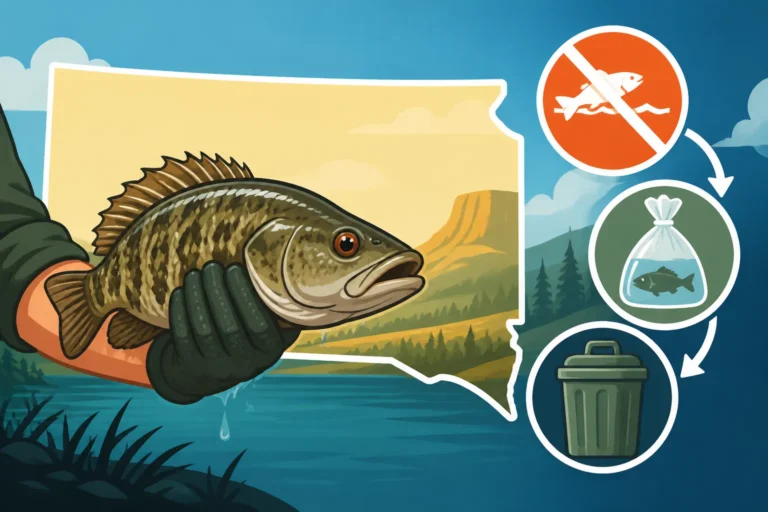
Proper handling is key to a successful release. Always try to minimize the fish's time out of water. Use a large, rubberized net to secure the fish, or, if wading, try to keep it in the water while unhooking. Support the fish horizontally, especially large ones, to avoid damaging internal organs or the spine. Avoid gripping the fish by the eye sockets or gill plates. Instead, use a firm grip on the lower jaw (with proper tools or a glove) and support the belly. If you're going to take a photo, do so quickly and efficiently, then get the fish back into the water. Revive it gently, pointing its head into any current, until it swims away under its own power. This commitment to conservation helps sustain the impressive pike fisheries that South Dakota offers.
Responsible Fishing Practices
Beyond catch and release, there are other responsible fishing practices that contribute to a healthy pike population. Adhering strictly to South Dakota Northern Pike Limits is non-negotiable. These limits are set by wildlife agencies to ensure sustainable harvest and protect the fish population from overfishing. Knowing and respecting these limits is every angler's duty.
Another important aspect is preventing the spread of aquatic invasive species. Always clean, drain, and dry your boat and gear after each outing. This simple act helps prevent the transfer of unwanted plants, animals, and diseases between water bodies. Also, never illegally introduce fish or bait into new waters, as this can severely disrupt the existing ecosystem. By following these guidelines, we all play a part in preserving the natural beauty and abundant fishing opportunities of South Dakota's waters.
Disclaimer
This article is for general informational purposes only and does not constitute professional advice. Laws, prices and regulations vary by location and change over time. Consult a qualified professional for guidance on your specific situation.