What a Wiper Fish Is
Have you ever been out on a South Dakota lake, reeling in a fish that fights like crazy, looks kind of like a white bass but bigger, and leaves you scratching your head about exactly what you’ve caught? You’re not alone! Many anglers encounter the exciting, yet sometimes confusing, wiper fish. This guide is here to demystify this powerful hybrid, explaining what it is, why it's such a blast to catch, and where you can find these hard-fighting beauties in our great state.
Understanding the Wiper Fish: A Unique Hybrid
The world of fishing is full of surprises, and one of the most exciting additions to many inland fisheries is the wiper. These aren't just another native species; they're a deliberate creation, a hybrid marvel that combines the best fighting qualities of two distinct bass species. If you’ve heard the name but aren’t quite sure what it means for your fishing adventures, you're in the right place. Wipers are a true game-changer for many anglers, offering a unique challenge and a powerful fight that sets them apart.
What Exactly is a Wiper?
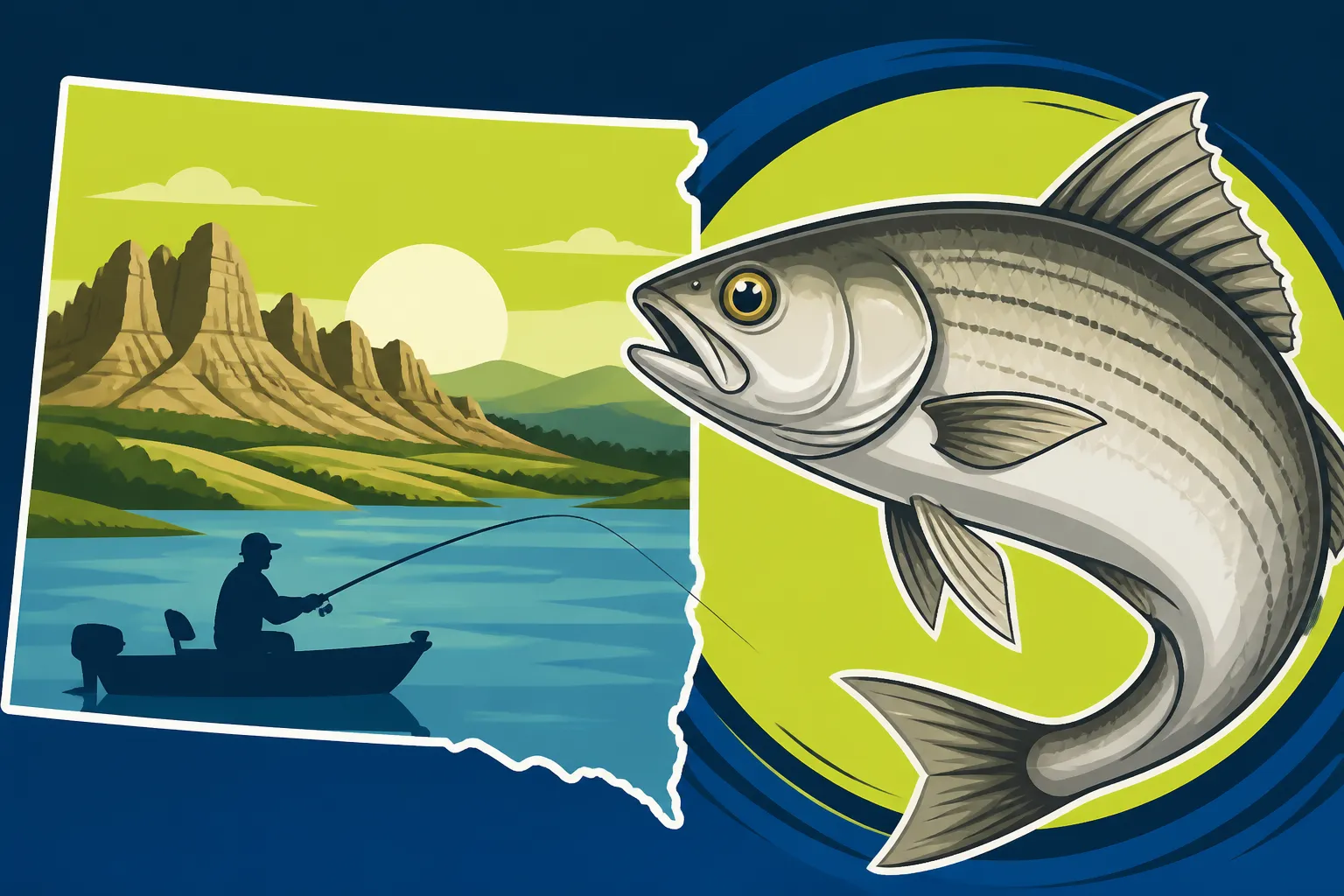
A wiper fish is a hybrid cross between a white bass and a striped bass. Often referred to simply as a "hybrid stripers" or "wipers," these fish are typically stocked by state wildlife agencies to create a robust sport fishery in reservoirs and larger lakes where neither parent species thrives optimally on its own, or where they want to add a new, hard-fighting species to the ecosystem. They are almost always sterile, meaning they cannot reproduce naturally, which allows fisheries managers to control their populations and stocking rates precisely, ensuring a consistent fishing experience for anglers year after year. This careful management is one of the reasons wipers are such a valuable asset to South Dakota's diverse fishing opportunities.
The creation of wiper hybrids isn't a new concept, but it's one that has gained significant traction over the decades due to the incredible success these fish have shown. They grow larger and faster than a pure white bass, and are often more tolerant of various water conditions than a pure striped bass, making them perfect for many of our impounded waters. Anglers appreciate their aggressive nature and the sheer strength they display when hooked, often making long, powerful runs that will test your drag and your patience. If you're looking to understand more about some of the species you might encounter, check out our Fish Identification for Beginners guide.
The Parent Species: White Bass and Striped Bass
To truly understand a wiper, you need to know a little about its parents. The white bass (Morone chrysops) is a smaller, schooling fish common in many South Dakota waters, especially the Missouri River reservoirs. They are known for their aggressive schooling behavior, often creating "boils" on the surface as they chase baitfish. White bass are fun to catch, often found in large numbers, and provide consistent action, though they don't typically grow very large. They’re a fantastic entry-level fish for new anglers and a great way to fill a cooler.
The other parent is the striped bass (Morone saxatilis), often called a "striper." These are powerful, migratory, anadromous fish (meaning they live in saltwater and spawn in freshwater) found primarily along the Atlantic coast, though landlocked populations exist in some large reservoirs across the country. Striped bass grow to immense sizes, can live for many years, and are renowned for their incredible fighting ability. However, they require very specific conditions, including vast open water and cooler temperatures, which aren't always available in many inland reservoirs. South Dakota does not have native striped bass populations, though landlocked versions have been stocked in some other states. You might be curious, Are Striped Bass Found in South Dakota?, and the answer, for practical purposes, is not in their pure form.
By combining the prolific nature and schooling tendencies of the white bass with the size, strength, and predatory instinct of the striped bass, fisheries biologists created the wiper: a fish that offers the best of both worlds. They inherit the schooling behavior and aggressive feeding habits of the white bass, making them somewhat predictable to locate, while gaining the brute strength and larger size potential of the striped bass. This genetic blend makes them a unique and highly sought-after sport fish.
Why Wipers are So Popular with Anglers
Wipers have quickly become a favorite among anglers for a multitude of reasons. First and foremost is their incredible fighting prowess. When you hook into a wiper, especially a larger one, be prepared for a battle! They pull hard, make strong runs, and often won't give up until they're boatside. This powerful fight provides an exhilarating experience, often compared to catching smallmouth bass or even miniature tuna. Many anglers find the challenge and excitement of landing a big wiper to be far superior to that of other species of similar size.
Secondly, wipers are voracious eaters and opportunistic predators. They primarily feed on baitfish, often chasing schools of shad or other small fish into frenzies, which can create exciting topwater action. This aggressive feeding makes them susceptible to a wide variety of lures and baits, which we'll get into shortly. Finding a school of feeding wipers can lead to non-stop action, often allowing anglers to catch multiple fish in a short amount of time. If you're on the hunt for other exciting species, you might be interested in our South Dakota White Bass Fishing guide, as you'll often find them in similar areas.
Finally, wipers grow to a respectable size, offering a good amount of delicious, firm white meat. While not as universally praised as walleye for table fare, many anglers enjoy eating wipers, especially when prepared fresh. Their popularity contributes significantly to local economies, as anglers flock to lakes known for good wiper populations, leading to increased tackle sales at local shops and even online retailers like Amazon, where you can find a huge selection of lures and gear tailored for these fish.
Identifying South Dakota's Wipers and Their Habitat
One of the first challenges anglers face when targeting wipers, or even just encountering them, is distinguishing them from their parent species, particularly the white bass. While wipers share many similarities with both parents, they also possess unique characteristics that, once you know what to look for, make them fairly easy to identify. Knowing how to spot a wiper and understanding their preferred hangouts will greatly improve your chances of success.
Key Characteristics for Identification
The easiest way to tell a wiper from a pure white bass or even a pure striper (if you were ever to encounter one) is by examining its stripes and body shape.
Here’s a breakdown of what to look for:
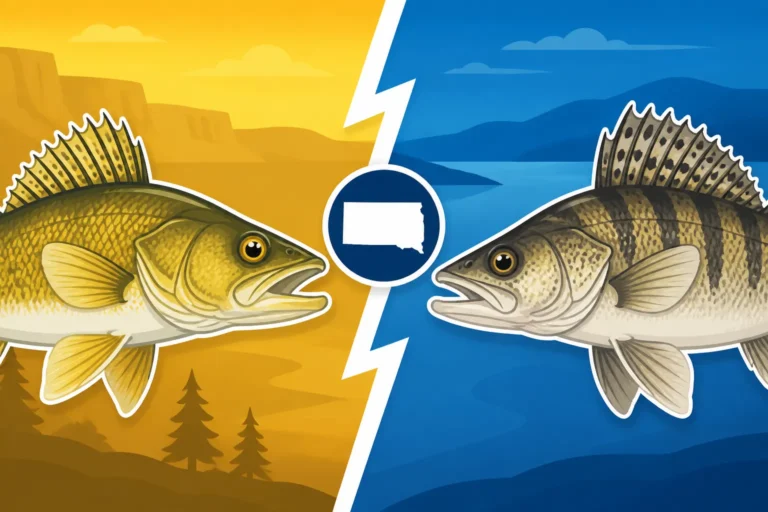
- Stripes: This is the most telling feature. White bass typically have faint, broken lateral stripes, and only one stripe extends all the way to the tail. Striped bass have solid, unbroken stripes that run the entire length of their body. Wipers, however, almost always have broken or interrupted lateral stripes, particularly below the lateral line. The most distinctive characteristic is often one or more stripes that are visibly broken and offset, resembling a dashed line rather than a solid one.
- Body Shape: Wipers tend to be much thicker and deeper-bodied than white bass of similar length, giving them a more powerful, torpedo-like appearance. While they don't get as large as true ocean-run striped bass, they grow significantly bigger than a typical white bass.
- Dorsal Fins: Both white bass and striped bass (and thus wipers) have two dorsal fins, but on a white bass, the first and second dorsal fins are usually completely separate. On a wiper, these fins are often connected at the base, or very nearly so.
- Tooth Patch on Tongue: This is a more advanced identification method but very reliable. A white bass has a single tooth patch on its tongue. A striped bass has two distinct tooth patches. A wiper, being a hybrid, will typically have two distinct tooth patches on its tongue, much like a striped bass.
Here’s a quick comparison table:
| Feature | White Bass | Striped Bass | Wiper (Hybrid Striper) |
|---|---|---|---|
| Lateral Stripes | Faint, broken, usually 1-2 reaching tail | Solid, unbroken, multiple reaching tail | Broken and interrupted, especially below lateral line |
| Body Shape | Slender, elongated | Large, robust | Deep-bodied, robust, powerful |
| Dorsal Fins | Two distinct fins | Two distinct fins | Often connected at base |
| Tooth Patches on Tongue | Single patch | Two distinct patches | Two distinct patches |
When you're out fishing, take a moment to look at your catch closely. You'll soon become adept at telling the difference.
Where to Find Wipers in South Dakota
South Dakota is blessed with an abundance of excellent fishing waters, and several of our larger reservoirs and lakes are prime locations for finding wipers. The main stretch of the Missouri River reservoirs – Lake Oahe, Lake Sharpe, Lake Francis Case, and Lewis and Clark Lake – are perhaps the most famous. These vast impoundments provide the perfect habitat for wipers, with deep, open water and abundant forage fish like gizzard shad. Wipers are typically stocked in these systems to provide a diverse angling opportunity, complementing our famous walleye fisheries.
Beyond the Missouri River system, wipers can also be found in other larger lakes that have been strategically stocked. These might include some of the glacial lakes in eastern South Dakota, provided they have the necessary depth, forage, and water quality to support them. Fisheries biologists carefully monitor these populations and decide where stocking will be most beneficial for anglers. They often prefer areas with good current, such as around dam discharges or constrictions in the reservoir, as well as open water where they can chase baitfish. Keep an eye on local fishing reports and the South Dakota Game, Fish and Parks website for specific stocking information in your area. South Dakota Fishing Seasons Explained can give you an idea of when to plan your trips.
Wiper Behavior and Feeding Patterns
Wipers are highly predatory fish, and their behavior often revolves around locating and ambushing schools of baitfish. They are known to be quite nomadic, roaming large sections of a reservoir in pursuit of food. This means that finding them often involves covering a lot of water. However, once you locate a school of actively feeding wipers, the action can be fast and furious. They are opportunistic feeders, meaning they'll readily strike at anything that resembles a distressed baitfish.
You'll often find wipers congregating around underwater structures such as humps, points, ledges, and channel edges, particularly if these features are near schools of baitfish. They also frequently follow current breaks, waiting for unsuspecting prey to be swept by. Early mornings and late evenings are often prime feeding times, especially during the warmer months, when they might push baitfish to the surface, creating visible "boils" or "blowups" where you can see the water churning with activity. During the heat of the day, they might retreat to deeper, cooler water. Understanding these patterns is key to successful wiper fishing, much like understanding the diet of other popular species, which you can learn about in South Dakota Fish Species Diet by Season.
Fishing for Wipers: Techniques and Tackle
Now that you know what a wiper is and where to find them, let's talk about the fun part: catching them! Wipers are powerful fighters that demand a strong presentation and robust gear. They're not particularly shy when they're on the bite, but presenting the right lure or bait in the right way can make all the difference between a few sporadic catches and a truly memorable day on the water.
Top Techniques for Catching Wipers
Because wipers are aggressive predators that often school and chase baitfish, several techniques prove consistently effective:
- Casting Lures to Feeding Schools: This is perhaps the most exciting way to catch wipers. If you see signs of active feeding – birds diving, fish splashing on the surface, or baitfish jumping – cast a fast-moving lure right into the commotion. Spoons, crankbaits, or topwater plugs can all be incredibly effective. The key is to get your lure in front of them quickly and work it aggressively to mimic a fleeing baitfish. Sometimes, you don't even need to see them breaking the surface; a good fish finder can show you schools of baitfish with wipers lurking underneath, especially in open water.
- Trolling: When wipers aren't actively breaking the surface, trolling is an excellent way to cover water and find them. Using deep-diving crankbaits or spoons that imitate shad at varying depths can be very productive. Adjust your trolling speed until you find what triggers bites. Wipers often respond well to erratic movements, so occasionally changing your boat's speed or making sharp turns can entice strikes. Pay attention to your fish finder for bait balls and structure that might hold fish.
- Vertical Jigging: If you mark wipers holding tight to structure or suspended in deeper water, vertical jigging can be a deadly technique. Heavy spoons, blade baits, or even large soft plastic jigs dropped directly onto the fish can trigger a reaction strike. This is particularly effective when fish are somewhat lethargic or concentrated in a specific area. A good quality fish finder is almost essential for precise vertical jigging.
- Live Bait Fishing: While artificial lures are highly effective, live bait can also be a game-changer, especially for larger, more wary wipers. Shad, shiners, or large minnows fished under a bobber or on a bottom rig can be irresistible. Consider using a slip bobber rig in areas where you know fish are suspended at a specific depth. This technique can be slower, but it often accounts for some of the biggest wipers of the day.
Remember that wipers often travel in schools, so where you catch one, there are likely more. If the action slows down, don't be afraid to move and search for the next school!
Recommended Gear and Lures
Given the powerful fighting nature of wipers, your tackle needs to be up to the task.
- Rods and Reels: A medium-heavy to heavy action spinning or baitcasting rod, typically 6'6" to 7'6" in length, will provide the backbone needed to handle these fish. Pair it with a sturdy reel spooled with 15-30 lb braided line, topped with a 15-20 lb fluorocarbon leader. The braid offers excellent sensitivity and hook-setting power, while the fluorocarbon leader provides stealth in clear water and abrasion resistance. Many anglers find durable setups that can be ordered from Amazon to be excellent choices for this kind of fishing.
- Lures: The best lures for wipers imitate their primary forage: shad and other baitfish.
- Crankbaits: Deep-diving crankbaits are fantastic for trolling and casting to submerged structure. Look for colors that mimic baitfish like silver, blue, chrome, or even chartreuse.
- Spoons: Casting spoons (e.g., Kastmasters, Little Cleos) are excellent for distance casting to schooling fish. Vertical jigging spoons are also very effective when fish are deep.
- Topwater Plugs: Poppers, walk-the-dog baits, and chuggers provide exhilarating surface strikes when wipers are busting bait on top.
- Soft Plastics/Swimbaits: Larger paddle tail swimbaits rigged on heavy jig heads can imitate baitfish effectively, especially when retrieved steadily or bounced along the bottom.
- Blade Baits: These vibrating lures are fantastic for vertical jigging and casting, producing a lot of flash and vibration that can trigger reaction strikes.
- Other Essentials: Don't forget a good pair of pliers for hook removal, a sturdy landing net to secure your catch, and a cooler with ice if you plan on keeping some for dinner. For a comprehensive list of what to bring, check out our South Dakota Fishing Gear Checklist.
Seasonal Considerations for Wiper Fishing
Wiper fishing in South Dakota can be productive throughout the open water season, but their behavior changes with water temperature and time of year.
- Spring: As water temperatures begin to rise, wipers become very active. They'll often be found in shallower bays and flats, following baitfish that are moving up. This can be a great time for casting crankbaits and swimbaits.
- Summer: During the heat of summer, wipers often move to deeper, cooler water during the day, holding around main lake points, humps, and submerged river channels. Early morning and late evening topwater action can be incredible. Trolling deep-diving crankbaits or vertical jigging are prime techniques during the brighter parts of the day.
- Fall: Fall can be one of the best times to target wipers. As water temperatures cool, they go on a feeding frenzy to bulk up for winter. They'll aggressively chase baitfish, often making them easier to locate as they push schools to the surface. Trolling and casting spoons or crankbaits remain highly effective. This is often the time when anglers catch their biggest wipers of the year.
While wipers are not typically targeted during the ice fishing season in South Dakota, some anglers might catch them incidentally while pursuing other species through the ice, especially in shallower areas of larger reservoirs. However, they are predominantly an open-water sport fish.
Disclaimer
This article is for general informational purposes only and does not constitute professional advice. Laws, prices and regulations vary by location and change over time. Consult a qualified professional for guidance on your specific situation.