South Dakota Fishing Seasons Explained
One of the biggest head-scratchers for anyone looking to cast a line in South Dakota, whether you're a seasoned local or a wide-eyed visitor, is trying to decipher the "fishing season." It's not always as simple as opening day and closing day, and the rules often feel like a moving target depending on the species you're chasing or even the specific body of water. This comprehensive guide is here to untangle the complexities, walk you through what to expect month by month, and highlight the key regulations that shape your angling adventures across the diverse waters of the Mount Rushmore State.
Understanding South Dakota's Fishing Calendar
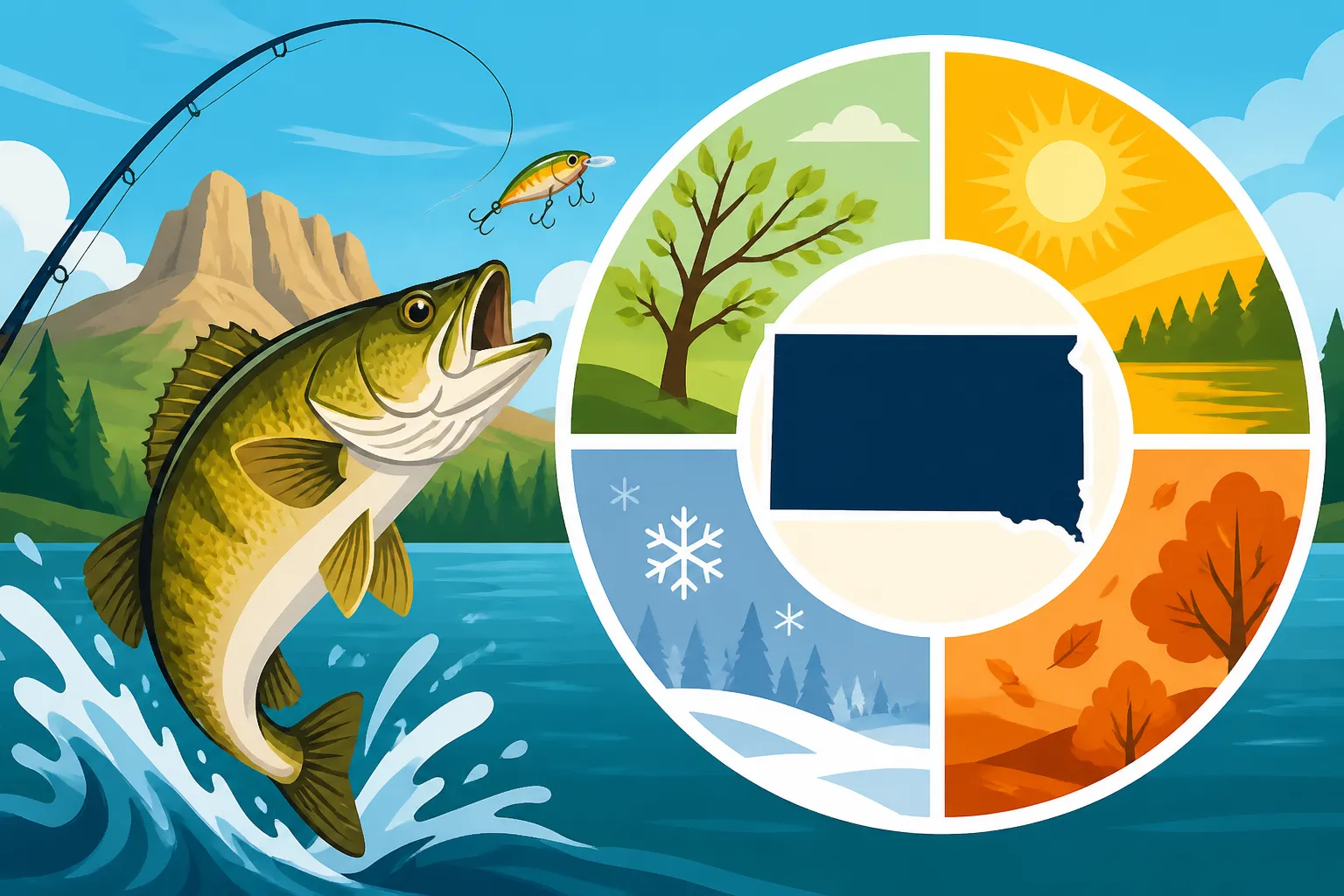
South Dakota offers an incredible variety of fishing experiences, from vast Missouri River reservoirs teeming with walleye to pristine Black Hills streams holding wary trout. Because of this diversity, understanding the concept of "fishing seasons" here is less about strict open-and-closed dates for most species, and more about knowing when certain fish are most active, when specific regulations apply, and when Mother Nature dictates the best times to be on the water.
The General Season Overview
For many of South Dakota's most popular species, like walleye, crappie, perch, and northern pike, the fishing season is, thankfully, open year-round. This means you can pursue them whenever you feel the urge, assuming you have your valid South Dakota fishing license and any required endorsements. However, "open year-round" doesn't mean the fishing is equally good every month, nor does it mean there aren't specific rules that come into play at different times.
Think of it more like a flow: you'll find different peaks and valleys of activity for various species throughout the calendar year. For instance, while you can technically catch a walleye in January or July, the methods you'll use and the places you'll find them will be dramatically different. The Black Hills streams, famous for their trout, often have year-round fishing too, but specific stretches might be designated as "artificial lures only" or "catch and release" during certain periods, and ice conditions can make access impossible in winter. It’s always best practice to consult the current South Dakota Fishing Regulations Explained booklet published by the South Dakota Game, Fish and Parks (GFP) to be absolutely certain.
Why Seasons Matter: Spawning and Regulations
Even with year-round open seasons for many species, the concept of "seasons" is deeply tied to the biological cycles of the fish, particularly their spawning periods. These are crucial times when fish reproduce, and fisheries managers implement regulations—like changes in daily limits, possession limits, or minimum/maximum size restrictions—to protect these vulnerable populations and ensure sustainable fishing for future generations.
Take walleye, for example. While you can fish for them all year, their spawning period in spring is a time of intense activity. Protecting these fish during and immediately after spawning is vital. This is why you might see specific size restrictions, like a "slot limit" where fish within a certain size range must be immediately released, or perhaps reduced daily bag limits during critical times. These aren't meant to make your life harder, but rather to give the fish a fighting chance to reproduce successfully. It’s also why understanding the nuances of your South Dakota Habitat Stamp Requirements is important, as these funds contribute to habitat protection and management which directly benefits fish populations.
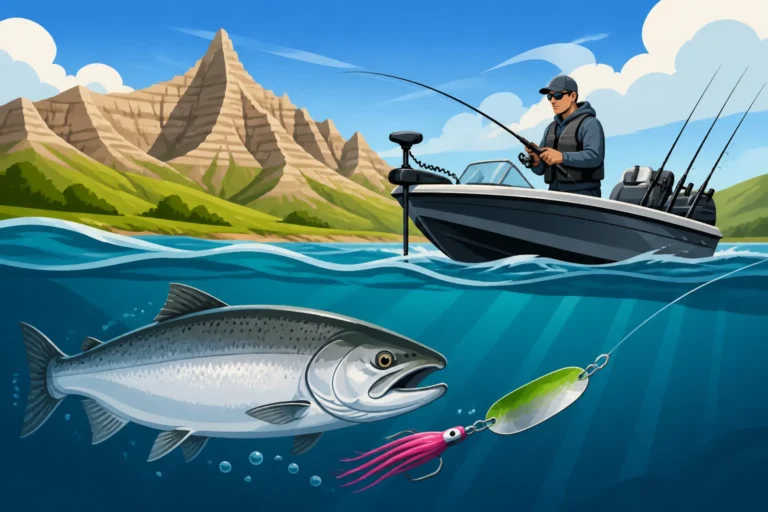
Moreover, certain species do have very specific, closed seasons. The most notable example in South Dakota is the paddlefish snagging season on the Missouri River, which is tightly regulated with a limited draw for tags and a very short, defined season in the fall. Chinook salmon on Lake Oahe, while generally open for hook-and-line year-round, have their most intense "season" during their fall spawning run, attracting anglers hoping to intercept these magnificent fish before they complete their life cycle. These specific timings are put in place by biologists who carefully monitor fish populations and environmental factors to ensure healthy ecosystems and robust angling opportunities for all of us.
Spring Fishing: Ice-Out Excitement and Pre-Spawn Frenzy
Ah, spring in South Dakota! After the long, cold grip of winter, there's nothing quite like the feeling of the ice retreating and the first signs of open water. This season is a time of incredible transition and some of the most anticipated fishing of the year, particularly for walleye enthusiasts. It’s a period marked by rising water temperatures, increased fish activity, and the thrill of the "ice-out bite."
Early Spring: Ice-Out to Warmer Waters
When the ice finally relents, often in late March or early April in the southern parts of the state and later in the northern glacial lakes, a unique fishing window opens. The fish, having been relatively lethargic under the ice, suddenly become much more active, driven by increasing metabolism and the instinct to feed. This "ice-out" period is often characterized by very cold water, but don't let that fool you—the fishing can be phenomenal.
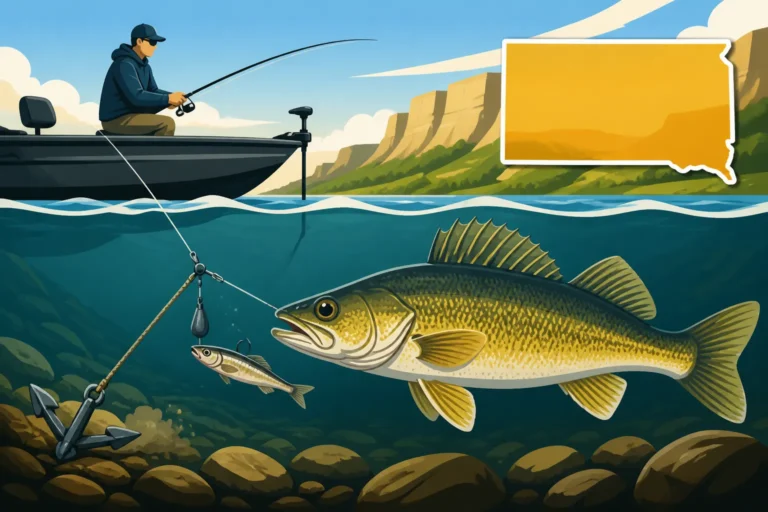
Walleye, our state's most beloved game fish, are a prime target during early spring. They'll often move into shallower bays, river mouths, and creek arms that warm up slightly faster than the main lake body. These areas offer both warmer water and a rich supply of baitfish. Anglers often find success targeting these areas with slower presentations, as the fish are still a bit sluggish. Jigs tipped with minnows or soft plastics, fished slowly along the bottom, can be incredibly effective. Small crankbaits or even live bait rigs can also entice bites. This is a time when understanding subtle bites is key, as fish aren't always aggressive.
Beyond walleye, panfish like crappie and perch also start to wake up. Crappies will often hold in slightly deeper water adjacent to those same warming bays, while perch might be found cruising shallower flats. Early spring is also an excellent time to target northern pike, especially in the shallower, vegetated areas of the glacial lakes where they will be preparing for their own spawn. They're often aggressive and hungry after winter, making for some exciting battles on light tackle.
Late Spring: Walleye Spawning and Beyond
As spring progresses into late April and May, water temperatures continue to climb, ushering in the most critical period for many fish species: spawning. For walleye, this is the big event. They migrate to traditional spawning grounds, which can include rocky shorelines, riprap banks, or shallow areas with hard bottom in the Missouri River reservoirs like Lake Sharpe and Lake Francis Case. In the eastern glacial lakes, they'll often spawn in shallow, marshy areas or along wind-swept shores.
During the actual spawning act, fishing can sometimes slow down for a brief period as the fish are preoccupied. However, immediately after spawning, a "post-spawn" bite often kicks in, which can be incredibly productive. The fish, having expended a huge amount of energy during reproduction, are ravenous and will aggressively feed to recover. This is often when you can find walleye in slightly deeper water adjacent to spawning areas, transitioning to summer patterns. Techniques like jigging, slip bobber fishing with leeches or minnows, and slow-trolling crankbaits become highly effective. For detailed guidance on specific tactics, you might want to check out our How to Fish for Walleye in South Dakota guide.
Late spring is also when smallmouth bass really start to become active, moving shallow as they prepare for their own spawn. You'll find them around rocky points, submerged timber, and riprap on the Missouri River reservoirs. Trout fishing in the Black Hills streams, such as Spearfish Creek or Rapid Creek, truly hits its stride during late spring. The melting snowpack provides good water levels and clarity, and insects become more active, offering excellent opportunities for fly anglers and spin fishermen alike. Some of the Best Lures for South Dakota Walleye will certainly come into play during this prime feeding period.
Summer Fishing: Abundant Opportunities on the Water
Summer in South Dakota, stretching from June through August, brings long, warm days and generally stable weather patterns, making it a fantastic time to be on the water. While the intense "ice-out" and "post-spawn" bites of spring might have tapered off, summer offers consistent action for a wide variety of species if you know where to look and how to adapt your techniques to the warmer water.
Peak Summer: Warm Water Tactics
As water temperatures climb into the 70s and beyond, many fish species seek out cooler, more comfortable environments. This often means moving to deeper water, seeking out thermal stratification lines, or relating to submerged structures like humps, points, and old river channels. For walleye on the massive Missouri River reservoirs like Lake Oahe and Lake Francis Case, this often translates into a strong trolling bite. Anglers will cover vast expanses of water, using planer boards to spread out their lines and various crankbaits or spinner rigs to target fish holding at specific depths.
Night fishing for walleye can also be incredibly productive during the warmer months. As the sun sets and surface temperatures cool, walleye will often move shallower to feed under the cover of darkness. This can lead to fantastic action with crankbaits or even slip bobbers fished along shallow breaks or weed edges. Don't forget your headlamp and Bug Spray if you're venturing out after dark!
Panfish, especially crappie and perch, will also be found relating to deeper cover during the summer. Look for crappie suspended over brush piles, submerged timber, or deep creek channels. Perch will often school up on deep flats or humps. Vertical jigging with small jigs or using live bait like minnows or worms can be very effective for these delicious panfish.
Targeting Specific Species in Summer
Summer offers a smorgasbord of fishing opportunities, and knowing which species to target where can make all the difference for a successful outing.
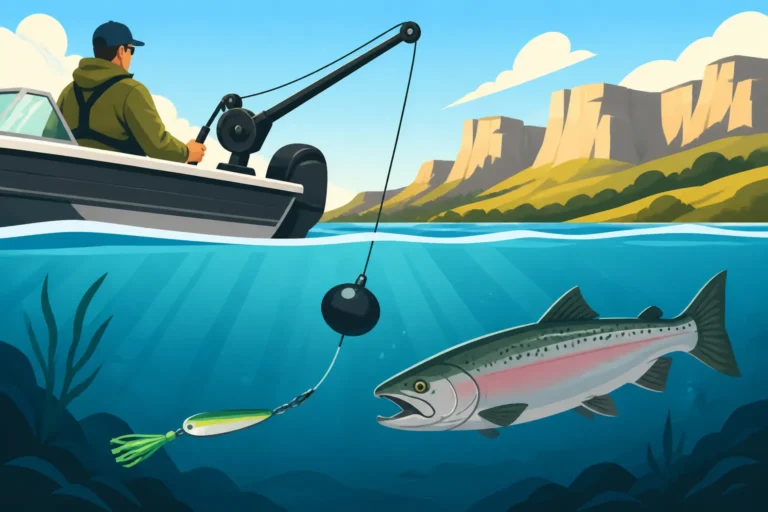
For Walleye, the Missouri River reservoirs are legendary. On Lake Oahe, they'll often be found near deep points, submerged islands, or along the old river channel. Trolling with crankbaits like Berkley Flicker Shads or Rapala Shad Raps is a go-to strategy, often employing lead core line or downriggers to reach deeper depths. Jigging spoons or blade baits can also tempt suspended fish. Lake Sharpe and Lake Francis Case offer similar opportunities, with an emphasis on deeper structure as the season progresses. Our comprehensive South Dakota Walleye Fishing Guide has even more in-depth strategies.
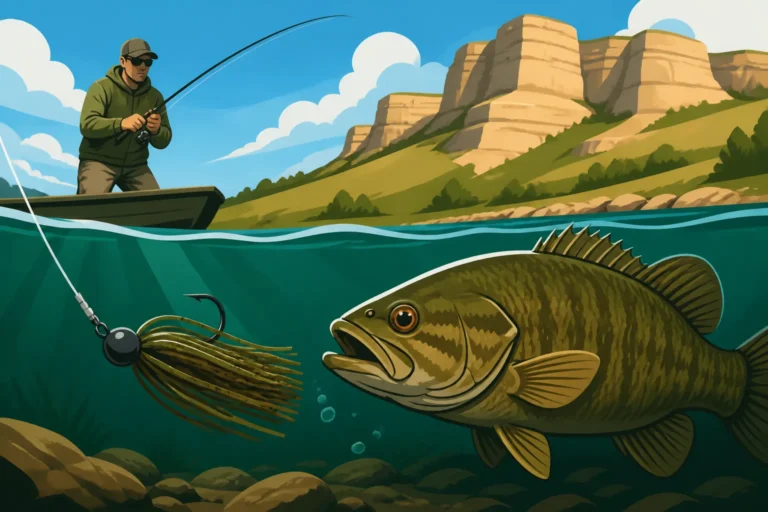
Smallmouth Bass thrive in the rocky environments of the Missouri River reservoirs. During summer, they'll patrol riprap banks, rocky points, and submerged rock piles. Topwater lures, spinnerbaits, crankbaits, and soft plastics like tube jigs or creature baits are excellent choices. Mornings and evenings offer the best topwater action, while deeper presentations are needed during the bright midday sun.
Catfish fishing heats up with the summer sun. The Missouri River is a prime location for both channel and flathead catfish. Channel cats can be found throughout the main river channel and its tributaries, eagerly biting cut bait, stink baits, or even large nightcrawlers. Flathead catfish prefer deeper holes with cover, like submerged logs or rock piles, and are best targeted with live bait such as sunfish or suckers.
Northern Pike will often retreat to the cooler, oxygen-rich depths of weed lines in the glacial lakes. Casting large spoons, spinnerbaits, or soft plastic swimbaits along these edges can draw explosive strikes. While not as common in the main reservoirs, smaller lakes and sloughs in eastern South Dakota can hold impressive pike. Always be prepared for their sharp teeth with a good pair of pliers!
Summer is when anglers really get to enjoy the full expanse of South Dakota's waters, but remember to bring plenty of water, sunscreen, and a wide-brimmed hat. The South Dakota sun can be intense, especially out on the open water!
Fall Fishing: Trophy Hunters and Salmon Runs
As the long, hot days of summer begin to shorten and a crisp coolness returns to the air, South Dakota's fall fishing season ignites. This is a favorite time for many anglers, often considered the season for trophy fish, particularly walleye, as they embark on a pre-winter feeding binge. It's also a truly unique time if you're interested in chasing the elusive Chinook salmon.
Early Fall: Transitional Bites
Early fall, typically September into early October, represents a crucial transition period. Water temperatures begin to drop steadily, signaling to fish that winter is approaching. This prompts many species to move out of their deep summer haunts and often spread out, feeding aggressively to build up fat reserves. This "feedbag" mentality can lead to some of the most consistent and exciting fishing of the year.
Walleye, in particular, become highly active during this time. They'll often move back to shallower structures that hold baitfish, such as main lake points, humps, and even shorelines, during prime feeding windows (often early morning and late evening). Trolling crankbaits at various depths continues to be a top tactic on the Missouri River reservoirs, but jigging and casting presentations can also shine as fish move into more accessible water. Crappie also start to school up in larger numbers as they transition from summer patterns, often found around deeper brush piles or channel swings, making them easier to locate in concentrated groups.
The cooler water temperatures of early fall also make for a more comfortable angling experience. The oppressive heat of summer gives way to pleasant days, making it ideal for longer outings. Anglers will find that fish are generally less pressured and more willing to bite than during the peak of summer, making this a prime window for both quantity and quality catches.
Late Fall: Chinook Salmon and Major Feeds
As October gives way to November and water temperatures continue their descent, late fall brings truly remarkable fishing opportunities, most notably the highly anticipated Chinook Salmon run on Lake Oahe. This is a unique fishery for South Dakota, as these landlocked Pacific salmon, stocked by the GFP, complete their life cycle by returning to their spawning grounds, primarily around the Whitlock Bay area near Gettysburg.
The Lake Oahe Chinook Salmon spawning run is a spectacle. Anglers flock to areas like Whitlock Bay to cast spoons, crankbaits, or use snagging techniques (where legal and specifically allowed) to catch these powerful fish. The salmon will often congregate near the mouth of the Whitlock Bay Spawning Station, providing a thrilling, albeit brief, opportunity. While they are no longer feeding once they begin their spawning run, their aggressive reaction to lures can lead to unforgettable battles. To learn more about this unique fishery, be sure to explore our South Dakota Chinook Salmon Fishing Guide.
Beyond the salmon, late fall is the time for many to target trophy walleye. As ice-up approaches, walleye become incredibly aggressive, attempting to consume as much forage as possible. They can be found in various depths, from shallow flats on cloudy days to deeper breaklines. Large crankbaits, big minnows on slip bobbers, or even slow-trolled bottom bouncers with large nightcrawlers or minnows are effective tactics. The key is to find the baitfish—the walleye will be nearby. Many anglers believe their biggest walleye of the year come during this chilly, late-season window before the ice completely takes over.
This period often represents the last chance for open-water fishing before winter sets in. Boaters need to be extra cautious, as water temperatures are dangerously cold, and weather can change rapidly. But for those willing to brave the chill, late fall offers some of South Dakota's most rewarding and exciting fishing experiences.
Winter Fishing: South Dakota Ice Fishing Guide
When the mercury plunges and the lakes and reservoirs of South Dakota transform into vast sheets of ice, a whole new world of fishing opens up. Ice fishing isn't just a way to pass the winter; for many, it's a cherished season in its own right, offering a unique blend of camaraderie, tranquility, and often, incredible fishing action. South Dakota boasts some of the best ice fishing in the country, particularly for walleye, perch, and crappie.
First Ice and Safety Considerations
The arrival of "first ice" is met with eager anticipation by many anglers. This is typically when the shallow bays and smaller, sheltered lakes freeze over first, offering opportunities for early season ice fishing. Often occurring in late November or early December, first ice can be incredibly productive as fish are still relatively shallow and actively feeding. Walleye and perch are prime targets during this period, often found in 8-15 feet of water near structure or green weeds.
However, the excitement of first ice must be tempered with an absolute commitment to safety. Ice safety is paramount. The South Dakota Game, Fish and Parks (GFP) strongly recommends a minimum of 4 inches of clear, solid ice for safe foot travel and 5-8 inches for snowmobiles or ATVs. Never venture onto ice of unknown thickness, and always drill test holes as you go. Be especially wary of areas near inlets, outlets, pressure ridges, or anywhere current might weaken the ice. Wearing a life jacket, carrying ice picks, and fishing with a buddy are not just recommendations; they are vital safety measures.
Essential gear for first ice includes a reliable ice auger (manual or powered), a portable ice shelter (if you want to stay warm), a dependable flasher or fish finder, and proper winter clothing. A sturdy spud bar for testing ice thickness is also invaluable. The early season can offer fast action, but never compromise safety for a few fish.
Mid-Winter and Beyond
As winter progresses into January and February, the ice thickens, and conditions can become harsher. This "mid-winter" period can sometimes present a challenge as fish might become more lethargic and less active, often referred to as the "mid-winter doldrums." However, by adapting your techniques and knowing where to look, you can still find consistent success.
For walleye, mid-winter often means targeting deeper structure. Look for them holding along breaklines, humps, or the edges of old river channels in 20-40 feet of water on the Missouri River reservoirs like Lake Oahe or Lake Sharpe. Jigging spoons, flashy blade baits, or minnows on small jigs are popular choices. The bite can be subtle, so a sensitive rod and a good flasher are crucial for detecting light takes. Our comprehensive South Dakota Ice Fishing Guide provides a wealth of information on specific tactics and gear.
Perch and crappie are also popular mid-winter targets. Perch often school up on expansive deep flats or humps, and when you find them, the action can be furious. Small tungsten jigs tipped with wax worms, spikes, or a small piece of plastic are often irresistible. Crappie will suspend over deeper brush piles, submerged timber, or in deep basins. Using electronics to locate them in the water column is key, then presenting small jigs or live minnows just above them.
Mid-winter also sees the full deployment of more robust ice fishing setups. Portable shelters, from one-person flip-overs to larger hub-style shanties, provide essential protection from the relentless South Dakota winds and cold. Many anglers also use portable heaters to stay warm and comfortable for extended periods. On bigger lakes, permanent ice houses become popular, often complete with amenities like wood stoves, bunks, and even kitchens. Remember to remove all structures from the ice before spring thaw.
South Dakota also hosts several ice fishing tournaments and festivals throughout the winter, adding a community element to this popular pursuit. Whether you prefer the solitude of a quiet hole or the camaraderie of a bustling ice fishing village, South Dakota's winter offers unparalleled opportunities for those willing to embrace the cold.
Regional Season Variations and Special Regulations
South Dakota's diverse landscape means that "fishing seasons" aren't a one-size-fits-all concept. What works, or what rules apply, in the vast Missouri River reservoirs can be vastly different from the conditions and regulations found in the eastern glacial lakes or the cold-water streams of the Black Hills. Understanding these regional nuances is key to a successful and legal fishing trip.
Missouri River Reservoirs (Oahe, Sharpe, Francis Case, Lewis & Clark)
The "Great Lakes of South Dakota" – Lakes Oahe, Sharpe, Francis Case, and Lewis and Clark – are the backbone of the state's fishing reputation, particularly for walleye. For the most part, walleye and smallmouth bass seasons on these massive impoundments are open year-round, offering anglers continuous opportunities. However, the best times to fish them, and the techniques employed, vary dramatically with the seasons.
- Spring: Focus is on shallower bays and river mouths for walleye and smallmouth bass as waters warm and fish prepare to spawn. Tailwater areas below dams (e.g., below Oahe Dam or Big Bend Dam) can be excellent for early season walleye and sauger due to stable water temperatures and concentrated forage.
- Summer: Trolling becomes the dominant method for walleye as fish move to deeper main-lake structures like points, humps, and the old river channel. Smallmouth bass will be found on rocky banks and riprap. Catfish are very active in the warmer river sections.
- Fall: A strong feeding bite for walleye as they gorge before winter. Lake Oahe sees its unique Chinook Salmon spawning run, concentrated around Whitlock Bay. For more specific details on Lake Oahe, check out our Lake Oahe Fishing Guide.
- Winter: Excellent ice fishing opportunities, especially on Lake Sharpe and Lake Francis Case, targeting walleye, perch, and crappie over deeper structure.
Specific regulations, such as slot limits or reduced bag limits for walleye, can occasionally be implemented for certain reservoirs, or even specific sections, to manage fish populations effectively. Always double-check the current GFP regulations for the specific body of water you plan to fish. You'll find different considerations when fishing further south on the river system, like on Lake Francis Case Fishing Guide.
Glacial Lakes (Eastern South Dakota)
The eastern half of South Dakota is dotted with numerous natural glacial lakes, ranging from small potholes to expansive bodies of water like Lake Kampeska, Lake Poinsett, and Bitter Lake. These lakes are celebrated for their diverse panfish populations (perch, crappie, bluegill), abundant northern pike, and a strong walleye fishery. Like the reservoirs, most species here are open for fishing year-round.
- Spring: Known for spectacular ice-out walleye and northern pike action in shallow areas, often near emerging vegetation or river inlets. Crappie also become very active.
- Summer: Walleye will often move to deeper points, humps, and weed edges. Northern pike are found in thick weed beds. Panfish can be found around submerged structure.
- Fall: Aggressive feeding bite for walleye and perch as water temperatures drop. Northern pike are also very active and can be caught casting spoons or large crankbaits.
- Winter: The glacial lakes truly shine during ice fishing season. Many of these lakes produce jumbo perch, trophy walleye, and abundant crappie through the ice, attracting anglers from across the region.
Regulations in the glacial lakes often focus on specific daily and possession limits for panfish, which can sometimes be more restrictive than for walleye, to ensure sustainable populations. It's crucial to be aware of these limits, as panfish can be easily overharvested.
Black Hills Streams and Lakes
The rugged beauty of the Black Hills provides a completely different angling experience, primarily focused on trout fishing. Streams like Spearfish Creek, Rapid Creek, French Creek, and Castle Creek are renowned for their wild and stocked populations of rainbow, brown, and brook trout. While many of these streams offer year-round trout fishing, they often come with very specific regulations designed to protect these delicate fisheries.
- Spring: As snow melts and water levels stabilize, trout fishing picks up significantly. Fly fishing for rising fish and nymphing techniques become very productive.
- Summer: Water levels can drop, and temperatures rise in some streams, pushing trout into deeper, cooler pools. Early morning and late evening are often the most productive times. Larger lakes like Pactola Reservoir and Sheridan Lake offer consistent trout fishing.
- Fall: Often considered the prime season for trophy brown trout, which become very aggressive as they prepare to spawn. Cooler water temperatures and fewer anglers create ideal conditions.
- Winter: Many Black Hills streams remain open for fishing year-round, even under winter conditions. Ice fishing is popular on lakes like Pactola and Sheridan. Winter fly fishing can be surprisingly good on milder days, especially in tailwater sections that remain ice-free. For a deep dive into these waters, our Black Hills Trout Stream Fishing Guide is invaluable.
Special regulations in the Black Hills can include "artificial lures only" sections, "fly fishing only" stretches, and strict "catch and release" rules for certain waters or species. For example, the stretch of Rapid Creek below Pactola Dam is famous for its catch-and-release, artificial lure-only regulations, producing large, wary trout. Always check the specific regulations for the particular stream or lake you intend to fish. These rules are rigorously enforced to preserve the unique quality of this cherished resource.
Key Dates and Regulatory Updates
Navigating South Dakota's fishing seasons isn't just about knowing when fish bite; it's also about staying on top of the practicalities and regulatory changes. Licenses, renewals, and special events all play a part in planning your angling year. It can feel like a lot to keep track of, but a little preparation goes a long way.
Annual License Cycles and Renewal
One of the most fundamental aspects of fishing in South Dakota is having a valid fishing license. The standard South Dakota fishing license operates on a fiscal year cycle, meaning it's typically valid from January 1st through December 31st of the calendar year. This is important to remember, as it means you'll need to purchase a new license at the beginning of each year, even if you bought your previous one late in the preceding year.
Licenses typically become available for purchase in mid-December for the upcoming year, allowing anglers to get a head start. Whether you're a resident or a non-resident, the process for obtaining or renewing your license is straightforward. You can purchase them online through the South Dakota Game, Fish and Parks (GFP) website, at any authorized license vendor (such as many tackle shops, sporting goods stores, or even larger retailers like Amazon if they have an official SD GFP storefront or partnership), or at GFP offices. It’s always a good idea to renew your license well before you plan to fish in the new year to avoid any last-minute hassles. For a complete rundown, refer to our South Dakota Fishing License Guide and our detailed steps on South Dakota Fishing License Renewal Steps. Don't forget, if you're planning to hunt as well, a combination hunting and fishing license might be a cost-effective option.
Free Fishing Weekend and Special Events
South Dakota is keen on encouraging new anglers and offering opportunities for families to enjoy the outdoors. To that end, the state typically designates one weekend each year as "Free Fishing Weekend." During this special weekend, usually in June, residents and non-residents alike can fish without needing a South Dakota fishing license. It's a fantastic opportunity for beginners to try their hand at fishing, for families to introduce kids to the sport, or for seasoned anglers to share their passion without worrying about license requirements. Specific dates for the Free Fishing Weekend are announced annually by the GFP, so keep an eye on their official website.
Beyond Free Fishing Weekend, the GFP often hosts various community fishing events throughout the year. These might include kids' fishing derbies, instructional clinics, or stocking events at urban fishing ponds, all designed to make fishing more accessible and enjoyable for everyone. Local communities, fishing clubs, and even some outdoor retailers (like those found on Amazon specializing in fishing gear) might also sponsor events or offer educational programs. These events are great ways to learn new techniques, meet fellow anglers, and contribute to the local fishing community.
Staying informed about regulatory changes is also crucial. While the major season structures are relatively stable, specific rules regarding bag limits, size restrictions, or even bait restrictions can be updated annually based on biological surveys and management needs. The GFP releases a new Fishing Handbook each year, which is the definitive source for all current regulations. Always consult the most recent version before heading out on the water. A quick check of the GFP website or a call to their regional offices can clarify any uncertainties, ensuring your fishing adventures are both successful and fully compliant with state law.
Disclaimer
Please note that while this guide provides comprehensive information, fishing regulations and seasons in South Dakota are subject to change. Always consult the current South Dakota Game, Fish and Parks (GFP) Fishing Handbook or their official website before heading out to fish. It is your responsibility to know and follow all applicable rules and regulations. This content is for informational purposes only and does not constitute legal advice.