How to Fish for Walleye in South Dakota
Catching walleye in South Dakota can sometimes feel like solving a cryptic puzzle. One day they're biting on everything, and the next, it's like they've vanished into thin air, leaving you wondering if you're doing something wrong. It's a common frustration, but with the right knowledge and techniques, you can turn those elusive bites into a consistent stringer. This comprehensive guide will equip you with everything you need to know to consistently hook into those prized walleye across South Dakota's diverse waters, from the vast Missouri River reservoirs to the shallow glacial lakes.
Understanding South Dakota Walleye Behavior
Before you can even think about casting a line, you need to understand the fish you're after. Walleye are creatures of habit, driven by water temperature, light conditions, and the availability of their favorite meals. Knowing their typical patterns throughout the year is your first step to consistent success.
Seasonal Movements and Patterns
Walleye don't just hang out in one spot all year long; they're constantly on the move, chasing comfort and food. Their patterns shift dramatically with the seasons, and if you're not moving with them, you'll be left wondering where all the fish went.
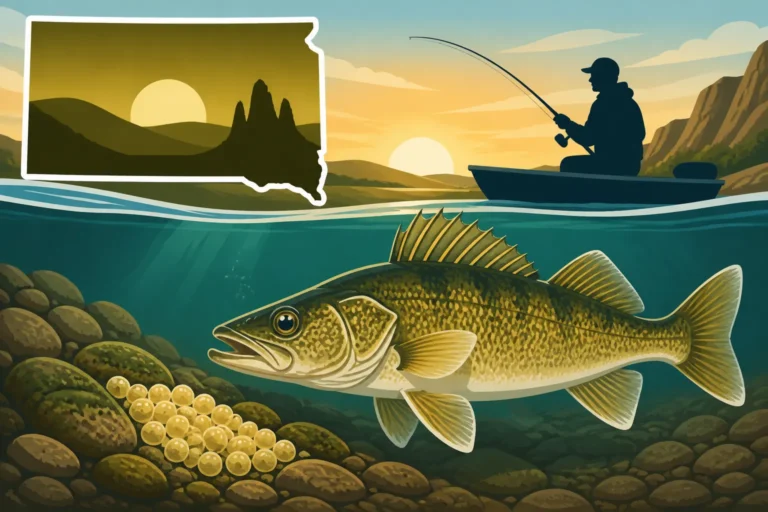
In the spring, as the ice recedes and water temperatures begin to climb, walleye start their pre-spawn migrations. They'll push into shallower bays, river mouths, and creek arms, looking for areas with current or rocky bottoms where they can lay their eggs. This is a crucial time because they feed heavily to build up energy for spawning. Once the spawn is complete, usually when water temperatures hit the mid-40s to low 50s Fahrenheit, they'll often retreat to slightly deeper water to recover before beginning their post-spawn feeding frenzy. Missing this window means missing some of the most aggressive bites of the year.
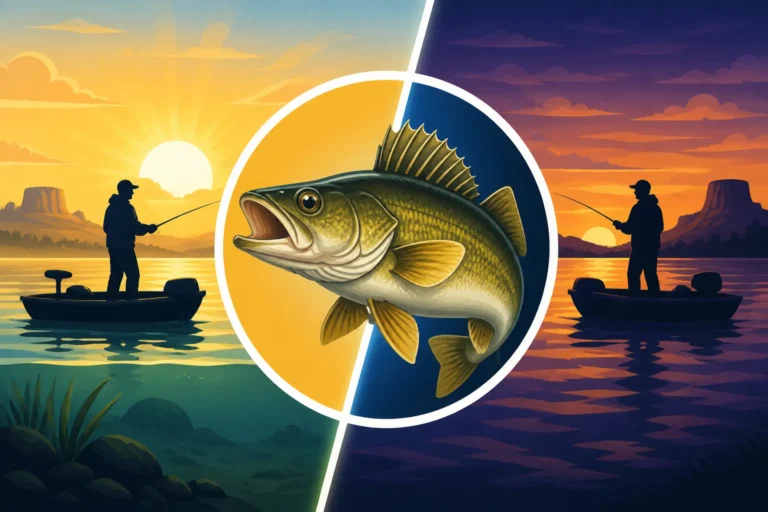
As summer fully sets in and water temperatures soar, walleye tend to move to deeper, cooler waters. On the Missouri River reservoirs like Lake Oahe or Lake Sharpe, this often means congregating along main lake points, submerged humps, deep rock piles, and the edges of the thermocline (if one develops). They'll follow schools of baitfish, often suspending over open water or relating tightly to structure. This can be a challenging time for anglers, as the fish are spread out and can be finicky, often preferring low-light conditions to feed. Don't be surprised if your best bites come at dawn, dusk, or even in the middle of the night.
Fall is a favorite season for many walleye anglers, and for good reason. As water temperatures start to cool, walleye experience a phenomenon often referred to as "fall turnover." This process re-oxygenates deeper waters, and fish become incredibly active, feeding aggressively to fatten up for the long winter ahead. They'll often move back into shallower areas, especially around weed lines, rocky points, and flats where baitfish are abundant. This is when you can find big schools of active fish, making for some truly memorable fishing trips.
Finally, in winter, when the lakes are locked under a blanket of ice, walleye settle into predictable patterns related to deep structure. They'll often school up in specific areas like main lake humps, deep points, channel edges, and even out in the basin if there's good forage. Their metabolism slows down, so they might not be as aggressive, but with the right techniques, you can still find them. Understanding these shifts is paramount, as a tactic that works in May certainly won't work in August.
Preferred Habitats and Structure
Walleye are structure-oriented fish, meaning they like to associate with changes in the underwater landscape. These structures provide ambush points, shade, and access to food. Identifying these key locations is like finding the fish's living room.
In natural lakes, particularly the glacial lakes of eastern South Dakota such as Lake Thompson or Lake Poinsett, walleye often relate to classic features. Think about those gradual breaking points that extend into deeper water, submerged rock piles, humps that rise off the bottom, or extensive weed lines. These spots provide cover and opportunities to ambush baitfish. Fishing the "inside turn" or the "outside edge" of a weed bed can be incredibly productive, as can targeting the transitions between different bottom types, like sand meeting rock.
The vast Missouri River reservoirs – Lake Oahe, Lake Sharpe, Lake Francis Case, and Lewis and Clark Lake – present different structural challenges and opportunities. Here, walleye will often hug old river channels, submerged roadbeds, bridge abutments, sharp breaks, and vast flats adjacent to deep water. The wind can also play a huge role, pushing baitfish (and hungry walleye) to a specific side of a reservoir. When fishing these big waters, focusing on deep main lake points, secondary points within larger bays, and the mouths of creeks can be highly effective. Understanding how these man-made structures intersect with natural features is key.
Anywhere there's current, you'll likely find walleye. In river sections or below dams, walleye will position themselves in current breaks – behind large rocks, along channel edges, or in eddies – waiting for food to be swept to them. They're energy-efficient predators, and letting the current bring the meal to them is a smart strategy. Tailwater areas below dams, like those on the Missouri River, are particularly known for their abundant walleye populations, where the turbulent water creates rich feeding grounds.
Forage and Feeding Habits
Knowing what walleye eat and when they prefer to eat it gives you a huge advantage. It helps you choose the right bait and be in the right place at the right time.
Walleye are opportunistic predators with a diet that largely depends on the available forage species in a particular body of water. In the Missouri River system, rainbow smelt are a primary food source, particularly in Lake Oahe, where their population fluctuations directly impact walleye growth rates. Beyond smelt, walleye gorge on yellow perch, various shiner species, cisco, and even small panfish. In the glacial lakes, perch and shiners are often the main course. Matching the hatch, or at least presenting something similar in size and profile to the local baitfish, can significantly improve your chances.
Walleye are notoriously light-sensitive, which is why you often hear about the "walleye chop" – a light ripple on the water that breaks up light penetration. This sensitivity means their most aggressive feeding windows often occur during low-light periods. Dawn and dusk are prime times, as the reduced light gives them an advantage over their prey, which might rely more on sight. Overcast days, or days with a good chop on the water, can extend these feeding windows throughout the day. Don't overlook night fishing in the summer, either; it can be incredibly productive when walleye move shallow under the cover of darkness.
The impact of baitfish migration on walleye feeding cannot be overstated. Walleye are constantly tracking their food source. If baitfish move from deep to shallow, or from open water to structure, you can bet the walleye are right there with them. This is especially true during fall, when vast schools of baitfish move into shallower areas to feed on zooplankton, triggering a full-on feeding frenzy from the walleye. Keeping an eye on what the baitfish are doing, whether through your electronics or by observing surface activity, will lead you directly to hungry walleye.
Essential Gear for South Dakota Walleye Fishing
Having the right tools for the job is non-negotiable when chasing walleye. The sheer variety of techniques means you'll need a diverse arsenal, but don't worry, you don't need to break the bank. A few key pieces of versatile equipment will get you started.
Rods, Reels, and Line
The foundation of any successful walleye setup starts with a balanced rod, reel, and line combination tailored to the technique you're using.
For jigging and casting, which are hands-on techniques, you'll generally want a sensitive setup. A medium-light to medium power spinning rod, typically 6'6" to 7' long, with a fast or extra-fast action, is a great all-around choice. This provides the backbone to set the hook and fight fish, while the sensitive tip helps you detect subtle bites. Pair it with a 2500 or 3000 series spinning reel, spooled with 8-10 pound braided line and a 6-8 pound fluorocarbon leader. The braid offers incredible sensitivity and no stretch for solid hooksets, while the fluorocarbon leader is virtually invisible underwater. You can find excellent options on Amazon from brands like St. Croix, Fenwick, or Abu Garcia.
Trolling rods are a different beast entirely. They need to be longer and more forgiving to absorb the shock of a strike and handle the constant pressure of pulling crankbaits or spinner rigs. Look for medium power, moderate-fast action rods in the 7' to 9' range. Many anglers prefer specific trolling rods from brands like Daiwa or Ugly Stik. For line, you can go with 10-15 pound monofilament, which has some stretch to act as a shock absorber, or again, braided line with a fluorocarbon leader if you want more sensitivity. When discussing South Dakota Trolling Techniques for Walleye, you'll learn that different line types can also help achieve specific depths.
For ice fishing combos, portability and sensitivity are key. A good ice fishing rod for walleye will typically be 28 to 36 inches long, with a medium-light to medium power and a fast action. Paired with a small spinning reel (500 to 1000 size), spooled with 4-6 pound monofilament or fluorocarbon (or a combination of braid with a fluorocarbon leader), this setup allows you to feel those often subtle winter bites. Popular brands offering quality ice combos include Clam, Eskimo, and St. Croix.
Lures and Baits
This is where the fun begins! The variety of walleye lures and baits can be overwhelming, but a solid understanding of the most effective options will keep your tackle box lean and mean.
Live bait is, for many, the gold standard for walleye fishing. Fathead minnows, shiners, nightcrawlers (especially on a spinner rig), and leeches are all walleye magnets. Minnows are excellent for jigging or under a bobber, particularly in cooler water. Nightcrawlers are deadly on slow death rigs or bottom bouncers, especially in summer. Leeches shine during warmer water periods, offering irresistible action. Always check local regulations on live bait, as some areas may have restrictions.
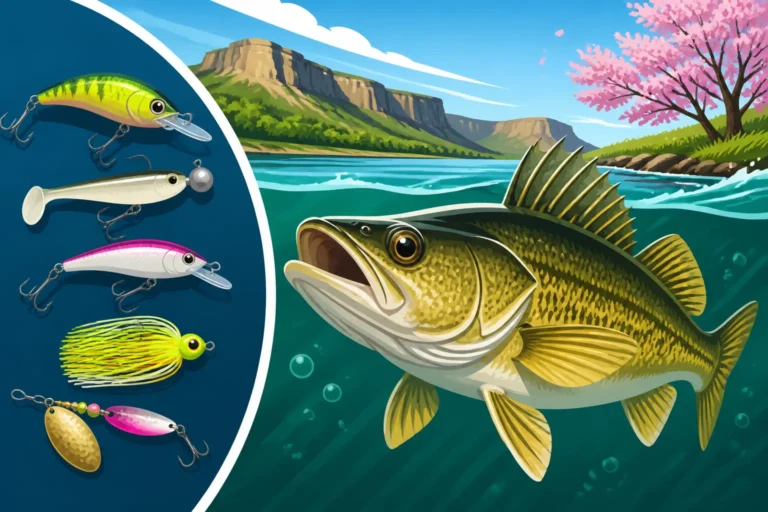
When it comes to jigs and soft plastics, the options are endless. Traditional lead head jigs tipped with a minnow or a plastic grub, twister tail, or paddle tail are incredibly versatile. Colors can vary based on water clarity, but chartreuse, white, orange, and natural baitfish patterns are reliable starting points. Brands like Berkley Gulp! or Z-Man offer incredibly effective soft plastics that can mimic various baitfish and entice even finicky walleye. Learning various Jigging Techniques for Missouri River Walleye can drastically improve your success.
Crankbaits and spinner rigs are workhorses for covering water and enticing aggressive bites. Crankbaits, both shallow-diving and deep-diving, imitate baitfish and are fantastic for trolling or casting. Popular choices include Rapala Shad Raps, Berkley Flicker Shads, and Salmo Hornets. Spinner rigs, often used with a bottom bouncer and tipped with a nightcrawler or leech, are highly effective for targeting walleye suspended over flats or cruising along breaks. The flash and vibration of the blade, combined with the natural scent and action of live bait, is a deadly combination. You'll find a wide selection of these versatile lures on Amazon.
Don't forget about blade baits and spoons, especially during colder water periods or for vertical jigging. Blade baits like the Heddon Sonar or Johnson ThinFisher produce a lot of vibration and flash, triggering reaction strikes from lethargic walleye. Spoons, such as Northland Fishing Tackle Forage Minnows or Kastmasters, are excellent for vertical jigging through the ice or in open water over deep structure, mimicking a dying baitfish.
Electronics and Accessories
Modern fishing electronics have revolutionized walleye fishing, turning educated guesses into precise targeting. These tools can make the difference between a frustrating day and a fantastic one.
A good fish finder is arguably the most important piece of modern walleye gear. Today's units offer much more than just a depth reading. 2D sonar gives you a traditional view of fish and structure below the boat. Down Imaging and Side Imaging provide photo-like clarity, allowing you to see structure and fish off to the sides or directly beneath you. And for those looking for a true game-changer, LiveScope and similar real-time sonar technologies allow you to see fish reacting to your lure in real-time. Brands like Humminbird and Garmin are leaders in this technology, and understanding How to Read a Fish Finder for Walleye is a skill worth developing.
A reliable GPS unit integrated into your fish finder is essential for navigating South Dakota's large reservoirs and marking productive spots. Once you find a school of walleye or a productive piece of structure, you can mark a waypoint, allowing you to return to it later or drift precisely over it. This is invaluable for repeat success, especially on vast, featureless flats or when trying to relocate a specific rock pile.
Beyond electronics, a few other boat essentials make a huge difference. A quality electric trolling motor (often with GPS spot-lock capabilities) is critical for precise boat control, whether you're slowly drifting a spinner rig or holding over a specific piece of structure. Heavy anchors are necessary for staying put in windy conditions or strong current. Lastly, a sturdy net with a rubberized mesh is important for landing walleye safely and minimizing damage to their protective slime coat, which is crucial for catch-and-release.
Spring Walleye Fishing Strategies
Spring is a season of transition and anticipation, offering some of the most exciting walleye fishing of the year. The key is understanding how fish react to warming water and the urge to spawn.
Pre-Spawn Tactics
As the ice melts and water temperatures hover in the upper 30s to low 40s, walleye are in full pre-spawn mode. They're hungry and actively searching for food to fuel their reproductive efforts. This is a prime time to intercept them.
Locating pre-spawn fish often means looking for predictable staging areas. In river systems, this means river mouths, current seams, and deeper holes just outside of known spawning grounds. On large reservoirs, focus on main lake points that receive a lot of current or wind, as well as the warmest, shallowest bays or creek arms that typically lose their ice first. These areas, especially those with some rock or gravel, will attract baitfish, and the walleye will be close behind. Don't be afraid to fish surprisingly shallow, sometimes in just a few feet of water, especially during sunny afternoons.
Jigging techniques are incredibly effective for pre-spawn walleye. Vertical jigging a minnow-tipped jig right on the bottom in known staging areas is a classic tactic. Use a sensitive rod to feel those subtle "thunks" or the sudden weightlessness that indicates a bite. Pitching jigs to shallow cover, like downed trees or rocky shorelines, can also produce aggressive strikes, particularly during low-light conditions. The key is a slow, methodical presentation, letting the bait spend plenty of time in the strike zone.
Don't underestimate the power of live bait presentations during the pre-spawn. A slip bobber rig with a lively minnow, set to keep the bait just off the bottom or suspended at the depth you're marking fish, can be deadly. Drifting a three-way rig with a minnow or a jig can also be very effective, allowing you to cover ground while keeping your bait in the walleye's face. Remember, walleye are conserving energy, so a natural, easy meal is often preferred.
Spawning and Post-Spawn Approaches
The actual spawn itself can be a tricky time to fish, but understanding it helps you target the hungry fish immediately afterward.
Understanding the spawn is crucial. Walleye typically spawn when water temperatures reach the mid-40s to low 50s Fahrenheit, usually around April or early May in South Dakota, although this varies greatly by location and year. They'll seek out rocky shoals, riprap banks, or gravelly river bottoms with some current. During the peak of the spawn, fish are often more focused on reproduction than feeding, making them harder to catch. Instead of fishing directly on top of active spawners, focus on the areas leading into or just outside of these spawning grounds.
Immediately after the spawn, walleye, particularly the females, are often exhausted and incredibly hungry. This is when you can target post-spawn recovery fish. They'll move to nearby deeper breaks, channel edges, or points to recuperate and feed heavily. They’ll be looking for easy meals, making live bait presentations and slow-moving jigs highly effective. This post-spawn period offers some of the best fishing of the spring, as walleye are desperate to replenish their energy.
For anglers without boats, shore fishing opportunities abound during the spring. Many boat ramps, riprap areas, and accessible points on South Dakota lakes and rivers offer excellent access to pre- and post-spawn walleye. Focus on areas with a quick drop-off or current that brings baitfish close to shore. Casting crankbaits, working jigs, or setting out a slip bobber with a minnow can be highly productive from the bank during this period. Just be sure to check specific regulations for South Dakota Fishing Season Dates and Limits for the waterbody you're targeting.
Summer Walleye Fishing Strategies
Summer presents a unique set of challenges for walleye anglers. With warming water and abundant forage, walleye often disperse or move deeper, requiring different tactics than the spring bite.
Deep Water Techniques
Once surface temperatures warm up, walleye will often retreat to cooler, more stable environments. This means focusing on deeper water.
Locating thermoclines and deep structure is paramount in summer. On large reservoirs like Lake Oahe, a thermocline (a layer of water where temperature changes rapidly) often forms, and walleye will frequently suspend at or just above it, finding comfort and abundant baitfish. Your fish finder is your best friend here. Look for baitfish schools and predators congregating around main lake humps, deep points, submerged islands, or old river channels. Understanding South Dakota Fishing Depth Charts by Season can give you a head start on where to begin your search.
Trolling crankbaits and spinner rigs becomes incredibly effective for covering vast amounts of deep water and finding scattered walleye. Deep-diving crankbaits can reach depths of 20-30 feet or more, while spinner rigs paired with bottom bouncers are excellent for presenting live bait along contour lines. Experiment with different colors and retrieve speeds until you find what triggers bites. Using planer boards can help spread out your lines and cover even more water, presenting baits to fish that might be spooked by your boat passing directly overhead. When you're fishing a vast expanse like Lake Oahe, mastering Trolling for Walleye on Lake Oahe becomes essential.
For walleye relating tightly to specific deep structures, jigging spoons or heavy jigs is often the ticket. Vertical jigging directly over a submerged humps or rocky bottom, using your electronics to watch your lure interact with fish, can be incredibly precise. The flash and flutter of a spoon can often trigger a reaction strike from walleye that are otherwise hesitant to chase. This method is particularly effective when you mark fish on a very specific spot and want to drop your lure right into their zone.
Night Fishing for Walleye
When the summer sun beats down and the walleye go deep and become lethargic, the cover of darkness can unlock an entirely new bite. Night fishing is a tradition for many South Dakota walleye anglers.
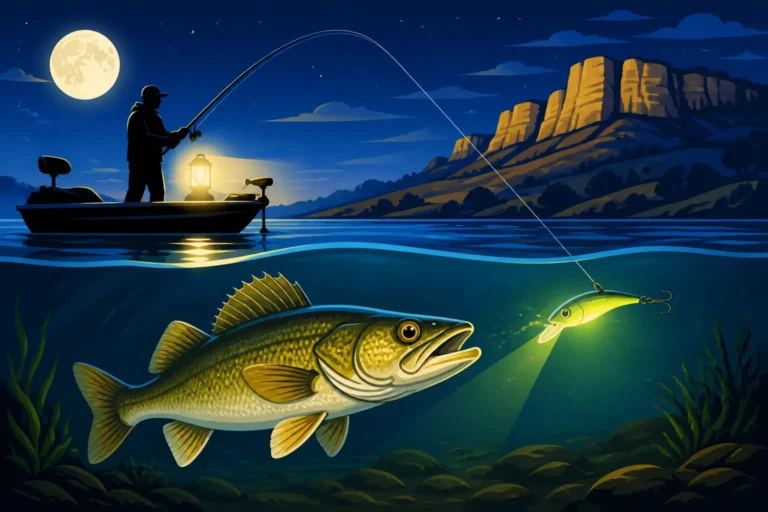
Why night fishing is effective in summer boils down to light sensitivity and competitive advantage. Walleye's large, reflective eyes are perfectly adapted for low light. As darkness falls, they move shallower, often onto the same flats and points they frequented in spring, to hunt baitfish that are less comfortable in the dark. This shift allows anglers to target them in more accessible waters with a renewed aggression.
The best lures and presentations for night fishing typically involve noisy, rattling crankbaits or glow-in-the-dark jigs. Shallow-running crankbaits, cast from shore or slowly trolled in shallow water, can draw violent strikes. Darker colors like black, purple, or blue can create a strong silhouette against the dim sky, making them more visible to walleye. Tipping jigs with a lively minnow or a scented soft plastic under a lighted slip bobber can also be incredibly productive. The key is to keep your presentation slow and deliberate, allowing the fish to home in on it.
Of course, safety considerations are paramount when night fishing. Always wear a life jacket, especially if fishing from a boat. Ensure your boat's navigation lights are functional. Bring plenty of powerful headlamps or lanterns, and let someone know your fishing plans and expected return time. Navigating in the dark can be disorienting, so know the water you're fishing extremely well or fish with someone experienced.
Fall Walleye Fishing Strategies
Fall is a period of abundance and aggressive feeding for South Dakota walleye. As water temperatures cool and winter approaches, these fish enter a high-calorie diet phase, making it one of the most exciting times to be on the water.
Shallow Water Feeding Frenzy
The post-turnover period in fall is when walleye often move back to shallower haunts, chasing abundant baitfish. This can lead to incredible action.
The annual fall turnover and fish migration is a critical event. As surface waters cool, they become denser and sink, mixing with the deeper, warmer water. This process, known as turnover, equalizes water temperatures and oxygen levels throughout the water column. Once turnover is complete, walleye often become incredibly active. They'll follow schools of baitfish, which are themselves moving shallower to feed on plankton, onto flats, points, and along weed lines. This migration makes them more accessible and aggressive than they might have been in the dog days of summer.
Trolling shallow crankbaits is a highly effective tactic during this period. Use crankbaits that dive 5-15 feet, matching the size and profile of the local forage. Trolling speeds can vary, but generally, 1.5 to 2.5 mph is a good starting point. Experiment with different colors, focusing on natural baitfish patterns or bright, contrasting colors on overcast days. Cover as much water as possible, paying close attention to contours, weed edges, and any sudden changes in depth. You can often intercept large schools of actively feeding fish this way.
Casting jigs and plastics on points or along weed edges is another fantastic fall tactic. Walleye will stack up on these structures, waiting to ambush baitfish. A lead head jig tipped with a plastic grub, paddle tail, or even a live minnow can be pitched or cast to these areas and worked slowly back. The key is to keep your bait in the strike zone as long as possible. Don't be surprised if the biggest fish of the year come from surprisingly shallow water during the fall bite. If you're looking for more specific guidance, check out our guide on South Dakota Fall Walleye Fishing Techniques.
Targeting Transition Zones
Even as walleye move shallow, they often stay close to deeper water, using these transition zones as highways between feeding and resting areas.
Locating fish between deep and shallow is a nuanced skill. During the fall, walleye might move shallow to feed during specific times (dawn, dusk, cloudy days) but retreat to deeper breaks or humps during brighter periods. Focus on those "edges" – where a shallow flat drops off into a channel, or where a weed line ends at a sharp break. These transition zones provide quick access to both food and safety, making them prime real estate for opportunistic walleye.
Using electronics to find schools becomes even more critical in these transition zones. Your sonar will help you identify baitfish schools, which are often a dead giveaway for walleye activity. Look for arches or blobs of fish near the bottom or suspended off structure. Mark these schools as waypoints on your GPS and work them thoroughly. Remember, walleye are often belly-to-the-bottom during the day, so don't be afraid to target those tight-to-the-bottom marks.
Live bait rigging remains a powerful tool, especially for walleye that might be a bit lethargic or wary. A slip-sinker rig with a live minnow or a nightcrawler can be slowly drifted or trolled along these transition zones. The natural scent and subtle action of live bait can entice bites when artificials fail. This slow, methodical approach allows you to present a natural meal to fish that might be less inclined to chase.
Winter Walleye Fishing (Ice Fishing)
When South Dakota's lakes freeze over, a whole new world of walleye fishing opens up: ice fishing. It's a challenging but rewarding pursuit that allows anglers to directly target fish through the ice.
Locating Walleye Under Ice
Finding walleye under a blanket of ice requires patience, technology, and a good understanding of their winter behavior. They aren't going to come to you, so you need to go to them.
The importance of electronics cannot be overstated in ice fishing. Flashers (like those from Vexilar or Marcum) provide real-time sonar readings, showing your lure, the bottom, and any fish that come into your cone angle. LCD graph units offer a more detailed history of what's beneath you. These tools help you pinpoint fish, understand their depth, and see how they're reacting to your presentation. They eliminate much of the guesswork, especially when learning Best Ice Fishing Techniques for Lake Oahe.
In winter, walleye will often gravitate towards main lake points, humps, and breaks. These structures offer distinct changes in depth and topography, providing ambush points and food corridors. Look for the sharp edges where a flat drops into deeper water, or the peaks and slopes of submerged humps. Walleye often cruise these areas, picking off baitfish. Don't overlook basins if there's significant baitfish activity there, especially on large bodies of water.
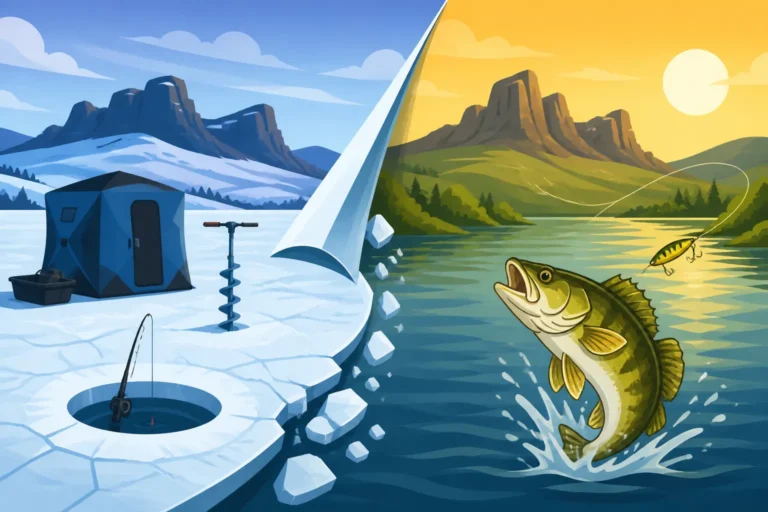
Walleye behavior changes throughout the ice season. Early ice (when ice is just forming and safe) often sees walleye in shallower water, much like fall. As mid-winter sets in and temperatures drop, they'll typically move to deeper structures. By late ice, as the snow melts and water begins to flow under the ice, they might move shallower again, anticipating the spring spawn. Adapting to these patterns is key to sustained success. For a deeper dive, read our guide on Winter Walleye Fishing Techniques.
Popular Ice Fishing Techniques
Once you've located the fish, the next step is getting them to bite. Winter walleye can be finicky, requiring a subtle touch and the right presentation.
Jigging spoons and lures are primary tools for ice fishing walleye. Small jigging spoons, like Northland Buck-Shot Rattle Spoons or Custom Jigs & Spins Slender Spoons, often tipped with a minnow head or a maggot, can be incredibly effective. Rapala Jigging Raps or VMC Tungsten Cylindrical Jigs are also popular, providing a darting, evasive action that mimics injured baitfish. Experiment with different jigging strokes – subtle lifts, aggressive snaps, or dead sticks – to see what triggers a strike.
Deadsticking with live bait is a classic and often deadly technique, especially for finicky walleye. This involves having a second rod (where legal; check South Dakota Fishing Regulations Explained for rules on Number of Fishing Lines Allowed Per Angler in South Dakota) set up with a simple hook and a lively minnow, suspended just above the bottom or at the depth you're marking fish. The minnow's natural movements can often entice a bite from a walleye that's unwilling to chase an aggressively jigged lure. Often, the deadstick gets hit by the biggest fish.
For comfort and efficiency, setting up a portable or permanent shelter is highly recommended, especially given South Dakota's often brutal winter winds. Portable shelters, like those from Clam or Eskimo, are great for staying mobile and chasing the bite. Permanent shanties offer more comfort for longer stays. Bringing a portable heater and warm clothing from retailers like Amazon will make your time on the ice much more enjoyable.
Advanced Tips for Consistent Walleye Success
Beyond the basic techniques, there are always ways to refine your approach and consistently put more walleye in the boat or on the ice. These nuanced insights can turn a good angler into a great one.
Reading Water and Weather
Walleye are incredibly sensitive to their environment. Learning to "read" the water and weather conditions can tell you a lot about where the fish are and how they're likely to bite.
Wind direction and speed impact walleye fishing significantly. A consistent wind, especially on large reservoirs, can push baitfish to one side of the lake, and the walleye will follow. This creates a "wind-blown" side where baitfish are concentrated and walleye are actively feeding. A good walleye chop (a light ripple on the water) is often preferred, as it breaks up light penetration, making walleye more comfortable feeding in shallower water during the day. Conversely, dead calm, sunny conditions can push walleye deeper or make them less aggressive.
Barometric pressure and fronts also play a role. A stable, high-pressure system generally means consistent fishing, though often in deeper water. A falling barometric pressure, often associated with an approaching storm front, can trigger a feeding frenzy as fish sense the change. Conversely, a rapidly rising or very low barometric pressure after a strong cold front can make fish lethargic and less willing to bite. Adapting your presentation to match their mood is key here.
Water clarity and temperature adjustments are two other critical factors. In clearer water, walleye tend to be more wary, requiring longer leaders, smaller baits, and more natural colors. In stained or turbid water, brighter colors and lures that create more vibration (like rattling crankbaits) can be more effective. Water temperature, as discussed, dictates seasonal movements and activity levels. A simple water temperature gauge is an invaluable tool for finding those crucial temperature zones that walleye prefer, which can differ between the South Dakota Glacial Lakes Fishing Guide and the Missouri River reservoirs.
Understanding South Dakota Regulations
Fishing responsibly and legally is paramount. South Dakota has specific rules to protect its valuable walleye populations, and knowing them is your responsibility.
Always be aware of the general South Dakota Walleye Limits. These typically include daily limits (how many fish you can keep in a single day) and possession limits (how many fish you can have on hand, including those at home). These limits are designed to ensure sustainable populations for future generations. Failing to adhere to these rules can result in hefty fines and loss of fishing privileges. We cover these in detail in our dedicated guide on South Dakota Walleye Limits.
It's also crucial to remember that some water bodies have special regulations for specific lakes. For example, Belle Fourche Reservoir Special Walleye Rules often include slot limits, where fish within a certain size range must be immediately released to protect breeding stock and allow trophy fish to grow. Always check the specific regulations for the lake or river you plan to fish, as rules can vary drastically from one body of water to another, even within the same county.
The importance of the South Dakota GFP Fishing Handbook Guide cannot be stressed enough. This publication, available online or at license vendors, is your ultimate resource for all current regulations, season dates, and special rules. It's updated annually, so make sure you're always referencing the most current version. Carrying a copy (or having it readily accessible on your phone) is a smart practice for any South Dakota angler. This guide is usually your first stop after getting your South Dakota Fishing License Guide.
Conservation and Responsible Angling
As anglers, we are stewards of the resource. Practicing conservation and responsible angling ensures that South Dakota's world-class walleye fishing remains vibrant for years to come.
When practicing catch and release, especially with larger, trophy-sized walleye (which are often the most prolific spawners), proper handling is critical. Minimize the time the fish is out of the water, use wet hands to handle it gently, support its body horizontally, and avoid placing fingers in its gills. If you must use a net, opt for rubberized mesh to protect its slime coat. Releasing a fish properly gives it the best chance of survival.
Be aware of rules against culling and high-grading. Culling refers to the practice of keeping a fish alive in a livewell and then later releasing it (culling it) in favor of a larger fish caught later, even if you are already at your daily limit. High-grading specifically means releasing smaller fish for larger ones, even if they were legally caught, to improve the average size of your catch. These practices are often illegal or highly discouraged as they increase fish mortality. Familiarize yourself with these concepts by reading our explanation of South Dakota High-Grading Rule for Trout Explained which often applies to other species as well.
Finally, invasive species prevention is everyone's responsibility. Before launching and after retrieving your boat, always "Clean, Drain, Dry" your vessel and all fishing gear. This means removing all weeds and mud, draining all water from your livewell, bilge, and motor, and allowing everything to dry completely before visiting another body of water. Invasive species like zebra mussels or Eurasian watermilfoil can devastate ecosystems and impact walleye populations, so do your part to prevent their spread.
South Dakota Walleye Fishing Techniques by Season
To give you a quick overview, here's a table summarizing the primary techniques and locations for walleye fishing throughout the year in South Dakota:
| Season | Typical Water Temperature | Primary Location | Top Techniques | Recommended Lures/Baits |
|---|---|---|---|---|
| Spring | 40-55°F | River mouths, shallow bays, rocky points, spawning areas, deep breaks adjacent to spawn | Jigging, slip bobber fishing, slow trolling | Live minnows, jigs (tipped with minnow/plastic), shallow crankbaits |
| Summer | 65-75°F | Deep main lake points, submerged humps, thermocline, open water (following bait), deep channels | Deep trolling, jigging spoons, night fishing | Deep-diving crankbaits, bottom bouncers with spinner rigs (nightcrawlers/leeches), glow jigs/crankbaits (night) |
| Fall | 50-65°F | Shallow flats, weed lines, rocky points, transition zones (deep to shallow) | Trolling shallow crankbaits, casting jigs, live bait rigging | Shallow-diving crankbaits, jigs (plastic/minnow), spinner rigs (nightcrawlers/leeches) |
| Winter | 32-38°F | Main lake humps, deep points, channel edges, basin (near bait) | Jigging spoons/lures, deadsticking | Jigging spoons (tipped with minnow head/maggot), Rapala Jigging Raps, live minnows |
Disclaimer
Fishing regulations, conditions, and fish behavior can change rapidly. Always consult the current South Dakota Game, Fish and Parks (GFP) regulations handbook before heading out on the water. This guide is for informational purposes only and does not constitute legal advice regarding fishing regulations.