Night Fishing Techniques for Summer Walleye
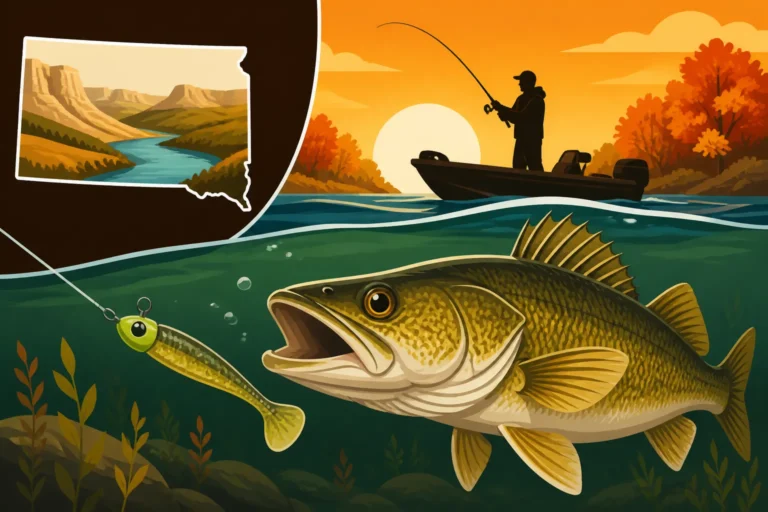
The scorching summer sun can make walleye fishing a real challenge for even the most seasoned angler in South Dakota. When the sun beats down, these wary fish often retreat to deeper, cooler waters, becoming incredibly lethargic and frustratingly difficult to entice with traditional daytime methods. But don't throw in the towel just yet! This comprehensive guide is here to shed some light on the art of night fishing for summer walleye, offering techniques and insights to turn those slow days into epic nights on the water.
Why Night Fishing for Walleye is a Game Changer in Summer
Many anglers pack up their gear as the sun begins to dip below the horizon, missing out on some of the best walleye action of the summer. When the heat of the day subsides and boat traffic dwindles, a completely different world awakens beneath the surface, a world where the walleye, with their exceptional low-light vision, become the undisputed kings.
Escaping the Daytime Heat and Pressure
During the dog days of summer, especially across South Dakota's vast reservoirs like Lake Oahe and Lake Sharpe, water temperatures can climb significantly. Walleye, being cold-blooded, don't much care for this. They'll often seek refuge in the coolest, deepest water they can find, or tuck themselves tightly into heavy cover like submerged timber or dense weed beds. This makes them less active and harder to target. Imagine trying to eat a big meal when you're feeling sluggish from the heat – it's similar for them!
Adding to this, the sheer volume of pleasure boaters, jet skis, and other fishing boats during daylight hours can create immense pressure. The constant noise and vibrations from propellors and motors send sound waves through the water, making already cautious walleye even warier. They learn quickly to associate these disturbances with danger, often shutting down their feeding activity until things quiet down. It’s incredibly frustrating to know there are fish below you but they simply won't bite. Night fishing offers a welcome escape from these conditions, presenting a much calmer, less intimidating environment where walleye feel safer to roam and feed.
Walleye Behavior Under the Moonlight
As twilight deepens into night, a remarkable shift occurs in walleye behavior. Their large, light-sensitive eyes, equipped with a reflective layer called the tapetum lucidum, give them a distinct advantage in low-light conditions. While other predatory fish might struggle, walleye thrive in the gloom, making them formidable nocturnal hunters. This natural adaptation is precisely why they become so much more active after dark.
They’ll often transition from their deep-water sanctuaries or dense cover and move into shallower feeding grounds. This includes venturing onto broad, expansive flats, along the edges of submerged points, or atop humps and reefs that were too exposed during the day. These areas, rich in baitfish seeking similar nocturnal comfort, become prime walleye buffets. Understanding this nocturnal migration is the first step to successful night fishing. They're not just randomly swimming around; they're following predictable patterns based on their comfort and feeding instincts.
Essential Gear for a Successful Night Fishing Trip
Heading out onto the water after dark requires a bit more preparation than a daytime excursion. Safety is paramount, and having the right tools for the job will make your experience more enjoyable and productive. Don't let the darkness catch you unprepared!
Lighting, Safety, and Comfort
First and foremost, you'll need reliable lighting. A quality headlamp is an absolute must-have. Look for one with a red light option, as red light helps preserve your natural night vision, making it easier to see what you're doing without blinding yourself or your fishing partners. Beyond personal lighting, if you're in a boat, ensure all your navigation lights are fully functional and properly displayed according to maritime law. An anchor light is also crucial if you plan to stay put. Believe me, the last thing you want is another boat not seeing you on the water.
Beyond illumination, think about safety and comfort. Summer nights in South Dakota can still get chilly, especially on the water with a breeze, so packing warm layers, a waterproof jacket, and even a thermal blanket is a smart move. Bug spray is non-negotiable – mosquitoes and other biting insects can quickly turn a peaceful night into an itchy nightmare. A well-stocked first-aid kit, a fully charged cell phone, and a marine radio are also critical safety items. You can find robust, waterproof headlamps and essential safety gear, including high-visibility life jackets, from reputable online retailers like Amazon, ensuring you're ready for any situation. Remember, being cold, bitten, or unable to navigate will ruin your trip faster than anything else.
Rods, Reels, Line, and Electronics
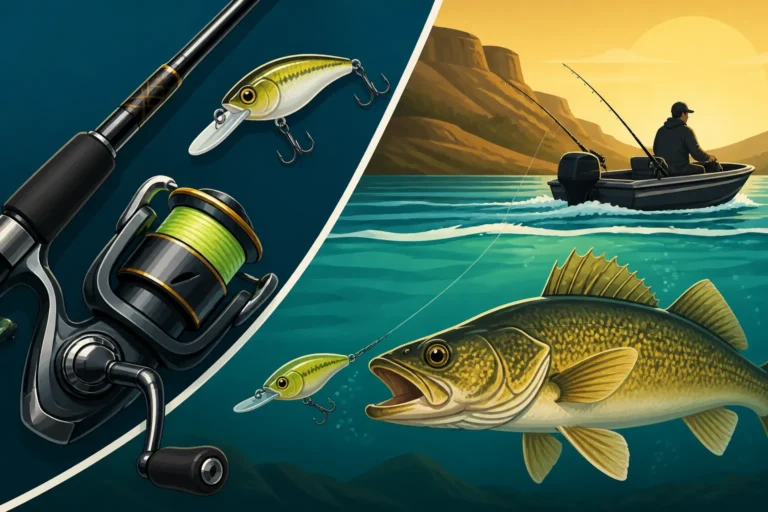
For night walleye fishing, your rod and reel setup should lean towards sensitivity and versatility. A medium-light to medium-heavy spinning or baitcasting rod, typically 6'6" to 7'6" in length, will offer the best balance. You want enough backbone to set the hook firmly but enough tip sensitivity to detect those subtle night bites. Pair this with a smooth, reliable reel spooled with the right line.
Line choice often comes down to personal preference, but many night anglers opt for braided line (10-20 lb test) for its incredible sensitivity and zero stretch, allowing you to feel every bump and tick. Attach a fluorocarbon leader (8-12 lb test) to the braid for invisibility and abrasion resistance. Alternatively, a good quality monofilament line (8-12 lb test) can work well, offering a bit more stretch which some prefer for cushioning hard strikes. As for electronics, a modern fish finder with good GPS capabilities is invaluable. Use it during the day to mark potential night spots – submerged humps, deep breaklines, and weed edges. Side imaging or down imaging can help you locate subtle structure and schools of baitfish in low light, giving you a distinct advantage.
Top Night Fishing Techniques for Summer Walleye
Once you've got your gear sorted, it's time to talk tactics. Night fishing for walleye isn't just about showing up in the dark; it's about employing specific techniques that capitalize on their nocturnal behavior. The key is often to slow down your presentation and focus on the areas where walleye are actively feeding.
Trolling with Crankbaits
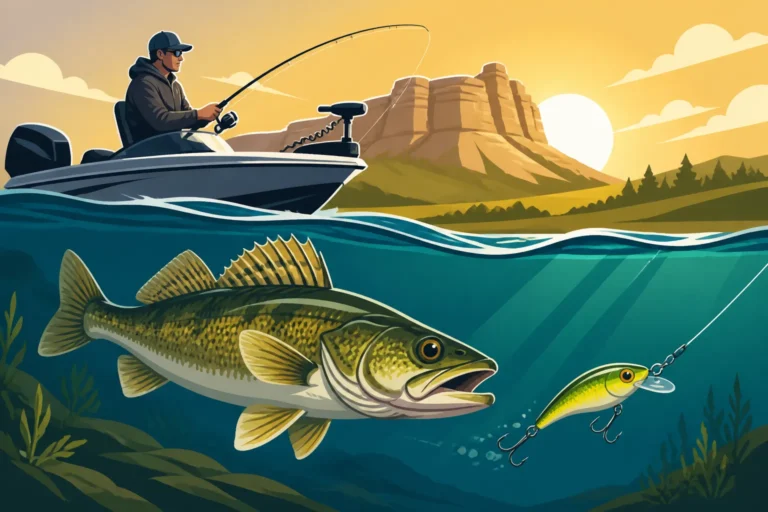
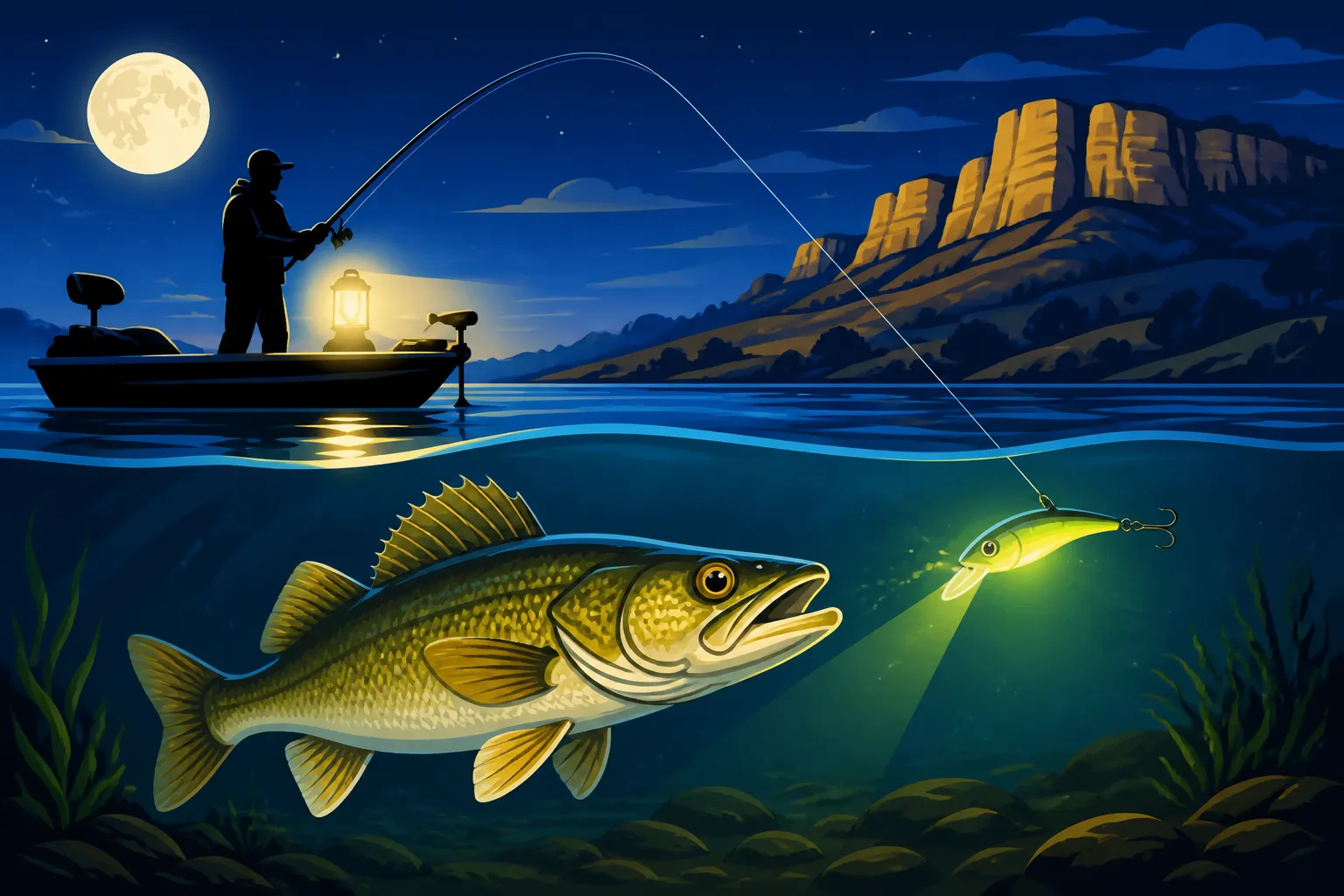
Trolling crankbaits is arguably one of the most effective methods for covering water and locating active walleye at night, especially on South Dakota's large bodies of water. The vibrating action, erratic swim, and often rattling sounds of crankbaits mimic baitfish struggling in the darkness, making them irresistible to predatory walleye. Focus your trolling efforts along breaklines, points, and flats adjacent to deeper water. Walleye will cruise these transition zones, ambushing unsuspecting forage.
Experiment with trolling speeds, typically between 1.5 to 2.5 mph, and vary your lure depths until you start getting bites. Using longer lead lengths will help your lures achieve maximum running depth and present a more natural action. Lure selection is critical: while bright colors might work during the day, at night, consider darker, silhouetted patterns like black, purple, or deep blue. Some anglers swear by glow-in-the-dark or UV-enhanced baits, believing they stand out more. Rattling crankbaits are particularly effective as the sound can help walleye locate them in the dark. For more in-depth knowledge on this, check out our guide on South Dakota Walleye Trolling Techniques.
Jigging and Live Bait Rigs
When walleye are holding tight to specific structures or you've marked a school on your fish finder, vertical jigging can be incredibly productive. This technique involves dropping a jig (typically 1/4 to 1/2 ounce, tipped with a minnow or soft plastic paddle tail) directly below your boat and working it with short, sharp lifts and drops. The goal is to keep the bait in the strike zone, mimicking a darting baitfish or an injured minnow. This is particularly effective near drop-offs, rock piles, or under artificial lights that attract bait.
Live bait rigs are another phenomenal choice for night fishing. A simple slip bobber setup with a lively minnow or a juicy nightcrawler suspended just above a weed line or a submerged hump can be deadly. The bobber allows the bait to drift naturally, and the subtle movements of the live bait often tempt even the most finicky walleye. For a more active presentation, consider bottom bouncing with spinner rigs, especially if walleye are scattered across a flat. This involves slowly dragging a weight along the bottom with a baited hook trailing behind it, creating a slow, enticing presentation. Remember, at night, subtle movements and natural presentations often outperform aggressive tactics. Our comprehensive South Dakota Walleye Fishing Guide delves deeper into these effective methods.
Casting and Pitching Shallow Structures
As walleye move shallower at night, casting and pitching lures to prominent structures becomes a very exciting and effective technique. Think about those rocky points, riprap shorelines, or prominent weed lines that might be only 5-15 feet deep. These are prime ambush zones under the cover of darkness. Casting shallow-running crankbaits, jerkbaits, or even weedless jigs (tipped with a worm or soft plastic) can yield explosive strikes.
The key here is a slow, deliberate retrieve. Walleye aren't typically in hot pursuit at night; they're more likely to ambush. So, a slow, steady retrieve with occasional pauses or subtle twitches often triggers a strike. Look for areas with a good supply of baitfish, as walleye will follow their food source. On lakes like Lake Francis Case or Lewis and Clark Lake, casting parallel to rocky banks or around illuminated docks can be especially rewarding. Always be mindful of your surroundings and any potential hazards in these shallower areas.
Key Locations and Structures for Night Walleye
Knowing the techniques is one thing, but knowing where to apply them is just as important. Walleye don't just randomly swim anywhere at night; they follow predictable patterns and utilize specific structures for feeding and cover. Understanding these hotspots can significantly increase your success.
Main Lake Points, Humps, and Reefs
These underwater features are classic walleye magnets, day or night. During the day, walleye might hold on the deep sides of these structures, but as darkness falls, they'll often move up to the tops and along the shallower edges to feed. Main lake points that extend far into the body of water act as natural highways for fish moving from deeper, cooler water into shallower feeding grounds. The same goes for submerged humps and reefs – they concentrate baitfish and provide excellent ambush points for walleye.
When fishing these areas at night on popular lakes like Lake Oahe or Lake Sharpe, focus on the transition zones where the bottom changes from soft to hard, or where rocky structure meets a flat. Use your fish finder to identify these contours and mark them carefully during daylight hours if possible. Trolling crankbaits along the edges or vertically jigging on top of the humps can be incredibly effective. Understanding the topography of these critical structures is key to locating the most active fish. For general guidance on these prime locations, our Best South Dakota Lakes for Walleye article is a great resource.
Shallow Flats and Weed Lines
While many associate walleye with deeper waters, summer nights see them actively patrolling shallower flats and the edges of weed beds. These areas often teem with baitfish, insect larvae, and other forage that become more accessible under the cloak of darkness. Walleye will use the cover of the weeds to ambush prey, so finding healthy, green weed lines is crucial. Look for pockets or open areas within dense weed beds where you can present your lure without getting constantly snagged.
The best weed lines are usually adjacent to deeper water, allowing walleye an easy retreat if threatened. Casting shallow-running crankbaits or even weedless jigs along these edges, or using a slip bobber rig with live bait just above the weeds, can be highly productive. These areas often warm up faster during the day, attracting bait, and that bait often stays there through the night, creating a consistent food source for hungry walleye. Understanding these patterns is a cornerstone of South Dakota Fishing Seasons Explained.
Bridges, Docks, and Artificial Lights
Don't underestimate the power of artificial light and man-made structures at night. Bridges, boat docks, and even shore-based lights can create a localized feeding frenzy. The light attracts zooplankton, which then attracts small baitfish, and in turn, larger predatory fish like walleye. The pilings and supports of bridges also provide excellent cover and current breaks, making them prime spots for walleye to hold and ambush.
When approaching these areas, exercise extreme caution for navigation and be mindful of other anglers or boaters. If fishing from a boat, approach quietly and try to cast to the edges of the light and shadow. Walleye will often sit just outside the brightest illumination, darting into the light to grab an easy meal. For bank anglers, lighted docks and bridge abutments offer some of the best opportunities for success after dark. It’s always good to be aware of the specific rules around different bodies of water, like those covered in the South Dakota Fishing Regulations Explained.
Mastering the Night Bite with Finesse and Patience
Night fishing for walleye isn't just about technique; it's about a shift in mindset. The low light affects not only the fish but also your senses, requiring a different approach to detecting bites and presenting your lures. Patience becomes an even greater virtue, and finesse often trumps power.
Interpreting Subtle Bites
One of the biggest differences you'll notice when night fishing for walleye is how subtle their bites can be. Gone are the aggressive, rod-bending strikes often experienced during the day. At night, walleye are often less aggressive in their feeding, and bites can feel like a mere "thump," a sudden slack in your line, or simply added weight. It's easy to mistake these subtle indications for snags or bottom contact if you're not paying close attention.
This is where a sensitive rod and line become absolutely critical. Hold your rod tip high, keep a slight bow in your line to watch for movement, and try to maintain constant contact with your lure or bait. Learn to differentiate between the feel of your lure hitting structure and a fish mouthing your bait. A good rule of thumb: if it feels "different," set the hook! Often, by the time you're sure it's a bite, the fish may have already let go. Practice and focus are your best teachers here. For tips on specific types of bites, our Jigging Techniques for Missouri River Walleye can provide some useful insights.
Stealth and Presentation
In the calm quiet of the night, walleye become even more sensitive to disturbances. Noise on your boat, bright lights shining directly on the water, or even heavy footsteps can spook them and send them scattering. The key to success is stealth. Keep conversations to a whisper, minimize banging tackle boxes or dropping gear, and avoid shining your headlamp directly into the water where you're fishing. Use red light on your headlamp whenever possible to minimize disturbance.
Your presentation should also reflect this focus on finesse. When trolling, maintain a consistent, quiet boat speed. If you're anchoring, do so gently, using a silent anchor release system if possible. Cast your lures with a smooth, controlled motion, allowing them to enter the water with minimal splash. Retrieve your baits slowly and deliberately, focusing on a natural, enticing action rather than aggressive movements. Remember, walleye are using their superior low-light vision and lateral line to hunt; any sudden, unnatural movement or sound can send them packing. Finding robust, quiet anchor systems is easy on platforms like Amazon, ensuring you don't spook the fish.
Safety First: Tips for Night Fishing in South Dakota
While night fishing offers incredible opportunities, it also comes with increased risks. The darkness obscures hazards, makes navigation trickier, and can amplify small mistakes. Prioritizing safety is not just a recommendation; it's a non-negotiable requirement for any night angler.
Navigation and Awareness
Before you even consider launching your boat after dark, you must have an intimate knowledge of the waterway you plan to fish. Features that are easily discernible during the day – submerged rocks, shallow areas, navigational markers – become invisible hazards at night. Always have a reliable GPS unit with up-to-date charts, and know how to use it proficiently. Pre-running your intended route during the day can save you a lot of headaches (and potential damage) after dark.
Ensure your boat is equipped with proper navigation lights – a white all-around light and red/green bow lights are standard. These aren't just for showing you where you're going; they're crucial so other boats can see you. Always operate your boat at a safe, reduced speed, especially in unfamiliar waters or areas with potential obstructions. Wearing a personal flotation device (PFD) at all times, even if you're a strong swimmer, is a non-negotiable safety measure, particularly when fishing alone. Always double-check the weather forecast before heading out; a calm evening can quickly turn into a dangerous storm in South Dakota. You can learn more about specific requirements in our South Dakota Boat Safety Requirements guide.
Essential Safety Gear and Preparedness
Beyond navigation, a well-thought-out safety kit can make all the difference in an emergency. Your standard first-aid kit should be comprehensive, including bandages, antiseptic wipes, pain relievers, and any personal medications. Always carry a fully charged cell phone, and consider a portable battery bank to ensure it doesn't die. A marine radio is also highly recommended, providing a reliable way to communicate with emergency services or other boaters, even if your cell phone loses signal.
An air horn or whistle is important for signaling, and a spare paddle or oar can be a lifesaver if your motor unexpectedly fails. Inform someone on shore of your float plan – where you're going, who you're with, and when you expect to return. This simple step ensures that if something does go wrong, someone knows to look for you. Understanding and adhering to all local boating and fishing regulations, as outlined in publications like the South Dakota GFP Fishing Handbook Guide, is also part of being prepared. Fishing with a buddy is always a good idea for added safety and enjoyment.
| Night Fishing Technique | Best Conditions | Target Depth | Lure/Bait Examples | Pros | Cons |
|---|---|---|---|---|---|
| Trolling Crankbaits | Open water, larger lakes, searching for active fish | 10-30 feet (variable by lure) | Deep-diving crankbaits (black, purple, glow), rattling lures | Covers large areas, consistent presentation, triggers reaction strikes | Requires boat, can be difficult in tight spaces, risk of snags |
| Vertical Jigging | Marked fish, structure (humps, drop-offs, bridge pilings), calm conditions | 5-40 feet | Jigs (1/4-1/2 oz) tipped with minnow or soft plastic | Precise presentation, good for suspended fish, excellent bite detection | Requires accurate boat positioning, can be slow for covering water |
| Slip Bobber & Live Bait | Weed lines, shallower flats, over structure | 5-20 feet | Minnows, nightcrawlers under a slip bobber | Natural presentation, works for cautious fish, easy to gauge depth | Slower presentation, can be affected by wind, bait management |
| Casting & Pitching | Shallow points, riprap, docks, shore access | 3-15 feet | Shallow crankbaits, jerkbaits, weedless jigs | Excellent for shallow feeding walleye, accessible from shore or boat | Limited water coverage, requires accurate casting in the dark |
Disclaimer
Please note that fishing regulations, license requirements, and safety guidelines can change. Always consult the official South Dakota Game, Fish and Parks (GFP) website or their current fishing handbook for the most up-to-date information before heading out on the water. This guide is for informational purposes only and should not replace official sources or responsible judgment.