Best Fall Pattern for Big Walleye
The crisp autumn air brings with it a unique challenge for walleye anglers: those once predictable summer patterns completely shift, leaving many scratching their heads about where the big fish have gone. If you've ever felt that frustration of trying to pinpoint trophy walleye as the leaves turn, this comprehensive guide is for you. We're going to dive deep into the best fall patterns for finding and catching those elusive large walleye in South Dakota's fantastic waters.
Decoding Fall Walleye Behavior: Why They Change Their Ways
As summer gives way to fall, the entire aquatic ecosystem undergoes a transformation, and walleye are no exception. Understanding these fundamental shifts in their behavior is the first step toward consistently finding and catching bigger fish. It’s not just about the water getting colder; it’s about a cascade of environmental changes that dictate where walleye will be and what they'll be willing to eat.
The Impact of Cooling Water Temperatures
The most obvious change in fall is the dropping water temperature. Walleye are cold-blooded creatures, and their metabolism is directly tied to the water around them. As the lake or river cools from the surface down, it signals a critical period for them. This isn't a gradual decline in activity, but rather a strategic response to prepare for the long, lean months of winter. Initially, cooler temperatures can invigorate walleye, making them more active and aggressive. They sense the impending cold and know it's time to pack on calories.
However, as temperatures continue to plummet, particularly into the low 40s and 30s, their activity will slow down significantly. The key for anglers is to target them during this peak feeding window, which typically occurs before the water gets truly frigid. Knowing the water temperature can be a game-changer, and investing in a good fish finder with temperature readings, perhaps one found on Amazon, is crucial for reading water temperature for walleye and adapting your approach.
The Autumnal Walleye Feast: Fueling Up for Winter
Forget the scattered schools of summer; fall brings a more concentrated feeding frenzy. Walleye, especially the bigger ones, become incredibly opportunistic and focused on consuming as much forage as possible. Their diets will often shift to larger baitfish that are also schooling up, such as shad, ciscoes, or larger perch. This heightened feeding activity makes fall one of the best times of year to target truly massive walleye. They are actively seeking out bigger meals to build up fat reserves for winter survival and their upcoming spring spawn.
This means you might find them gorging themselves in specific areas where baitfish are abundant, often near the last remaining green weed beds, steep breaks, or submerged structure. It's a race against the clock for these fish, and if you can tap into that instinct, you're in for some incredible fishing. The sheer size of the bait they're targeting means you can often get away with larger presentations, which naturally helps weed out smaller, less aggressive walleye.
Identifying Prime Locations for South Dakota's Fall Walleye
South Dakota offers an incredible variety of waters, from the vast Missouri River reservoirs to the smaller glacial lakes, and each presents unique opportunities for fall walleye. Finding these fish means understanding how they relate to specific structures and depths as the season progresses. The locations where you found them in August will likely be barren in October.
Deep Main Lake Basins and River Channels
As surface temperatures continue to drop, walleye often migrate from shallower summer haunts to deeper main lake basins and river channels. These areas provide more stable water temperatures and often hold significant concentrations of baitfish. On enormous bodies of water like Lake Oahe Fishing Guide or Lake Sharpe Fishing Guide, this often means keying in on submerged islands, humps, and the edges of the old river channel. Big walleye love to ambush prey from these structural elements, using them as highways to move between feeding and resting areas.
It's not just about depth, though; it's about the contour of the deep water. Look for irregularities in the bottom – shelves, points, inside turns, or rubble piles – anything that offers an advantage for ambush. If you can locate schools of baitfish in these deeper zones, the walleye won't be far behind. These deeper haunts also offer consistent currents on the Missouri River system, which can be an attractant to both walleye and their prey.
The Allure of Green Weeds and Rock Piles
While much attention shifts to deep water, never underestimate the power of the last remaining green weed beds, especially in shallower bays or along main lake points that still get some sunlight penetration. These weeds provide cover and act as a magnet for smaller baitfish, which in turn attract walleye. These spots can be particularly productive during warmer fall days or early in the season before a hard freeze. Walleye will cruise the edges of these beds, waiting to dart in and snatch an unsuspecting minnow.
Similarly, rock piles, riprap shorelines, and gravel bottoms remain productive throughout the fall. These areas hold heat longer, provide excellent ambush points, and often harbor crawfish and other invertebrates, offering an additional food source. On lakes like Lake Francis Case, the numerous rocky points and submerged humps are classic fall walleye hotspots. These areas are excellent for Smallmouth Bass Daily Limits as well, which often share similar habitat preferences with walleye in the fall.
Tailraces and Current Areas Below Dams
For those fishing the Missouri River system, the tailraces below the major dams (Oahe, Big Bend, Fort Randall, Gavins Point) become incredibly productive in the fall. The constant flow of water, coupled with the discharge from the turbines, churns up baitfish and concentrates them in predictable locations. This means excellent fishing below Missouri River Tailwater Fishing Below Oahe Dam or below Fort Randall Dam. Walleye will stack up in current seams, eddies, and slack water pockets, waiting for an easy meal to drift by.
The constant oxygenation and cooler, consistent water temperatures make these areas highly attractive. You'll often find a mix of species here, but the walleye, especially the larger ones, will position themselves strategically to conserve energy while maximizing feeding opportunities. This is a prime example of where Jigging Techniques for Missouri River Walleye can really shine, allowing you to present your bait precisely in the current.
Employing Effective Techniques and Baits for Fall Walleye
The fall walleye bite can be one of the most aggressive, but you need the right tools and tactics to capitalize on it. This is not the time for subtle presentations; big fish are looking for a substantial meal.
Trolling: Covering Water and Matching the Hatch
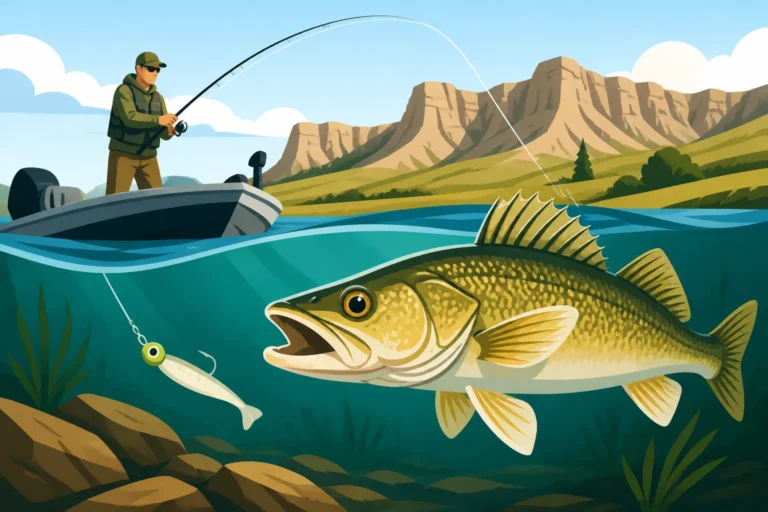
Trolling is undeniably one of the most effective ways to cover vast amounts of water and locate scattered schools of fall walleye, particularly on the big reservoirs. Whether you're trolling crankbaits, spinner rigs, or even live bait rigs, the key is to match the size and profile of the predominant baitfish. Larger deep-diving crankbaits that mimic shad or ciscoes are often killers. Experiment with colors, but natural baitfish patterns, chartreuse, and perch colors are perennial favorites.
Adjusting your trolling speed is also critical. Sometimes a slow, methodical pull is what triggers a bite, while other times a slightly faster pace can draw reaction strikes. Using planer boards can help spread out your lines and cover a wider swath, presenting baits to more fish, especially when walleye are spread out laterally. Many anglers find high-quality deep-diving crankbaits readily available on Amazon to stock their tackle boxes for the fall season. For more detailed insights, check out our guide on South Dakota Trolling Techniques for Walleye.
Jigging: Precision in Key Locations
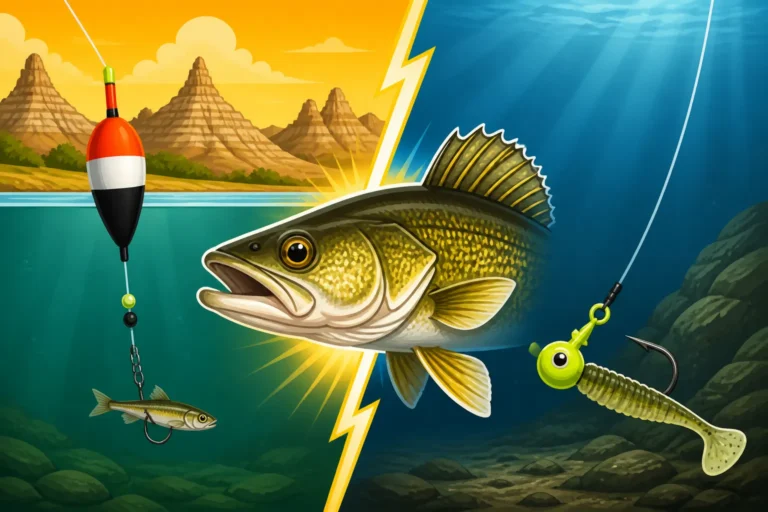
When walleye are concentrated in specific areas – say, on a deep hump, along a channel edge, or in a tailrace current – jigging becomes incredibly effective. Vertical jigging with heavier jigs tipped with a minnow or a soft plastic can be deadly. The heavier jig allows you to maintain contact with the bottom in deeper water or strong current, which is often where those big walleye are holding. Remember, walleye in fall are often hugging the bottom or suspended just above bait schools.
Another fantastic option is pitching jigs to specific structure, like rock piles or the deep edges of weed lines. The thumping action of a jig hitting the bottom, then being subtly lifted, often mimics an injured baitfish, making it irresistible to hungry walleye. Pay close attention to how the fish are biting; sometimes it's a hard thud, other times it's a barely perceptible weight added to your line. These South Dakota Fall Walleye Fishing Techniques are crucial for success.
Live Bait Rigs: The Natural Presentation
Sometimes, nothing beats the real thing. Live bait, particularly large minnows like shiners or chubs, can be the ultimate convincer for wary fall walleye. Slow-trolling or drifting with a bottom bouncer and a live bait rig is a time-tested method. The natural action and scent of a live minnow can draw strikes when artificials fail.
You'll want to use strong hooks appropriate for the size of your bait and the potential size of the walleye you're targeting. Often, these big fish will inhale the bait, so a short waiting period after a bite is detected can improve your hook-up ratio. A simple slip sinker rig with a lively minnow is often all it takes. Just ensure your minnows are healthy and active; sluggish bait rarely catches big fish.
Seasonal Nuances and Timing for Trophy Walleye
Fall isn't a single, static season; it's a progression, and understanding its stages is vital for consistent success with big walleye. What works in early fall might not work in late fall.
Early Fall: Transition and Aggression
Early fall, when water temperatures are still in the 50s and low 60s, is often characterized by a transitional period. Walleye might still be found near summer haunts, especially if baitfish are present, but they're starting to make moves towards deeper water. This is an excellent time for aggressive presentations – faster retrieves, noisier crankbaits, and covering water quickly. The fish are often very active and willing to chase.
Many anglers find this period, often from late September through October, to be incredibly productive for numbers of fish, with a good chance at a trophy mixed in. They're feeling the urge to feed but haven't yet settled into their deeper winter patterns. This is an ideal time to check out your favorite spots from the summer and then gradually expand your search to deeper adjacent areas.
Mid to Late Fall: Deep Water and Slow Presentations
As water temperatures drop into the 40s and eventually the high 30s, big walleye typically settle into their deeper wintering areas. This is when the true trophy hunt begins. Fish are concentrated, often in massive schools, but their metabolism has slowed down. This calls for slower, more deliberate presentations. Deep-water jigging, slow-trolling heavy crankbaits, or deadsticking large live minnows become the go-to tactics.
Identifying the exact depth where fish are holding is paramount. Your electronics, especially side imaging and down imaging, become indispensable. Look for those distinct arches or schools of baitfish suspended over the main channel. Patience is key during this period; bites can be subtle, and you might need to work an area thoroughly to trigger a strike from a giant. For a full breakdown of the calendar, refer to our guide on South Dakota Fishing Seasons Explained.
Fall's Best Bets: Key South Dakota Waters
South Dakota's major Missouri River reservoirs—Oahe, Sharpe, Francis Case, and Lewis and Clark—are legendary for their fall walleye fishing. Lake Oahe, in particular, is known for producing massive walleye in the fall as they gorge on ciscoes and other forage fish. The expansive nature of these lakes means covering water is important, but once you find a pattern, it can be incredibly consistent.
Beyond the reservoirs, some of the larger glacial lakes in eastern South Dakota can also offer fantastic fall walleye fishing, though their patterns might differ slightly due to less current. Look for deep holes, rock bars, and drop-offs in these lakes. Regardless of where you fish, remember that perseverance and adapting your approach to the specific conditions of the day are what truly unlock the secrets of the Best Time of Year to Fish in South Dakota for trophy walleye.
Fall Walleye Tactics by Water Temperature
To help you visualize how walleye behavior and tactics shift throughout the fall, here's a quick reference table:
| Water Temperature Range | Walleye Behavior | Recommended Tactics | Preferred Baits/Lures |
|---|---|---|---|
| 60-50°F (Early Fall) | Active, aggressive, transitioning from summer areas | Fast trolling, casting, searching | Larger crankbaits, spinner rigs, jigging Rapalas |
| 50-40°F (Mid Fall) | Heightened feeding, moving to deeper structure | Medium to slow trolling, vertical jigging, drifting | Deep-diving crankbaits, heavy jigs with plastics/minnows |
| 40-35°F (Late Fall) | Concentrated, slower metabolism, deep water | Slow trolling, deadsticking, subtle jigging | Live minnows, blade baits, slow-moving jigs |
Remember, these are general guidelines, and local conditions and baitfish populations will always influence the precise patterns. But by understanding the overarching trends of the fall transition, you'll be well-equipped to target and land those giant South Dakota walleye you've been dreaming about.
Disclaimer
This article is for general informational purposes only and does not constitute professional advice. Laws, prices and regulations vary by location and change over time. Consult a qualified professional for guidance on your specific situation.