How to Fish Shallow Flats in Spring
As the snow melts and the ice grudgingly retreats from South Dakota's vast lakes and reservoirs, many anglers find themselves eager to get back out on the water. But that early spring period can be tricky, right? You know the feeling – you're pumped for open water, but the fish just aren't quite where they were last fall, and the patterns you relied on seem to have vanished. The key to cracking this challenging, yet incredibly rewarding, early season code often lies in understanding and effectively fishing the shallow flats, where fish gravitate for warmth and food as the landscape awakens.
Why Shallow Flats are Spring Hotspots in South Dakota
Spring in South Dakota brings a gradual warming, but it’s rarely a sudden flip of a switch. Those initial weeks of open water can be a rollercoaster of weather. Yet, through it all, there's a predictable movement of fish towards shallower areas. This isn't just a random migration; it's a fundamental response to the environment, driven by survival and the urge to reproduce.
The Allure of Warmth and Forage
Think about a shallow flat, maybe a vast expanse of two to six feet deep, stretching out from a shoreline on a large lake like Oahe or a glacial lake like Lake Poinsett. When the sun beats down after a long winter, these shallow zones are the first places to really soak up that warmth. Unlike the deeper, colder main lake basins, which take much longer to heat up, these flats can see significant temperature increases in a single sunny afternoon. Just a few degrees can make a world of difference to cold-blooded fish. This warmer water invigorates them, increasing their metabolism and making them more active feeders.
Beyond just the cozy temperatures, these shallow flats become prime dining areas. The sun's penetration sparks the growth of microscopic organisms, which in turn attract invertebrates and small baitfish. Think about minnows, young panfish, and other tiny morsels that have spent the winter in deeper, more stable environments. As the shallows warm, these vital forage species move in, seeking the burgeoning food sources and warmer water for their own survival and spawning. Walleye, northern pike, and both largemouth and smallmouth bass are quick to follow, turning these flats into a bustling buffet. It’s a classic food chain in action, and if you can find the food, you’ll find the fish.
Understanding Water Temperature and Fish Behavior
Water temperature isn't just a number on a graph; it's the master key to unlocking fish behavior in the spring. For walleye, for instance, even a small increase from, say, 38 degrees Fahrenheit to 45 degrees can trigger a noticeable shift in their activity levels. They might still be sluggish at the lower end, but as it climbs, they become more willing to chase a bait. For species like smallmouth bass, which are often found hugging rocky shorelines and flats, reaching into the 50s will really get them going, indicating the start of their pre-spawn feeding frenzy.
It's crucial to pay attention to subtle temperature changes throughout the day and with passing weather fronts. A flat that was cold and barren in the morning might be teeming with activity by late afternoon after several hours of sunshine. Conversely, a sharp cold front or a few days of cloudy, windy weather can push fish back into slightly deeper water adjacent to the flats, seeking more stable temperatures. Having a reliable boat thermometer or even a handheld one for shore fishing is invaluable for understanding what the fish are experiencing. Reading water temperature for walleye is a skill that takes time to develop, but it's vital for consistent success in spring.
Essential Gear and Tactics for Spring Shallow Flats
Fishing shallow flats in spring often demands a slightly different approach than the deep-water trolling or vertical jigging you might use later in the year. The fish are often more spread out, sometimes a bit finicky due to colder water, and can be easily spooked. Having the right gear and knowing how to present your bait effectively can make all the difference between a frustrating day and a memorable one.
Rods, Reels, and Line Choices
When you're fishing these wide-open, relatively shallow areas, versatility and sensitivity are your best friends. For walleye, a medium-light to medium power spinning rod, around 6'6" to 7'2" in length, is often ideal. This length allows for long casts to cover water without spooking fish, while the medium power gives you enough backbone to set the hook and fight a good fish. Pair that with a smooth spinning reel spooled with 6-8 pound test monofilament or fluorocarbon. Braided line can also be effective, especially if you're looking for maximum sensitivity, but I'd always recommend tying on a fluorocarbon leader of about 3-6 feet. This leader helps with stealth in clearer spring waters, as fluorocarbon is virtually invisible underwater. If you're targeting northern pike or larger bass, you might opt for a slightly heavier medium-heavy rod and perhaps 10-15 pound braided line with a stout fluorocarbon leader to handle their aggressive strikes and sharp teeth. Many great options can be found on Amazon, offering a wide range of choices for every budget.
Top Lures and Baits for Spring Flats
This is where the fun really begins! Spring fish in the shallows are often hungry but can be particular. Here are some go-to options:
- Jigs: A classic for a reason. 1/8 to 1/4 ounce jigs, tipped with live minnows, plastic grubs, or paddle-tail swimbaits, are deadly. Colors like chartreuse, white, orange, and black are perennial favorites. The key is to present them slowly, letting them sink and just barely hopping them along the bottom. This mimics a struggling baitfish, an easy meal for a sluggish predator.
- Crankbaits: Shallow-diving crankbaits that run 2-5 feet deep are perfect for covering ground. Trolling or casting these baits parallel to the contours of a flat can be incredibly effective. Pay attention to retrieve speed; often, a slow roll with occasional pauses works best. Colors mimicking local baitfish (perch, shiners) are always a good start, but don't shy away from brighter, more aggressive patterns on cloudy days. Check out the "Best Lures for Spring Walleye on the Missouri River" guide for more specific recommendations.
- Soft Plastics: These are incredibly versatile. Paddle-tail swimbaits, grubs, and even stick baits can be rigged weedless or on a jig head. Work them slowly, jigging, twitching, or swimming them just above the bottom. The subtle action of a soft plastic can entice bites from wary fish.
- Live Bait: Minnows are king in the spring, especially for walleye. Rig them on a jig, under a slip bobber, or on a Lindy rig. Shiners, fatheads, and even creek chubs can be irresistible. Nightcrawlers can also work, particularly for bass and larger panfish, but minnows usually take the lead for walleye during this cooler period. For more on this, consider the comparison of "Live Bait vs Artificial Lures for Walleye".
Mastering the Presentation: Slow and Steady Wins the Race
The most common mistake anglers make in spring is fishing too fast. Remember, the water is still cold, and fish metabolisms are not in full summer swing. They're often looking for an easy meal, not something they have to expend a lot of energy chasing.
- Slow Down: Seriously, go slower than you think you should. Whether you're casting a jig, trolling a crankbait, or drifting with live bait, a methodical, deliberate pace is usually best.
- Pauses and Twitches: Incorporate pauses into your retrieve. Let a jig rest on the bottom for a few seconds. Allow a crankbait to suspend momentarily. These pauses often trigger strikes from fish that are following but hesitant to commit. A subtle twitch can then be the final invitation.
- Bottom Contact: Many species, especially walleye, will be hugging the bottom on these flats. Ensure your bait is making contact, stirring up a little puff of silt, or bumping off rocks. This imitates struggling forage and creates a visual cue.
Locating and Approaching South Dakota's Prime Shallow Flats
You can have the best gear and the perfect bait, but if you're not in the right spot or you approach it incorrectly, your chances plummet. Spring fishing on shallow flats is as much about observation and stealth as it is about technique.
Reading the Water: Wind, Structure, and Substrate
Finding productive shallow flats requires a keen eye and understanding of fish preferences.
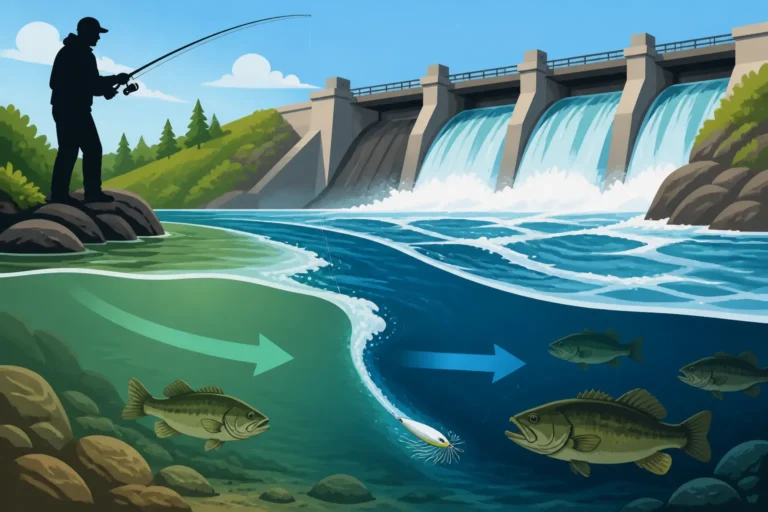
- Wind Direction: Wind can be your friend or foe. A steady, mild wind blowing into a shallow flat can stack up warmer surface water and concentrate baitfish, bringing predators right to them. Think about wind-blown points or shorelines. However, a strong, sustained wind can churn up sediment, making the water muddy and potentially pushing fish out. Always consider how wind interacts with the specific flat you're looking at.
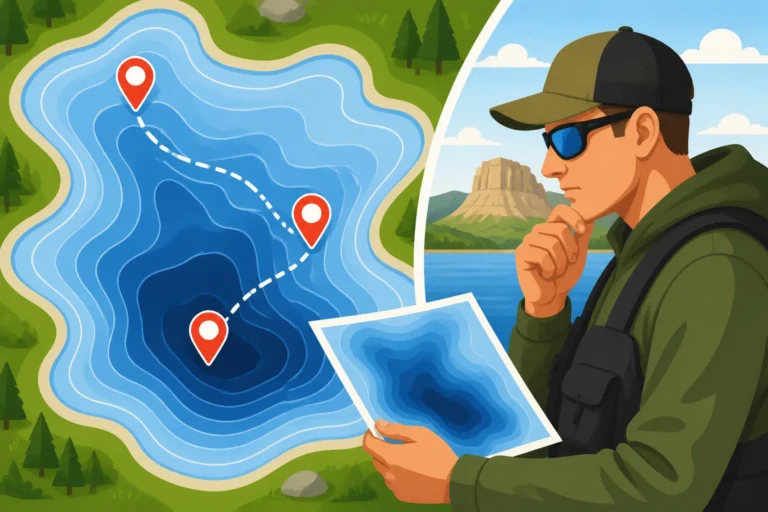
- Structure and Substrate: Shallow flats aren't always uniform. Look for subtle changes in the bottom composition. A transition from sand to gravel, or the presence of isolated rock piles, old submerged timber, or early weed growth can create ambush points. These areas offer cover and attract bait, making them magnets for predatory fish. A good fish finder can help you map these underwater features, and learning how to read contour lines on a lake map is an invaluable skill.
- North-Facing Shorelines: Often, north-facing shorelines (those exposed to the south) will warm up fastest due to direct sun exposure throughout the day. These can be prime starting points in the earliest part of spring.
Best Times of Day and Conditions
Spring weather in South Dakota is notorious for its capriciousness. Adaptability is key.
- Sunny Afternoons: These are gold, especially after a few cooler days. The sun warms the shallow water, activating both baitfish and predators. Focus on the peak warmth of the afternoon.
- Overcast Days with Stable Pressure: Don't rule out cloudy days. If the barometric pressure is stable and there's a gentle breeze, overcast conditions can actually make fish feel more secure in the shallows, leading to consistent feeding throughout the day.
- Pre-Frontal Activity: Before a major cold front rolls in, fish often go on a feeding binge. Keep an eye on the forecast, and if you can hit the water before a significant weather change, you might find some aggressive biters.
- The Best Time of Day to Catch Walleye in Spring: Generally, it will be the warmest part of the day, which is usually late morning through late afternoon. But every day is different, so observation is key.
Stealth is Your Ally
Fish in shallow water are naturally more wary. They’re exposed, and any sudden movements or loud noises can send them scattering.
- Quiet Approach: If you're in a boat, use your trolling motor sparingly and approach flats slowly. Avoid slamming hatches or dropping anchors with a loud clang. If you’re fishing from shore, walk softly and avoid casting a large shadow over the water.
- Long Casts: This is paramount. Position your boat or yourself far enough away from the prime fishing zone that you can make long casts to reach the fish without putting them down. This also allows your lure to get down to depth and establish its action before it enters the "strike zone."
- Polarized Sunglasses: These aren't just for comfort; they’re essential for sight fishing. They cut the glare off the water, allowing you to see subtle changes in bottom composition, weed lines, and sometimes even cruising fish. This is especially helpful on those sunny spring days.
Species-Specific Strategies for South Dakota Shallow Flats
While the general principles of fishing shallow flats apply across the board, tweaking your approach for specific species can lead to even greater success. South Dakota's waters are home to a diverse array of game fish that all utilize these spring hotspots.
Targeting Walleye in Spring Shallows
After the ice fully recedes, walleye on large reservoirs like Lake Oahe and Lake Sharpe, and many of the smaller glacial lakes, will often move into shallow flats as part of their pre-spawn and early post-spawn movements. They're looking for that warmer water and the abundant forage that comes with it.
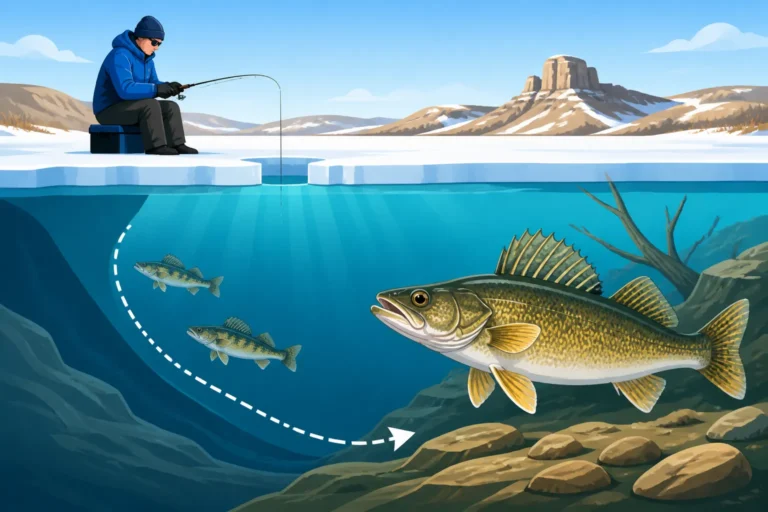
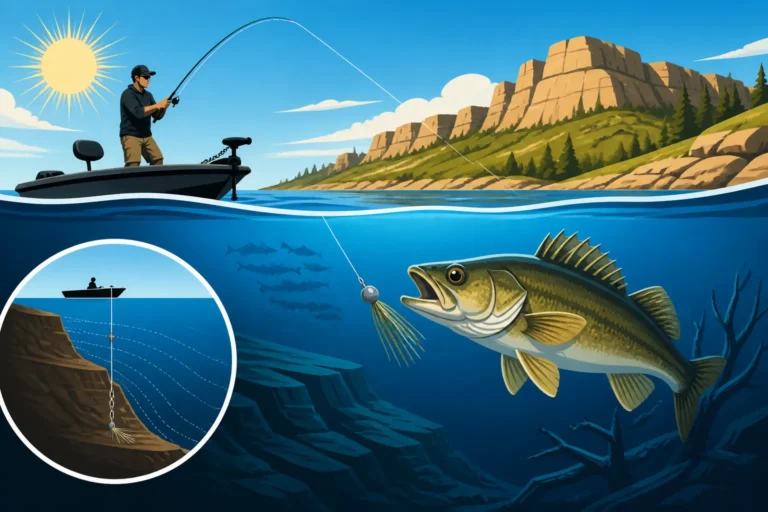
- Pre-Spawn Movement: In the very early spring, walleye will often stage on the edges of shallow flats before moving into even shallower spawning areas. Targeting the drop-offs adjacent to vast flats can be highly productive. Focus on depths of 8-15 feet that transition quickly into shallower water. Jigs tipped with minnows or slow-trolled crankbaits are excellent for these staging fish.
- Post-Spawn Recovery: Once walleye have spawned, they'll retreat slightly but often remain near those shallow flats to recover and feed aggressively. They might be a bit lethargic immediately after spawning, but as their energy returns, they become quite catchable. This is when the flats themselves, in 4-8 feet of water, become prime hunting grounds. Slow-rolling spinner rigs with nightcrawlers or trolling very shallow crankbaits are fantastic choices. For a deep dive, check out our guide on "How to Fish for Walleye in South Dakota". Remember to check specific South Dakota Walleye Limits for the waters you're fishing.
Chasing Bass (Smallmouth and Largemouth)
Both smallmouth and largemouth bass are highly active on shallow flats during the spring in South Dakota, especially as water temperatures climb into the mid-40s and 50s.
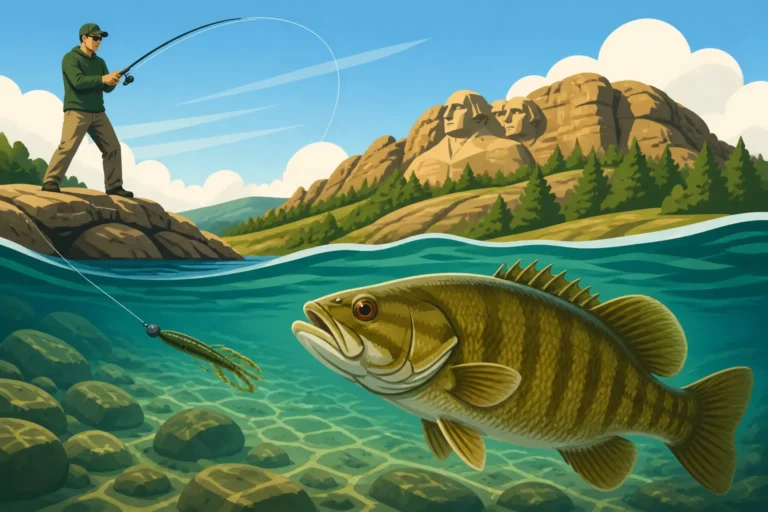
- Smallmouth Bass: Often found on rocky or gravelly flats, particularly those with access to deeper water nearby. They will cruise these areas looking for crayfish and baitfish. Crankbaits that mimic crawfish, tube jigs, or even jerkbaits can be incredibly effective. Cast parallel to rocky points and breaklines, slowly retrieving your lure. The "South Dakota Smallmouth Bass Fishing Guide" offers even more detailed tips.
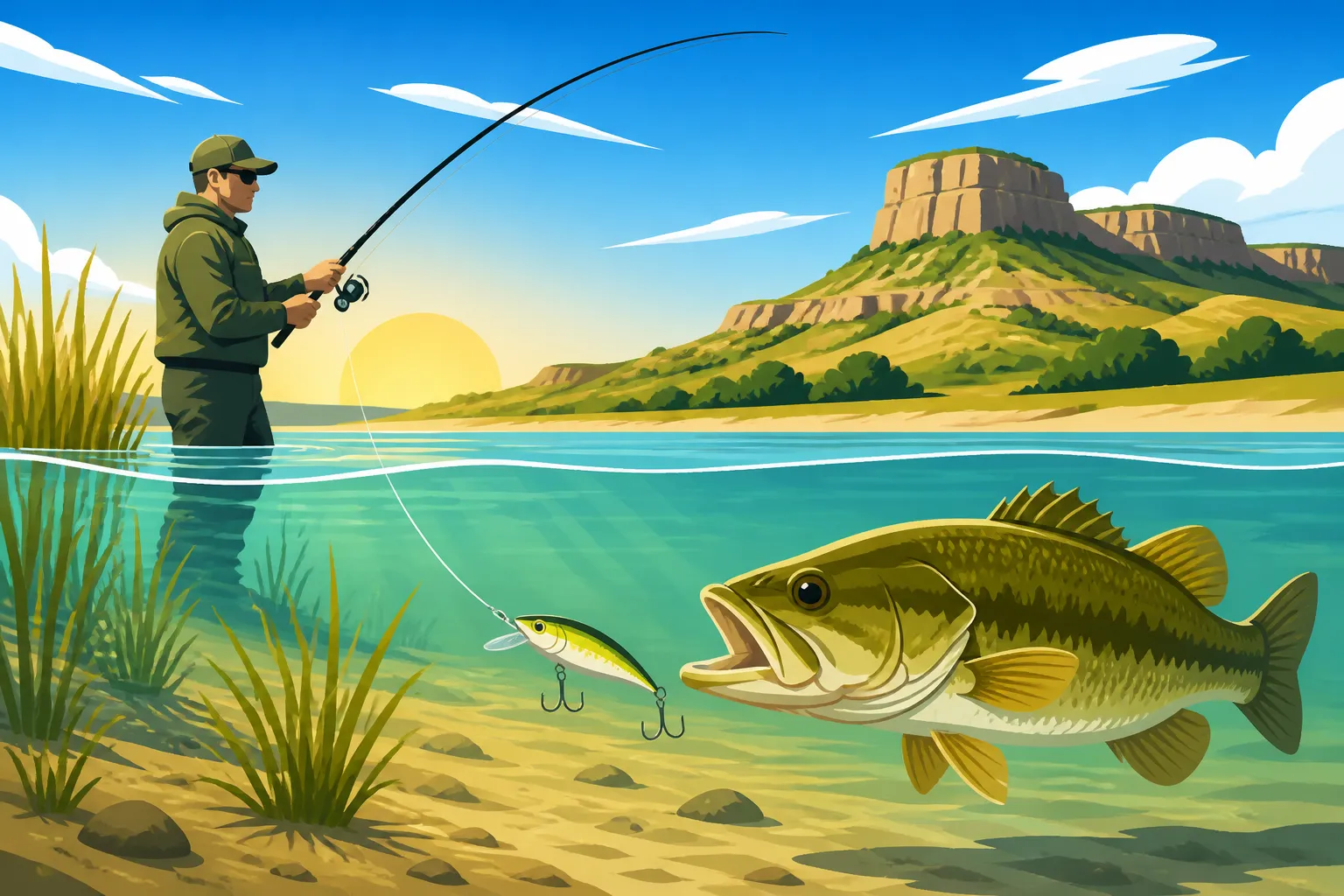
- Largemouth Bass: You'll typically find largemouth bass in shallower, warmer flats with emerging vegetation or submerged wood cover. Look for northern bays or areas protected from cold winds. Spinnerbaits, chatterbaits, and soft plastic worms rigged Texas-style can be worked slowly through this cover. These fish are often looking to ambush prey, so target the edges of cover.
Northern Pike Ambush Points
Northern pike are notorious for their early spring aggression, and shallow flats are absolutely critical to their spring movements. They're one of the first fish to really become active after ice-out.
- Weed Edges and Transitions: Pike will often patrol the outer edges of emerging weed beds or cruise over shallow, darker-bottomed flats that absorb sunlight well. They are ambush predators, so look for anything that creates a hidey-hole—a submerged log, a patch of thicker weeds, or a change in depth.
- Aggressive Presentation: Unlike walleye, pike often respond well to a slightly more aggressive retrieve. Spoon lures, larger spinnerbaits, and brightly colored crankbaits are excellent choices. Cast them out and retrieve with a moderate to fast pace, occasionally twitching the rod tip to add erratic action. Don't be afraid to use larger baits; pike are not shy! Our comprehensive "South Dakota Northern Pike Fishing Guide" has more tips on landing these toothy critters.
To help visualize some of these strategies, here's a quick reference for common spring shallow flat presentations:
| Species Targeted | Best Water Temperature Range | Preferred Lure/Bait Types | Typical Retrieve/Action | Key Locations on Flat |
|---|---|---|---|---|
| Walleye | 40-55°F | Jigs (minnow/plastic), Slow-rolling Crankbaits, Spinner Rigs | Slow hops, methodical retrieves, pauses | Drop-offs adjacent to flats, main flat edges |
| Smallmouth Bass | 48-60°F | Crankbaits (crawfish imitations), Tube Jigs, Jerkbaits | Slow to moderate, erratic twitches, bottom contact | Rocky points, gravel beds, transitions |
| Largemouth Bass | 50-65°F | Spinnerbaits, Chatterbaits, Texas-rigged Soft Plastics | Slow-rolling, bumping cover, pauses | Emerging weed beds, submerged wood, protected bays |
| Northern Pike | 38-55°F | Spoons, Larger Spinnerbaits, Jerkbaits, Bright Crankbaits | Moderate to fast, erratic jerks, steady retrieve | Weed lines, open expanses, structure edges |
Remember, early spring fishing in South Dakota is a game of patience and observation. Conditions can change rapidly, and what worked yesterday might not work today. But by understanding why fish use shallow flats, equipping yourself with the right gear (a good "South Dakota Fishing Gear Checklist" can help), and employing patient, species-specific tactics, you can unlock some of the most exciting and rewarding fishing of the year.
Disclaimer
This article is for general informational purposes only and does not constitute professional advice. Laws, prices and regulations vary by location and change over time. Consult a qualified professional for guidance on your specific situation.