How to Fish a Current Seam Below a Dam
There’s nothing quite like the rush of fishing below a big dam in South Dakota. You know the fish are there, stacked up, feeding in the rich, oxygenated water. But boy, can those swirling currents and powerful flows be intimidating! It’s not just about tossing a line in; it's about understanding the subtle language of the water and knowing how to present your bait in a way that those big walleye, smallmouth, and catfish can't resist. This guide will walk you through the ins and outs of deciphering and effectively fishing those tricky current seams, turning frustration into fish.
Understanding the Dynamics of a Current Seam Below a Dam
Fishing below a dam is a unique experience, almost like an entirely different sport compared to fishing stagnant lakes. The sheer power of the water, the constant flow, and the ever-changing conditions can be a lot to take in. But once you start to understand the hidden dynamics at play, you’ll unlock some of the most productive fishing opportunities South Dakota has to offer. It all starts with recognizing what a current seam truly is and why it's such a magnet for fish.
Defining a Current Seam and Its Formation
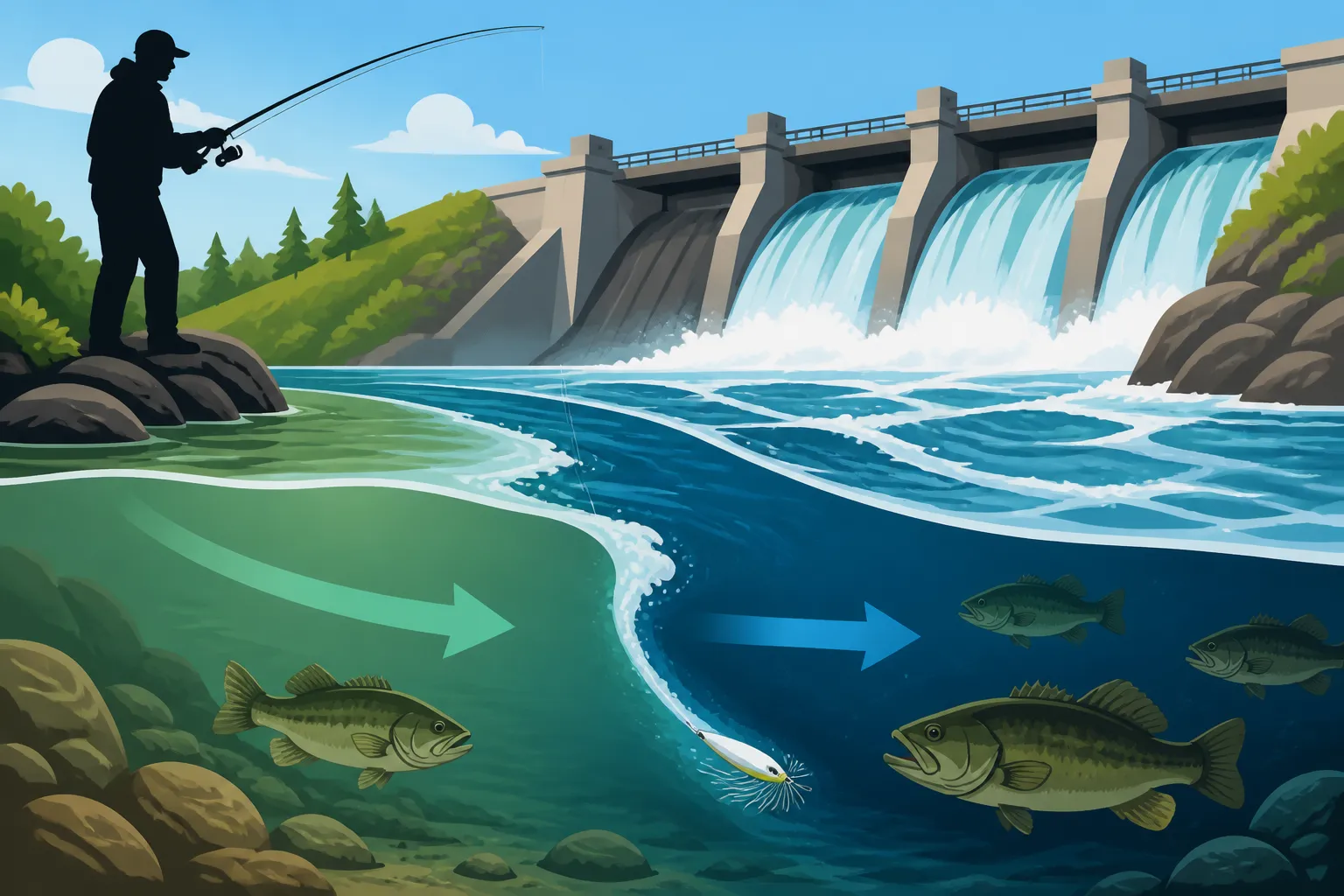
Imagine a mighty river, like the Missouri, rushing out from beneath a dam. The water coming directly from the gates is often fast and turbulent, a veritable washing machine of current. But as that powerful flow moves downstream, it starts to interact with natural features like submerged sandbars, rocky points, or even man-made structures along the bank. These interactions create distinct lines in the water where the fast current meets slower, more manageable water, or even swirling eddies. These are your current seams. They're often visible as a distinct change in the water's surface texture – perhaps a line where choppy, fast water smooths out, or where a boil turns into a lazy swirl.
It’s crucial to recognize that these seams aren't static. They can shift with changes in dam discharge, wind direction, and even the time of day. A seam that was hot in the morning might be gone by afternoon if the dam operators decide to open or close more gates. This dynamic nature is part of the challenge and excitement. Learning to read these subtle shifts is a skill that comes with observation and experience, but it’s a non-negotiable part of becoming a successful dam angler.
Why Fish Congregate in Current Seams
So, why do fish, especially those sought-after walleye, smallmouth, and catfish, absolutely love these current seams? It boils down to a perfect combination of survival and opportunity. The fast water itself, while rich in oxygen, is an energy drain. Fish, being smart and efficient creatures, will seek out areas where they can expend minimal energy while still having access to food.
Current seams offer precisely that. On the "slack water" side of the seam, fish can hold comfortably out of the main force of the current, conserving their energy. Yet, with just a slight flick of their tail, they can dart into the faster flow to ambush prey that gets swept along. It's like having a prime dinner table seat right next to a conveyor belt of food. Baitfish, insects, and other aquatic organisms get disoriented and washed down in the main current, and the predatory fish are waiting on the calm side, ready to pounce. Understanding this predator-prey relationship is key to knowing where to cast your line.
Identifying Productive Current Breaks and Eddies
To truly master fishing current seams, you need to go beyond just spotting the visible lines. You need to understand the underlying structure that creates them. Below many dams, you’ll find classic current breaks and eddies that scream "fish!"
- Eddies: These are circular currents where the water actually flows upstream, often found directly behind a prominent obstruction like a large rock, a concrete pilaster, or a sharp bend in the riverbank. Fish love eddies because they provide a complete break from the main current, offering a place to rest and regroup. The edges of these eddies, where the swirling water meets the downstream flow, are prime ambush points. Look for floating debris that swirls in a circle; that's a dead giveaway for an eddy.
- Seams Along Drop-Offs and Channels: Sometimes, the current seam is less about a surface boil and more about a topographical change beneath the water. As fast water moves over a hump or along the edge of a deep channel, it creates a subtle current break. Fish will often sit right on the lip of that drop-off, looking up into the current for passing meals. This is where a good fish finder and knowing how to read contour lines on a lake map become invaluable tools.
- Confluence Zones: Where two currents meet, such as below a dam where the main flow merges with a tributary or even an outflow from a powerhouse, you'll find agitated water and strong current seams. These areas are rich in oxygen and often concentrate baitfish, making them hotspots for larger predators. When you’re studying a map, especially around the main Missouri River fishing guide areas, keep an eye out for these merging water bodies.
Essential Gear and Tackle for Dam Current Seams
Fishing current seams below a dam isn't your average pond fishing trip. The constant battle against powerful water demands specific gear that can handle the stress, transmit subtle bites, and effectively present your lures. Skimping on tackle here will lead to frustration, lost lures, and potentially lost fish. Let's talk about what you need to be prepared.
Rod and Reel Selection for Heavy Current
When choosing your rod and reel for dam fishing, think power and sensitivity. You're often dealing with heavy jigs, strong currents, and potentially large, hard-fighting fish.
- Rods: A medium-heavy to heavy power spinning or baitcasting rod, typically 6'6" to 7'6" in length, is a solid choice. The increased power helps you cast heavier baits and gives you the backbone to fight fish in current without feeling undergunned. A fast or extra-fast action tip is critical. This allows you to feel those subtle "thunks" or "ticks" of a walleye inhaling a jig in a washing machine of current, and it also gives you quick hook-setting power. For heavier jigging applications, many anglers prefer a stout baitcasting setup for better control and winching power.
- Reels: Your reel needs a strong drag system and a decent line capacity. A spinning reel in the 3000-4000 series or a baitcasting reel with a good gear ratio (around 7.0:1 or higher for quick line pick-up) will serve you well. Durability is key; saltwater-grade reels often stand up better to the constant abuse of dam fishing, even in freshwater. You can find some excellent durable options on Amazon that many anglers rely on for tough conditions.
Line Choices: The Critical Connection
Your fishing line is your only connection to the fish, and in current, it's under immense strain. Choosing the right line can make all the difference.
- Braided Line: This is often the top choice for dam fishing. Its near-zero stretch provides incredible sensitivity, allowing you to feel every bump and bite, even in deep water and strong current. It's also much stronger for its diameter compared to monofilament, meaning you can use a lighter line for better casting distance and less current drag, yet still have the breaking strength for big fish. For jigging, 10-20 lb test braided line is common.
- Fluorocarbon Leader: While braid is excellent for your main line, it's highly visible. Tying a 3-6 foot fluorocarbon leader (10-15 lb test) to your braided main line is highly recommended. Fluorocarbon is nearly invisible underwater, more abrasion-resistant against rocks and submerged structures, and offers a bit of stretch for shock absorption. This setup gives you the best of both worlds: sensitivity and stealth.
- Monofilament: Some anglers still prefer monofilament for certain applications, especially if they are casting crankbaits or prefer a bit more stretch to absorb head shakes from a struggling fish. However, its increased stretch and diameter compared to braid make it less sensitive and more susceptible to current drag, which can be a major disadvantage when trying to keep your lure in the strike zone. If you choose mono, opt for heavier test (12-17 lb) to cope with abrasion and stronger currents.
Lures and Baits Tailored for Current Seams
The strong currents and aggressive feeding behavior of fish below dams mean that certain lures and baits excel in these conditions. When fishing areas like the Missouri River tailwater fishing below Oahe Dam, these are some of your best bets.
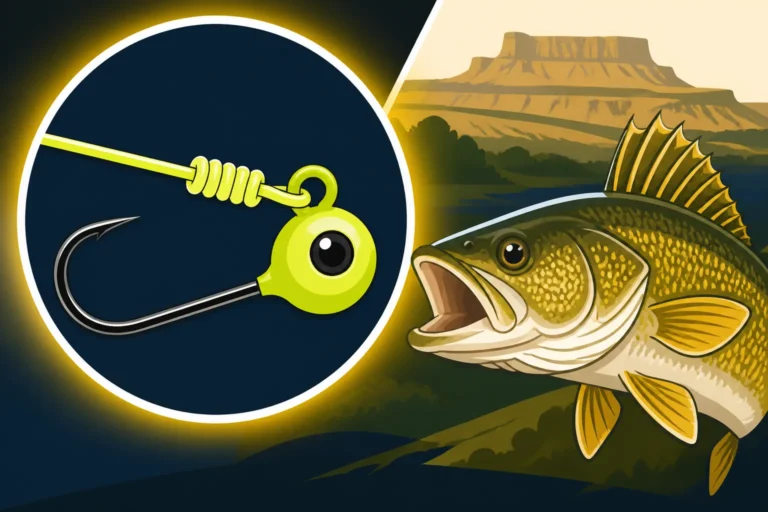
- Jigs: Jigs are arguably the most versatile and productive lure for dam fishing. Lead-head jigs ranging from 1/2 oz to 2 oz or even heavier are necessary to get down to the fish and stay in the strike zone in strong currents. Pair them with soft plastics (paddle tails, grubs, tubes) or live bait like minnows or nightcrawlers. The heavy jig allows you to maintain bottom contact and feel the current, crucial for effective jigging techniques for Missouri River walleye.
- Crankbaits: Deep-diving crankbaits can be incredibly effective, especially when trolled or cast into the edges of current seams. Look for baits with strong wobbling actions that can be "pulled" through the current without blowing out. Colors mimicking baitfish are usually a safe bet.
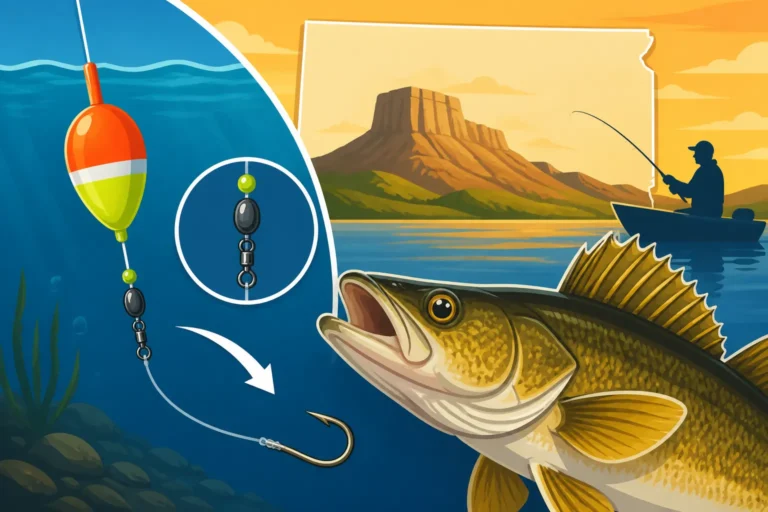
- Live Bait Rigs: Nothing beats live bait for some days. A simple three-way swivel rig with a heavy bell sinker (1-3 oz) and a snelled hook tipped with a large minnow, leeches, or a chunk of cut bait (especially for catfish) can be deadly. This setup allows your bait to drift naturally in or along the seam, presenting an irresistible meal. Just be sure to check the South Dakota Fishing Regulations Explained for any bait restrictions.
- Blade Baits: These vibrating metal lures are excellent for vertical jigging in current. Their dense profile gets them down quickly, and their strong vibrations attract fish from a distance. They are particularly effective for walleye and smallmouth bass.
- Swimbaits: Larger paddle-tail swimbaits rigged on heavy jig heads can imitate the bigger baitfish that predatory fish are targeting. They offer a good profile and strong thump in the water, making them visible and attractive in turbulent conditions.
Here's a quick comparison of popular lure types for current seams:
| Lure Type | Best Use Case | Ideal Current Speed | Key Advantages |
|---|---|---|---|
| Jig (Lead Head) | Vertical jigging, pitching, bottom bouncing | Moderate to Fast | Excellent sensitivity, versatile with various baits |
| Deep-Diving Crankbait | Trolling, casting parallel to seams | Moderate | Covers water, aggressive strike trigger |
| Blade Bait | Vertical jigging, feeling bottom | Moderate to Fast | Strong vibration, fast sink rate |
| Live Bait Rig | Drifting with current, targeting picky fish | Slow to Moderate | Natural presentation, effective for all species |
| Heavy Swimbait | Casting into eddies, targeting larger predators | Slow to Moderate | Big profile, strong thumping action |
Effective Techniques for Fishing Current Seams
Now that you've got your gear sorted, it's time to put it to use. Fishing current seams effectively is a blend of precision boat control, understanding lure presentation, and a keen sense of what the fish are doing. It's often more about subtle adjustments than dramatic actions.
Mastering Boat Positioning and Anchoring
In dam tailwaters, boat positioning is paramount. You can have the best lure and technique in the world, but if you're not in the right spot, you won't catch fish.
- Upstream vs. Downstream: Most often, you'll want to position your boat slightly upstream of where you expect the fish to be holding in the seam. This allows you to cast downstream and let your lure drift naturally into the strike zone, mimicking natural food delivery.
- Anchoring: In strong currents, a good anchor setup is non-negotiable. You'll need heavy anchors (often two, one off the bow and one off the stern, to prevent swinging) and plenty of rope. Investing in an anchor system that allows for easy deployment and retrieval, perhaps even a remote-controlled windlass, will save you a lot of effort. Alternatively, some anglers prefer to use a drift sock or sea anchor to slow their drift.
- Using Your Trolling Motor: For precise adjustments or to subtly move along a seam, a powerful electric trolling motor with GPS Spot-Lock technology is a game-changer. Brands like Minn Kota offer models that can hold you perfectly in place against the current, allowing you to focus purely on fishing. This is a huge advantage over constantly adjusting anchors. Remember to check your South Dakota boat safety requirements, as powerful currents demand extra vigilance.
Jigging Strategies for Dam Tailwaters
Jigging is a cornerstone technique for fishing current seams below dams. It’s highly effective for walleye, sauger, and even smallmouth bass.
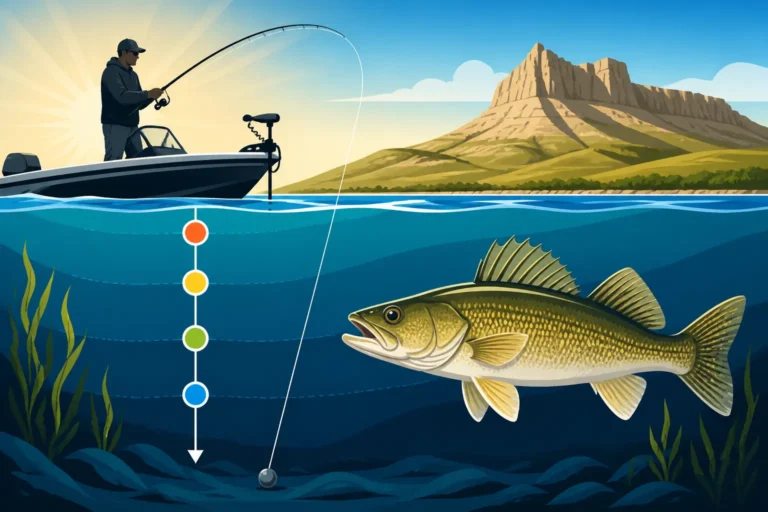
- Vertical Jigging: This is a direct approach. Position your boat directly over or slightly upstream of the seam. Drop your jig straight down, allowing it to contact the bottom. Use your rod tip to lift the jig a few inches to a foot, then let it fall back, always maintaining contact with the bottom or a subtle "feel" of where it is in the current. The bites are often subtle—a slight weight, a tap, or simply the line going slack. Keep your line as vertical as possible to reduce current drag and increase sensitivity. This is where those specialized Best fishing rods and reels for walleye really shine.
- Pitching Jigs: If you want to cover more area along the seam or avoid spooking fish directly beneath the boat, pitching is key. Cast your jig upstream into the faster current, let it sink, and allow it to drift downstream into the seam. As it drifts, work the jig with short hops or drags along the bottom, trying to keep pace with the current. This technique allows your jig to present naturally, mimicking a stunned baitfish.
- Bottom Bouncing: While traditionally a trolling technique, a heavy bottom bouncer with a spinner rig or live bait can be very effective when slowly drifted or motored along the edges of current seams. The heavy bouncer keeps your bait near the bottom, while the spinner or live bait entices strikes.
Trolling and Drifting Techniques
Sometimes, the most effective way to cover a large, expansive current seam is by moving with it.
- Controlled Drifting: This involves letting your boat drift naturally with the current, while using your trolling motor to steer and control your speed. You’ll present jigs or live bait rigs, allowing them to sweep through the seam. Pay close attention to your speed relative to the current; sometimes, slowing down slightly with the trolling motor or a drift sock can keep your bait in the strike zone longer. This is particularly effective on large stretches of the Missouri River fishing guide areas.
- Precision Trolling: For crankbaits, trolling can be highly productive. Use your main outboard or a powerful trolling motor to slowly move along the current seam, running crankbaits at specific depths. Experiment with different depths and speeds. Downriggers or planer boards can help you spread out your lines and present baits more precisely, especially for species like Chinook salmon if you're further upstream on Lake Oahe, but for dam tailwaters, simply controlling your boat and lure depth is often enough.
Casting and Retrieving Lures Around Seams
Don't underestimate the power of simply casting and retrieving, especially from shore or when targeting specific eddies.
- Working the Edges: Cast parallel to the current seam, letting your lure swing into the calmer water. Retrieve it slowly, allowing the current to impart a natural action on your lure. This is excellent for crankbaits, swimbaits, or even heavy spoons.
- Fan Casting Eddies: When you find a promising eddy, fan cast your lures across it, paying special attention to the "break line" where the eddy meets the main current. Lures that work well here include jigs, spinnerbaits, and even topwater lures for aggressive smallmouth bass if conditions are right. For shore anglers, identifying these accessible eddies and casting into them is a fantastic way to find fish.
Safety and Environmental Considerations Below Dams
Fishing below a dam is exhilarating, but it also comes with inherent risks. The powerful forces of water, combined with potential changes in dam operations, demand a heightened sense of awareness and strict adherence to safety protocols. Beyond personal safety, it’s our responsibility as anglers to protect these valuable resources.
Navigating Dam Operations and Water Releases
One of the biggest variables when fishing below a dam is the dam itself. Water releases can change rapidly and dramatically, transforming calm water into a raging torrent in minutes.
- Monitor Release Schedules: Before you even leave the house, check the current and projected water release schedules for the dam you plan to fish. Many dam operators, particularly on the Missouri River, provide this information online or through public notifications. Ignoring these can put you in a dangerous situation.
- Understand the Warnings: Be aware of all warning signs, sirens, and flashing lights near the dam. These signals are there for your safety and indicate changes in water flow. If you hear a siren or see flashing lights, immediately move your boat to a safer area away from the dam gates.
- Rising Water: As water levels rise and currents increase, submerged hazards can suddenly become dangerous. Your boat might get swept into debris or against structures. Always maintain a safe distance from the dam structure itself, well outside any marked exclusion zones.
Essential Boating Safety Near Dam Structures
Safety is not just a recommendation; it's a requirement when operating a boat near a dam.
- Life Jackets: This should be a no-brainer, but it's worth repeating. Everyone on board must wear a properly fitted life jacket, especially in turbulent waters. The current can be deceptively strong, and if you unexpectedly go overboard, a life jacket could save your life. For more details on what's required, review South Dakota boat safety requirements.
- Know Your Boat's Limits: Understand how your boat handles in strong currents. Is your motor powerful enough to fight a sudden surge in flow? Do you have enough anchor rope to hold in deep, fast water? Don't push the limits of your vessel or your experience.
- Avoid Restricted Zones: Dams have clearly marked restricted or exclusion zones for a reason. These areas are incredibly dangerous due to strong undertows, sudden boils, and structural hazards. Never, ever enter these zones.
- Visibility: Be aware of other boaters. Heavy currents can make navigation tricky, and multiple boats in a tight area can increase the risk of collision. Use navigation lights in low light, and always keep a lookout. Many anglers rely on GPS and marine radios, easily found on Amazon, for navigation and communication in these busy areas.
Reading the Water: Beyond the Obvious Seams
While spotting the visible current seams is a great start, truly reading the water means understanding the subtle cues it provides. This will not only improve your fishing but also enhance your safety.
- Subsurface Current: The current you see on the surface isn't always indicative of the current below. Use a heavy jig or a drift indicator to feel how the subsurface current is moving. Sometimes, fish are holding in a pocket of calm water below a fast surface chop.
- Water Color and Clarity: Dam tailwaters can be subject to changes in water clarity. Heavy rain or increased discharge might bring muddy water. Fish behavior changes in these conditions; they might rely more on vibration and scent than sight. Adjust your lure choices (e.g., darker, more vibrating lures) accordingly.
- Turbulence and Eddies: Pay attention to how the water boils, swirls, and creates eddies. These are not random; they're direct indicators of how the current is interacting with the bottom structure. A persistent boil might indicate an underwater hump, while a strong eddy might signal a deep scour hole. Learning to interpret these visual cues is part of becoming a seasoned angler on the South Dakota Missouri River.
- Weather and Wind: Wind can have a significant impact on current seams, especially on wider stretches of water. A strong crosswind can make boat control a nightmare and push your lures out of the strike zone. Always consider the wind in conjunction with the current, and adjust your approach, perhaps by using heavier weights or positioning your boat differently. Reading water temperature for walleye is also crucial, as temperature changes can greatly influence where fish decide to hold in relation to the current.
Fishing a current seam below a dam in South Dakota offers some of the most exciting and rewarding angling experiences you can find. It's a place where big fish congregate, ready to feed, if you know how to present your offerings correctly. By understanding the water's dynamics, equipping yourself with the right gear, and mastering specific techniques, you'll be well on your way to consistent success. Remember, safety always comes first, especially in these powerful waters. Tight lines!
Disclaimer
This article is for general informational purposes only and does not constitute professional advice. Laws, prices and regulations vary by location and change over time. Consult a qualified professional for guidance on your specific situation.