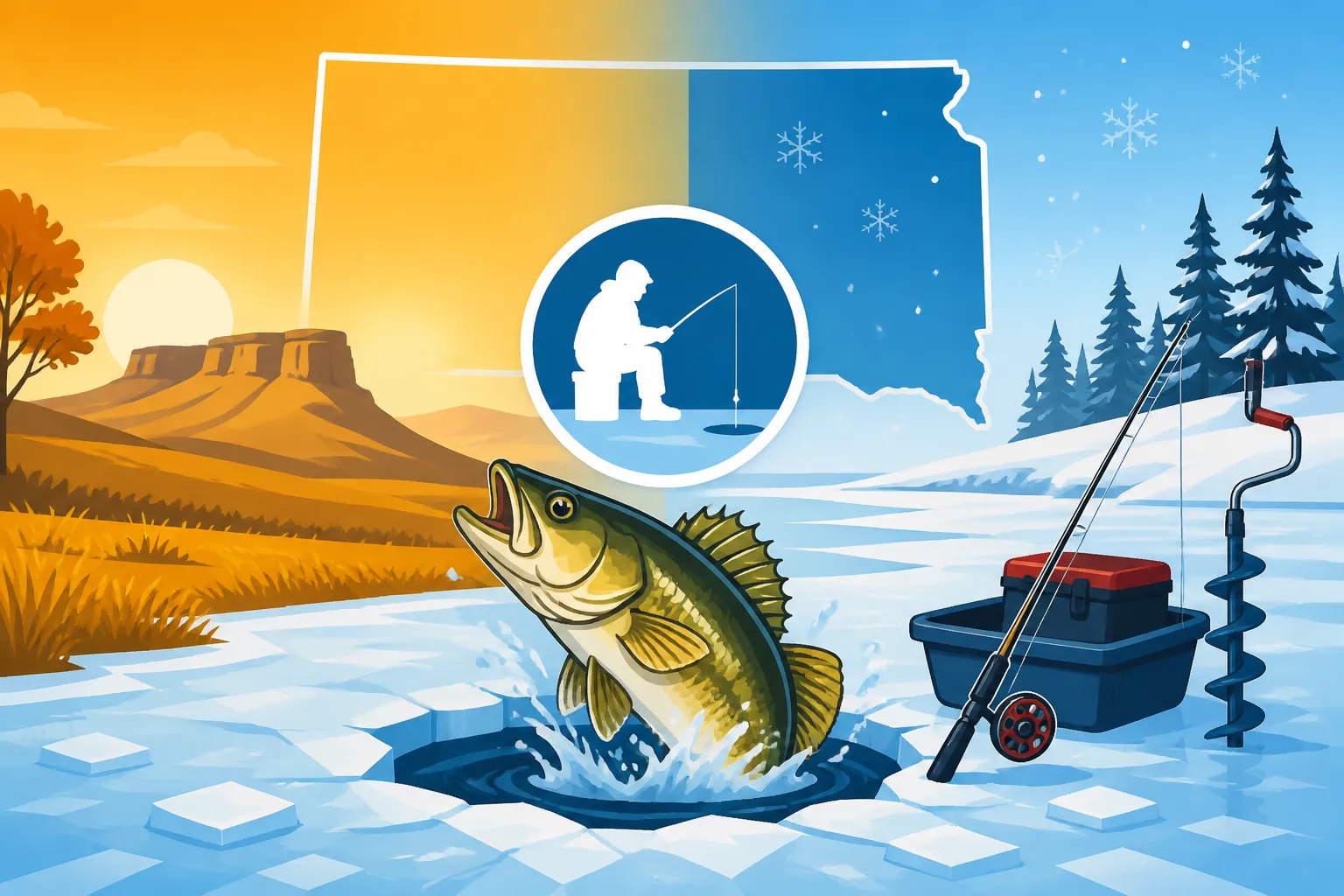
When Ice Fishing Season Starts in South Dakota
It can be incredibly frustrating to feel the nip in the air, see the first skim of ice on sheltered bays, and wonder if it's finally time to pull out the auger. Anglers across South Dakota eagerly await the hardwater season, but knowing precisely when the ice fishing season starts can feel like a guessing game. This comprehensive guide is here to cut through the uncertainty, explaining the factors that dictate ice formation, where to find reliable information, and how to prepare responsibly for those first exciting, yet often dangerous, days on the ice.
The Anticipated Arrival of South Dakota's Ice Fishing Season
The start of ice fishing season in South Dakota isn't marked by a calendar date; it's a dynamic period dictated almost entirely by Mother Nature. Unlike a fixed fishing opener, the arrival of safe, fishable ice is a gradual process that varies wildly from year to year and even from lake to lake within the same region. This uncertainty is part of the challenge and the thrill, but understanding the underlying factors can help you predict and prepare.
Temperature's Dominant Role in Ice Formation
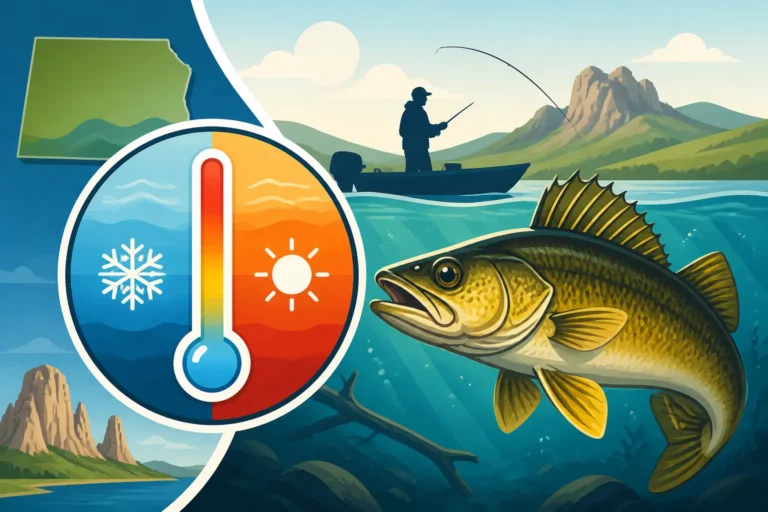
When we talk about ice forming, consistent freezing temperatures are the absolute linchpin. It's not just about a single cold night; we need a prolonged stretch where the air temperature consistently drops below 32°F (0°C). Ideally, you're looking for nighttime lows in the teens or single digits, coupled with daytime highs that barely creep above freezing. This steady chill gradually cools the entire water column. If you have warm days interspersed with cold nights, the ice might start to form, but it will be weak, honeycombed, and unsafe.
Consider the difference between air temperature and water temperature. While air temperature is what we feel, it's the water's temperature that directly influences ice growth. Larger, deeper bodies of water retain heat much longer, requiring an extended period of sub-freezing air temperatures to chill them sufficiently. Smaller, shallower ponds and lakes, particularly those in northeastern South Dakota, like around Webster or Waubay in the Glacial Lakes region, will often skim over and develop safe ice much faster than, say, the massive, deep waters of Lake Oahe or Lake Sharpe on the Missouri River system. It's a waiting game that truly tests an angler's patience, but a necessary one for safety.
Understanding the Dynamics of Water Bodies
Beyond air temperature, the specific characteristics of a water body play a huge role in how quickly and safely ice develops. You can’t treat every lake or river the same way when waiting for ice.
First, consider depth and volume. A shallow prairie pothole lake, perhaps only 5-10 feet deep, will radiate its heat quickly and can form solid ice in a matter of days or a week with sustained cold. Contrast this with the hundreds of feet of depth in the main channels of Lake Oahe or Lake Francis Case. These immense reservoirs hold an incredible amount of thermal energy, requiring weeks, sometimes even a month or more, of bitter cold before significant ice begins to form, let alone becomes safe. The sheer volume of water acts as a heat sink, making them the last places to freeze reliably.
Next, current is a major factor, especially on the Missouri River reservoirs. Even though sections like Lake Sharpe or Lake Francis Case are impoundments, the Missouri River still flows through them. Areas near dam tailraces, constricted channels, or tributaries will have stronger currents that constantly churn the water, preventing ice from forming or making it dangerously thin and unpredictable. Even if a large section of a lake is iced over, areas of current will remain open or have extremely weak ice. Always be acutely aware of any moving water, as it’s a notorious ice killer.
Finally, size and shape matter. Smaller, sheltered bays, coves, and narrow sections of lakes or rivers will generally freeze first because they are less exposed to wind and have less water to cool. For instance, while the main basin of Lake Poinsett might be open, a protected cattail-lined bay on its edge could have several inches of solid ice. Anglers often target these "back bays" and smaller feeder lakes during the early season, as they offer the first opportunities for hardwater action.
The Elusive "First Ice" Window
The timeframe for "first ice" in South Dakota typically spans from late November through mid-December, though it can stretch into January during exceptionally mild winters. This is the period when anglers are on high alert, eagerly watching weather forecasts and ice reports. It's a time of immense excitement because early ice often brings some of the best fishing of the season. Fish, particularly walleye and perch, are usually still active from the fall feeding frenzy and haven't yet settled into their deep-winter lethargy. This makes them more aggressive and often easier to locate in predictable areas.
However, "first ice" is also the most dangerous time. The ice is still forming, and conditions can change rapidly. What might be 5 inches of solid ice in one spot could be 2 inches or less just yards away. The eagerness to be the first one out often leads to unnecessary risks. A common frustration is seeing photos of successful early-ice anglers, feeling the pressure to get out, and then realizing the conditions aren't uniform or safe for your chosen fishing spot. Patience and rigorous safety checks are paramount during this initial window, even when the excitement is at its peak.
Navigating the Quest for Safe Ice and Reliable Information
Given the unpredictable nature of ice formation, having reliable sources of information and knowing how to assess conditions yourself is critical. There's a fine line between eager anticipation and reckless abandon when it comes to early season ice fishing.
The Golden Rule: Minimum Safe Ice Thickness
Let's get this straight: there's no such thing as "100% safe ice." However, there are well-established guidelines that help minimize risk. The general rule of thumb for new, clear, hard ice is as follows:
| Ice Thickness | Recommended Use |
|---|---|
| 2 inches | STAY OFF! Absolutely unsafe. |
| 3 inches | Single person on foot. |
| 4 inches | Group of people walking in single file. |
| 5-7 inches | Snowmobile or ATV. |
| 8-12 inches | Small car or light pickup. |
| 12-15 inches | Medium-sized truck. |
It is crucial to remember this table represents new, clear, hard ice. Slushy ice, ice with air pockets, ice that has thawed and refrozen, or ice covered by snow will be significantly weaker. A good example is that 8 inches of cloudy, snow-covered ice might be equivalent to only 4-5 inches of clear, blue ice in terms of strength. Always err on the side of caution. For a more detailed look, check out our guide on How Thick Ice Should Be Before Fishing in South Dakota.
Official Sources and Community Intelligence
While the local chatter is great, you need to cross-reference it with official, responsible sources. The South Dakota Game, Fish and Parks (GFP) website is your primary official resource. They often provide weekly fishing reports that include ice conditions on popular lakes as the season approaches. Their social media channels can also be a good place for updates and warnings. It's always a good idea to familiarize yourself with the overall South Dakota Fishing Regulations Explained before heading out, as rules can sometimes change or have specific stipulations for ice fishing.
Beyond official channels, local bait shops are an invaluable resource. These folks are on the ground, talking to anglers daily, and often have the most up-to-date, hyper-local information on specific lake conditions. They know which bays are freezing first, where pressure ridges are forming, and which areas to absolutely avoid. Many shops even have Facebook pages where they post real-time updates. Fishing forums and local online community groups dedicated to South Dakota ice fishing can also offer insights, but always exercise caution and verify information. Just because someone posts a picture of fish caught on thin ice doesn't mean it's safe for everyone, everywhere.
Personal Responsibility and On-Ice Checks
Even with all the reports, nothing beats personal responsibility and checking the ice yourself. Never assume. Always start by using a spud bar (a heavy chisel-like tool) to test the ice ahead of you. A good, strong whack that doesn't break through indicates solid ice. If it goes through easily, you know it’s too thin.
Carry a pair of ice picks around your neck, easily accessible. If you were to fall through, these can be lifesavers, allowing you to get a grip on the ice and pull yourself out. Going with a buddy is not just more fun, it's a critical safety measure. You can take turns checking the ice, and if an accident happens, there's someone there to help. Always maintain a safe distance from your fishing partners, especially on early ice, to distribute weight and avoid putting too much stress on one area. Visually inspect the ice for color and texture: clear, blue ice is generally the strongest, while milky, slushy, or dark ice can be much weaker. Always be aware of your surroundings, especially areas that might look different or have recent snowfall obscuring weaker spots.
Preparing for the Season's Chill: Gear and Early Season Strategies
Once you’ve got a handle on the ice conditions and feel confident it's safe to venture out, proper preparation is key to a successful and enjoyable ice fishing trip in South Dakota. The right gear and smart tactics can make all the difference.
Essential Ice Fishing Gear for South Dakota Winters
South Dakota winters are no joke, and being unprepared for the cold can quickly turn a fun outing into a miserable, or even dangerous, experience. Here's a rundown of essential gear you'll need:
First, an ice auger is non-negotiable. For early ice, a hand auger might suffice, but if you're hitting thicker ice or drilling many holes, a gas-powered, propane, or electric auger is a game-changer. Many anglers find great deals on reliable gear, from durable electric ice augers like those from Eskimo or Ion, to insulated boots, on platforms like Amazon, making preparation convenient and ensuring you have the right tool for the job. Pair that with a comfortable, insulated ice fishing shelter. These range from small, portable flip-over shelters perfect for solo anglers to larger hub-style shelters that can accommodate a small group. They provide critical protection from the relentless South Dakota wind and bitter cold, making long days on the ice much more bearable. For a deeper dive into what you need, check out our Ice Fishing Gear Basics for Beginners and specific guides on Best Ice Fishing Shelters for South Dakota Winters and Best Ice Augers for South Dakota Ice Fishing.
Layered clothing is paramount. Start with a moisture-wicking base layer, add insulating mid-layers like fleece, and top it off with a waterproof and windproof outer shell, ideally a floatation suit. Brands like Striker Ice or Clam offer excellent floatation suits that not only keep you warm but also provide buoyancy if you were to fall through. Don't forget insulated, waterproof boots, warm gloves or mitts, and a heavy hat. Your hands and feet will be the first to get cold. Finally, having the right rod and reel setup, specifically designed for ice fishing, makes a huge difference. Check out our recommendations for Best Ice Fishing Rods and Reels to help you choose.
Early Ice Fishing Tactics and Prime Locations
Early ice offers some fantastic opportunities because fish are often still in their fall patterns and haven't retreated to deeper, more static winter haunts. This means they can be more aggressive and easier to locate.
Target shallow bays and weed lines: As the ice first forms, fish like walleye, perch, and northern pike will often remain in shallower areas where they were feeding in the late fall. Look for protected bays with remaining green weeds, points, and even shallow flats adjacent to deeper water. These areas offer both food and cover. During the early season, you might find aggressive walleye cruising these shallow edges, making for exciting sight-fishing opportunities in clear water. For walleye, consider checking out our comprehensive South Dakota Walleye Fishing Guide. Similarly, perch will often school up in these shallower weed beds, offering fast-paced action. Our South Dakota Perch Fishing Guide has more tips for these tasty panfish.
Focus on active species: Walleye and perch are often the stars of early ice. Walleye can be taken with small jigging spoons tipped with minnow heads or small minnows on tip-ups. Perch will readily hit small tungsten jigs tipped with wax worms, spikes, or even soft plastics. The bite can be furious, so be ready for action. You might also find Northern Pike still cruising weed edges, especially in the Glacial Lakes region. For specific tactics that work well on larger bodies of water, our Best Ice Fishing Techniques for Lake Oahe guide can provide valuable insights.
Safety First: More Than Just Ice Thickness
While ice thickness is a crucial component of safety, it's far from the only factor. A seasoned ice angler knows to consider a range of potential hazards. Pressure ridges are common on large lakes and reservoirs, especially the Missouri River system. These are areas where shifting ice plates buckle and push against each other, creating unstable, dangerous zones that can hide open water or very thin ice. Avoid them at all costs.
Springs and currents were mentioned earlier, but it bears repeating: areas with underwater springs or any discernible current will have weaker ice, regardless of how cold it's been. Look for discolored ice, slushy spots, or areas where the snow looks "wet." Snow cover itself can be a hazard; it insulates the ice, preventing it from thickening further, and can hide dangerous thin spots.
Always carry mandatory safety equipment: ice picks around your neck, a coil of rope (at least 50 feet) to throw to a struggling friend, and a throwable floatation device (like a buoyant cushion). If you're venturing far from shore, a fully charged cell phone in a waterproof case is also critical. Even if you're well-versed in general South Dakota Fishing Regulations Explained, specific ice fishing safety often comes down to common sense and preparedness.
Beyond the Start: Season Duration and What to Expect
Understanding when ice fishing starts is just the beginning. The season progresses, and conditions evolve, offering different experiences and requiring adaptable strategies.
When the Ice Takes Hold Across the State
Generally, the northeastern part of South Dakota, particularly the Glacial Lakes region (around towns like Sisseton, Waubay, Webster, or Watertown), is often the first to see reliable, safe ice. These lakes are typically shallower and smaller, radiating heat more quickly. Anglers here might be on the ice by late November or early December in a normal year.
Moving west and south, the central and southeastern regions (including lakes near Brookings, Huron, or Mitchell) will usually follow a week or two later. Finally, the massive Missouri River reservoirs—Lake Oahe, Lake Sharpe, Lake Francis Case, and Lewis and Clark Lake—are the last to lock up. Due to their immense size, depth, and the constant flow of the river, these waters might not see safe ice until late December or even mid-January in milder winters, and often, only certain bays or protected arms freeze reliably for vehicle traffic. The main channel often remains open or features dangerously unstable ice throughout the season.
The Full Ice Fishing Experience
Once the ice is fully established, the season typically runs strong through February and often into early March, particularly in the northern parts of the state. Early ice is characterized by aggressive fish and sometimes unpredictable ice conditions. Mid-season, usually January and February, brings thicker, more stable ice, but fish can become more lethargic and harder to tempt, requiring different tactics (like downsizing baits or slower presentations). Then comes late ice, often in March, where the ice begins to deteriorate, and while fishing can pick up again, safety becomes the primary concern once more. To get a full picture of the entire season, our South Dakota Ice Fishing Guide offers a comprehensive overview, including what to expect as the season progresses and eventually, When Ice Fishing Season Ends in South Dakota.
Why the Wait is Worth It (and What to Do in the Meantime)
It’s easy to get impatient when social media is buzzing with photos of early-ice catches. However, the thrill of being the first one out is never worth the risk of falling through. The wait for truly safe ice ensures you can enjoy the hardwater season to its fullest, without anxiety for your safety or that of your fishing partners. South Dakota offers incredible ice fishing, particularly for walleye and perch, and it’s a privilege best enjoyed when conditions are secure.
In the meantime, if the ice isn't ready in your preferred spot, there are still plenty of things to do. You can spend the time honing your ice fishing knowledge, perhaps by studying lake maps to identify potential hotspots for once the ice is safe – these maps are often available on platforms like Amazon. You can also organize and maintain your gear, sharpen auger blades, check your electronics, or simply tie up some new jigs and leaders. Sometimes, if river sections or tailwaters below dams remain open, you might still find opportunities for open-water fishing. Or, if you haven't already, make sure you've acquired your South Dakota Fishing License Guide, as a license is required for ice fishing just as it is for open water.
Ultimately, patience is truly a virtue when it comes to South Dakota ice fishing. The ice will come, and when it does, being prepared, informed, and safe will make those first casts on the hardwater all the more rewarding.
Disclaimer
The information provided in this guide is for general informational purposes only and is not intended as a substitute for official regulations or professional advice. Ice conditions can change rapidly due to weather fluctuations. Always consult official South Dakota Game, Fish and Parks resources, local bait shops, and exercise extreme caution when assessing ice safety. Your personal safety is your responsibility.