South Dakota Perch Fishing Guide
There’s nothing quite like the subtle tug of a perch on the line, especially when you know a whole school is waiting just below. But let's be real, finding those schools and consistently bringing in a good meal can feel like a mystery, especially in a state as vast and diverse as South Dakota. Whether you're chasing the famed "jumbo perch" or simply looking for a fun day out with the family, this guide is here to unravel the secrets, helping you understand where they hide, what they bite, and how to make every perch fishing trip a success.
Understanding South Dakota Yellow Perch
Yellow perch, often simply called "perch" by most anglers, are a beloved species across South Dakota for a multitude of reasons. They're widespread, often abundant, and notoriously delicious on the dinner plate. But to truly unlock their potential, you need to understand the fish itself – from its distinctive looks to its preferred hangout spots. Without this foundational knowledge, you're essentially just guessing, and we've all been there, casting into empty water while wishing we knew what the fish were thinking.
Perch Biology and Identification
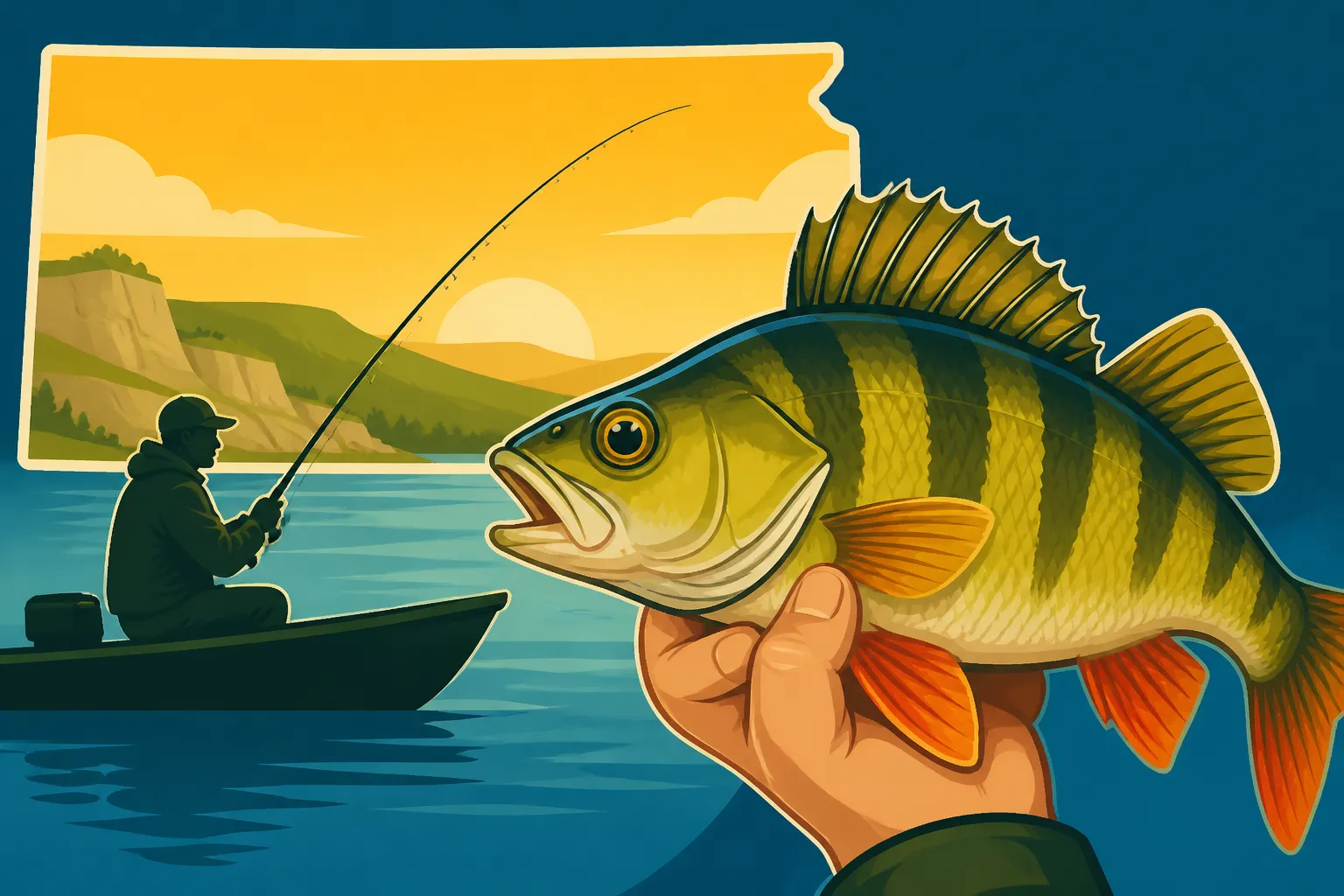
Yellow perch are easily recognizable, even for novice anglers. They boast a striking yellow-gold body, marked by 6-8 distinct dark, vertical bars along their sides. Their fins, especially the pectoral, pelvic, and anal fins, often have a reddish-orange hue, which can become more vibrant during spawning season. They have two dorsal fins; the first is spiny, and the second is soft-rayed. These fish are relatively slender, with a somewhat compressed body shape, and their average size in South Dakota can vary significantly depending on the water body and food availability. While many anglers are thrilled with 8-10 inch fish, the elusive "jumbos" can push past 12 or even 14 inches, offering a truly rewarding challenge.
Their scientific name, Perca flavescens, highlights their yellowish color. They are members of the perch family (Percidae), which also includes walleye and sauger, sharing some familial traits like their predatory nature and keen eyesight. Perch are schooling fish by nature, and this is a critical piece of information for anglers. Where you find one, you're likely to find more – sometimes hundreds. This schooling behavior is driven by both predator avoidance and foraging efficiency, allowing them to collectively hunt for insects, small crustaceans, and even tiny minnows. Knowing this means your success rate can soar once you pinpoint a school.
Preferred Habitats in South Dakota
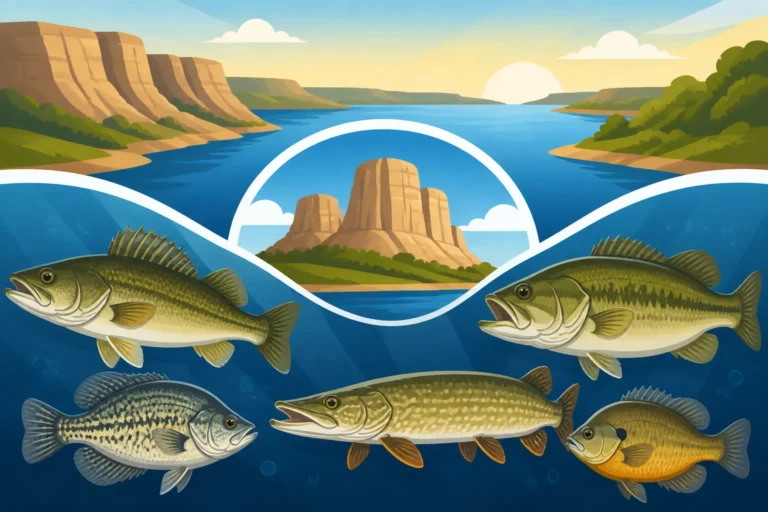
South Dakota offers a diverse range of aquatic environments, and yellow perch have adapted to thrive in many of them. Generally, you'll find them in lakes, reservoirs, and slower sections of rivers. They exhibit a strong preference for areas with submerged vegetation, known as weed lines, because these provide excellent ambush points for feeding and crucial cover from larger predators like northern pike and walleye. Rock piles, brush piles, and fallen timber are also prime locations, offering similar benefits. In larger reservoirs like those on the Missouri River system, they might relate more to submerged roadbeds, old creek channels, or sharp drop-offs.
Water depth is another key factor that changes with the seasons. In spring and early summer, perch are often found in shallower waters, sometimes only a few feet deep, as they move in to spawn and feed on emerging insect hatches. As summer progresses and water temperatures rise, they tend to retreat to deeper, cooler waters, often congregating near the thermocline (the layer where warm surface water meets cooler deep water) or along the edges of deep structure. During winter, they can be found suspended over deep basins or relating to subtle changes in bottom contour, always seeking out baitfish and stable conditions. Understanding these seasonal migrations is paramount to successful perch fishing in South Dakota.
Why Perch Fishing is So Popular
The appeal of perch fishing in South Dakota is undeniable, drawing anglers of all ages and skill levels to its waters. For starters, they're incredibly accessible. Many excellent perch fisheries are found in the eastern Glacial Lakes region, which is dotted with countless smaller lakes and easily reachable public access points. You don't always need a fancy boat; shore anglers, kayak enthusiasts, and ice fishermen can all find great success. This accessibility makes it a perfect species for introducing children to fishing, as the action can often be fast and furious, keeping their attention hooked.
Beyond accessibility, perch are renowned for their delicious, flaky white meat. A fresh meal of pan-fried perch is a culinary delight, making every successful trip feel even more rewarding. The relatively simple techniques required to catch them also contribute to their popularity. While finesse can certainly improve your catch, basic bobber fishing with a worm or a simple jig can yield fantastic results. This low barrier to entry, combined with the promise of a tasty dinner and plenty of action, cements the yellow perch's status as a top-tier game fish in the Mount Rushmore State. For many, a day of perch fishing isn't just about catching fish, it's about making memories and enjoying the tranquil beauty of South Dakota's waters.
Top South Dakota Lakes for Perch Fishing
South Dakota is blessed with an abundance of fantastic perch waters, each with its unique character and challenges. While the Missouri River reservoirs certainly hold perch, the state's true perch jewels are often found in the eastern Glacial Lakes region. Knowing which lakes consistently produce and what makes them special can save you countless hours of fruitless searching and put you right on the fish. It’s no secret that some lakes are simply legendary for their perch populations, drawing anglers from across the region.
Glacial Lakes Region Hotspots
The Glacial Lakes region of eastern South Dakota is a mecca for perch anglers, famous for its nutrient-rich waters and diverse aquatic vegetation, which provide ideal habitat for yellow perch. Lakes here often feature expansive shallow flats, deep holes, and plenty of weed growth, creating a perfect environment for robust perch populations. When discussing perch, anglers often light up at the mention of these iconic lakes.
Lake Poinsett Fishing Guide is one such gem, consistently lauded for its healthy perch population. This lake, situated near Arlington, is well-known for producing both numbers of fish and trophy-sized "jumbos." Anglers often target its extensive weed lines and submerged structures, especially during the open water season. Come winter, it transforms into an ice fishing haven, with crowds gathering over known humps and deep basins where perch congregate. Similarly, Bitter Lake Fishing Guide, located north of Waubay, has a reputation for strong perch fishing, particularly through the ice. Its relatively shallow nature and abundant forage contribute to fast growth rates, making it another favorite for those seeking a full bucket. The key to these lakes is often understanding the subtle depth changes and the location of healthy submerged weeds.
Another standout is Lake Thompson, South Dakota’s largest natural lake. While known for its walleye, Thompson often delivers incredible perch fishing, especially after strong year classes mature. Its vast expanse can be daunting, but concentrating on key structural elements like points, humps, and the edges of its extensive weed beds can be incredibly productive. Lake Kampeska Fishing Guide, near Watertown, also offers excellent perch opportunities. Though it can be pressured, knowing its contours and deeper pockets can yield impressive results, especially for anglers willing to move around and search for active schools. These lakes truly exemplify the rich fishing heritage of the Glacial Lakes, making them a must-visit for any serious perch enthusiast.
Missouri River System & Reservoirs
While the Glacial Lakes steal much of the spotlight for perch, the massive Missouri River reservoirs – Lake Oahe, Lake Sharpe, Lake Francis Case, and Lewis and Clark Lake – certainly hold yellow perch, though they might not always be the primary target species for many anglers who are often focused on walleye or salmon. However, that doesn't mean you can't find good perch fishing, especially in certain areas and at specific times of the year. The perch in these large bodies of water tend to be more structure-oriented, often schooling in deeper water or along significant contour changes.
On Lake Oahe, for instance, perch can be found in the arms and bays that offer more sheltered waters and better weed growth, particularly in the northern reaches where the river influence is stronger. Look for them in areas with flooded timber or brush. Lake Sharpe might also yield perch, especially in its shallower, more vegetated sections or areas with flooded timber, such as Joe Creek. Anglers often find them by accident while targeting walleye, but if you switch to smaller presentations, you might unlock a productive perch bite. The key here is to find the areas that mimic the kind of habitat perch prefer in smaller lakes – some form of cover or structure combined with a food source.
Lewis and Clark Lake, further south, with its more defined structure and sometimes clearer water, can also hold decent perch populations. Focus on points, rock piles, and submerged humps, especially where there's a good baitfish presence. The perch in these reservoirs might be fewer in number compared to the Glacial Lakes, but they often grow to impressive sizes, feasting on the abundant forage base. It requires a slightly different approach, often involving deeper water tactics and precise boat control, but the reward of a hefty reservoir perch can be well worth the effort.
Other Productive Perch Waters
Beyond the major players, South Dakota is dotted with numerous smaller lakes, sloughs, and even some larger farm ponds that can offer surprisingly good perch fishing. These often get less fishing pressure, providing a more relaxed and sometimes more productive experience. These smaller bodies of water might not appear on every "best of" list, but they are often local treasures, known to those who spend time exploring.
One category worth exploring is the vast network of smaller impoundments and public fishing access points managed by the South Dakota Game, Fish and Parks. Many of these lakes, such as Lake Louise near Miller, or similar-sized water bodies throughout the state, are actively managed and stocked, ensuring healthy fish populations. They often have easily accessible shorelines, boat ramps, and sometimes even fishing piers, making them ideal for a quick trip or for fishing with children. Information on these smaller lakes can often be found through local bait shops or the GFP website, which sometimes publishes stocking reports and fishing outlooks.
Moreover, the Black Hills region, while primarily known for its trout streams, does have a few lakes and reservoirs like Angostura Reservoir and some of the smaller community ponds that hold yellow perch. While not a primary perch destination, it's worth noting that if you're in the area, a good perch bite might be just around the corner. The beauty of South Dakota is its diversity; a perch school could be hiding almost anywhere, from a sprawling glacial lake to a quiet, overlooked slough. Always do your homework, check local reports, and don't be afraid to try a new spot – you might just discover your next favorite perch hole.
Essential Perch Fishing Gear
When you're heading out to chase those elusive South Dakota perch, having the right gear can make all the difference between a frustrating day of waiting and a non-stop action party. Perch, while not typically tackle-busters, are often subtle biters, especially the larger ones, and require a bit of finesse. You don't need to break the bank, but investing in a few key pieces of equipment tailored to perch can drastically improve your success. Think light, sensitive, and versatile – those are your watchwords here.
Rods, Reels, and Line for Perch
For perch fishing, particularly for the smaller, more common sizes, ultralight or light-action spinning rods are your best friends. These rods are designed with a flexible tip that allows you to detect even the lightest nibbles, which is crucial when perch are just "pecking" at your bait. A rod length between 5'6" and 6'6" is generally ideal, offering good casting distance for open water and maneuverability for ice fishing or tight spots. Pair this with a small, lightweight spinning reel (sizes 500 to 1000 series) that balances well with the rod. You want a smooth drag system, as even small perch can put up a surprisingly spirited fight on light tackle, and a smooth retrieve will prevent line twist.
When it comes to line, you have a few options, each with its advantages. Monofilament line in 2-4 pound test is a classic choice, offering good knot strength and a bit of stretch, which can act as a shock absorber for light bites. Its slight stretch can also be forgiving if you set the hook too aggressively. Alternatively, braided line in 4-6 pound test (equivalent to 1-2 pound mono diameter) has virtually no stretch, providing incredible sensitivity. You'll feel everything! If you opt for braid, it's wise to tie a 2-4 foot fluorocarbon leader (2-4 pound test) to the end. Fluorocarbon is nearly invisible underwater, making it less likely to spook wary perch, and it offers excellent abrasion resistance against rocks or weeds. Many anglers find a good selection of specialty ice jigs and ultralight gear on platforms like Amazon, especially when local tackle shops might be picked over. This allows you to compare options and read reviews from other panfish enthusiasts.
Baits and Lures That Catch Perch
Perch are opportunistic feeders, but they do have their preferences, and understanding what they're after can be a game-changer. Live bait is often king, especially when the bite is tough. Small minnows, especially fatheads or shiners, are incredibly effective, either hooked through the lip under a bobber or lightly presented on a small jig. Waxworms, spikes (maggots), and pieces of nightcrawler are also excellent choices, particularly when fishing with small ice jigs or tiny hooks. They provide natural scent and action that perch find irresistible.
When it comes to artificial lures, small jigs are the bread and butter of perch fishing. Think 1/32 to 1/8 ounce jigs, often tipped with a piece of live bait or a small plastic grub. Marabou jigs, tube jigs, small curly-tail grubs, and tiny swimbaits in natural colors (green pumpkin, brown, black) or bright colors (chartreuse, orange) can be incredibly productive. Small spoons, like slender ice spoons or tiny Kastmasters, especially those with a fluttering action, are also excellent, particularly when jigged vertically in deeper water or through the ice. The flash and vibration can call in perch from a distance. Experimentation is key; sometimes perch prefer a subtle presentation, while other times they respond best to aggressive jigging.
| Bait/Lure Type | Description | Best Season/Conditions | Pros | Cons |
|---|---|---|---|---|
| Live Minnows | Small, active baitfish (fatheads, shiners) | Year-round, especially cold water & ice fishing | Natural scent & action, highly effective | Can be delicate, require careful handling |
| Waxworms/Spikes | Larvae/maggots | Year-round, excellent for slow bites & ice fishing | Small, natural, easy to tip jigs | Can be hard to keep on hook, less action than minnows |
| Small Jigs (1/32-1/8 oz) | Lead/tungsten head with hook, tipped with plastic or bait | Year-round, versatile | Many styles/colors, good for vertical presentation | Can be too aggressive for shy fish, requires active jigging |
| Small Spoons | Metal spoons with flash/flutter | Open water & ice fishing, good for active fish | Attracts fish from distance, good vibration | Can spook wary fish, less natural presentation |
| Soft Plastics (small grubs) | Tiny plastic worms, tubes, or paddle tails | Open water, especially warmer temps | Durable, variety of colors/shapes, no refrigeration | Lacks natural scent, less effective on tough bites |
Essential Accessories for Perch Anglers
Beyond the rod, reel, and bait, a few key accessories can significantly enhance your perch fishing experience. First up, a good pair of pliers or a hook remover is essential. Perch have small mouths, and sometimes they swallow the hook, so a tool for easy and safe hook removal is a must. A small ruler or measuring tape is also handy to ensure you're within legal length limits, though perch rarely have specific size restrictions in South Dakota. A bucket or stringer to keep your catch fresh is, of course, a given if you plan to keep fish for dinner.
For ice fishing, the list expands a bit. A reliable ice auger is non-negotiable – whether it's a hand auger for thinner ice, or a gas or electric power auger for thicker conditions. A portable ice shelter provides much-needed warmth and protection from the elements, turning a frigid day into a comfortable one. A flasher or an ice fishing fish finder is invaluable for locating perch schools and understanding their depth and behavior. These devices allow you to see your bait and the fish in real-time, greatly increasing your efficiency. Many anglers search for highly-rated portable fish finders on sites like Amazon to get detailed specifications and user experiences before making a purchase. Don't forget an ice scoop to keep your holes clear, and a five-gallon bucket often doubles as a comfortable seat and gear carrier. Having these essential accessories on hand ensures you're prepared for whatever South Dakota's waters throw at you.
Effective Perch Fishing Techniques
Catching perch isn't always about brute force; it's often a game of finesse, patience, and understanding fish behavior. The techniques you employ will vary drastically depending on the season, whether you're fishing open water or through the ice, and the specific characteristics of the body of water. Mastering these methods will allow you to adapt to different conditions and consistently put perch in your bucket. From subtle presentations to aggressive jigging, there's a technique for every scenario.
Open Water Perch Tactics
When the ice has melted and the waters are open, perch fishing takes on a new dimension. One of the most common and effective tactics is jigging. This involves using small jigs (as discussed earlier), often tipped with live bait like a minnow or a piece of crawler, and imparting a subtle up-and-down motion. You can jig vertically from a boat over a school of fish, or cast and retrieve with small lifts and drops from shore or a kayak. The goal is to imitate a struggling baitfish or insect, enticing a strike. Vary your jigging cadence until you find what the fish prefer – sometimes a slow, deliberate lift is best, other times a quick snap.
Another highly effective open water technique is using a slip bobber rig. This setup allows you to present your bait at a precise depth, which is invaluable when perch are holding near a specific structure or depth contour. A slip bobber slides freely on your line, stopping at a knot you can adjust, allowing you to cast much farther than with a fixed bobber, and easily fish depths far exceeding your rod length. Simply rig a small jig or a hook with live bait a foot or two above a split shot weight, set your depth, and wait for the bobber to dip. This technique is especially effective around weed lines, dock pilings, or submerged brush. Many anglers will drift slowly, using their boat's trolling motor to cover ground while slip bobbers fish multiple depths, searching for active schools. The beauty of the slip bobber is its simplicity and effectiveness, especially for family outings.
Ice Fishing for Perch
South Dakota winters bring a whole new world of fishing opportunities, and ice fishing for perch is arguably one of the most popular cold-weather pursuits. The primary technique here is vertical jigging. Anglers cut a hole in the ice and lower a small jig or spoon, often tipped with a waxworm, spike, or a minnow head, directly beneath them. The key is to use sensitive rods (often specifically designed for ice fishing) to detect the incredibly light bites that perch often deliver in cold water. You'll employ a range of jigging motions: tiny shivers, short lifts and drops, or letting the lure sit perfectly still. The fish finder becomes your best friend here, showing you not only the fish but also your lure, allowing you to fine-tune your presentation in real-time.
A complementary technique to vertical jigging is deadsticking. This involves setting up a second rod (where regulations allow, check South Dakota Fishing Regulations Explained) with a simple baited hook or jig, often with a live minnow, and placing it in a rod holder or directly on the ice, allowing the bait to sit perfectly still at a specific depth. Sometimes perch prefer a motionless offering, especially when they are lethargic. Often, an angler will actively jig with one rod while watching a deadstick for those subtle takes. Using light line and a small hook is critical for both techniques to maximize bites. South Dakota's long ice fishing season makes this a primary method for perch anglers, and learning to read your electronics and adapt your jigging style is what separates the consistently successful from the casual. Knowing Best Ice Fishing Techniques for Lake Oahe can often be adapted to other perch waters.
Reading the Water and Weather for Perch
Becoming a successful perch angler means more than just knowing what bait to use; it's about understanding the nuances of the water and how weather patterns influence fish behavior. Perch are highly attuned to their environment, and subtle changes can send them scattering or congregating in predictable patterns. Learning to "read the water" is a skill developed over time, but there are definite indicators to look for.
First, consider structure. Perch love cover, so always look for submerged weed lines, rock piles, drop-offs, humps, and even man-made structures like old roadbeds or bridge pilings. These areas provide food, ambush points, and protection. Utilize your fish finder to map out contours and locate these features. Look for schools of baitfish, as perch will rarely be far from their food source. Pay attention to changes in bottom composition as well; a transition from mud to gravel can be a holding spot. When ice fishing, subtle variations in basin depth or a slight rise in the bottom can be a key perch magnet.
Weather patterns play a significant role. Stable weather, with consistent barometric pressure, often means active fish. A sudden cold front, on the other hand, can shut down the bite, making perch lethargic and less willing to chase. Overcast days can sometimes lead to more active feeding, as the dim light allows perch to venture into shallower water with less apprehension. Wind direction and strength can also influence where perch hold, often pushing baitfish into specific areas, and therefore, concentrating the perch as well. Strong winds might push bait into a sheltered bay, making it a prime fishing spot. Always check the forecast and consider how recent weather changes might have affected the fish before you even make your first cast. This proactive approach will help you narrow down your search and maximize your time on the water.
South Dakota Perch Regulations and Conservation
Fishing for yellow perch in South Dakota is generally quite liberal, reflecting the species' widespread abundance. However, responsible angling means understanding and adhering to the specific regulations set forth by the South Dakota Game, Fish and Parks (GFP). These rules are in place not to hinder your fun, but to ensure healthy fish populations for generations to come. Beyond the law, adopting a conservation mindset is crucial for preserving the quality of South Dakota's fisheries. Neglecting these aspects can lead to penalties and, more importantly, can negatively impact the very resource we cherish.
Daily and Possession Limits
For yellow perch in South Dakota, there are generally quite generous daily and possession limits, but it's crucial to consult the most current South Dakota Fishing Handbook or the GFP website before heading out. These regulations can change, and specific water bodies might have unique rules. Typically, the daily limit for perch refers to the number of fish you can legally keep in a 24-hour period, while the possession limit is the maximum number of fish you can have in your possession at any given time, including those at home. For example, a common daily limit might be 15, with a possession limit of 30. This means you can catch and keep 15 perch today, and if you have 15 from a previous day at home, you've reached your possession limit.
There are usually no minimum length restrictions for yellow perch in South Dakota, allowing anglers to keep fish of all sizes within the bag limit. This contrasts with species like walleye, which often have slot limits or minimum size requirements. However, this absence of a size limit means that selective harvest becomes even more important for anglers who want to help manage the fishery. It’s important to understand that these limits are based on biological surveys and management goals designed to sustain healthy populations. Always confirm the specific rules for the lake you plan to fish, as ignoring them can result in fines and loss of fishing privileges. Remember, ignorance of the law is not an excuse. For comprehensive details, always refer to the official South Dakota Fishing Regulations Explained or the South Dakota GFP Fishing Handbook Guide.
Importance of Selective Harvest
Even without specific size limits, practicing selective harvest is one of the most powerful tools individual anglers have to ensure the long-term health and quality of a perch fishery. Selective harvest means intentionally choosing which fish to keep and which to release, rather than simply keeping every fish caught up to the legal limit. For perch, this often involves keeping smaller to medium-sized fish (say, 8-10 inches) and releasing the larger "jumbo" perch (12 inches and over).
Why release the big ones? Larger, older perch, especially females, are often the most prolific spawners, contributing significantly to the lake's reproductive success. By releasing these trophy-sized fish, you allow them to continue to reproduce, ensuring a strong future generation. Additionally, some studies suggest that removing too many large fish can lead to a phenomenon called "stunting," where the remaining fish grow slower and don't reach trophy sizes due to reduced competition. Conversely, sometimes, if a lake has an overabundance of small perch, keeping more of the mid-sized fish can actually benefit the population by reducing competition for food, allowing the remaining fish to grow faster and larger. It's a nuanced approach, but by being mindful of the fish you keep, you contribute directly to a healthier, more vibrant fishery, increasing the chances for others (and yourself!) to catch those impressive jumbos down the line.
Preventing Invasive Species
One of the most critical aspects of conservation for any angler is preventing the spread of aquatic invasive species (AIS). South Dakota's waters are constantly at risk from invaders like zebra mussels, Eurasian watermilfoil, and Asian carp, which can devastate native fish populations, degrade habitat, and impact water quality. Perch fishing, often involving moving between different lakes, unfortunately, presents a vector for these harmful organisms if proper precautions aren't taken. It's not just about protecting perch; it's about protecting the entire ecosystem.
The core principle for preventing AIS is simple: Clean, Drain, Dry.
- Clean: Inspect your boat, trailer, waders, and fishing gear (including nets, buckets, and even your lures) for any visible plants, mud, or organisms. Remove and dispose of them properly, away from the water.
- Drain: Before leaving any access point, drain all water from your boat, livewell, bilge, transom, and any other water-holding compartments. This includes draining water from your fishing bait bucket.
- Dry: Allow your boat and equipment to thoroughly dry for at least five days before launching into a different body of water. If drying isn't possible, wash your boat and gear with hot, high-pressure water (140°F/60°C).
These steps, though seemingly simple, are incredibly effective. Just a single zebra mussel larva or a small fragment of invasive plant material can start a new infestation in an uninfected lake. Everyone has a role to play in protecting South Dakota's precious waters, and taking a few extra minutes to South Dakota Boat and Water Access Rules ensures that future generations can enjoy the same fantastic perch fishing opportunities we do today.
Seasonal Perch Fishing Strategies
Perch are creatures of habit, but their habits are deeply tied to the changing seasons. What works in the spring might be completely ineffective in the dead of winter. Understanding these seasonal shifts in behavior, habitat, and feeding patterns is paramount to consistent success. Anglers who learn to adapt their strategies to the time of year are the ones who consistently find the most active fish. It's like having a secret calendar for where the perch will be and what they'll be doing.
Spring and Summer Perch
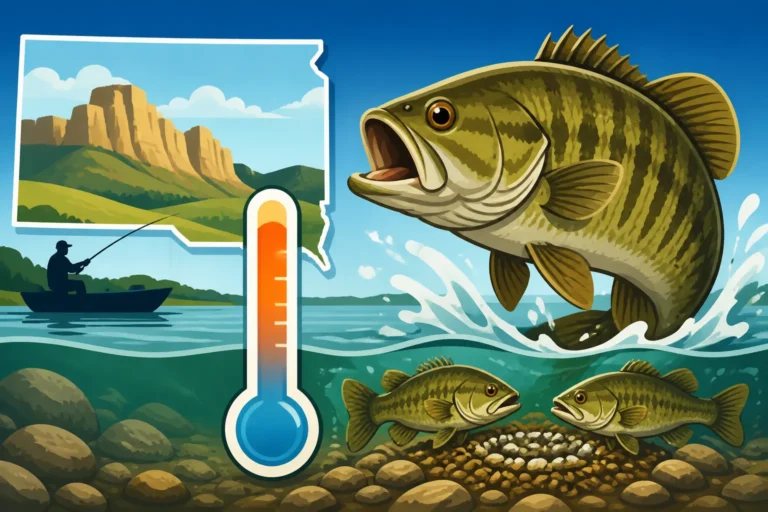
As the ice recedes and spring arrives in South Dakota, perch move into shallower waters, often seeking out spawning areas. They typically spawn when water temperatures are in the 45-55°F range, usually in late April to early May, depending on the year. During this pre-spawn and spawn period, they can be incredibly active and concentrated in shallow bays, along emerging weed lines, and near submerged brush or flooded timber. This is an excellent time for shore anglers or those in smaller boats to target them, using small jigs tipped with minnows or worms under a slip bobber. The bite can be fast and furious as they feed heavily before and during spawning.
As spring transitions into summer, water temperatures continue to rise. Perch will gradually move out of the very shallowest water, though they will often remain connected to weed lines or other forms of cover. During the peak of summer, especially in clearer lakes, perch tend to seek deeper, cooler water, often congregating around the edges of deep weed beds, along drop-offs, or suspended over deep basins where baitfish are abundant. Locating the thermocline (if present) can be key, as perch often hold just above or within this cooler water layer. Trolling small crankbaits or jigging vertically with live bait over structural elements are effective strategies. Early mornings and late evenings often offer the best bites during the summer months when perch move into shallower feeding areas. Look for concentrations of South Dakota Yellow Perch Fishing Facts to understand how temperature influences their behavior.
Fall Perch Hotspots
Fall is a fantastic time to target perch in South Dakota, as they enter a pre-winter feeding frenzy. As water temperatures begin to cool, perch become more active and aggressive, moving into shallower to mid-depth waters to gorge on baitfish and insects in preparation for the leaner winter months. This can lead to some of the most consistent and exciting fishing of the year. During early fall, look for perch to be transitioning from their deep summer haunts towards shallower flats and points that still hold healthy green weeds. These weed beds provide excellent cover and concentrate baitfish, making them prime feeding zones.
As fall progresses and water temperatures continue to drop, perch will often move to slightly deeper structure, such as submerged humps, rock piles, or steep drop-offs leading into the main basin of a lake. They will often school tightly during this period, and once you find one, you've likely found a whole school. Vertical jigging with minnows or spoons becomes incredibly effective, especially when paired with good electronics that can help you pinpoint these schools. The fall bite can last right up until ice-up, offering phenomenal opportunities for anglers willing to brave the cooler weather. Lakes in the Glacial Lakes region, like Lake Poinsett or Bitter Lake, are particularly known for their incredible fall perch action.
Winter Perch
When South Dakota's lakes freeze over, the focus shifts entirely to ice fishing for perch, a beloved winter pastime. While perch activity slows down in the cold water, they remain catchable and often congregate in large, predictable schools, making them a prime target for hardwater anglers. During early ice, perch can often still be found in relatively shallower depths, along the edges of remaining green weeds or over mid-depth flats. As winter progresses and ice thickens, they tend to move into deeper basin areas, often suspending over the mud bottom or relating to subtle changes in depth or structure like a submerged point or hump.
Locating these schools is paramount to success. This is where a good ice fishing fish finder or flasher truly shines, allowing you to quickly identify fish and bait concentrations. Once you find them, vertical jigging with small tungsten jigs tipped with waxworms or spikes is the go-to method. Small spoons or even tiny rattle baits can also be very effective. Sometimes a slower, more subtle presentation is key, while other times an aggressive jigging motion will trigger a bite. Many anglers also use a "deadstick" setup, with a live minnow just suspended off the bottom, alongside their active jigging rod. South Dakota Ice Fishing Guide offers more detailed advice. The winter bite can be fantastic, but remember to stay mobile. If the fish stop biting, don't be afraid to drill new holes and search for another active school.
Tips for Finding and Catching Trophy Perch
While catching any perch can be a blast, there's a special thrill that comes with hooking into a true South Dakota "jumbo." These larger specimens are more elusive, warier, and put up a substantially stronger fight, making them a coveted prize for many anglers. Shifting your mindset and tactics from simply catching numbers to specifically targeting these bigger fish requires a bit more intentionality and a departure from standard perch strategies.
Locating Large Schools
Finding large perch, especially the trophy-sized ones, often means going where the numbers are, but then applying a strategy to weed out the smaller fish. Jumbos rarely travel alone; they are almost always part of a school. However, these larger schools often hold in deeper water or relate to more subtle structural elements that smaller perch might ignore. Your electronics are your most vital tool here, whether it’s a boat-mounted fish finder or an ice fishing flasher. Spend time idling over likely areas, such as deep humps, extensive breaklines, submerged creek channels, or large areas of scattered rock or timber. Look for dense schools of fish that are holding slightly off the bottom or suspended in the water column.
Don't just look for "fish"; look for larger, more distinct marks. Sometimes, a big school of perch might look like a single, thick band on your sonar, and within that band, there will be individual, larger arches signifying bigger fish. Pay attention to historical spots, too. Many experienced anglers keep detailed logs of where they've caught big perch in the past. These areas often produce year after year, particularly during similar seasonal patterns. Networking with local bait shops and fellow anglers can also provide invaluable intel on current hotspots. Remember, finding the school is half the battle; the other half is convincing the biggest ones to bite. This is especially true for ice anglers, where knowing Best Ice Fishing Techniques for Lake Oahe for specific structures can lead to jumbo perch.
Upsizing Your Presentation
This is perhaps the most critical tip for targeting trophy perch: think bigger. While small jigs and tiny baits will catch plenty of panfish, they often attract every size of perch. To specifically entice the larger fish, you need to present something that appeals to their more developed predatory instincts and their need for a more substantial meal. This often means using slightly larger jigs, spoons, or even small crankbaits that might typically be associated with crappie or even small walleye.
Instead of a 1/32 ounce jig, try a 1/16 or 1/8 ounce. For live bait, instead of just a waxworm, try a larger fathead minnow, either whole or a substantial minnow head. When ice fishing, a larger spoon or a slightly heavier rattle spoon might draw in the big ones. The rationale is simple: larger fish are often more selective and are looking to maximize their energy expenditure with a bigger meal. While you might get fewer bites overall, the bites you do get are more likely to be from the bigger fish in the school. Don't be afraid to experiment with slightly different lure profiles or colors than what you'd typically use for smaller perch. This shift in presentation can be the key to singling out those coveted jumbos. You might even find success with some of the larger panfish lures you can find on Amazon that aren't typically stocked in smaller local shops.
Patience and Persistence
Catching trophy perch often requires a level of patience and persistence that goes beyond just catching numbers. The biggest fish in any school are typically the wisest and wariest. They've grown large by avoiding predators and angler presentations, so they won't always jump at the first bait they see. You might have to sit on a spot longer, work your lure more subtly, or simply wait them out. If you've located a school of fish on your electronics, but the bites are only from smaller individuals, don't immediately pack up. Sometimes the larger perch are deeper within the school, or they might be less active and need more coaxing.
Experiment with different jigging cadences: a long pause, a tiny quiver, then another long pause might be the trick. Try letting your bait sit perfectly still on the bottom for extended periods (deadsticking). If a spot dries up, move. Don't get stuck on unproductive water, but also don't abandon a promising area too quickly. Make multiple passes in your boat or drill a pattern of holes if ice fishing, systematically covering the area where you expect the bigger fish to be. The pursuit of a trophy perch is a marathon, not a sprint, and the satisfaction of finally landing one after a dedicated effort makes every moment of patience and persistence absolutely worthwhile.
Disclaimer
This article is for general informational purposes only and does not constitute professional advice. Laws, prices and regulations vary by location and change over time. Consult a qualified professional for guidance on your specific situation.